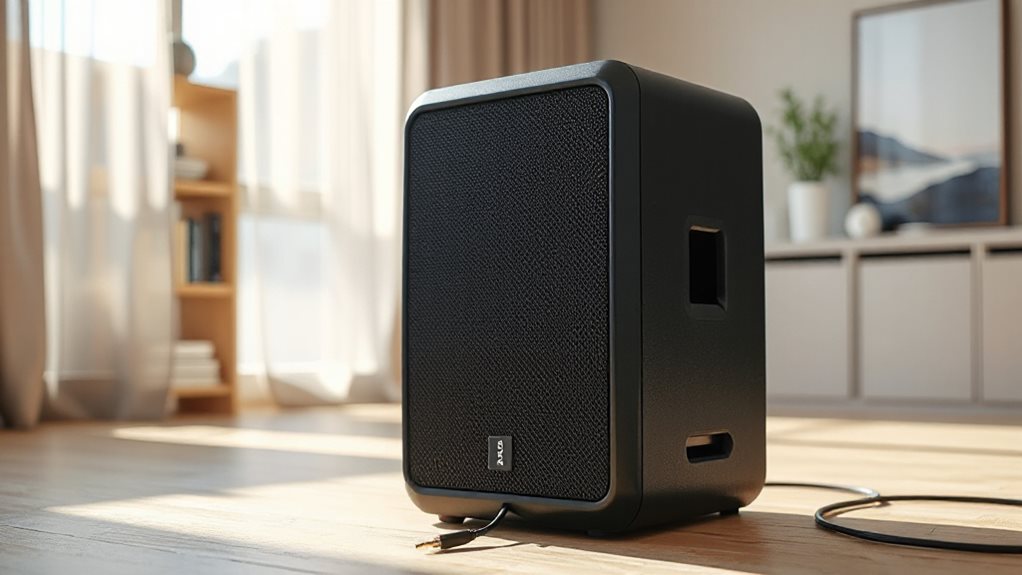
You want sound that hits hard and stays clear, right? Crank up the volume without the fuzz. Think deep bass, sharp highs, and no muddiness in between.
The best DJ setups in 2026 deliver just that, power you feel, clarity you trust.
Two systems rise to the top. One leans on brute strength, the other on smart design.
Both keep the dancefloor moving.
Your next move? See which one matches your rhythm.
Quick Overview
- BOWENS 10″ 1000W PA System delivers loud, clear sound with 300W RMS and deep 40Hz bass for DJ performances.
- PYLE PPHP28AMX offers 300W power, Bluetooth streaming, and versatile inputs for reliable DJ sound in small to medium venues.
- Speakers 10 inches or larger provide stronger bass and higher volume, making them ideal for DJs who need clear, impactful audio.
- Bluetooth 3.0+ and USB/SD playback enable wireless streaming and easy music access without the need for additional devices.
- All-in-one systems with high sensitivity (90+ dB) and portability under 60 lbs suit mobile DJs requiring quick setup and clear sound.
| Pyle PA Speaker DJ Mixer Bundle (PPHP28AMX) |  | Best Overall | Power Output: 300W MAX | Bluetooth: Bluetooth 3.0 | USB Support: USB flash reader (up to 32GB) | VIEW LATEST PRICE | Read Our Analysis |
| BOWENS 10″ 1000W PA System with Bluetooth |  | High-Power Pick | Power Output: 1000W peak | Bluetooth: Bluetooth | USB Support: USB playback | VIEW LATEST PRICE | Read Our Analysis |
More Details on Our Top Picks
Pyle PA Speaker DJ Mixer Bundle (PPHP28AMX)
Looking for big sound without the hassle? The Pyle PPHP28AMX delivers. You get two 8-inch speakers, a built-in mixer, and 300 watts of power—perfect for parties, gigs, or outdoor events. Bluetooth streams music from your phone up to 65 feet away.
Plug in mics, guitars, or USB/SD cards loaded with tracks. The 8-channel mixer lets you tweak EQ, add echo, and control volume with ease. Dual subwoofers and tweeters blast clear, balanced sound. Set it up fast on tripod stands. You’re ready to rock—no extra gear, no stress. Just loud, crisp audio that fills the room.
- Power Output:300W MAX
- Bluetooth:Bluetooth 3.0
- USB Support:USB flash reader (up to 32GB)
- SD Card Support:SD card reader (up to 32GB)
- Microphone Input:2 x 1/4″ mic inputs, 4 x XLR
- Speaker Size:8-inch subwoofers (dual)
- Additional Feature:8-channel mixer with LCD
- Additional Feature:5-band graphic EQ
- Additional Feature:+48V phantom power
BOWENS 10″ 1000W PA System with Bluetooth
You’re a mobile DJ who needs power, portability, and plug-and-play ease. The BOWENS 10″ 1000W PA System answers your call. You plug in, pair via Bluetooth, and play — fast.
Dual 10” woofers deliver deep bass and crisp highs, perfect for outdoor gigs or packed rooms. You stream from USB, SD, or phone with LCD guidance. Need mics? Use XLR or 1/4” jacks. Remote control puts volume, tracks, and tone at your fingertips.
At 300W RMS, it powers small to medium venues with punch. Metal and plastic housing stands tough. You’re ready for weddings, parties, or street sets with clear, loud sound that keeps crowds moving.
- Power Output:1000W peak
- Bluetooth:Bluetooth
- USB Support:USB playback
- SD Card Support:SD card playback
- Microphone Input:Microphone input (6.35mm Jack, XLR)
- Speaker Size:10-inch woofers
- Additional Feature:Remote control included
- Additional Feature:LCD media display
- Additional Feature:1000W peak power output
Factors to Consider When Choosing PA Speakers for DJs
You need power that matches your gig size, too little and your sound fizzles, too much and you blow out the room. Think 500 watts for small clubs, 1000+ for outdoor stages, and always check both RMS and peak ratings so you don’t get fooled by big numbers.
Bigger speakers, like 12-inch or 15-inch, punch deeper bass, while 10-inch models stay light and tight for quick setups.
Power Output Requirements
What makes a DJ’s sound fill a room without cracking or fading? Power output, specifically RMS watts, keeps your beats loud and clean. You need enough RMS power to match your venue size. For small to medium spaces, aim for 300 to 1,000 watts total.
It’s not about peak bursts. Those are just quick spikes. RMS tells you what the system can handle continuously. Think steady, punchy bass and crisp highs all night long.
Match your speakers’ impedance, usually 4 or 8 ohms, to your amp for best results. Don’t overlook sensitivity either. A 90+ dB rating means louder sound with less power. That boosts efficiency and protects your gear.
Speaker Size Impact
How deep does your bass need to hit? If you spin tracks with heavy kick drums or pulsing basslines, go big. Larger drivers, 10-inch or 12-inch, push deeper, reaching down to 40Hz or lower, filling clubs with chest-thumping lows. A smaller 8-inch might only start at 48Hz, missing the true rumble you want.
Size shapes sound: bigger cones move more air, delivering louder, richer bass and higher volume. But they demand more power—often 300 watts or more—so match them with a strong amp. And yes, they’re heavier, bulkier, harder to load alone.
If you’re gigging weekly, think about your car space, your back, and your time. Choose 6.5-inch or 8-inch for quick setups and lighter loads. Want impact? Go large. Need mobility? Size down. Your sound, your call.
Connectivity Options Available
Ever wonder how to keep the music moving without tripping over cables or fumbling with gear? Use PA speakers with Bluetooth 3.0 or higher. You’ll stream wirelessly from your phone or tablet up to 65 feet away, no cords, no hassle.
Plug in mics, guitars, or turntables using XLR, 1/4-inch, or RCA inputs. Versatility matters when gear changes fast. Need to play tracks without a laptop? Choose systems with USB and SD card support, handling up to 32GB of stored music.
A digital LCD screen helps you scroll through playlists or adjust levels with ease, whether you’re wired or wireless. Match your amp and speaker by checking impedance: 4 or 8 ohms keeps the sound clean and powerful. Connect right, play loud, and keep the crowd locked in. Simple links mean seamless sets.
Portability And Setup
A solid PA system moves as fast as your gig schedule. You need gear that’s light, compact, and easy to carry. Look for built-in handles and speakers that are under 60 pounds. Anything heavier means double duty on load-in.
Use pole-mountable speakers with tripod stands. They save space and give you clean, elevated sound in seconds. Lightweight materials like molded plastic or composite enclosures cut weight without sacrificing durability.
Go wireless with Bluetooth to drop messy cables and connect fast. Avoid modular systems with separate amps and speakers. They mean more wires, more time, and more hassle. Instead, pick all-in-one designs that snap together smoothly.
Compact doesn’t mean weak. Many small enclosures pack serious volume. Set up quick, tear down faster. Your gear should keep pace, beat for beat, gig after gig. Efficiency starts the moment you walk in the door.
Sound Quality Performance
You’ve got your gear loaded fast and set up smooth, now it’s time to make sure the crowd feels every beat. Sound quality hits hard when bass drops deep and highs stay crisp.
Look for speakers with a wide frequency response, like 48Hz–18kHz, so kicks punch low and cymbals ring clear. You want sensitivity at 90dB or higher—louder sound, less strain on your amp. Keep distortion under 10% for clean, true-to-source audio, no muddy mess.
Match impedance between 4 and 8 ohms so power flows right, no dropouts, no static. A signal-to-noise ratio above 75dB cuts the hiss and keeps your mix sharp.
Choose smart, play loud, sound flawless. Every note lands. Every beat locks. You own the room.
Frequently Asked Questions
Can I Use PA Speakers for Outdoor Gigs in the Rain?
No, you can’t safely use regular PA speakers in the rain. Water fries circuits like a sizzling campfire in a thunderstorm.
Protect your gear. Use weather-resistant models or covers. If caught outside, tilt speakers to shed water. Never leave them exposed.
Treat electronics like campfire gear: keep them dry, and they’ll last. Smart prep means loud, clear sound, rain or shine.
How Do I Prevent Feedback During Live DJ Sets?
You stop feedback by positioning speakers in front of mics, not behind. Point monitors toward you, not the microphones. Lower the mic volume if it squeals; do not crank it. Use EQ to cut high frequencies slightly. Test levels before the crowd arrives.
Move if feedback starts. Your body blocks sound waves. Keep cables tight and gear dry. Stay alert, stay smooth, keep the beat clean.
Are Wireless PA Systems Reliable for Professional DJ Performances?
Yes, wireless PA systems are reliable for pro DJ sets now. You just need strong gear. Pick systems with 2.4 GHz or 5 GHz dual-band tech. They cut the interference fast. When setting up your sound system, consider highquality mixers for home DJs to enhance your overall performance. These mixers provide crucial features like multiple channels and effects, which are essential for mixing tracks seamlessly. Investing in the right equipment ensures a professional sound, making your home setup feel more like a high-end DJ booth.
Brands like Bose and Electro-Voice offer stable links. Keep your transmitter close. Avoid crowded Wi-Fi zones. Use backup cables. Smart DJs always do. When looking for the best dj headphones for studio use, prioritizing comfort and sound isolation is key. Brands like Sony and Sennheiser are renowned for their quality in this area. A good pair can significantly enhance your mixing experience, allowing you to focus on the music without distraction. For those eager to elevate their craft, exploring the best dj mixers for aspiring artists can make a considerable difference in performance quality. A mixer with intuitive controls and reliable sound output can help beginners develop their skills more effectively. Additionally, investing in quality gear lays a strong foundation for a successful journey in the music industry.
Signal drops? Reboot, re-pair, stay cool. Modern wireless is tight, clean, and ready when you are. Trust it, but double-check.
What’s the Ideal Speaker Placement for Even Sound Coverage?
Place your speakers at head height, angled slightly inward. Stand them apart, eight to ten feet, for wide, even coverage. Keep them clear of walls to reduce boominess. Aim them toward the dance floor’s center, not the edges.
Use stands for elevation. If space allows, add monitors so you hear what the crowd hears. Test the mix from different spots. Adjust until the beat hits clean everywhere.
Sound should flow like water—smooth, full, balanced.
Can I Daisy-Chain Multiple PA Speakers From Different Brands?
No, you can’t safely daisy-chain PA speakers from different brands. Mismatched impedance and power handling? That’s a recipe for blown gear. Stick to the same-brand pairs; they’re tuned to play together.
Think of it like drums: syncopated beats need rhythm, not chaos. Plug matching speakers into your mixer or amp. Balanced. Clean. Loud. Protect your sound. Protect your show.