
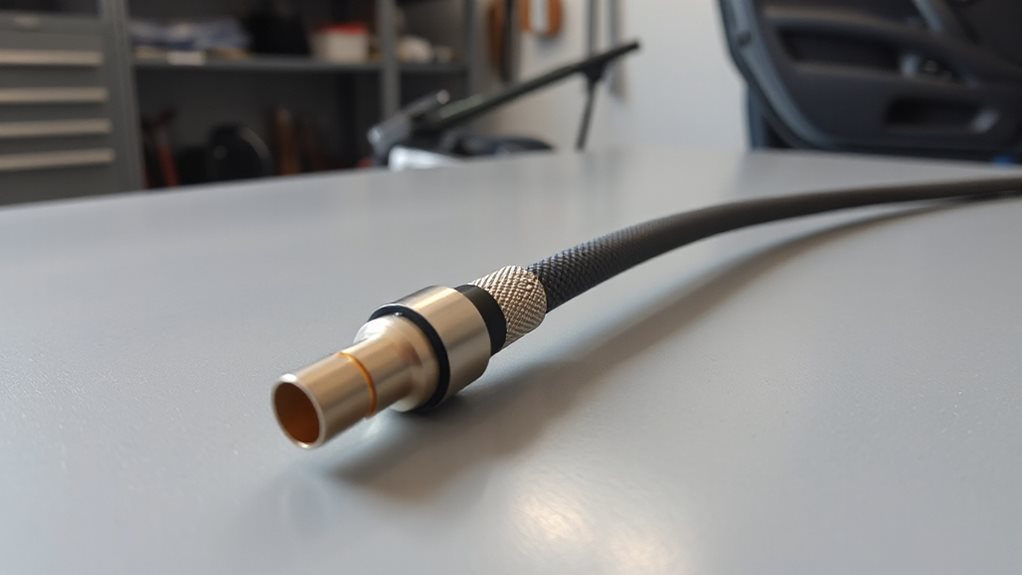
You’re driving at sunset, your favorite track playing through speakers wired with Amazon Basics 16-gauge bronze cable, clean, clear, no fuzz.
Every note hits sharp and true. That crisp sound doesn’t happen by accident. It starts with the right wire: the right thickness, the right material, the right fit for your car’s rhythm.
Choose wrong, and music loses its punch. Choose right, and your system sings. The best wires in 2026 do more than connect. They deliver.
Quick Overview
- Choose 14 AWG or thicker for long runs or high-power systems to minimize resistance and ensure clear, powerful sound.
- Opt for pure copper conductors over CCA to reduce signal loss and deliver superior audio quality and durability.
- Select finely stranded, flexible wire to withstand vehicle vibrations and simplify routing through tight automotive spaces.
- Look for color-coded polarity, such as red/black, stripes, or text, to prevent miswiring and ensure accurate, efficient installations.
- Prioritize durable, soft PVC jackets that resist heat, UV, and abrasion while enabling smooth installation and long-term reliability.
| 16 AWG Speaker Wire Cable (100ft) |  | Best Overall | Gauge: 16 AWG | Length: 100ft | Conductor Material: Copper-clad aluminum (CCA) | VIEW LATEST PRICE | Read Our Analysis |
| Install Link 14 Gauge Speaker Wire 100ft |  | Heavy-Duty Performance | Gauge: 14 Gauge | Length: 100ft | Conductor Material: Copper-Clad Aluminum (CCA) | VIEW LATEST PRICE | Read Our Analysis |
| Amazon Basics 16-Gauge Speaker Wire Cable 50 feet Transparent |  | Budget-Friendly Pick | Gauge: 16-Gauge | Length: 50 feet | Conductor Material: Not explicitly stated (implied copper via standard, but not specified) | VIEW LATEST PRICE | Read Our Analysis |
| Amazon Basics Speaker Cable Easy Assembly 16-Gauge Bronze 100 ft |  | Editor’s Choice | Gauge: 16-Gauge | Length: 100 ft | Conductor Material: Copper (implied by bronze appearance) | VIEW LATEST PRICE | Read Our Analysis |
| Kinter 100ft Speaker Wire for Home Theater |  | High-Strand Flexibility | Gauge: 16-gauge | Length: 100 feet | Conductor Material: CCA (Copper Clad Aluminum) | VIEW LATEST PRICE | Read Our Analysis |
More Details on Our Top Picks
16 AWG Speaker Wire Cable (100ft)
If you’re upgrading your car’s sound without breaking the bank, this 16 AWG speaker wire is your go-to pick. It’s 100 feet of double-conductor stranded wire, plenty for most rides. The softflex jacket bends easily, slips behind panels, and resists cracks.
You’ll love how it routes cleanly, no kinks, no fuss. Frosted red and black coding? Perfect. You’ll never mix up polarity. Stripping’s a snap, connections stay tight.
Copper-clad aluminum delivers solid signal—efficient, clear, strong. It’s built for car audio, so power flows smooth to your speakers. Install it yourself. No drama. Just crisp sound, beat after beat.
- Gauge:16 AWG
- Length:100ft
- Conductor Material:Copper-clad aluminum (CCA)
- Jacket Material:Softflex
- Polarity Identification:Frosted red/black color coding
- Conductor Type:Stranded
- Additional Feature:Frosted red/black coloring
- Additional Feature:SoftFlex jacket material
- Additional Feature:Easy routing flexibility
Install Link 14 Gauge Speaker Wire 100ft
You’re building a sound system that hits hard and stays clear. Install Link’s 14 Gauge Speaker Wire keeps up. It’s 100 feet of tough, flexible wire, perfect for cars, trucks, or SUVs.
You’ll love how it bends easily under seats and behind panels. The soft red and black jacket resists cracks, while color-coded strands guarantee correct positive and negative connections.
Its stranded CCA core carries power smoothly, cutting signal loss. Strip it fast. Connect it quick. Feel the bass deepen, the mids sharpen. This wire handles high-wattage amps without flinching.
It’s reliable. It’s ready. Your ride, your rules. Crank the volume.
- Gauge:14 Gauge
- Length:100ft
- Conductor Material:Copper-Clad Aluminum (CCA)
- Jacket Material:SoftFlex
- Polarity Identification:Frosted red and black jacket
- Conductor Type:Stranded
- Additional Feature:14-gauge thick gauge wire
- Additional Feature:Frosted jacket finish
- Additional Feature:Exceptional stranded flexibility
Amazon Basics 16-Gauge Speaker Wire Cable 50 feet Transparent
This Amazon Basics 16-gauge speaker wire is your go-to pick if you want clean sound without the clutter. You get 50 feet of transparent wire, neatly wound on a hard spool: easy to unwind, simple to store. The white line on one conductor shows polarity, so you wire it right, every time. Sixteen-gauge thickness handles power well, delivering clear, strong audio to your car speakers.
It connects receivers to speakers smoothly, no distortion, no dropouts. Slip it through tight spaces with ease. You’ll hear crisp highs, rich mids, and solid lows. It’s reliable, affordable, and built for real results.
- Gauge:16-Gauge
- Length:50 feet
- Conductor Material:Not explicitly stated (implied copper via standard, but not specified)
- Jacket Material:Plastic
- Polarity Identification:White line on one conductor
- Conductor Type:Not explicitly stated (but typical for gauge/length)
- Additional Feature:Transparent jacket design
- Additional Feature:Hard plastic spool packaging
- Additional Feature:White line polarity indicator
Amazon Basics Speaker Cable Easy Assembly 16-Gauge Bronze 100 ft
Bronze-hued and built for beginners, the Amazon Basics Speaker Cable cuts clean for anyone wiring a car audio system on a budget. You’ll unspool it easily—100 feet wrapped tight on a durable reel.
Its 16-gauge copper core carries sound strong, no fuzzy signals. Feel the thick plastic jacket, smooth in your hands, shielding against interference. One wire has a black stripe: match it to negative, and you’re set.
Cut it clean, strip the ends, connect to your amp or deck. It fits tight, runs quiet, and won’t quit. Perfect for door speakers, subs, or rear fills. Crisp. Clear. Done right.
- Gauge:16-Gauge
- Length:100 ft
- Conductor Material:Copper (implied by bronze appearance)
- Jacket Material:Plastic
- Polarity Identification:Black line on one wire
- Conductor Type:Stranded (implied by “easy assembly” and standard design)
- Additional Feature:Bronze-colored jacket
- Additional Feature:Black line polarity mark
- Additional Feature:High spool dispensing ease
Kinter 100ft Speaker Wire for Home Theater
When you’re wiring a car audio system on a budget but still want solid performance, the Kinter 100ft Speaker Wire delivers. You get 100 feet of 16-gauge, 2-conductor cable—plenty for most vehicles.
Its high-strand CCA core bends easily, slips through tight spaces, and resists breaking. The clear PVC jacket is soft, tough, and lets you see the red polarity stripe underneath.
That stripe keeps your connections right, every time. You’ll plug in fast, stay in phase, and hear cleaner sound. Perfect for amps, speakers, or subs.
Durable. Flexible. Precise. You’re not just installing wire—you’re building better bass, one solid link at a time.
- Gauge:16-gauge
- Length:100 feet
- Conductor Material:CCA (Copper Clad Aluminum)
- Jacket Material:Clear PVC
- Polarity Identification:Red polarity stripe
- Conductor Type:High-strand count
- Additional Feature:74-strand high strand count
- Additional Feature:Recyclable spool packaging
- Additional Feature:Clear PVC jacket
Factors to Consider When Choosing Speaker Wire for Cars
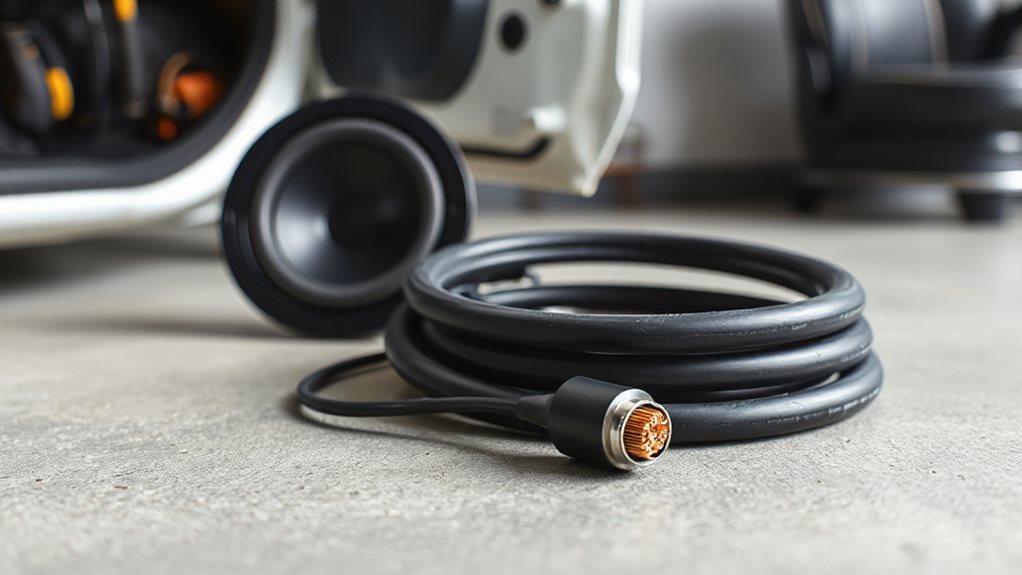
You need the right wire for your car’s sound to hit clean and strong. Pick a thick enough gauge, like 16 or 14 AWG, for short runs, or go thicker for bigger amps and longer distances. Always use copper conductors so your music stays clear.
Tough jacketing resists heat and crushing. Flexible strands bend easily behind panels. Clear stripe or color coding keeps your positive and negative wires straight every time.
Wire Gauge Selection
Though power and distance shape your sound, picking the right wire gauge keeps your music strong and clear. Use 16 AWG for short runs under 15 feet, great for door speakers with low-to-moderate power. It’s easy to bend, fits tight spaces, and saves cash.
But push more power or run longer cables? Step up to 14 or 12 AWG. Big subwoofers demand it. Thicker wire fights resistance, cuts power loss, and keeps bass tight. Over 20 feet? Don’t skimp—12 or 14 AWG is your best bet.
Every two-gauge jump, like 16 to 14, halves resistance. That means more juice reaches your speakers. Clean signal. Hotter performance. No fizzled beats. Match your setup. Respect the distance. Feel the difference. Right gauge, right place—your sound stays crisp, punchy, and alive.
Conductor Material Type
A solid wire starts with smart material choices, and that means knowing what’s inside the insulation. You want pure copper. It carries sound better, resists heat, and lasts longer.
CCA wire is cheaper, sure, with an aluminum core wrapped in copper, but it fights your music. It’s about 40% more resistant, so signals weaken, especially over long runs. That extra resistance also means more heat, a real risk in powerful car systems. Plus, aluminum breaks faster when bent.
Cars shake, twist, and vibrate. Fine-stranded copper laughs it off. CCA cracks under pressure. Flexibility matters. Choose fine strands. They flow with the road, never snap.
For crisp highs, deep bass, and zero dropouts, go pure. Not perfect? No, but it’s the best. Your speakers will sing.
Jacket Durability Matters
Strong copper inside keeps your music clean, but it won’t last long without tough armor around it. You need a jacket that fights heat, scrapes, and sun. Flexible PVC shields wires from engine heat and sharp metal edges. It resists cracking, even after years of blazing afternoons or freezing nights.
When you route wire through doors, thick jackets survive tight grommets and constant flexing. UV-resistant coating stops sunlight from turning your wires brittle, crucial for convertibles or side speakers near windows. Soft insulation bends easily, yet stays tough, so it won’t tear when pulled. Less friction means smoother runs, no snags.
Think of it like armor; it guards against moisture, vibration, and wear. You’ll save time, avoid damage, and keep signals strong. A durable jacket isn’t just protection, it’s peace of mind. Your system stays solid, mile after mile.
Flexibility For Routing
Think of your car’s interior as a maze of tight corners, sharp edges, and narrow tunnels. Your speaker wire has to dance through it all.
Choose stranded wire, not solid core. It bends more easily, thanks to multiple thin conductors inside. More strands—74 or higher—mean better pliability and less kinking. You’ll need that when snaking behind dashboards or around door frames.
Go for a soft jacket, like flexible PVC. It twists smoothly through firewall grommets and under carpets without fighting back. Slim wires, about 0.15 inches thick, slip into tight spaces without forcing panels or trimming. That saves time and cuts stress on connections.
Less stress means fewer breaks, even with constant road vibration. Flex matters. It keeps your install clean, safe, and durable. Bend it right, route it smooth, and your sound stays strong.
Polarity Identification Ease
Getting polarity right keeps your speakers in sync and your sound crisp. You want clean, punchy audio. Flipping polarity muddies it.
Look for wires with color-coded insulation, like red for positive and black for negative. It’s quick. It’s smart. A white or red stripe along one conductor gives you a clear visual guide every time.
Some wires even have a printed line or a raised ridge. Run your fingers over it and *feel* the difference. That tactile cue saves time, especially in tight spots.
Frosted or textured jackets add contrast, helping you see the wires clearly, even in dim light. And when runs go long or twist through dark corners, clear labeling keeps you on track.
Don’t guess. Don’t risk a mistake. Use these built-in markers. They’re your allies. Spot them. Trust them. Connect with confidence. Your music plays better when every wire knows its place.
Length Requirements Planning
How far does your sound have to travel? Measure from your amplifier or head unit to each speaker. Add 10–20% extra. This gives you room to route neatly and adjust later. Longer runs mean more resistance, and that weakens your signal.
If you’re running wire over 50 feet, go thicker. Choose a lower gauge. It keeps your sound strong. Plan one continuous run whenever possible. Splices add resistance and can fail. They’re weak links.
Think through your car’s layout. A trunk-mounted amp? Rear speakers? Those need more wire than front doors. Use a wire gauge chart. Match your power, distance, and speaker impedance. Pick the right gauge. Minimize power loss. Keep your music clear, tight, and full.
Plan smart. Sound sharp.
Frequently Asked Questions
Can Speaker Wire Affect Sound Quality in Cars?
Yes, speaker wire affects your car’s sound quality. Thin wires weaken signals, making music flat and dull.
You need thick, pure copper wire, such as 16 or 14-gauge, for strong, clear power flow. Short runs? 16-gauge works. Longer? Step up to 12. Oxygen-free copper cuts interference.
Match the wire to the speaker’s needs. Strip ends clean. Crimp connectors tight. Feel the bass deepen. Hear the highs sparkle. Good wire brings your music to life.
Is Thicker Wire Always Better for Car Audio?
No, thicker wire isn’t always better. Think of it like shoes: size matters, but only if it fits.
Use 16-gauge for short runs to regular speakers. Need power for subs? Go 12-gauge. Longer distances? Step up to 14.
Too thick, and you’ll waste money fighting tight spaces. Match wire to need. Balance cost, fit, and flow. Right size means clear, strong sound—every time.
Do I Need Oxygen-Free Copper for Car Speakers?
No, you don’t need oxygen-free copper for car speakers. Regular copper wire works great.
Oxygen-free costs more but rarely improves sound in short car runs. You’ll hear crisp highs and deep bass either way. Focus on proper gauge and solid connections instead. Save money. Spend it on better speakers.
Keep it simple. Good wire, tight fits, those matter most. Your music will thank you.
Can I Mix Different Gauge Wires in One Setup?
Yes, you can mix different gauge wires in one setup. Just match thicker wire to longer runs or bigger speakers. Use 14-gauge for rear speakers, 12-gauge for front components. Keep power lines heavy, signal paths clean.
Don’t crisscross wires. Secure them tight. Your amp feeds power like a strong heart, pumping steady, smooth, sure. Cut cleanly. Strip neatly. Connect firmly. Sound stays crisp when you wire it smart.
Does Speaker Wire Insulation Matter in High-Heat Environments?
Yes, insulation matters, especially when heat’s breathing down your wires’ neck. You don’t want frayed dreams under the dash.
Pick thick, heat-resistant jackets like PVC or cross-linked polyethylene. They shield signals like armor. Thin wraps melt, crack, fail.
Trust robust insulation. It keeps sound crisp, clean, and steady. Wrap your wires right, and your music stays alive, beat after beat, mile after mile. Protect now, perform always.