What’s the purpose of a dash cam if it misses the moment that matters? You need clear footage when the unexpected hits: rain-slick roads, sudden stops, or a fender bender at dawn.
That’s why resolution matters. Shoot for 1080p at minimum. It captures license plates, road signs, and facial details. Higher is better.
But don’t get lost in megapixels. A 4K cam is useless if it stutters in low light.
Resolution and Low-Light Performance
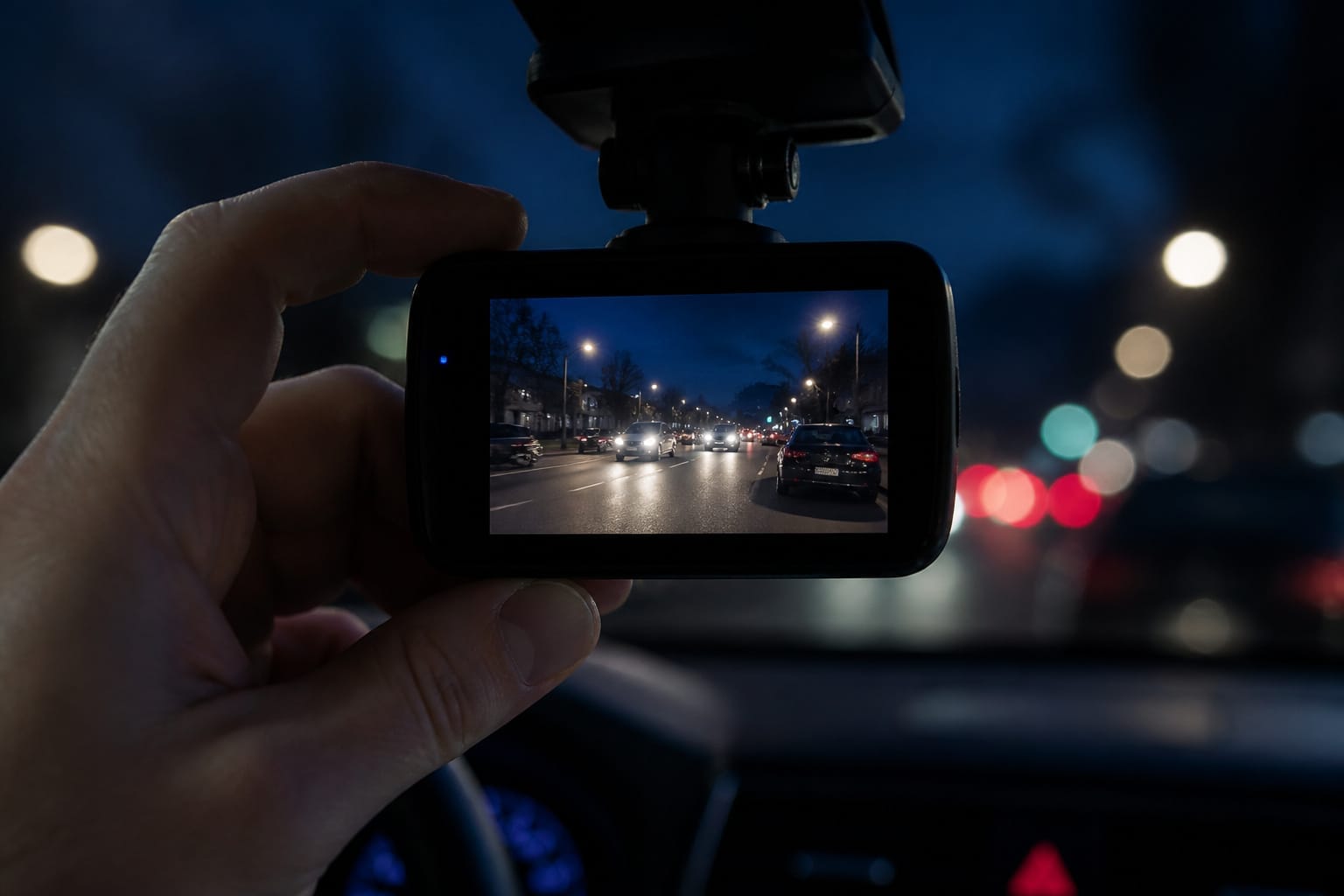
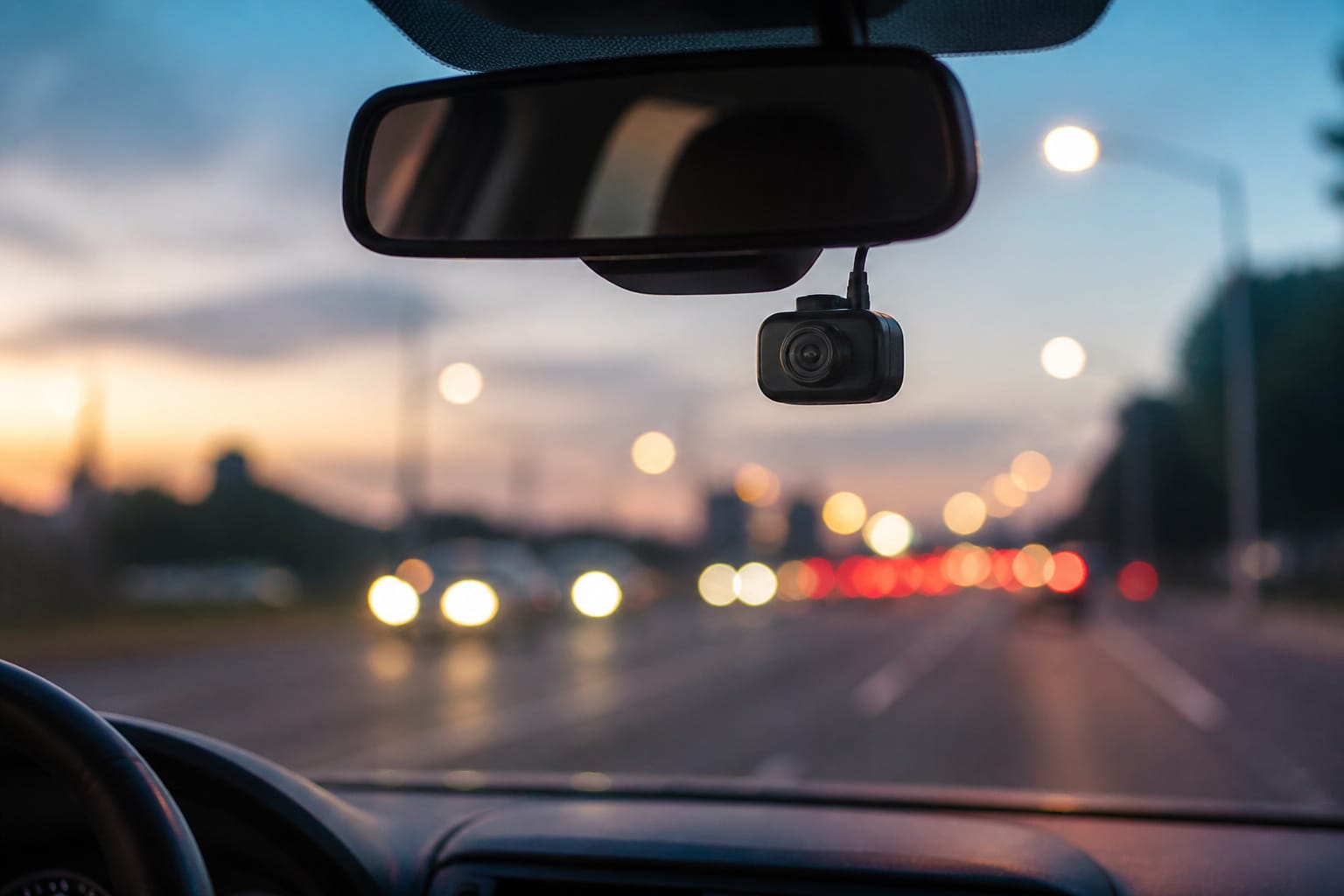
You drive at night, so your dash cam must too. Look for wide dynamic range and good low-light performance. These features balance bright headlights and dark shadows. Without them, you’ll get washed-out scenes or pitch-black gaps.
Starlight-grade sensors capture clear, low-noise images even on moonless nights, and premium models often add larger apertures for exceptional night vision performance.
Test sample videos. See how the camera handles streetlights, oncoming beams, and dim alleys. If faces vanish in darkness, keep looking.
Recommended Products

【Ruggedized Design】With a compact design model that still works well without taking up much space, this dash cam is built to withstand vehicle vibrations and extreme temperatures all year round.

4 Types Fuse Taps for Wide Compatibility MuHize Fuse Taps include Micro2, Mini, ATC, and ATS Low Profile fuse adapters — 12 pack total. Perfect for dash cams, LED lights, and other 12V car/truck accessories, covering most vehicle fuse boxes.

Size: Fits all cords ≤0.22''(5.6mm) inches in diameter (USB, charging, dash cam, Ethernet, audio, etc.). Most brands’ genuine small charging cords won’t fall out. Unsure about compatibility? Compare your cable to a CAT5e (Most common home Ethernet cables in the US)—thinner ones will almost certainly fit.
Mounting and Field of View
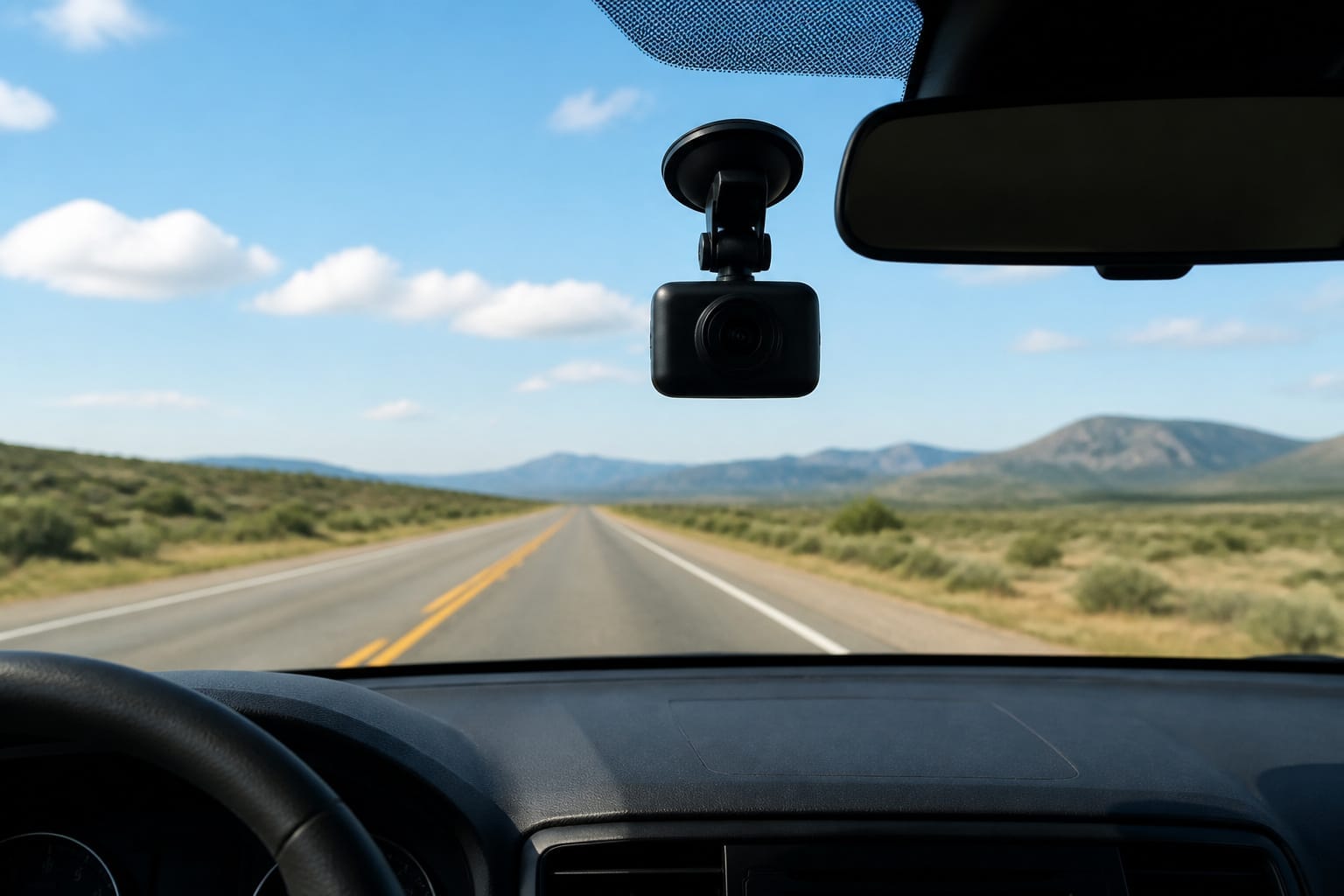
Mounting matters. A shaky cam blurs every bump. Use a sturdy bracket. Mount it high on the windshield, near the mirror, out of your line of sight but wide enough to catch both sides of the road.
Angle it straight ahead, not tilted down at the hood. You want the horizon, not the bumper. For more on placement, see our guide to best dash cam placement.
Loop Recording, G-Sensors, and Parking Mode
Loop recording saves space and sanity. It overwrites old footage when the memory card fills. There’s no need to delete files every week. But guard important clips.
Impact sensors, called G-sensors, lock video when they detect a crash. That’s essential. Without it, your accident footage could vanish in a loop. Set the sensitivity right. If it’s too high, every pothole triggers it. If it’s set too low, it won’t record an actual crash.
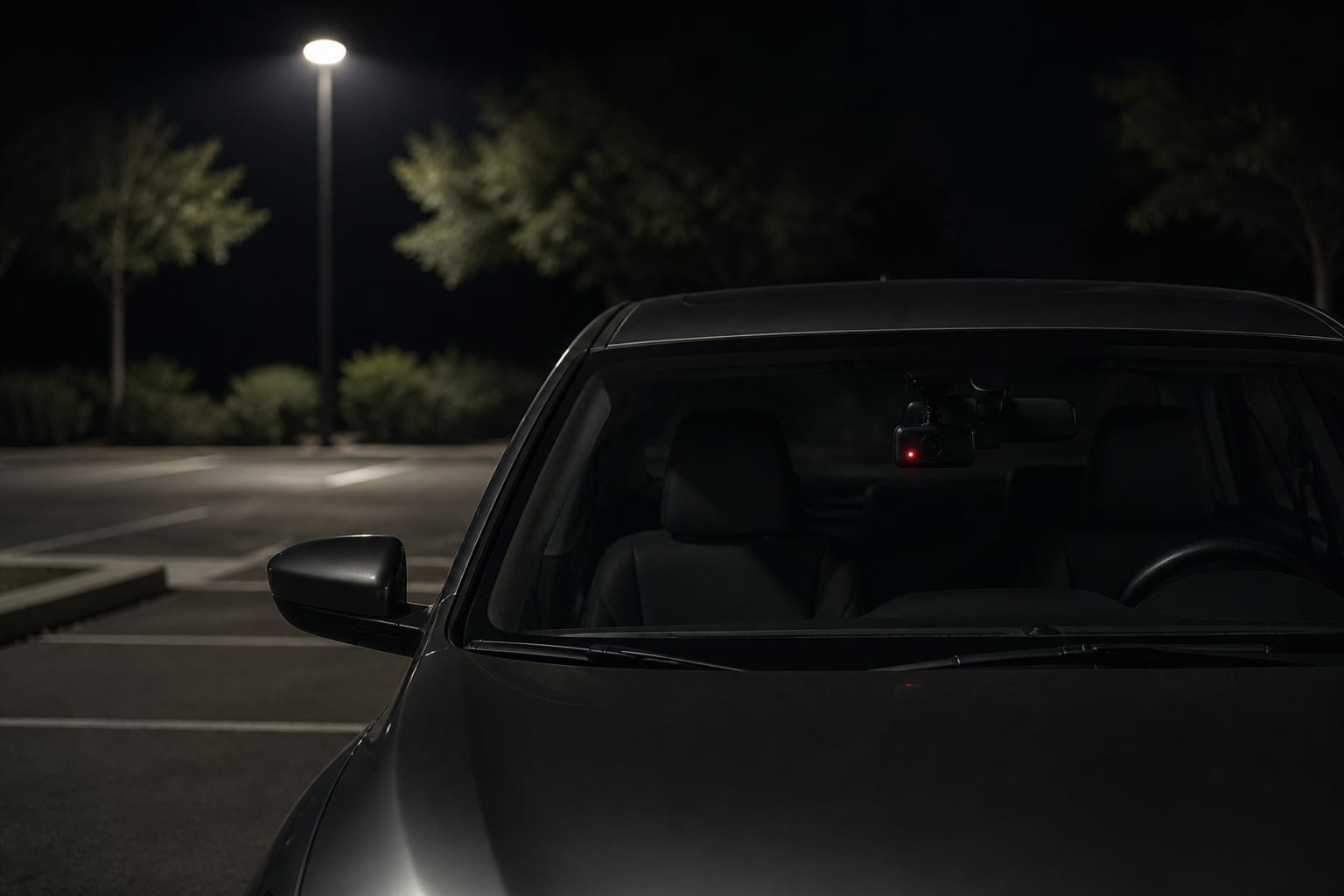
Parking mode is a quiet guardian. It watches your car while off, though it drains the battery. Use a hardwired kit to cut power before the battery dies, and route the cable cleanly so it doesn’t dangle or catch glare; our guide to hiding dash cam wires covers the full install. For more on how parking mode itself works, see our breakdown of whether dash cams record when the car is off.
Motion detection adds smarts. It starts recording only when something moves near your car, saving storage and avoiding hours of empty sidewalk.
Recommended Products
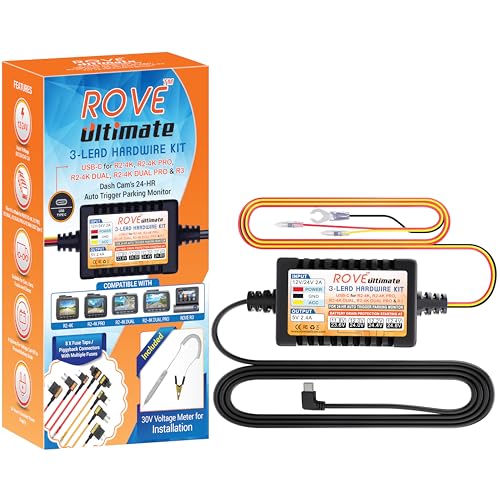
【Compatible for ROVE R2-4K with USB-C Port, R2-4K PRO, R2-4K DUAL, R2-4K DUAL PRO, and R3 Dash Cam with USB Type C】 This dash cam hardwire kit is specially designed for R2, R2-PRO, R2-DUAL, R2-4K DUAL PRO and R3 dash cams to be used for 24-hours parking monitor.
![Dash Cam Hardwire Kit,[Upgraded Version] USB C Hardwire Kit for Dash Camera with 12V-24V to 5V Power Supply,Fuse Tap,Blade Fuses & Pry Tool,Protecting Car Dash Cam Front and Rear](https://m.media-amazon.com/images/I/41Lw3-pYLFL._SL500_.jpg)
24-Hour Full Day Monitoring:A dash cam that can stably record must have a set of step-down wires silently accompanying it! And our product is such a presence! It can provide 24-hour uninterrupted power supply for your dash cam. Even if the car stalls, it can still operate stably. Providing strong guarantees for maintaining the safety of your car and property

【Wide Compatible】Input:12V-24V; Output:5V/2A. With Type-C ports, this hardwire kit compatible with all of dash cams.
Storage, Connectivity, and Weather Resistance
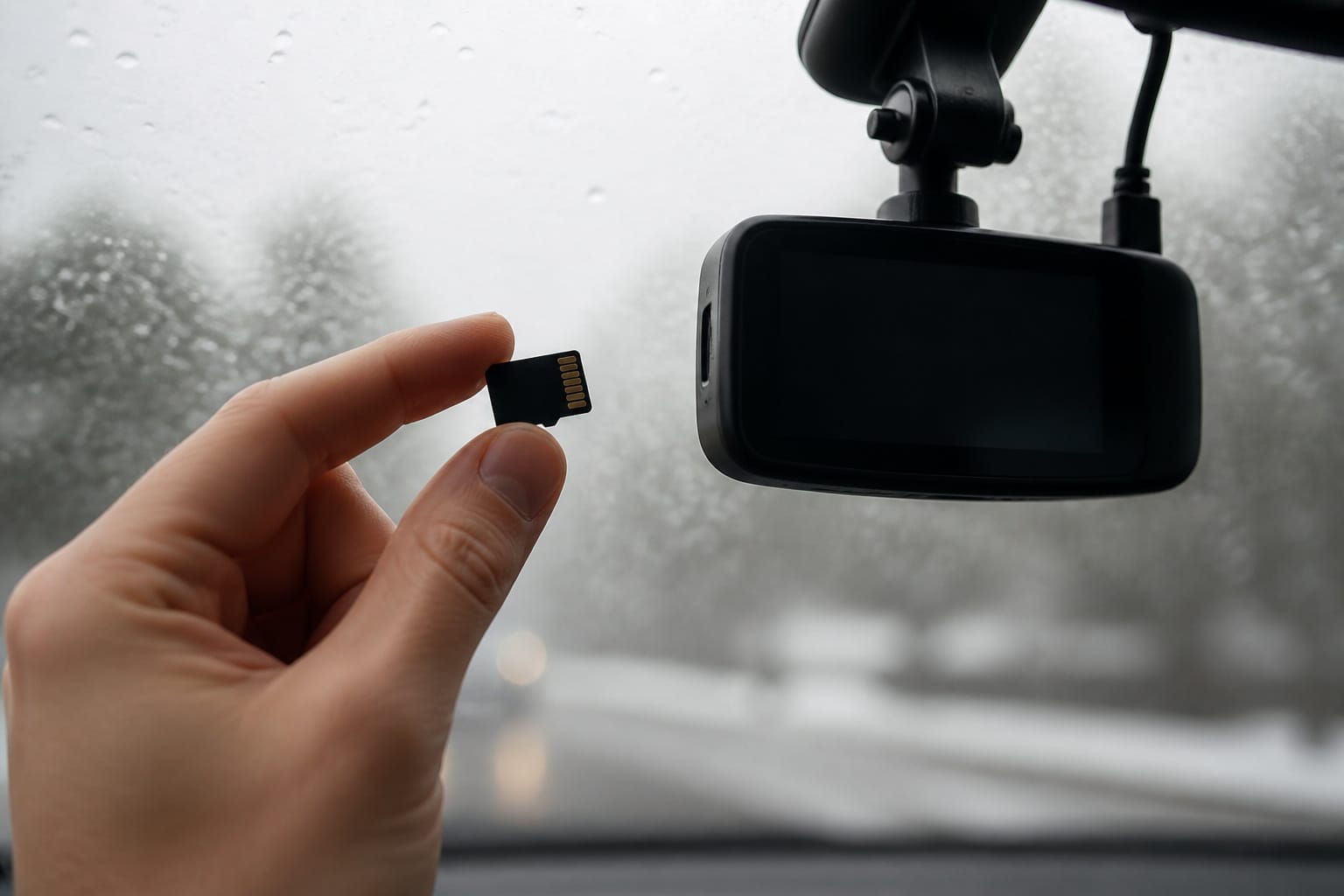
Storage size shapes how much you keep. A 32GB card holds about two hours of 1080p video, and 64GB doubles that. Bigger cards last longer between overwrites. Regular memory cards wear out fast from constant writing, so look for ones rated for continuous loop recording and extreme temperatures. For more on sizing this correctly, see how much storage a dash cam actually needs.
Touchscreens are nice but not essential. Buttons work fine. Wi-Fi and apps let you pull clips fast, which helps. GPS stamps speed and location. This is useful, but not every driver needs it.
Weather resistance keeps the lens clear. Snow, rain, and heat all test durability. Pick a model built for extremes, and check reviews from cold climates and hot summers.
You want truth, not gimmicks. Choose clarity, reliability, and smart features that work when you need them. If you’re also deciding between a front-only setup and adding a second camera, see our single vs. dual dash cam comparison. That’s how you stay covered on every drive.
Recommended Products

Compatible with Nintendo-Switch (NOT Nintendo-Switch 2)

Designed with long-lasting endurance so you can record and re-record for up to 15,000 hours (for 32GB model)(1) (1) Actual hours of video saved less. Up to 120,000 hours/over 13 years for 256GB; 60,000 hours for 128GB; 30,000 hours for 64GB; and 15,000 hours for 32GB. Full HD video only; total hours less for 4K UHD video.

[4K Ultra HD] Read/Write up to 95/40 MB/s. 4K Ultra HD video displaying/recording
Frequently Asked Questions
Can Dash Cams Record When Parked?
Yes, you can set dash cams to record when your car is parked. Think of it as a silent guard, always watching. You flip a switch to enable parking mode.
The camera stays alert, sensing motion or impact. It wakes up, starts filming. Hardwired kits power it safely. Without one, use a battery pack. Short clips save the scene. No fluff. Just proof. Smart. Simple. Ready when trouble knocks.
Do Dash Cams Work in Extreme Weather Conditions?
Yes, dash cams work in extreme weather. Cold won’t stop them. Most handle -4°F. Heat is also manageable, too. They can endure temperatures up to 140°F.
You install them inside, shielded from direct sun and frost. Electronics stay stable. Rain, snow, or blazing noon light, cameras keep recording. Parking mode still runs. Memory buffers protect footage. They’re built tough, like winter boots for your car’s brain.
Just check specs. Know your model. Trust it.
Are Dash Cam Recordings Admissible in Court?
Yes, you can use dash cam footage in court. You record, save, and share: clear proof when disputes arise. Show exactly what happened: the stop sign ignored, the lane change sudden, the crash unavoidable.
Judges accept video if it’s unedited, timestamped, and continuous. Keep your camera working, your memory card clean, your evidence strong. Play it fair, play it true: it speaks louder than words ever could. Recording rules vary by state, mostly around audio; see our state-by-state legality guide for the details.
How Do I Clean My Dash Cam Lens Properly?
Gently wipe your dash cam lens with a microfiber cloth. Don’t use shirts or paper towels; they scratch. If it’s dusty, blow air first. For smudges, dampen the cloth slightly with lens cleaner. Never spray directly.
Clean weekly, or after dusty drives. Keep it clear, keep it sharp. A clean lens means clear proof. You’ll see every detail, every time. Stay ready. Stay sharp.
Can I Use a Dash Cam With a Phone Mount?
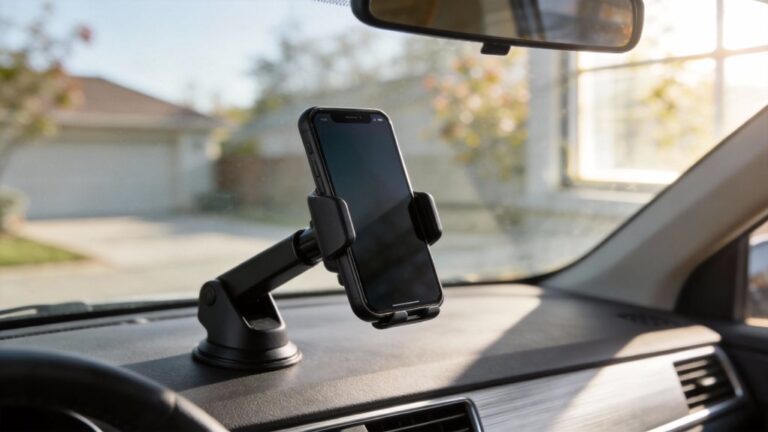
Yes, you can use a dash cam with a phone mount. Just secure it firmly. Position it high on the windshield, near the rearview mirror. Keep it steady for no shaky footage.
Plug it in, turn it on, and go. Make sure it doesn’t block your view. Adjust the angle so it clearly captures the road. Check it after driving. Review clips and confirm it works. Simple. Smart. Safe.