Even good speakers and a solid amp can sound flat when the system isn’t properly tuned.
A few minutes with the tone controls, crossovers, and gain can be the difference between muddy, lopsided sound and a system that feels like a front-row seat.
Start Neutral and Listen
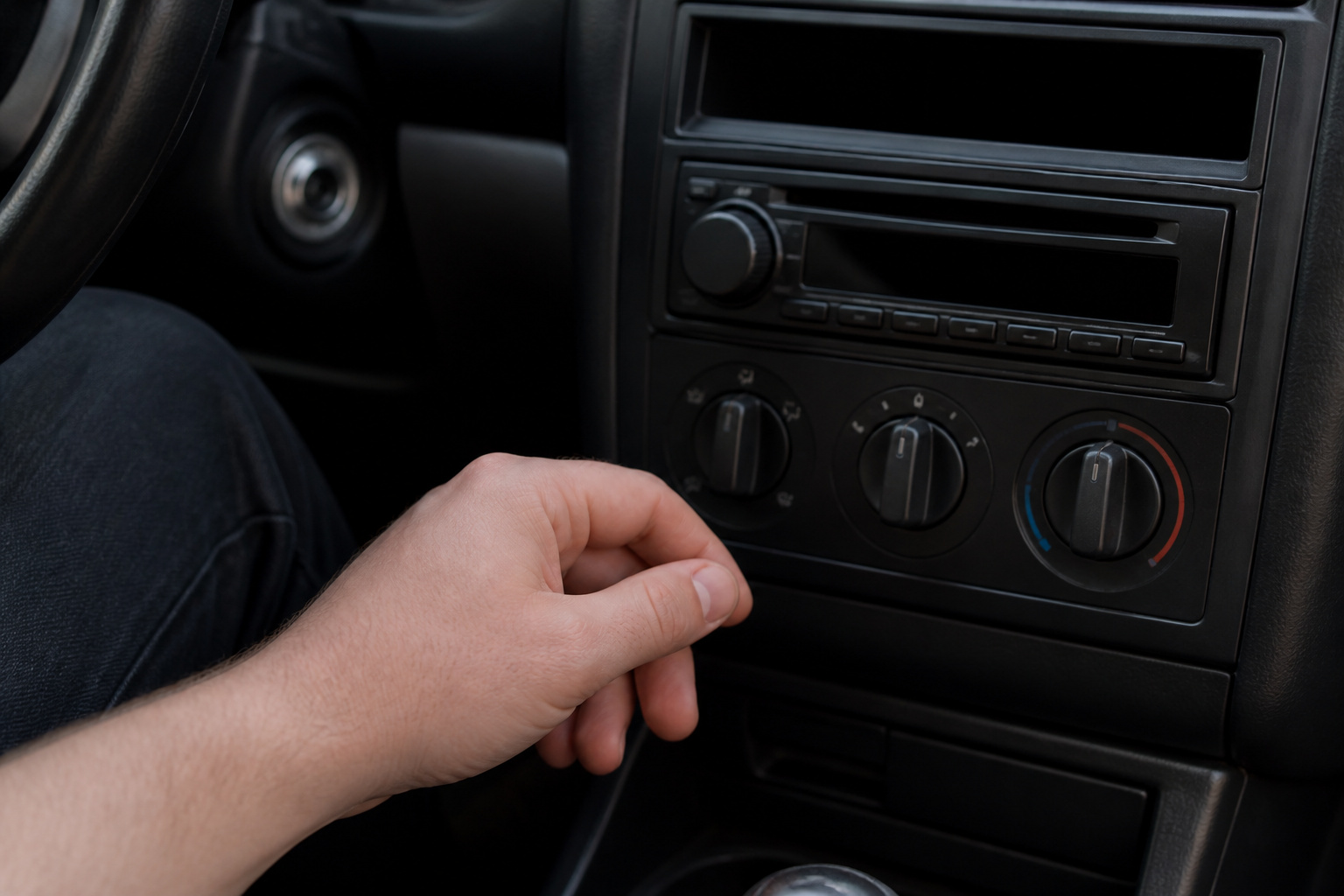
Set all tone controls, bass, treble, balance, and fader to neutral before you start; you can’t tune what’s already skewed one direction.
Play a familiar, well-recorded song with vocals, drums, and bass, and really listen: is the kick drum thumping from the back when it should be up front? Do cymbals hiss from only one side? Is the vocal buried behind the instruments? These clues guide every adjustment that follows.
Balance and Fader
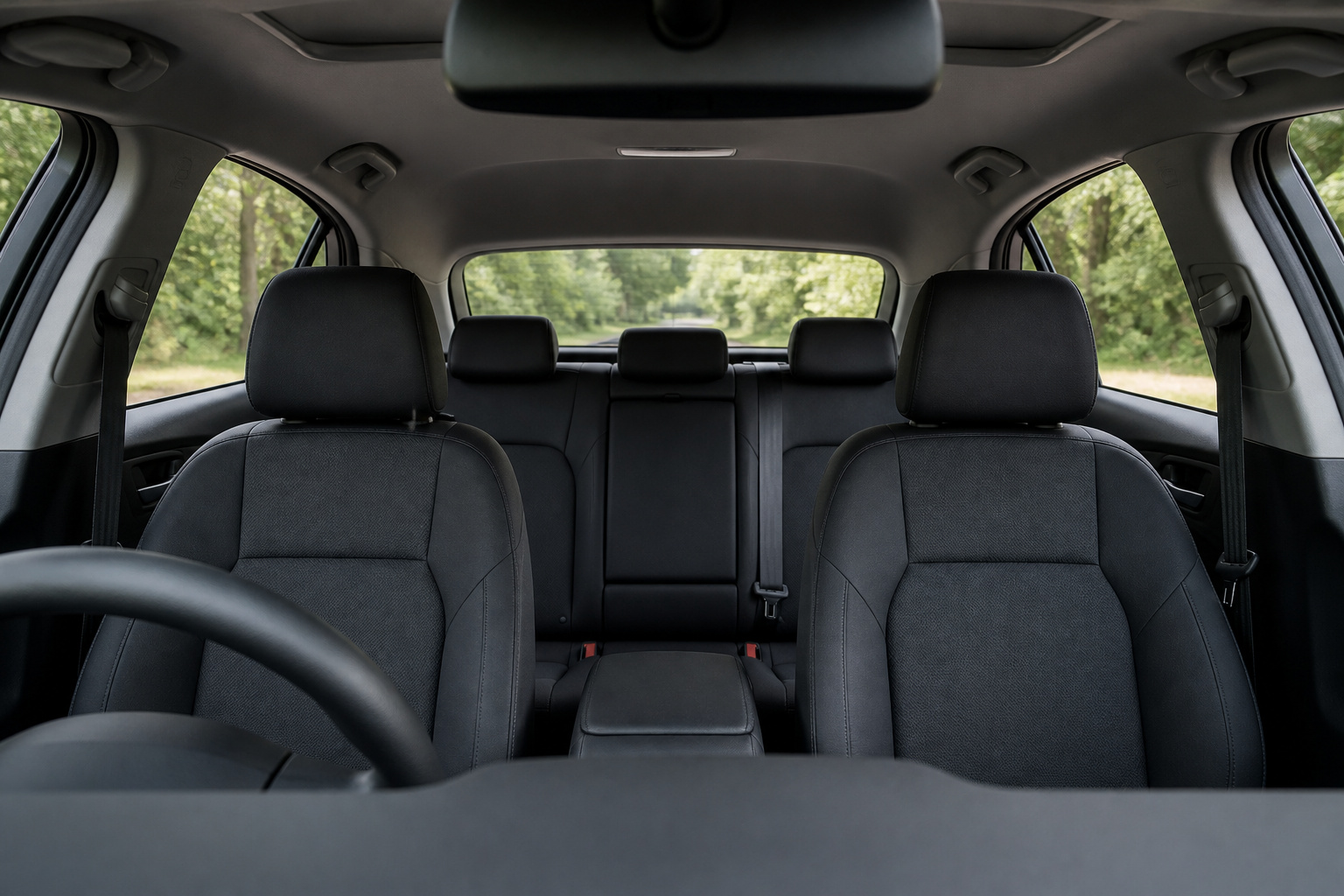
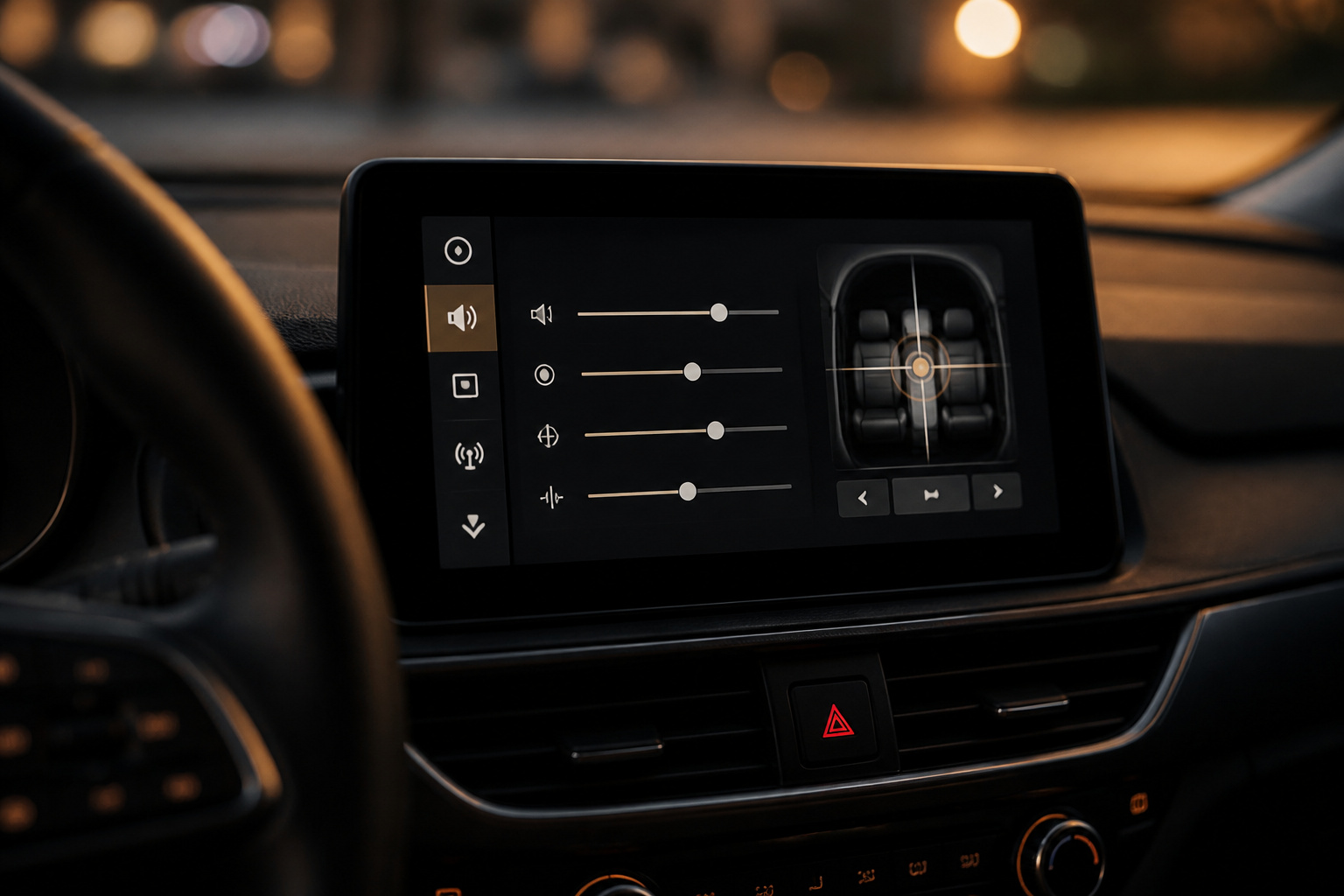
Adjust balance and fader so the sound feels centered, with the lead vocal appearing to come from the dashboard rather than one shoulder.
Nudge the fader slightly toward the front if the rear speakers seem overpowering, or toward the back if the front speakers are drowning out the rear.
Getting this right creates a stage-like soundstage, as if the band is playing in front of you rather than scattered around the cabin.
Bass and Treble in Small Steps
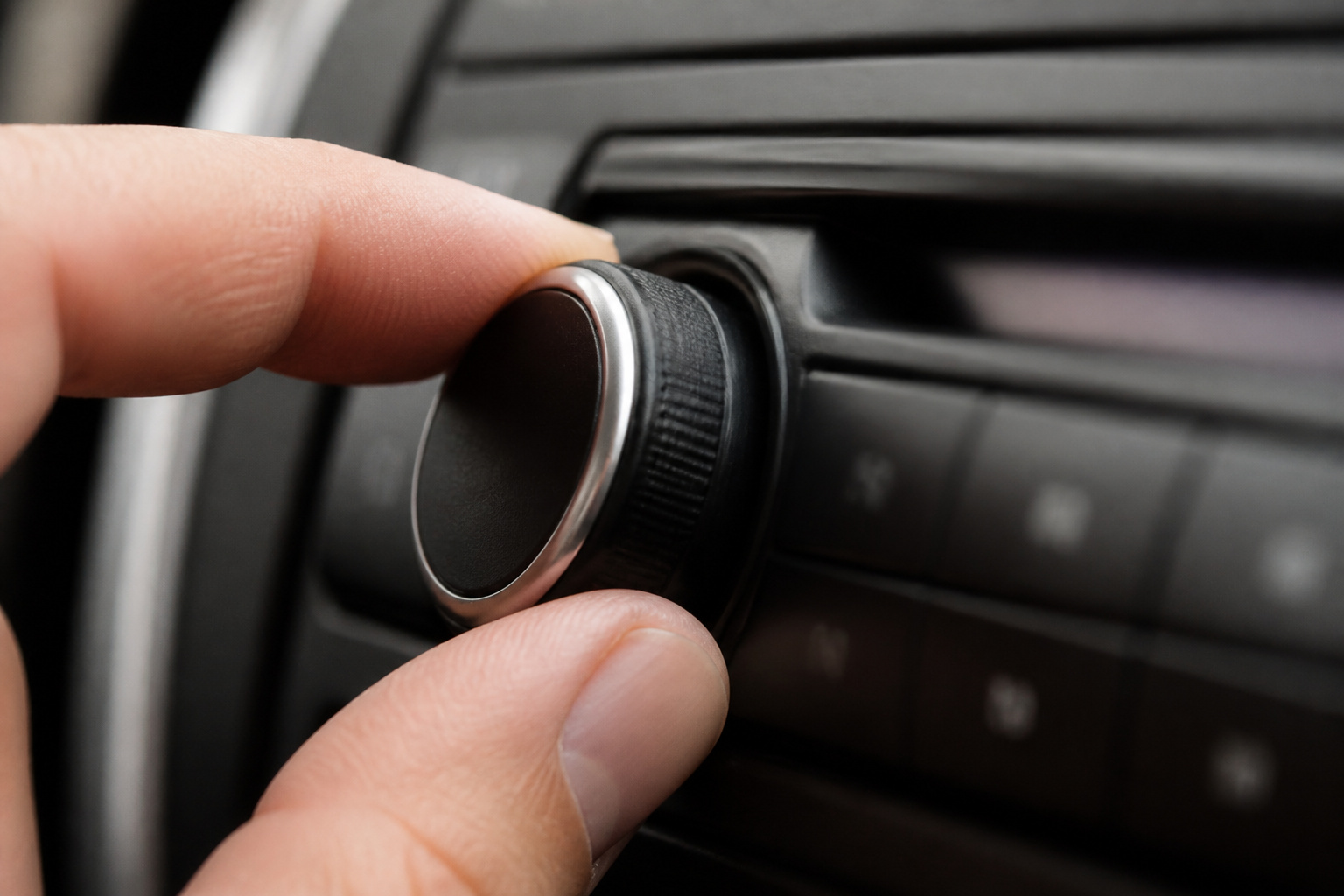
Add bass in small increments, pausing to listen after each adjustment, and stop once the low end feels full without turning muddy. Overdoing it blurs everything in the mix.
Cut treble slightly if cymbals or hi-hats feel harsh, or boost it a touch if vocals sound dull or closed-in. Small, incremental moves beat big swings every time.
Recommended Products

Powerful 2.1 Channel Audio Output :ZK-MT21 delivers 50Wx2 stereo output + 100W subwoofer output with 200W total power, providing clear and full sound quality with powerful bass, perfect for home theater, car audio, and desktop sound systems.

The EQ BASS enables comprehensive remote control of your amplifier, allowing adjustment of volume, Bass Boost, High Pass, Low Pass, and a Limiter.

【🎵 Compact Size, Powerful HiFi Stereo Output】 Engineered for small spaces without compromising audio quality, this mini 2-channel Class AB stereo amplifier provides 30W × 2 RMS power output. It easily drives 2-8Ω passive speakers, delivering crisp, distortion-free sound perfect for your desktop, bookshelf, bedroom, or small home theater setup.
Setting Crossovers
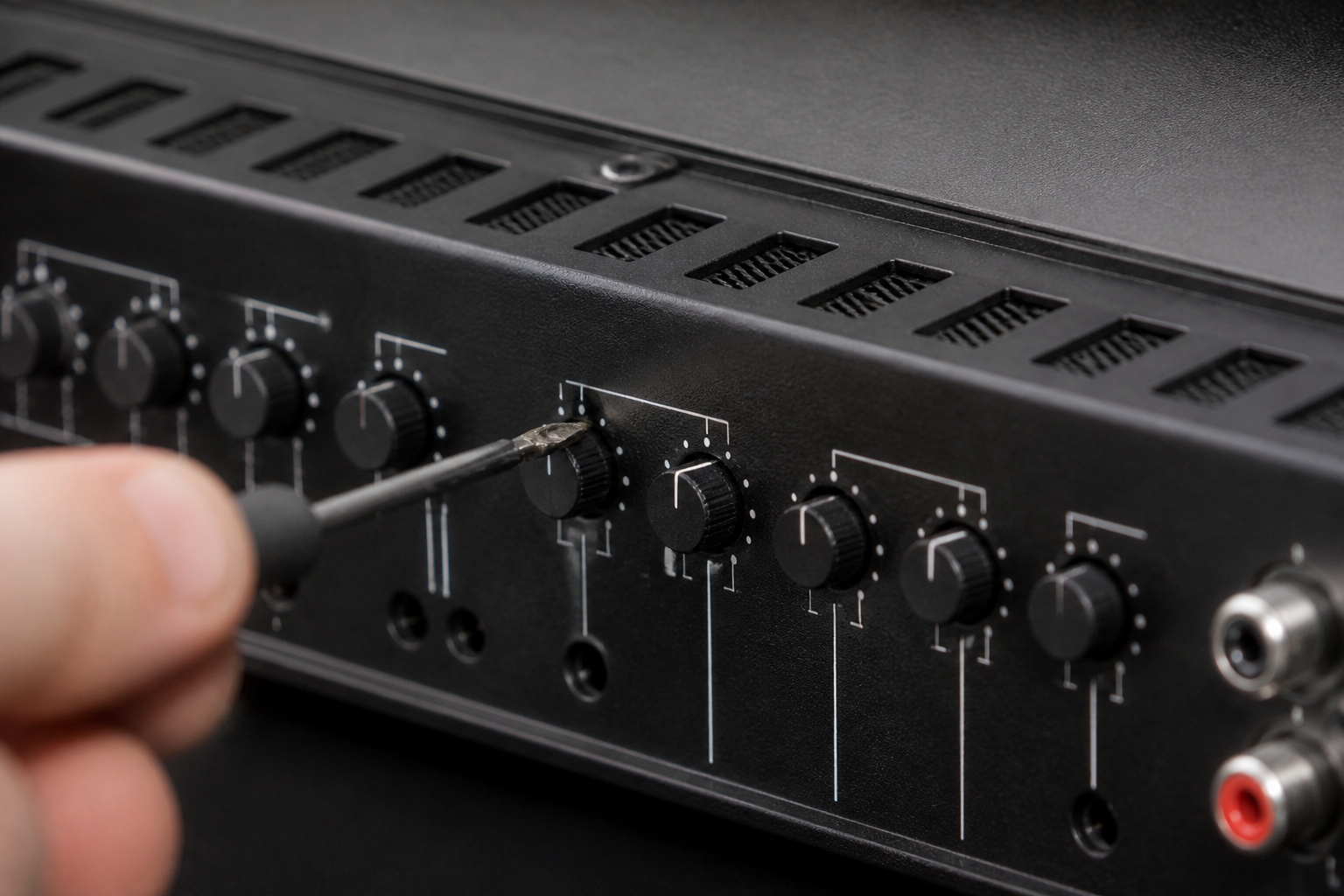
If your system has adjustable crossovers, set them so each speaker only handles the frequencies it’s built for: tweeters typically around 3,000 Hz and up, midrange speakers roughly 80-3,000 Hz, and a subwoofer below 80 Hz.
This keeps individual speakers from straining outside their range, reducing distortion and giving you cleaner separation between highs, mids, and lows.
Recommended Products
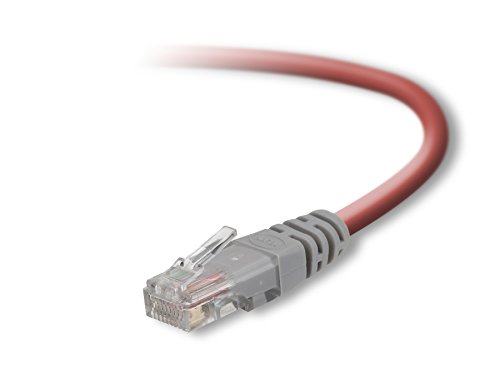
Exceeds the performance requirement of Category 5e – Performance tested to exceed 350MHz

Pristine Hi-Fi Sound Clarity — Built with premium induction coils and 10μF capacitors to filter interference and separate audio signals. Delivers deep bass, clear midrange vocals, and crisp treble with minimal distortion, restoring detail to your home theater and music.

High Power Handling: Designed for high-power audio systems up to 1500W, this subwoofer crossover delivers stable low-frequency output for 12", 15", and 18" subwoofers, ideal for home audio and DIY speaker upgrades
Matching Amp Gain
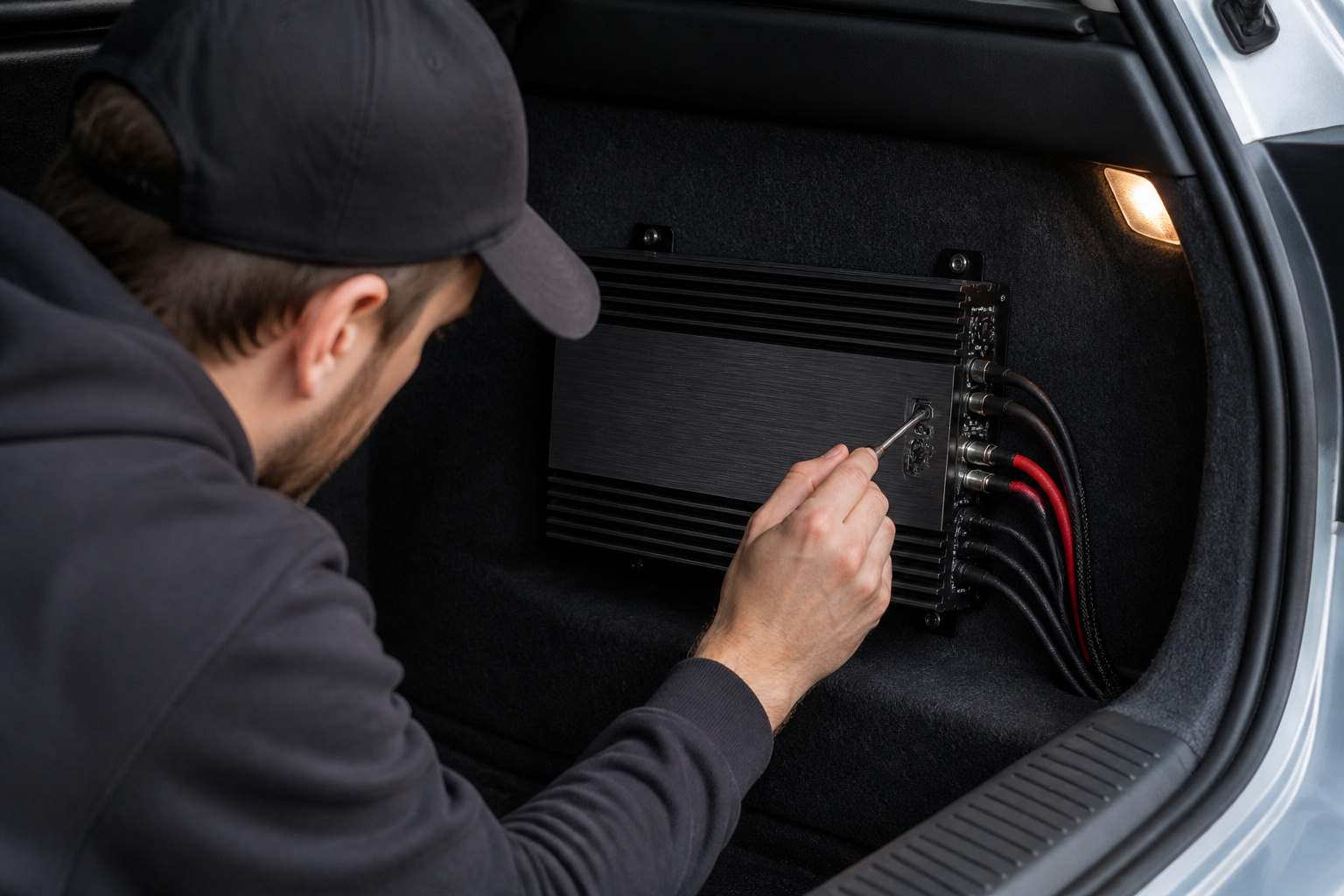
If you’re running an external amplifier, match its gain to your head unit’s output instead of leaving it at the default setting.
Play a test tone at 0 dB, slowly raise the amp’s gain until you hear distortion, then back it down slightly. That’s the sweet spot for loud, clean output without straining the amp or speakers.
If your system supports time alignment, using it will delay sound from closer speakers so everything reaches your ears simultaneously, tightening the soundstage noticeably.
Recommended Products

Remote Amplifier Level Controller for RP Amplifier Series
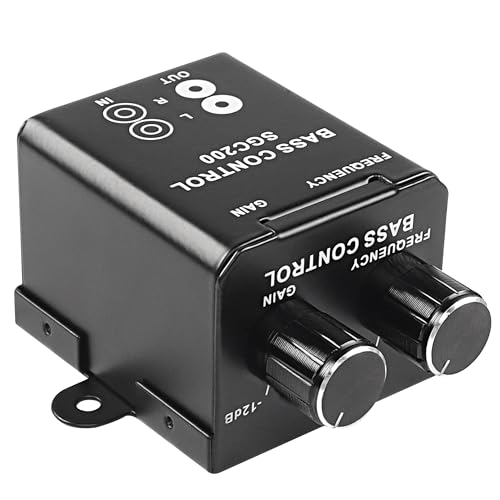
MEIRIYFA Car Bass Volume Control Knob utilizes one dual-channel RCA input and one dual-channel RCA output for easy operation and connection, simply connect the RCA input and output jacks between the source device and the amplifier.

Adds subwoofer level controls to any head unit
Test With Different Music

Recheck your settings with a few different genres, hip-hop, classical, acoustic, since each reveals different weaknesses in a tuning job. Adjust only what actually needs it, and trust your ears over any preset.
When the bass punches without smearing and the vocal sits right in front of you, you’ve got it.
Frequently Asked Questions
What causes distortion at high volumes?
Usually the amplifier or speakers pushed past what they can handle, which clips the signal and produces a harsh, buzzing sound. Properly matching amp gain and staying within your speakers’ RMS power rating are the most direct fixes.
Can I tune my system without test tones?
Yes. Playing familiar music and adjusting by ear works fine; raise volume until you hear distortion, back it off slightly, then fine-tune the EQ and crossovers until vocals sound clear and natural.
Does speaker placement affect sound clarity?
Yes, significantly. Aim tweeters toward ear level, avoid grilles blocked by seat covers or other obstructions, and seal any gaps around door speakers. All noticeably improve clarity and bass tightness. See our guide on choosing the right car speakers for more on getting the fit right in the first place.
How often should I retune my audio system?
Whenever you notice muffled highs or weak bass, or after installing new speakers or an amp. There’s no fixed schedule; trust your ears to tell you when something has drifted.
Will aftermarket speakers improve clarity?
Generally yes. Factory speakers are often built to a low cost and strain at both ends of the frequency range; aftermarket speakers with better cone materials and magnets typically deliver crisper vocals and tighter bass for the same tuning effort.