A speaker sounds good when it reproduces music accurately and evenly, without adding harshness, boominess, or distortion. Price, size, and brand matter less than balance, clarity, and how the speaker works with your room. Here are the qualities to listen for and the reasons behind them.
Balanced Sound
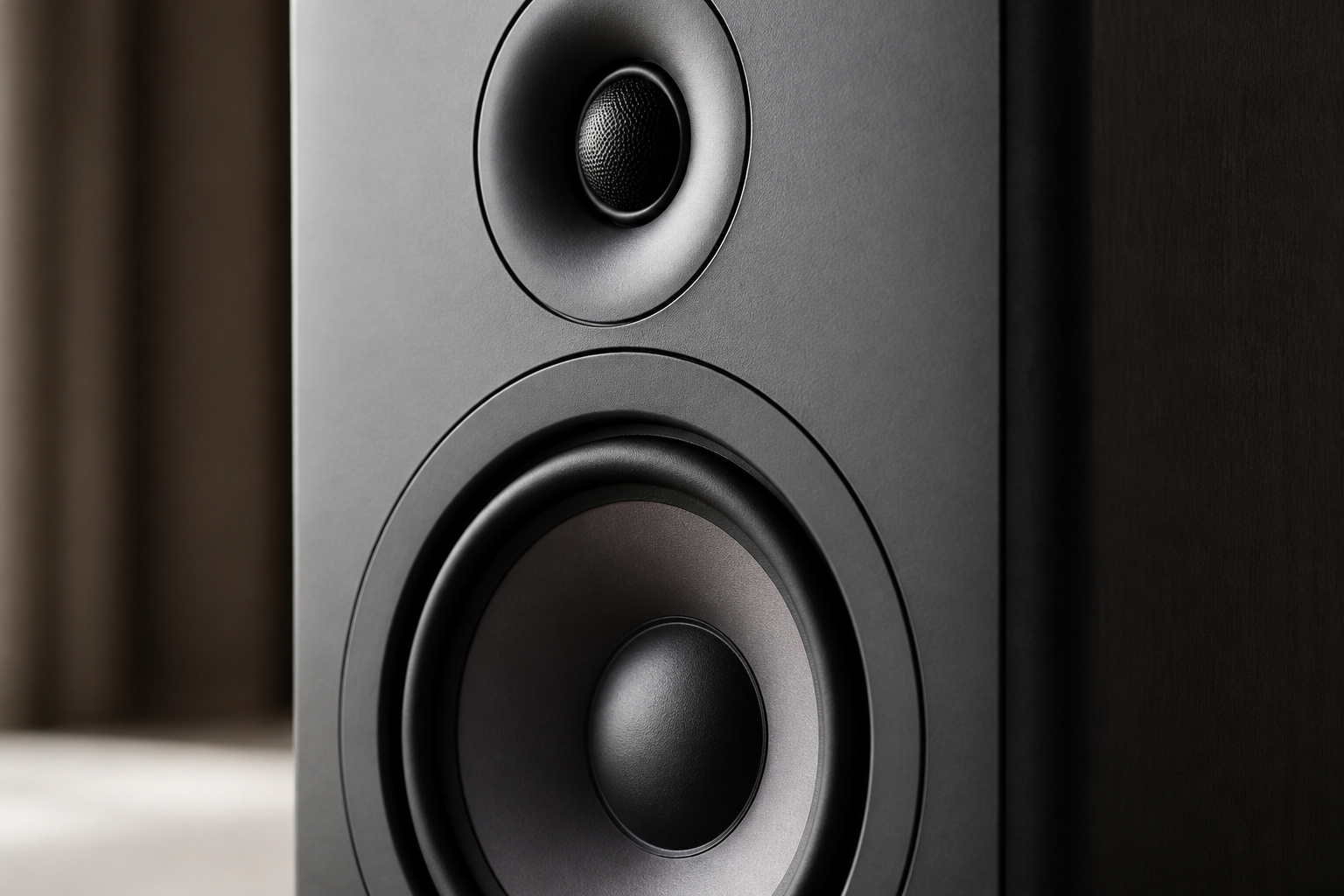
A good speaker keeps the low, middle, and high frequencies in proportion. Highs should sound clear without being sharp, midrange should make voices natural and present, and bass should be deep but tight rather than loose and boomy.
When one range dominates, music sounds fatiguing or muddy. A simple test is to play a song you know well and listen for whether any one part stands out unnaturally.
Recommended Products

Hi-Res Audio Certified – Experience superior sound with Hi-Res Audio certification, delivering a flat response across 52Hz to 40kHz for precise and accurate monitoring, music creation, or everyday listening.

BLUETOOTH WIRELESS - Popular classic bookshelf speakers now can be enjoyed without the hassle of wires. Simply connection to an iPhone, Android, Tablet, PC or Mac.

Hi-Res Audio Certified – Experience superior sound with Hi-Res Audio certification, delivering a flat response across 52Hz to 40kHz for precise and accurate monitoring, music creation, or everyday listening.
Clarity and Detail
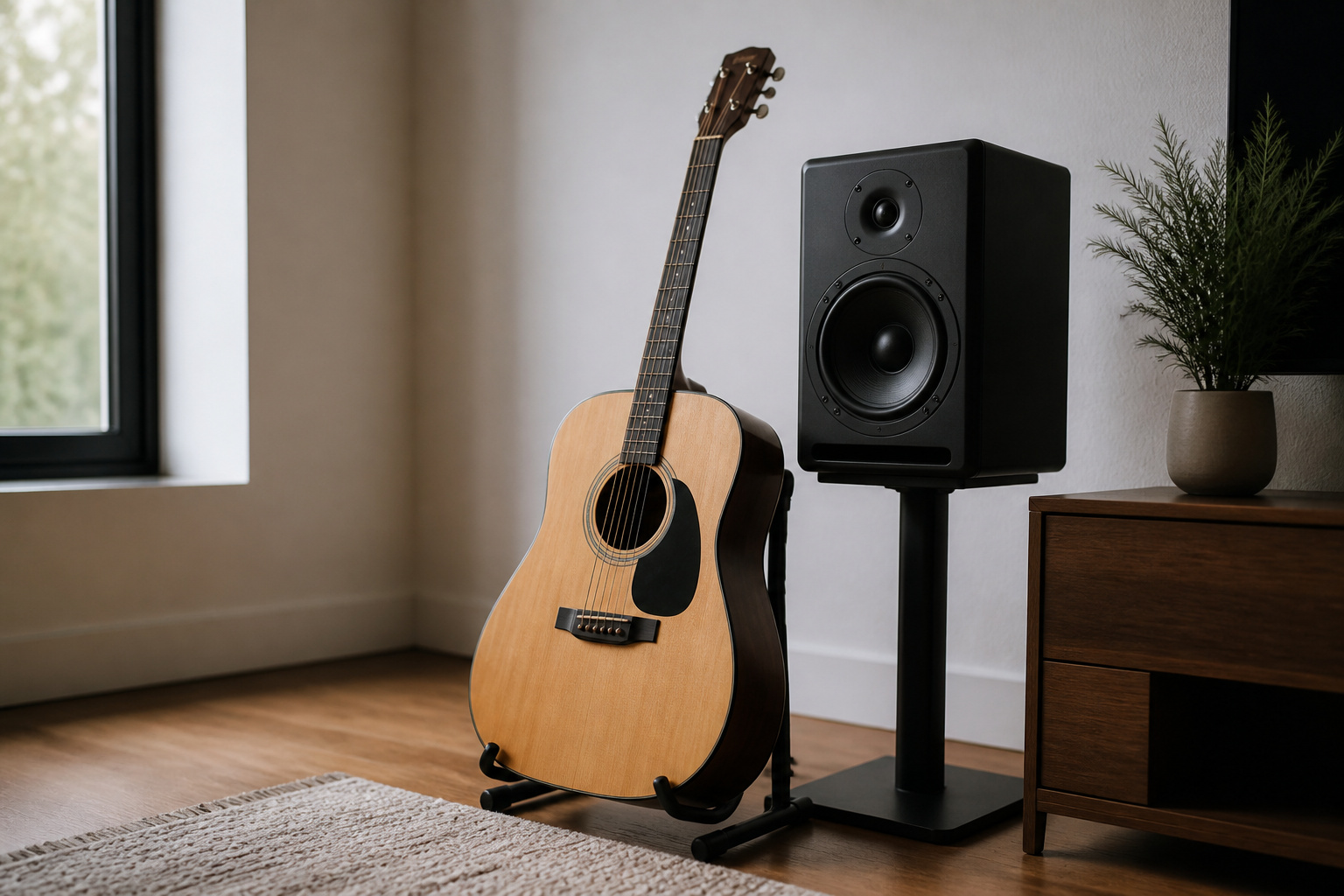
Detail shows up in simple recordings. With one voice and an acoustic guitar, a good speaker lets you hear the breath before a line, the texture of a voice, and the sound of fingers on strings.
This comes from well-made drivers, a rigid cabinet that does not add resonance of its own, and a crossover that hands the right frequencies to the right drivers.
Recommended Products
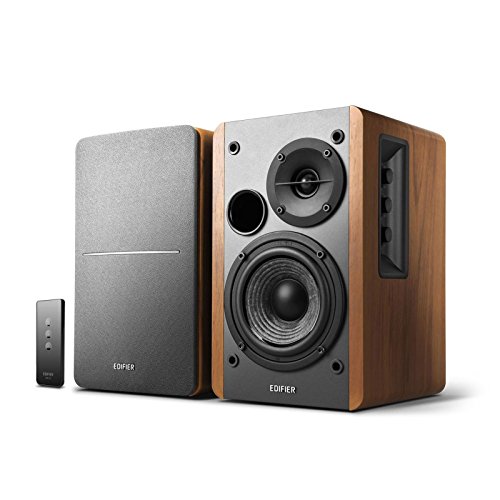
2 x AUX INPUT - Convenient connection to any device that has a 3.5mm headphone output or dual RCA output. Connect to two devices via AUX at the same time, no plugging and switching needed.
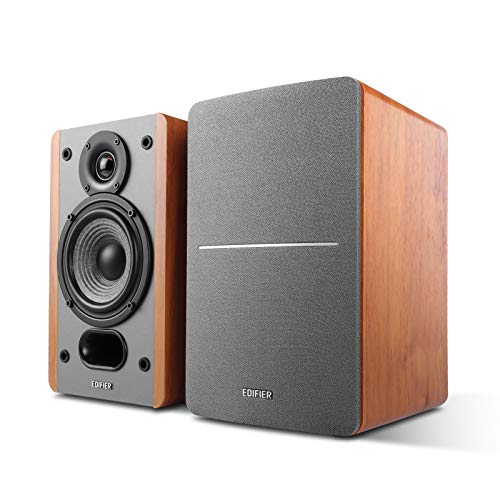
RECEIVER OR AMPLIFIER REQUIRED – Connect an amplifier or receiver to power these speakers to your taste. Speaker wires included. Receive and Amplifier sold separately

PREMIUM HI-FI STEREO SPEAKERS - Enjoy rich, deep bass and clear highs with these powered bookshelf speakers. Featuring 80W RMS and a 4" woofer with silk dome tweeter, they deliver immersive stereo sound ideal for any setup or studio space
Low Distortion at Volume

A speaker should play loudly without sounding strained. Distortion, which sounds like fuzz, harshness, or crackle, tends to appear when speakers or amplifiers are pushed too hard.
If your speakers already sound distorted, our guide on why speakers sound distorted covers the usual causes.
Recommended Products

External computer speaker in Black (set of 2) for amplifying PC or laptop audio

Low Tuning High Volume heavy metal design featuring an electric guitar, cracked speaker and distressed bold lettering inspired by down tuned guitars, heavy distortion and powerful rock music.

Product Description: Feel the power of the bass in every song! The slim active underseat subwoofer features a racetrack-grade audio driver and bass boom-up technology, delivering up to 1600W max power for deep, clear, and punchy low-end performance. Enjoy a live concert-like experience right in your car.
Room Coverage
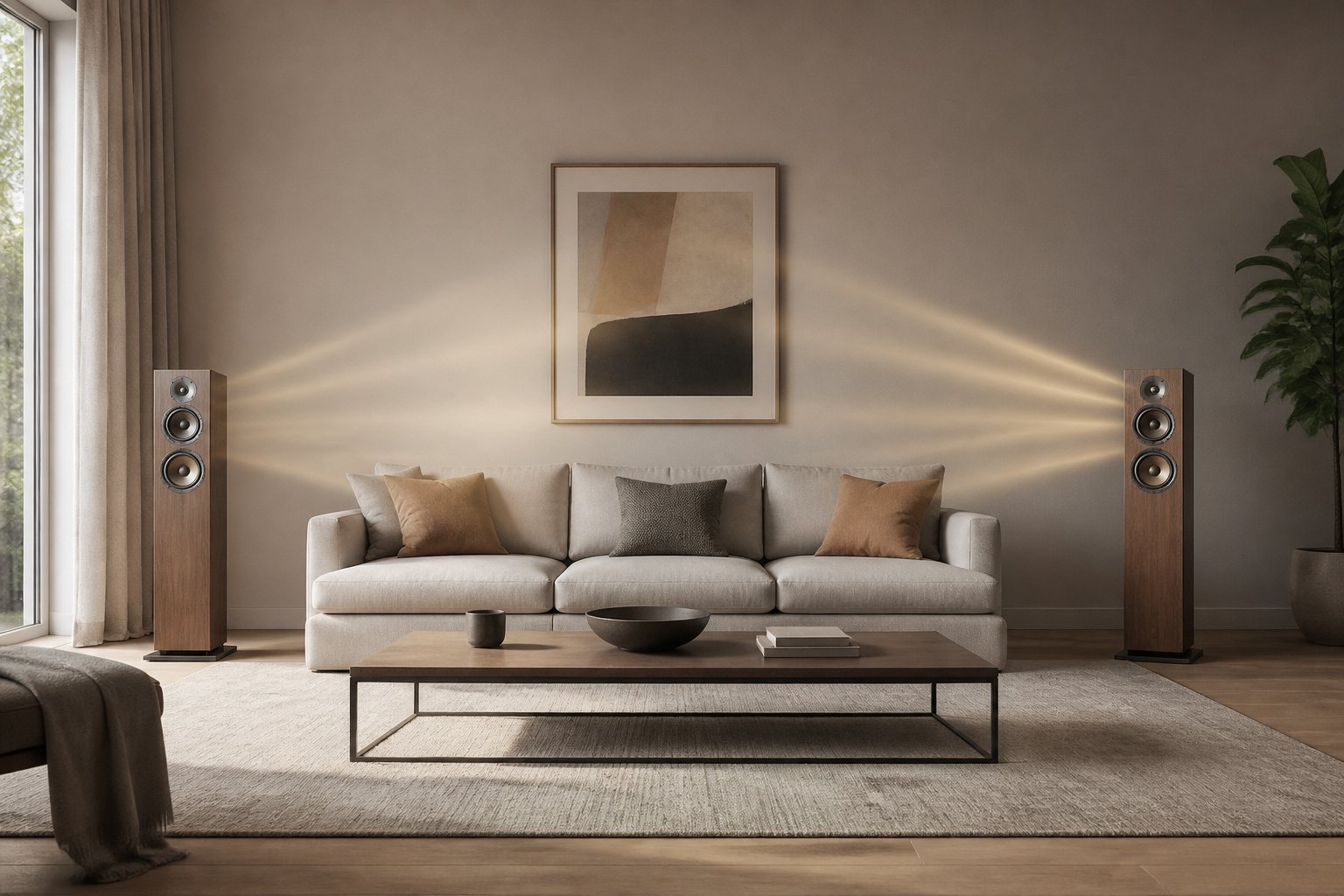
Good speakers spread sound evenly, so music sounds consistent as you move around instead of only in one seat. Sound spreading is called dispersion.
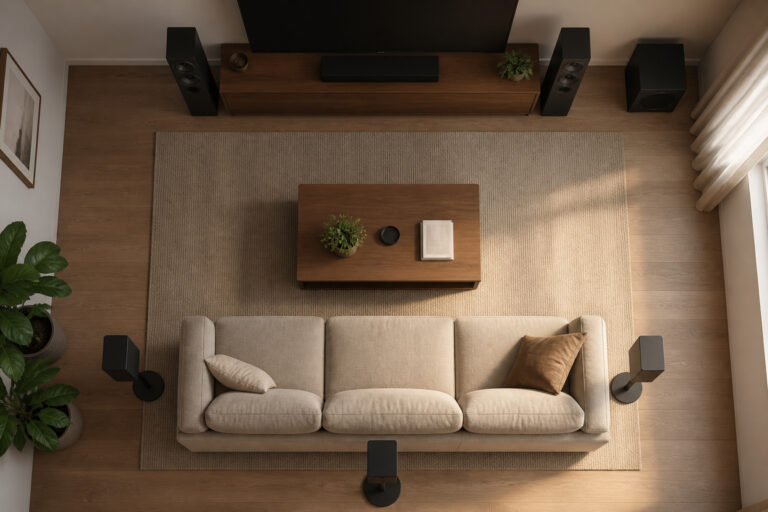
Combined with sensible placement, it gives a stable stereo image so voices and instruments appear where they belong. See best speaker placement for placement guidance.
Recommended Products

PREMIUM AUDIO: DS18 PRO-X6.4BM speakers featuring 500W max power output and 250W RMS for exceptional sound quality and performance
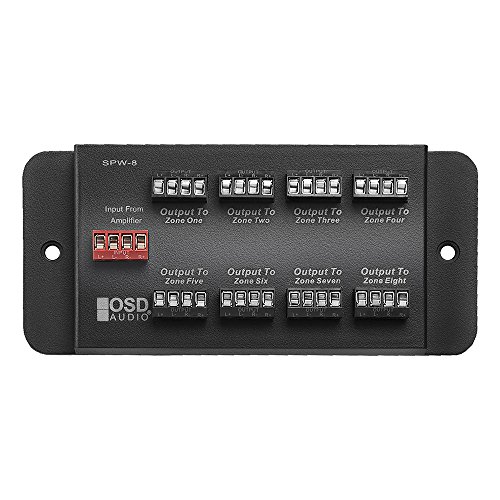
8-ZONE AUDIO DISTRIBUTION - Routes a single stereo amplifier input to up to 8 speaker zones, making it ideal for whole-house audio and multi-room sound systems.

Precise Fit for Polaris RZR: Custom-designed for 2014-2023 Polaris RZR and XP Models, These Kick Panel Enclosures Include Two 6.5" Marine-grade Speakers Tuned for Optimal Sound in Open Vehicles.
Honest Tone
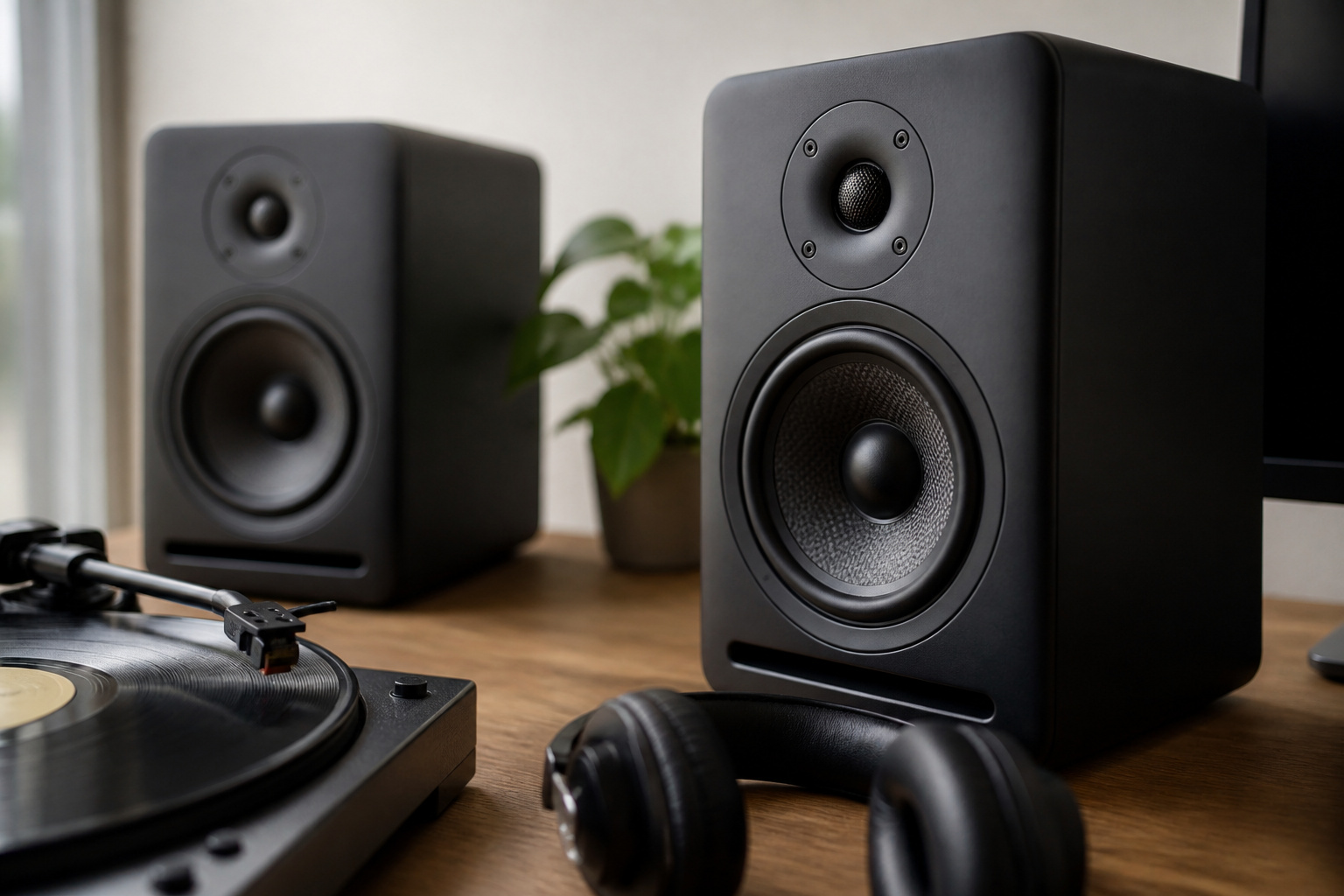
Speakers should reproduce what is on the recording rather than flatter everything with extra warmth or sparkle. A neutral speaker reveals thin recordings as thin and lush ones as lush.
Some listeners prefer a warmer or brighter tone, which is fine, but it helps to know what you are choosing.
Size, Room, and Setup
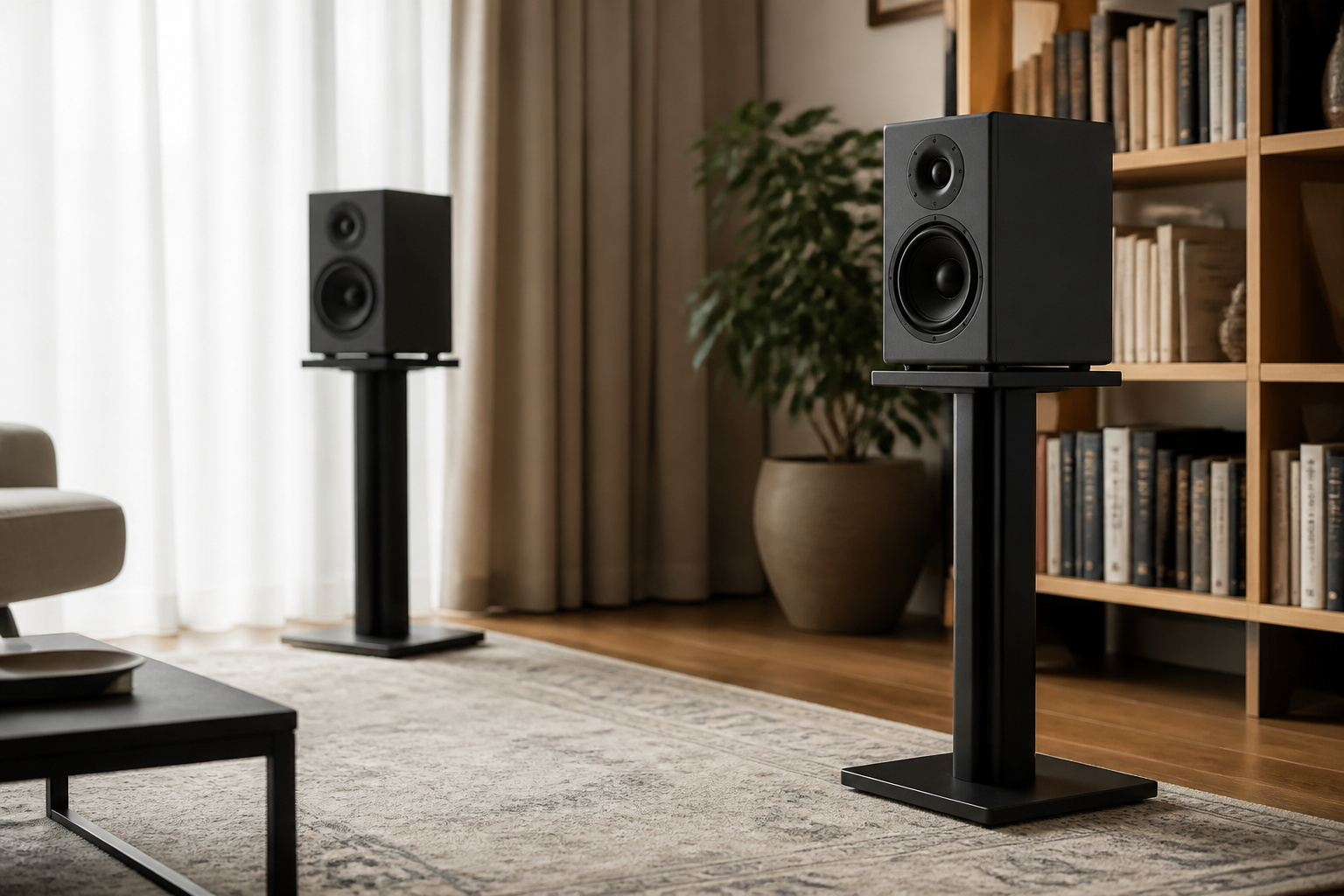
Size affects how low a speaker can play, but a well-designed small speaker can still sound excellent. Read how speaker size affects sound quality for the details.
The room matters just as much. Hard surfaces cause echo, and corners exaggerate bass, so room treatment and placement can improve sound more than a new speaker.
Our guides on reducing echo and audio specs help you go further.
Recommended Products

Superior Acoustic Treatment: These sound-absorbing foam panels effectively dampen echoes and reverberations for enhanced audio clarity and quality

Soundproofing - Acoustic foam panels triangular grooves structure for better noise absorption, helps to reduce and absorb unwanted echoes, waves, reverb and flutter echoes for better recording effect.

High-Density Design: Featuring a high-density design of 168 kg/m³, these acoustic panels measure 44″ x 21.6″ x 0.35″ (112 x 55 x 0.9 cm) each and boast an impressive NRC rating of up to 0.9. They efficiently absorb wall noise, significantly reducing reverberation and echo to easily enhance your room’s acoustic environment
Frequently Asked Questions
How Important Is Speaker Placement for Sound Quality?
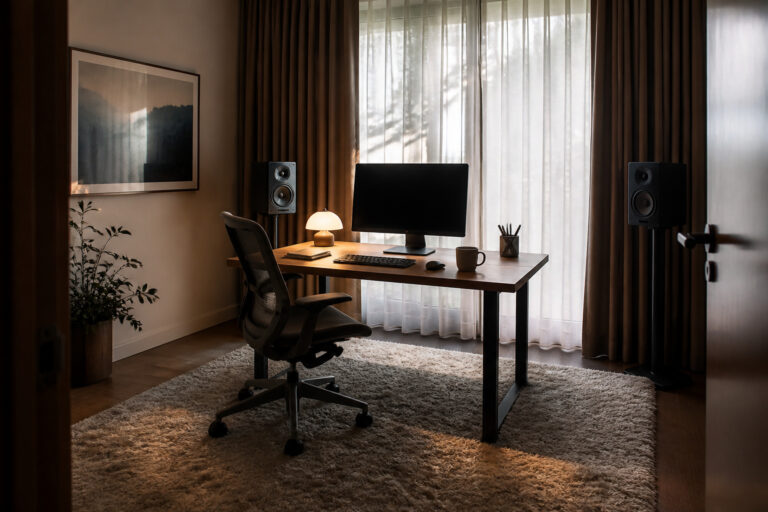
Very important. Poor placement can make good speakers sound muddy or thin. A common starting point is to place the speakers at ear level and angle them toward you, with a few feet between them and you forming a rough triangle. Keep them away from corners and walls at first, then adjust a little at a time.
Do Expensive Speakers Always Sound Better?
No. Higher prices often buy better build quality, lower distortion, and more refined sound, but a well-chosen mid-priced pair in a good position can beat an expensive pair set up poorly. Judge by listening and by reviews that measure performance, not by price alone.
Can Room Size Affect Speaker Performance?
Yes. Small rooms can exaggerate bass and make speakers sound boomy, and large rooms can make small speakers sound thin. Hard walls and floors add echo, while curtains, rugs, and furniture absorb it. Match the speaker size to the room and add soft furnishings if the room sounds harsh.
Are Bookshelf Speakers Better Than Floor-Standing Ones?
Neither is better in general. Bookshelf speakers suit smaller rooms and often cost less, while floor-standing speakers give deeper bass and fill bigger spaces. Our guide on bookshelf vs floor-standing speakers explains how to choose.
Does Speaker Brand Matter for Audio Quality?
Brand reputation can be a useful signal of consistent quality and good support, but it does not guarantee that a particular model suits you. Look at reviews and measurements for the specific model, and if possible, listen to it with music you know.