Your music deserves to sound its best, but not all speakers deliver the same punch. You want clarity, depth, and power every time you turn the key.
So when you upgrade your car’s sound, choosing between component and coaxial speakers matters. You’re not just swapping parts; you’re shaping how every note hits your ears.
Coaxial Speakers: One Unit, Simple Install
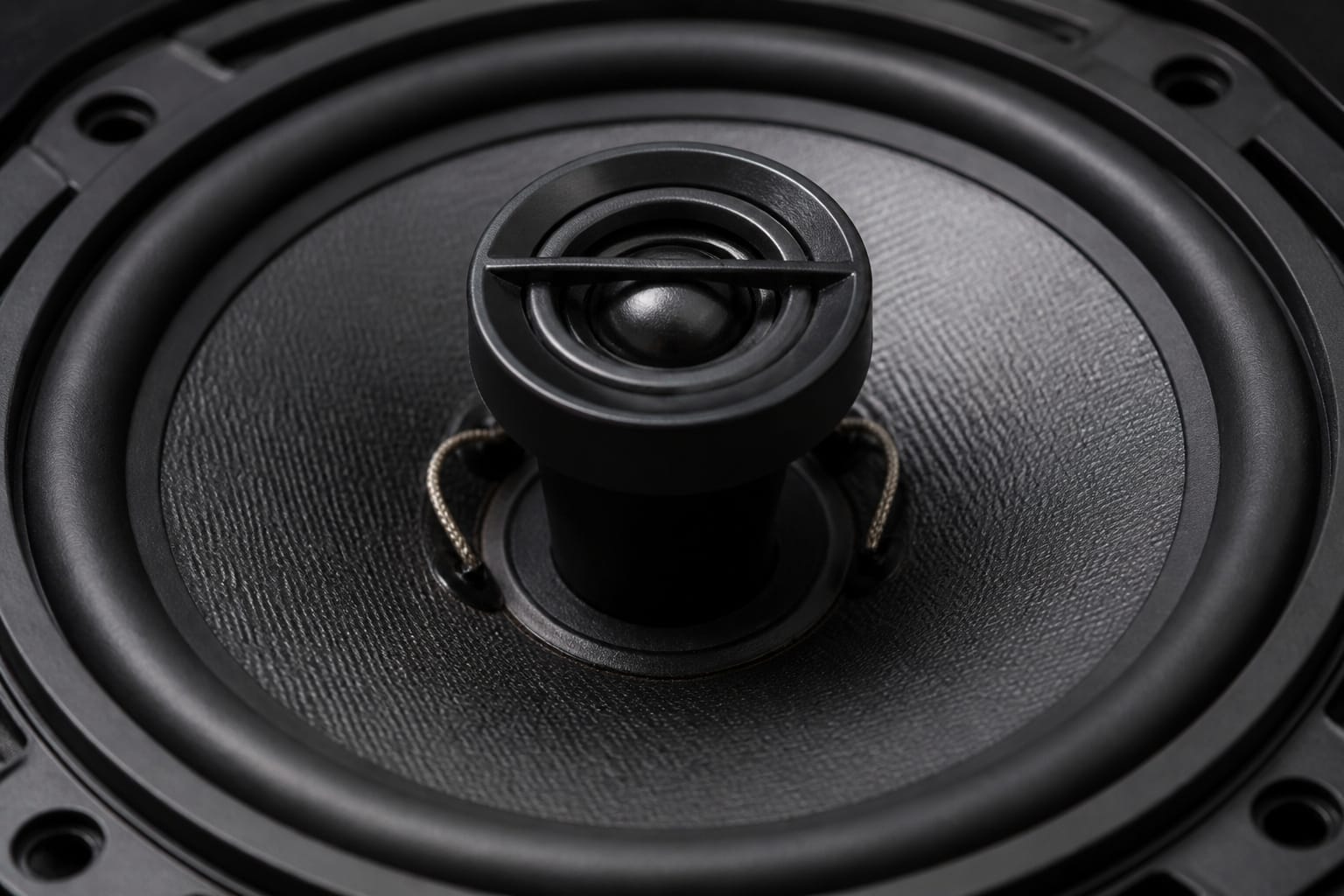
Coaxial speakers are the standard. They’re built like a team in one compact unit: the tweeter rides on top of the woofer, sharing the same space. That saves room and simplifies installation. You pop them in, wire them up, and go. They work fine for everyday listening: pop, rock, and talk radio. They handle it all without fuss.
But sound quality is limited. The shared axis means sound waves collide. Highs and lows fight for space. Cymbals get muddy, vocals lose sparkle, and you notice it when the music swells.
Recommended Products

UPGRADE YOUR CAR AUDIO: Replace your OEM speakers with JVC CSJ620 6.5" 2-way speakers for car. With 300W Peak/30W RMS Power, each car speaker features a 6 1/2" mica cone and a 1" PEI tweeter for pristine audio quality

Bundle includes 2 pairs of Alpine SXE-1726S 6 1/2" 2 way Coaxial Speakers

Speaker Size: 6.5” full-range 2-way coaxial speakers, Impedance per speaker: 4 Ohm, Power per speaker: 75W RMS | 150W MAX, Power per set: 150W RMS | 300W MAX
Component Speakers: Separate Drivers, Better Separation
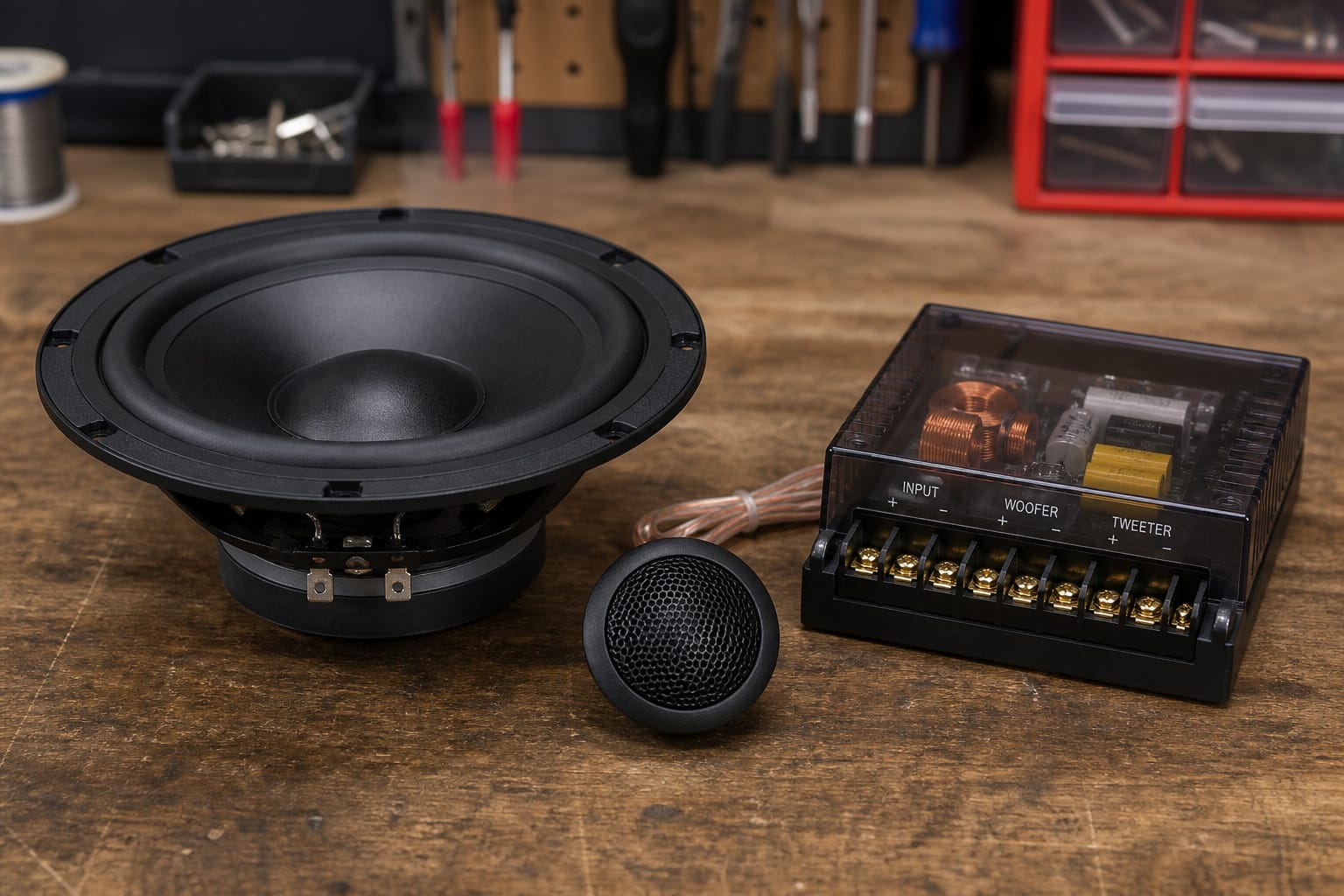
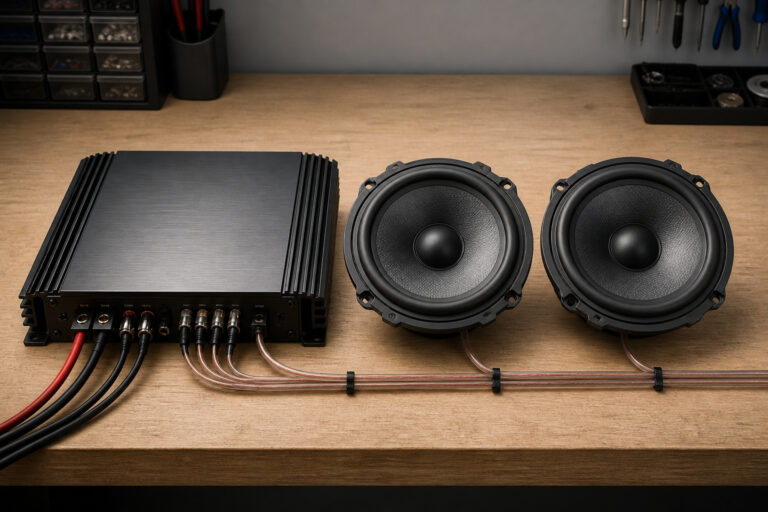
Component speakers split the job. They use separate tweeters, woofers, and crossovers. Each part has its own role and spot. The woofer handles deep bass, the tweeter soars with crisp highs, and the crossover acts like a traffic cop, sending the right frequencies to the right driver.
Well-built component systems can reach frequency response ranges spanning roughly 90 Hz to 20,000 Hz or wider, capturing both deep bass and crisp highs that coaxial speakers often struggle to reproduce clearly. Pairing components with a stereo that has digital signal processing lets you fine-tune those frequencies. See our car stereo features guide for more on what DSP actually does.
This teamwork creates cleaner, richer sound. You hear the pluck of a guitar string; you feel the thump of a kick drum. It’s like moving from a grainy photo to high definition.
Installation takes more effort; you mount tweeters higher on dash corners or pillars for better aim, and the wires multiply. But the payoff is precision, space, and realism. Music doesn’t just play; it lives.
Tweeters: The Detail Component Systems Add
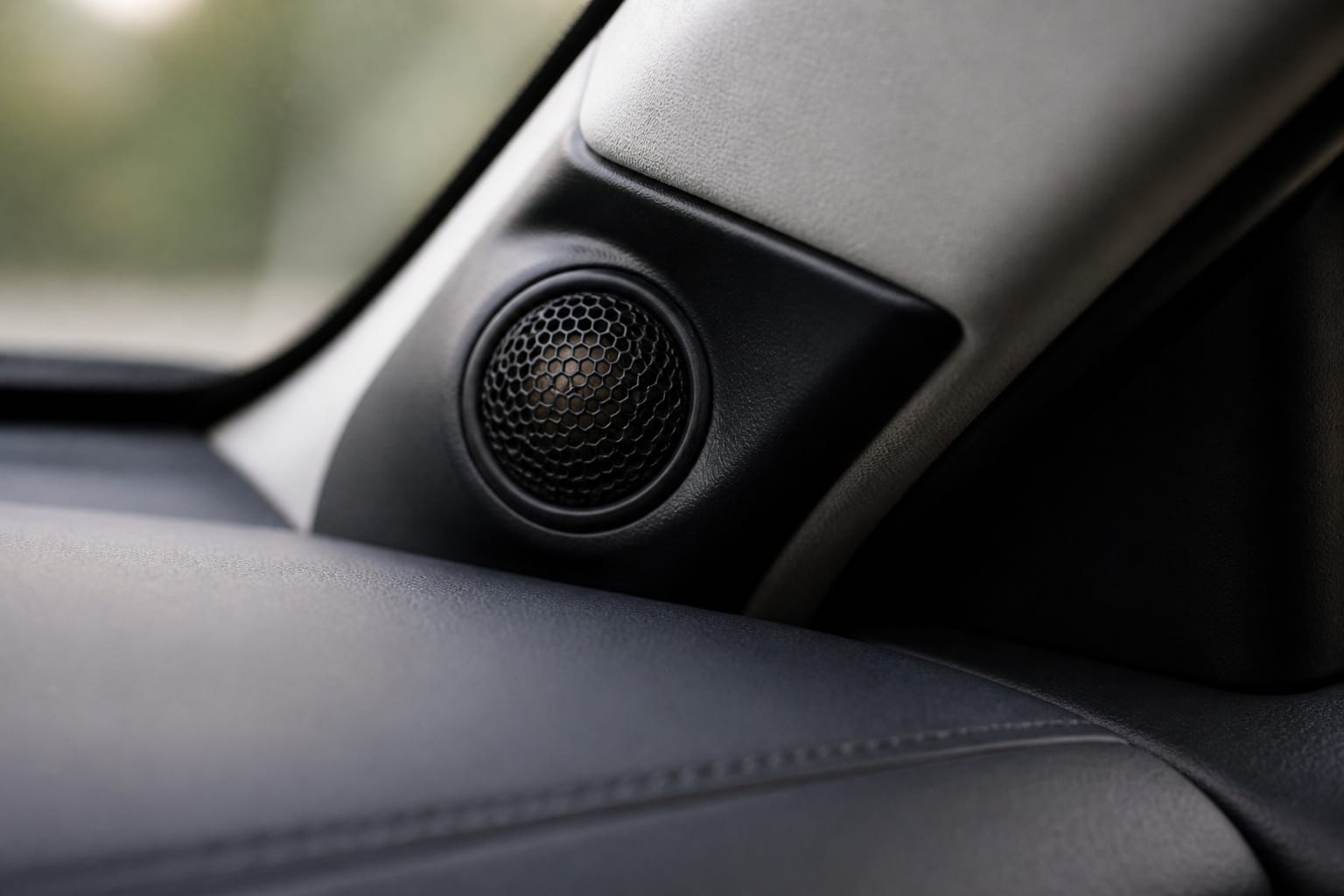
The tweeter is where that extra clarity actually comes from. Dome tweeters, usually silk or a soft polymer, tend to sound smoother and less fatiguing at high volumes. Titanium or aluminum dome and horn-loaded tweeters push more output and can throw sound farther, which matters if you’re mounting them up in the dash or A-pillar rather than right at ear level.
A wide frequency ceiling, up into the 40+ kHz range on premium models, doesn’t mean you can literally hear that high, but it usually correlates with smoother, more extended detail within the range you can hear.
Tweeter placement matters almost as much as the tweeter itself. Aim them at roughly ear height, and angle them inward toward the center of the cabin. That gives you a more focused, “in front of you” soundstage instead of sound that feels like it’s coming from your feet.
Recommended Products

Exceptional Sound Clarity: Our neodymium silk dome tweeters deliver unparalleled sound quality with a maximum power handling of 500 Watts, ensuring clear and vibrant audio reproduction.

Upgrade your vehicle or sound system with the new TW150SD-4 Soft Dome Tweeter pair, delivering remarkable clarity and exceptional response above 2Khz. Great small PRV tweeters.

High Power Performance: Delivers 240W peak and 60W RMS per pair, CEA-2031 compliant for accurate ratings, ensuring powerful and reliable high frequencies.
Which One Should You Pick
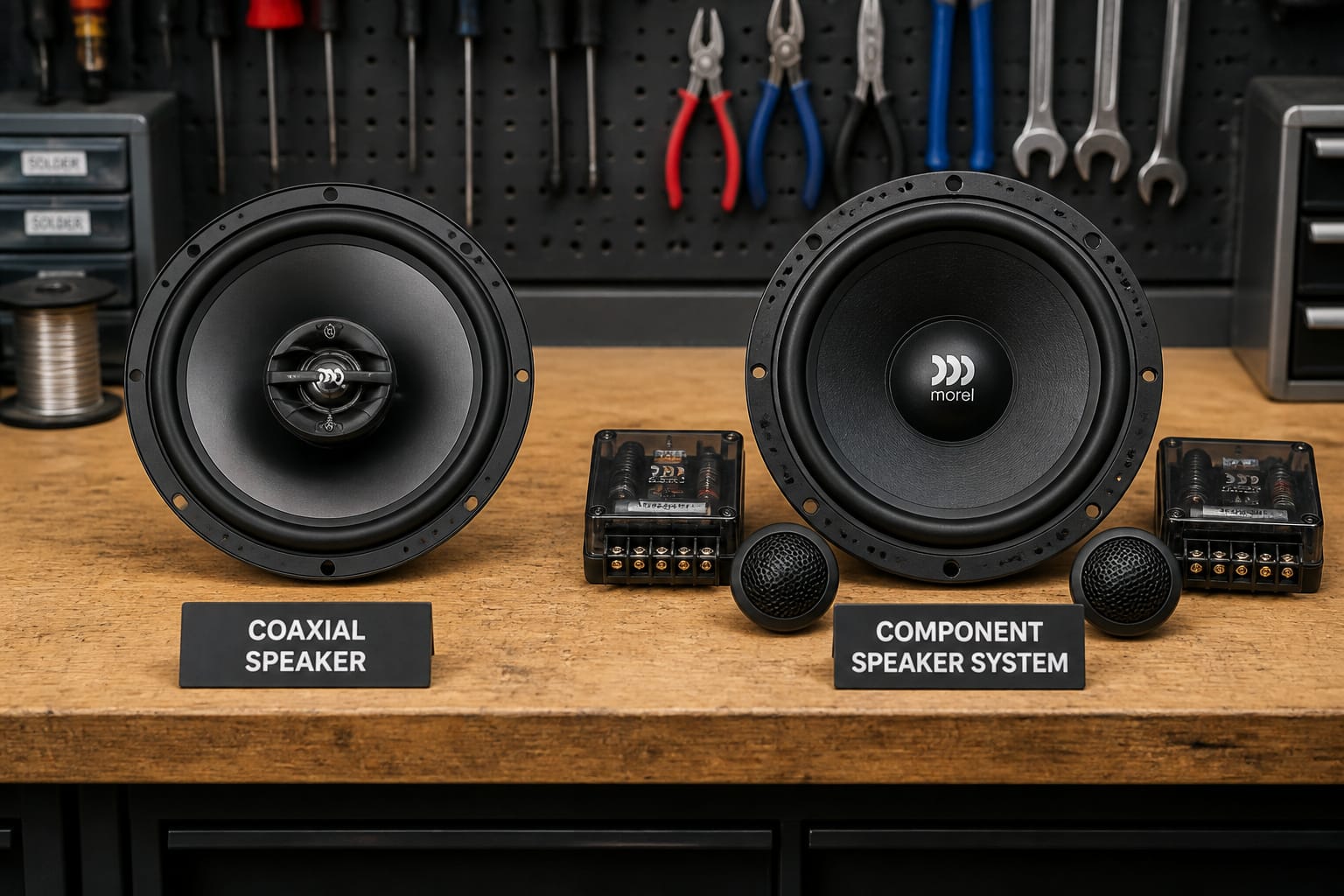
You might think, “do I really need that?” Maybe not. If you mostly listen at low volumes or enjoy simple playlists, coaxials are fine. But if you crave detail, if you want to hear the breath behind a singer’s voice or the reverb in a piano note, components win.
Your choice depends on what you value: time, budget, and sound quality. Coaxials save the first two. Components reward the last. Both have their place. But if you want your music to leap from the speakers, to fill the cabin with depth and direction, go component. You’ll spend more, you’ll work harder, but when the bass rolls, the mids bloom, and the highs shimmer, you’ll know it was worth it.
Recommended Products

Power Handling - Delivering 200W (25W nominal) with 4-ohm impedance, these car door speakers combine style and high-quality sound for a dynamic audio experience
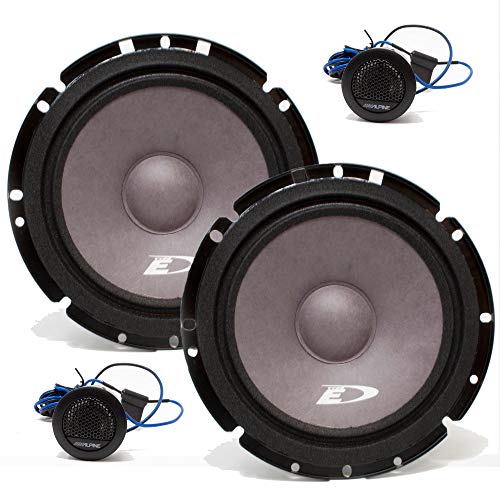
RMS Power: 45 Watts Peak Power: 280 Watts

𝗨𝗻𝗶𝘃𝗲𝗿𝘀𝗮𝗹 𝗖𝗼𝗺𝗽𝗮𝘁𝗶𝗯𝗶𝗹𝗶𝘁𝘆: These 6.5” component speakers fit most car models without significant modifications, thanks to standardized sizing and mounting points.
Frequently Asked Questions
Can I Mix Component and Coaxial Speakers in the Same Car?
Yes, you can mix component and coaxial speakers in your car. Just install them where they fit best. Place the tweeters up front and use coaxials in the back.
Match their power needs so they play nicely together. Use a good crossover to keep sounds clean. You’ll hear clearer highs up front and solid full-range sound in the rear.
Do Component Speakers Require More Amplifier Power Than Coaxial Ones?
Yes, you’ll usually need more amplifier power for component speakers. They’re built to handle higher wattage and deliver cleaner sound at louder volumes.
Your coaxials are simpler and more forgiving. But with components and solid power, you’ll hear every detail: crisp highs, deep lows. Match them with a good amp.
Are Component Speakers Worth the Extra Cost for Casual Listeners?
You’re better off skipping the splurge if you consider music just background noise. For casual drives, coaxial speakers hit the sweet spot: simple, solid, affordable.
Component setups shine when you really listen, not just hear. Tweeters aim sound like a flashlight beam, mids bloom with clarity, crossovers clean the mess. But unless you crave that concert-hall feel, save your cash.
Will Upgrading to Component Speakers Drain My Car Battery Faster?
No, upgrading to component speakers won’t drain your car battery faster. Your stereo still uses the same power. You just get clearer highs, tighter mids, and smoother sound.
Install them right, and they’re efficient. No extra load. Just better music.
Can I Install Component Speakers Without Modifying My Car’s Wiring?
Yes, you can install component speakers without modifying your car’s wiring. Just plug them into your factory harness. Match the positive and negative wires: red to red, black to black. Use wire connectors or crimp sleeves.
Mount the tweeters high, and aim them at your ears. The crossovers go in line. Connect them neatly. No cutting needed.