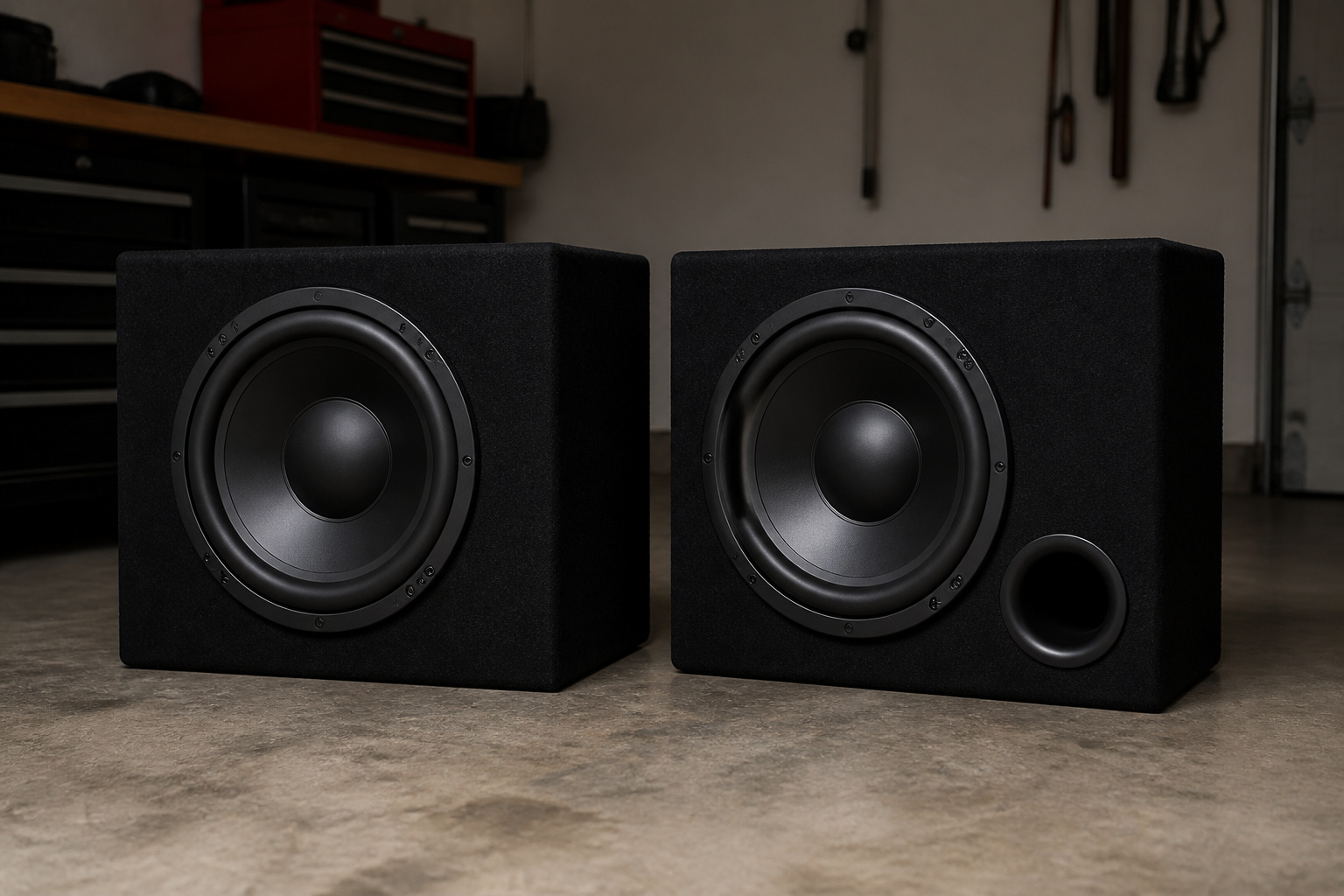
Sealed and ported subwoofer boxes shape your bass in very different ways, and neither is objectively “better”.
The best choice depends on the type of bass you want and how much space you have.
Sealed Boxes: Tight and Accurate
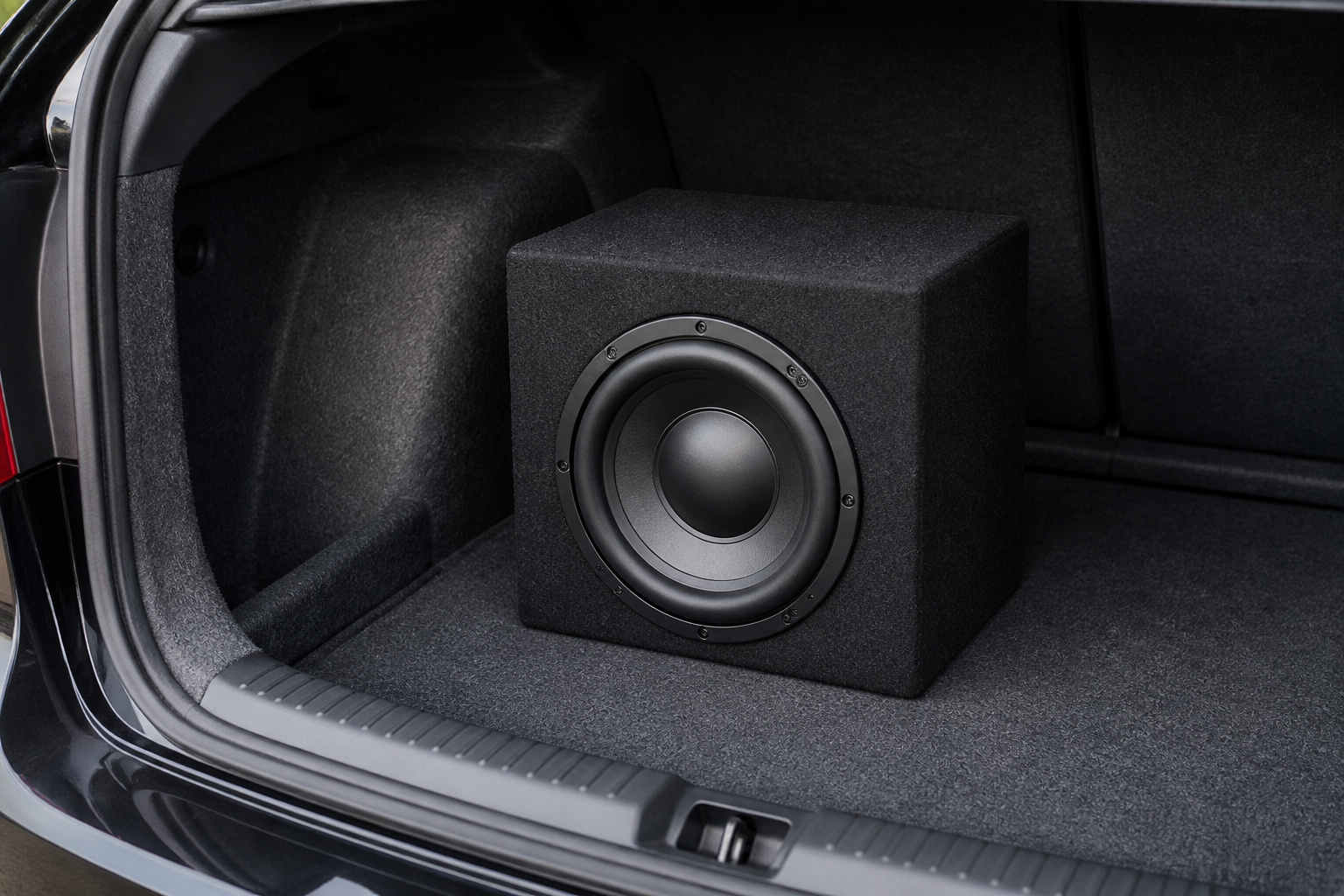
Sealed enclosures are airtight, with no opening for air to escape. That gives you tight, accurate bass: kicks and basslines start and stop cleanly, with no lingering boom. This precision makes sealed boxes a strong choice for genres where clarity matters, like jazz, acoustic tracks, or vocal-heavy music.
The tradeoff is that sealed boxes need more amplifier power than ported boxes to produce the same volume, and they don’t go quite as low on the deepest notes. They’re also more compact, which makes them a better fit for small trunks or under-seat mounting..
Recommended Products

Crisp, Powerful Bass for Your Vehicle: Upgrade your car & truck audio system with the QPower single sealed subwoofer enclosure; purpose-built to deliver tight, accurate bass you can feel on every track.

Audio Upgrade for 10-Inch Speakers: Our dual-sealed subwoofer box features a 9-inch cutout that accommodates 10-inch speakers, giving you broader sound coverage with minimal installation hassle.
Ported Boxes: Louder and Deeper
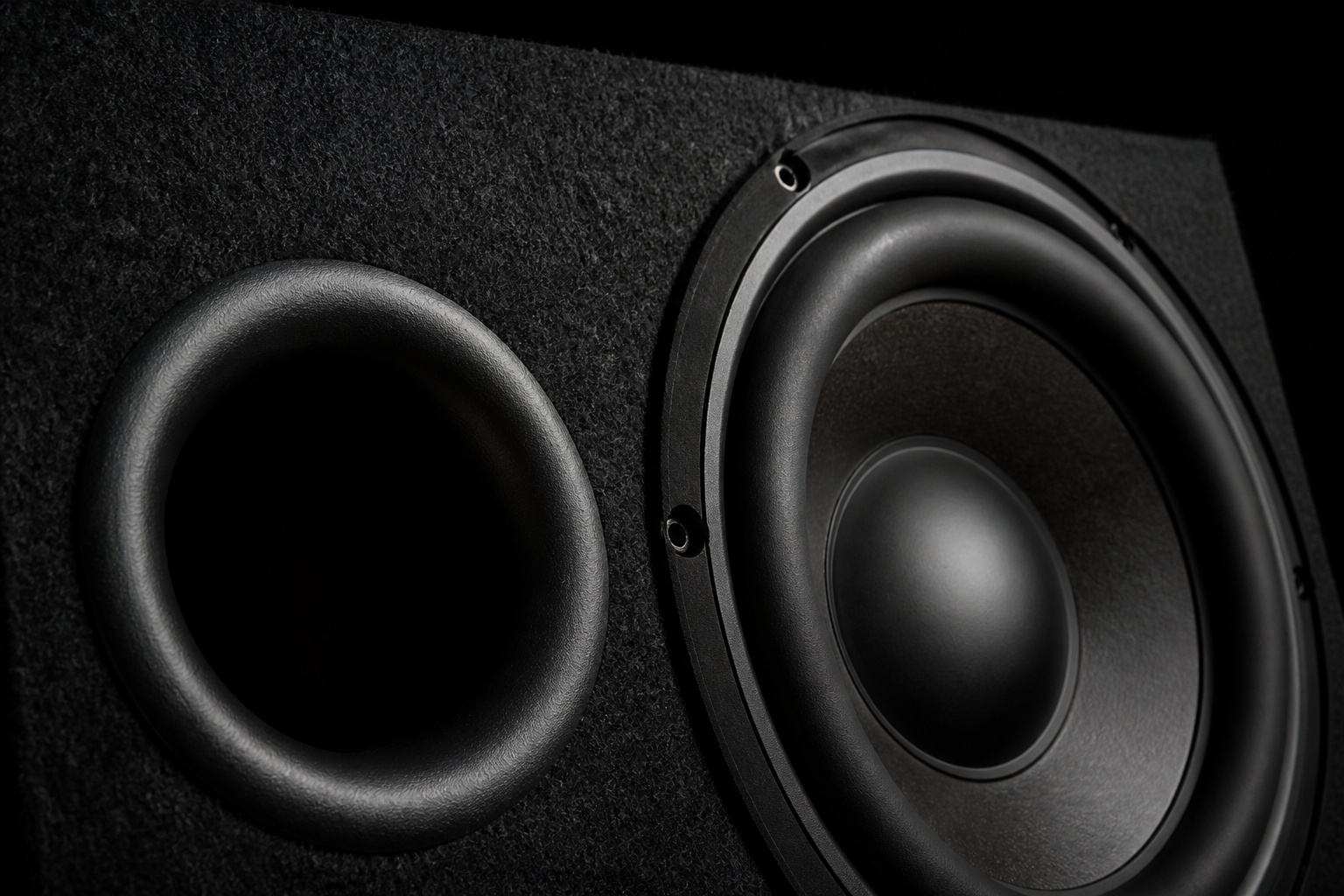
Ported enclosures have a tuned opening that works with the speaker to move more air, producing louder, deeper bass for the same amount of power. That’s the setup behind the chest-rattling, window-shaking bass associated with hip-hop and bass-heavy music.
The tradeoff is control: ported bass tends to be looser, and notes can blur together more than they would in a sealed box. Ported enclosures are also larger, since the port needs room to work properly. They don’t fit under a seat the way a compact sealed box can.
Matching the Box to Your Music and Space
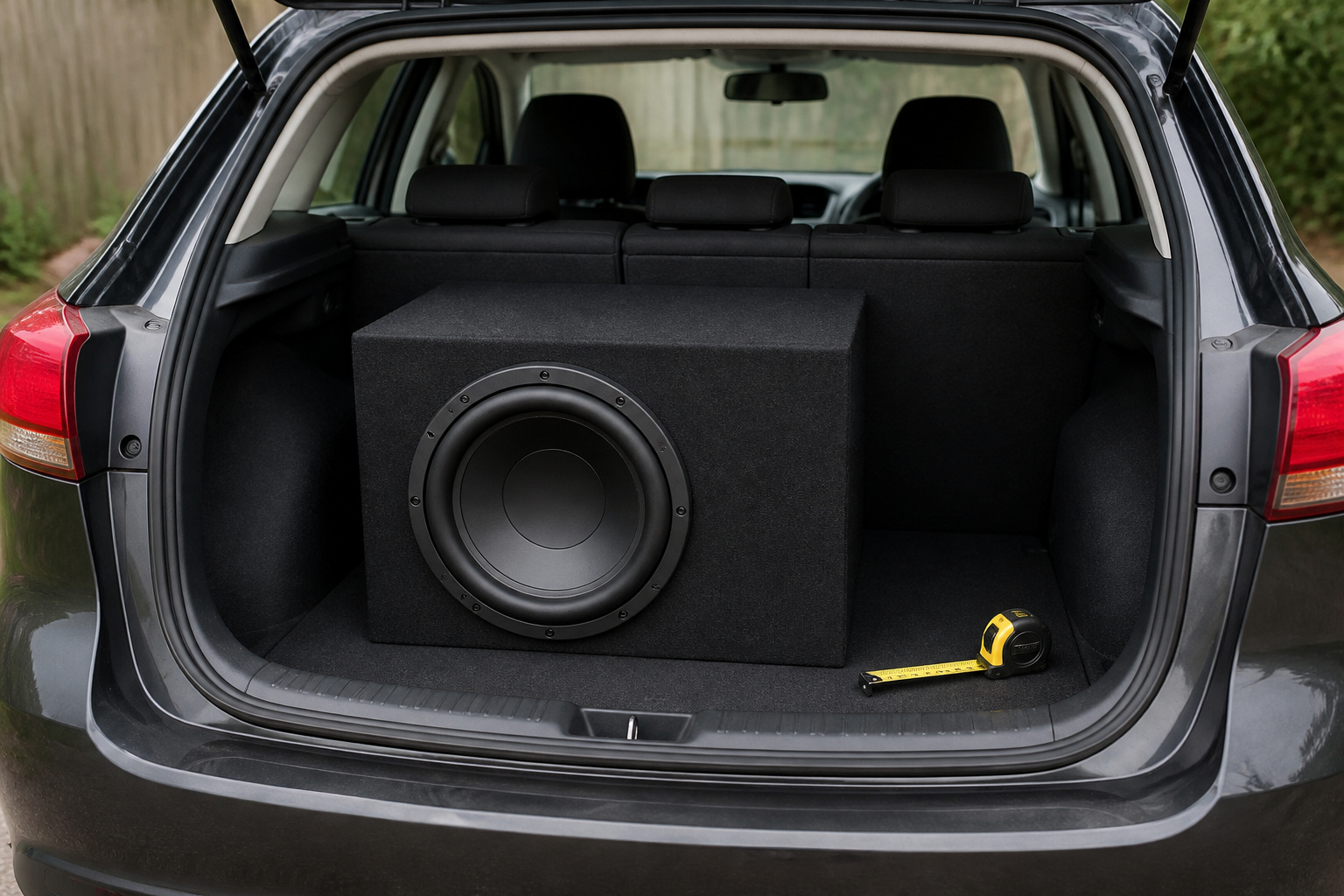
If your listening leans toward precise, detail-oriented music, a sealed box paired with a reasonably powerful amp will deliver the punch without mud. If you want maximum output and deep, room-filling bass and don’t mind a bigger enclosure, a ported box gets you there more efficiently.
Trunk space matters too: a ported box in a small hatchback can be impractical, while the same box in a full-size trunk has plenty of room to breathe. For help sizing the driver itself before you build or buy an enclosure, see our guide on choosing a car subwoofer.
Recommended Products

All-in-One Bass Solution: P300-10 combines a 10" Punch subwoofer with a 300W RMS Class-D amplifier in a compact sealed enclosure—perfect for adding deep, powerful bass without separate components.

Fits 2014 - 2018 Chevy Silverado Crew Cab Kicker Comp C10 Dual 10" Sub Box Final 2 Ohm

10" SINGLE SEALED SUBWOOFER ENCLOSURE: Pro Tuned 10” Single sealed shallow mount subwoofer enclosure designed for optimum bass response and low frequency reproduction which is ideal for lower profile sound quality home audio subwoofers. Our subwoofer's unique design and construction quality offer a precision fit for your car subwoofer boxes & enclosures, which ensures a rattle and noise-free environment..Power source type:Corded Electric.Speaker size:10 inches
Build Quality Matters Either Way
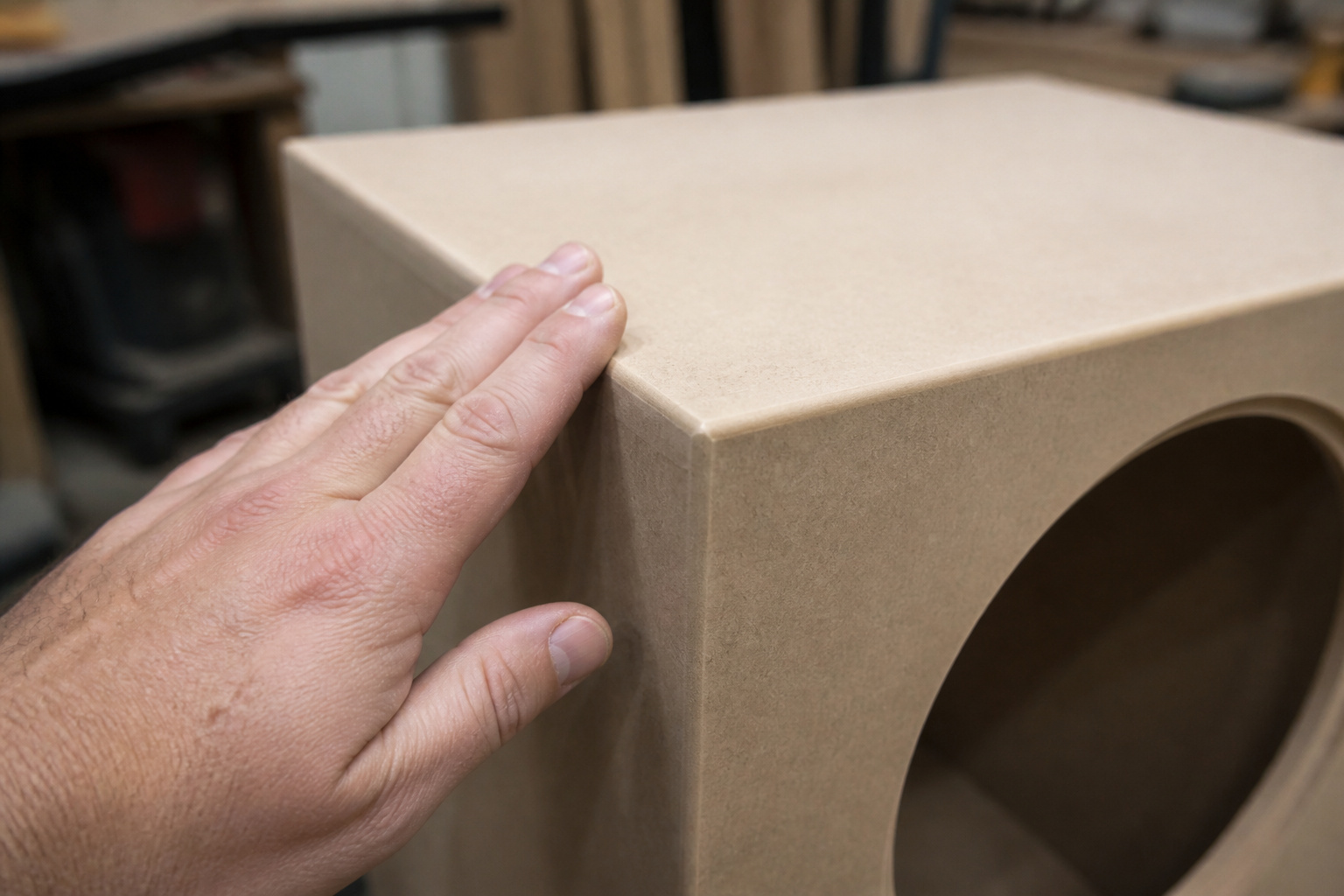
Whichever type you choose, the material affects sound. Thin or flexible wood resonates and buzzes, muddying the bass it’s supposedly trying to shape.
Dense ¾-inch MDF, tightly sealed at every joint, keeps the enclosure rigid so the driver, not the box, controls the sound. This matters even more for ported boxes, where a flimsy port wall can rattle and color the tone.
Recommended Products
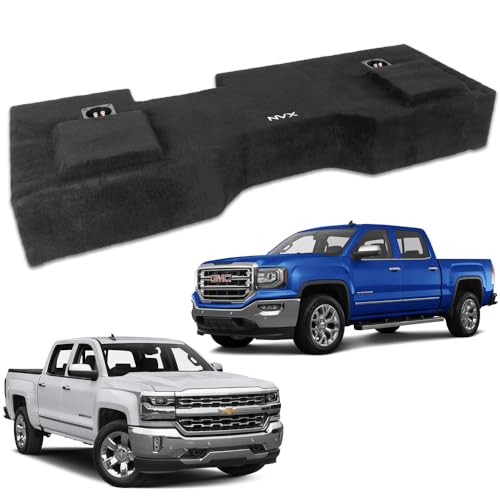
Vehicle-Specific Design – Custom-fit for Chevrolet Silverado and GMC Sierra Crew Cab 2014-2018. Fits perfectly under the rear seat to provide powerful bass while maintaining maximum cargo space.

Vehicle-Specific Design – Custom-fit for Ram Quad Cab and Crew Cab (Gen 3) 2002-2018. Fits perfectly under the rear seat to provide powerful bass while maintaining maximum cargo space.

Vehicle-Specific Design – Custom-fit for Chevrolet Silverado and GMC Sierra Crew Cab 2014-2018. Fits perfectly under the rear seat to provide powerful bass while maintaining maximum cargo space.
Frequently Asked Questions
What size subwoofer works best in a sealed box?
10-inch and 12-inch subs are the most common fit for sealed enclosures. They respond quickly and produce tight, punchy bass without needing an oversized box.
Can I convert a sealed box to ported?
Yes, it’s possible, but you’ll need to calculate the correct port size and tuning frequency for your specific driver. Then you’ll have to cut and install a properly flared port. Simply adding a hole won’t work. If you get the dimensions wrong, the sound will get worse instead of better
Do ported boxes need more amplifier power?
No, ported boxes are actually more efficient and typically need less power than sealed boxes to reach the same volume, since the tuned port does some of the work. That efficiency is exactly why they can play louder for a given amp size.
Are sealed boxes better for music with deep bass?
Sealed boxes give you tighter, more accurate bass rather than the deepest possible bass; they control the driver’s movement well, which suits detail-oriented genres like jazz or acoustic music. For maximum depth and volume, a ported box has the edge.