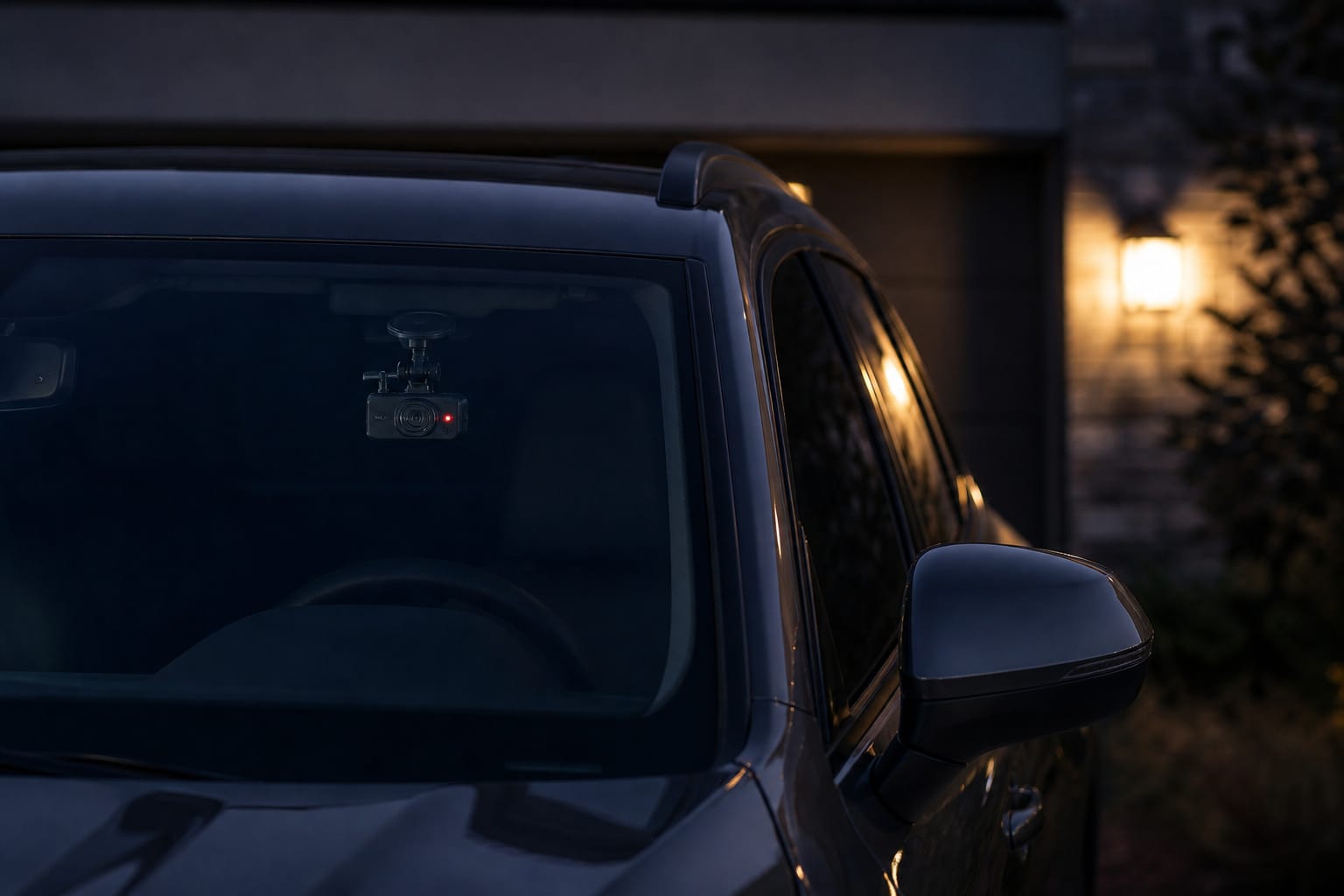
Ever wonder if your dash cam keeps watching with the engine turned off? Yes, it can, but only if you’ve set it up right. Most dash cams don’t record by default when the car is off.
They rely on power, and once the ignition is cut, so is the juice.
Why You Need a Hardwired Connection
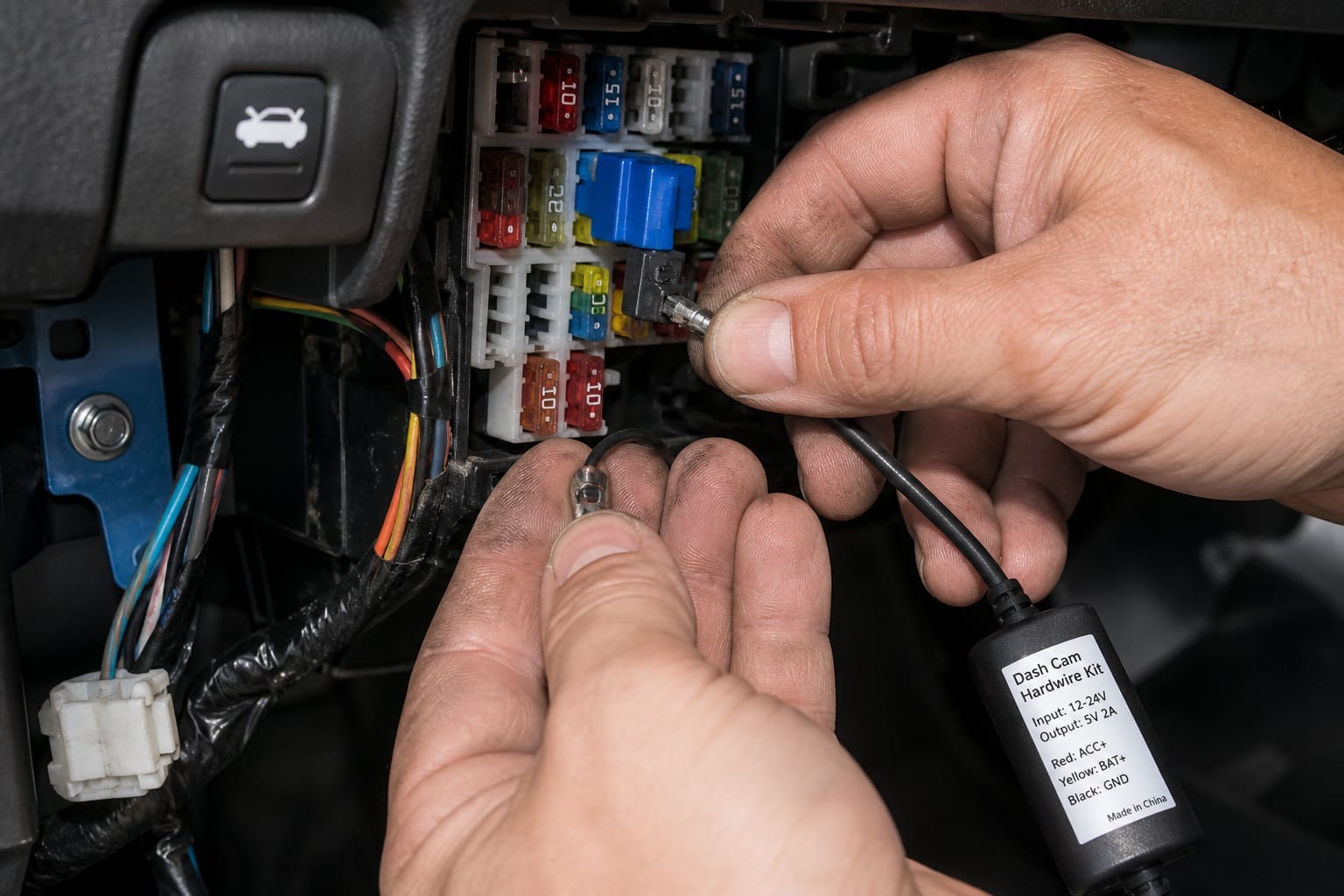
You can change that using the right settings and a power source, so your dash cam stays alert, guarding your parked car like a silent sentinel. You need a hardwired connection to your fuse box: that’s the key.
Plugged into the cigarette lighter? That usually kills power when the engine stops. Hardwiring keeps the flow steady. Then, enable parking mode in your dash cam’s settings. Now it’s not just recording; it’s watching. It waits. It listens. It senses motion or impact and jumps into action.
Recommended Products
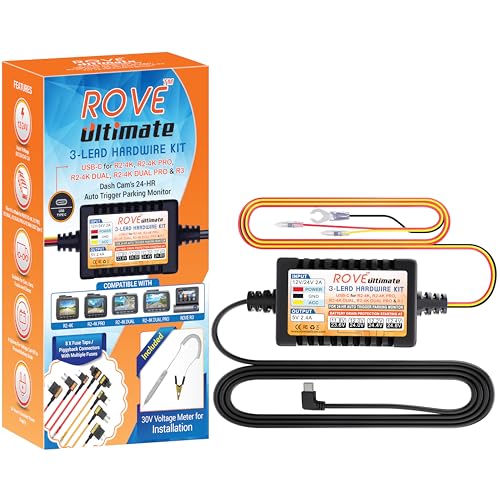
【Compatible for ROVE R2-4K with USB-C Port, R2-4K PRO, R2-4K DUAL, R2-4K DUAL PRO, and R3 Dash Cam with USB Type C】 This dash cam hardwire kit is specially designed for R2, R2-PRO, R2-DUAL, R2-4K DUAL PRO and R3 dash cams to be used for 24-hours parking monitor.

【Low Voltage Protection】Power cuts off automatically at 11.6V (23.2V for 24V input) to reserve engine-start power and safeguard your car battery.
![Dash Cam Hardwire Kit,[Upgraded Version] USB C Hardwire Kit for Dash Camera with 12V-24V to 5V Power Supply,Fuse Tap,Blade Fuses & Pry Tool,Protecting Car Dash Cam Front and Rear](https://m.media-amazon.com/images/I/41Lw3-pYLFL._SL500_.jpg)
24-Hour Full Day Monitoring:A dash cam that can stably record must have a set of step-down wires silently accompanying it! And our product is such a presence! It can provide 24-hour uninterrupted power supply for your dash cam. Even if the car stalls, it can still operate stably. Providing strong guarantees for maintaining the safety of your car and property
How Parking Mode Detects and Saves Events
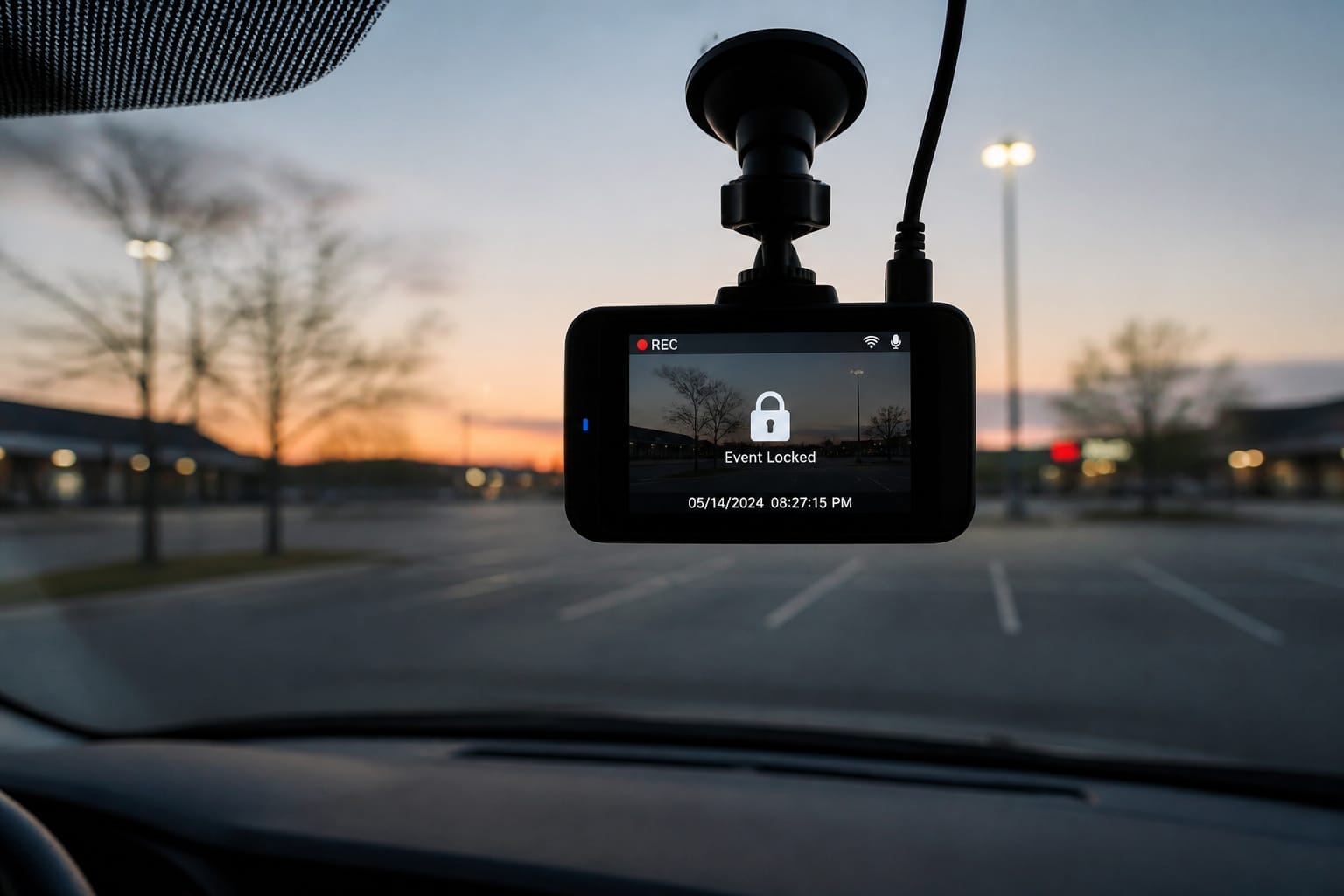
Imagine this: someone bumps your car in a parking lot. You’re not there. But your dash cam is. It detects the jolt, starts recording, and saves the clip. No gaps, no guesswork. The footage is locked in and is protected from being overwritten.
You’ll see exactly what happened, who did it, and when. That’s peace of mind when your car is parked. Some models use a feature called time-lapse parking mode, capturing frames at intervals, say one every few seconds, saving storage and power. A G-sensor triggers impact detection and automatically locks event clips so they can’t be overwritten.
Others go full motion detection, recording only when movement triggers the sensor. Both save battery. Both work. Pick what fits your needs.
Recommended Products

True 4-Channel 360° Coverage – IIWEY N6 simultaneously records STARVIS 2K (1440p) video from the front, rear, and both sides for all-around coverage. Ultra-wide viewing angles (170° front/rear, 150° sides) and adjustable side cameras help reduce blind spots, while infrared night vision improves nighttime visibility. Vision Enhance tech helps capture clearer license plates and lane markings at intersections—ideal for commuting, rideshare, and fleet use. (CPL Filter: ASIN B0G4R35S76).

【4K+1080P Dual Recording】The dashcam features dual cameras: a front camera records 4K ultra-high-definition video, and a rear camera records 1080P video. This helps you read key information such as road signs, license plates, and lane markings, providing reliable evidence in the event of an accident or dispute

【4K Front + 1080P Rear Dash Cam, Dual Recording】Capture every drive with this 4K dash cam front and rear, featuring 3840×2160P Ultra HD front and 1080P rear recording. This dual dash camera records clear details like license plates and road signs, providing reliable video evidence for accidents and insurance claims. Wide-angle lenses reduce blind spots, making it ideal for commuting, road trips, rideshare drivers, and family vehicles
Protecting Your Car Battery
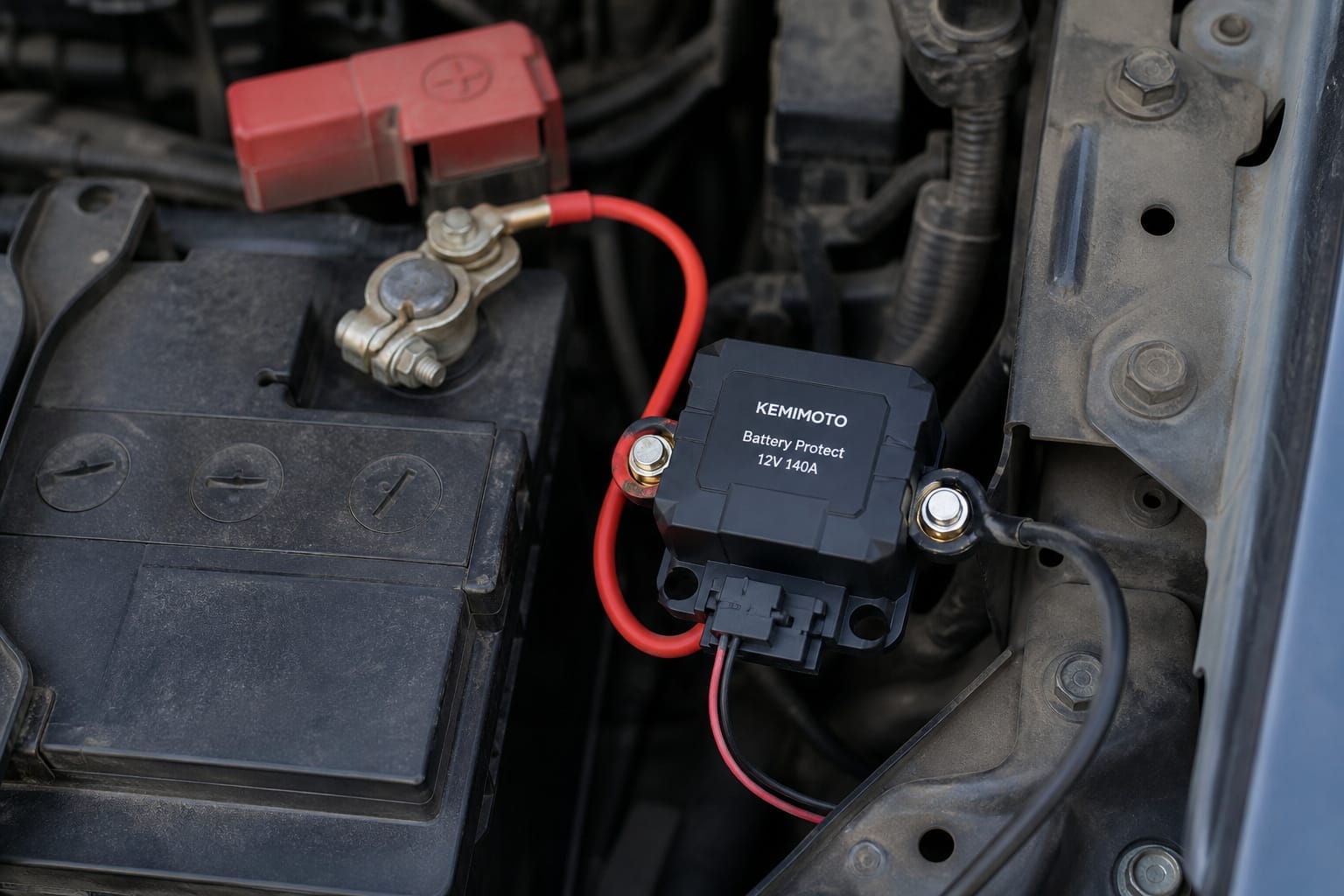
But be careful. Leaving your dash cam on too long can drain your car battery. That’s why many kits include a low-voltage cutoff. It tells the dash cam to shut down when your battery dips below a safe level, usually around 11.8 to 12.2 volts.
Smart, simple, and it prevents a dead battery on a Monday morning.
Recommended Products

【Wide Compatible】Input:12V-24V; Output:5V/2A. With Type-C ports, this hardwire kit compatible with all of dash cams.
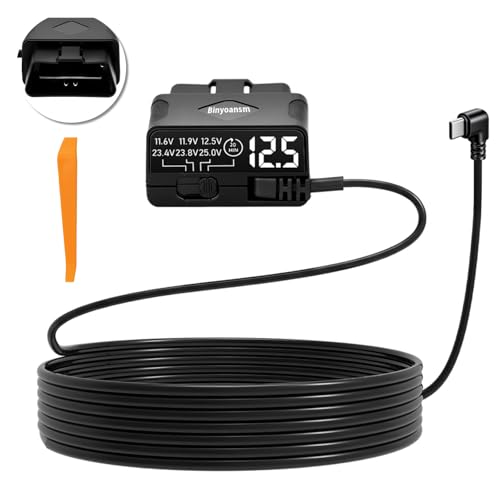
Plug and play — no fuse tapping, no ACC wire hunting, no electrical knowledge required. Simply locate your OBD port, plug in, and you‘re done in under 60 seconds. Zero damage to factory wiring.

Low Voltage Disconnect Module: Low voltage protection module automatically cuts off power when battery voltage drops below a safe level, preventing deep discharge and protecting your battery. Ideal for 12V–36V systems, it's a must-have low voltage disconnect module for any DC-powered setup
Choosing the Right Memory Card
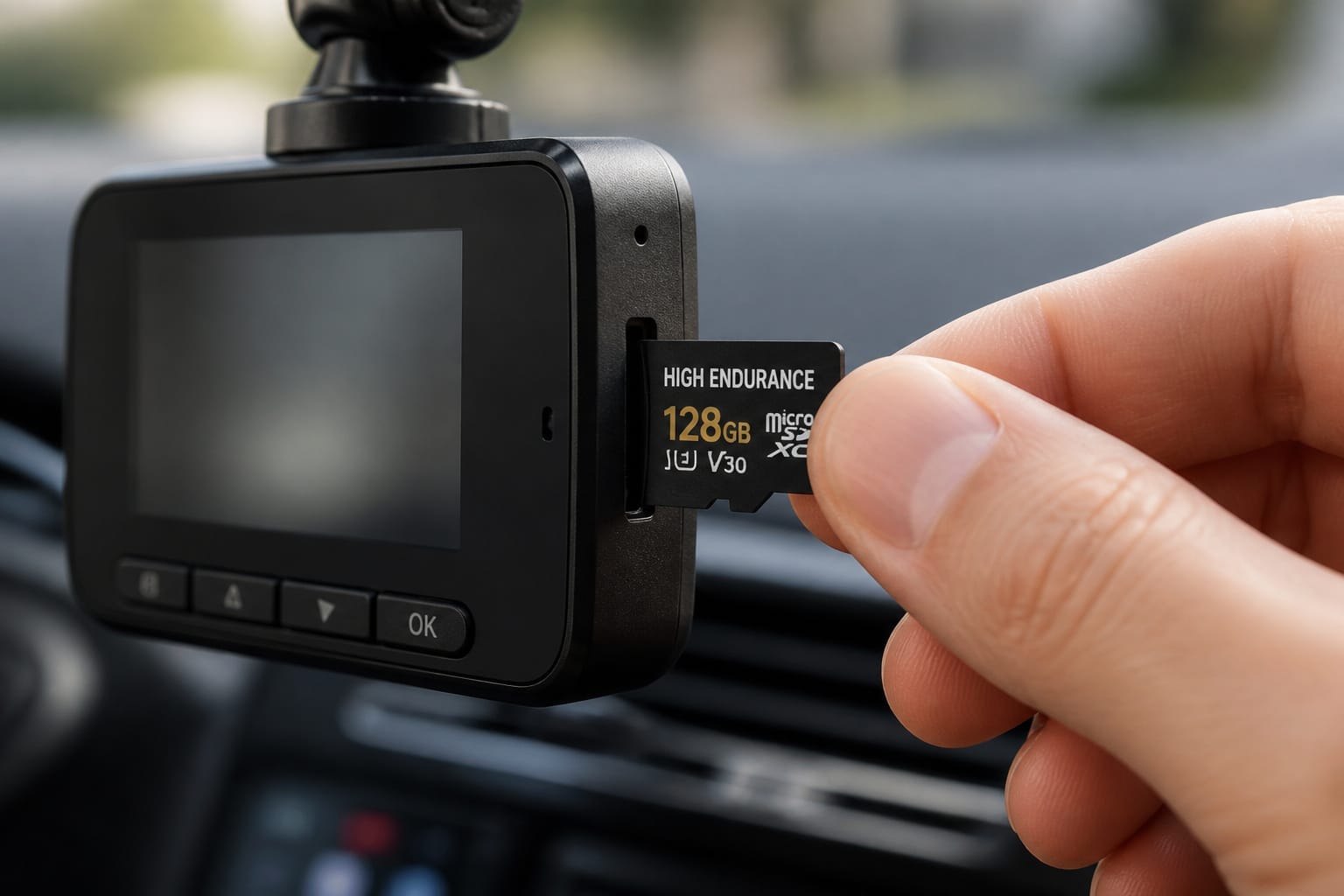
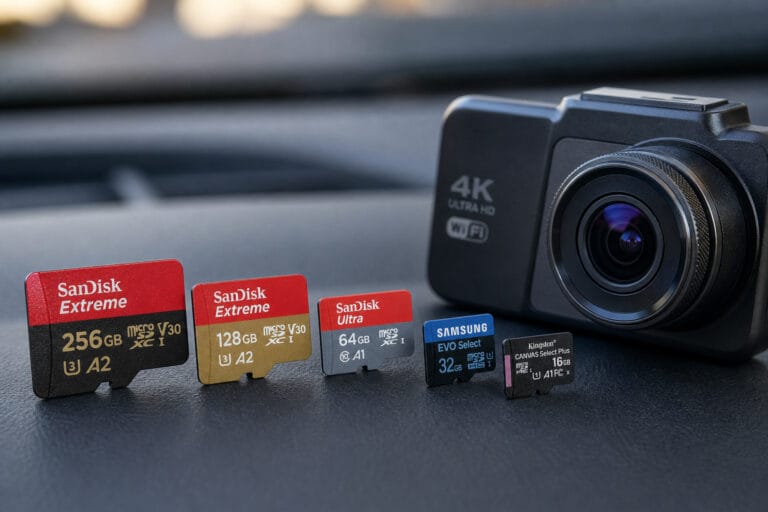
Memory matters too. Loop recording keeps footage cycling, but parking mode locks incident clips. Use a high-endurance microSD card designed to withstand constant write cycles; regular cards wear out fast under continuous recording.
Our guide to dash cam storage covers how much capacity you actually need and what to look for in a card built for the job. Format it often. Keep it clean. No glitches, no lost footage.
And placement? Keep it high on the windshield, roughly centered behind the mirror. Clear view. Hard to miss. But make sure it doesn’t block your vision. Safety first, always, and our placement guide covers the exact spot and angle to aim for.
For the bigger picture on which dash cam features are actually worth paying for beyond power setup, see our dash cam features guide.
Recommended Products

Compatible with Nintendo-Switch (NOT Nintendo-Switch 2)

Compatible with Nintendo-Switch (NOT Nintendo-Switch 2)

Compatible with Nintendo-Switch (NOT Nintendo-Switch 2)
Frequently Asked Questions
Can Dash Cams Record Through the Night?
Yes, you can record through the night. Your dash cam stays alert and watches silently. Just plug it into hardwired power or use a parking mode kit. It wakes when motion or impact hits.
Short clips save automatically. You’ll catch license plates, fender taps, even stray shopping carts. Set it, forget it, sleep easy. Your car’s got eyes, wide open, all night long.
Do Dash Cams Use a Lot of Battery?
You won’t drain your battery: most dash cams use less than 1% overnight. Think of it like a tiny heartbeat, not a sprint. You plug it in, set parking mode, and let it guard your car. It sleeps when idle, wakes on impact.
You get peace, not power loss. Wired properly, it sips energy, never gulps. You stay protected, not stranded.
Are Dash Cam Recordings Saved Automatically?
Yes, your dash cam saves recordings automatically. It records in loops, saving the new footage and replacing old footage.
When it detects a bump or crash, it locks the clip, so you don’t lose it. Parking mode keeps watch too, if hardwired. You’ll keep evidence without lifting a finger.
Power cuts? No problem. Files still save. It just works, like a silent guard, always on.
Can Police Access My Dash Cam Footage?
Yes, police can access your dash cam footage, but only with your consent or a warrant.
You own the footage. Protect it. Save clips to the cloud. Lock files.
If cops ask, stay calm. Say, “I’ll cooperate, but I need a warrant.” Knowledge is power. You control access. Be ready. Be smart. Stay secure. That’s how you stay in charge.
Do Dash Cams Work in Extreme Temperatures?
Yes, you can use dash cams in extreme temperatures. Most work between -4°F and 140°F. Cold slows batteries; heat risks overheating.
Park in shade, use sunshades. In winter, tuck cords close; ice won’t stop recording. Summer? Crack a window, avoid dash glare. Built-in sensors pause recording if too hot. You stay protected. You stay ready. Smart use means solid proof, rain, shine, or blistering heat.