Most modern TVs last about 7 to 10 years with normal use, and many last longer. A fading screen usually doesn’t end a TV’s life. The cause is usually a failed power board, a damaged panel, or software that can no longer keep up.
So, how you set up and protect your TV makes a real difference.
What Affects TV Lifespan
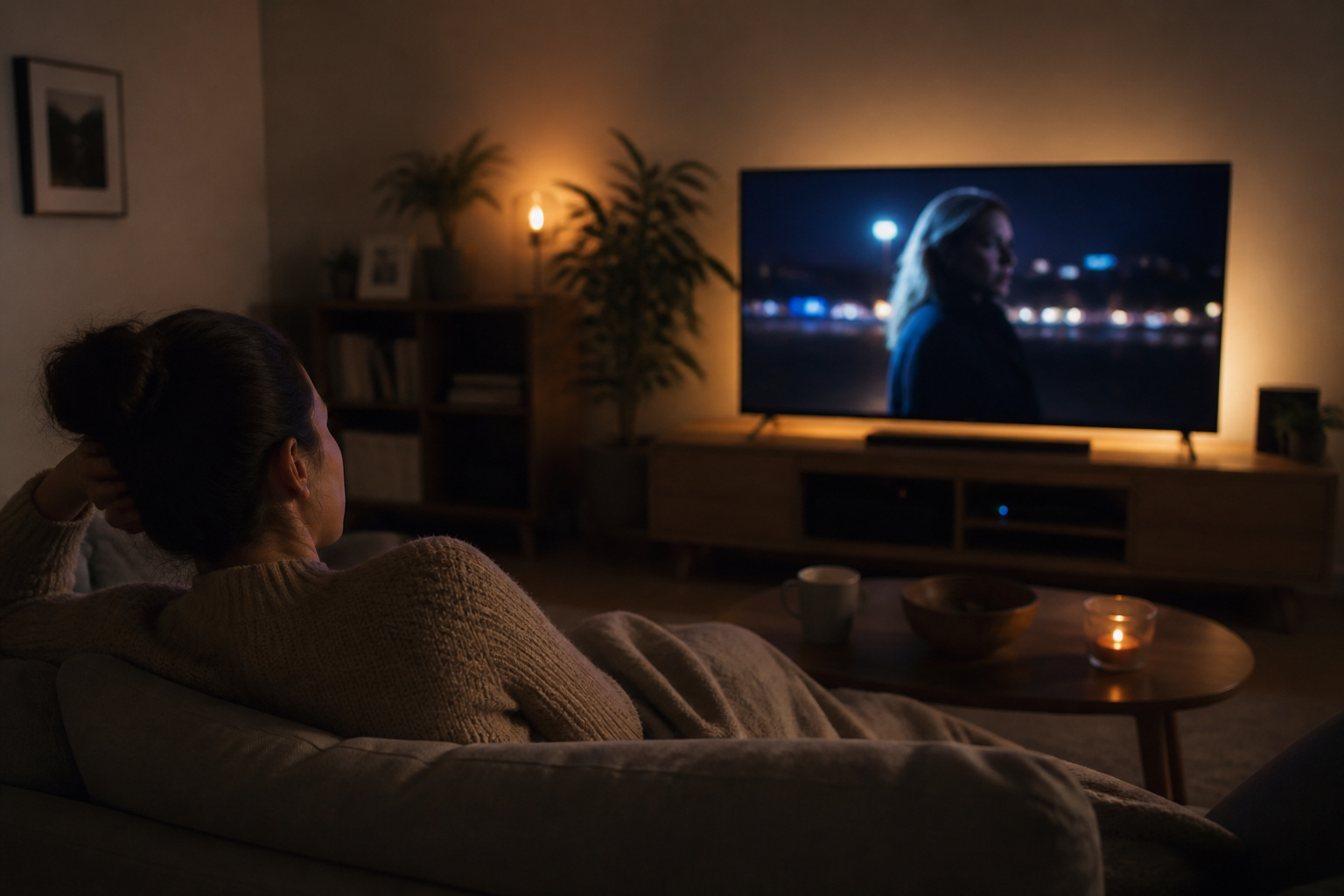
Several factors determine how long a TV lasts: how many hours a day it runs, how bright its screen is set, how much heat it’s exposed to, the quality of its power supply, and the quality of its components.
A TV that runs 10 hours a day with the backlight at full brightness will age faster than one used for a few hours daily at moderate settings. Premium models tend to use better components and may last longer, though that is not guaranteed.
Products Worth Considering
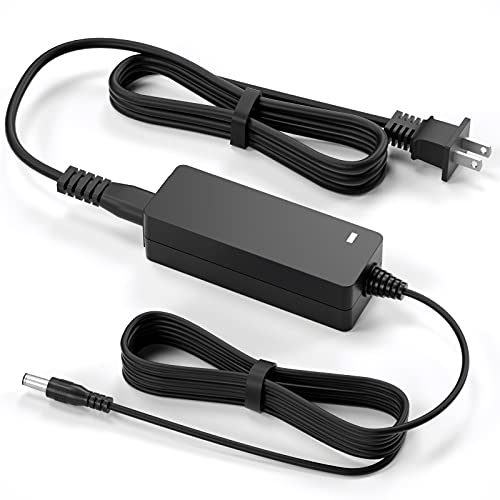
LG Monitor Power Cord Compatible Models: LG 24MK600-B 24MP59G-P 27UL500-W 27GL83-B Flatron 22" LED Monitor 22EA53T-P, 23" LED 23EA63V-P, 26" Class Slim LED 26LN4500, 27" Flatron LED 27EA63V-P 22LB4510, 22LB4510-PU 22LN4510 3EA63T 23EA63V 23MP65HQ 23MP65HQ-P 23EA63V-P; 24EA53T 24EA53V 24EA53V-P 24EC53V 24EC53V-P 24EN33T 24EN33TW 24EN33V 24EN33VW 24EN33VW-B 24EN43T 24EN43V 24EN43V-B 24LB4510 24LB4510-PU 24MP56HC 24MP56HN 24MP56HQ 24MP56HQ-P 24EN33S 24EN33T 24EN33T-B 24EN33V-B

Replacement power cord compatible for Alexa Echo Spot, Fire TV Cube, Echo Dot (3rd Gen), Echo Dot (4th Gen), Echo Dot (5th Gen), Echo Dot Kids Edition, Echo Show 5 1st Gen / 2nd Gen, Echo Dot with Clock
Backlight Aging and Brightness
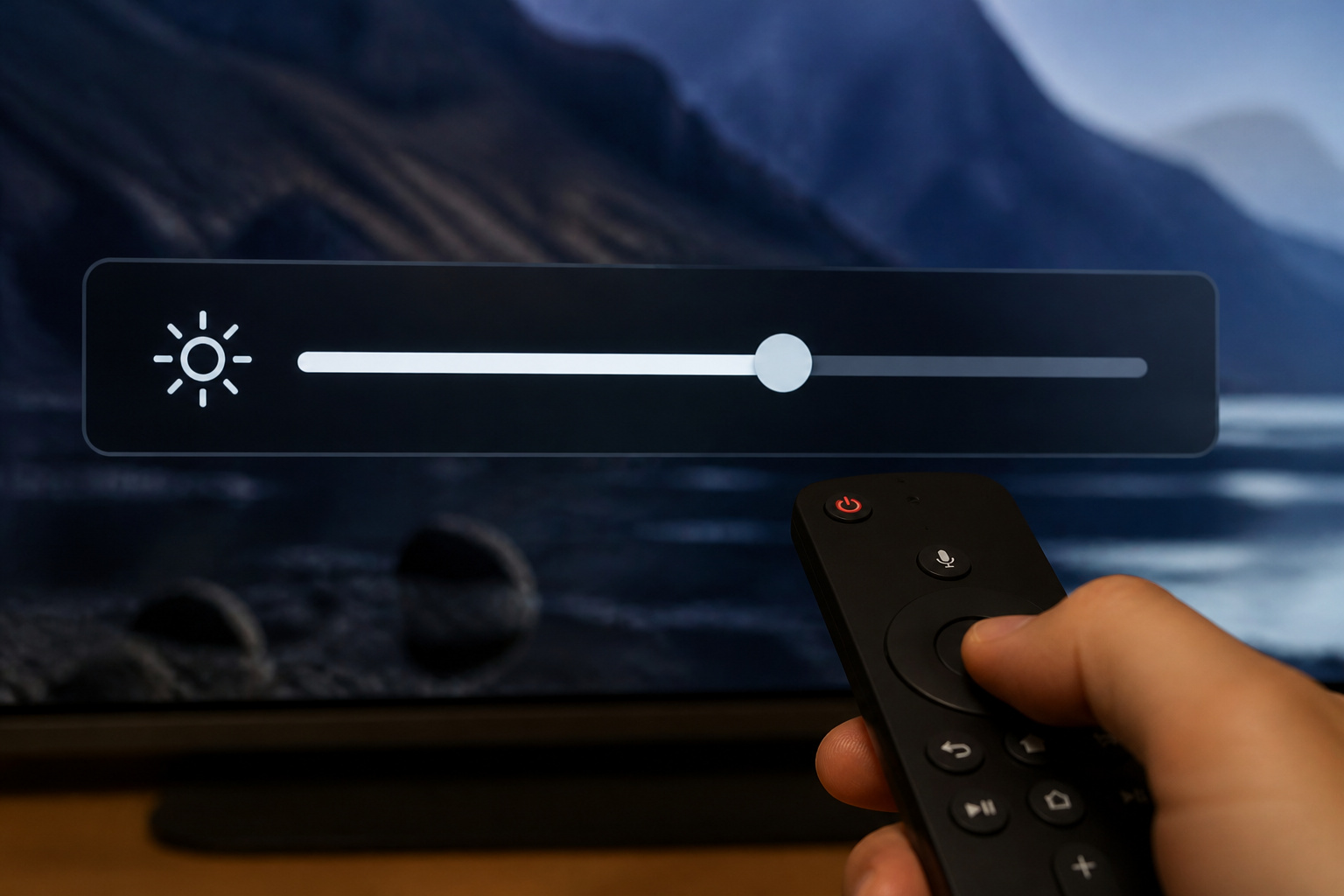
On LED and QLED TVs, the backlight slowly dims with use. Manufacturers often rate backlights for tens of thousands of hours, which is many years of typical viewing, and the change is gradual enough that most people never notice.
Running at a lower brightness setting reduces wear and power use. Our TV settings guide covers sensible brightness levels.
OLED and Burn-In
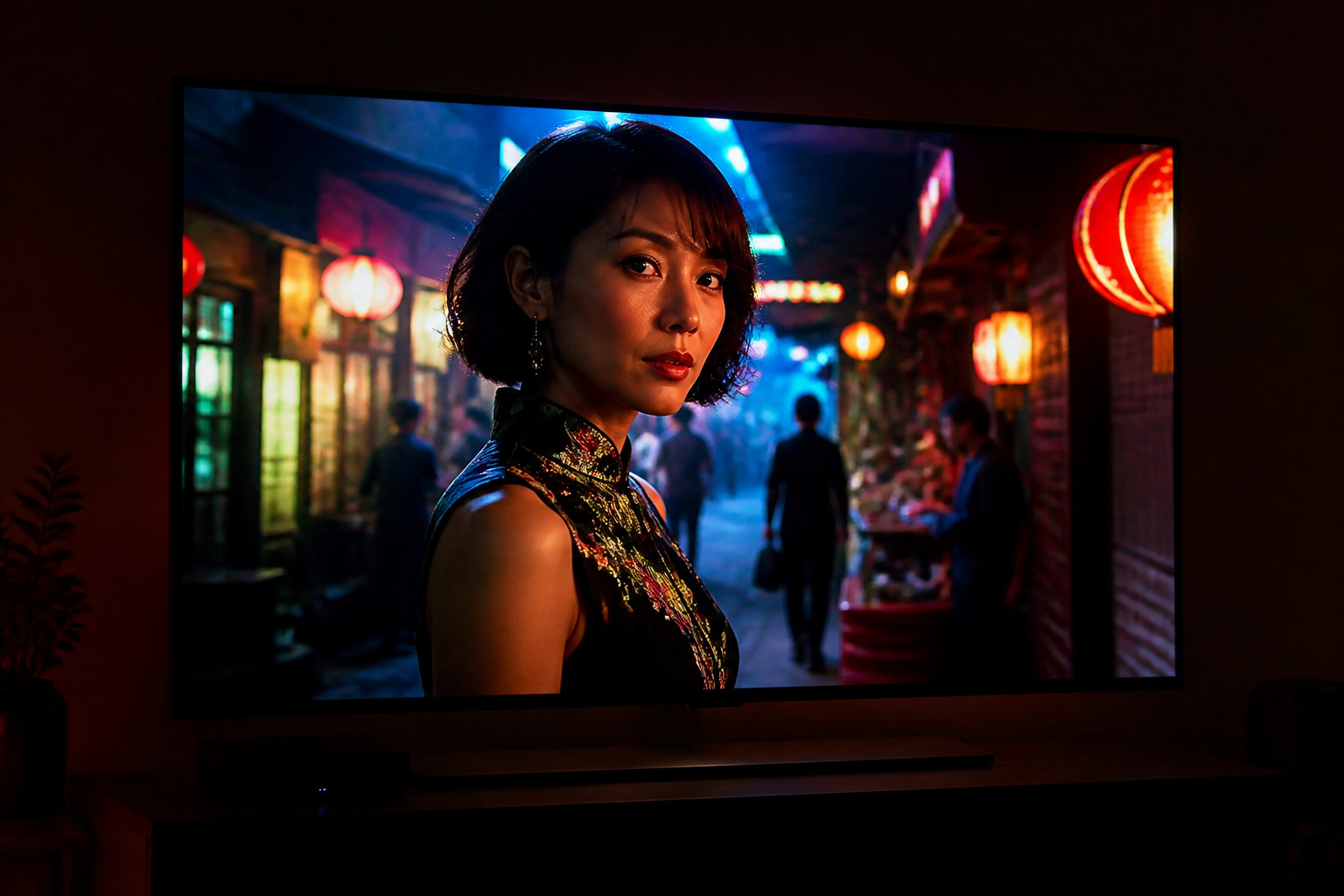
OLED pixels age with use, and static images shown for many hours can cause permanent burn-in. Mixed viewing makes this unlikely, and modern sets include protections like pixel shifting.
If you leave news or a game HUD on for long periods, vary your content or use a different TV for that use. See OLED vs QLED vs LED for how each technology ages.
Products Worth Considering
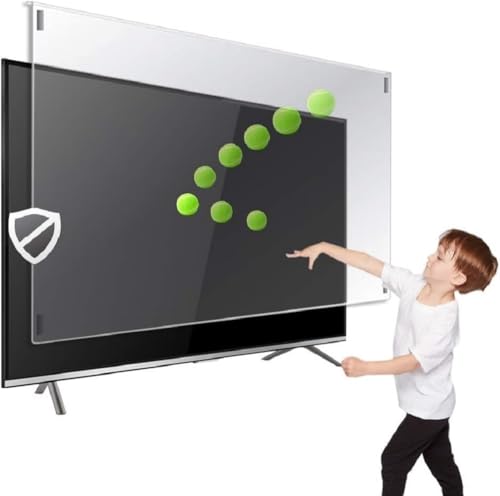
Prevents damage, scratches, fingerprints. Heavy Duty. Must have for Families with Children and Nintendo Wii owners

TV SCREEN PROTECTOR - Your TV needs to be protected when you want to move it or when the home is being renovated. This Foam Flat Screen TV Cover can provide protection for your TV.

Blocks Harmful Bluelight between 380nm~480nm. The Best Anti Blue-Light optical grade product
Heat, Dust, and Ventilation
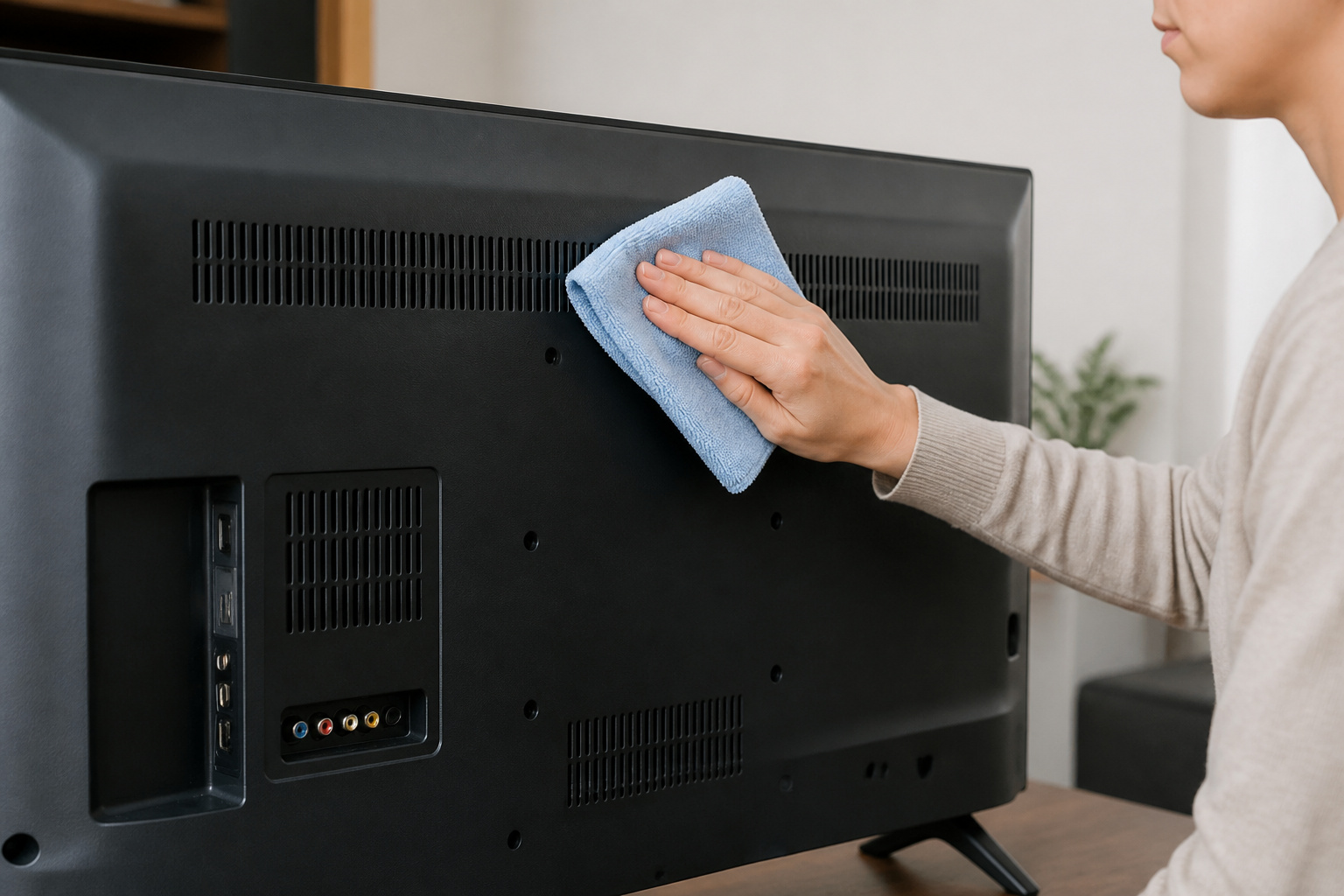
TVs shed heat through vents on the back and sides. Blocking those vents inside a tight cabinet, or letting dust build up, shortens the electronics’ life.
Leave a few inches of space around the TV and wipe dust with a dry microfiber cloth. If you are mounting a TV above a fireplace or in a cabinet, check heat and clearance before you do; see TV wall mounting mistakes.
Products Worth Considering

Efficient cleaning: This set includes 3 bendable fan dusters with microfiber heads, fan cleaner allowing you to easily remove dust and dirt from ceiling fans, floor vent fan,air conditioning vents, curtains, and more.

11-Piece Microfiber Duster Set: This set includes 11 microfiber detail duster sticks in 6 vibrant colors (blue, red, green, yellow, pink, white), offering reliable and rugged tools to clean hard-to-reach spaces like car vents, keyboards, and window crevices

ATTRACTS DUST - You don't even have to touch the dust to pick it up. Just wipe gently across furniture and other things, and the static charge will pull in dirt like a magnet.
Power Surges and Surge Protectors
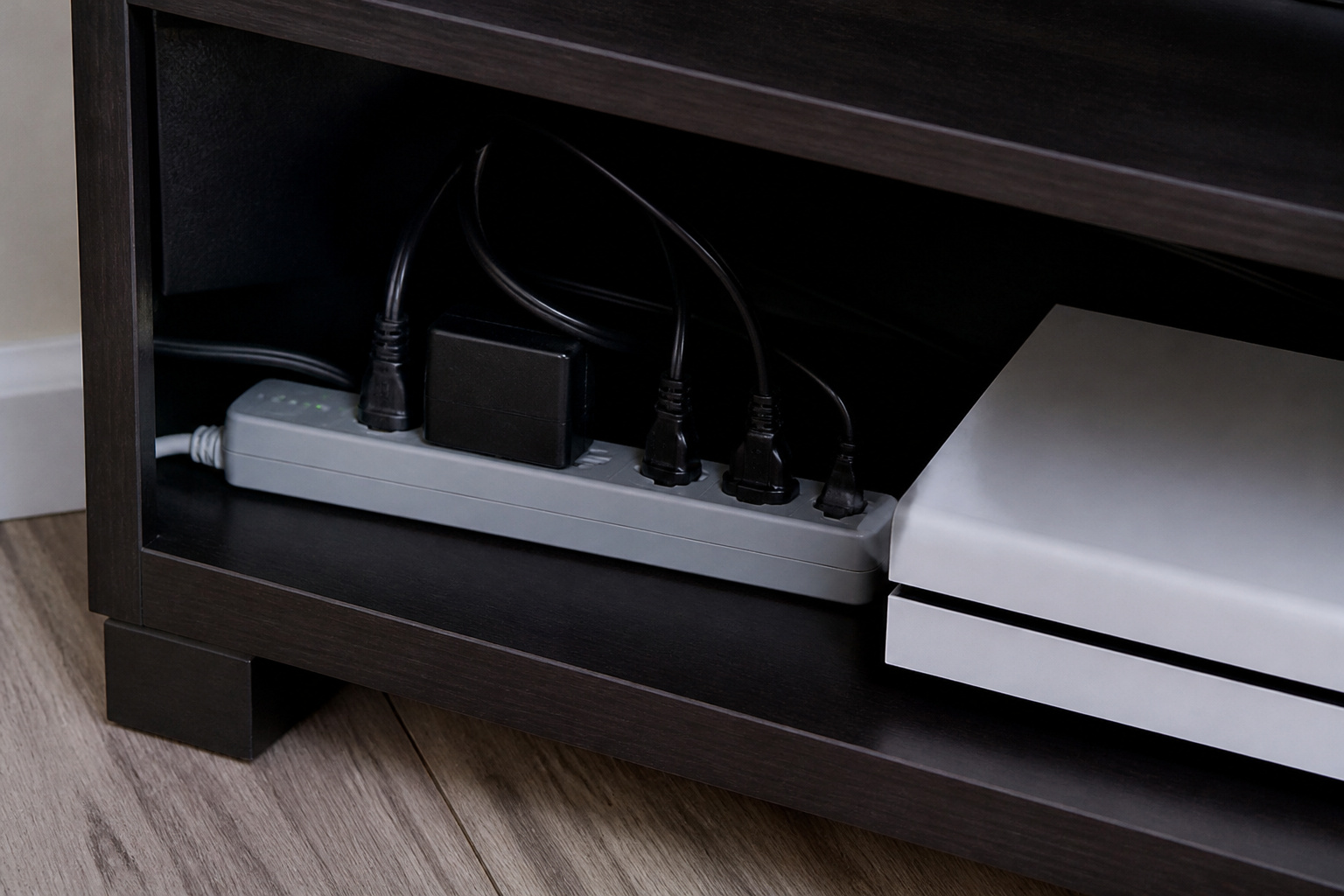
Power surges commonly cause sudden TV failure. A surge protector absorbs voltage spikes before they reach the TV’s power supply.
Look for a protector rated in joules. A higher rating generally means more protection, a clamping voltage listing, and a UL 1449 safety rating. A surge protector is not the same as a plain power strip, and protectors wear out over time, so replace them every few years or after a major surge.
If your area has frequent storms, consider protecting cable and antenna lines too.
Products Worth Considering
![[ETL Listed] Cable Matters 1350J Single Outlet Surge Protector, White | 500V Clamping Voltage, for TV, PC, Xbox, PS5, Refrigerator, Treadmill, 15A/1875W](https://m.media-amazon.com/images/I/31e0JpMEJvL._SL500_.jpg)
Reliable Surge Protection for Electronics: Protect your electronics with this single plug surge protector. The wall surge suppressor provides a surge-protected 3-prong grounded outlet, offering reliable protection for devices like TVs, PCs, and gaming consoles from power surges.

SHIPMENT CONTAINS: 12-outlet surge protector power strip with 8-foot extension cord delivers reliable electricity and safeguards electronics from surges and outages

6 OUTLET SURGE PROTECTOR — Six grounded, three prong outlets expand a single wall outlet into a centralized power solution for electronics, appliances and tools
Software and Smart Platform Support
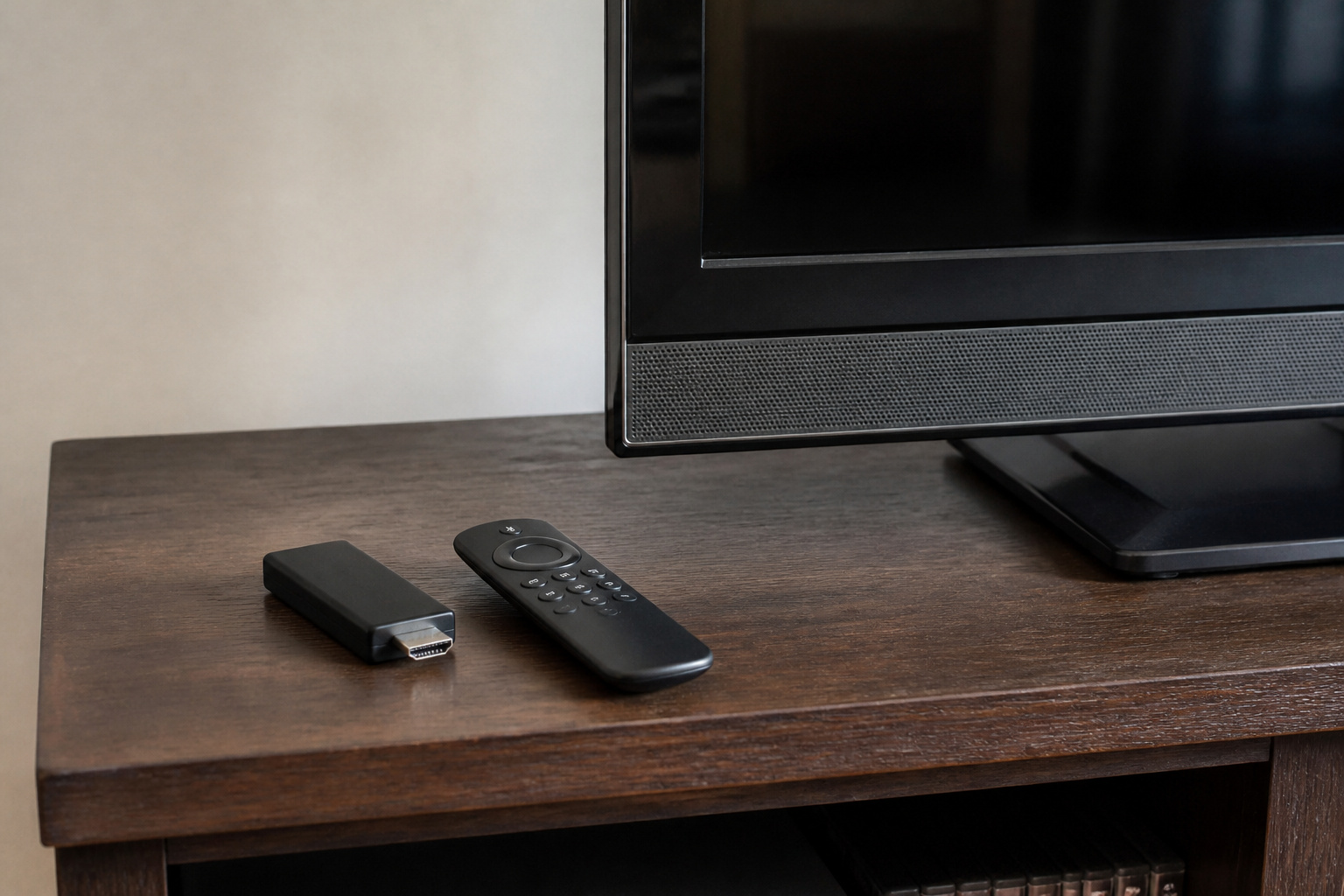
A smart TV can become frustrating long before the panel fails, because app updates outpace older processors.
A streaming stick extends the TV’s usable life without replacing it. See Roku vs Google TV vs Fire TV.
Frequently Asked Questions
How many hours does a TV last?
Many LED backlights are rated for tens of thousands of hours. At several hours a day, that is many years, though real-world lifespans vary by model and use.
Is it worth repairing an old TV?
For power board or port issues, often yes if the repair costs well under half the price of a comparable new TV. A cracked panel usually is not worth fixing.
Does leaving the TV on shorten its life?
Running it constantly accelerates wear, especially at high brightness. Using sleep timers and lowering the brightness helps.
Do I need a surge protector for my TV?
It is cheap insurance against power spikes. Choose a UL-listed surge protector with an adequate joule rating, not a basic power strip.
When should I replace my TV?
When repairs cost too much, the picture has clearly degraded, or the smart platform has become unusable and a streaming stick will not fix it.