8K sounds like an obvious upgrade over 4K: four times the pixels, so four times better.
In practice, the extra pixels rarely show up in an ordinary living room, and almost nothing you watch is made in 8K.
Here is where 8K stands and who, if anyone, should consider it.
What 4K and 8K Actually Mean
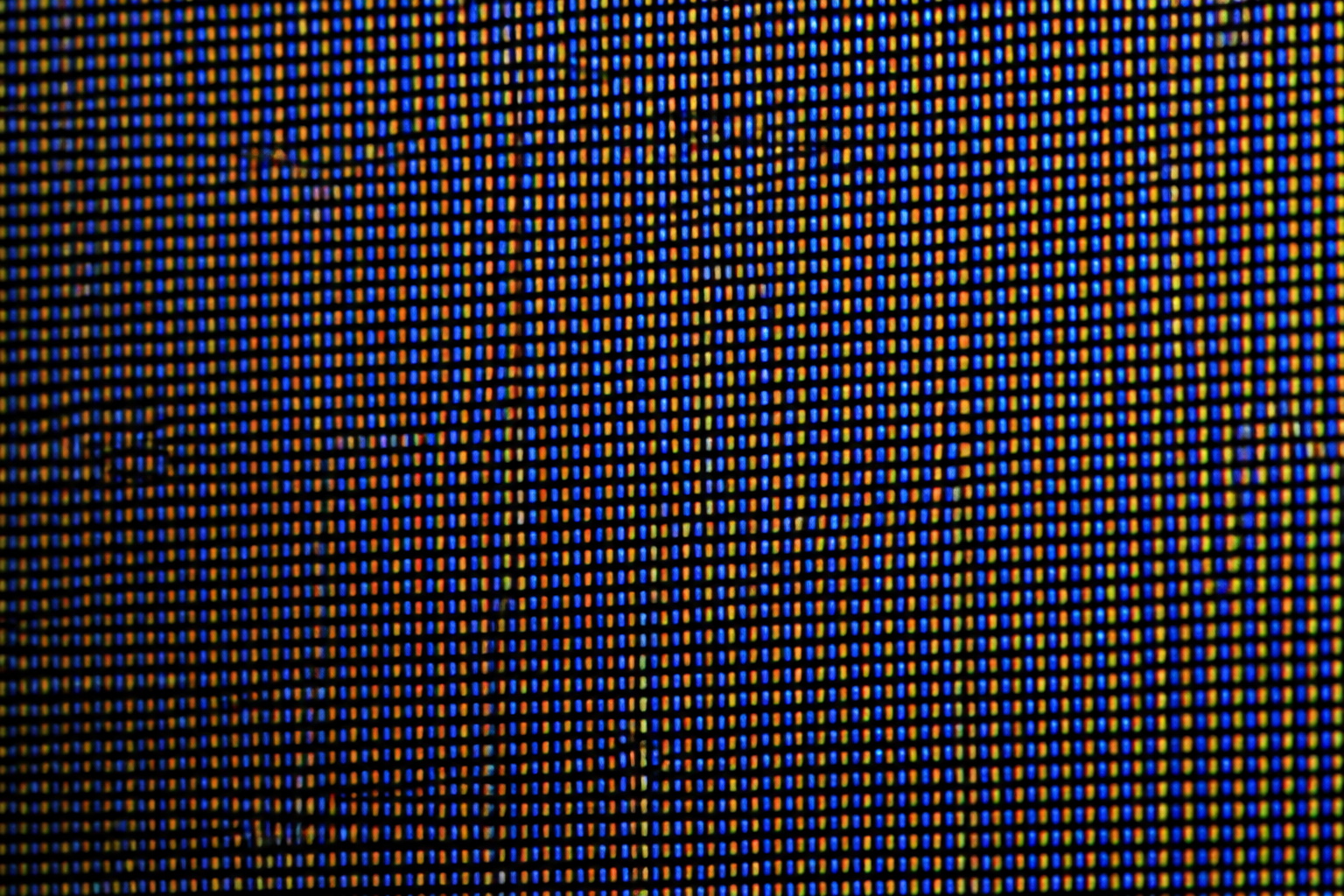
A 4K TV has 3840 by 2160 pixels, about 8.3 million in total. An 8K TV has 7680 by 4320 pixels, about 33 million, four times as many. Both are far sharper than 1080p.
The question is whether your eyes can see the difference at your seating distance, and for most people, they cannot.
Can You Actually See the Difference?

Visible detail depends on screen size and distance. A person with normal vision can only resolve so much fine detail, and on a 55 to 75-inch screen viewed from a typical couch distance, 4K is already close to that limit.
To notice 8K, you generally need a very large screen, very close seating, or both. If you sit more than a few feet away from a 65-inch screen, you are unlikely to see a clear improvement. Our TV size guide shows how distance and screen size relate.
The Content Problem
Native 8K content is extremely limited. Broadcast TV, major streaming services, and most Blu-ray releases are 4K at best, and a lot of what you watch is still 1080p.
Some YouTube videos support 8K, but that is a small part of what most people watch. An 8K TV spends most of its time upscaling lower-resolution video.
Modern upscaling processors do a good job, but upscaled 4K is not the same as native 8K detail, and the result is often hard to tell apart from a good 4K set.
Products Worth Considering

OUR MOST ADVANCED AI-POWERED 8K PROCESSOR: Powers the best AI-enhanced 8K TV experience from Samsung. It optimizes your content so your movies, sports and video games look incredible, no matter what you watch.*
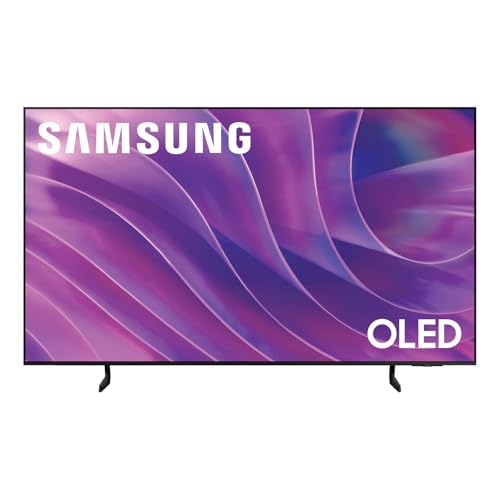
ADVANCED PROCESSING POWERS AI-ENHANCED* 4K CLARITY: Drives AI-enhanced 4K picture and optimized sound for your favorite content.

OUR MOST ADVANCED 4K AI PROCESSOR: Powered by 128 neural networks to deliver AI-enhanced picture and optimized sound, resulting in an exceptional 4K experience for streaming, gaming, live sports and more.*
Where the Money Goes
8K models cost significantly more than 4K sets of the same size and brand. That money buys resolution you are unlikely to see, when it could instead buy a better panel.
Brightness, contrast, local dimming, and color affect how a picture looks more than pixel count. A high-end 4K OLED or mini-LED TV will usually give you a more impressive image than an 8K set at the same price. See our OLED vs QLED vs LED comparison and HDR explainer for what to prioritize instead.
Products Worth Considering

QD-MINI LED | BRIGHT WHERE IT SHOULD BE, DARK WHERE IT SHOULDN'T: Get the deep blacks and precise contrast shoppers expect from a premium display, plus the high brightness Mini LED is known for. Up to 500 local dimming zones with TCL Halo Control Technology precisely control the backlight to reduce unwanted blooming around bright objects. The result is bright highlights, deeper blacks and greater contrast, without the burn-in concern associated with premium displays

QD-MINI LED | BRIGHT WHERE IT SHOULD BE, DARK WHERE IT SHOULDN'T: Get the deep blacks and precise contrast shoppers expect from a premium display, plus the high brightness Mini LED is known for. Up to 500 local dimming zones with TCL Halo Control Technology precisely control the backlight to reduce unwanted blooming around bright objects. The result is bright highlights, deeper blacks and greater contrast, without the burn-in concern associated with premium displays
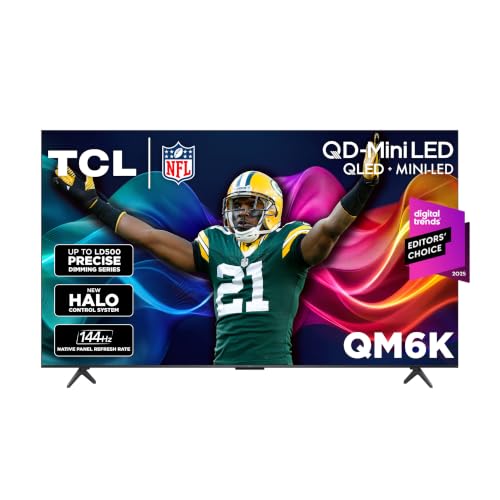
TCL QM6K QD-MINI LED TV SERIES - AFFORDABLE PREMIUM PERFORMANCE FOR SPORTS, GAMING & STREAMING. Experience superior contrast, rich color, and ultra-smooth motion with TCL’s QD-Mini LED technology. Designed to outperform traditional QLED and OLED TVs, the QM6K is the best TV for every moment—whether you're streaming, gaming, or watching the big game.
Who Might Want 8K
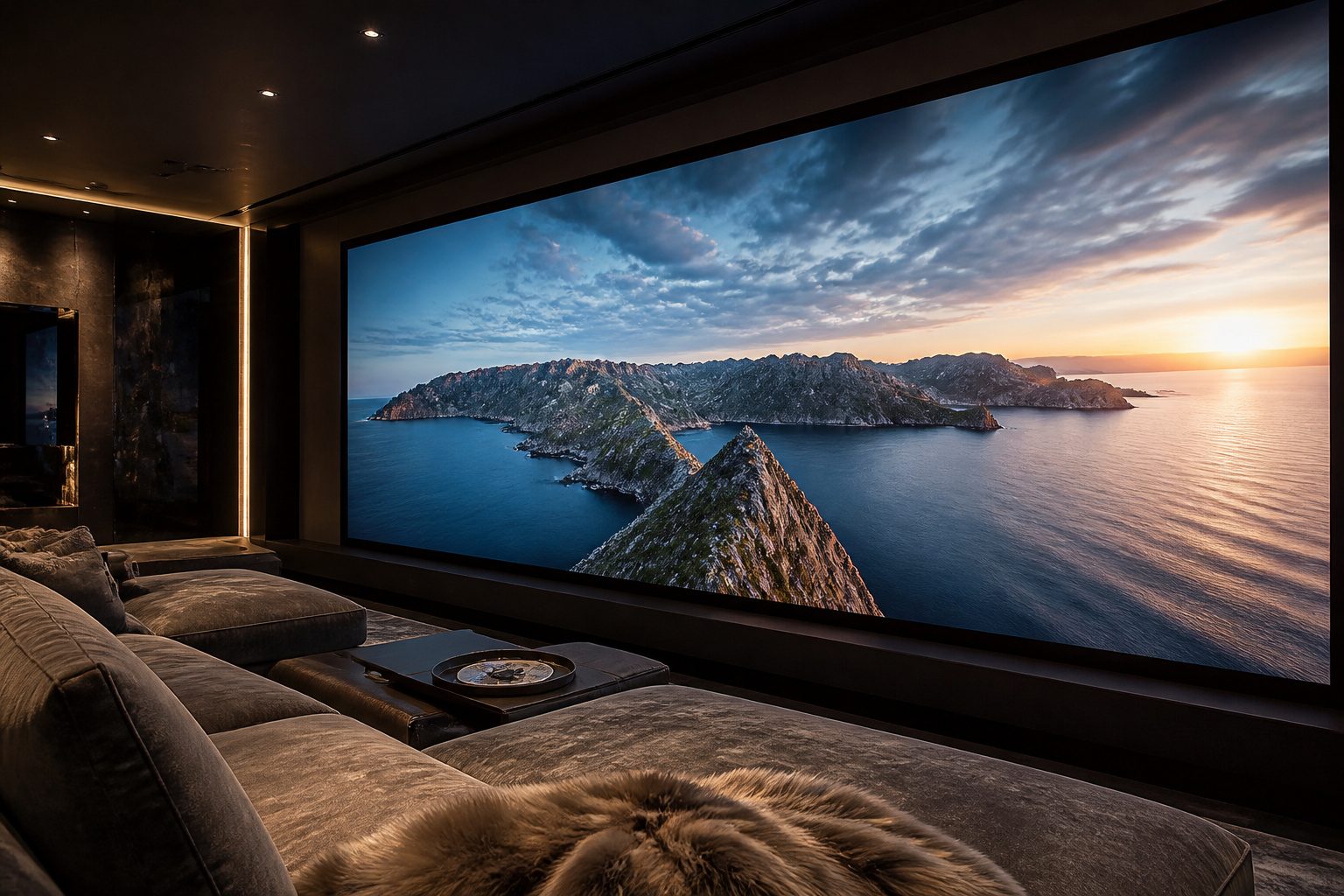
8K can make sense for very large screens, roughly 85 inches and up, viewed from relatively close. It also suits people who want to keep a TV for many years as 8K sources slowly appear.
For nearly everyone else, a premium 4K TV is the better value and the safer buy.
Products Worth Considering
OUR MOST ADVANCED AI-POWERED 8K PROCESSOR: Powers the best AI-enhanced 8K TV experience from Samsung. It optimizes your content so your movies, sports and video games look incredible, no matter what you watch.*

MINI LED PROCESSOR 4K: Our advanced processor delivers brighter highlights and deeper blacks,* bringing every detail to life with stunning clarity

QUANTUM MINI LED FULL ARRAY: Dark scenes reveal subtle shadows you might miss on other TVs, while bright scenes shine with lifelike intensity | NQ4 AI GEN2 PROCESSOR: The advanced powerhouse behind your TV’s performance, the NQ4 AI Gen2 Processor analyzes and enhances content in real time, delivering sharper images, smoother motion, and more vibrant colors
Frequently Asked Questions
Can an 8K TV play regular HD and 4K content?
Yes. An 8K TV scales lower-resolution video to fill the screen. Picture quality depends on the TV’s upscaling processor, and good sets handle it well.
Do 8K TVs have better smart features than 4K TVs?
Not automatically. Smart features depend on the brand and platform, not the resolution. See our guide to Roku, Google TV, and Fire TV for the differences that matter.
Are 8K TVs more expensive to repair?
Typically yes, because panels and processors cost more and fewer technicians service them. A cracked panel can cost as much as a new TV.
Do 8K TVs use more electricity?
They often do, since driving many more pixels and the brighter backlight needed to compensate requires more power. Exact figures vary by model, so check the spec sheet or EnergyGuide label.
Will 8K content become common?
It is possible but not in the near term. Production, streaming bandwidth, and broadcast standards all lag well behind. Buying 8K today mainly buys better upscaling, not 8K sources.