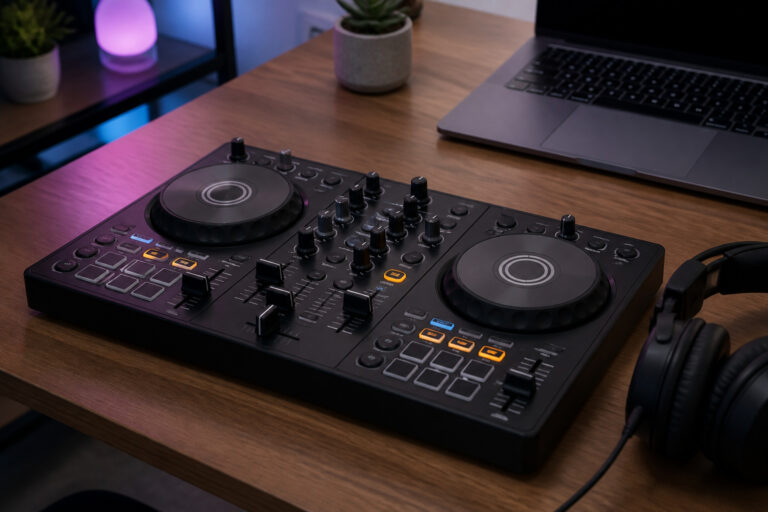
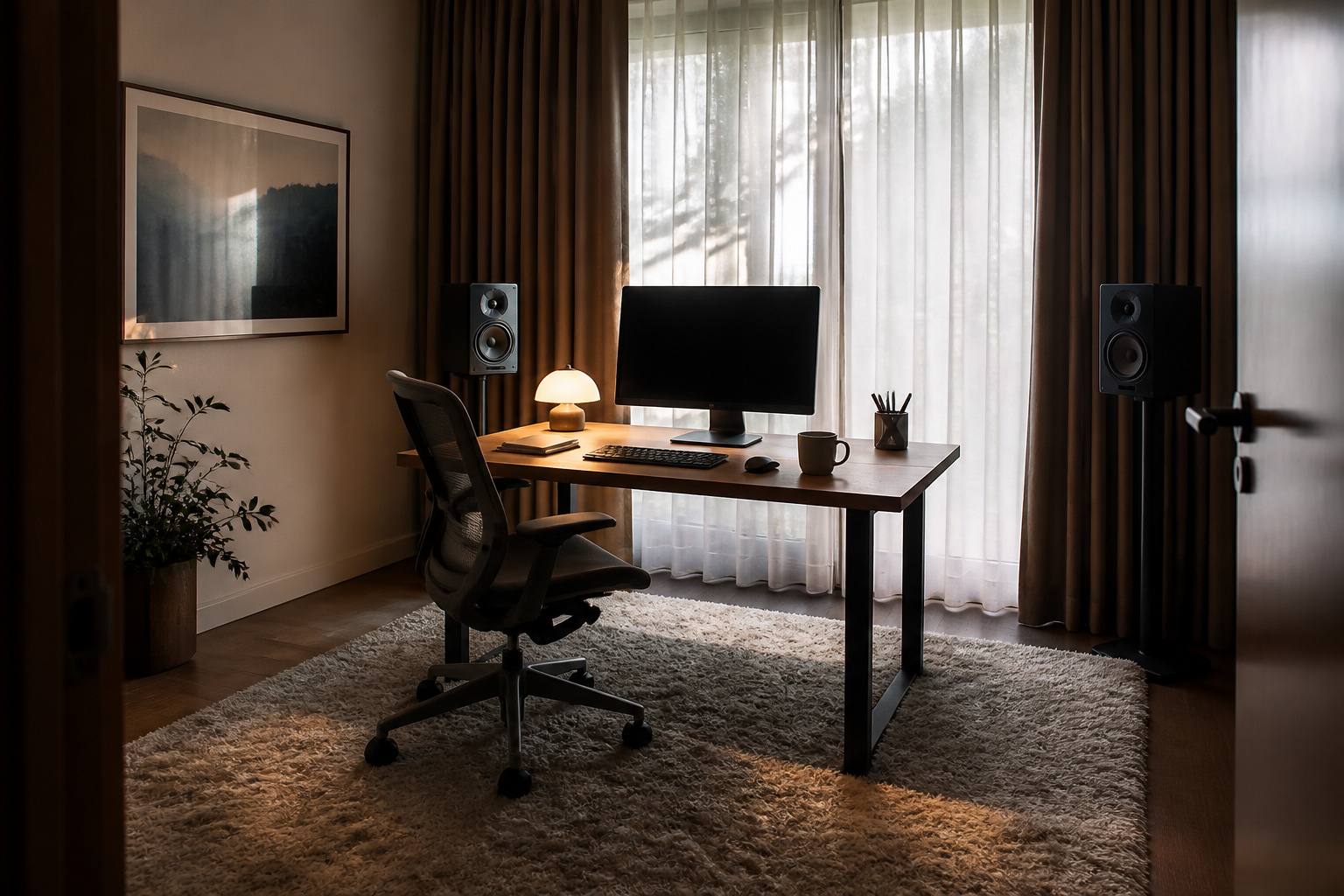
Small rooms often sound boomy, harsh, or cluttered because sound bounces quickly off nearby walls, floors, and ceilings. You can improve it with soft furnishings, careful speaker placement, and a few well-placed panels, usually without spending much.
Soften the Surfaces
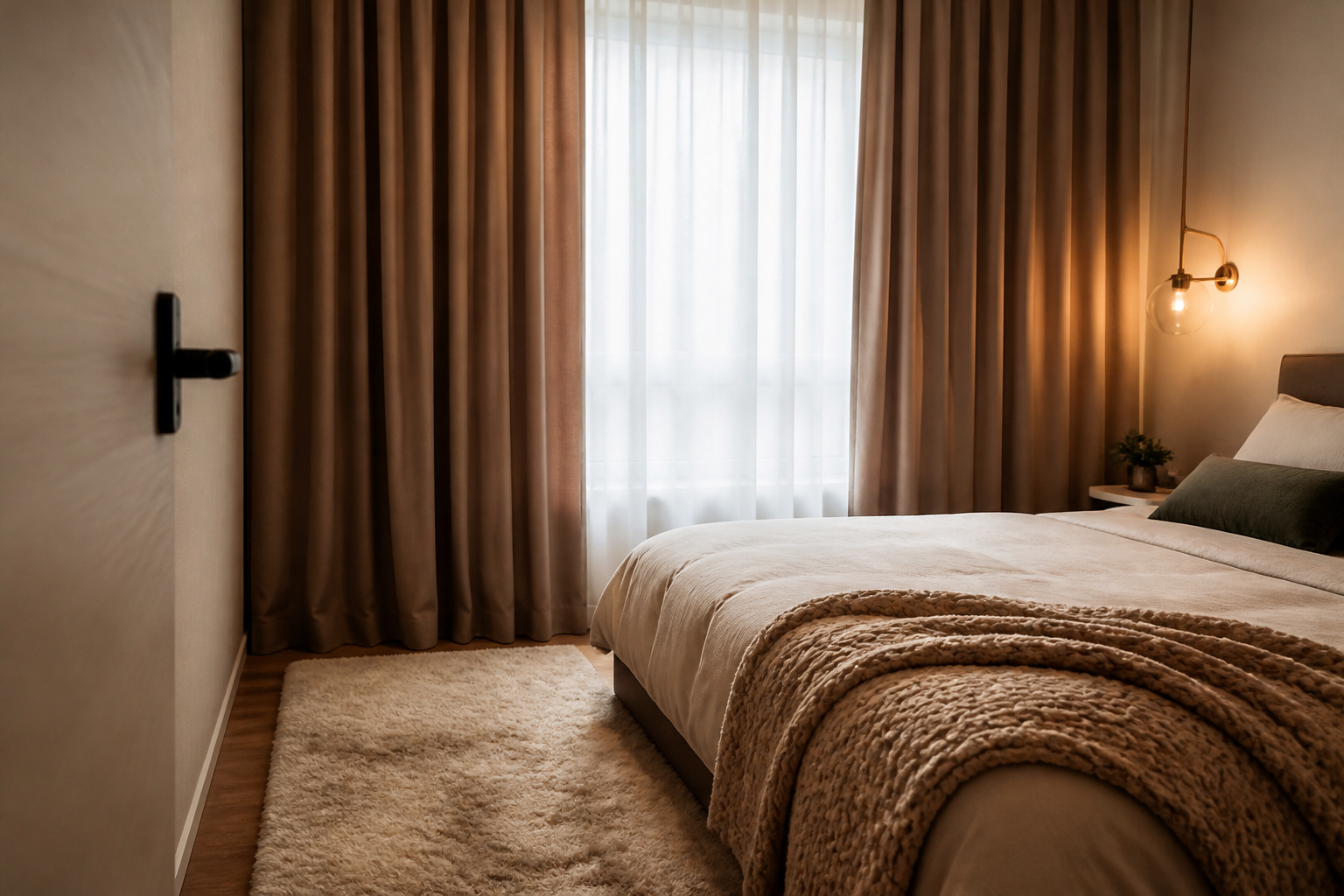
Hard, bare surfaces reflect sound and create echo and harshness. Thick curtains, a rug on bare floors, upholstered furniture, and wall hangings absorb some of it.
Heavy, dense fabrics work better than thin ones, and covering a large area matters more than a small patch.
Recommended Products

Studio Sound Dampening Blanket: Aodyow portable extra large size sound blanket covers about 96 x 80 inches can give you a perfect noise reduction environment.Our heavy duty moving blanket folds freely, allowing you to customize the size based on what you're moving.Stows away without hogging space.Wrap it all up in our massive soundproof blanket!

HELPS CREATE A QUIETER ENVIRONMENT – Designed with dense multi-layer construction and an upgraded soft velvet backing, this acoustic curtain helps reduce unwanted noise, soften sound reflections, and improve privacy in a variety of indoor spaces.
Place Speakers Carefully
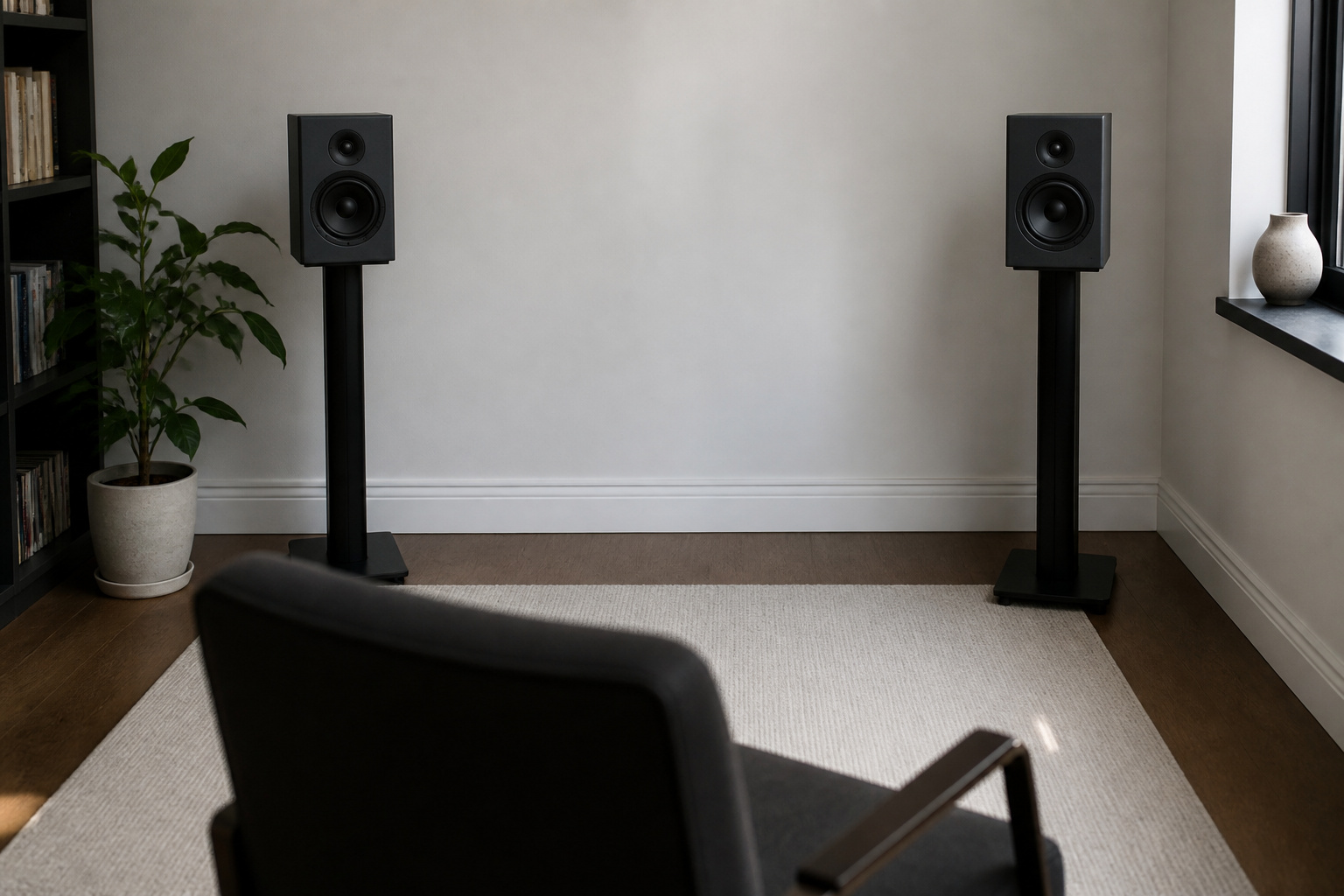
Pull speakers away from corners and walls, since those areas boost bass and make it boomy. A distance of a foot or more from the wall is a good starting point, and many speakers sound best further out.
Form a triangle with your listening seat, and aim the speakers at you. Read our guide on speaker placement for step-by-step advice.
Recommended Products
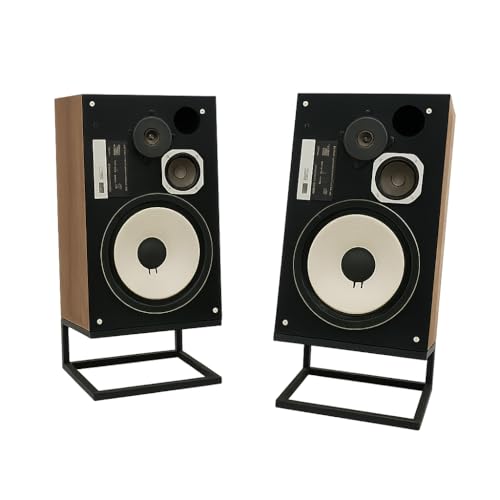
Compatible Design: Suitable for JBL L100 speakers and other similar-sized models

Height Adjustable Speaker Stands:This speaker stands use the collar to adjust height from 30.0" to 39.1" to get your sound speakers the desired height and enjoy stereo or surround sound. Placing the bookshelf speakers stands on the appropriate height can also reduce reflections to give you a purer and more clear sound.

Wide Compatibility: ELIVED speaker stands fit a variety of different types of speakers, compatible with most bookshelf speakers for Sony, Yamaha, Edifier, Polk, Samsung, Bose, Vizio, JBL, and more. The bookshelf speaker stand holds up to 22 lbs
Use Furniture to Break Up Reflections
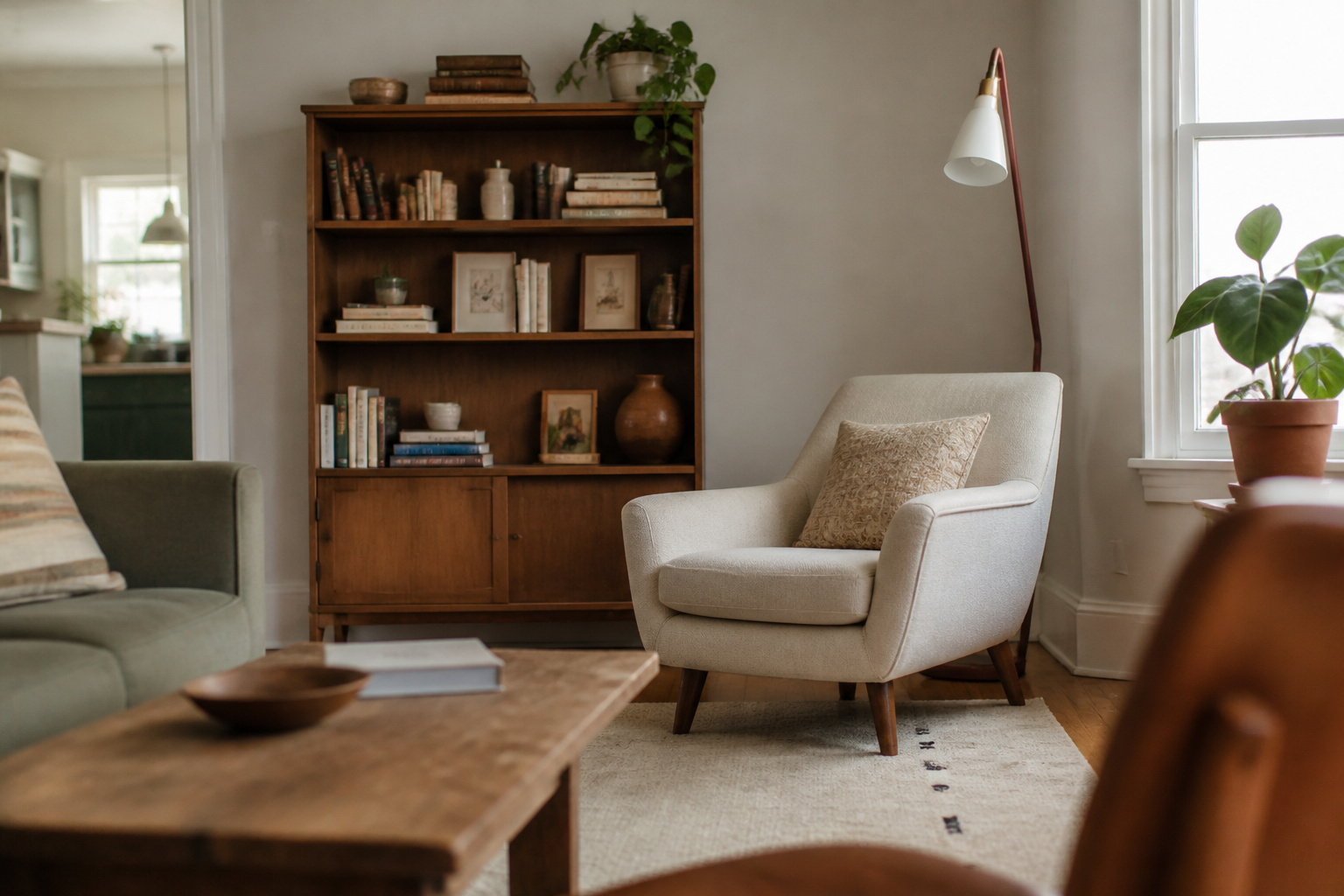
Bookshelves full of uneven items scatter sound, and sofas and armchairs absorb low and mid frequencies. Avoid leaving large bare walls facing each other.
Off-center shelves and angled furniture reduce the repeated reflections that cause boxy sound.
Recommended Products

Soundproofing - Acoustic foam panels triangular grooves structure for better noise absorption, helps to reduce and absorb unwanted echoes, waves, reverb and flutter echoes for better recording effect.

Wall shelf for acoustic panels: This shelf is specially designed to hold acoustic wall panels and offers an elegant solution for room design.

3D Decorative Acoustic Wall Panels-Elevate your space with our dual-layer composite design. The CNC-carved artistry creates a modern 3D aesthetic. Unlike traditional acoustic foam panels, our high-density sound dampening panels ensure superior shape retention and no warping, blending professional acoustic treatment with premium interior decor.
Add Panels Where They Help Most
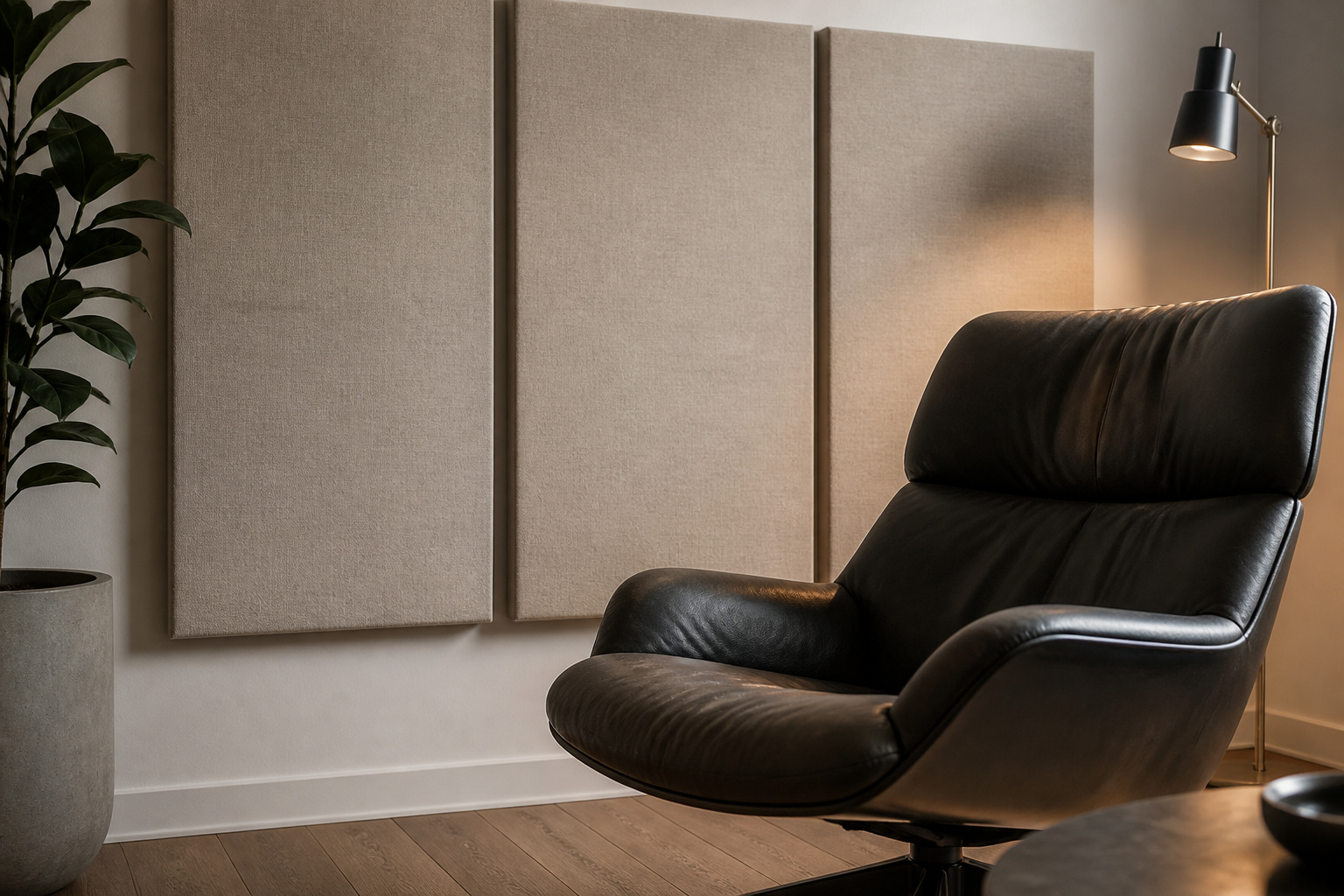
Acoustic foam or fabric panels on the wall behind the listening seat and at the first reflection points, the spots on the side walls halfway between you and each speaker, cut early reflections.
A few well-placed panels often help more than covering an entire wall. See how to reduce echo in a room for other options.
Manage Bass
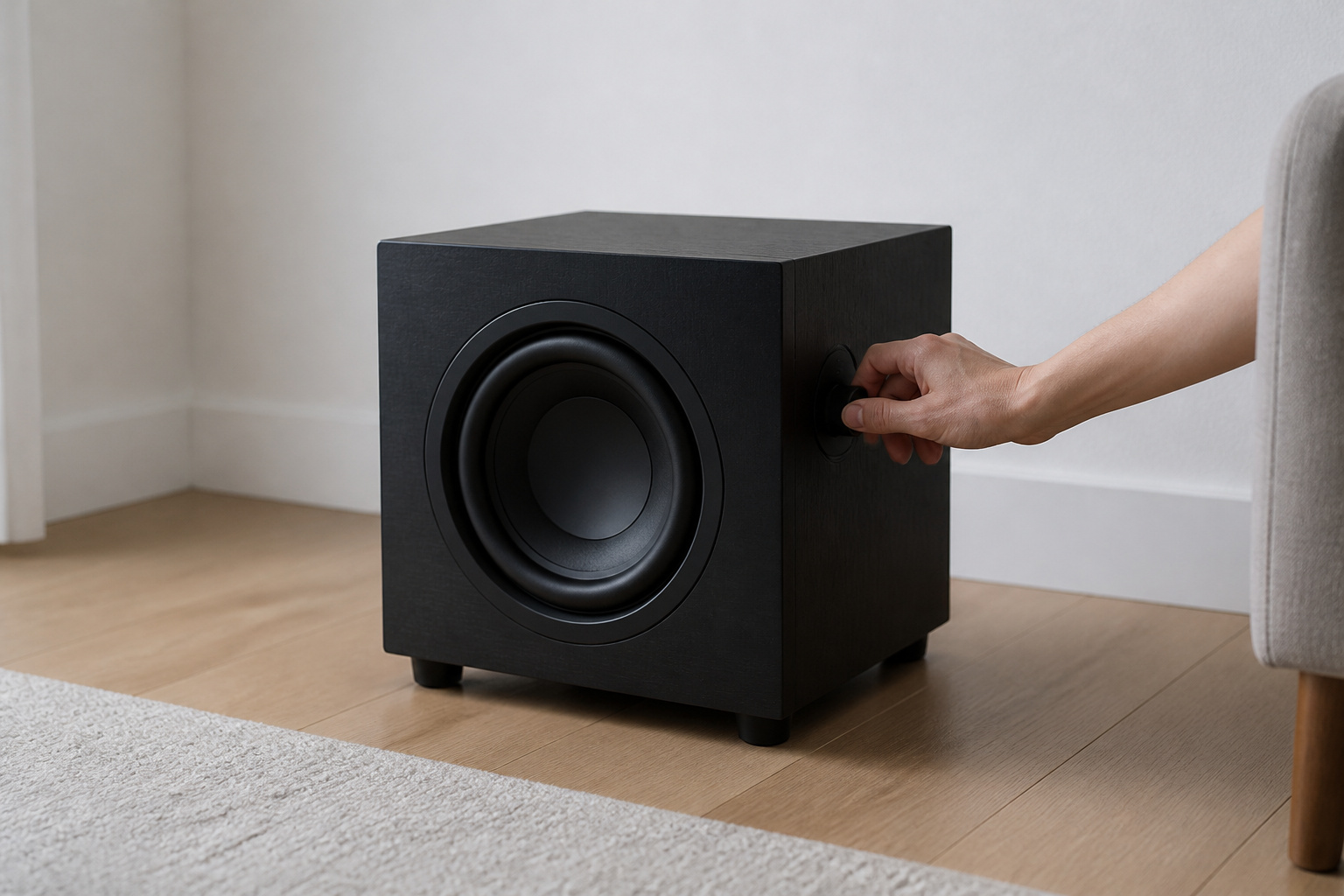
Small rooms exaggerate low frequencies. Turn the subwoofer level down a notch, move it away from corners, and try placing it elsewhere.
Thick rugs and bass traps in corners help if bass remains boomy. Our guide to whether you need a subwoofer explains how to set one up.
Recommended Products

Acoustic Principle- Bass Trap is a kind of sound absorbing structure specially used to absorb specific low-frequency standing wave. It is a special acoustic processing device installed in the corner and ceiling. It is perfectly good for improving the low frequency response, eliminating or delaying the standing wave, making the sound much clearer, and improving the quality of sound system.

Purpose-Built for Corner Sound: Designed for room corners where sound energy often collects these triangular acoustic foam bass traps help reduce low-frequency buildup and eliminate unwanted echoes and reverberations in treated spaces

【SPECIFICATION】: Dimensions - 4 X 4 X 12 inches, pack of 12; Light Weight - 0.07 lbs per panel; Material - Thick and high density polyurethane; Color - Black; Special Design - Interval structure enhances both functionality and aesthetics
Noise Leakage Is a Separate Problem
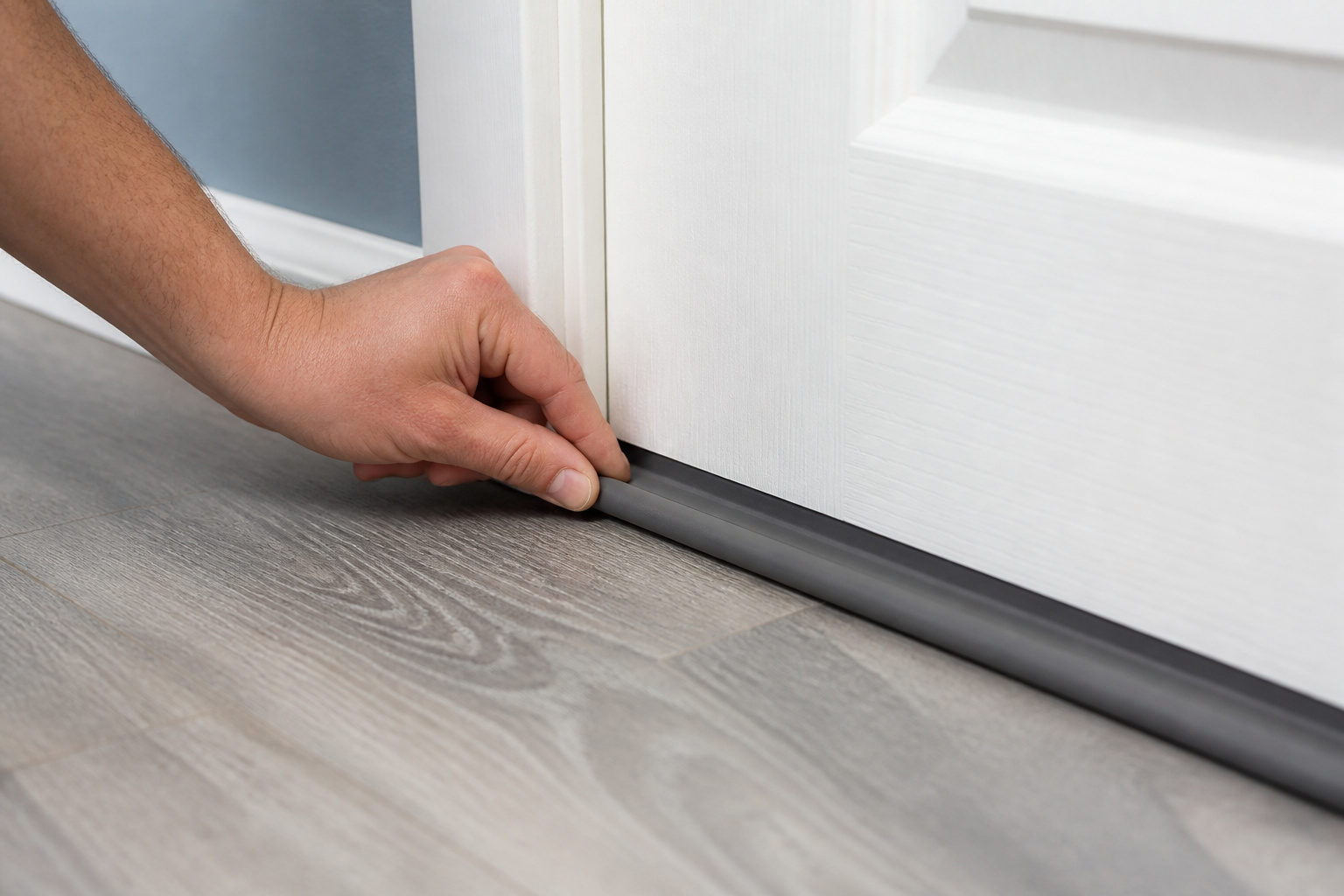
Sealing door gaps and closing windows reduces sound leaking in and out, which helps with neighbors and outside noise. It does not change how the room sounds inside very much.
Treat soundproofing and room acoustics as two different jobs. For help choosing equipment that suits a small space, read how to choose an audio setup for your room.
Frequently Asked Questions
What Causes Sound to Feel Boxy in Small Rooms?
Close, parallel walls bounce sound back quickly, and the reflections blur voices and bass. Corners also reinforce low frequencies. Soft furnishings, panels, and moving speakers away from walls all help.
Can Plants Help Improve Room Acoustics?
Only a little. Plants scatter some high-frequency sound, but they do not absorb much compared with rugs, curtains, and panels. Use them as a bonus, not the main fix.
Do Room Corners Affect Bass Buildup?
Yes. Corners reinforce low frequencies, which makes bass sound thick and boomy. Move speakers and subwoofers away from them, or add bass traps, which are thick absorbers made for corners.
Is White Noise Useful for Masking Poor Acoustics?
Not really for listening to music. It covers the sound of the room for other uses, such as sleep, but it does not improve how speakers sound. For better listening, reduce reflections instead.
Can Furniture Placement Reduce Echo Effectively?
Yes, to a degree. Bookshelves, sofas, and other furniture scatter and absorb sound, especially when spread around the room instead of grouped on one side. Combined with rugs and curtains, rearranging furniture can noticeably improve a small room.