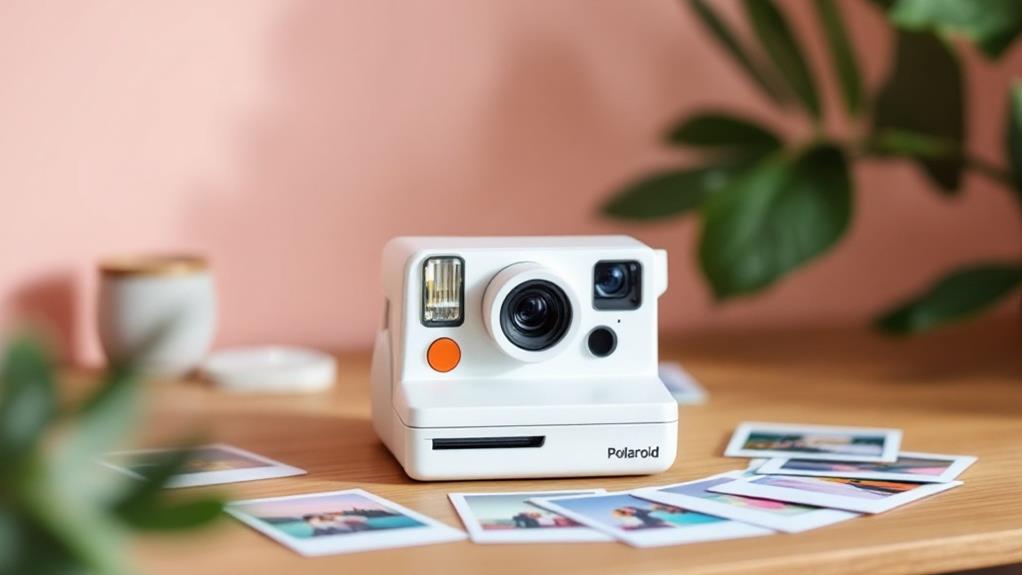
The Polaroid Snap is a small digital camera with a built-in printer bolted on: point it at something, and about ten seconds later you’re holding a 2×3-inch physical print, no ink cartridges involved.
It’s been on the market for a while, runs around $99, and it’s worth being specific about where it actually delivers and where it falls short, rather than just describing what it does on the box.
What You Actually Get
The sensor is 10 megapixels, modest by current phone-camera standards but enough for a 2×3-inch print. It shoots in three modes (full color, black and white, and a vintage sepia filter), stores digital copies to a microSD card up to 32GB, and prints using Zink “zero ink” paper, which uses heat-activated dye crystals embedded in the paper itself instead of a cartridge. There’s no LCD screen and no zoom. You frame shots through a small optical viewfinder and print directly from there.
Products Worth Considering

Just snap, print and share – The enhanced Polaroid Instant Digital Camera Lets You Print High Quality colour, Black and White or Vintage Sepia Photos Without the Wait or Worry
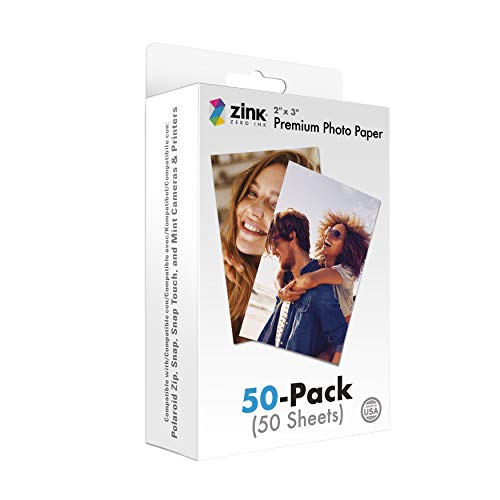
PREMIUM PHOTO PAPER : Turn moments into memorable photos with Zink Premium Photo Paper. Print 2” x 3” photos to save cherished memories and share vibrant pictures with loved ones. This photo paper displays remarkable color quality for prints as wonderful as your memories.

SNAP, PRINT, SHARE - The Polaroid Snap instant digital camera captures all the fun and spontaneity of the legacy Polaroid instant camera in an easy, compact package. Simply point and click to print vibrant, high-quality photos that you can share, no computer connections needed
Image Quality: Where It Struggles
This is the part most product descriptions gloss over. Reviewers who’ve tested the Snap consistently report inconsistent exposure: shots come out underexposed indoors and overexposed in bright outdoor light, with colors that look under-saturated and detail that softens noticeably compared to a phone photo.
Prints can also show streaking, and the camera handles moving subjects poorly; kids and pets in particular tend to come out as a distorted blur rather than a clean shot.
The one mode that consistently performs better is black and white. The stronger contrast compensates for the softened detail, and it’s a reasonable workaround if color shots are disappointing you.
Given it lacks an LCD screen or zoom, framing is also a bit of a guess; cropped or off-center shots are a common complaint, since what you see through the optical viewfinder isn’t quite what the sensor captures.
Products Worth Considering

Sharp autofocus: The Polaroid Now’s twin-lens autofocusing system chooses which lens is right for the shot, without you having to do anything.

For Instax mini instant cameras

Battery and Handling
A full charge takes about two hours over USB and gets you roughly 15 to 20 prints before it needs to charge again; call it an afternoon of casual use rather than an all-day event.
The body is compact and light with a magnetic lens cap that snaps on cleanly, plus a tripod mount and a 10-second self-timer if you want to get in the shot yourself.
The smooth plastic shell is easy to pocket but doesn’t offer much grip, worth keeping in mind if you’re handing it to a kid at a party.
Products Worth Considering
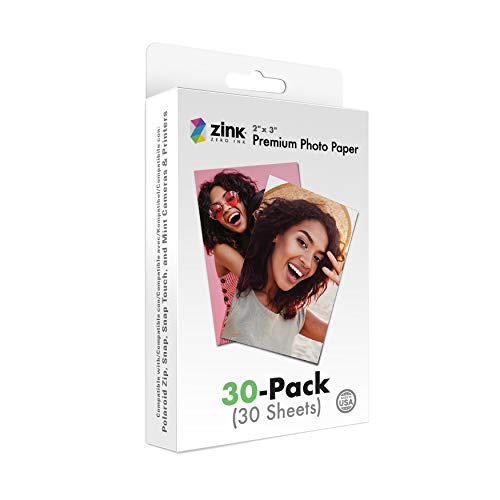
PREMIUM PHOTO PAPER : Turn moments into memorable photos with Zink Premium Photo Paper. Print 2” x 3” photos to save cherished memories and share vibrant pictures with loved ones. This photo paper displays remarkable color quality for prints as wonderful as your memories.

Stylish, rigid and durable EVA case

Stylish, rigid and durable EVA case
What It Actually Costs to Run
Zink paper runs about $15 for a 30-sheet pack, which works out to roughly $0.50 a print. That’s a real ongoing cost if you plan to use this at a party or event rather than occasionally at home; a full pack disappears fast once people start passing the camera around.
Products Worth Considering

STUNNINGLY VIBRANT DETAIL - Premium quality photo paper recreates every color and memorable moment with outstanding and brilliant detail.

Product Type: Photographic Film

2X3” STICKER ZINK PHOTO PAPER - High-Quality Paper Lets You Print Stunning Professional Photographs from Your HP Sprocket Portable Photo Printer.
Polaroid Snap vs. Fujifilm Instax Mini 9
The Instax Mini 9 is the other camera most people compare this to, and the trade-offs are worth spelling out plainly. The Instax costs less upfront, around $58 versus $99 for the Snap, but its film runs closer to $1 a print compared to the Snap’s roughly $0.70, so the Snap can work out cheaper if you shoot a lot over time.
The Instax also runs on standard AA batteries rated for around 100 shots before a change, versus the Snap’s rechargeable battery good for 15 to 20 shots per charge, a real advantage if you hate keeping track of a charging cable.
The Instax also includes a selfie mirror and automatic exposure metering with an LED guide, features the Snap doesn’t have, which likely explains some of the Snap’s exposure inconsistency described above.
Snap does offer microSD storage, so you keep a digital copy of every shot instead of only the physical print. If you want the simplest possible experience and don’t mind paying a bit more per print, the Instax is the easier camera to hand someone with zero instructions.
If you’re going to shoot a lot of prints over time and want digital backups, the Snap’s per-print economics and storage make more sense.
Products Worth Considering

【3 in 1 SD Card Reader】MujuDoler USB C SD Card Reader is designed with 3 Ports, compatible with iPhone 15/iPad/Mac/Android/Computers, makes it easier to read and transfer SD card data on different devices.

ALL-IN-ONE PHOTOGRAPHY - The PRINTOMATIC Camera offers a combination of a powerful 5MP sensor with a wide angle f/2 lens that instantly prints vibrant photos.

Hybrid instant film camera. Prints high-quality, 2” x 3” INSTAX MINI instant photos (INSTAX MINI instant film sold separately)
Is It Worth Buying in 2026?
At $99, the Snap is a reasonable way into instant-digital photography if you go in with the right expectations. It won’t replace your phone camera, and print quality is noticeably behind what you’d get from a real photo at a print shop or even a phone-connected instant printer.
What it’s good at is the format itself: a physical print in your hand ten seconds after taking it, at a family gathering, a kid’s party, or anywhere you want people holding something instead of just looking at a phone screen.
If image quality is the priority, look elsewhere. If the instant, tangible print is the point, this still does that job at a fair price.
Frequently Asked Questions
Does the Polaroid Snap run out of ink?
No. It uses Zink (“zero ink”) paper with heat-activated dye crystals built into the paper itself, so there’s no cartridge to replace. You will run out of paper, though; a 30-sheet pack runs about $15, and it’s worth keeping a spare pack on hand if you’ll be shooting a lot.
Can you use any Zink paper in a Polaroid Snap?
Stick with Polaroid-branded Zink paper sized for this camera. Off-brand or mismatched Zink paper can jam the feed mechanism or print inconsistently, and the camera has occasionally been reported to struggle registering a fresh paper load even with the correct paper, so load it carefully.
Can you use a Polaroid Snap without paper?
Yes. It keeps shooting and saving digital photos to the microSD card with no paper loaded; you just won’t get a physical print until you reload it.
How many photos can you take on one charge?
Around 15 to 20 prints per charge, with a full charge taking about two hours over USB. That’s enough for a casual afternoon of shooting but not a full day. If you’re using it at an all-day event, bring the charging cable or plan on a mid-event top-up.
Is the Polaroid Snap or the Fujifilm Instax Mini 9 the better buy?
It depends on how you’ll use it. The Instax costs less to buy but more per print and needs AA batteries; the Snap costs more upfront but is cheaper per print, keeps a digital backup of every shot, and uses a rechargeable battery.
For heavy, repeated use where cost per print and digital copies matter, the Snap edges it out. For the simplest possible handoff to a kid or a party guest, the Instax’s automatic exposure metering makes it more forgiving.