“Is my smart speaker always listening?” is one of the most common questions people have before buying one, and the honest answer is more nuanced than “yes” or “no.”
Here’s what smart home devices actually collect, how that data gets used, and what you can realistically do about it without giving up the convenience you bought the device for.
What “Always Listening” Actually Means
Smart speakers run their microphones continuously, but for most of their operation they’re listening locally, on the device itself, for a specific wake word (“Alexa,” “Hey Google,” and so on). Nothing is sent anywhere until that wake word is detected, at which point the device starts streaming audio to the cloud for processing. That’s the technical design, and it’s mostly accurate.
Where the “always listening” fear is more justified is what happens after that. Amazon confirmed in 2023 that human reviewers listen to a sample of Alexa voice recordings as part of quality-improvement work, and that recordings can be retained indefinitely unless a user manually goes in and deletes them.
So the microphone isn’t secretly streaming your dinner conversation to a server around the clock, but once a recording is made, what happens to it afterward is less in your control than most people assume, and the retention defaults favor the company keeping the data, not automatically deleting it.
Recommended Products

KINDLY REMINDER: The AIRHUG 02 webcam does NOT have a microphone - If the webcam has a microphone, even if you cover the lens, there is always a chance for hackers to snoop on you. AIRHUG takes your privacy seriously and wants to fully safeguard your privacy whenever we can. The AIRHUG 02 HD webcam can easily and effectively protect personal and family privacy, allowing you to enjoy a safe digital online life.
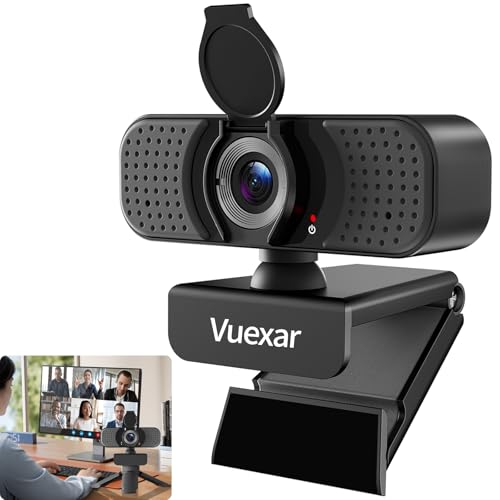
Full HD 1080P Resolution – Capture sharp and clear video with 1080P Full HD resolution at 30fps. Perfect for webcam for PC, laptop camera, and web camera for desktop computer, delivering smooth visuals for online meetings, streaming, and video calls.
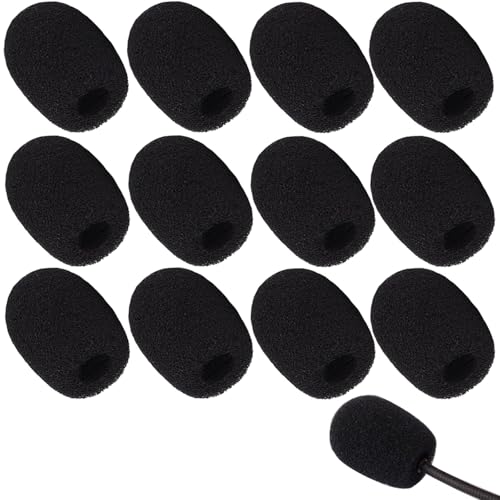
Ample 12 Pack for Daily Replacement: You will receive 12 pieces of high-density microphone covers foam, sufficient quantity to meet your long-term use and replacement needs. Perfect for sharing with family, friend or colleagues, and ideals for both personal and professional use
What Each Device Type Actually Collects
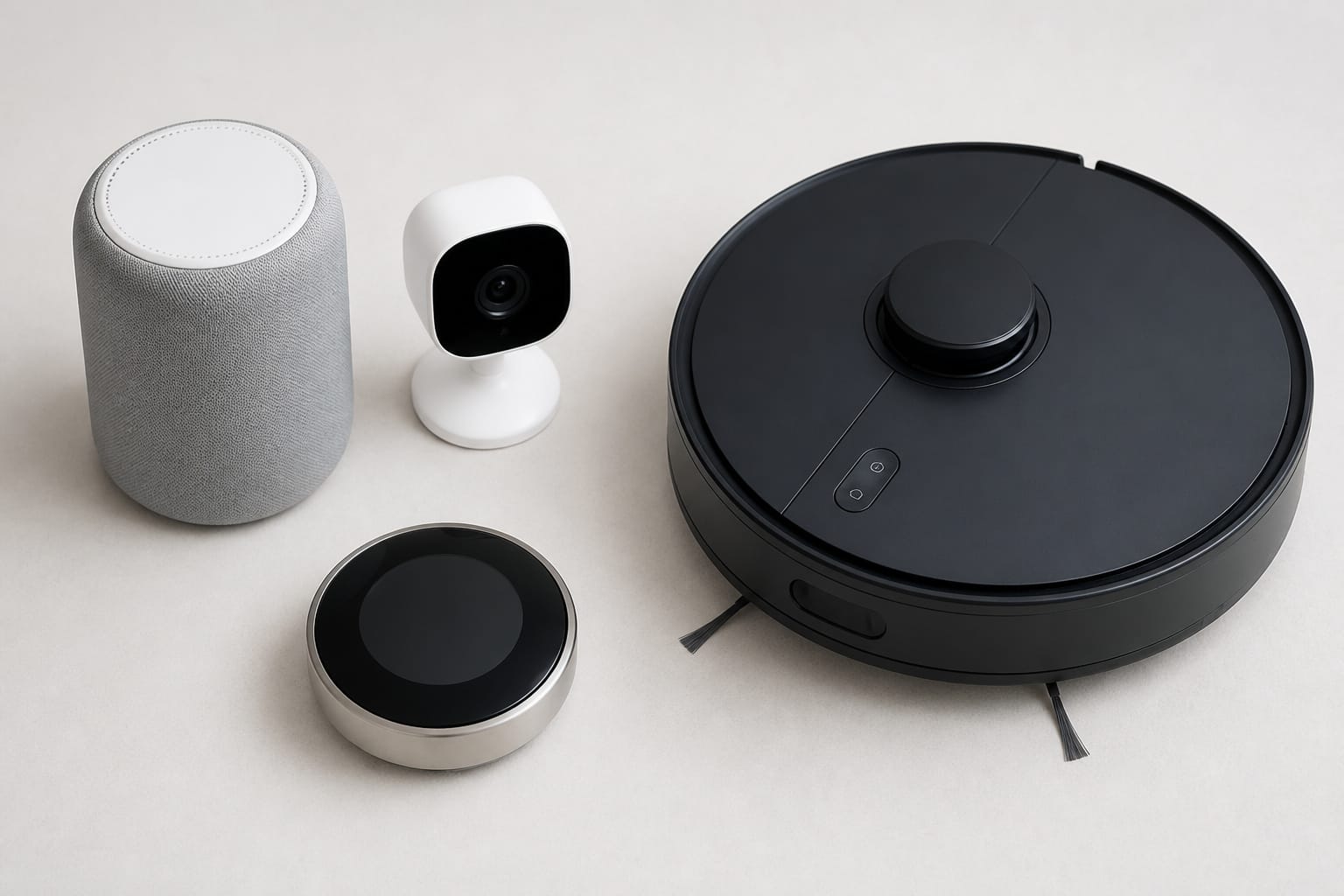
Different device categories collect very different things, and the differences matter for how concerned to be about each:
- Smart speakers collect voice recordings, command history, and usage patterns, used for product improvement, ad targeting, and to power whatever third-party voice “skills” you’ve enabled.
- Security cameras collect video and audio, sometimes with facial recognition, and in some cases that footage can be shared with law enforcement under the platform’s own policies, separate from any warrant process you might assume is required.
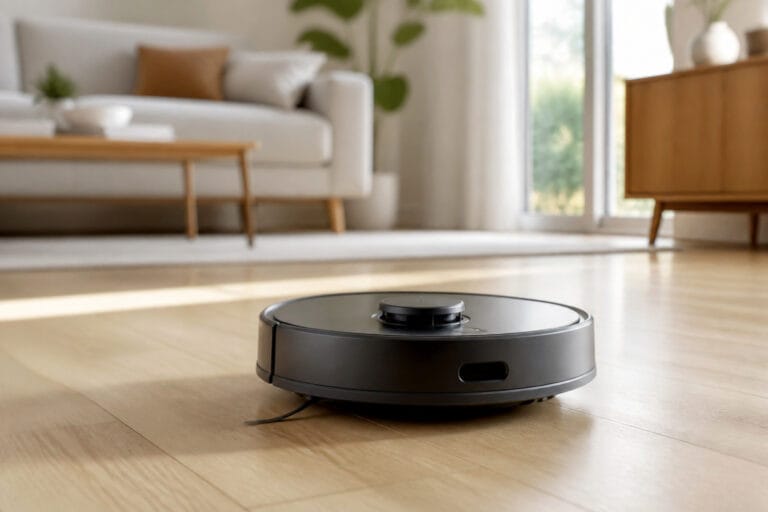
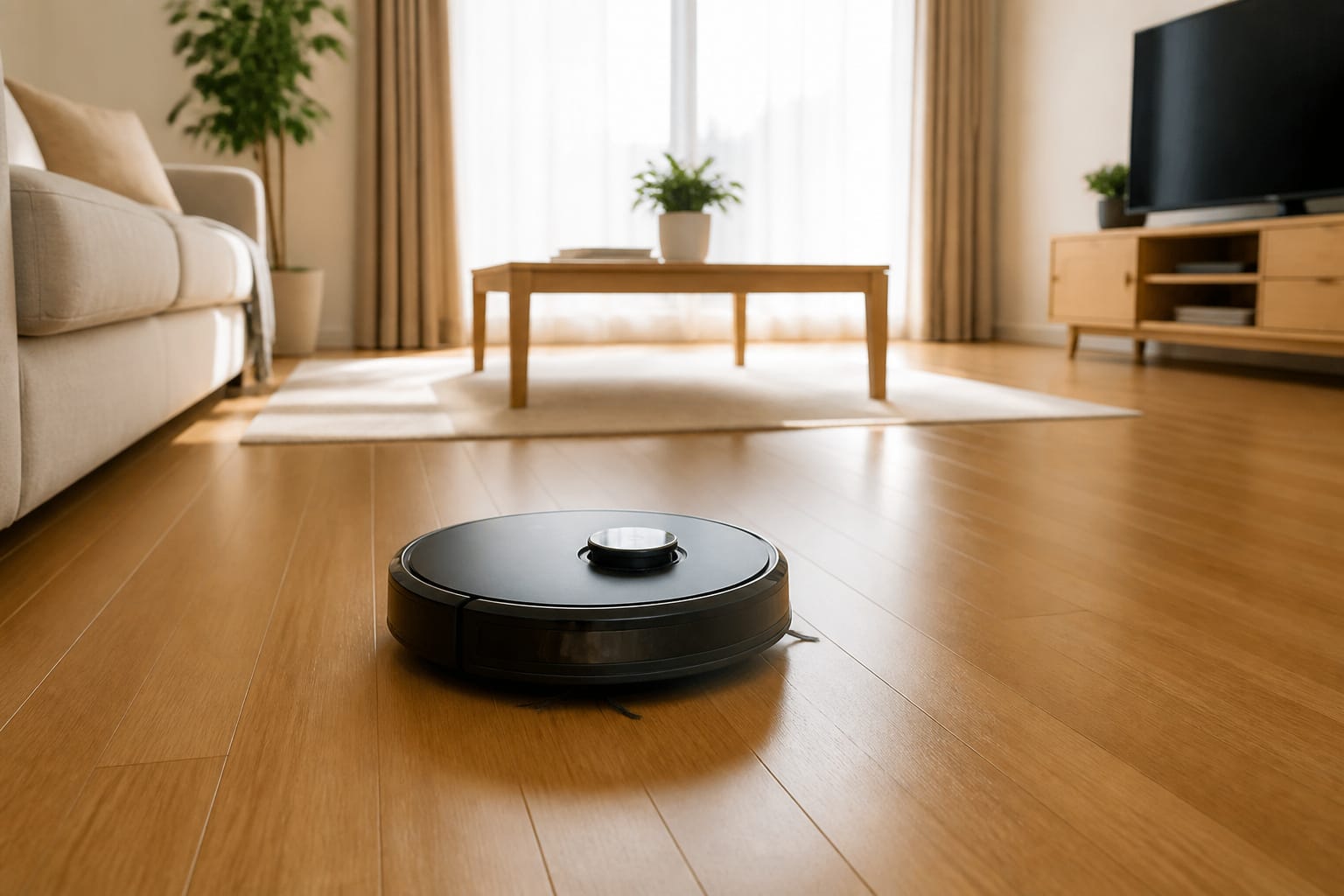
- Robot vacuums build centimeter-accurate floor plans of your home, including room dimensions and furniture layout to navigate. A Norwegian consumer research study found that 78% of tested robot vacuum models transmitted unencrypted metadata to servers outside the country of use, meaning that data could be intercepted in transit.
- Smart thermostats log temperature preferences and occupancy patterns closely enough to infer, with real accuracy, when a household is typically home, asleep, or away on vacation.
- Smart TVs track viewing habits through a technology called Automatic Content Recognition, which identifies what’s on screen (including content from a separate streaming stick or cable box) specifically to build an ad-targeting profile.
Recommended Products

For Meta Glasses Ray-Ban Accessories: These passive sound booster tubes help guide open-speaker audio toward the ears for calls, podcasts, navigation prompts, voice responses, and more focused listening in shared spaces

📞 NOISE CANCELLING EARBUDS FOR CLEAR CALLS – Emerson NoiseZero reduces the background noise the OTHER person hears, delivering clearer conversations wherever you call.
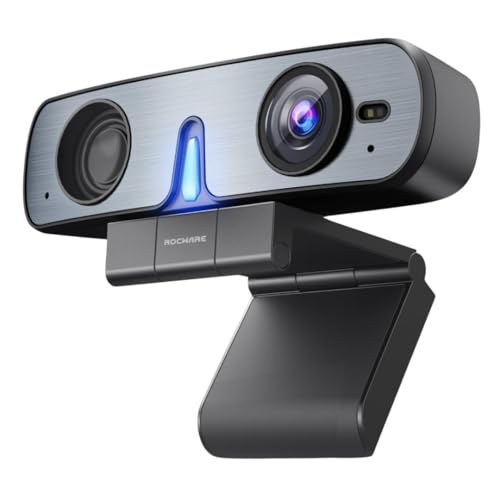
All-in-One USB Conference Camera:The Webcam Speaker is more than a standard desktop webcam—it’s a compact video collaboration tool built for clear communication, fast framing, and reliable daily use. With a built-in noise-canceling microphone, Harman tuned speaker, 0.2s ToF auto-focus, and 1080P Full HD imaging, it combines audio, video, and privacy features into one streamlined USB solution.
Where That Data Actually Goes
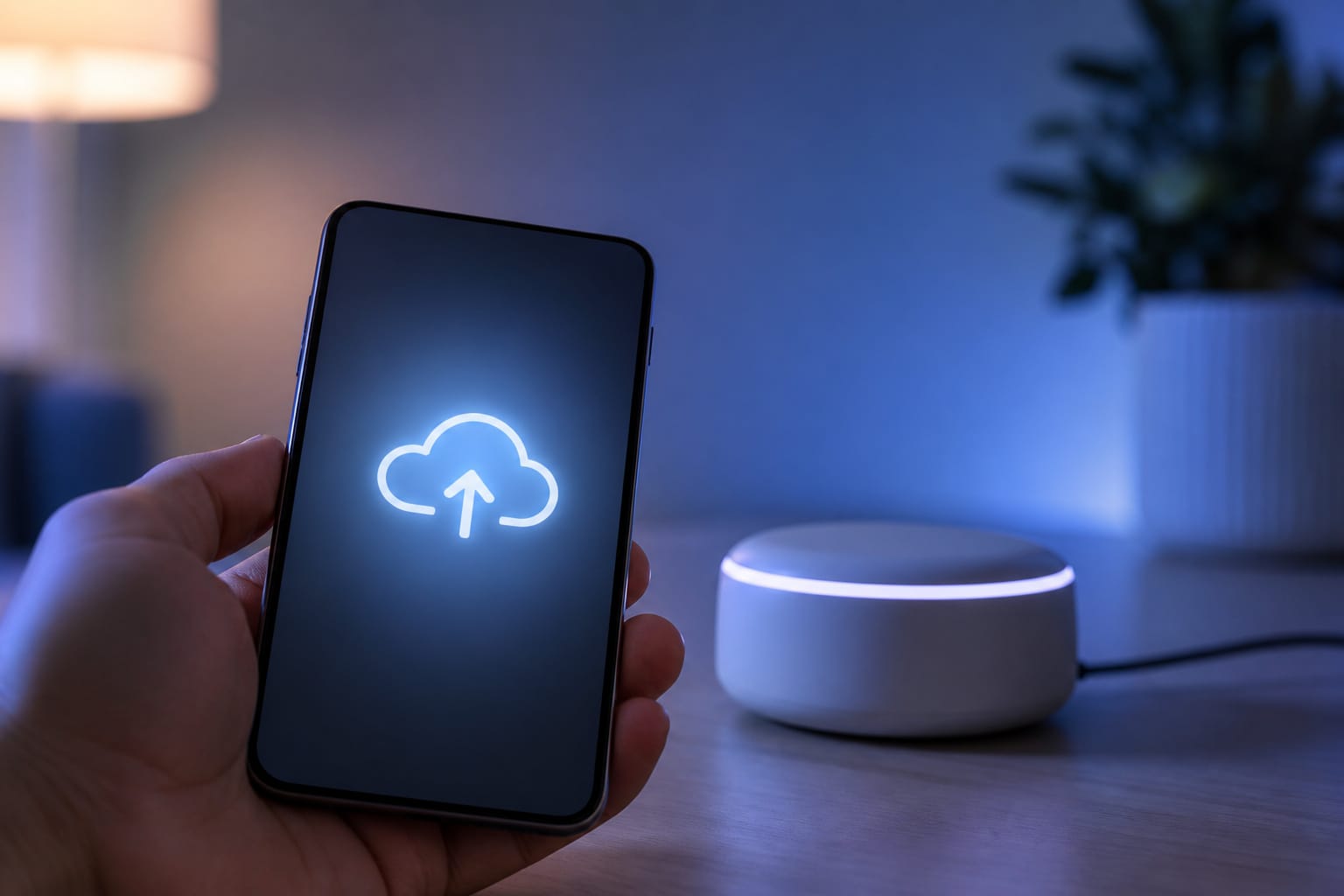
It helps to understand the business model underneath all of this. For most connected home device makers, the actual profit isn’t in the hardware margin; it’s in what the data collected after the sale is worth to advertisers, partners, and, in some cases, data brokers.
That’s not a conspiracy theory; it’s a publicly acknowledged part of how these companies make the economics work on devices that are often sold near cost. Recordings and usage data feed ad targeting, get shared with third-party “skills” or apps you’ve connected, and, in the case of camera footage, can be provided to law enforcement in response to formal requests, sometimes without the account holder being notified first, depending on the platform’s specific policy and the legal circumstances.
How to Cut Down What You’re Sharing
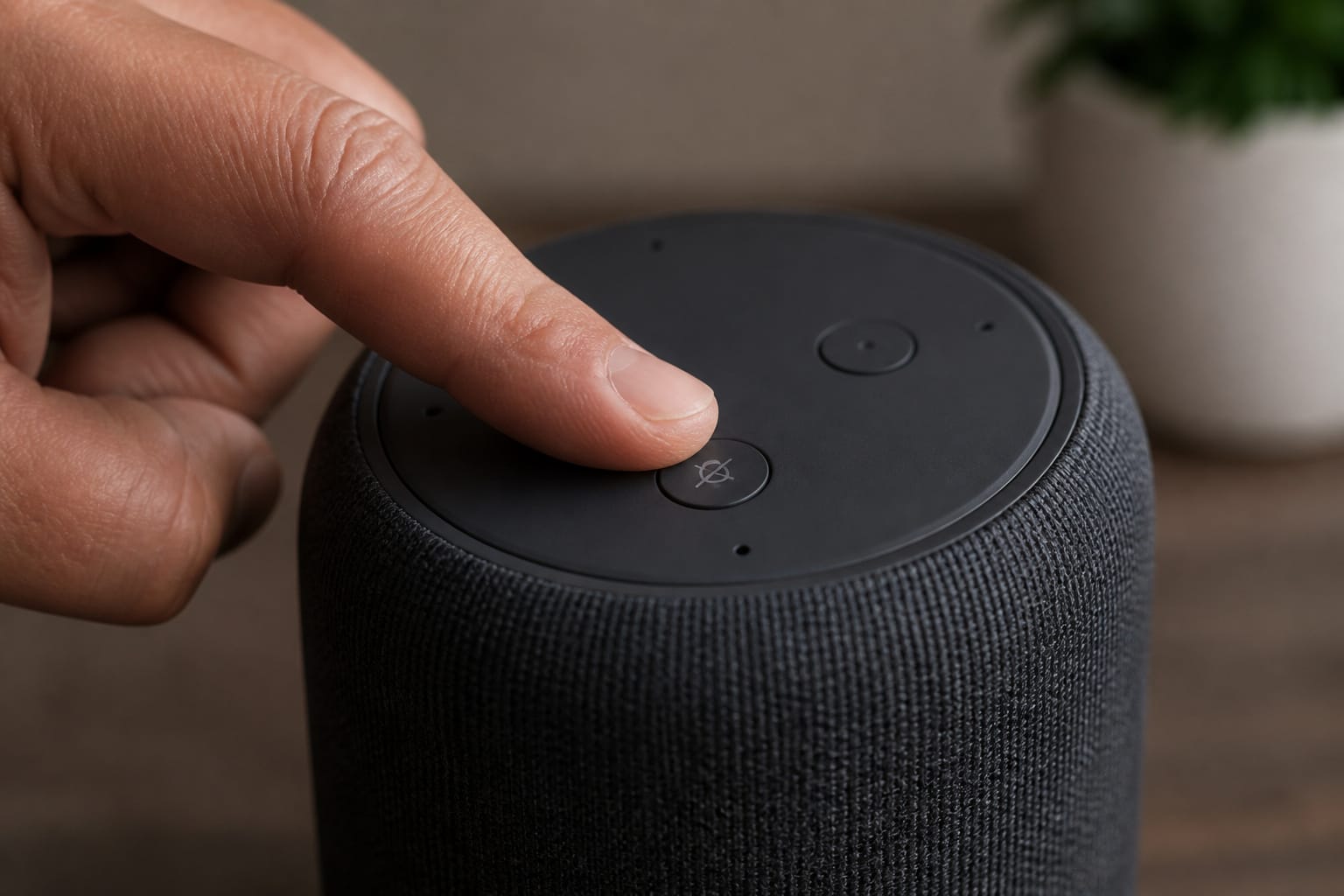
None of this requires abandoning smart home devices altogether, but a few specific habits meaningfully reduce what you’re sharing without giving up much convenience:
- Use the physical mute button on smart speakers when you want a genuine guarantee the microphone is off, since this is a hardware-level disconnect, not a software setting
- Regularly delete voice history through the manufacturer’s app or account settings rather than assuming it clears itself, since most platforms default to indefinite retention
- Review and remove unused third-party skills or app integrations, each of which is a separate party with some level of access to your data
- Choose devices with local processing options where available, since some newer cameras and speakers offer on-device processing for at least some functions, avoiding the cloud round-trip entirely
- Reposition cameras away from unnecessary sightlines, like windows facing neighbors or areas with no security purpose, to limit what gets recorded in the first place
Recommended Products

PLUG AND PLAY AUDIO UPDATE: Easily load MP3 audio files via USB with no burner or driver required, making personalized sound setup simple and hassle-free.

Dual Push Modes for Instant Mic Control: Easily toggle between push-to-talk and push-to-mute functions, offering precise control during live streams, recordings, or online meetings. Keep your voice active only when needed with quick fingertip or foot action for seamless audio transitions.

【3-in-1 USB Computer Speaker with Microphone】Combine speaker, microphone, usb hub, audio port, and control buttons in one.This USB computer speaker has a built-in high-performance microphone.Conduct professional conferences with our speaker phone. It has everything you'll need to sound good.This soundbar features a 3-port USB hub that can be connected to devices with USB output.The extended 1.8m cable allows for perfect setup and easy access to out-of-the-way ports.
Does Privacy Have a Practical Downside?
It’s worth being fair to the other side of this too: most of the data collection described here exists because it makes the product work better, not purely for profit.
Voice recordings improve recognition accuracy over time. Floor maps let a robot vacuum avoid your furniture instead of bumping into it repeatedly. Occupancy patterns let a thermostat actually deliver the energy savings covered in our look at real smart home energy savings.
The realistic framing isn’t “smart home devices are secretly spying on you.” It’s “convenience and personalization run on data, and it’s worth knowing specifically what that trade involves for each device before deciding it’s worth it.”
Frequently Asked Questions
Is my smart speaker recording everything I say?
No. It’s listening locally for its wake word and only starts sending audio to the cloud once that word is detected. The bigger privacy question is what happens to recordings after that point, including retention and occasional human review, not whether it’s continuously streaming audio.
Can someone actually listen to my smart speaker or camera recordings?
For voice assistants, yes, in a limited way. Amazon has confirmed that human reviewers listen to a sample of Alexa recordings for quality purposes. For cameras, footage can also be accessed by the company under specific circumstances, including law enforcement requests, depending on the platform’s policy.
Do robot vacuums really map my home in detail?
Yes, that’s how they navigate. The privacy concern isn’t the mapping itself, it’s how securely that map data is transmitted and stored, and research has found meaningful gaps in encryption across several popular models.
How do I delete my voice assistant’s recording history?
Through the manufacturer’s companion app or account privacy settings, usually under a section labeled voice history or activity. Most platforms retain recordings indefinitely by default, so this needs to be done manually and periodically.
Are there smart home devices that don’t send data to the cloud at all?
A growing number of cameras and speakers now offer local processing for at least some features, which avoids sending that specific data externally. It’s worth checking a product’s specifications for local or on-device processing before buying if this is a priority.