Every smart thermostat and smart plug ad that promises lower energy bills is a reason to be skeptical. The honest answer sits between the marketing and the cynicism.
Yes, some devices genuinely save money, but the savings are smaller and more specific than the ads suggest, and much of the “smart” spending doesn’t touch your energy bill at all. Here’s what the numbers actually say.
The Honest Answer From ENERGY STAR
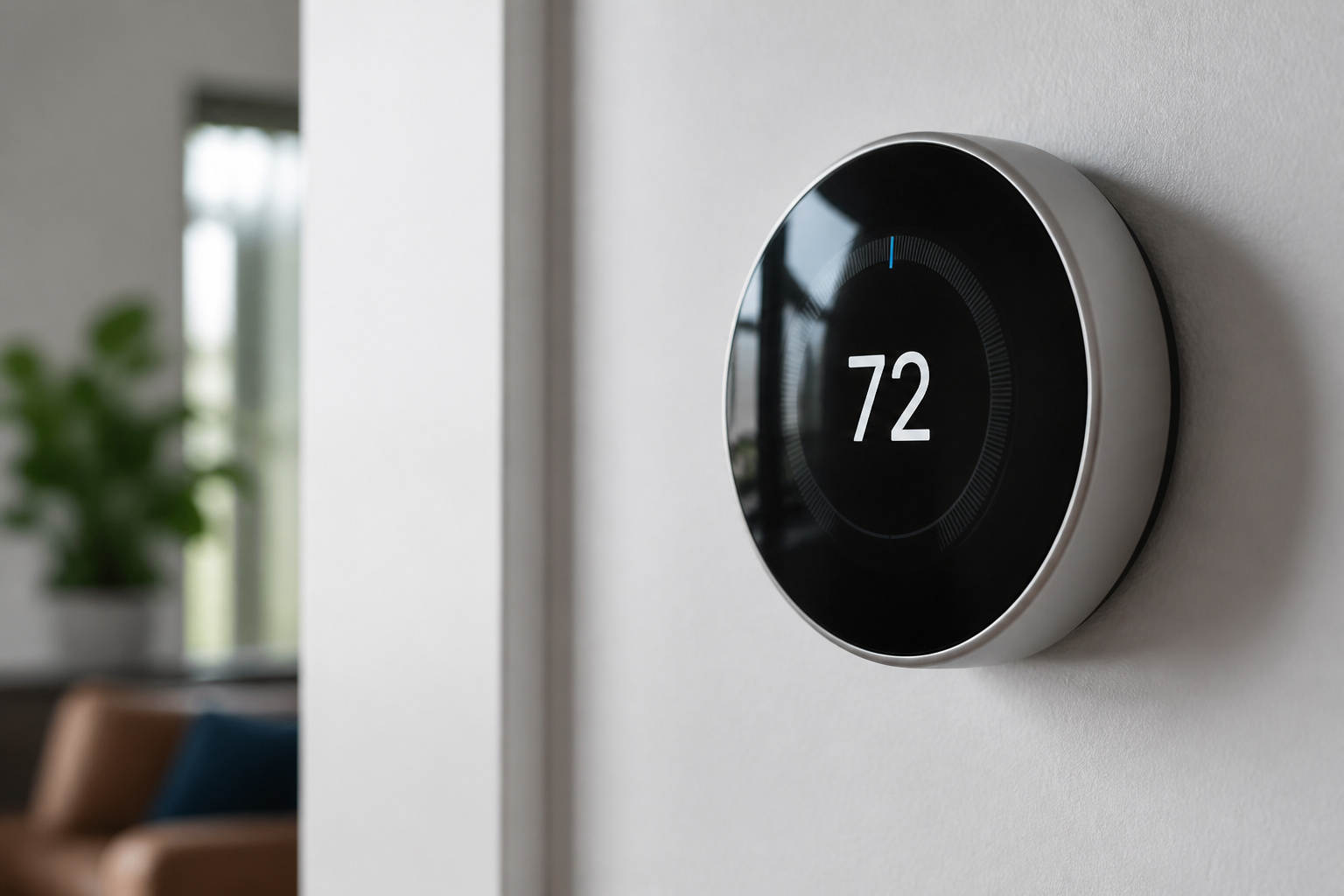
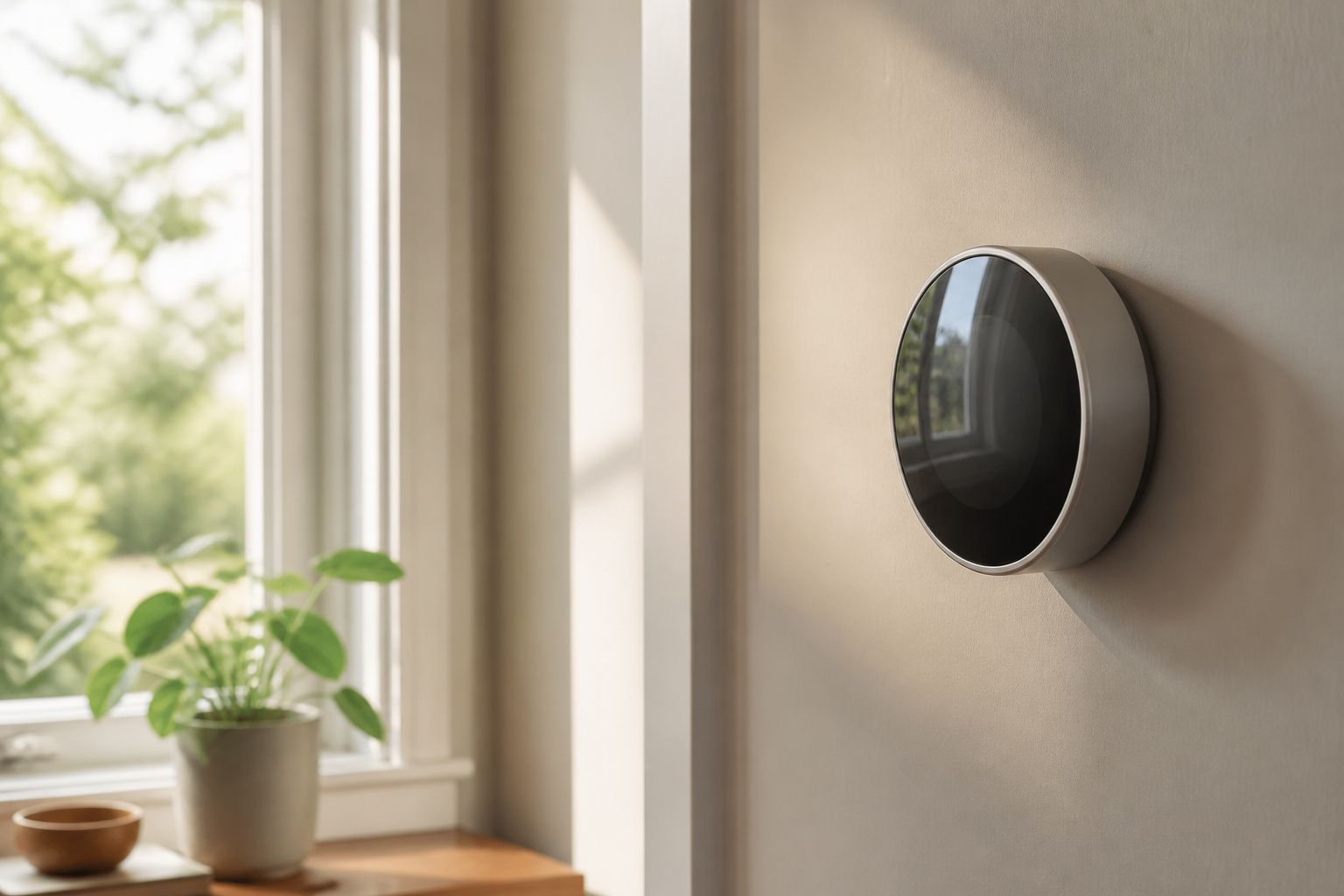
Start with the most-cited figure in this space, and its actual source. ENERGY STAR’s own data on certified smart thermostats puts average savings at about 8% of heating and cooling costs, or roughly $50 per year for a typical household.
That’s a real number from a credible source, not a marketing estimate, and it’s worth sitting with for a second: $50 a year is genuinely useful, but it also means a $250 thermostat takes about five years to pay for itself on energy savings alone.
The convenience and remote-control features usually justify the purchase; the energy savings are a legitimate bonus, but not the whole case.
ENERGY STAR is clear that this figure varies with climate, occupancy patterns, and how consistently you use the scheduling and geofencing features. A thermostat set once and left on a fixed schedule barely outperforms a good manual programmable thermostat. The savings come from the device adjusting automatically to when people are actually home, which requires it to be set and left to do its job.
Recommended Products

PRIVACY PROTECTION*: Sensi won’t sell your personal information to third parties

An Alexa thermostat - Amazon Smart Thermostat is an easy way to switch from a traditional thermostats for homes and help reduce energy usage.
What Actually Drives the Savings
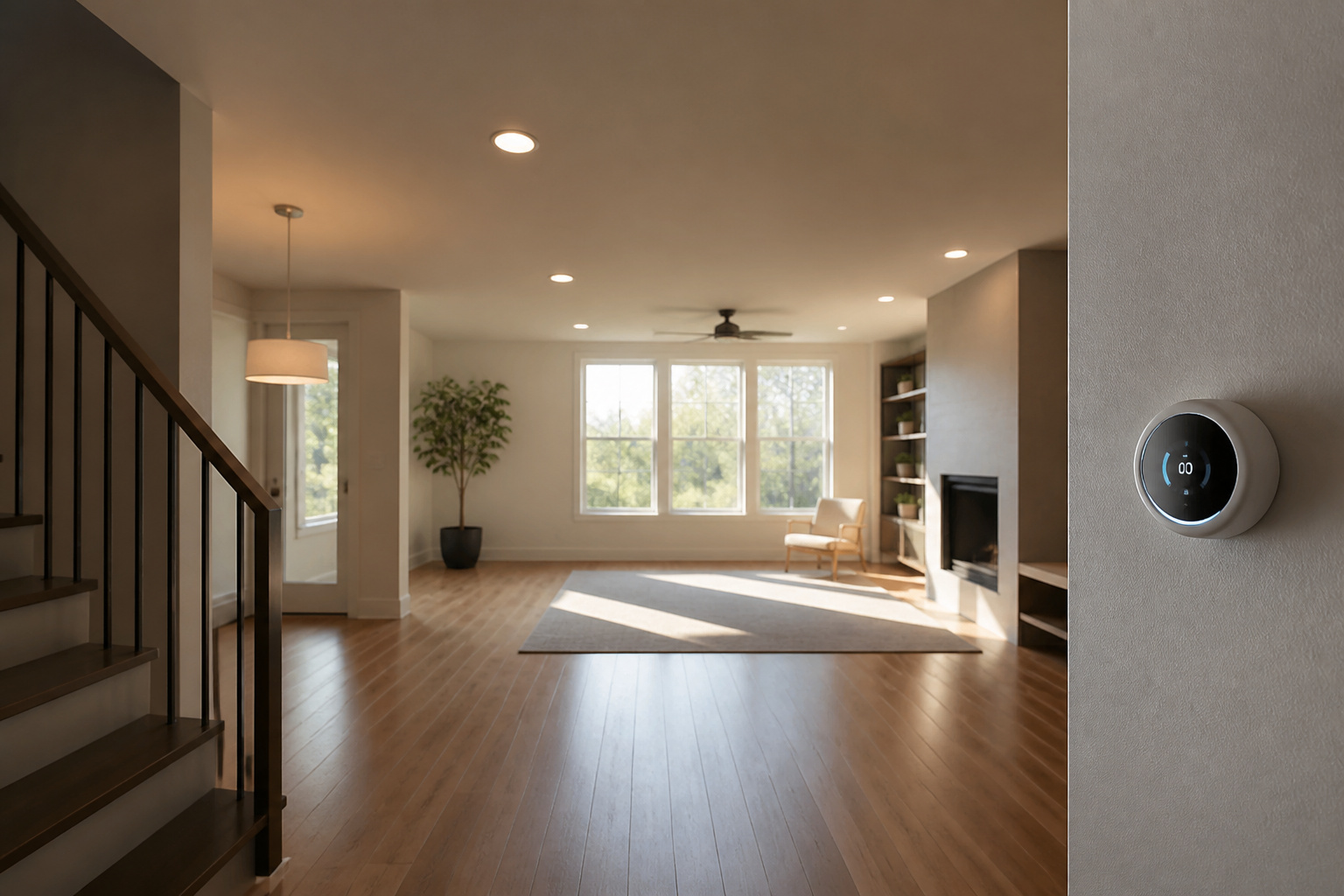
This is the part most coverage skips: the word “smart” doesn’t save money. Automation does. A smart thermostat saves money because it stops conditioning an empty house, not because it’s connected to Wi-Fi.
A smart plug saves money because it cuts power to a device that was drawing electricity while doing nothing useful, not because you can control it from your phone.
If you already have the discipline to manually turn things off and adjust the thermostat before you leave every single day, a smart device won’t outperform you. It saves money for the much larger group of people who, realistically, don’t do that consistently.
Recommended Products

Save up to 23% every year on heating and cooling costs, adjusts to your set schedule to save energy when you’re gone and optimize comfort when you’re home. Compared to a hold of 72
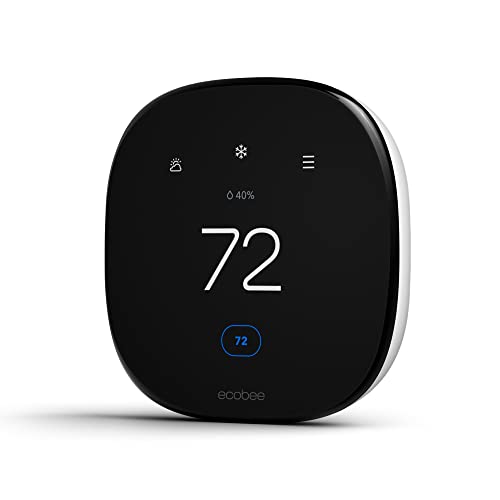
Saves you energy automatically — Save up to 26% per year on heating and cooling costs.* The Smart Thermostat Enhanced automatically adjusts your home’s temperature when you’re away or asleep, helping reduce energy use without sacrificing comfort.

High use of the scheduling feature of the T5 thermostat saved customers between 8 and 16% on heating and cooling bills. Dollar savings range based on nationwide average annual single-family detached home's heat and cooling bills; actual savings varies based on consumption.
The Vampire Power Nobody Notices Until a Smart Plug Finds It
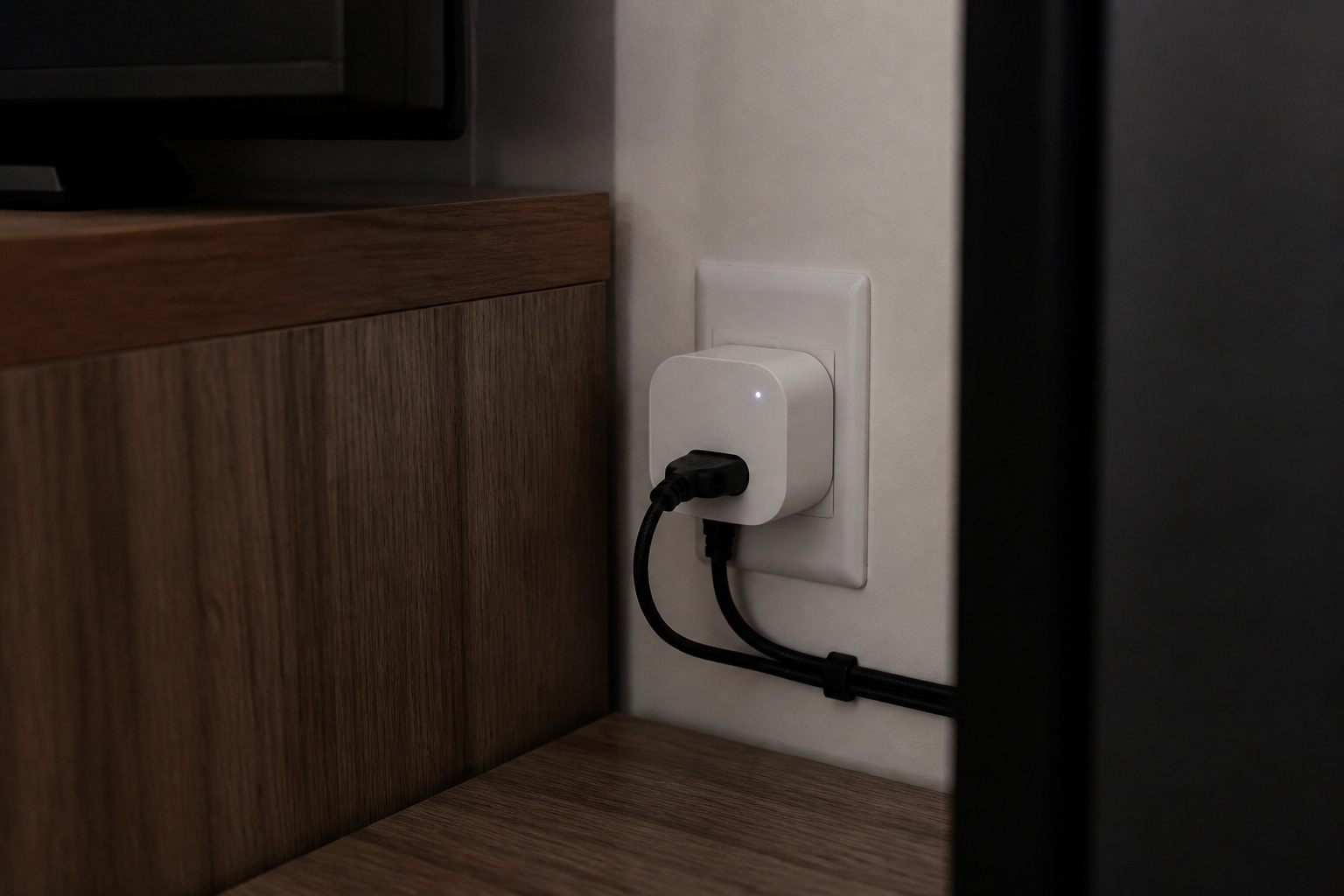
Here’s the more overlooked source of savings, and arguably the more compelling one. The Lawrence Berkeley National Laboratory estimates that standby power (electricity drawn by devices that are plugged in but switched off or idle) accounts for up to 10% of the average household’s total electricity usage. The Natural Resources Defense Council puts a dollar figure on that nationally: roughly $19 billion a year, or about $165 per household, spent powering devices that aren’t actually being used.
A smart plug attacks this directly in two ways: it lets you schedule power to shut off completely to things like game consoles, TVs, and entertainment centers when nobody’s using them, and it lets you actually see, in real time, which devices in your home are the worst offenders.
That second part matters more than people expect. Most households have one or two surprising vampire-power culprits (an old cable box, a printer, a gaming PC left in “sleep” mode) that account for a disproportionate share of the waste, and you can’t fix what you can’t see.
Recommended Products

【Insightful Energy Tracking】Track your plug's energy use with clear and easy-to-understand statistics and intuitive charts, helping you optimize power usage.

Real-Time Energy Monitoring: Smart plugs track the real-time power, current, and voltage of your plug-in devices on Govee Home App. Supports reviewing data daily / weekly / monthly and up to 1 year to effectively save energy and reduce waste.

【Apple Homekit Support】This Apple HomeKit compatible smart plug fully integrates into your Apple ecosystem, just ask Siri to turn on/off the devices in your home. (Apple HomeKit remote control requires an additional networked Apple device at home such as an iPad, HomePod or Apple TV.)
Which Devices Pay for Themselves Fastest
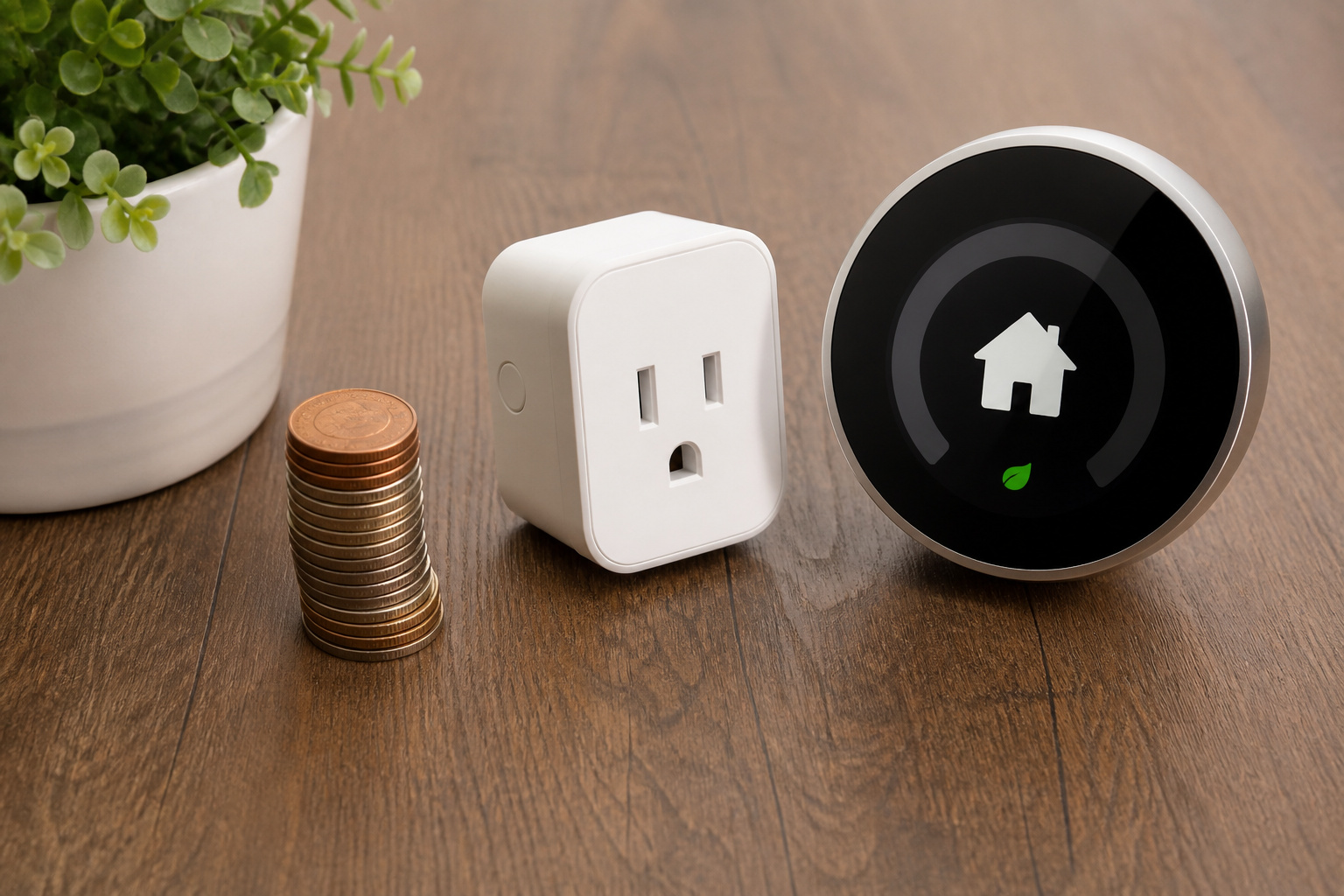
Doing rough napkin math on payback period, a $15 to $20 smart plug used to catch even one modest vampire-power device can pay for itself within a year, sometimes within months, simply because the hardware cost is so low relative to even a small annual savings.
A smart thermostat, at $150 to $250 installed, typically takes three to five years to pay for itself on energy savings at the ENERGY STAR average. It’s usually justified once you factor in the convenience of remote control and scheduling.
Smart lighting rarely pays for itself on energy savings alone unless you’re replacing incandescent bulbs with LED smart bulbs, in which case the savings are coming from the LED conversion, not the “smart” part.
Recommended Products

【Insightful Energy Tracking】Track your plug's energy use with clear and easy-to-understand statistics and intuitive charts, helping you optimize power usage.

Our devices by stabilizing voltage, balancing current, and providing surge protection

【PREMIUM MATERIAL & STABLE OPERATION】: This smart power device adopts high-quality housing material, delivering steady working performance and long service life. Optimized internal construction brings safe daily usage.
Where Smart Devices Don’t Save Money
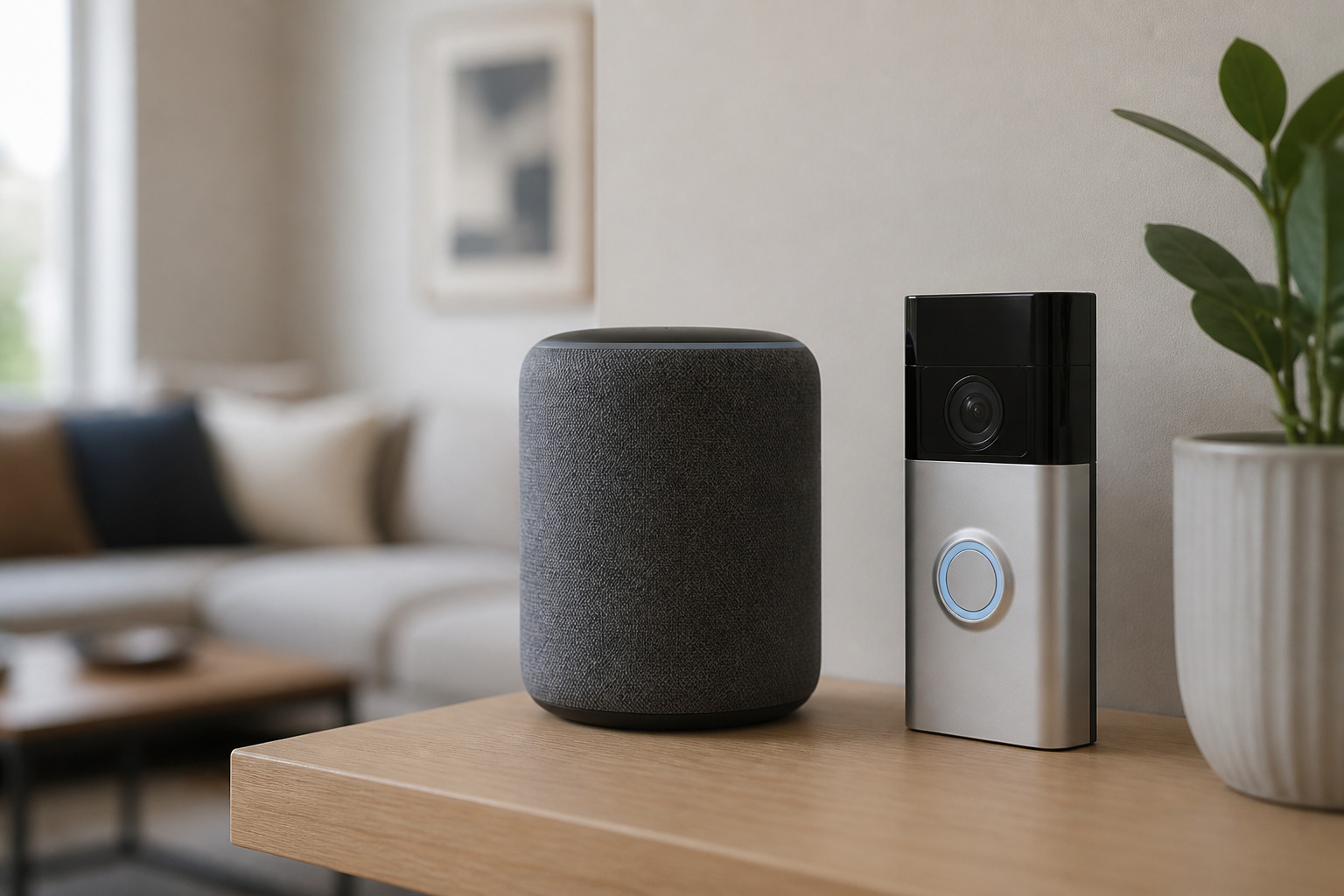
It’s worth being direct: smart locks, video doorbells, security cameras, and smart speakers don’t meaningfully affect your energy bill in either direction. They’re purchased for convenience, security, or peace of mind, not energy savings, and treating them as an energy investment sets up an unfair comparison.
Worse, if a device comes with an ongoing cloud storage or monitoring subscription, that monthly cost can easily exceed whatever modest energy savings a different device in your home is generating, which is worth keeping in mind when budgeting for the full cost of a smart home setup, not just the devices that actually touch your utility bill.
Recommended Products

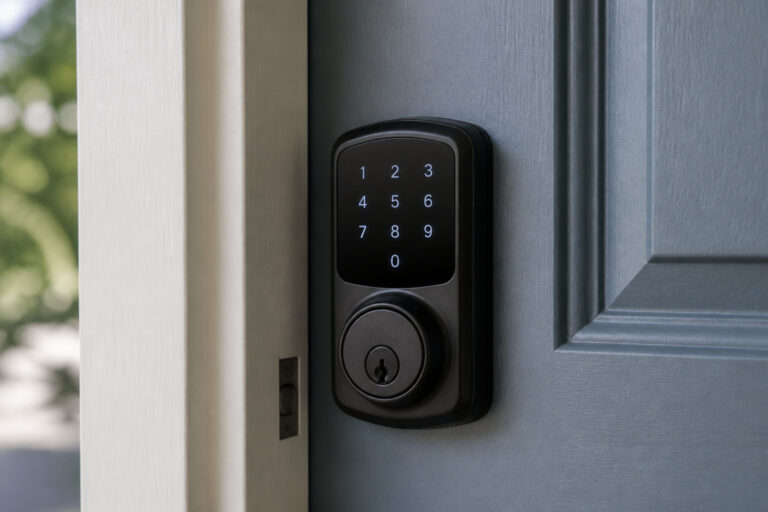
6 Ways to Unlock: Unlock with a touch for less than 1s with fingerprint lock. You can also open your front door lock via the eufy Security app, using the keypad or physical key, from Apple Watch, or use your voice with Alexa/Google Voice Assistant.

3-in-1 Design: Smart deadbolt lock, video doorbell, and 2K HDR camera in one device. Lock/unlock remotely, see visitors, and get motion or doorbell alerts through the myQ app.

[5 Multiple Ways To Unlock]: Fingerprint + Passcode + APP Control+ IC Cards (4 PCS for 12-15 MHZ) + Physical Keys (2 PCS). The door lock supports to add 50+ fingerprints, 100 pcs IC cards. TMEZON smart door knob will provide more options for you to unlock & lock your door easier and safer. Let’s make your life more convenient and secure without keys.
A Realistic Household Example
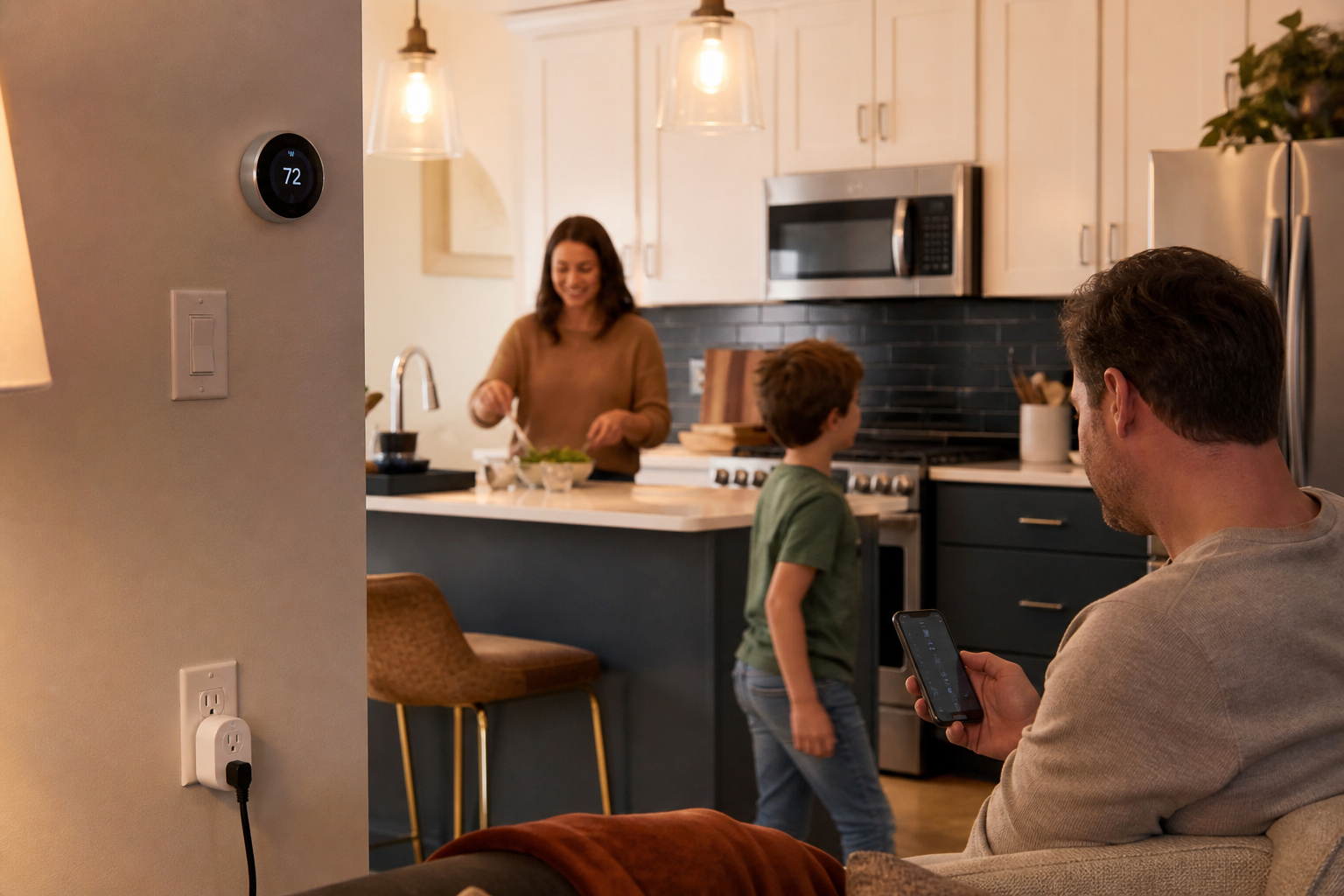
Put it together for an average household: a smart thermostat saving roughly $50 a year, plus two or three chronic vampire-power devices caught by a couple of smart plugs, conservatively saving another $30 to $60 a year based on the national per-household vampire-power average.
That’s a combined $80 to $110 a year in realistic, defensible savings, for maybe $200 to $270 in upfront device cost. It’s a genuine, positive return, just not a dramatic one, and it’s the kind of number worth going into a purchase with rather than the vaguer “save money on your energy bill” promise the packaging leads with.
Frequently Asked Questions
How much does a smart thermostat actually save per year?
ENERGY STAR’s own data puts the average at about 8% of heating and cooling costs, or roughly $50 a year for a typical household. Actual savings vary by climate and how consistently the scheduling features are used.
Do smart plugs really make a noticeable difference?
They can, mainly by eliminating standby “vampire” power, which the Lawrence Berkeley National Laboratory estimates accounts for up to 10% of a typical home’s electricity use. A smart plug targeting even one or two chronic offenders often pays for itself within a year.
Do smart bulbs save money on electricity?
Only to the extent they’re LED, which most smart bulbs are. The savings come from the LED technology itself, not from the “smart” connectivity, so a standard LED bulb saves the same energy as its smart equivalent.
Are cameras, locks, or speakers worth it for energy savings?
No, and they shouldn’t be evaluated that way. They’re security and convenience purchases. Some even add a small amount to your electricity use rather than reducing it, since they’re powered continuously.
Is it worth buying a smart home device just for the energy savings?
For a thermostat or a smart plug targeting a known vampire-power device, yes, the math works out favorably over a few years. For most other device categories, energy savings shouldn’t be the deciding factor.