
Hi-res audio is music recorded or delivered at a higher quality than a standard CD. Whether you can hear the difference depends on your equipment, your ears, and the music. For many listeners the answer is “barely, or not at all,” and this guide explains why, so you can decide whether to pay for it.
What Hi-Res Audio Means
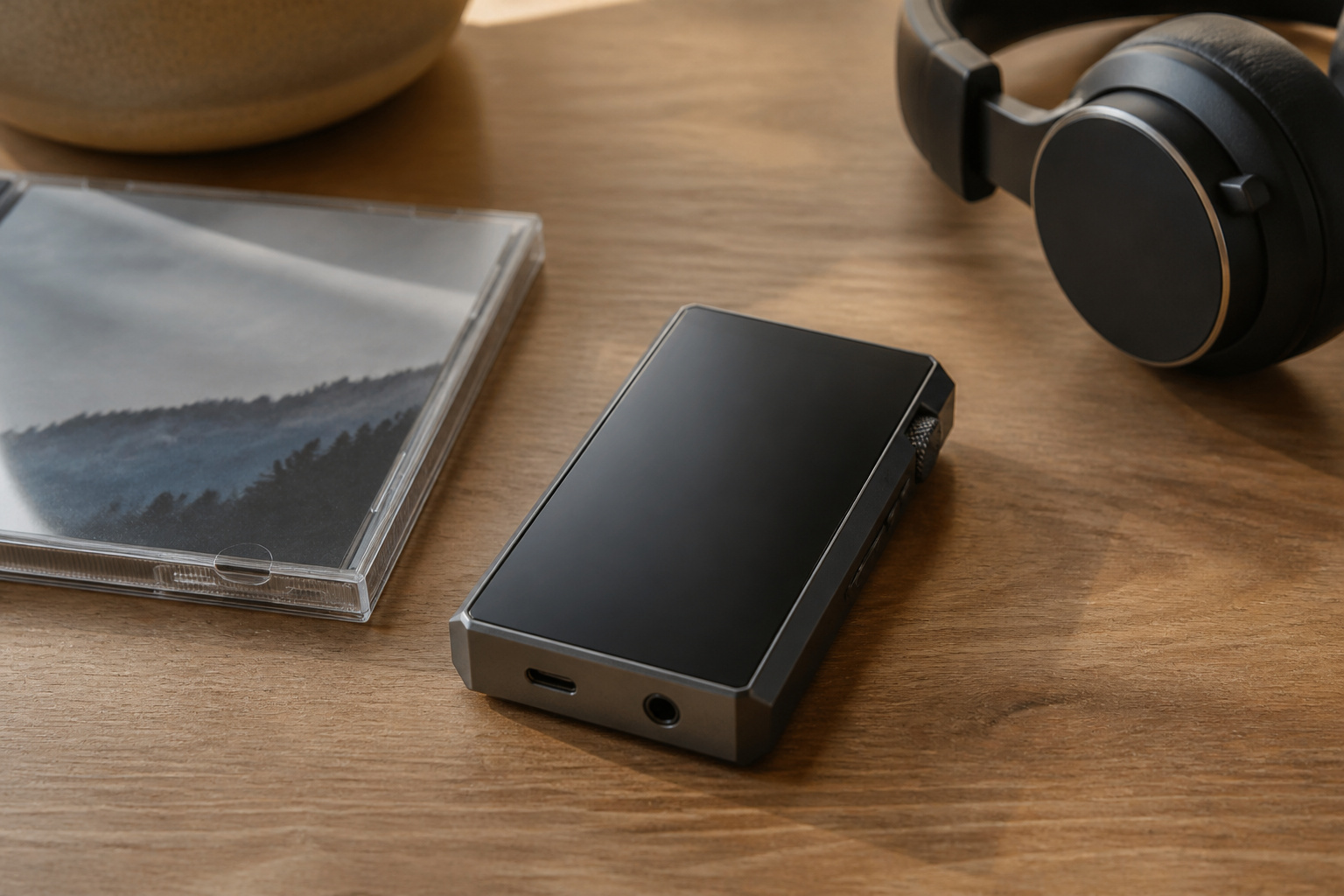
A CD stores audio at 16-bit depth and a 44.1 kHz sample rate. Hi-res audio usually means 24-bit depth and a sample rate of 96 kHz or 192 kHz. Bit depth sets the range between the quietest and loudest sounds the file can hold, and sample rate sets how many times per second the sound is measured.
Standard lossy files such as MP3 and AAC compress the audio by discarding detail that is hard to hear. Lossless files such as FLAC and ALAC keep everything in the original recording and take more space.
Recommended Products

RELIABLE HIGH-RESOLUTION 24-BIT / 96 KHZ AUDIO STREAMING - Enjoy consistent high quality audio playback for work and gaming. Featuring the latest aptX Adaptive codec that monitors signal levels within your environment, and the type of content being played, the audio transmitter dynamically adjusts streaming bitrate to consistently deliver robust, high quality and low latency audio playback

[Compact and Delicate Design] Measuring 100mm (W) x 168mm (H) x 147 mm (D) per speaker, with the similar width and height of an often-seen mobile, the M60 is suitable for any desktop setup style
Can You Hear the Difference?

Human hearing tops out around 20,000 Hz in young listeners and often much lower in adults. A CD already covers the full range most people can hear, so higher sample rates add content that is mostly inaudible. Blind listening tests have often found that many listeners cannot reliably tell hi-res from CD quality.
The clearer gain usually comes from the difference between a low-bitrate lossy file and lossless audio, especially on good headphones or speakers. Hi-res recordings are also sometimes mastered more carefully, which can sound better regardless of the numbers.
What You Need to Hear It
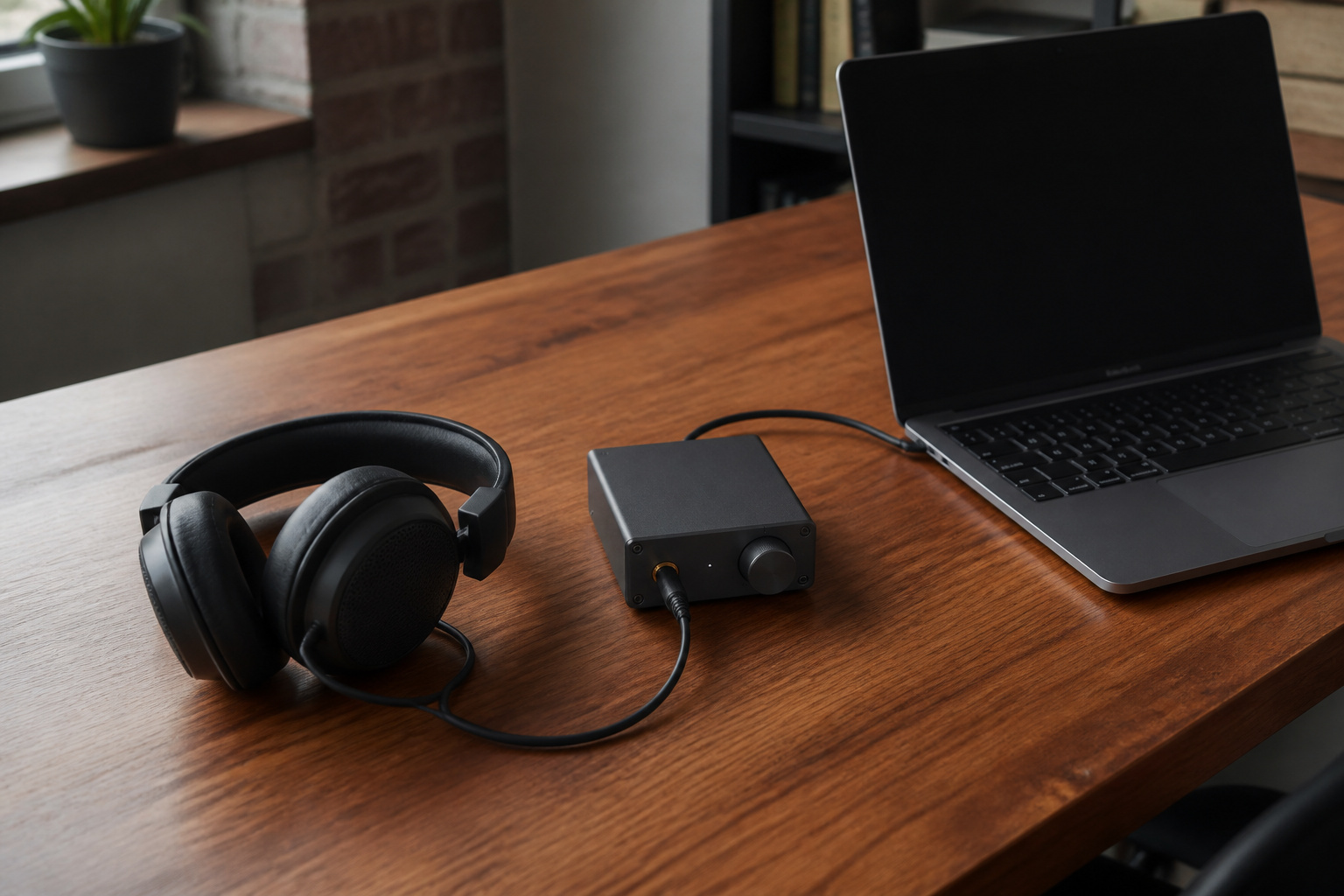
To get any benefit, you need headphones or speakers that can reveal detail, a quiet room, and a source that can play the files, often with a good digital-to-analog converter. Cheap earbuds plugged into a phone will not show a difference.
Our guide on improving headphone sound covers cheaper improvements to try first.
Recommended Products

Upgraded Version: A new generation USB-C portable headphone DAC and amplifier, supporting up to DSD256 and PCM 32bit/384kHz decoding for a high-resolution sound reproduction. It delivers a powerful drive of up to 170mW@32Ω each channel, effortlessly powering high or low-impedance headphones with 3.5mm single-ended or 4.4mm balanced connections, immersing you in the exquisite world of music

FOUR DRIVERS - Diamond-like carbon dynamic driver (like mini speakers) + 3 balanced armatures (like mini tweeters) deliver unsurpassed dynamic power and definition.

Only adapted to the M1-S PRO motorcycle intercom headphone cable accessories, by the professional audio debugging technology team, senior tuner carefully debugged stereo high-resolution sound quality, more louder and clearer sound quality.
Wireless and Hi-Res
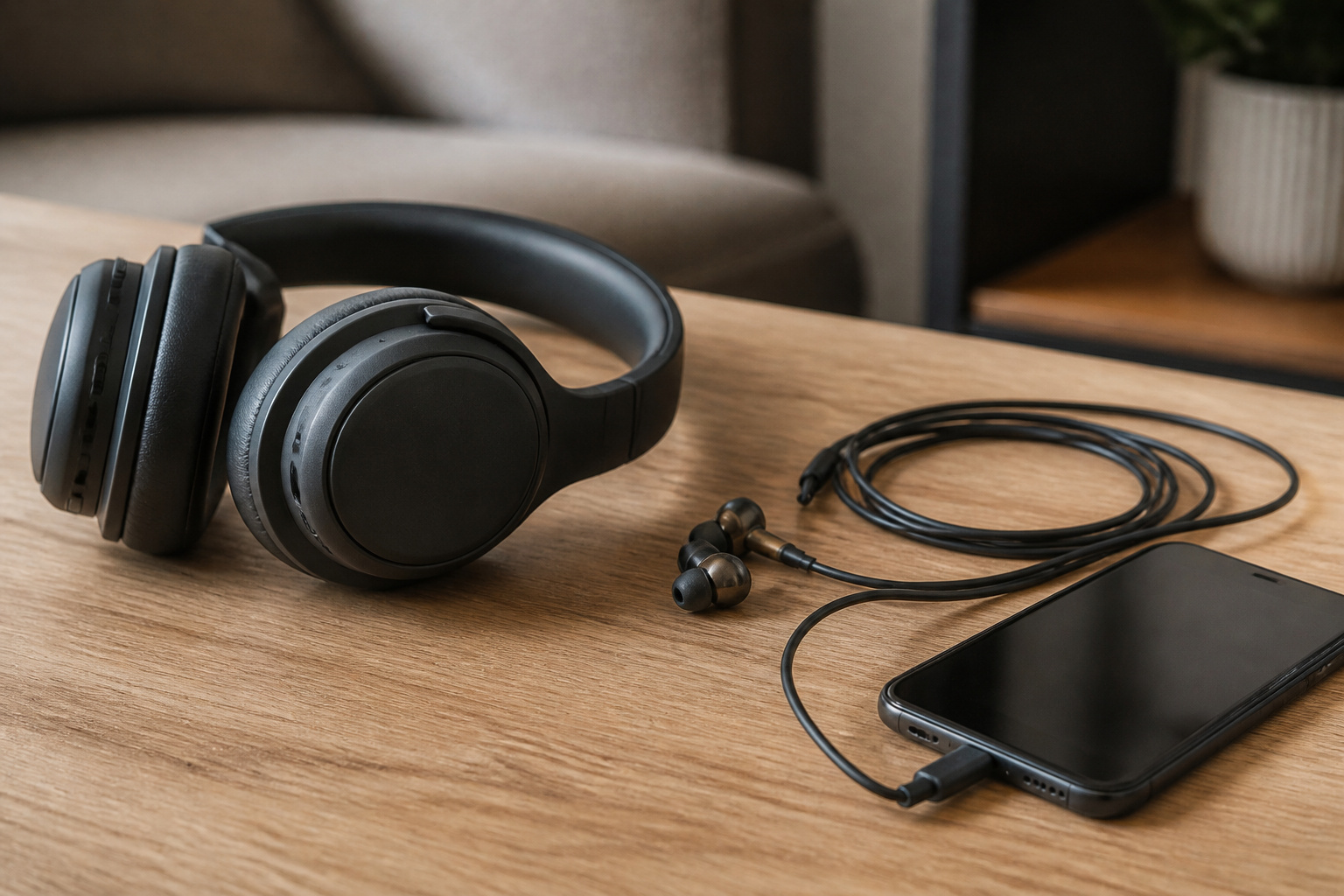
Bluetooth compresses audio, so standard wireless listening cannot deliver true lossless hi-res. High-bitrate codecs such as LDAC get closer, as explained in Bluetooth codecs explained.
A wired connection avoids that limit, as covered in wired vs Bluetooth headphones.
Recommended Products

Experience JBL's iconic Pure Bass and Hi-Res certified audio: For 75+ years, JBL delivers impressive sound from big venues to these headphones, ensuring deep, powerful bass and clear, detailed Hi-Res Audio across a wide frequency range.

Crystal Clear Sound : Many customers mentioned in the comments below. KS1 in ear monitor headphones adopts dual magnetic circuit single DD unit. The DD is added an independent rear sound cavity, which can quickly accumulate and compress air to increase power and details. This immersive wired earbuds features a powerful low frequency response, mellow midrange performance, transparent high frequency, great vocal resolution, wide sound field, richer instrument details, and delicate music performance.

Custom acoustic architecture and updated drivers for powerful Beats sound.
Is It Worth It?

Try it before you pay extra. Many streaming services offer lossless or hi-res tiers, and you can compare the same song at different quality settings.
If you cannot hear a difference, stay with standard quality and put the money into better speakers or headphones, which change the sound far more. See how much to spend on audio equipment.
Frequently Asked Questions
What Devices Support Hi-Res Audio Playback?
Many phones, tablets, computers, and dedicated music players can play hi-res files, and some need an external DAC or adapter for the full resolution. Check the specifications for supported formats and sample rates. For Bluetooth, look for support for a high-bitrate codec on both the phone and the headphones.
Are Hi-Res Audio Files Worth the Storage Cost?
They are much larger than lossy files, so storage is a real cost. If you have good equipment and listen carefully, lossless is a reasonable choice. For casual listening on a phone, the extra space buys little you can hear.
Can Wireless Headphones Deliver True Hi-Res Audio?
Generally no. Bluetooth codecs compress the signal, so even the best ones are not lossless. Some systems with proprietary wireless links come closer, but wired remains the way to get the original signal.
Do All Music Streaming Services Offer Hi-Res Audio?
No. Several services offer lossless or hi-res tiers, and others stream only compressed audio. Check your service’s audio settings and plan, and remember that your headphones and connection must also support it.
Is Hi-Res Audio Necessary for Casual Listeners?
No. Standard high-quality streaming sounds very good on most equipment. Hi-res matters mainly to enthusiasts with revealing gear and a quiet listening space.