If you’ve shopped for a smart bulb, plug, or thermostat recently, you’ve probably noticed a small badge on the box that says “Works with Matter.” It sits right next to the usual Alexa, Google, and Apple logos, and if you’ve never bought a connected device before, it raises an obvious question: is this something else I now need to worry about, or is it actually the thing that makes everything simpler?
The short answer is the second one. Matter is a new industry standard built specifically to stop the smart home from being as confusing as it’s been for the last decade. Here’s what it actually is, how it works, and whether it changes anything for the setup you already have - or the one you’re about to buy.
What Matter Actually Is
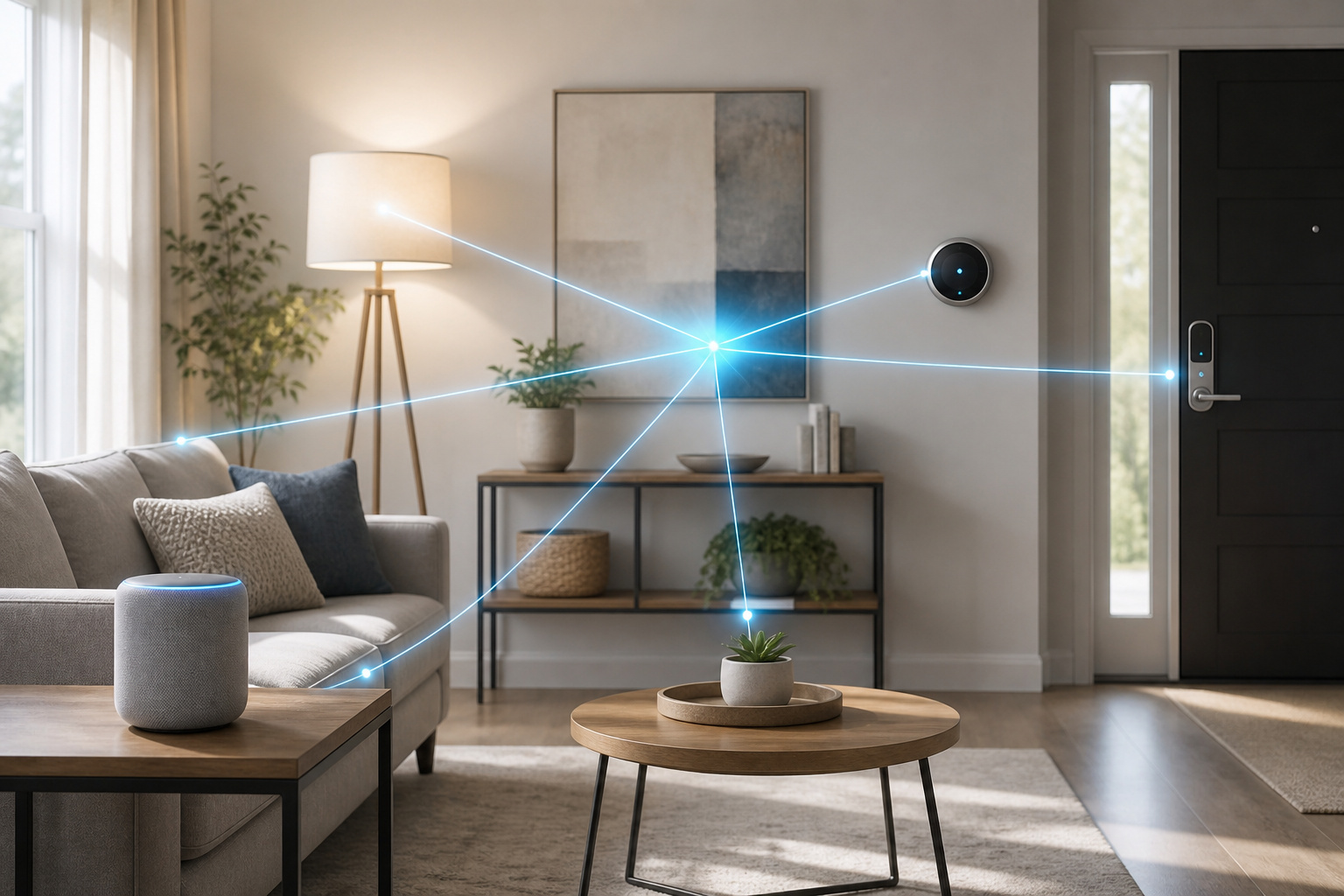
Matter is a shared communication standard for smart home devices, built and maintained by a group that includes Amazon, Google, Apple, Samsung, and hundreds of other manufacturers. Instead of every brand inventing its own way for a bulb to talk to an app, a Matter-certified device speaks one common language that any Matter-compatible hub, app, or voice assistant can understand.
In practice, that means a Matter smart plug isn’t tied to a single ecosystem. The same physical device can be set up with Amazon Alexa, Google Home, Apple Home, or Samsung SmartThings, and it behaves the same way in all of them - because it’s not pretending to be four different products depending on who bought it. It’s one product that everyone agreed to support.
The Problem Matter Was Built to Fix
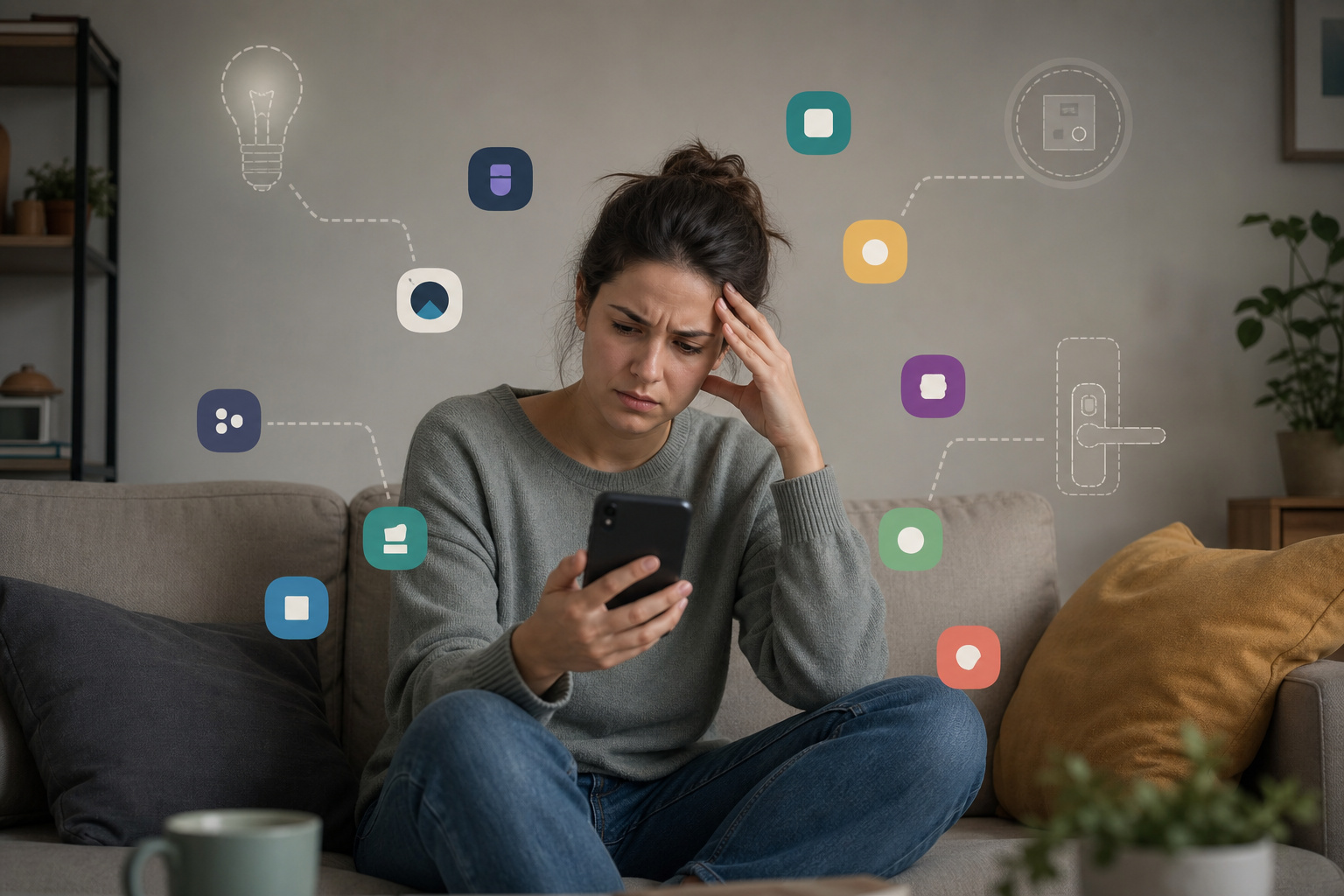
Before Matter, “smart home compatibility” was a genuine landmine. A device built for Google Home often couldn’t talk to Apple Home at all, even if both used the same underlying radio technology. Some devices used Zigbee, others used Z-Wave, others used plain Wi-Fi, and a good number used a proprietary protocol the manufacturer controlled entirely - which meant if that company shut down its servers or discontinued an app, the hardware in your wall could stop working overnight.
None of that was a conspiracy so much as it was four or five companies building competing platforms at the same time, each with its own incentive to keep customers locked in. The result was a shopping experience where you had to check, device by device, whether something would actually work with the assistant you already owned - and even then, “compatible” often meant only the basic on/off function worked, while the features that made the device worth buying were locked to its own app.
Matter doesn’t get rid of Zigbee, Z-Wave, or Wi-Fi. It sits on top of them as a common language, so the underlying radio doesn’t matter as much anymore. That’s a meaningfully different approach than any single company trying to win by getting everyone else to use its system.
How Matter Actually Works, Without the Jargon
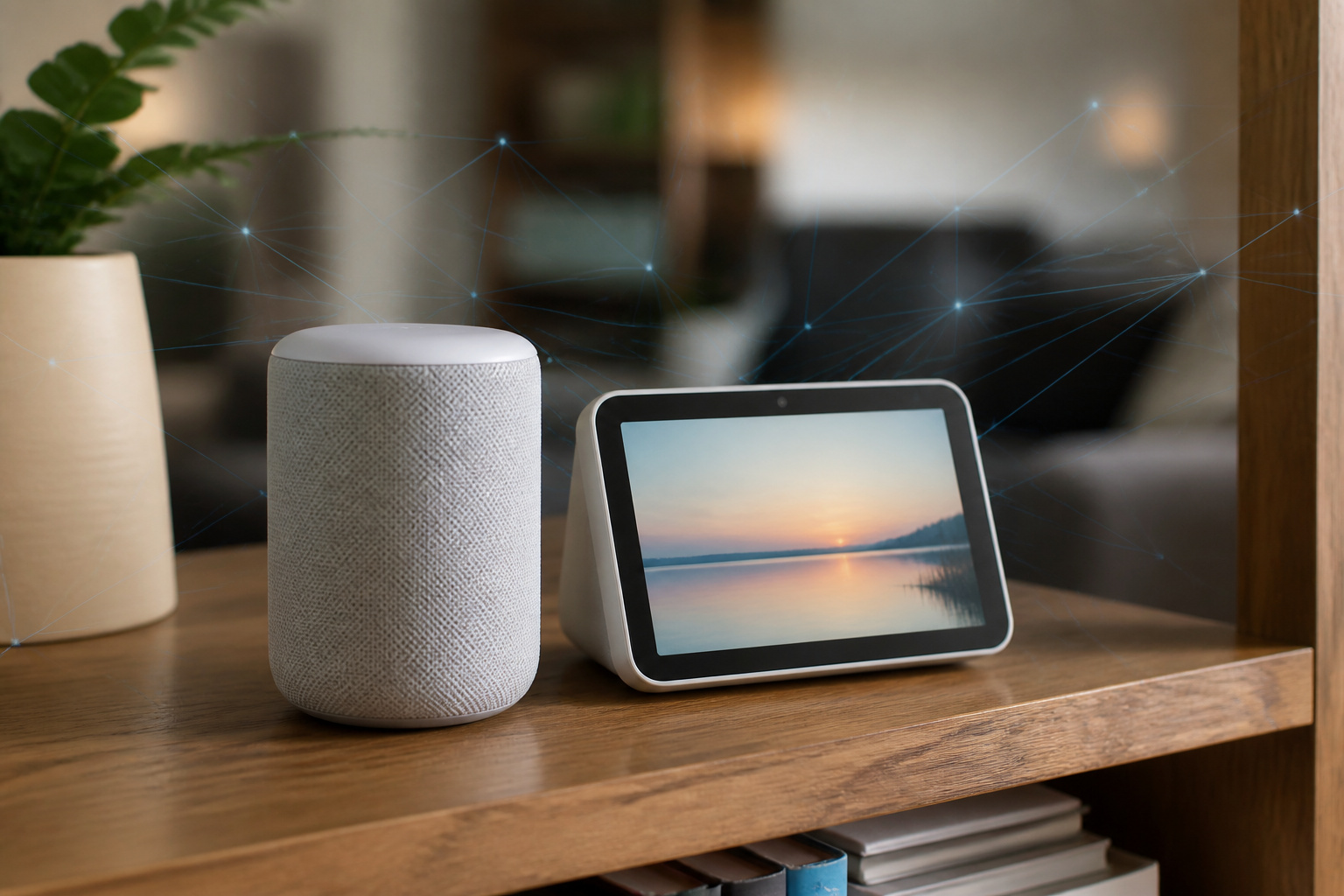
Matter devices talk over your home network using standard internet protocols, over Wi-Fi, Ethernet, or a low-power wireless technology called Thread. Thread is worth knowing about because it’s the piece that trips people up: a lot of Matter devices, especially battery-powered ones like sensors and some locks, use Thread instead of Wi-Fi to save power and keep the mesh network reliable.
To use a Thread device, you need something called a Thread border router on your network. That sounds like new hardware to buy, but it usually isn’t one - most recent smart speakers, streaming boxes, and smart displays from Amazon, Google, and Apple already have one built in. If you own a newer Echo, Nest speaker, HomePod mini, or Apple TV, there’s a decent chance you already have a Thread border router sitting in your living room and didn’t know it.
The other important detail is that most Matter setup and control happens locally, on your own network, rather than round-tripping to a company’s cloud server every time you flip a switch. That tends to make Matter devices feel faster to respond and keeps basic functions working even if your internet goes down, though this varies by device and manufacturer implementation.
Which Platforms Actually Support It
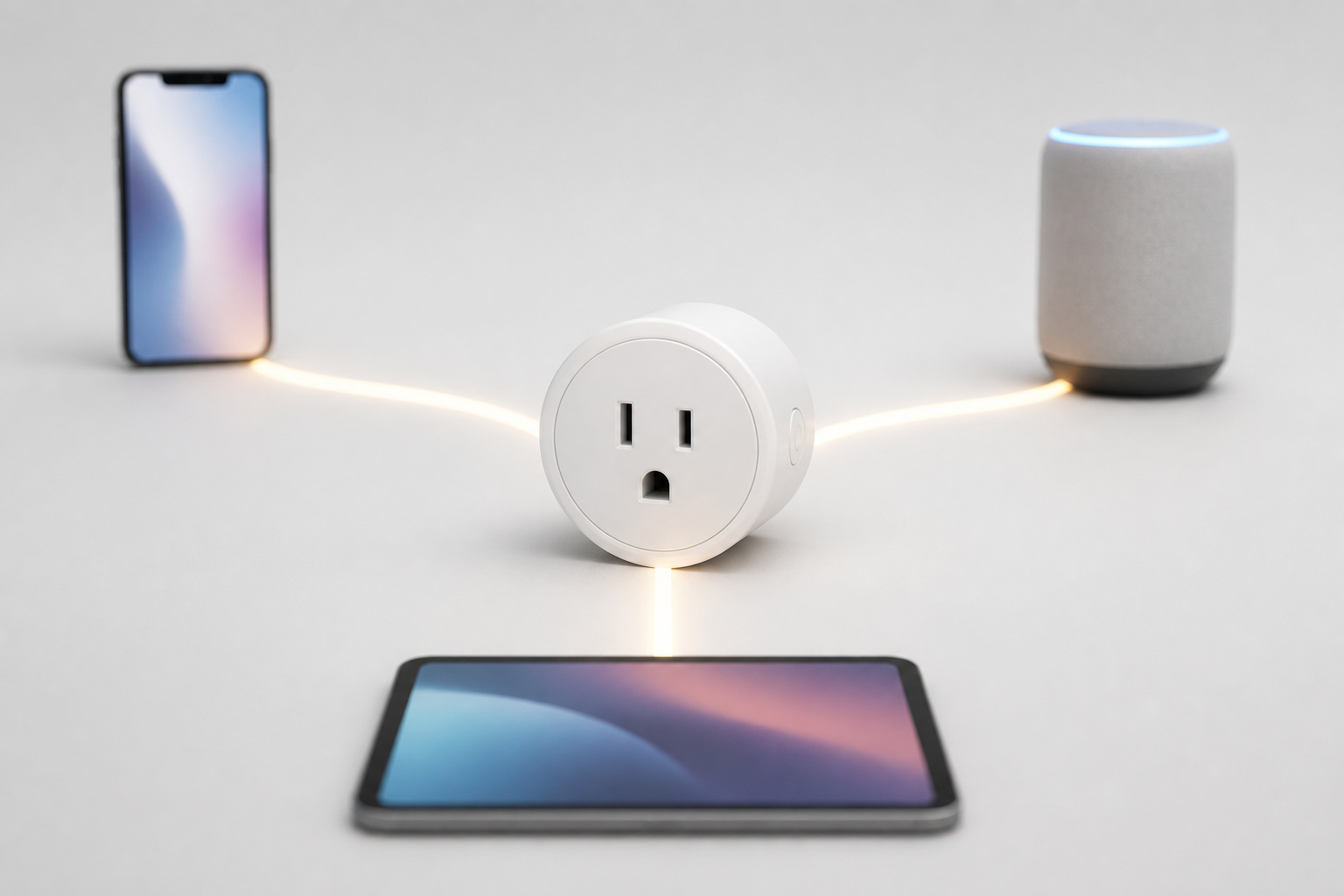
As of 2026, Matter support is built into the major smart home platforms people already use:
Amazon Alexa, Google Home, Apple Home, and Samsung SmartThings all support Matter devices and can act as a Matter controller. That means you can buy one Matter-certified device and set it up with whichever of those you already have installed, without checking a separate compatibility list for that specific brand.
This is the actual payoff of the standard: the platform war between Amazon, Google, and Apple hasn’t disappeared, but it no longer determines what hardware you’re allowed to buy. You pick devices based on price, build quality, and features, not based on which logo happened to be printed on the box.
What Matter Does Not Do
It’s easy to overstate what Matter fixes, so a few things worth being clear on:
Matter doesn’t mean every feature works identically across every platform. A camera might support live viewing through Matter on all platforms but reserve advanced motion-zone alerts for its own app. Read the fine print on advanced features, not just the “Works with Matter” badge, before assuming full functionality everywhere.
Matter doesn’t replace Wi-Fi or make your router obsolete. It’s a language spoken over your existing network, not a new type of internet connection.
Matter doesn’t make your older, non-Matter devices stop working. A five-year-old smart plug that only works with one app will keep working exactly as it always has. Some manufacturers have pushed firmware updates to make existing hardware Matter-compatible, but that’s the exception rather than the rule, and you shouldn’t buy new hardware assuming an old device will get one.
Matter doesn’t guarantee every brand plays perfectly with every other brand in every situation. It’s dramatically better than the alternative, but “industry standard” and “flawless in practice” aren’t the same thing, especially in the standard’s first few years.
Do You Actually Need It?
This depends less on the technology and more on where you are in building out your smart home.
If you’re buying your first few smart devices right now, prioritizing Matter compatibility is a low-effort way to protect yourself from picking the wrong ecosystem before you know which one you’ll actually like. It keeps your options open without costing you anything.
If you already have a smart home built around one assistant and you’re happy with it, Matter isn’t urgent. Your existing devices don’t need to be replaced, and there’s no real downside to sticking with what already works.
If your household has ended up with a mix of brands, maybe an Alexa speaker someone bought as a gift, a Google Home from a previous phone, and a couple of random smart plugs, Matter is where the real benefit shows up. It’s the difference between four separate apps that don’t talk to each other and one setup where everything responds to whichever assistant is in the room.
If you rent or move frequently, Matter devices are also a safer bet, since you’re not locking your hardware investment to a single company’s long-term survival or a single ecosystem you might not use in your next home.
How to Tell If a Device Is Matter-Certified
Look for the official Matter logo on the packaging, usually a simple badge near the other compatibility icons. Product listings on Amazon and manufacturer websites also typically call it out directly in the title or bullet points. If a listing doesn’t mention Matter at all, assume it isn’t certified rather than guessing based on the brand name, since plenty of major brands still sell both Matter and non-Matter versions of similar-looking products side by side.
The Bottom Line
Matter isn’t a gimmick or another logo to ignore. It’s the smart home industry admitting that forcing customers to pick a walled garden was bad for everyone except the three or four companies running the walls. You don’t need to fully understand Thread border routers or local control protocols to benefit from it. You mostly just need to know that when you see “Works with Matter” on a box, it’s a genuine signal that the device will keep working no matter which assistant you’re using today, or switch to later.