Instant cameras are having a long second life. You press a button, wait a bit, and hold a physical photo, which is the whole appeal. The category is more confusing than it looks, though, with different film sizes, brands that do not share film, cameras that also save digital copies, and a few older models that print on special paper instead of film.
This guide explains how instant cameras work, how Fujifilm Instax and Polaroid differ, what drives running costs, where hybrid and digital models fit, and what the Polaroid Snap, a camera that prints on Zink paper, shows about availability. Specifications come from the manufacturers’ pages and from the review sources named in the text.
How Instant Cameras Work: Film, Zink, and Hybrid
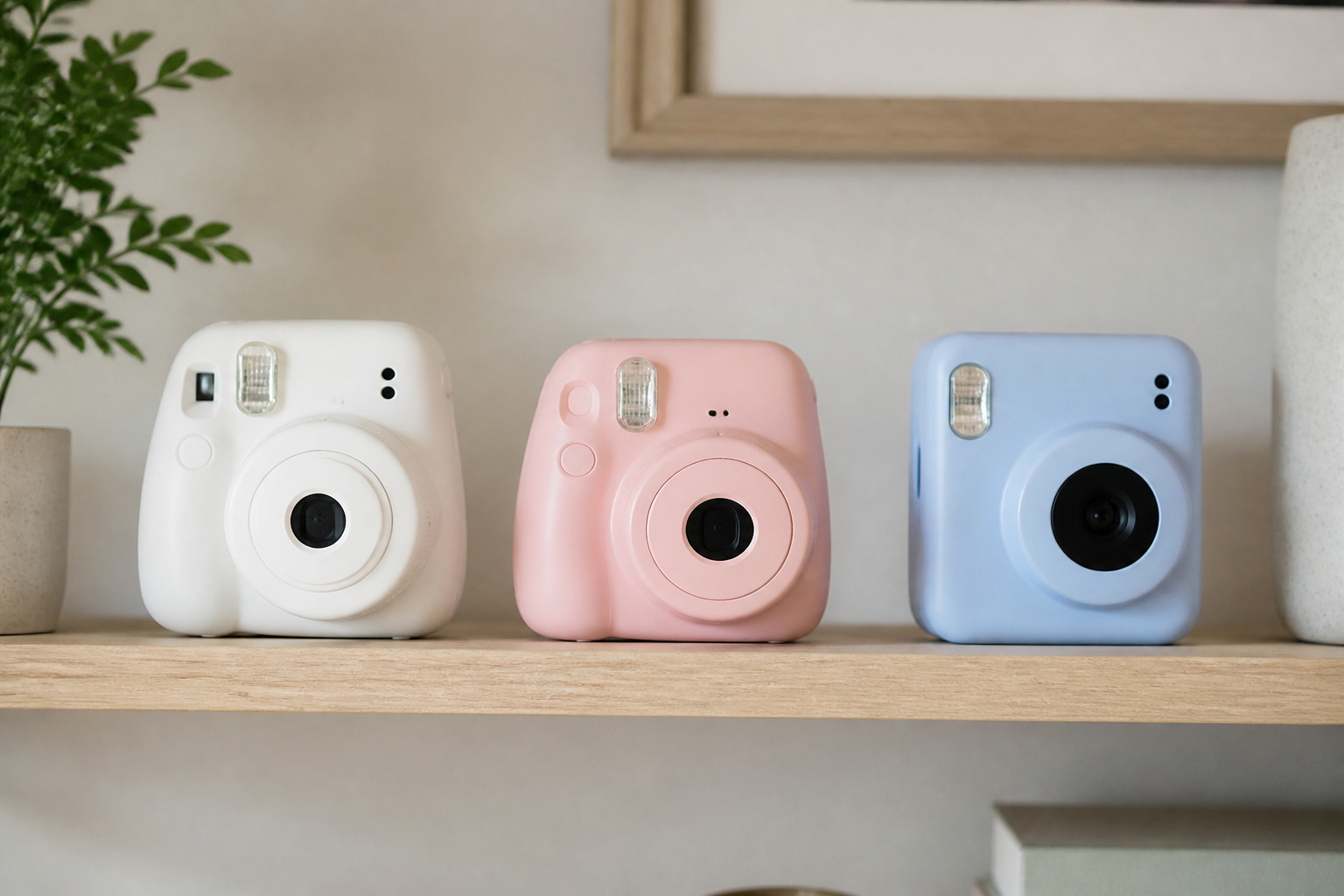
There are three designs, and the design decides what you pay for and what you can do with the pictures.
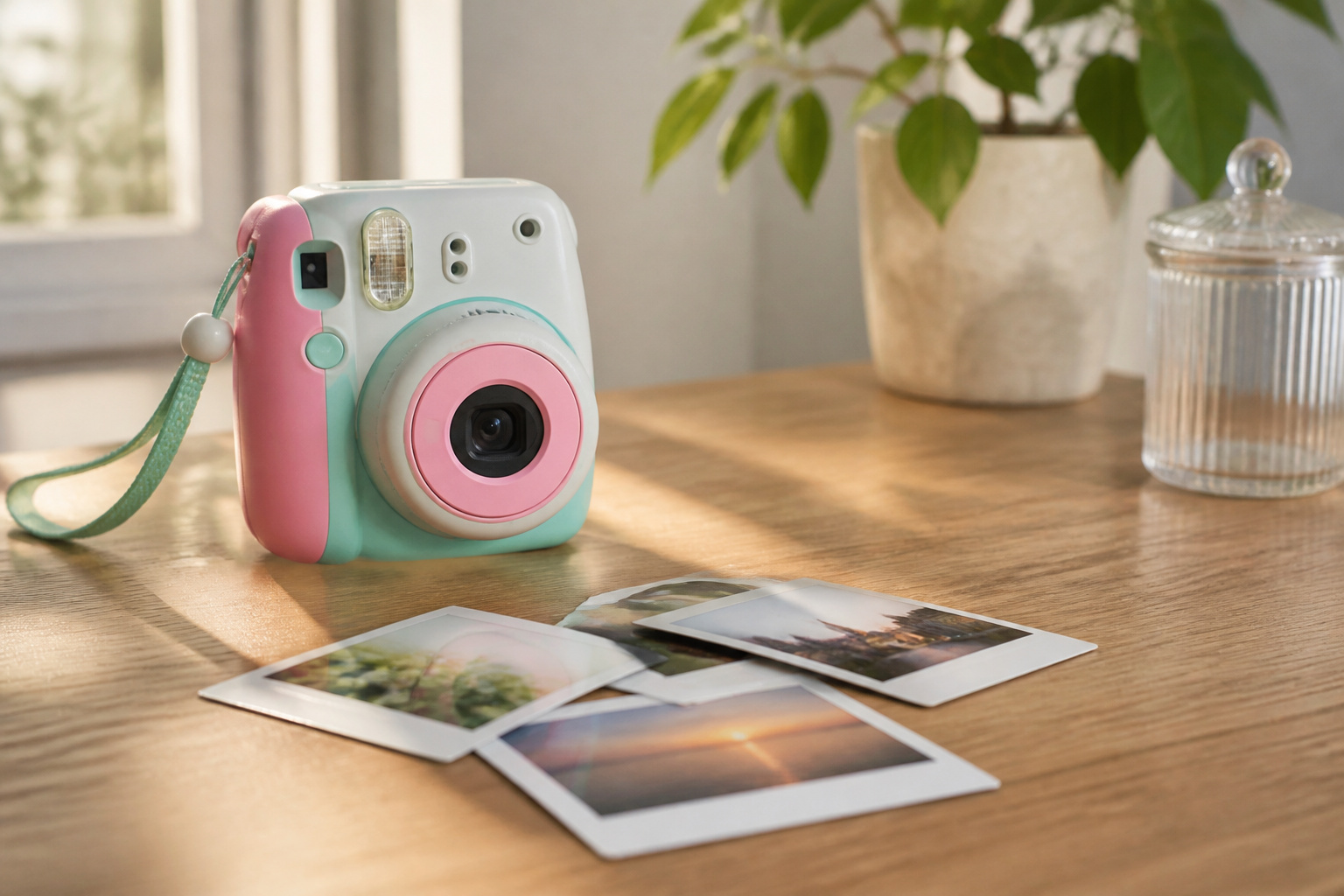
- Instant film cameras: The camera exposes a sheet of film that contains its own chemistry, and the picture develops on the print. Fujifilm Instax and Polaroid both work this way. You cannot reprint a shot, and there is no digital copy.
- Zink print cameras: A digital camera with a small thermal printer that prints on paper with heat-activated dye crystals built in, so no ink cartridge is needed. The Polaroid Snap is an example. These cameras can save digital copies to a memory card.
- Hybrid cameras: Instant film cameras with a digital sensor, so you can shoot, save a digital copy, and choose what to print. Digital Camera World lists the Instax Mini Evo and Mini LiPlay in this group.
Brands do not share film. Instax film does not fit a Polaroid camera, and Zink paper does not fit either. Buy the film that matches the camera before you plan a party or trip.
Instax or Polaroid: Film Formats and Image Look
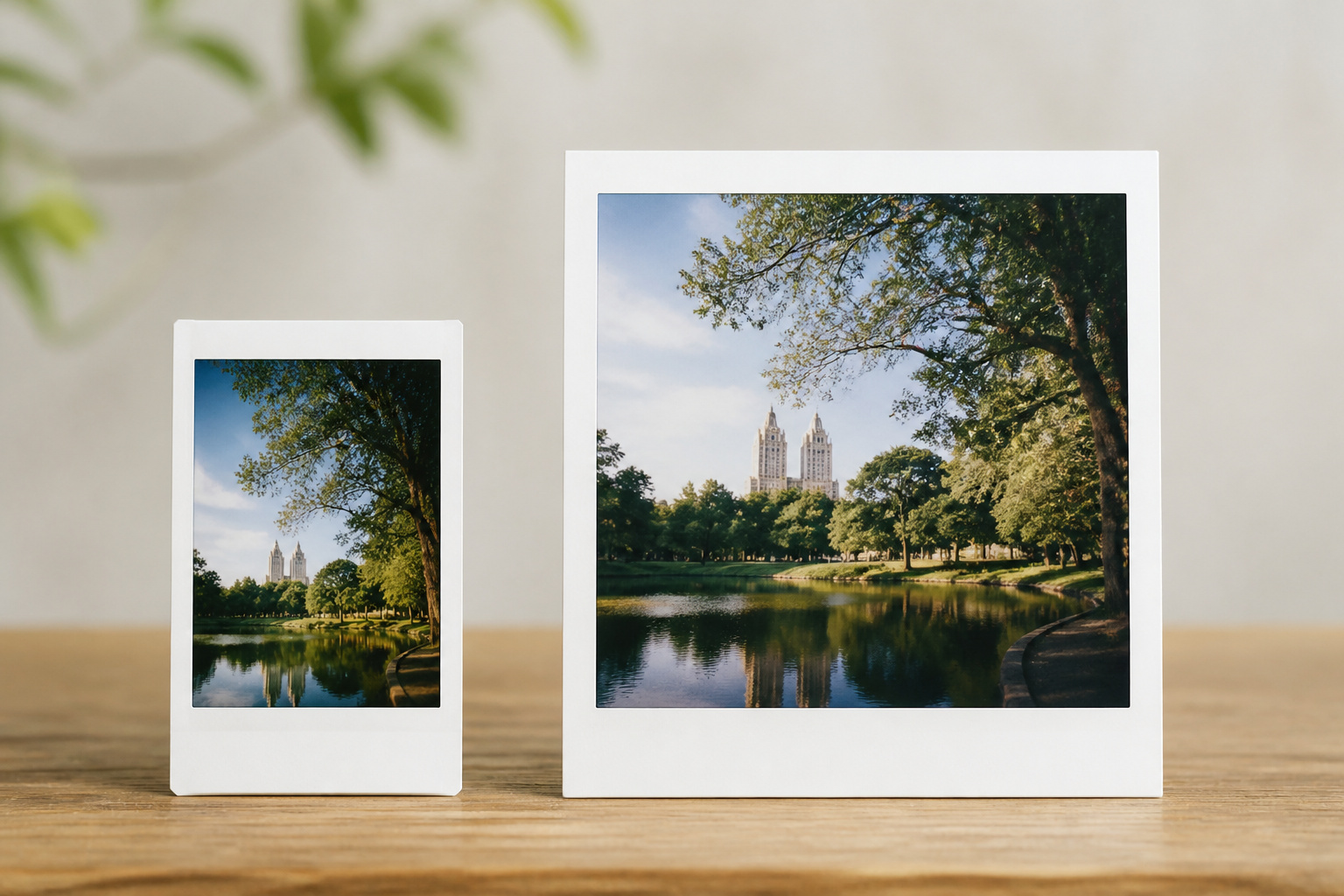
Fujifilm sells Instax film in Mini, Square, and Wide sizes, and Digital Camera World reports ten exposures in a standard pack. Fujifilm lists the picture size on the Instax Mini 12 as 62 mm by 46 mm. Polaroid sells Go, i-Type, and 600 film, with eight exposures in a standard pack, and Go film is smaller than Instax Mini. i-Type and 600 film produce larger prints.
The look is different too. Reviewers describe Instax as closer to a conventional photo, with more accurate color and sharper results, and Polaroid as more stylized and vintage, with washed-out highlights and color shifts. Neither look is better, and many people choose Polaroid precisely for the classic character. If you want pictures that look like your phone photos, Instax is usually the closer match. If you want the classic framed look, Polaroid is the one.
Recommended Products

For Instax mini instant cameras

Designed for use with Fujifilm instax mini series cameras

Compatible to all Mini Instax camera
Development Time and Exposure
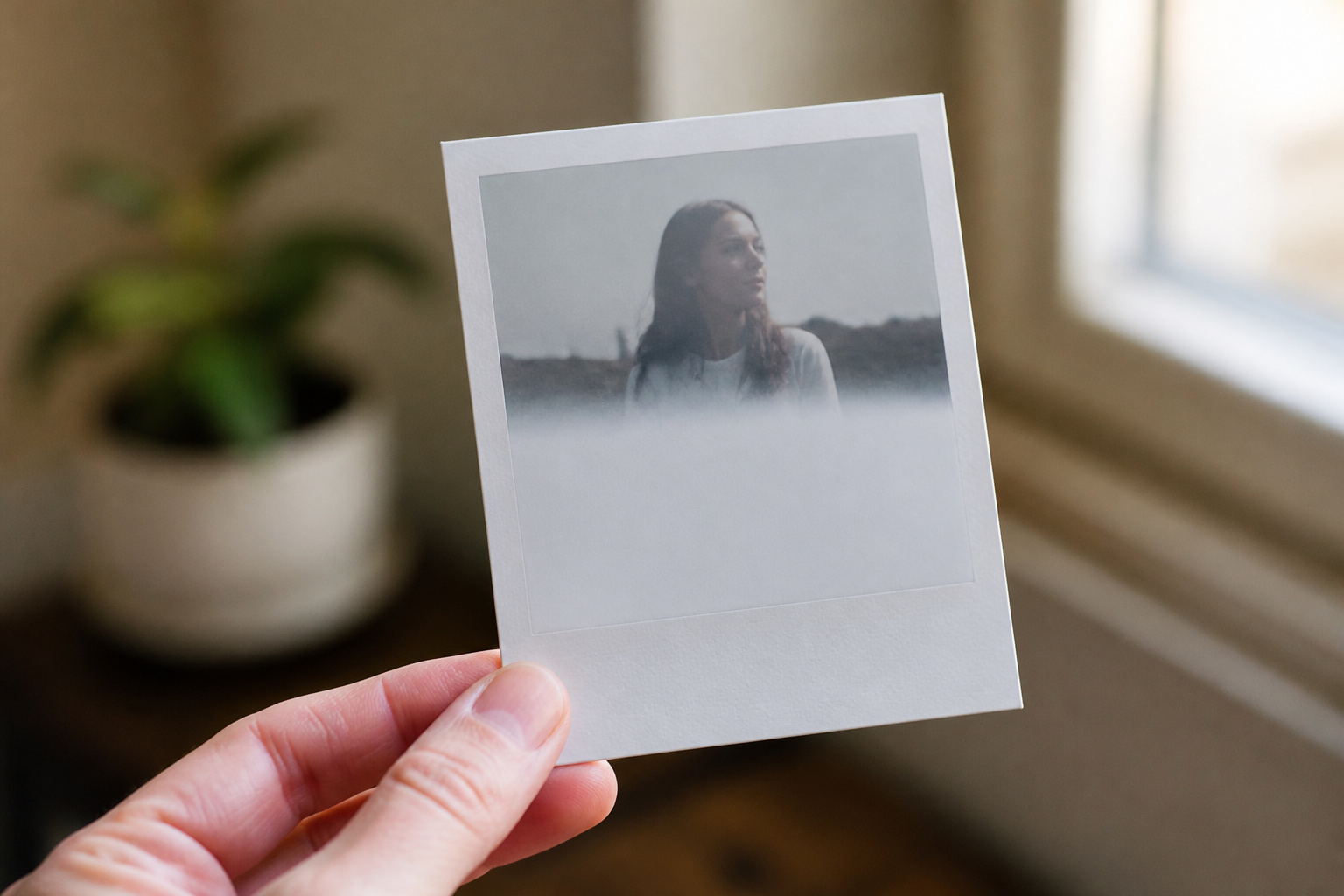
Instax prints develop in about 90 seconds, according to Fujifilm and Digital Camera World, with the exact time varying with temperature. Polaroid prints develop more slowly, and Digital Camera World says they can take up to 15 minutes to reach full color, so keep the print out of strong light while it develops.
Instant film is sensitive to light, so exposure matters. Most Instax analog cameras have automatic exposure. Fujifilm lists the Instax Mini 12 with automatic exposure control and a constant-firing flash that adjusts its light automatically, along with a close-up mode for shooting subjects between 0.3 and 0.5 meters away. A camera with automatic exposure is much more forgiving for beginners than one with fixed settings.
Autofocus, Close-Ups, and Manual Controls
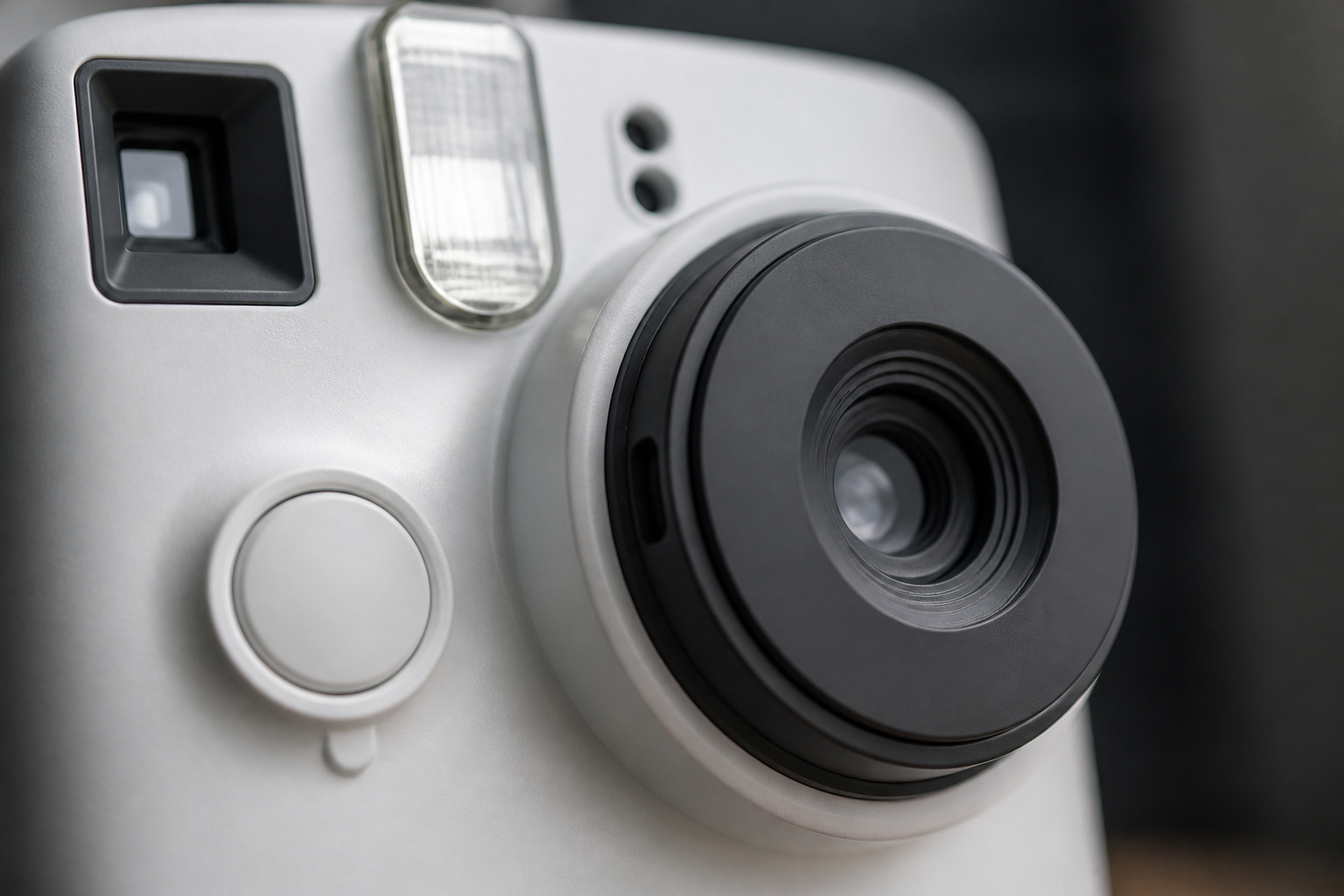
Entry-level cameras are simple point-and-shoot designs. Polaroid’s Now line adds autofocus, and an Adorama listing for the Now Generation 2 describes two focus zones, double exposure, a 9-second self-timer, and a rechargeable USB-C battery. Digital Camera World reports that the Now and Now+ accept both i-Type and 600 film, while older Polaroid 600 cameras accept only 600 film.
More advanced Polaroid models add features such as lens filters, manual controls, and a phone app. Digital Camera World also notes that the Instax Wide 400 has a longer minimum focus distance than other models, so check close-up distance if you plan to shoot portraits or small objects. Check selfie mirrors too, since some Instax models include one and others do not.
Recommended Products

Manual mode, aperture priority, remote controls and more: Access more features than we could fit in the camera when you connect the Now+ with the Polaroid app.

Manual mode, aperture priority, remote controls and more: Access more features than we could fit in the camera when you connect the Now+ with the Polaroid app.

The Polaroid I-2: Designed for craft, it’s our first analog instant camera with built-in manual controls, and is equipped with the sharpest-ever Polaroid lens. Made for the creators and artists who want to perfectly capture imperfection at its best. This bundle includes two packs of Polaroid i-Type Color Film (16 Photos).
Running Costs: Film, Paper, and Batteries
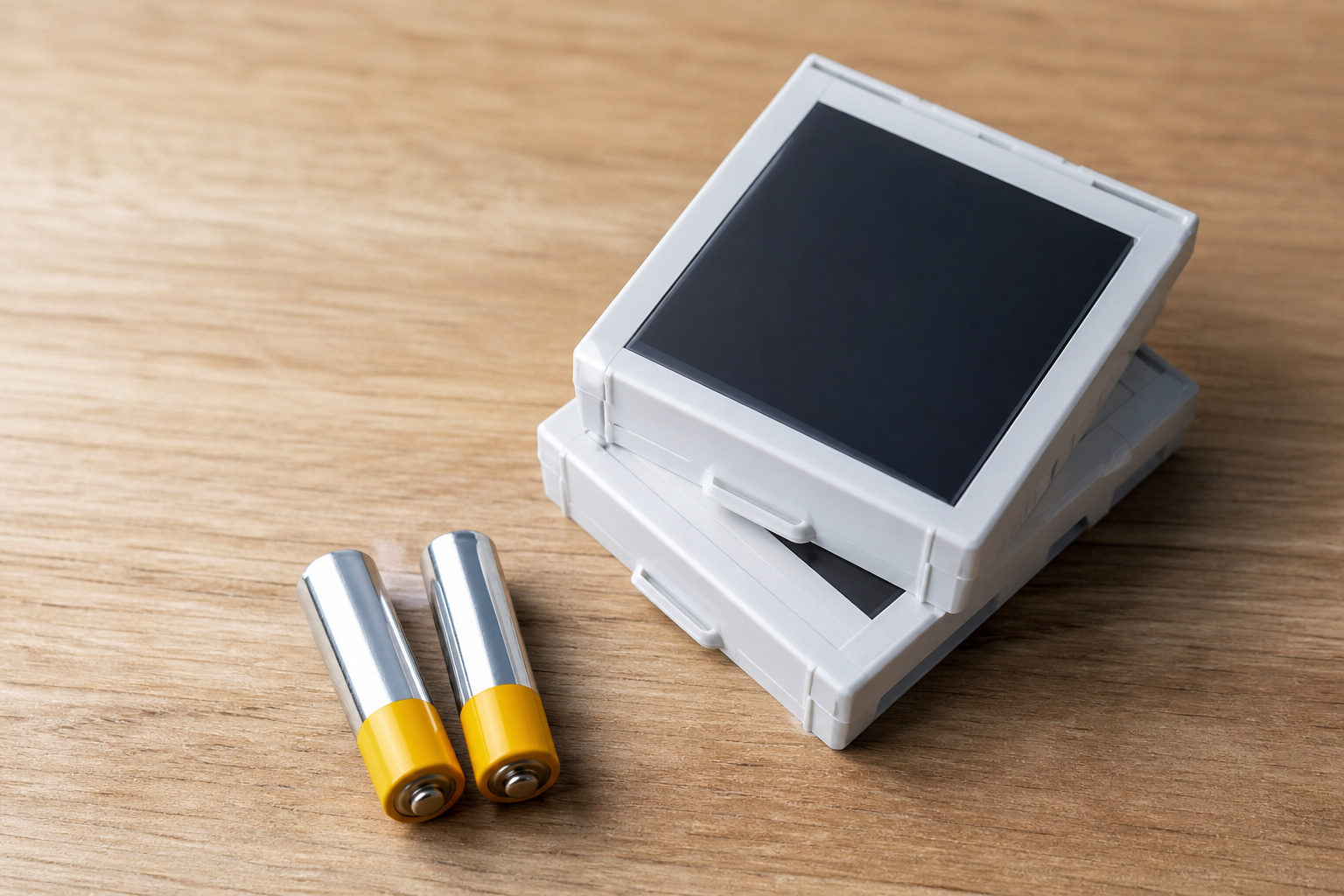
The camera is only part of the cost. Film is the ongoing expense, and you pay for every frame, including the bad ones. Reviewers have long pointed out that Instax Mini film costs less per shot than Polaroid film, and TechRadar notes that a pack of Polaroid i-Type has cost about as much as two packs of Instax Mini. Prices move around, so divide the current price of a pack by the number of sheets before you decide.
Batteries differ too. Fujifilm lists two AA batteries for the Instax Mini 12, good for about ten film packs depending on use. Polaroid’s newer cameras use rechargeable internal batteries, while older Polaroid 600 cameras rely on a battery inside the film cartridge. If you plan to shoot a lot, keep a spare set of AA batteries or the charging cable handy.
Recommended Products

4 pack of Energizer Ultimate Lithium AA Batteries

2 pack of Energizer Ultimate Lithium AA Batteries

SUPER Ⅲ & Ultra Longest-Lasting: EBL lithium batteries aa 3700mAh is the market's longest-lasting aa batteries non-rechargeable, Advanced SUPER Ⅲ TECH provide extended usage time, perfect for 1.5V devices like blink cameras, handheld games and smart home gadgets
Digital and Hybrid Instant Cameras
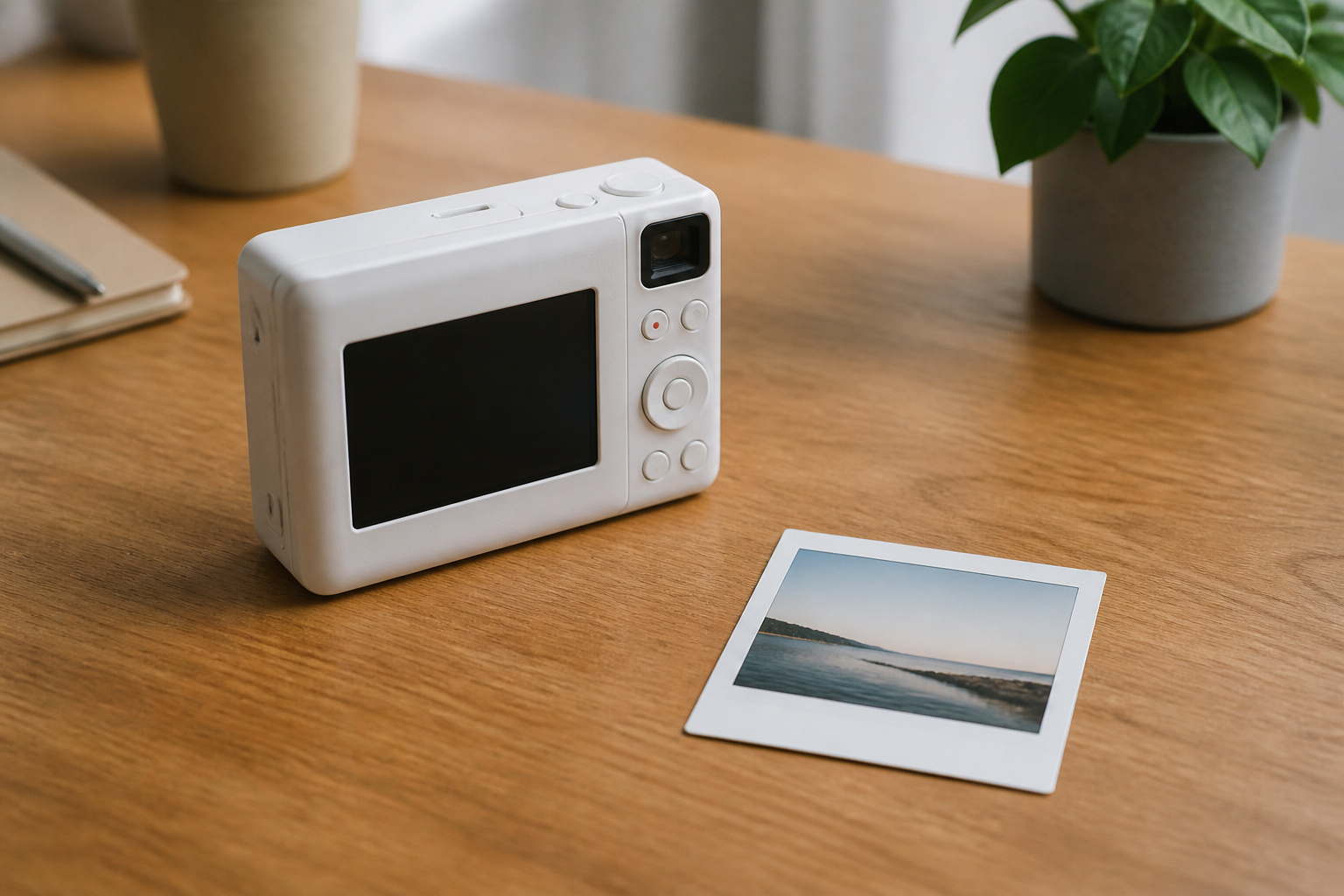
If you want to keep every shot, a hybrid camera is worth a look. A hybrid lets you take a digital photo, check it, and print only the ones you like, which saves film. Digital Camera World notes the digital shots from hybrid models are modest, so treat them as proof sheets, not a replacement for your phone.
Zink print cameras follow the same idea with a different print method. They usually save to a memory card and print on a paper that needs no ink. The trade-offs are the print quality and the paper supply, as the Polaroid Snap shows below.
Recommended Products

Hybrid instant film camera. Prints high-quality, 2” x 3” INSTAX MINI instant photos (INSTAX MINI instant film sold separately)

Hybrid instant film camera

ALL-IN-ONE PHOTOGRAPHY - The PRINTOMATIC Camera offers a combination of a powerful 5MP sensor with a wide angle f/2 lens that instantly prints vibrant photos.
Print-From-Phone Alternatives
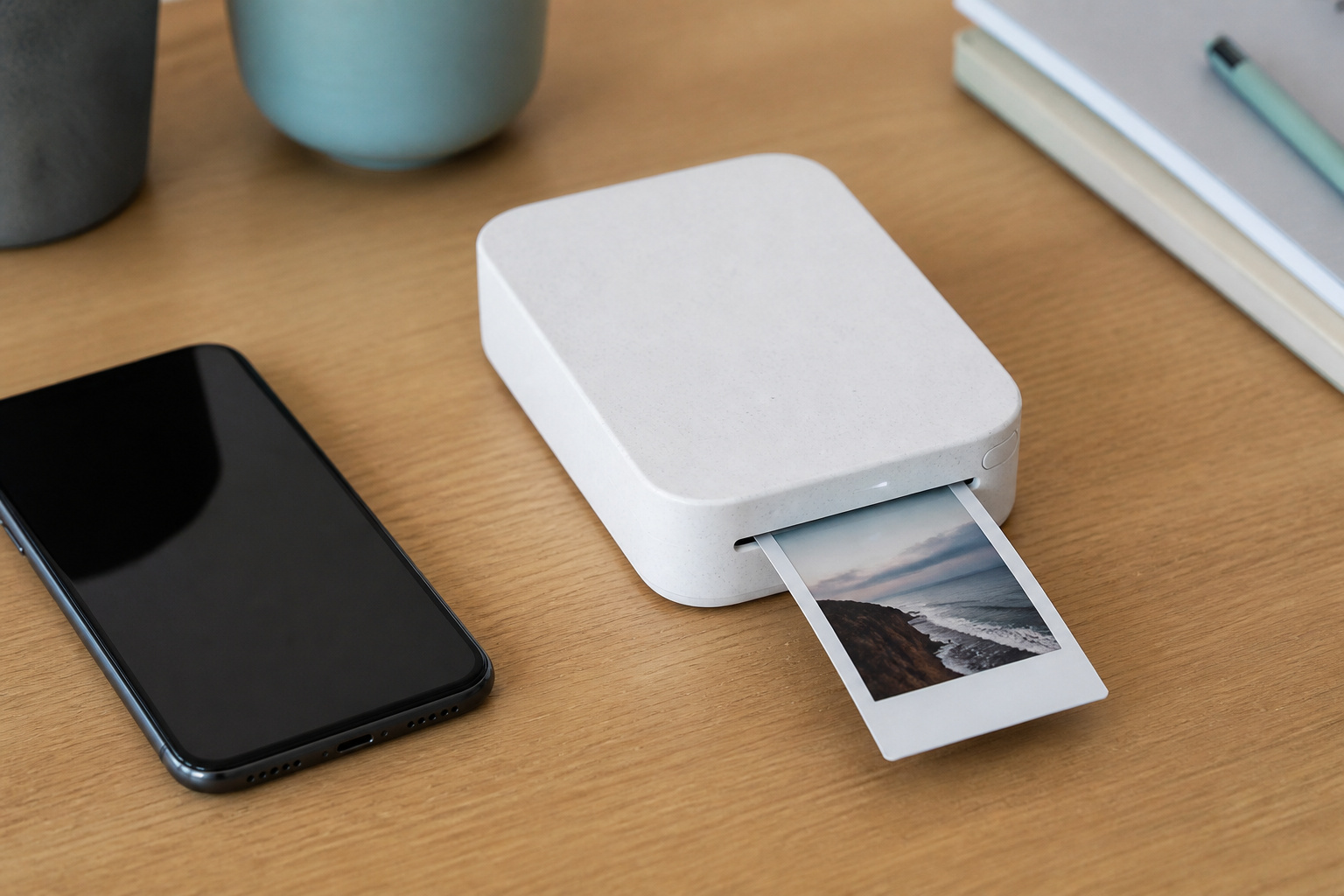
If you mainly want prints of phone photos, an instant printer can be a better fit than an instant camera. Digital Camera World describes the Instax Link printers, which connect to a phone wirelessly, and the Polaroid Lab, a desktop device that photographs your phone screen onto instant film. You pick the best shots and print only those.
The downside is that you no longer get the surprise and immediacy of shooting on the spot. A camera is for the moment itself, and a printer is for choosing your best pictures.
Recommended Products
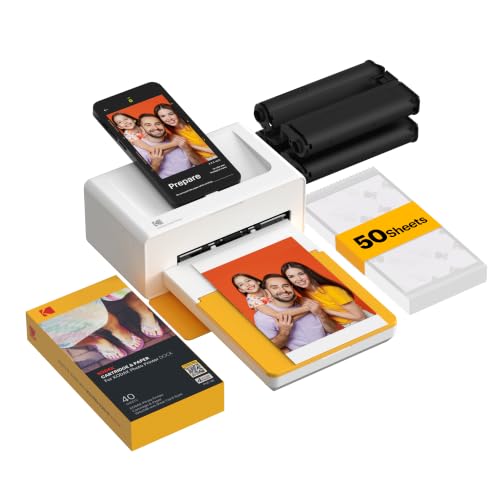
Dock Photo Printer: The KODAK Dock Plus is a home photo printer that produces high-quality 4x6” prints directly from compatible smartphones. Featuring an integrated docking station, users can place their phone on the printer for better connection while simultaneously charging the device during printing.

User-Friendly Portable Photo Printer for iPhone, Android & PC - Get beautiful and colourful memories with Liene 4x6 photo printer! After opening the entire package, you can find one cartridge + 20 sheets of photo paper (placed inside the machine packaging), as well as an additional box containing 80 sheets of photo paper (which includes two cartridges + 80 sheets of photo paper). Full package includes smartphone photo printer, Liene 4x6 photo printer papers (100 sheets), 3 colour cartridges, and fully sealed cassette to prevent dust. Minimalist and magnetic design for compact storage.

2x3" Portable Photo Printer: The upgraded PP01 photo printer uses advanced inkjet technology. This portable photo sticker printer produces vivid, full-color prints on premium sticky-backed photo paper that is smudge-proof, water-resistant, and tear-resistant. The Nelko mini photo printer is pocket-sized and weighs only 308 g, making it ultra-portable for school, travel, and field trips. Each ink cartridge prints up to 80 full-color 2x3 photos on sticky-backed paper
What the Polaroid Snap Shows About Zink Cameras
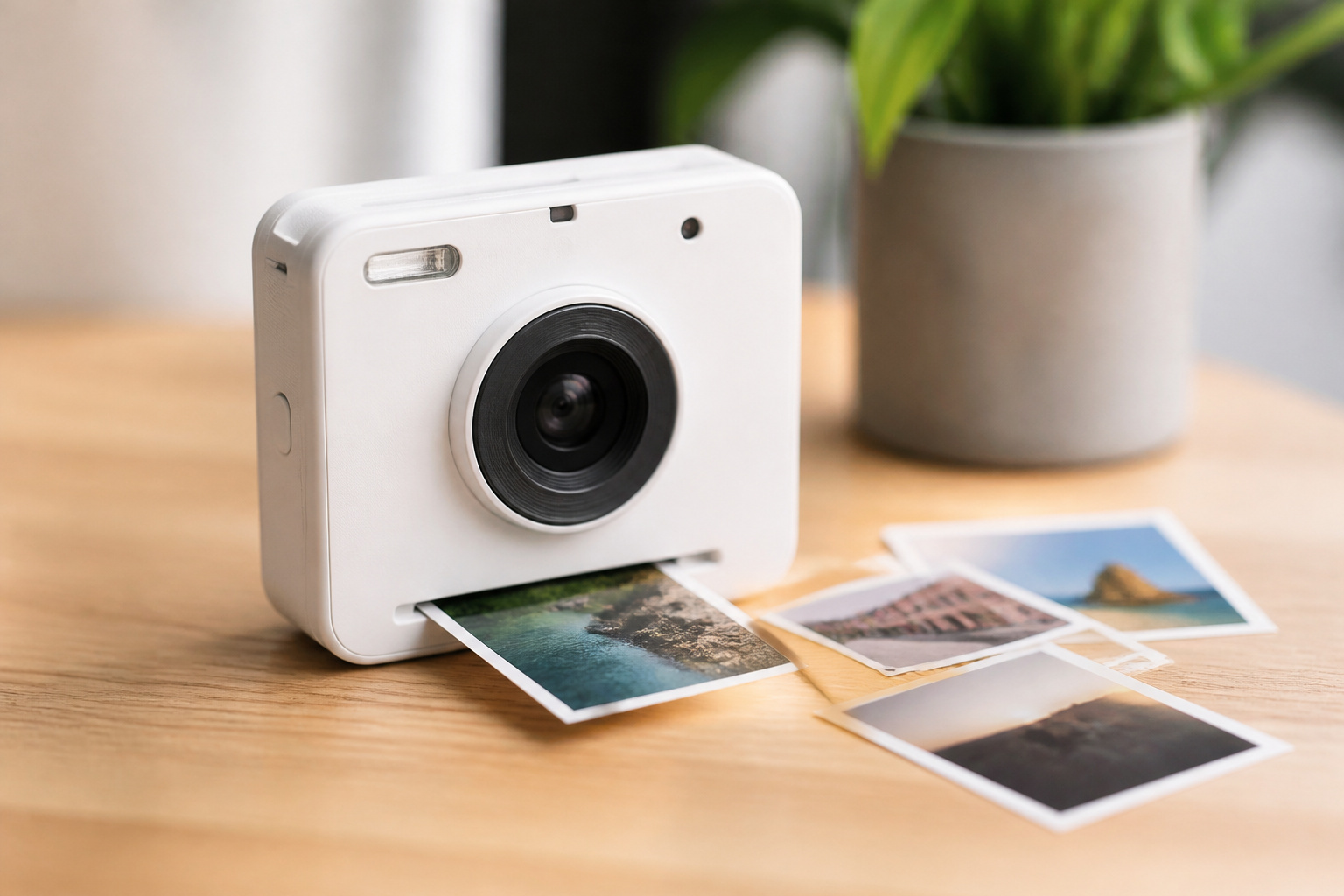
The Polaroid Snap was a small digital camera with a built-in Zink printer. Retailer specifications list a 10-megapixel sensor, 2×3-inch prints, microSD storage, and a starter pack of Zink paper. It has no screen and no zoom, so you frame through a small optical viewfinder.
Reviewers commonly reported inconsistent exposure, soft detail, streaking on prints, and poor handling of moving subjects, with black and white often the more forgiving mode. The microSD card was a real advantage, since every shot was saved digitally. At least one major camera retailer now lists the Snap as no longer available, so it can be hard to find new, and Zink paper may become harder to find as well. If you want a camera that prints instantly today, newer instant film cameras are an easier purchase.
Tips for Better Instant Photos

- Keep subjects within the camera’s recommended range, and use close-up mode if the camera has one.
- Shoot in bright, even light, since instant film is sensitive to exposure.
- Hold the camera steady and keep still for a moment after pressing the shutter.
- Let the print develop away from strong light, and do not shake it.
- Store film in a cool place, and check the expiry date on the pack.
- Take one test shot before an important event so you know how the camera behaves.
Who Should Buy What
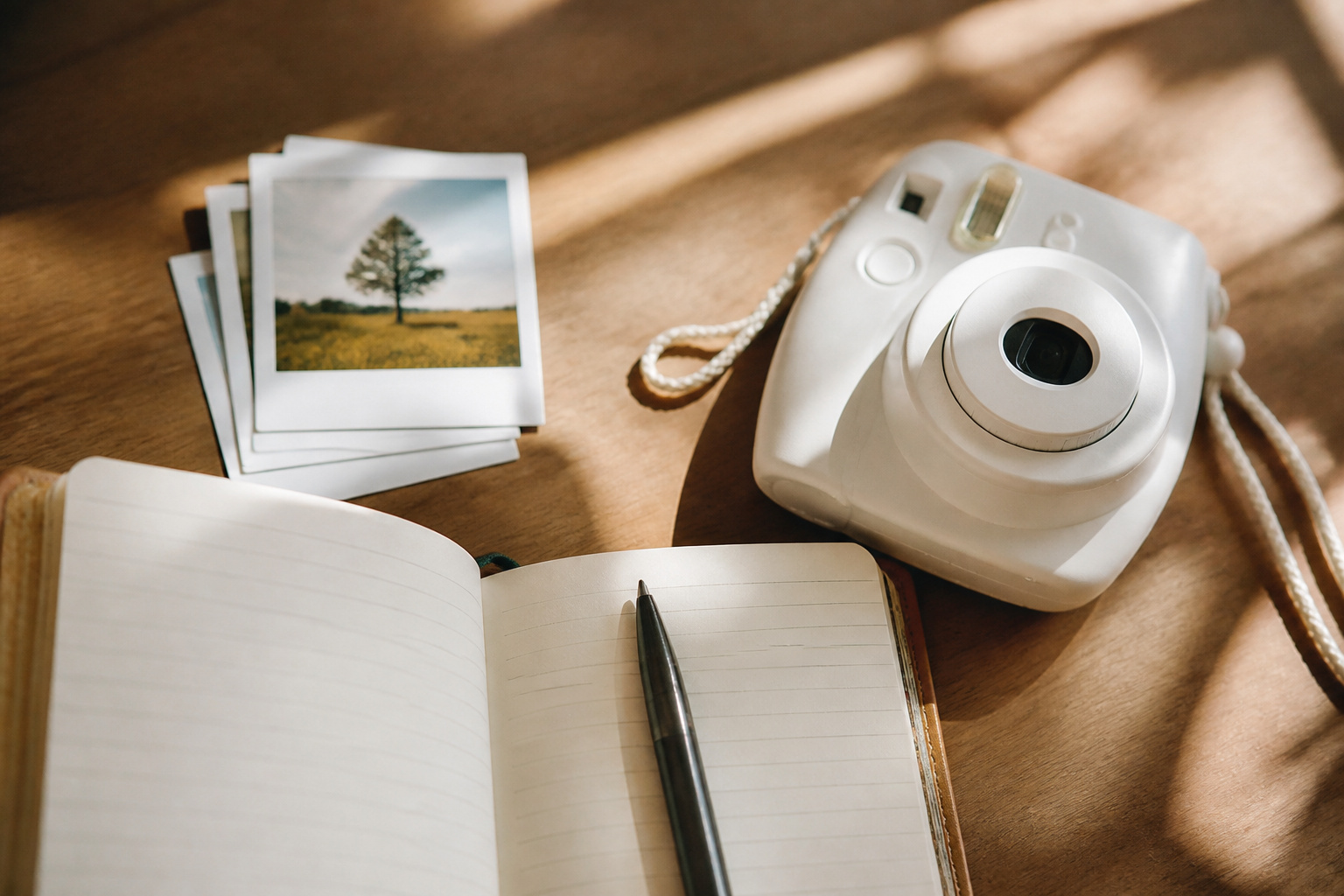
- Beginners and kids: An Instax Mini with automatic exposure is the simplest to use and has the lowest film cost.
- Fans of the classic look: A Polaroid i-Type camera such as the Now line, with the understanding that film costs more and development is slower.
- People who want digital backups: A hybrid instant camera, or an instant printer that works with phone photos.
- Parties and events: Buy extra film and spare batteries, and choose a camera with automatic exposure and flash.
- Collectors and tinkerers: Look at Polaroid models with manual controls, but expect a steeper learning curve.
Frequently Asked Questions
Can I Use Instax Film in a Polaroid Camera?
No. Instax and Polaroid use different film formats, and neither fits the other’s camera. Check the film type printed on the camera or in the manual before you buy.
Which Is Cheaper to Run, Instax or Polaroid?
Instax Mini film has generally been cheaper per shot than Polaroid film, but prices change. Compare the current price of a pack with the number of exposures in it.
Do Instant Cameras Save Digital Copies?
Most instant film cameras do not. Hybrid models and Zink print cameras with a memory card can save digital copies, which is useful if you want backups or reprints.
How Long Does an Instant Photo Take to Develop?
Fujifilm lists about 90 seconds for Instax Mini film, depending on temperature. Polaroid prints are slower, and reviewers report that full color can take much longer. Keep the print out of bright light while it develops.
Is the Polaroid Snap Still Worth Buying?
Only if you find one at a fair price and can confirm that Zink paper is still easy to get. Its image quality is modest, and at least one major retailer lists it as no longer available. A current instant film camera or hybrid is usually an easier choice.
Closing Thoughts
The best instant camera is the one that matches how you will use it. Decide whether you want a classic Polaroid look or a more conventional Instax result, check the running cost of the film, and think about whether digital backups matter. Confirm that film or paper is easy to get before you buy, and treat the Polaroid Snap as a reminder that availability matters as much as features.