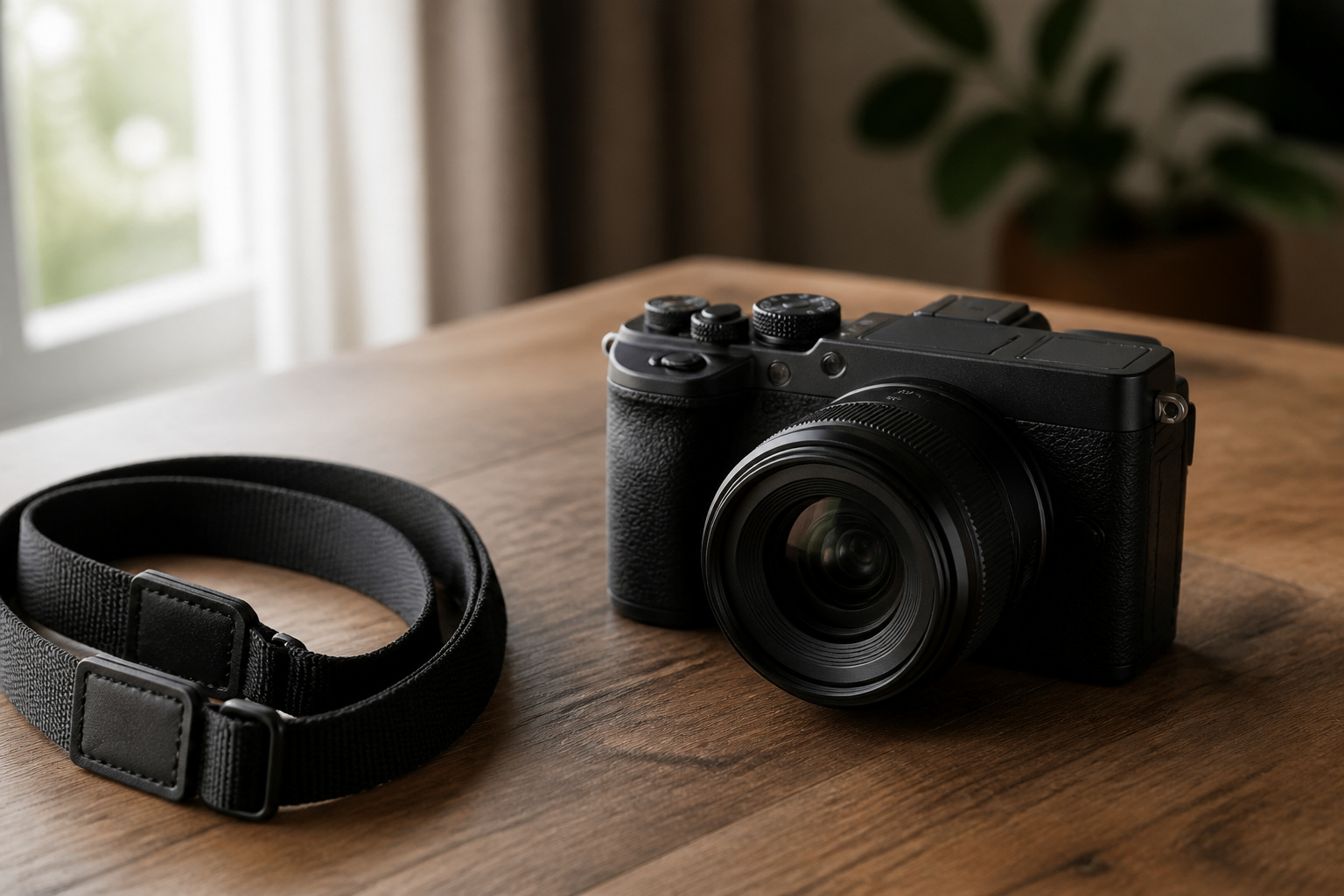
Mirrorless cameras are the focus of the interchangeable-lens camera market, but the term still confuses buyers. Do you need full frame or a smaller sensor? Does the lens mount matter? Is a mirrorless camera better than the DSLR you already own? The right answers depend on how you shoot, not on which model tops a ranking.
This guide explains how mirrorless cameras work, how they differ from DSLRs, what sensor size and lens mount mean for your budget, and which features matter for photos and video. Technical background comes from Wikipedia’s mirrorless camera and image sensor format articles and from a June 2026 PhotoWorkout guide to lens mounts. Camera lines change often, so check current models and prices before you buy.
What Mirrorless Means: No Mirror, Electronic Viewfinder
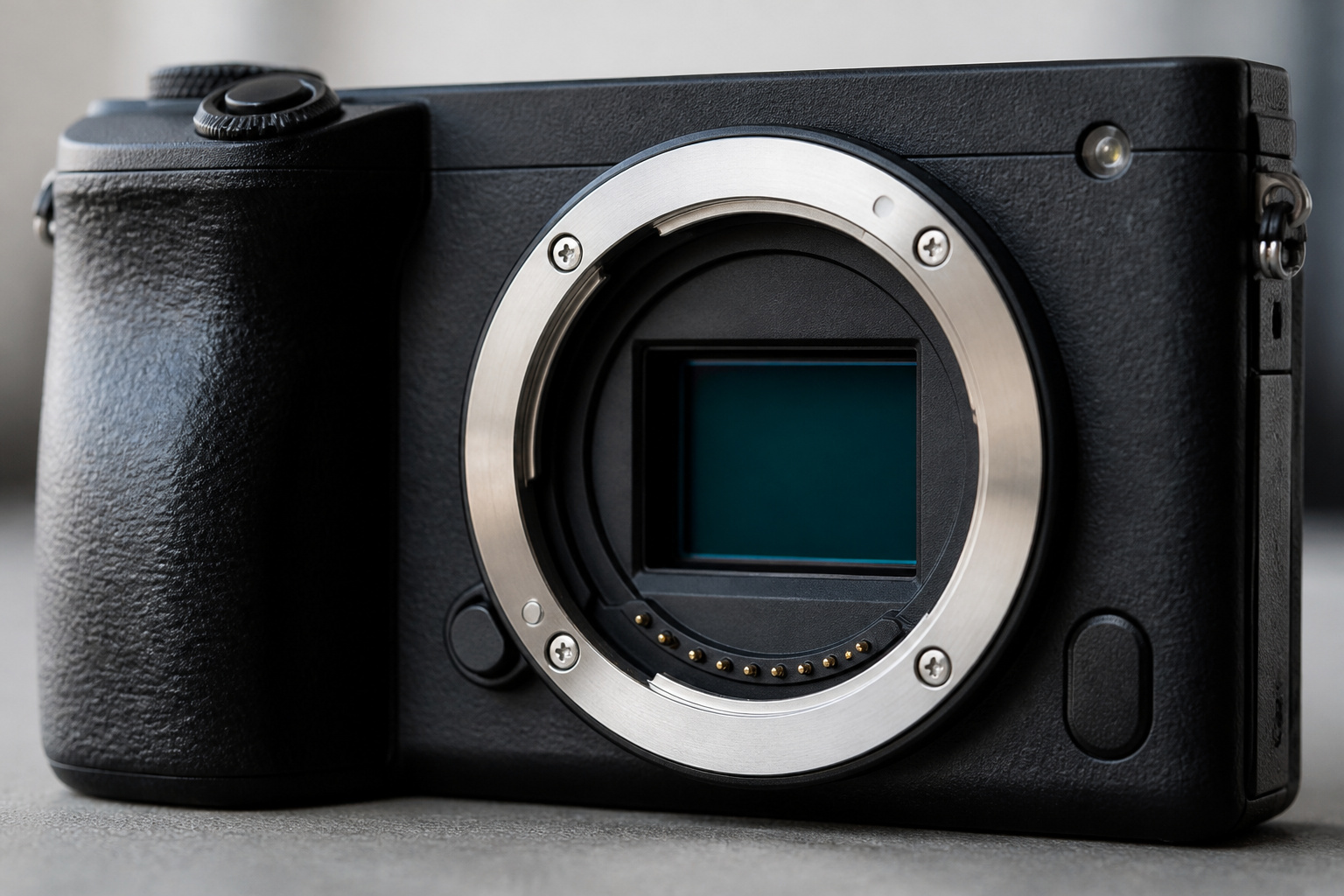
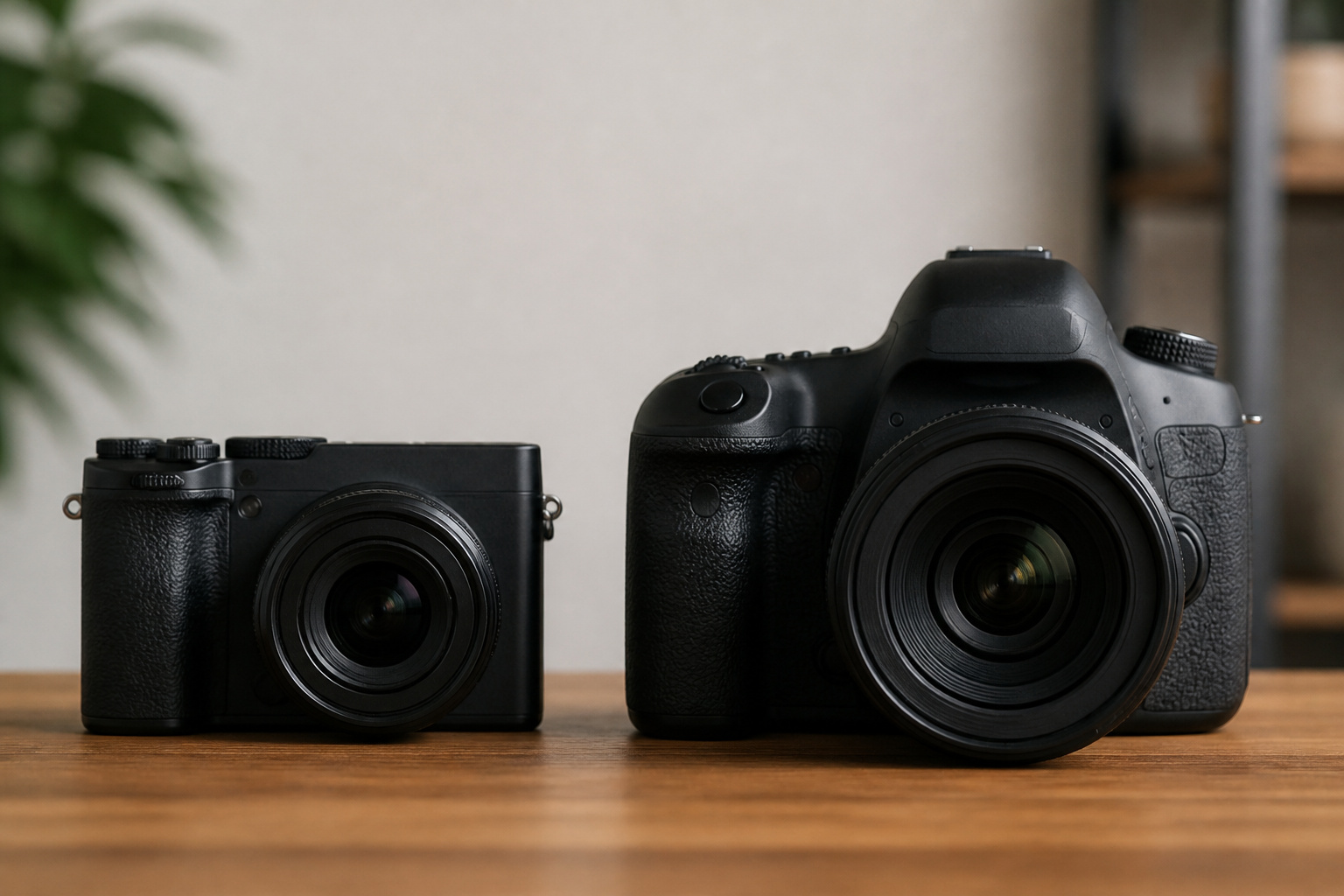
A DSLR uses a moving mirror to bounce light up into an optical viewfinder. A mirrorless camera has no mirror, so light from the lens always reaches the sensor, and the viewfinder or rear screen shows what the sensor sees. That is why mirrorless bodies can be smaller, lighter, and quieter than DSLRs.
Because the display is electronic, it can show things an optical finder cannot, such as focus peaking, exposure previews, depth of field previews, and eye or face tracking. The trade-off is that the sensor and screen are running all the time, which usually costs battery life.
Recommended Products

The Kamerar CVF-2 is compatible with most 3.0” and 3.2” camera LCD screens in a 16:9 aspect ratio, effectively blocking light to ensure clear, contrast-rich viewing even in bright sunlight.

High Quality Material---The lens material is made of high‑quality optical glass with very high definition. The viewfinder displays the original picture. The picture seen through the viewfinder will not be deformed and the scene will not be displayed incompletely. The high‑quality rubber patch is soft, and the viewfinder makes you feel more comfortable when it touches the face.

Mirrorless or DSLR: What Actually Differs
| Area | Mirrorless | DSLR |
|---|---|---|
| Viewfinder | Electronic viewfinder or rear screen, shows exposure and overlays | Optical viewfinder, no lag, no battery use for the view |
| Autofocus | On-sensor autofocus with subject and eye tracking | Separate autofocus sensor below the mirror |
| Size and weight | Often smaller and lighter bodies, lenses vary | Bulkier body because of the mirror box |
| Battery life | Usually shorter | Usually longer |
| Lens future | Where new lens development is focused | Large used lens market, mostly legacy |
Major brands have shifted most of their new lens and body development to mirrorless systems, so new lenses and features are arriving there first. A DSLR you already own can still take excellent photos, and an optical viewfinder and long battery life are real advantages for some shooters.
Recommended Products
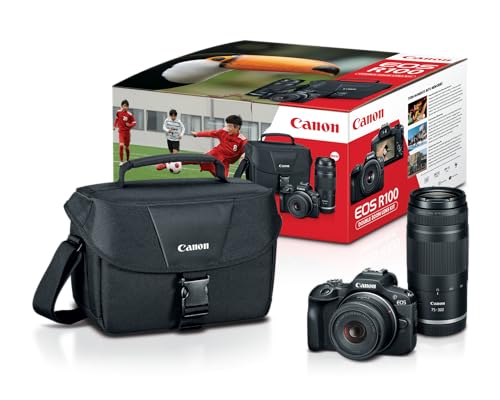

Go Beyond Your Phone: Capture lifelike colors and incredible details from dawn to dusk thanks to a superior 20.9-megapixel DX format (APS-C size) sensor several times larger than that of a typical smartphone, but still lightweight and compact enough to fit in a small bag.

High image quality featuring a new 24.2 megapixel full-frame CMOS sensor
Sensor Size: Full Frame, APS-C, and Micro Four Thirds
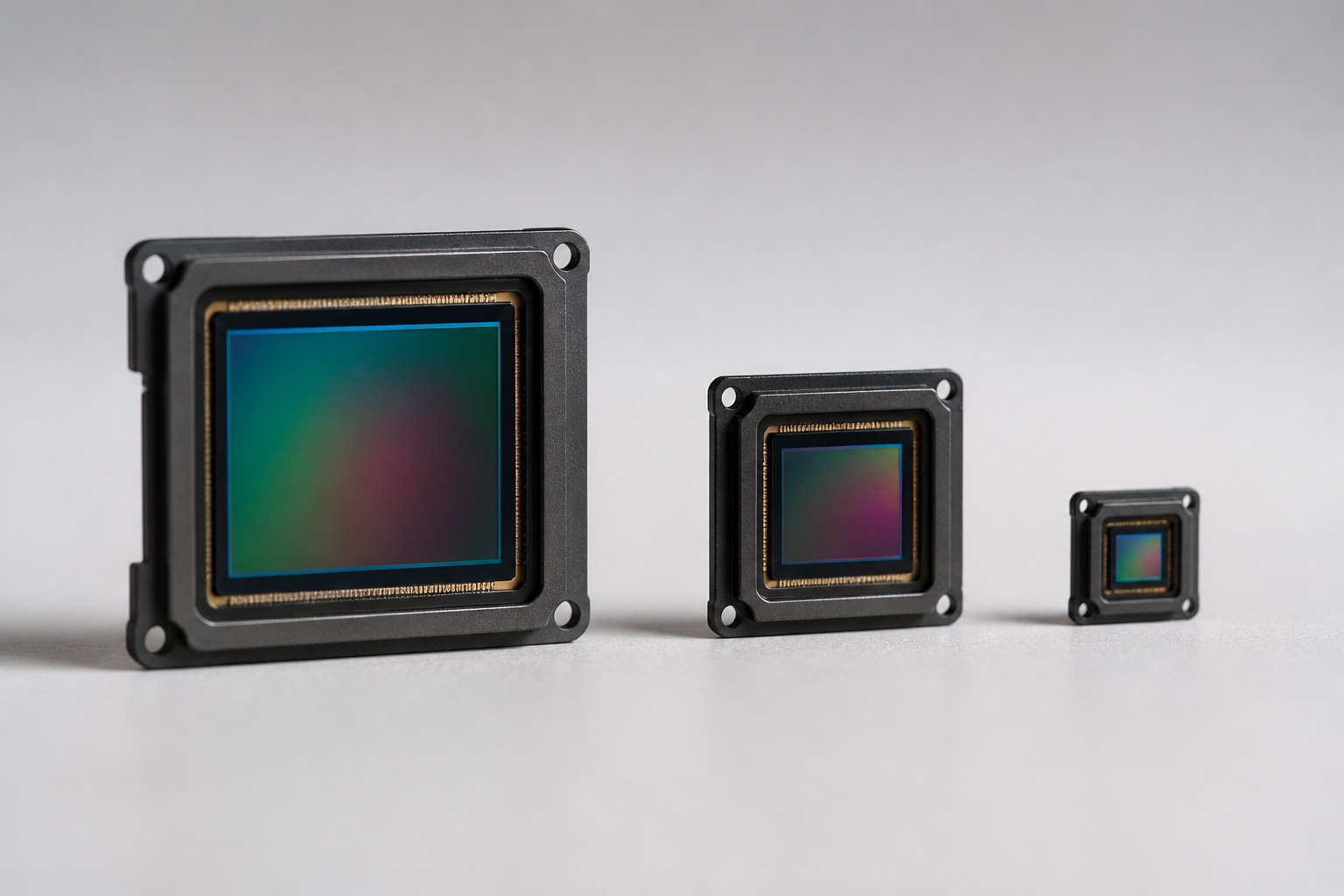
Sensor size affects image quality, lens size, and price. A larger sensor collects more light, which generally helps in dim scenes and gives a shallower depth of field. It also means larger, heavier lenses.
| Format | Approximate size | Crop factor | Typical use |
|---|---|---|---|
| Full frame | About 36 x 24 mm | 1.0 | Low light, shallow depth of field, professional work |
| APS-C | About 22 to 24 x 15 mm | About 1.5 to 1.6 | Enthusiasts, travel, vlogging, sports |
| Micro Four Thirds | 17.3 x 13 mm | 2.0 | Compact kits, video, travel |
| 1-inch type | 13.2 x 8.8 mm | About 2.7 | Compact cameras |
Crop factor describes how much narrower the field of view is compared with full frame at the same focal length. A 50 mm lens on an APS-C camera frames like a lens of about 75 to 80 mm on full frame. That helps with telephoto reach, but makes it harder to go very wide.
Bigger is not always better for you. A smaller sensor with a compact kit can be the camera you carry every day, while a heavy full-frame setup stays at home.
Recommended Products
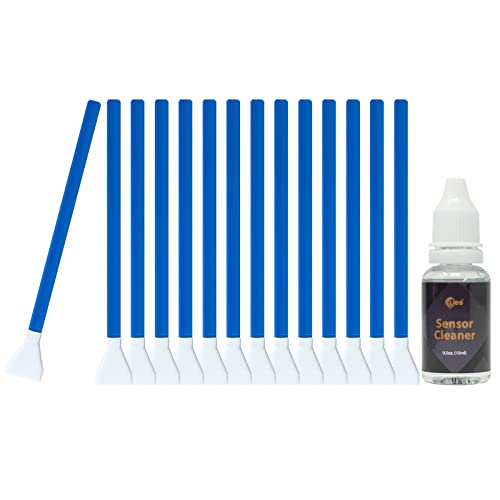
16MM APS-C SENSOR CLEANING KIT: Includes 14 ultra-soft, microfiber 16mm sensor swabs and a 15ml bottle of liquid camera sensor cleaner. Specifically engineered to perfectly fit the width of APS-C sensors for a seamless, one-swipe edge-to-edge clean.
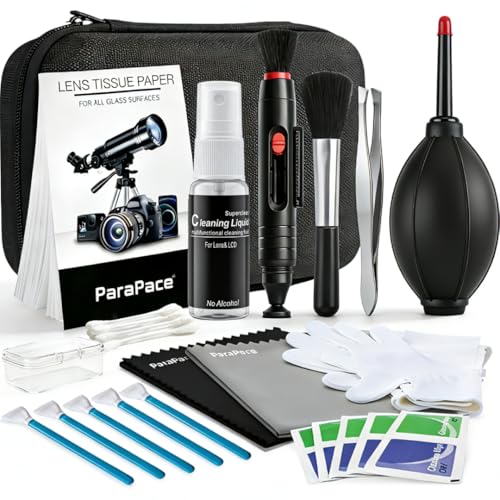
ULTIMATE 28-PIECE VALUE KIT: Stop buying separate tools! This comprehensive set covers every daily maintenance need: 16mm Sensor Swabs, Alcohol-Free Solution, Air Blower, and Carbon Pen. Compatible with Canon (EOS R50/R6), Sony (Alpha A7IV/ZV-E10), Nikon (Z fc), and Fujifilm. Perfect for beginners seeking a pro-level clean on a budget.
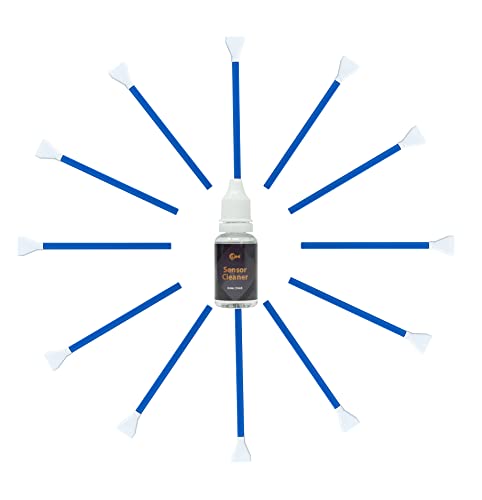
Professional APS-C Camera Sensor Cleaning Kit includes 12 individually vacuum-packed 16mm swabs and 15ml ultra-pure cleaner for safe, streak-free sensor maintenance.
Lens Mounts and Ecosystems
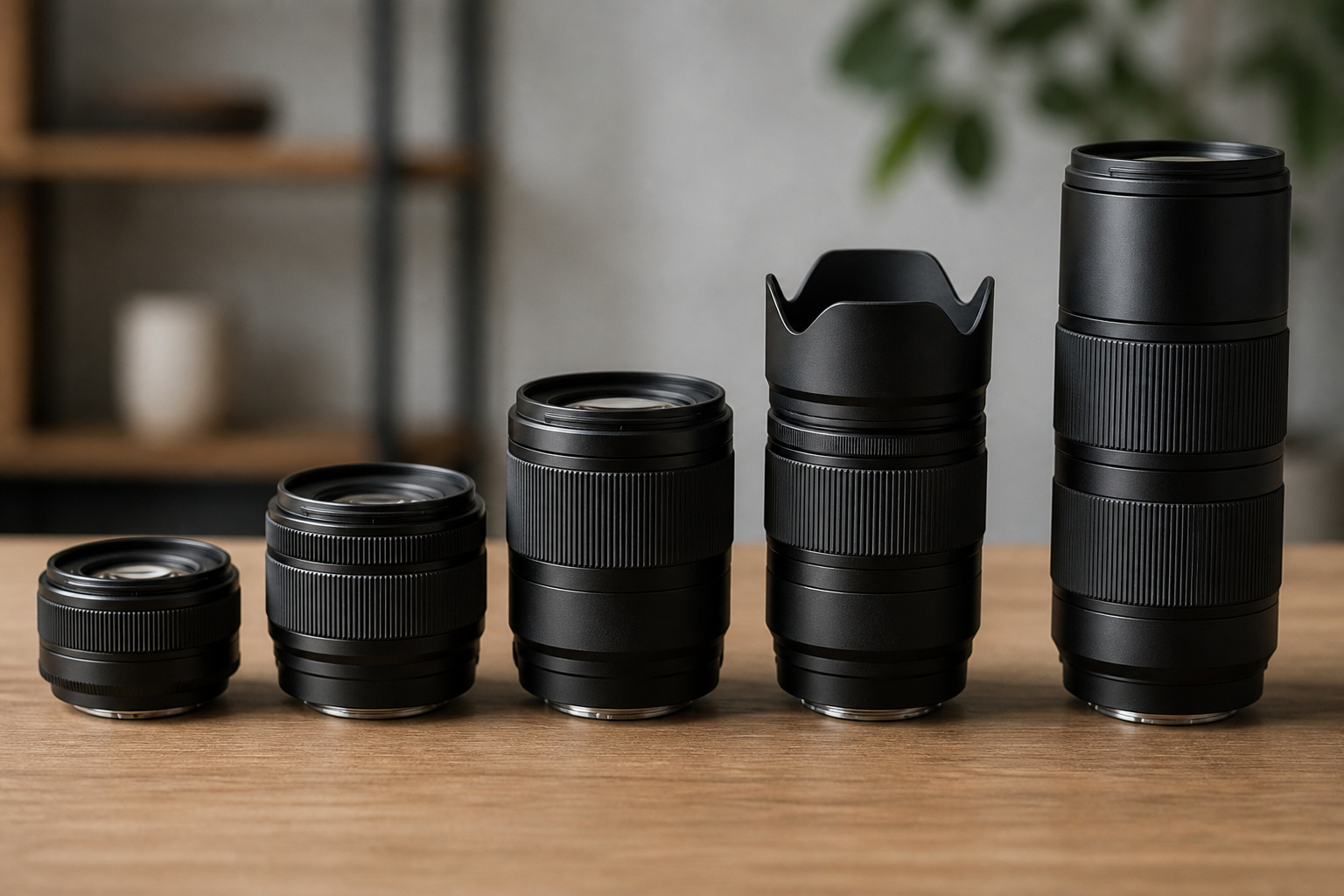
The mount is the connection between the body and the lens, and it locks you into a brand’s lens range. For many people, it is a bigger decision than the camera body, since lenses often outlast bodies.
| Mount | Made by | Sensor sizes | Notes |
|---|---|---|---|
| Sony E | Sony | Full frame and APS-C | Large ecosystem, many third-party lenses |
| Canon RF and RF-S | Canon | Full frame and APS-C | Third-party support has been limited and is changing |
| Nikon Z and Z DX | Nikon | Full frame and APS-C | Third-party support is opening up |
| Fujifilm X | Fujifilm | APS-C only | Sigma, Tamron, and Viltrox make X lenses |
| Micro Four Thirds | Panasonic and OM System | Micro Four Thirds | Shared mount, many third-party lenses |
| L-Mount | Leica, Panasonic, Sigma | Mostly full frame | Lenses from the alliance work across brands |
PhotoWorkout’s 2026 mount guide describes third-party licensing as changing quickly, especially for Canon RF and Nikon Z, so check current lens availability for the mount you are considering. Look at the lenses you want, such as a portrait prime or a telephoto zoom, and check that they exist for the mount and at a price you accept.
Adapters can help if you already own lenses. The short distance between the lens and sensor on mirrorless bodies allows adapters for older DSLR and legacy lenses. Native-brand adapters generally keep autofocus, while basic or third-party adapters may lose autofocus or aperture control. Adapting works only one way, since mirrorless lenses do not fit DSLRs.
Recommended Products

【Compatibility】Compatible with Canon EF/EF-S lenses to Canon EOS R RP R5 R6 R7 R10 Mirrorless Digital Camera

Standard mount adapter allows EF/EF-S Lens compatibility with the EOS R camera system, including the EOS R, EOS RP, EOS R5, and EOS R6

Mounts C-mount CCTV/ Cine lenses to Fuji x-mount Mirrorless cameras
Autofocus and Subject Tracking

Mirrorless autofocus uses the image sensor itself, so there is no separate focus module to calibrate. Modern systems recognize faces and eyes, and many also recognize animals and vehicles, then follow them across the frame.
A bigger number of autofocus points does not guarantee better results. What matters is how well the camera tracks your subject in your kind of shooting, such as kids, pets, sports, or birds. Read reviews that test tracking, and check how well it works in low light.
Image Stabilization: In-Body and In-Lens

In-body image stabilization (IBIS) moves the sensor to cancel out shake, so it works with any lens, including adapted lenses. In-lens stabilization is built into the lens and can be tuned to that lens. Some camera and lens combinations work together for extra stabilization.
Stabilization helps most with handheld video, slow shutter speeds, and telephoto lenses. It does not stop motion blur from a moving subject, so a fast shutter speed still matters for action. Manufacturers rate stabilization in stops, but those ratings use ideal test conditions, so expect less in real use.
Video Features and Heat
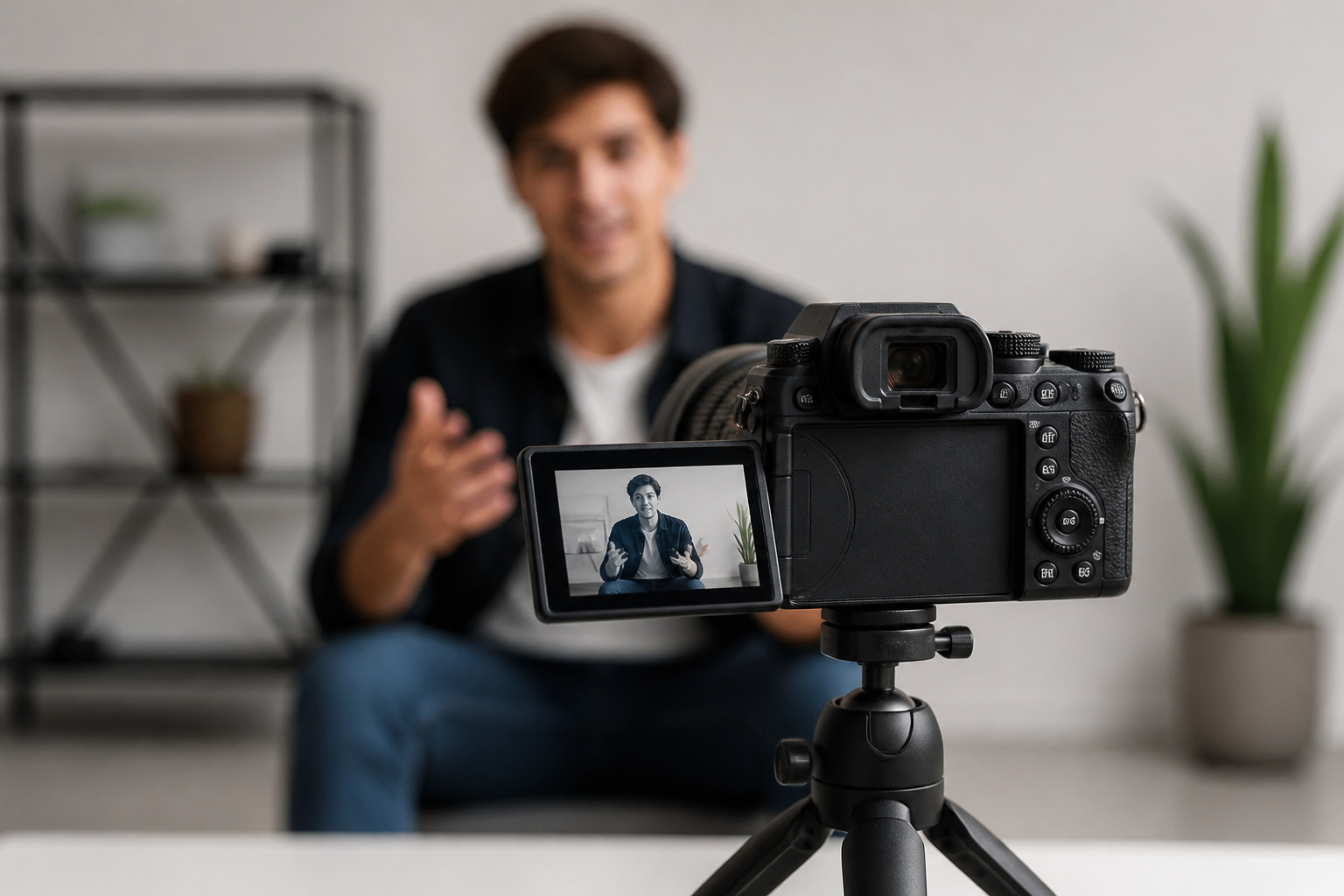
Many mirrorless cameras shoot 4K video, and some offer higher resolutions, higher frame rates, and flat color profiles for editing. If video matters to you, check the details that spec sheets hide: recording time limits, how the camera handles heat, whether 4K at 60 frames per second is cropped, and what audio inputs it has.
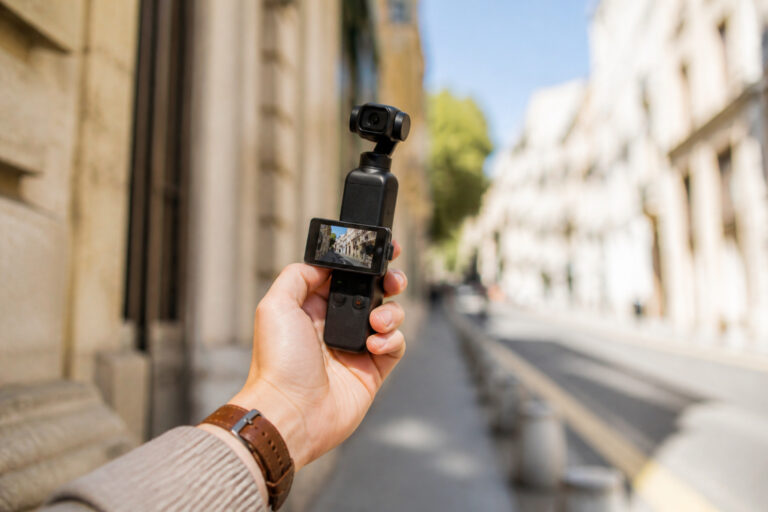
Look for a flip-out screen if you film yourself, a microphone input, and a headphone jack if you want to monitor sound. Heat limits and rolling shutter in fast pans vary by model, so read reviews that test long recordings. For a small gimbal camera made for video, see our guide to pocket gimbal cameras.
Shutters, Burst Speed, and Silent Shooting

Nearly all mirrorless cameras have a mechanical shutter, and many also offer an electronic shutter that allows completely silent shooting. Electronic shutters can cause distortion with fast-moving subjects or flicker under some artificial lights, which is why many cameras offer both.
Wikipedia notes that Sony’s a9 III, released in November 2023, was described as the first modern mirrorless camera with a global shutter, which reads all pixels at once for distortion-free motion capture. Most buyers do not need that, but it shows where the technology is heading. For sports and wildlife, look at burst speed with autofocus on, not just the headline number.
Battery Life and Ergonomics
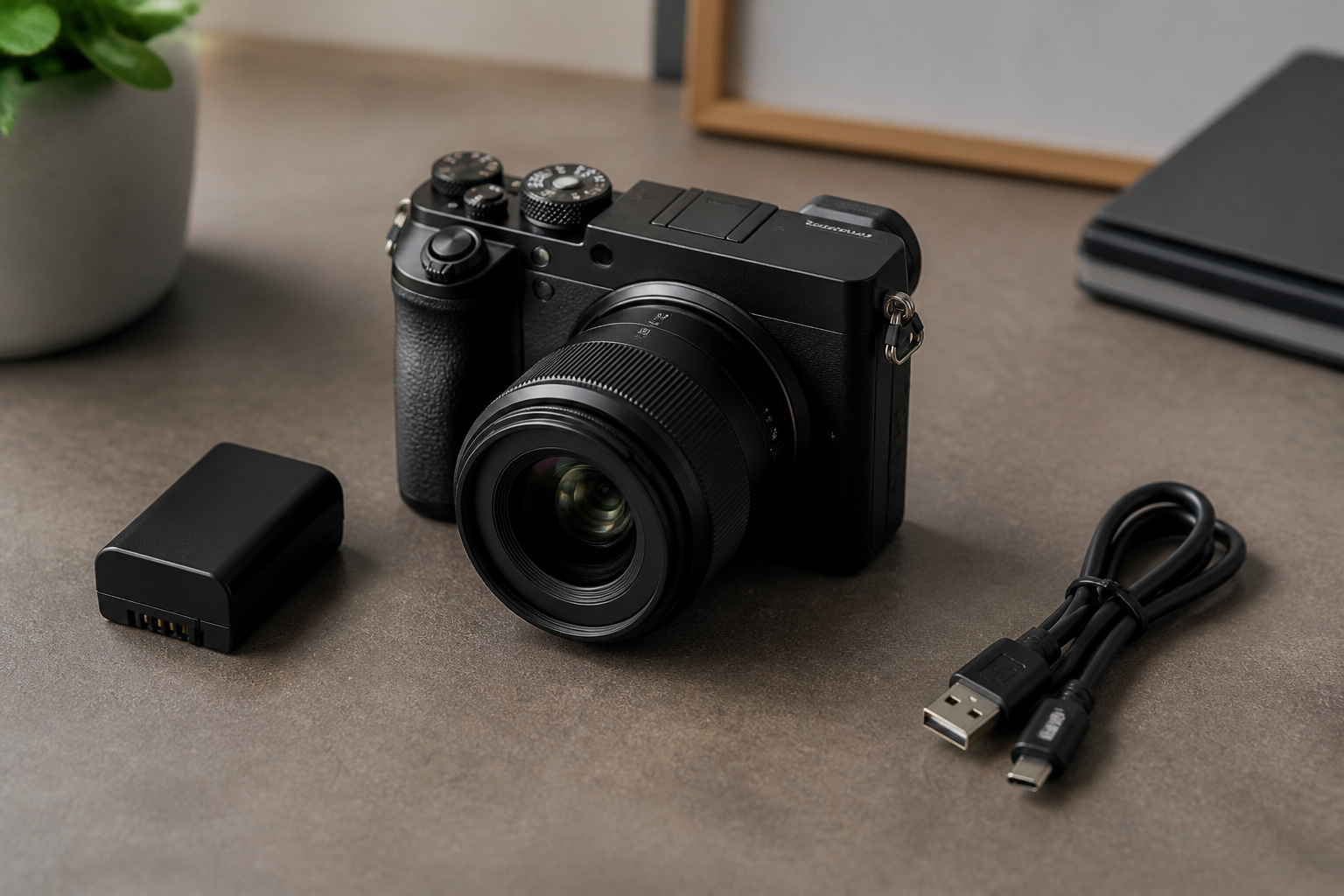
Mirrorless cameras generally use more battery than DSLRs because the sensor and screen stay on. Manufacturers quote battery life using a standard shot count, which reflects ideal conditions, so real numbers are usually different. Plan to carry a spare battery, and check whether the camera can charge over USB.
Ergonomics matter more than most spec sheets suggest. A small body is easy to carry but can feel cramped with a large lens. Try to hold the camera in a store, and check grip size, button placement, and whether the menus make sense to you.
Examples From the Cameras We Have Covered
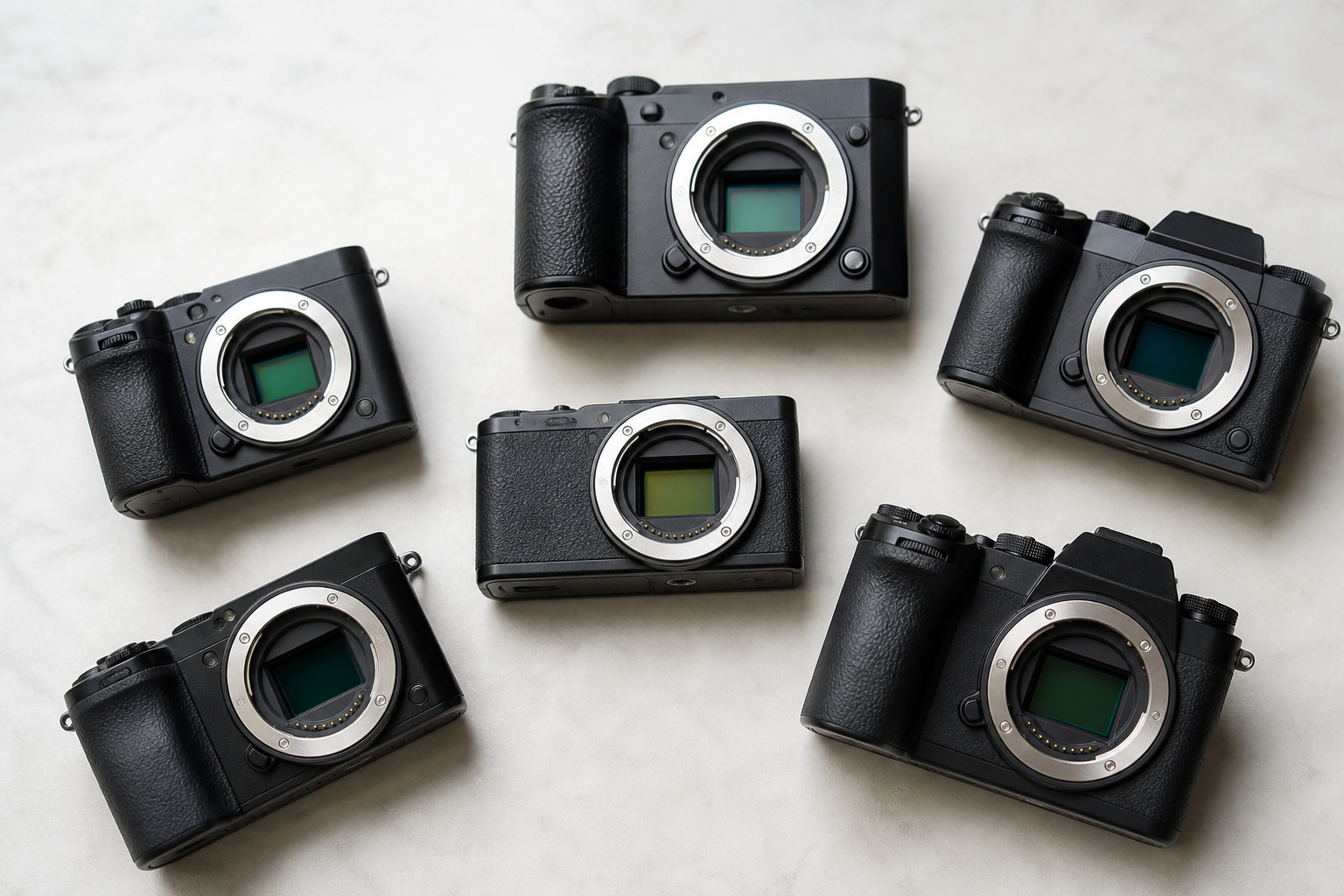
These cameras appeared in our earlier mirrorless posts. Sensor and mount details come from the manufacturers’ general lineups, so confirm them on the maker’s site. They show how the choices above play out in real products. Models are replaced often, so check what is currently sold and compare the exact kit.
| Camera | Sensor | Mount | Typical buyer |
|---|---|---|---|
| Canon EOS R100 and R50 | APS-C | Canon RF-S | Beginners moving up from a phone |
| Canon EOS R7 | APS-C | Canon RF-S | Enthusiasts who want speed and autofocus |
| Canon EOS R6 Mark II | Full frame | Canon RF | Enthusiasts and professionals |
| Sony a6100 and a6400 | APS-C | Sony E | Travel, family, and general use |
| Sony ZV-E10 | APS-C | Sony E | Vloggers and video creators |
| Sony a7 III | Full frame | Sony E | Enthusiasts who want full frame |
| Panasonic Lumix G95D | Micro Four Thirds | Micro Four Thirds | Compact kits with video features |
| Fujifilm X-T4 and X-H2 | APS-C | Fujifilm X | Photographers who like film simulations and manual controls |
| Nikon Z6 II | Full frame | Nikon Z | Enthusiasts who want a well-built full-frame body |
Which Type of Mirrorless Camera Fits You
- First interchangeable-lens camera: An entry-level APS-C body with a kit zoom, in a mount with a good lens future.
- Travel and everyday carry: A compact APS-C or Micro Four Thirds body with a small zoom or prime.
- Vlogging and video: A model with a flip-out screen, a microphone input, good stabilization, and a clear recording-time policy.
- Sports and wildlife: A body with reliable subject tracking, fast burst shooting, and access to telephoto lenses.
- Portraits and low light: A full-frame body or an APS-C body with a fast prime lens.
- Switching from a DSLR: A mirrorless body from your current brand, plus the right adapter for your lenses.
Recommended Products

Professional Camera Lens Cleaning Kit Includes: air blowing * 1, two in one cleaning pen * 1, brush * 1, beauty brush * 1, cleaning cloth * 5, lens paper * 20, cleaning rod * 4, detergent * 1, dry and wet bag *5, tweezers *1, storage box *1, cotton swab *5, instruction manual*1

Everything You Need, Nothing Missing: Unlike swabs-only kits that leave you buying each tool separately, the Altura Photo Camera Cleaning Kit includes everything in one hard-shell carrying case - 6 individually wrapped, vacuum-sealed, lint-free factory-sealed 16mm full-frame dry sensor swabs, Altura Photo All-Natural 2oz cleaning solution, air blower, lens cleaning pen, lens brush, 50 sheets of tissue lens paper, and MagicFiber microfiber cloths. One kit, every tool you need, always organized and protected.

1650mm Focal Length (2475mm Equivalent)
Frequently Asked Questions
Is a Mirrorless Camera Better Than a DSLR?
For most new buyers, yes, since new lenses and features are focused on mirrorless systems. A DSLR still works well, and some photographers prefer the optical viewfinder and battery life. If you already own DSLR lenses, an adapter and a mirrorless body from the same brand can be a good path.
Do I Need a Full-Frame Camera?
Not necessarily. Full frame helps in low light and gives a shallower depth of field, but APS-C and Micro Four Thirds bodies are smaller, lighter, and usually cheaper, along with their lenses. Choose full frame if you often shoot in dim light or want the most background blur.
Can I Use My Old DSLR Lenses on a Mirrorless Camera?
Often, yes. Adapters let many DSLR lenses fit mirrorless bodies, and native-brand adapters generally keep autofocus. Check compatibility for your exact lens and camera, since some adapters lose autofocus or aperture control.
Do Mirrorless Cameras Have Worse Battery Life?
Usually, yes. The sensor and electronic viewfinder or screen are always running, so most mirrorless cameras get fewer shots per charge than a DSLR. A spare battery or USB charging helps, and the difference matters most for long events and travel.
Which Lens Mount Should I Choose?
Choose the mount that has the lenses you want at a price you accept. Sony E and Micro Four Thirds have wide third-party support, while Canon RF and Nikon Z third-party support is changing. Check the current lens lineup before you commit, since lenses often cost more over time than the body.
Closing Thoughts
A good mirrorless camera is the one that fits how you shoot, how much you want to carry, and which lenses you can afford. Start with your subjects and your budget, then choose a sensor size and a mount, and only then compare models. Check current camera lines and prices before you buy, because mirrorless models are replaced quickly. If you want a different kind of camera, our guides to action cameras and instant cameras cover two other approaches.