You’ve heard the claim: bigger watts always mean better sound. But that’s not the full story. Power matters, yes, like the Skar Audio RP-1200.1D’s 1,200 watts roaring with control.
Clean delivery, heat handling, and smart design matter just as much.
Imagine deep bass that doesn’t distort, or crisp highs that stay clear at full volume. The right amp makes it happen.
And in 2026, these five don’t just promise performance—they deliver it, every time the beat drops.
Quick Overview
- Skar Audio RP-1200.1D delivers 1,200W RMS at 1Ω with Class D efficiency for powerful, clean bass.
- BOSS R1100M offers 1,100W max output, stable at 2–8Ω, with built-in protection and flexible input options.
- BOSS R1100MK provides 1,100W at 2Ω with Class A/B clarity and includes a full wiring kit for easy installation.
- Orion Cobalt CBA2000.4 gives 80W RMS per channel, Class A/B sound, and a compact design for space-limited setups.
- ZE1000.1 outputs 1,000W RMS at 1Ω with Class D efficiency, thermal protection, and a compact, durable build.
| Skar Audio RP-1200.1D Monoblock Amplifier |  | Best Overall | Amplifier Class: Class D | RMS Power at 1Ω: 1,200 Watts | Stable Impedance: 1-ohm stable | VIEW LATEST PRICE | Read Our Analysis |
| BOSS R1100M Monoblock Car Amplifier |  | Budget-Friendly Pick | Amplifier Class: Class A/B | RMS Power at 1Ω: Not specified | Stable Impedance: 2–8 Ohm stable | VIEW LATEST PRICE | Read Our Analysis |
| BOSS Audio R1100MK Monoblock Amp (1100W) |  | Best Value | Amplifier Class: Class A/B | RMS Power at 1Ω: Not specified | Stable Impedance: 2–8 Ohm stable | VIEW LATEST PRICE | Read Our Analysis |
| Orion Cobalt CBA2000.4 4-Channel Car Amp |  | Top-Rated Multichannel | Amplifier Class: Class A/B | RMS Power at 1Ω: Not applicable (4-channel) | Stable Impedance: 2/4 Ohm stable | VIEW LATEST PRICE | Read Our Analysis |
| ZE1000.1 2000W Monoblock Car Audio Amplifier | 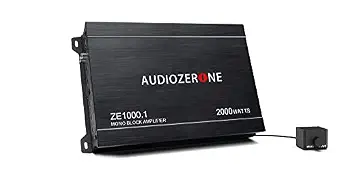 | High-Power Performance | Amplifier Class: Class D | RMS Power at 1Ω: 1,000 Watts | Stable Impedance: 1-ohm stable | VIEW LATEST PRICE | Read Our Analysis |
More Details on Our Top Picks
Skar Audio RP-1200.1D Monoblock Amplifier
Looking for serious bass without breaking the bank? The Skar Audio RP-1200.1D delivers. You get 1,200 watts RMS at 1 ohm, plenty for one monster sub or two solid 600W subs. It’s stable at 1 ohm, so your system stays strong.
Class D efficiency means less heat and more power. The oversized heatsink keeps things cool, even when you crank it. Adjust the low-pass and subsonic filters to fine-tune your sound. Boost lows by up to 12dB at 45Hz.
Use the remote bass knob to tweak volume from your seat. It’s rugged, protected, and built to last.
- Amplifier Class:Class D
- RMS Power at 1Ω:1,200 Watts
- Stable Impedance:1-ohm stable
- MOSFET Power Supply:Yes
- Low-Pass Crossover:Adjustable
- Protection Circuits:4-way (short, overheat, low voltage, overload)
- Additional Feature:4-gauge power terminals
- Additional Feature:Bass EQ switch +12dB
- Additional Feature:Remote subwoofer level control
BOSS R1100M Monoblock Car Amplifier
You want deep, thunderous bass that hits hard and stays clean, the BOSS R1100M Monoblock Car Amplifier delivers just that, making it a top pick for bass lovers on a budget. It pumps out 1100 watts max at 2 ohms, powering your sub with ease.
You’ll tweak the low pass crossover, adjust input sensitivity, and dial in the bass boost for punch. It runs cool, stable from 2 to 8 ohms. Lights glow. Protection circuits guard against heat, shorts, and overload.
Install it clean—RCA or speaker-level inputs work. Remote control lets you adjust from your seat. Solid. Loud. Precise. Built to last.
- Amplifier Class:Class A/B
- RMS Power at 1Ω:Not specified
- Stable Impedance:2–8 Ohm stable
- MOSFET Power Supply:Yes
- Low-Pass Crossover:Yes
- Protection Circuits:Thermal/short/overload
- Additional Feature:Illuminated logo display
- Additional Feature:RCA and speaker-level inputs
- Additional Feature:6-year platinum warranty
BOSS Audio R1100MK Monoblock Amp (1100W)
Need serious punch without draining your wallet? Meet the BOSS Audio R1100MK. It delivers 1100 watts at 2Ω, plenty for deep, hard-hitting bass. Class A/B design means clean power and efficient performance. MOSFET supply guarantees steady voltage and zero lag.
You get crisp response and zero distortion—just pure low-end thunder. Tune it your way: adjust the low-pass crossover, flip on the bass boost. Hook it up fast with high- or low-level inputs. It handles 2–8 ohms, stays cool, and runs clean.
At under 4.5 pounds, it’s light but tough. Plus, the included wiring kit? Everything you need—power, ground, RCA, fuses, and terminals. Install it right, sound amazing tonight.
- Amplifier Class:Class A/B
- RMS Power at 1Ω:Not specified
- Stable Impedance:2–8 Ohm stable
- MOSFET Power Supply:Yes
- Low-Pass Crossover:Variable
- Protection Circuits:Thermal/short/overload
- Additional Feature:Includes full wiring kit
- Additional Feature:THD 0.01% ultra-low distortion
- Additional Feature:High/low level inputs
Orion Cobalt CBA2000.4 4-Channel Car Amp
The Orion Cobalt CBA2000.4 hits hard like a drumbeat in a bassline, clean, strong, and impossible to ignore. You want power? It delivers 80 watts RMS per channel at 2 ohms. Feel the deep bass boost, hear the crisp highs.
Its Class A/B design keeps sound clear, even when cranked. You’ll hook up speakers easily—RCA or high-level inputs work. Adjust crossovers, lock in your sound. It’s 2/4 ohm stable, so you’ve got wiring flexibility.
At 11 by 7 inches, it fits tight spaces. Lightweight, tough build. Runs cool, protected by circuits that guard against overload. You get clean volume, low distortion. Plug in, tune up, and let the music move.
- Amplifier Class:Class A/B
- RMS Power at 1Ω:Not applicable (4-channel)
- Stable Impedance:2/4 Ohm stable
- MOSFET Power Supply:Yes
- Low-Pass Crossover:Yes
- Protection Circuits:2-Way protection
- Additional Feature:80W × 4 RMS at 2Ω
- Additional Feature:High-pass and low-pass filters
- Additional Feature:2000W peak power output
ZE1000.1 2000W Monoblock Car Audio Amplifier
Built like a tank and hungry for bass, the ZE1000.1 2000W Monoblock Car Audio Amplifier powers through silence like a sledgehammer breaking concrete. You want deep, chest-thumping lows? This amp delivers.
Its Class D design runs cool and efficient, saving energy instead of wasting it as heat. At 1000W RMS into 1Ω, it handles tough loads with ease. The low pass crossover sharpens your sub’s tone.
Compact at 11” long and just 6.6 lbs, it fits tight spaces. Thermal, overload, and short circuit protection keep things safe. You’ll feel every beat—clean, strong, and in control.
- Amplifier Class:Class D
- RMS Power at 1Ω:1,000 Watts
- Stable Impedance:1-ohm stable
- MOSFET Power Supply:Yes
- Low-Pass Crossover:Yes
- Protection Circuits:Thermal, overload, short circuit
- Additional Feature:1000W RMS at 1Ω
- Additional Feature:Compact, lightweight design
- Additional Feature:Energy-storing Class D tech
Factors to Consider When Choosing Car Amplifiers
You need the right power for your speakers, so check the amplifier’s output before you buy. Class D amps give you strong, efficient sound in a small box.
Multi-channel options let you run speakers and subs your way. Match the impedance, watch the signal-to-noise ratio, and you’ll hear clean, punchy music every time.
Power Output Requirements
What makes your bass hit hard without blowing out speakers? Matching amplifier power to your subwoofer’s RMS rating. Don’t guess—get it right. Too little power strains the amp; too much fries the voice coil. Aim for balance.
Monoblock amps deliver serious punch, especially at 1 ohm, where they push maximum clean watts. You want that deep, chest-thumping bass? Then check stability. A 1-ohm stable amp handles tough loads without overheating. Ignore peak power—it’s flashy but fake.
RMS is real, sustained, trustworthy. Class D amps are efficient, powerful, and perfect for subs, giving more boom per battery volt. Wire your system right, match impedance, and let the amp breathe. Crank it. Feel the difference. Clean. Loud. Safe. That’s how you win on the low end.
Amplifier Class Types
Matching your amp’s power to your sub’s needs sets the foundation. Now it’s time to choose the right kind of amplifier to deliver that power. You’ve got options, and each shapes sound and efficiency differently.
Class D amps switch fast, waste little energy, and run cool. They are perfect for tight spaces and high-output subs. They’re light, small, and often over 90% efficient. Think monoblock sub amps in compact enclosures.
Class A/B blends warmth with balance. It’s smoother at low volumes, with less crossover distortion, but runs hotter and needs big heat sinks. Efficiency is around 50–70%. It’s a trade-off: richer tone versus space and heat.
In cars, Class D dominates for raw power and size. But if you crave analog warmth and don’t mind the heat, Class A/B still sings. Pick based on your priorities: space, efficiency, or sonic flavor. Your ride, your rules.
Channel Configuration Options
How do you want your sound to flow through the car?
Choose a monoblock amp if you crave deep, powerful bass. It is perfect for one sub, especially at 1-ohm loads.
Need more flexibility? A two-channel amp drives two speakers or bridges into one strong mono signal for a single sub.
Four-channel amps are ideal. They power front and rear speakers cleanly, handling 2-ohm or 4-ohm loads with ease. You can even fine-tune each channel. Set high-pass filters for the front speakers and low-pass for the rear, if your amp allows.
Think about power, too. Fewer speakers per channel often means more punch. Match the amp’s channels to your setup: subs, full-range speakers, or both. Balance need, space, and wiring. Pick smart.
Let your music move freely, front to back, low to high. Your ride, your rhythm. Make it count.
Impedance Compatibility Range
When your music hits, the beat should never quit, so make sure your amp can handle the load. Match your amplifier’s impedance range to your sub’s rating.
If your sub runs at 1 ohm, grab a 1-ohm stable amp. It’ll push more power safely, without overheating.
Need to wire multiple subs? A 2–8 ohm compatible amp gives you room to connect speakers in series or parallel. Flexibility matters.
Low impedance means high current. Your power supply and wiring must keep up. Thin wires overheat. Big beats need thick cables.
Running an amp too low? It’ll shut down, distort, or die. Stay in range. Protect your gear.
Smooth bass flows when impedance lines up. Power transfers clean. Efficiency climbs. Your system lasts.
Pick smart. Play loud. Let the rhythm ride right. From source to speaker, keep the chain solid.
Signal Quality Metrics
What makes your music sound true? Signal quality. Keep distortion low, aim under 0.1% THD, for clean, pure notes. You want every beat crisp, not muddy.
High SNR, like 90 dB or more, drowns out hiss and hum, lifting vocals and instruments above silence. Hear the whisper in a song? That’s signal integrity. Frequency response matters too: 10 Hz to 50 kHz covers deep bass thumps and sparkling highs. Your ears catch every detail.
A damping factor over 100 tightens bass, stops speaker wobble, and keeps rhythms sharp. Think punchy kick drums, not flabby booms. Together, low THD, high SNR, wide frequency range, and strong damping deliver clarity. You’re not just hearing sound—you’re feeling it. Precision. Power. Purity. That’s how music moves.
Heat Management Systems
You’ve felt how a clean signal keeps music honest, tight bass, clear vocals, every note where it should be. Now keep that power cool.
Look for amplifiers with big heatsinks. They pull heat away fast. Class D amps run cooler than Class A/B, so they need less cooling. Smart pick. High-speed thermal materials move heat like lightning.
Good PCB layout spreads warmth evenly. It stops hotspots before they start. You want a surface-mount design. It sticks tight to metal and dumps heat quickly.
Ventilation is critical. Airflow around the unit keeps temps safe. And don’t skip 4-way protection. If things get too hot, thermal shutdown kicks in and saves the amp.
You stay loud, long-term. Trust the tech. Let heat escape. Let music breathe. Solid cooling means solid sound, gig after gig. Stay cool. Play loud.
Input Connectivity Choices
How do you make any stereo sing through your new amp? Match the inputs. Your amplifier must speak the same language as your head unit. If you’ve got an aftermarket deck with RCA preamp outputs, use low-level inputs, clean, quiet, and crisp.
No RCA jacks? No problem. Tap into speaker wires with high-level inputs. They grab the signal straight from your factory radio. Inside, circuitry steps down the power so nothing gets overloaded.
Always set input sensitivity to match signal strength. Too high brings distortion. Too low loses detail. Think of it like tuning a drum: tight, balanced, ready.
RCA for clean feeds, speaker-level for factory fixes. Either way, you’re in control. Connect right, dial in smart, and let your music drive.
Frequently Asked Questions
Can I Install a Car Amplifier Myself?
Yes, you can install a car amplifier yourself. Grab your tools, stay calm, and follow each step. Run the power wire from the battery. Snake the ground to bare metal. Plug in the RCA cables.
Connect speaker wires tightly and securely. Double-check connections. Power it up. Hear that clean, deep sound? That’s your work singing. You’ve got this, confident, careful, and clear.
Do Amplifiers Drain the Car Battery?
Yes, amplifiers can drain your car battery, but only if you let them run wild like a horse without reins. Turn your amp off when the engine’s off.
Modern amps sip power wisely. Still, a bad install is a silent thief. Use proper wiring. Match your battery’s strength to your amp’s hunger. Park smart. Your battery’s not fragile, but respect it.
Will an Amp Improve Factory Speakers?
Yes, an amp will improve your factory speakers. You’ll hear deeper bass, clearer highs, and richer mids. Music flows smoother, louder, and more balanced.
Your speakers work better with strong, clean power. Weak signals vanish. Every beat hits harder. Vocals pop. Drums snap.
Even at high volumes, distortion fades. You’ll notice details you’ve never heard before. An amp wakes up your sound. Turn it on, feel the difference fast.
How Do I Match Amp Power to Speakers?
Match your amp’s power to your speakers by checking their wattage range. Never exceed the max. Push too hard? You’ll blow them. Aim for clean power near their sweet spot.
See 50 watts per speaker? Give it 40–50 clean watts. Smooth. Balanced. Hear the difference? Crank it, but stay safe. Let the bass thump, mids sing, highs shimmer, without smoke.
Power right, sound right.
Are Mono Amps Better Than Multi-Channel?
No, mono amps aren’t always better. Choose based on your setup.
Need deep, clean bass? Run a mono amp to your subwoofer. Want crisp doors and deck sounds? Use a multi-channel amp.
Mono amps focus power, perfect for one job. Multi-channel amps give you control, powering speakers and subs separately. Match the amp type to your goal. You’ve got options—use them wisely.