Ever wonder how you can charge your car as fast as filling a gas tank? You can, thanks to fast charging. It pumps energy into your electric car quickly, cutting wait time. No more sitting around for hours. You plug in, power surges, and you’re back on the road.
How Fast Charging Actually Works
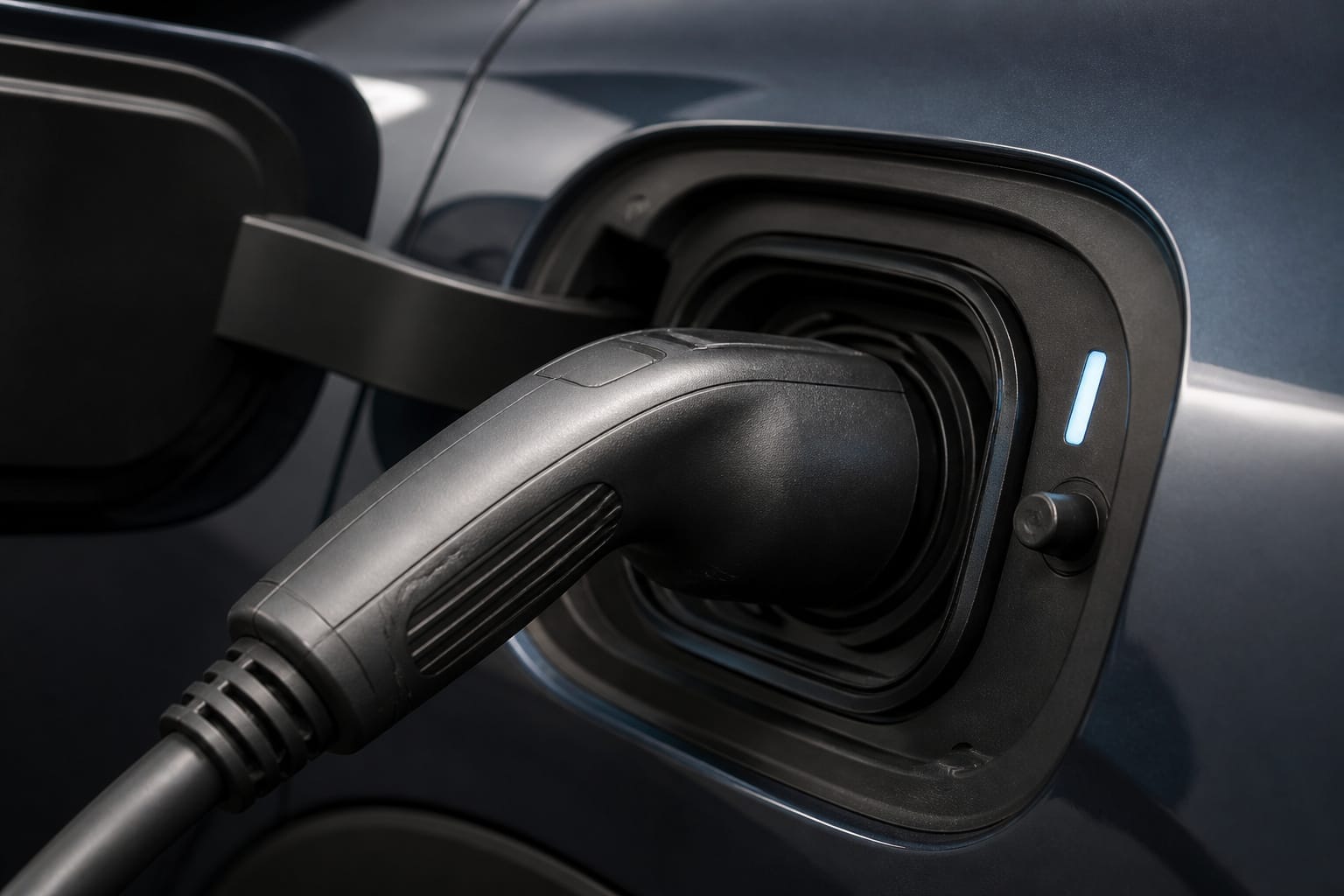
Fast charging works by providing more electricity than a regular outlet. Think of it like a firehose compared to a garden hose. More juice flows in less time. Your car’s battery fills faster, but only if both the car and charger support it.
You’ve probably seen terms like PD and QC. They stand for Power Delivery and Quick Charge. These aren’t just fancy labels. They’re real tech standards that control how fast your devices charge. PD is common in newer electric cars and high-end gadgets, and it’s also the standard behind most modern USB-C car chargers. It’s smart. It talks to your car and adjusts power to match what the battery needs. Too much power can hurt the battery. PD avoids that. It delivers just the right amount, safely and efficiently, often reaching 50% charge in around 30 minutes on a compatible setup. You get speed without damage.
Products Worth Considering

130W High-Power Output: Delivers blazing-fast charging with a total output of 130W, ensuring quick power delivery for your devices, even on the road

High-Power 130W Output: Charge multiple devices at top speed with a total of 130W output—powerful enough for MacBook, iPad, Galaxy, iPhone, Steam Deck, Switch, and more. Perfect for road trips and daily use

67W 3-Port Super Fast Car Charger: Total 67 Watt USB C car charger Support PD 37W Max (USB C) and QC 30W Max (USB-A) output, can fast Charge for Most USB-A and USBC Devices Simultaneously. One car charger for all your USB A & USBC devices, your ideal travel companion
PD vs. QC: Two Different Jobs
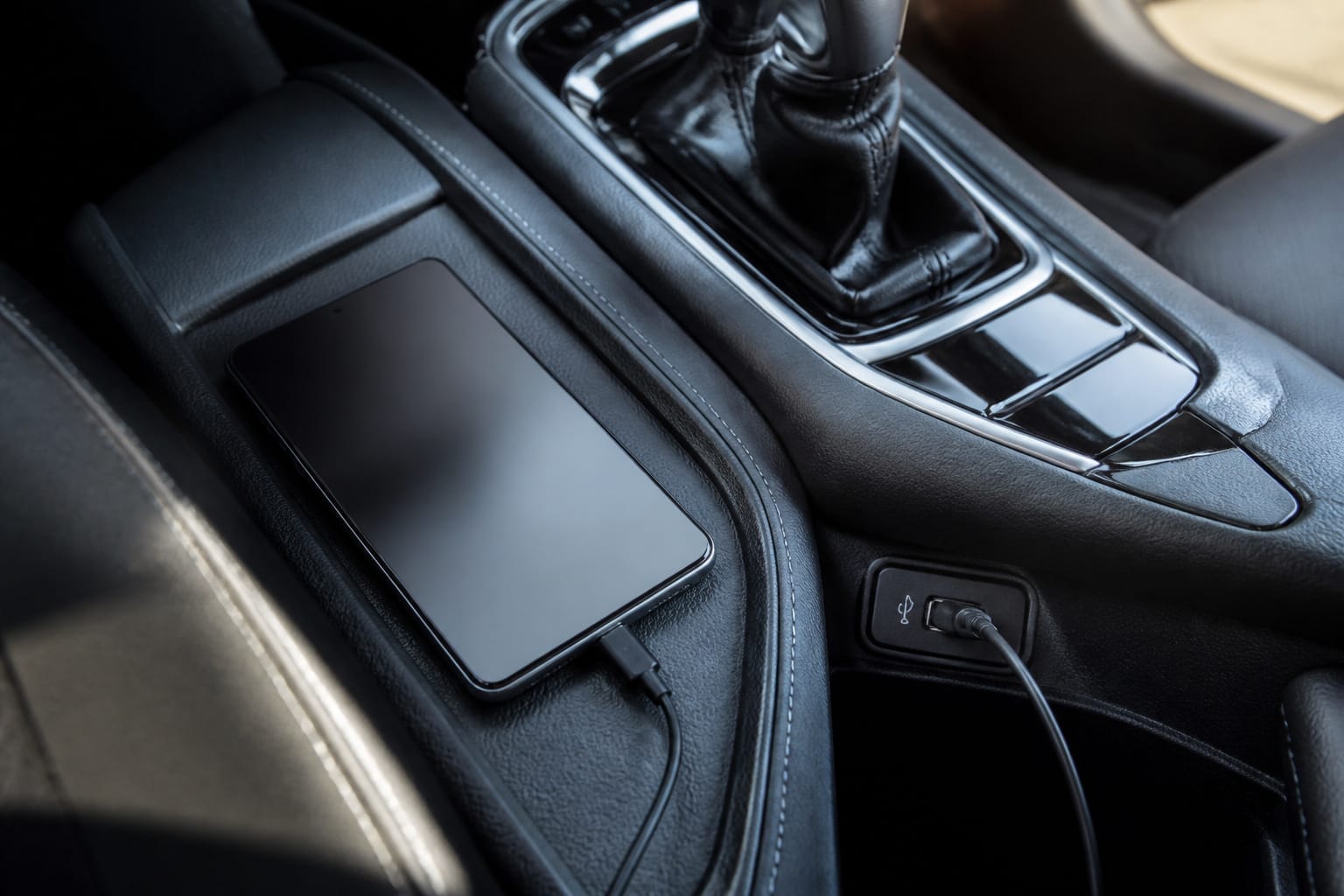
QC, or Quick Charge, started in phones but now helps power some car systems. It’s not usually for the main battery. Instead, it charges your phone or tablet inside the car. Your car’s USB port might use QC. That means your phone hits 50 percent in about 15 minutes. You plug in, and boom; fast power. But QC doesn’t charge the car itself. It’s for your gadgets. Don’t confuse it with the big charging stations you see at rest stops.
True fast charging for your car happens at public stations. They use high-voltage systems. Some push 50 kilowatts. Others go way higher, 150, even 350 kilowatts. At 350 kW, you can add 200 miles of range in 15 minutes. That’s close to a gas fill-up.
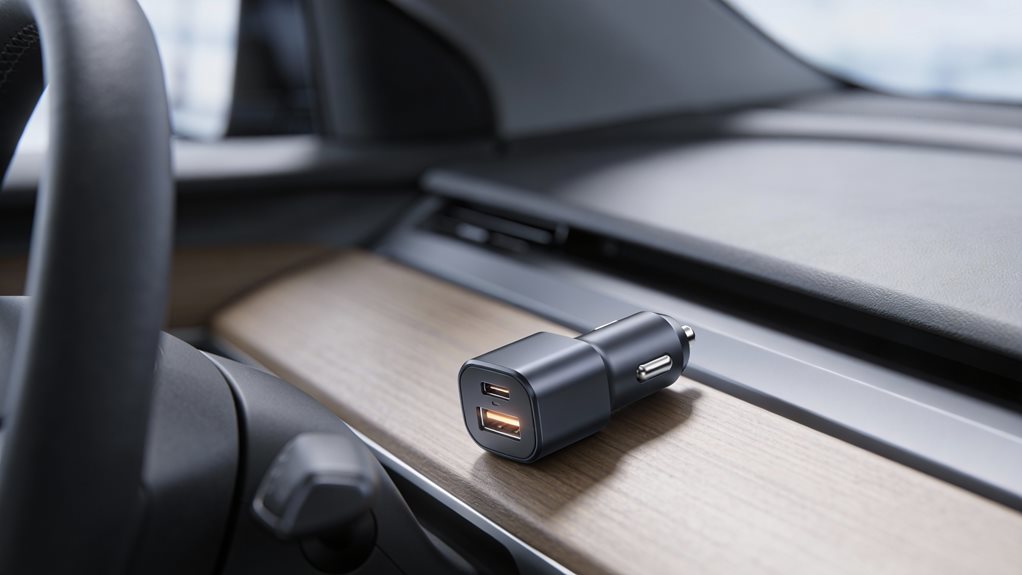
Well-built chargers include protective circuitry that prevents overloads and manages heat during high-power delivery, and support multiple protocols, PD, QC, and PPS. So they work across different vehicle systems. You pull in, plug in, grab a coffee, and go.
But not every car handles the speed. Your car must support it. So must the charger. Both need to speak the same charging language. That’s where standards like CCS or CHAdeMO come in. They’re like universal plugs for fast power.
Products Worth Considering

90W Fast Charging for iPhone 18/17/16/15 Pro Max: USB C car charger adapter with all-new upgrade PD/QC super fast charging technology of 90W can charge for iPhone 18 Pro/ Pro Max/iPhone Duo/17/17e/16/15 series up to 80% and iPad series up to 60% in 30 minutes. And also support PPS/PD super fast charge for Galaxy S26/S25/S24/S23 series up to 80% and most Android devices up to 70% in 35 minutes
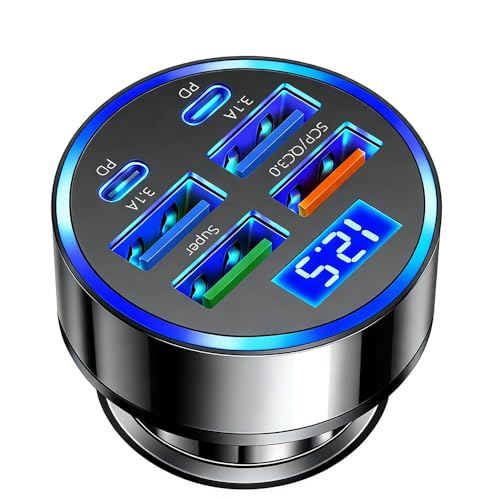
💚Voltage Monitoring: Equipped with an LED digital display voltmeter, it monitors and shows real-time vehicle battery voltage.

90W Fast Charging: USB C car charger adapter with all-new upgrade PD/QC super fast charging technology of 90W can charge for iPhone 18 Pro/ Pro Max/iPhone Duo/17/17e/16/15/14/13/12 series up to 80% and iPad series up to 60% in 30 minutes. And also support PPS/PD super fast charge for Samsung Galaxy S26/S25/S24/S23 series up to 80% and most Android devices up to 70% in 35 minutes
What to Expect: Heat and Charging Speed
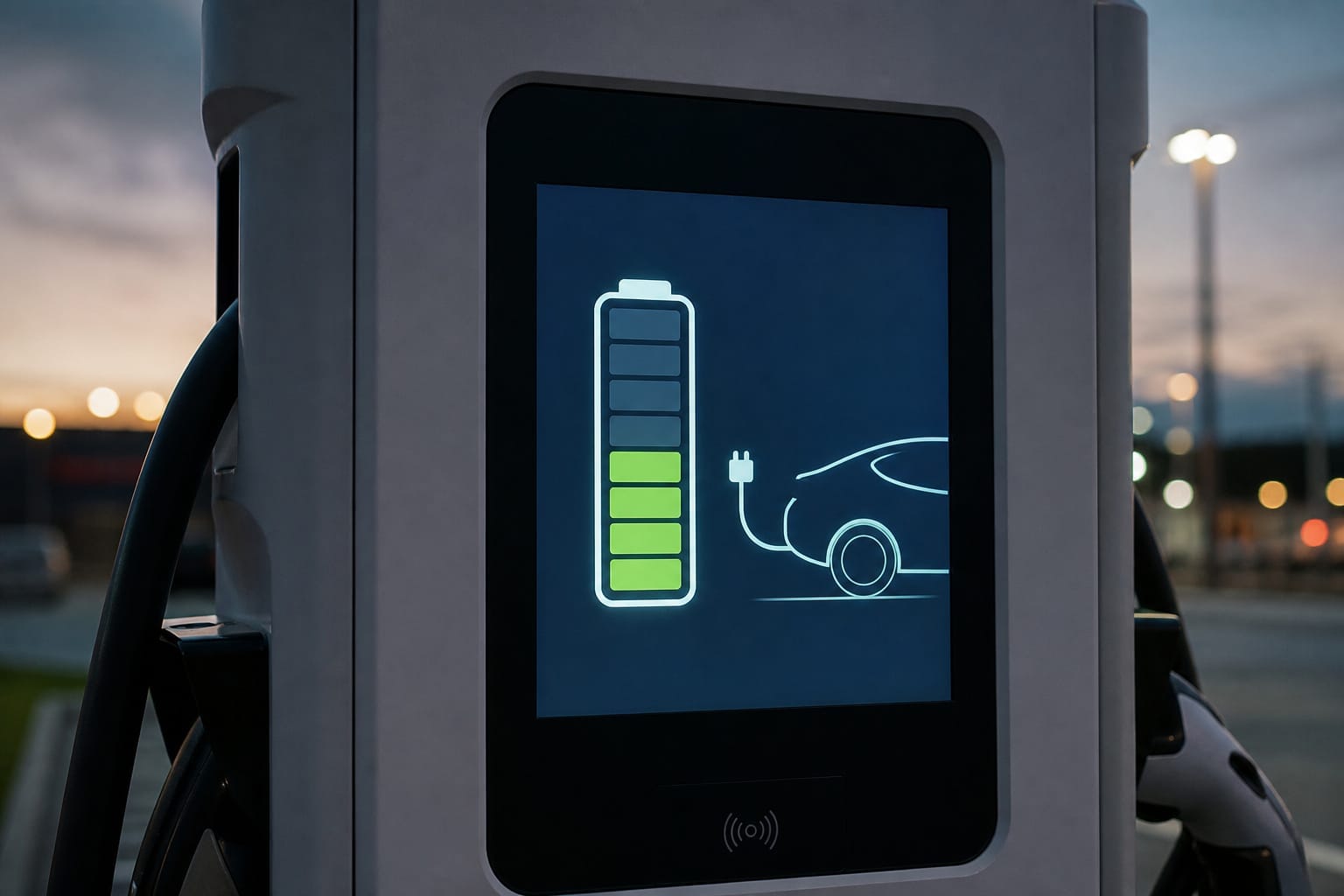
You’ll also notice heat during fast charging. That’s normal. High power creates heat. Your car manages it with cooling systems. If the battery gets too hot, charging slows down. Safety first.
Fast charging works best when the battery is low. As it fills, speed drops. That’s to protect the battery. Charging from 20 percent to 80 percent is fastest. After that, it tapers. So plan your stops smart. Aim for that sweet spot.
Fast charging saves time. It makes electric cars practical for long trips. You don’t need to plan every mile. Just find a station, plug in, and go. The future is fast. And you’re already part of it. If your phone still isn’t charging as quickly as it should despite a PD-capable setup, the problem may be elsewhere: see our breakdown of why your car charger is charging slowly.
Products Worth Considering

[UPGRADE YOUR MAGSAFE CAR CHARGER FOR iPhone 18 Pro Max] You upgraded to the latest iPhone—your car charger should keep up. Move beyond yesterday’s 15W wireless charging with this MagSafe car mount charger, engineered for the next generation of iPhone charging. Delivering up to 25W wireless power, it turns your daily drive into a faster, more advanced charging experience while keeping your phone securely mounted and ready to use.
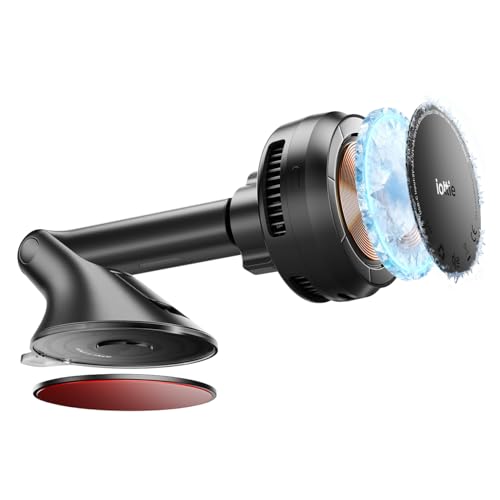
Fast Wireless Charging: Delivers up to 25W of power for Pixel and Qi2.2-enabled smartphones for reliable, efficient charging on the go.

[Qi2.2 Certified 25W Wireless Charging] MSXTTLY 2-in-1 Mag safe car mount charger delivers up to 25W to compatible iPhone 18/17/16 Series (iOS 26+), Pixel 10 Pro XL/Pixel 11 Series, and Galaxy S26 Ultra with a PD 45W+ adapter. iPhone 18 Pro can reach 60% from 0% in about 30 minutes under compatible test conditions. iPhone 15/14/13/12 supports up to 15W; iPhone 16e, 7.5W. Use a bare phone or slim magnetic case for the strongest hold and charging; thick non-magnetic, wallet, and kickstand cases are not compatible.
Frequently Asked Questions
Can Fast Charging Damage My Car’s Battery Over Time?
No, fast charging won’t wreck your battery if you use it smart. Plug in often, but stop at 80%. Your car likes that rhythm.
Heat’s the real enemy, not speed. Modern cars manage it well. You’re in control. Charge fast when you need to, skip it when you don’t. Balance keeps your battery strong, mile after mile.
Are All USB-C Cables Compatible With PD Charging?
No, not all USB-C cables support PD charging. You need a cable built for Power Delivery. Check the label, look for “PD” or “Power Delivery.” Cheap or old cables might charge slowly or not at all.
A good PD cable handles higher power safely. Use it with a PD-ready charger and device. It’s like matching keys to locks: right fit, fast charge. Always plug in confidence.
Does Fast Charging Work in Extreme Cold Weather?
No, fast charging slows in extreme cold. Your car’s battery protects itself when it’s freezing. You plug in, but charging crawls, like walking through deep snow. Temperatures below 32°F make ions sluggish. The system throttles speed to avoid damage.
Preconditioning the battery helps. Park in a garage. Let the car warm up before charging. It’s smart. It’s safe. You’ll regain speed once things heat up. Cold fights progress. Warmth wins.
Can I Use QC Chargers for Non-QC Devices Safely?
Sure, you can plug in. No fireworks, promise. Your non-QC phone won’t sprint, but it’ll sip power safely.
QC chargers are smart. They test first, then deliver just the right juice. Think of it like a bouncer checking ID at the door. Only the right voltage gets through.
Is Fast Charging Slower With Older Car Models?
Yes, in most cases. The limit comes from the car, not the charger. An older electric car has slower charging hardware built in, so even a powerful station can only deliver what the car is designed to accept.
Some early EVs top out around 50 kW at a DC fast charger, while newer models accept 150 kW or more. A few older or entry-level models have no fast-charging port at all and can only use slower Level 2 charging. Older batteries also tend to slow down sooner when they get hot, so a second fast charge in a row is often slower than the first. Check your owner’s manual for the maximum charge rate before you plan a road trip around a fast-charging stop.
The same idea applies to your phone. An older car’s built-in USB port often supplies only 5 to 12 watts, well short of what a PD or QC phone can accept. A PD car charger plugged into the 12V socket gets you full speed no matter how old the car is.