Why does your phone crawl while charging every time you plug it in the car? You plug in, expect progress, but the battery barely moves. It’s frustrating. You’re not doing anything wrong. The problem usually isn’t you; it’s the setup.
The Usual Suspects: Charger, Cable, and Port
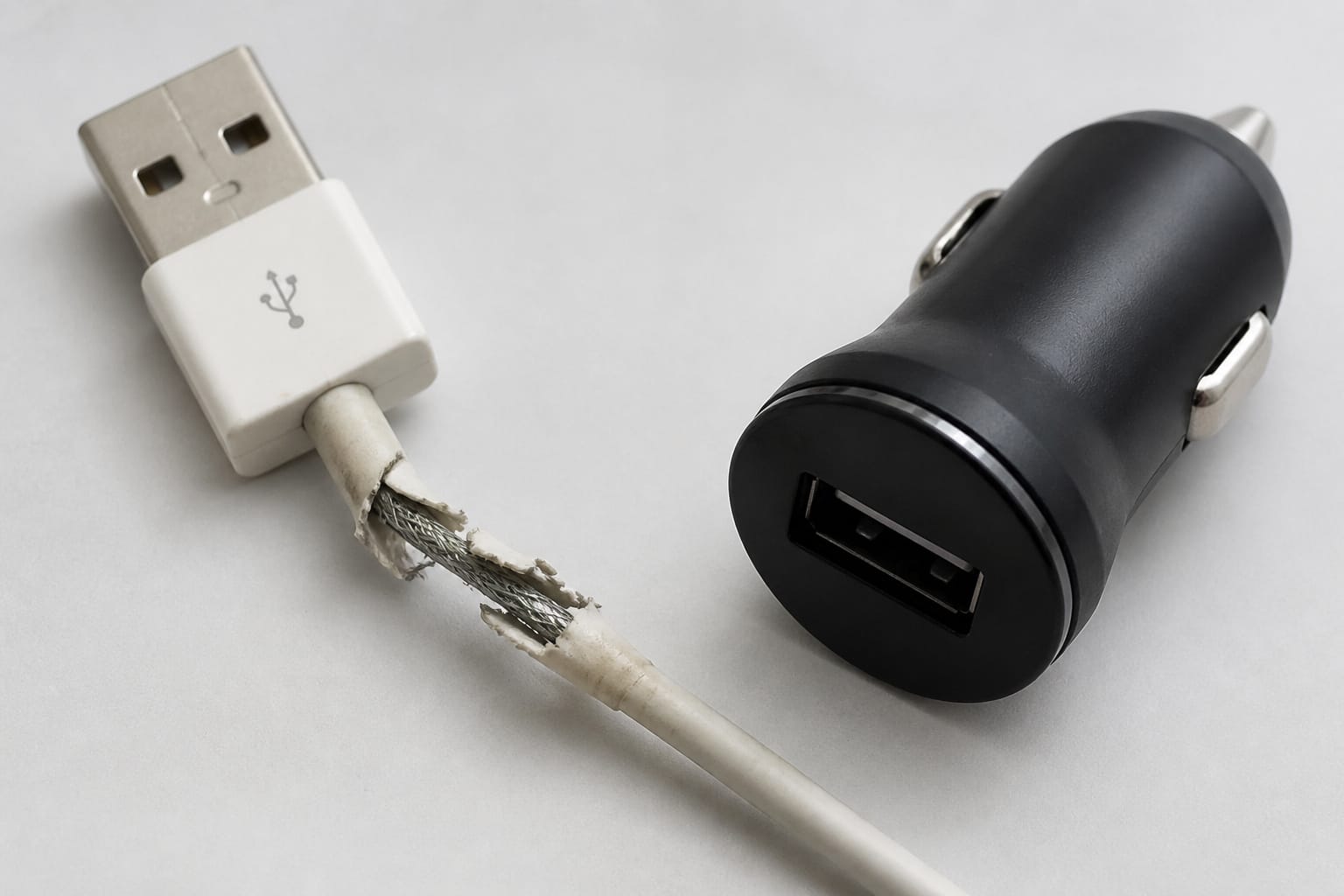
Most car chargers deliver weak power, especially older models or cheap ones bought in a rush. They might only push 5 watts when your phone can handle 18 or more. That’s like trying to fill a bucket with an eyedropper. You’ll wait forever. If you’re not sure whether your charger’s port is even the right kind, our USB-C vs USB-A car charger comparison breaks down the difference.
Your phone needs voltage and amperage to charge fast, and if either one’s too low, the process drags. You might be using a damaged or low-quality cable. Frayed wires, bent connectors, or cables thinner than a spaghetti strand can’t carry enough current. They break the connection or slow it down.
Try swapping in a certified cable. Thick, sturdy, with clear labeling like “USB-IF certified.” You’ll feel the difference. Also, check the port. Dust, lint, or debris can clog your phone’s charging port. Use a dry toothbrush or compressed air to clean it gently. A blocked port means poor contact. No contact, no charge.
Your car’s USB port might not support charging. Some cars have ports only for data, music, syncing, not power. Plug into those, nothing happens. Always use the 12V cigarette lighter socket with a proper charger.
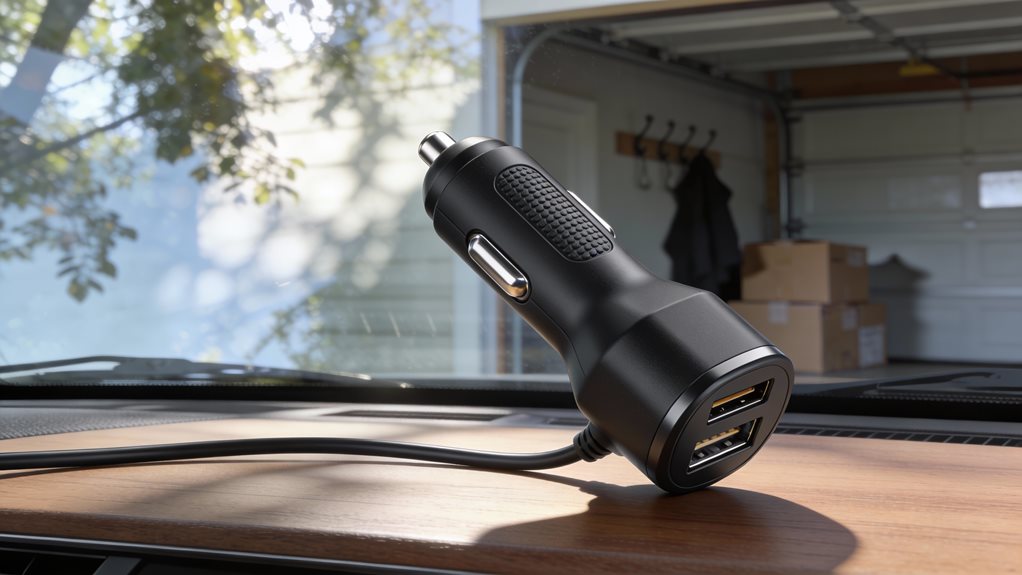
Even then, not all chargers are equal. Look for one labeled at least 2.4 amps, or one that supports Quick Charge or Power Delivery: see our guide to PD vs QC fast charging for what those labels actually mean. That’s the juice your phone craves. Dual-port chargers sometimes split power between ports. Check whether both ports work at full speed at the same time, or one at a time.
Recommended Products
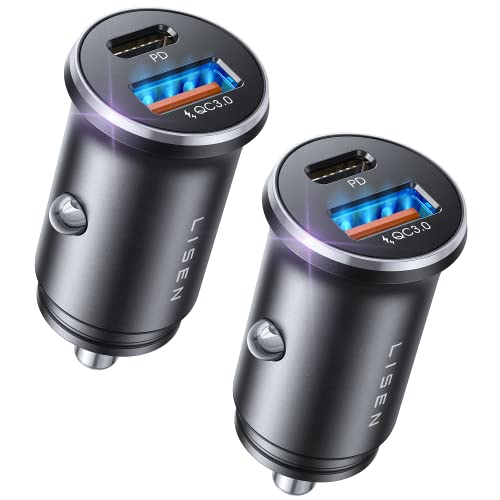
🔹 Smarter Than Multi Port Chargers — Less Heat, Less Clutter: Most multi port car chargers force 3–4 cables across your dashboard, creating visual clutter and unnecessary heat buildup in a single cigarette lighter adapter. This dual port car charger delivers just what you need — no tangled wires, no overloading — keeping your car interior clean, modern, and safe
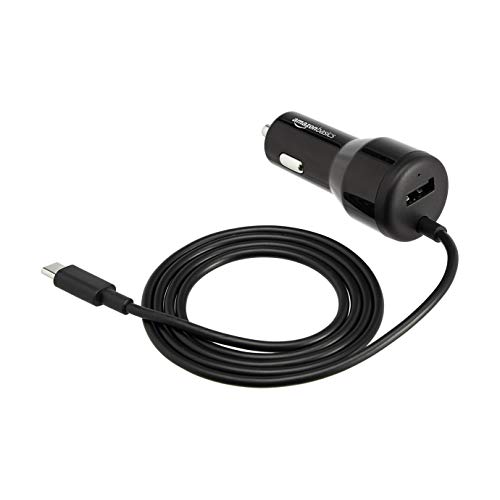
Car charger with one USB-A port (12 Watts) and one built-in-cable USB-C (18 Watts). Charges up to 2 devices at a time

TRIPLE-PORT 60W MAX: Fast-charging 60W triple-port car charger adapter with 1 USB-A, 1 USB-C and 1 built-in coiled cable with USB-C. The USB C port and cable USB-C delivering 30W max each and the USB-A port providing 18W max. (Output in detail: Single USB-A: Max.18W, single USB-C: Max. 30W, Single USB-C cable:30W; USB-A+USB-C: 20W Max., USB-A+USB-C Cable: 18W+30W, USB-C Cable + USB-C: 30W Max + 30W Max, USB-A+USB-C Port + USB-C Cable: 10W Max+10W Max+30W Max)
Habits and Conditions That Slow Charging Down
Background apps drain power while you charge. GPS, games, video streaming, they fight the incoming charge. Close them. Turn on airplane mode or “Do not disturb”. Let the battery focus on filling up.
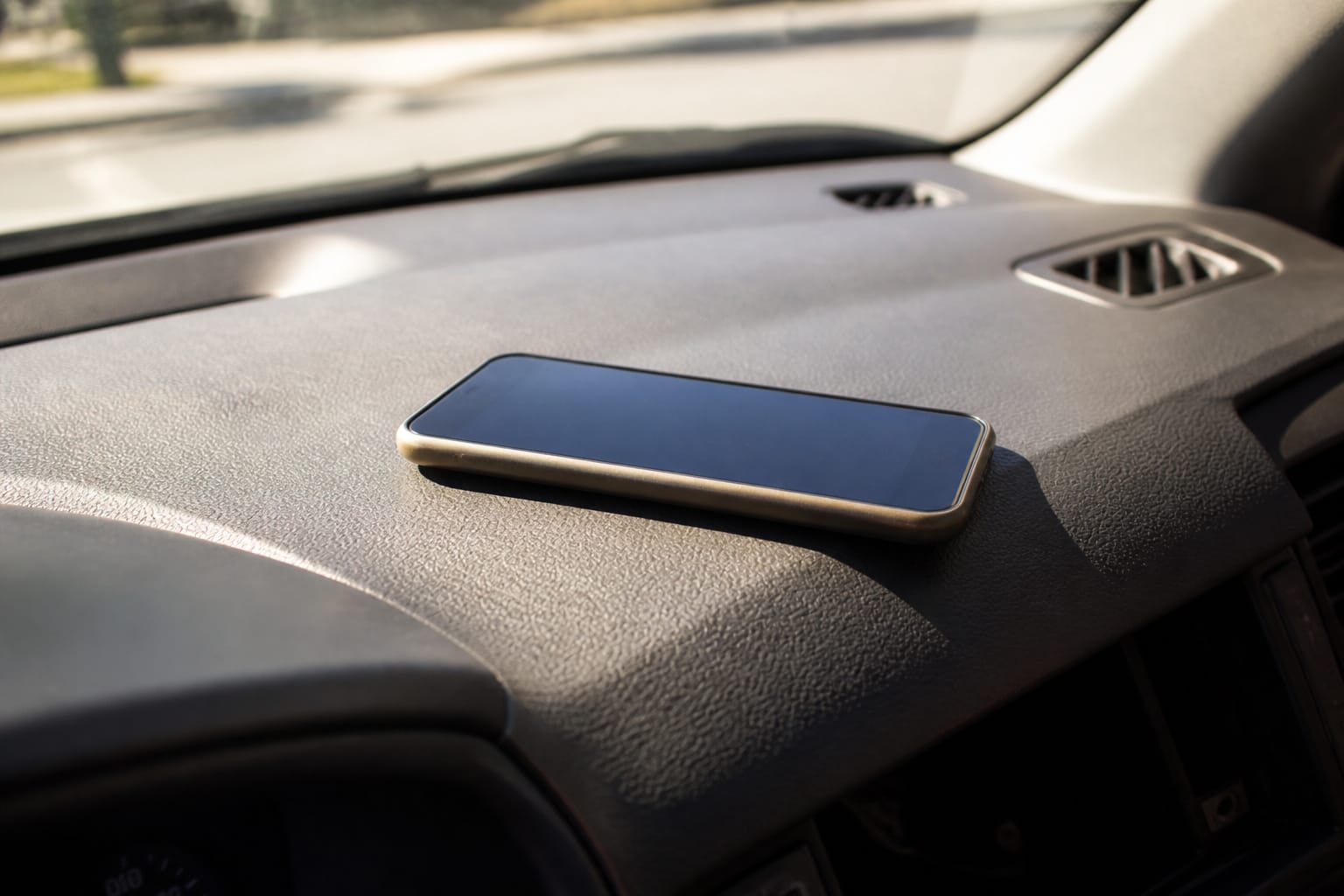
Heat also slows charging. Leave your phone in direct sunlight? That overheats the battery. The system throttles charging to protect itself. Keep it shaded, cool, near a vent.
Older phones lose charging efficiency over time. Battery wear matters. If your phone’s more than three years old, the hardware itself might be the bottleneck.
Still, don’t accept slow charging as normal. Test different combinations: cable, charger, port. One change can spark a dramatic fix. You’ve got the tools. You’ve got the knowledge. Now go reclaim your charge speed. Plug in with purpose. Watch that battery rise steady, strong, and sure.
Recommended Products
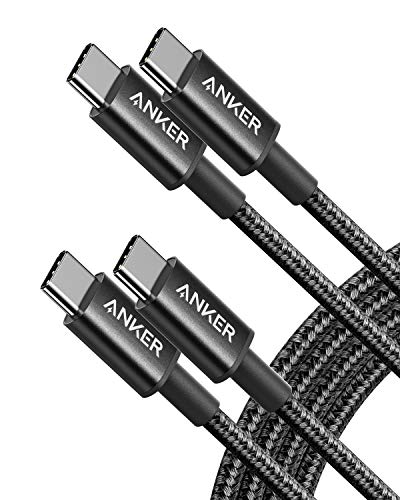
Durable Design: Reinforced nylon exterior and a robust core ensure this cable withstands up to 5,000 bends, outlasting other brands
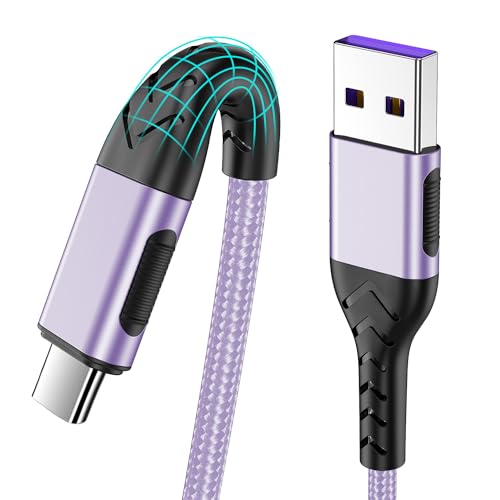
🚀【SPEACIAL POINTS & SUITABLE LENGTH】: The connecting part is designed with anti-slippery tread which settles the inconvenience when theu USB C cable is plugging and unplugging. USB C charger cordin assorted lengths are great replacement, charger cord provide more convenience, you can feel free while charging, when lying sofa, leaning bed, sitting backseat of car

【Wide Compatibility 】:Type C Charger for Samsung Galaxy S26 Ultra S26+ S26,S25 S24 S23 S23+ S23 Ultra,S22 S22+ S22 Ultra, A17 A16 A36 A15 A14 5G,A13 A33 A53 A54 A10e A15 A35 A55 A25 A11 A12 A20e A20 A20s A21 A21s A30 A30s A31 A32 A40 A41 A42 A50 A50s A51 A52 A70 A72 A80 A90/A71 5g/S20 FE/Galaxy S21+ 5G/S21 Ultra 5G/S20 FE 5g/S20 5G/S20 Plus 5G/ S8 S9 S10 Plus S10e/Note 9 10/Note 20 Ultra/Z Fold 6 5 4 3 2/Z Flip 6 5 4 3 2;Google Pixel 9 8 7 Pro 6 6 Pro 6a 5a 5/4XL/4/3XL/3/2XL.
Frequently Asked Questions
Can I Use Any USB Cable With My Car Charger?
Yes, you can use any USB cable, but not all cables work the same. Some are speed demons; others are snails. Pick a thick, short cable with braided ends.
Cheap, frayed wires drag down power like flat tires. Use the one that came with your phone first. If that’s gone, grab a certified one. Keep it under 3 feet. Strong cable, strong charge.
Does Fast Charging Damage My Phone’s Battery Over Time?
No, fast charging won’t ruin your phone’s battery if you use it right. You’re safe plugging in regularly; modern phones and chargers sync together and slow down when needed.
But heat? That’s the real enemy. Keep your phone cool, avoid thick cases while charging, and skip charging to 100% every time. Mix in slower charges now and then. Balance keeps your battery strong, like stretching before a sprint.
Is It Safe to Leave My Phone Charging Overnight in the Car?
Yes, it’s safe to leave your phone charging overnight in the car. To prevent overheating, 90% of modern phones stop charging at 100%. Plug it in, relax. The charger delivers power smoothly.
But use a quality cable. Cheap ones fail. Keep the car in a cool spot. Heat damages batteries. Don’t worry. Just check sometimes. You’re good.
Why Does My Car Charger Stop Working When the Engine Is Off?
Your car charger stops when the engine’s off because it runs on your car’s accessory power, which shuts down to save the battery. You turn the key, and power flows. Simple.
But when the engine’s cold, everything sleeps. No spark, no charge. It’s smart, really. It keeps your car from dying.
Want juice? Start the engine first. Then plug in. Power wakes up. Your phone fills fast.
Can Extreme Temperatures Affect My Car Charger’s Performance?
Yes, extreme temperatures can mess with your car charger’s performance. Heat fries circuits. Cold slows chemical reactions inside devices.
You’ll see slower charging, or it might stop. Park your vehicle in the shade. Avoid freezing cabins. Keep your charger dry. Work it right, and it’ll work right for you, steady and strong every time.