Can a robot really clean a window you would otherwise need a ladder for? Yes, on smooth glass, and some of them do it well. The catch is that window robots are not interchangeable. The differences are suction, edge detection, and safety.
Get those wrong, and you end up with a robot that slips on a tilted pane, drives off a frameless edge, or leaves streaks. Get them right, and it handles tall panes, glass railings, and floor-to-ceiling windows without you climbing anything.
Below are six window cleaning robots worth considering, what each does well, and where each makes you compromise. Specs come from the manufacturer listings, so confirm the current details before you buy.
Which Window Cleaning Robot Is the Best Overall?
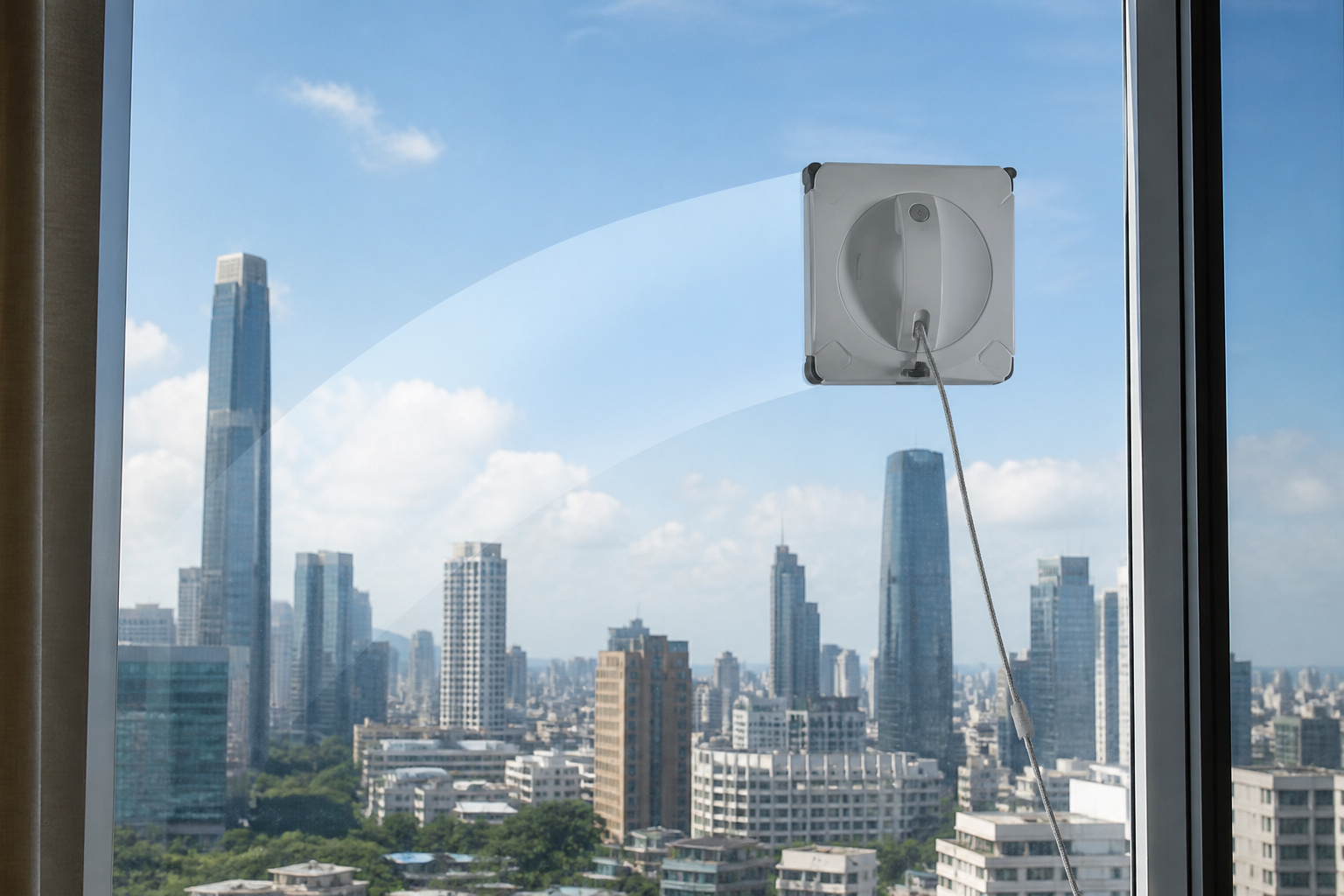
The ECOVACS WINBOT W2 PRO is the strongest all-around pick. It lists up to 110 minutes of battery runtime and about 55 square meters of cleaning on battery alone, and it can run plugged in for large jobs near an outlet. WIN-SLAM 4.0 path planning is rated to improve efficiency by about 30 percent, and the three-nozzle spray system adds water pressure to loosen dirt in fewer passes.
It also adapts to frameless, tilted, and small windows, and it uses a climbing system with a water-resistant belt for grip plus several layers of hardware and software protection. The trade-off is price, since it sits at the premium end of this list.
Which Window Cleaning Robot Has the Strongest Suction?
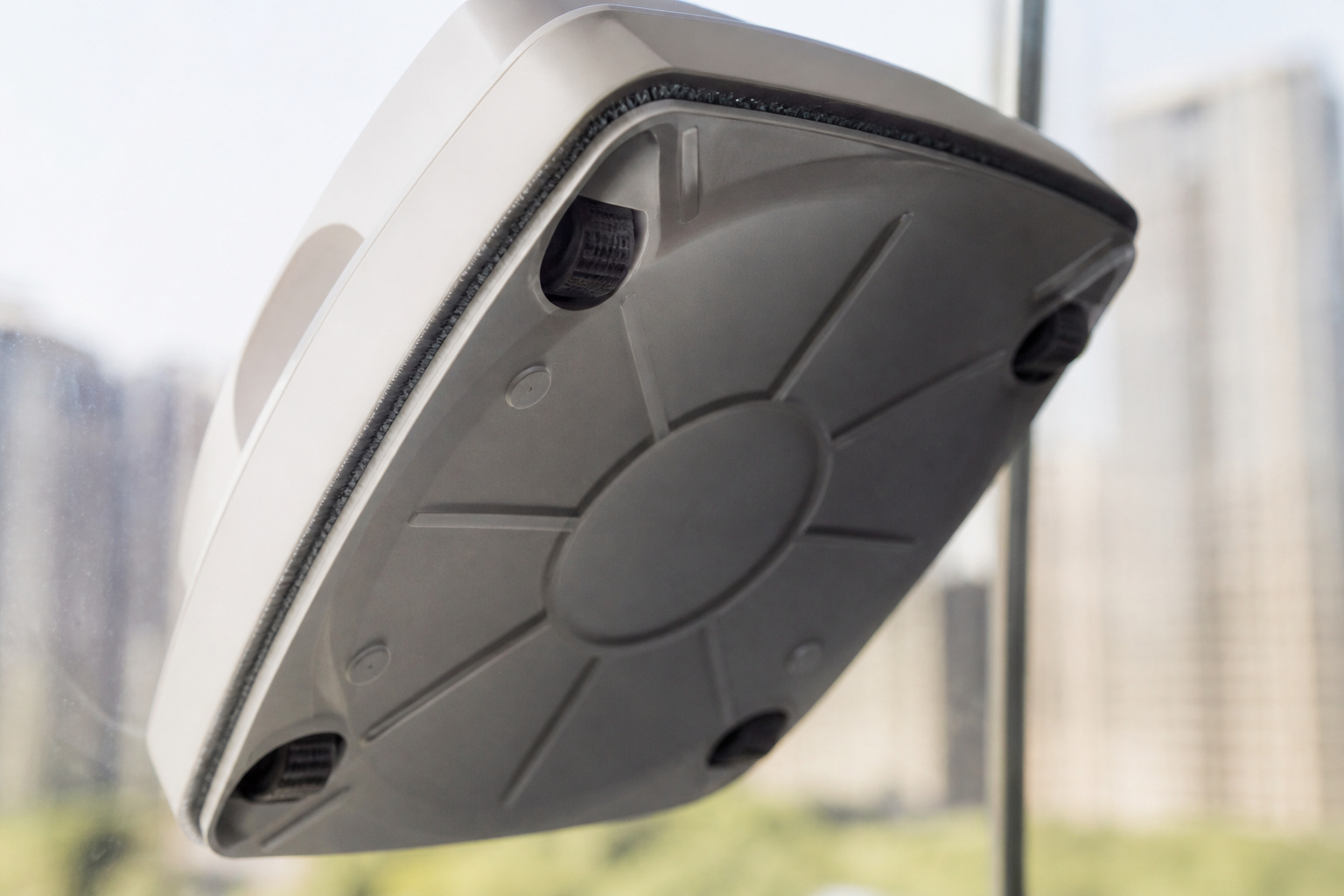
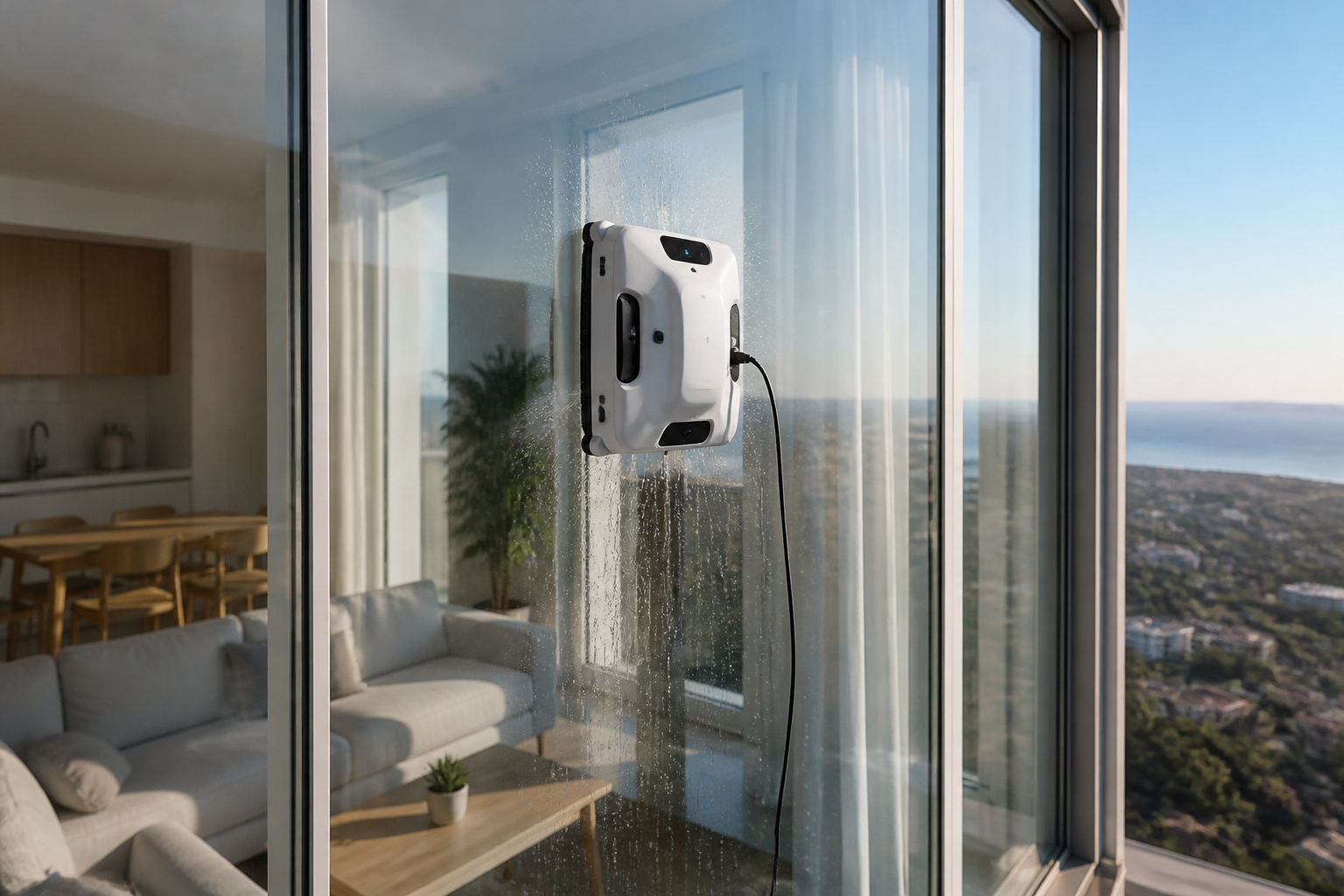
The 8000Pa model is the strongest on paper. It pairs 8000Pa of suction with a 180mL water tank, three spray nozzles, and a 15-stage anti-fall system. It offers four cleaning modes (Quick, Deep, N-Pattern, and Edge) and an adjustable cleaning angle of 60 to 120 degrees for wide panes and tight corners, with app and remote control.
It is the one to look at for high-rise glass, railings, and vertical tile, where grip matters most. It is also a lesser-known brand, so check warranty terms and support before you commit.

[8000PA Suction & 15-Stage Anti-Fall] This automatic window cleaner presses onto vertical glass with 8000Pa of suction, then cleans windows you should never reach by ladder....
Which Window Robot Is Best for Frameless Glass?
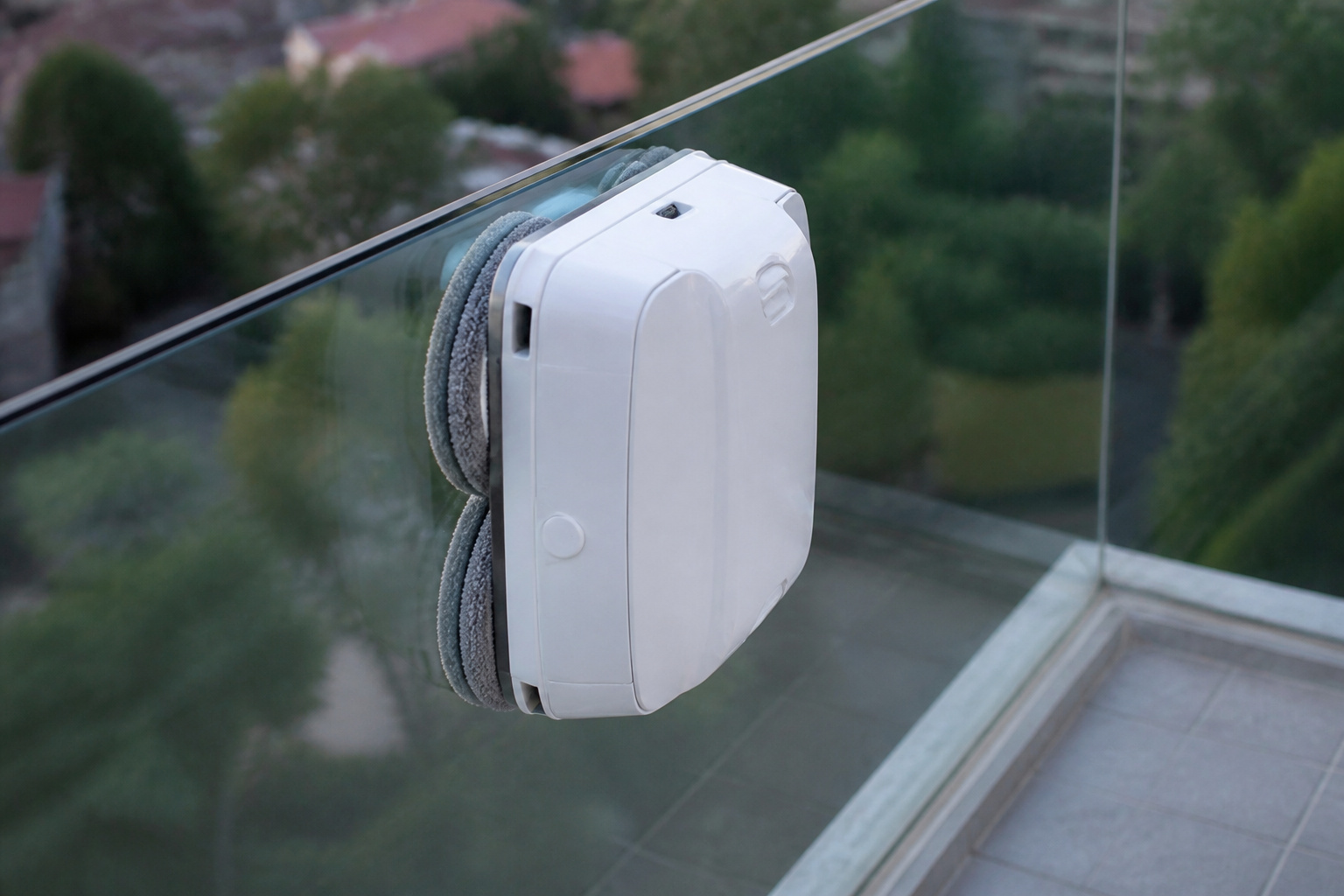
The HUTT uses laser edge detection and AI path planning to find the boundary of frameless panes. It lists 6000Pa of suction, a 150mL tank rated for up to 90 square meters per fill, and a safety rope rated to 145 kilograms. Runtime is short at about 30 minutes, which is fine for a few windows but tight for a whole house.

【6000Pa Power Suction】Increased suction to 6000Pa,ensures non-slip steady movement and prevents sudden fall, also greatly improves cleaning capability reached 99%. No...
The BNZ K1 takes a similar approach, with frameless edge detection, twin turbo motors, and dual auto-spray to limit water use. The listing does not publish suction or tank size, so compare it carefully against the HUTT before you decide.

Revolutionize your window cleaning routine with the BNZ Smart Window Cleaning Robot. Featuring powerful Twin Turbo & Independent Drive Motors, AI Path Planning, and Dual...
What Is the Best Budget Window Cleaning Robot?
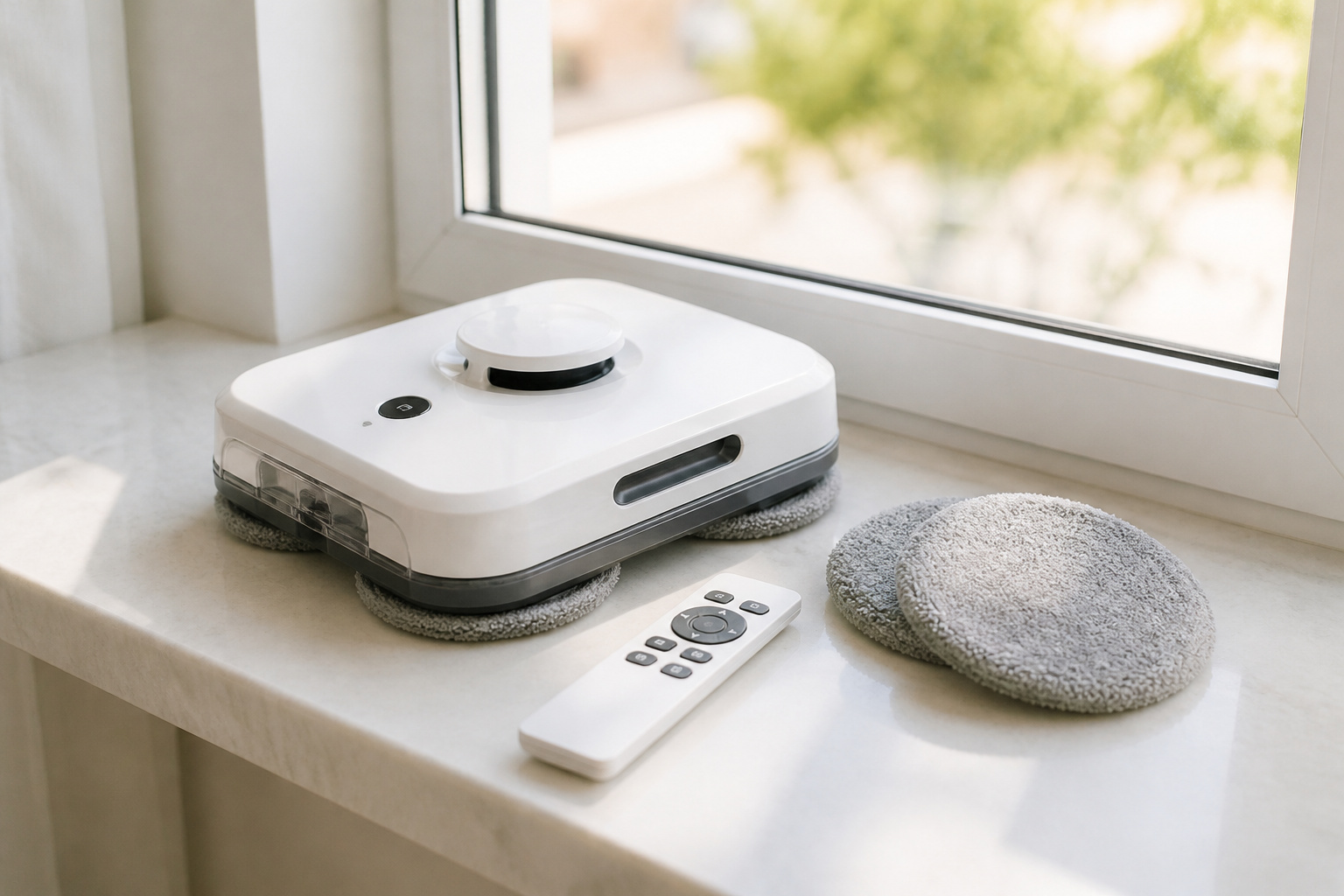
The ECOVACS Winbot W1 Pro is the budget pick from a major brand. It lists 2800Pa of suction, a 60mL tank, a dual cross spray, and three modes for quick, deep, and spot cleaning. Edge sensors respond in about 0.02 seconds, and a safety rope and power-failure protection come standard.
Lower suction and a small tank mean it suits a few standard windows, not large or heavily soiled glass.

Effortless cleaning - The robot attaches well with 2,800Pa suction power , which frees your hands and time out of the annoying window cleaning work and avoids the risk of...
The Tosima W5 is the accessory-heavy budget alternative. It has a dual-direction auto-spray, edge and obstacle sensors, a triple safety system with a rope, a remote control, and eight cleaning cloths in the box. The listing does not state suction or tank size, so it is better for mirrors, glass doors, and ordinary windows.

Revolutionize your cleaning routine with our automatic robot window cleaner machine! Featuring bidirectional ultrasonic atomization water spray, it delivers side water spray...
Are Window Cleaning Robots Safe to Use?
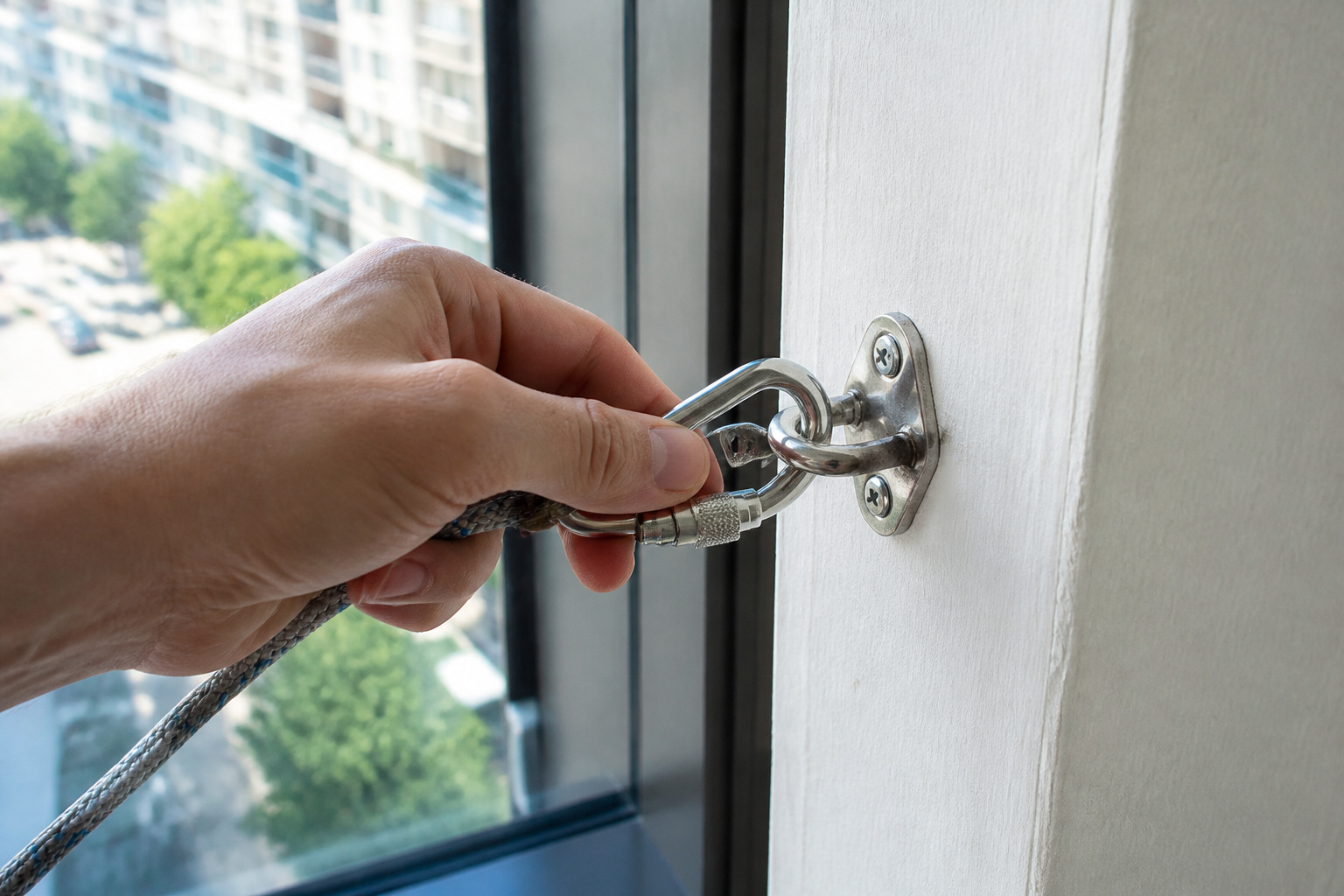
They are safe when you use the safety rope every time. Suction keeps the robot on the glass, but a power failure or a dirty pane can break the seal. The rope is what stops a fall onto the ground or a person below. Attach it to a solid anchor, never to the window itself.
Look for power-failure protection, which holds the robot in place or returns it to its start point, and edge sensors for frameless glass. Don’t use a robot on cracked, loose, or very old glass, and keep it off surfaces the manufacturer does not list.
How Do You Choose a Window Cleaning Robot?
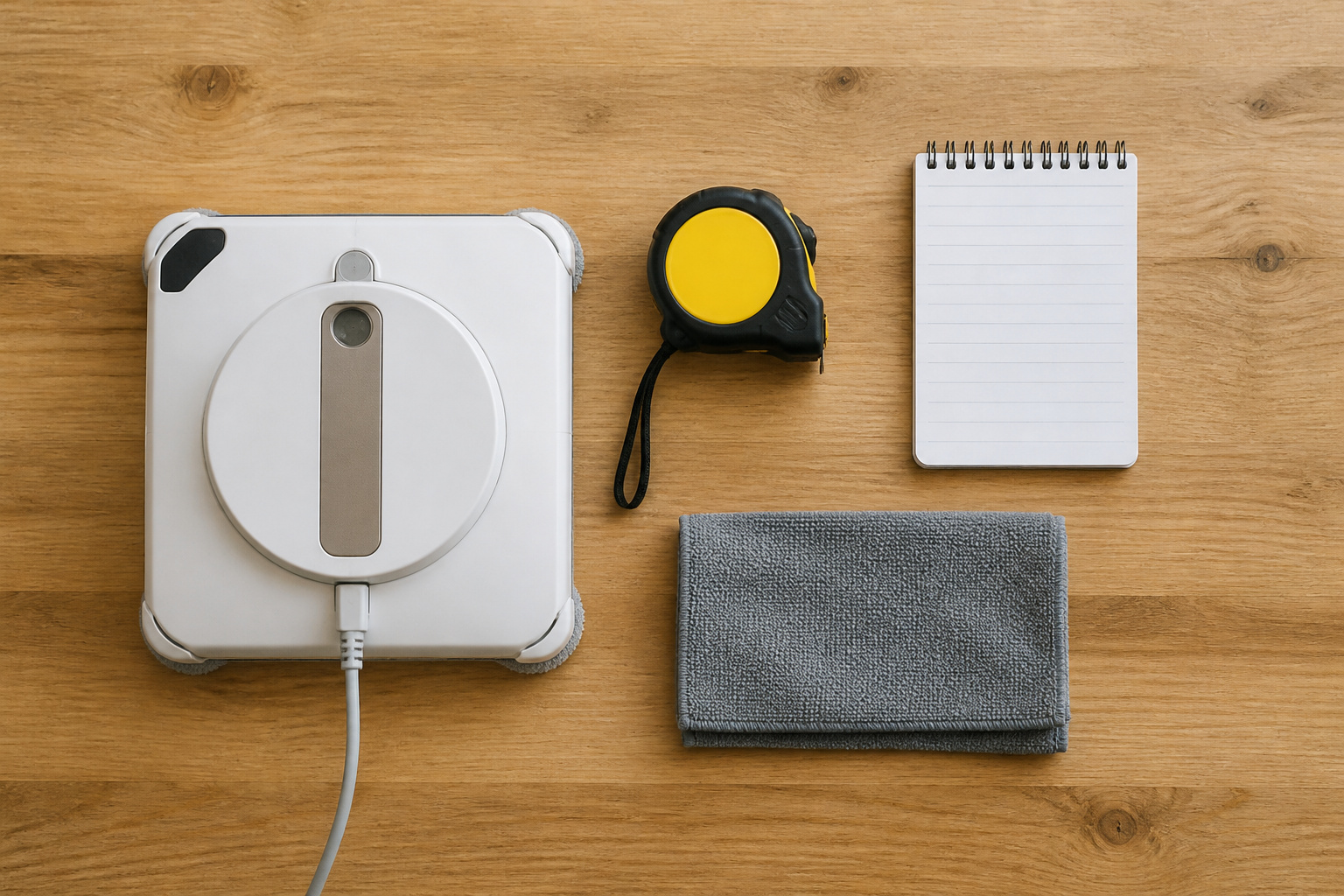
Match suction to the glass. The robots here range from 2800Pa to 8000Pa. Lower suction is fine for ordinary vertical windows, while tilted panes, large frameless windows, and high floors justify the stronger models.
Check runtime and power. Listed runtimes run from about 30 to 110 minutes, so a short-runtime robot is fine for a few windows but not a whole house. Plug-in operation removes the limit if an outlet is nearby.
Consider the window itself. Frameless glass needs reliable edge detection, and framed windows may need a minimum frame width, so read the manual’s size notes. Textured or frosted glass is hard for suction robots, and tank size matters more on large panes than on small ones.
Window robots work alongside, not instead of, other cleaners. If you are also weighing a floor robot, see our guide on whether robot vacuums are worth it.
So Which Window Cleaning Robot Should You Buy?
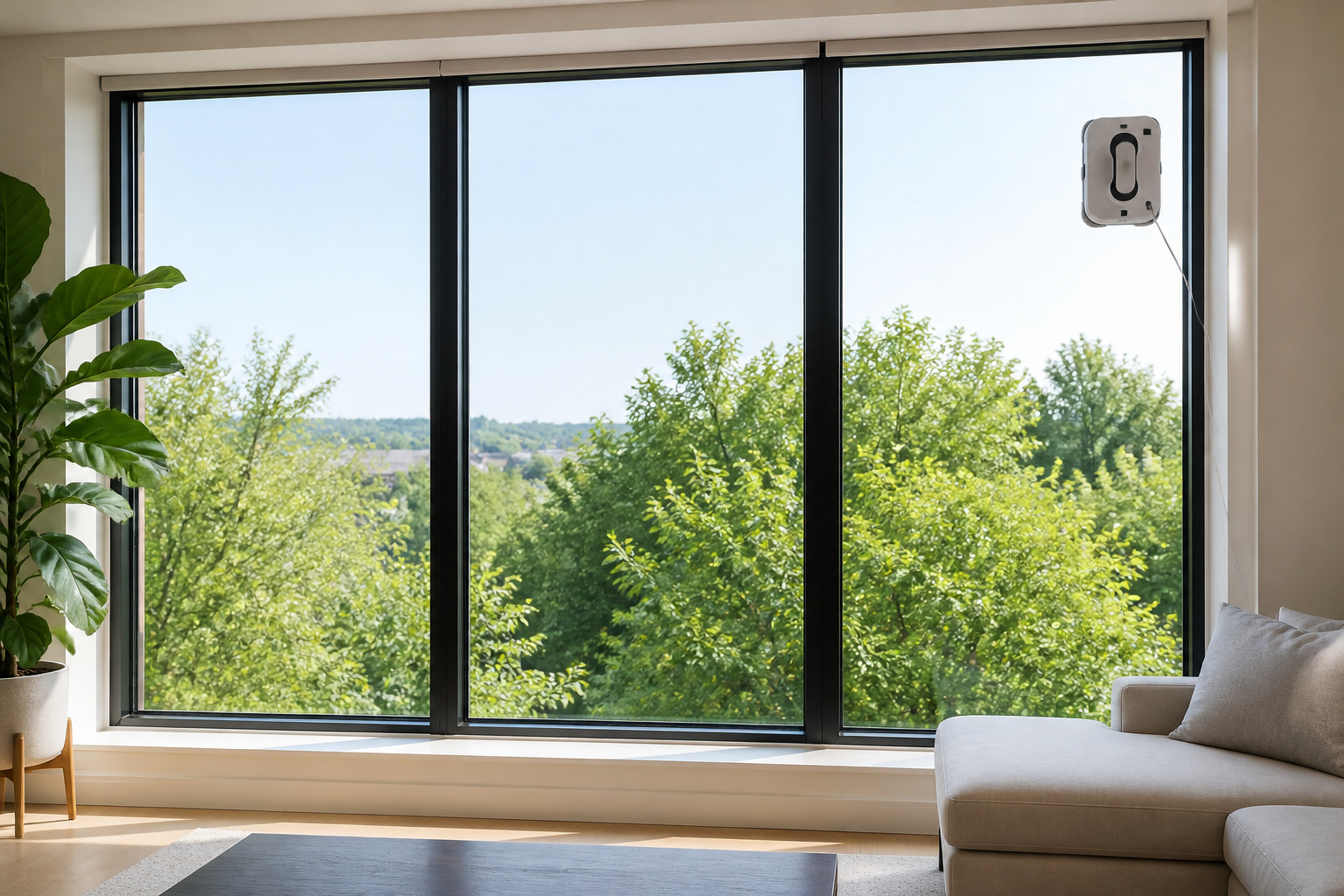
Choose the Winbot W2 PRO for the best overall mix of runtime, navigation, and brand support. Choose the 8000Pa model for maximum grip, the HUTT or BNZ K1 for frameless glass, and the Winbot W1 Pro or Tosima W5 if budget matters most.
Frequently Asked Questions
Do window cleaning robots really replace hand cleaning?
For routine dirt on smooth glass, mostly yes. Heavily soiled or textured glass, and the edges near frames, may still need a quick hand pass.
How often should you wash or replace the cleaning pads?
Rinse or wash the pads after each use and replace them when they are worn or stop picking up dirt. Dirty pads leave streaks and can reduce suction contact.
How long does the battery last?
Listed runtimes run from about 30 minutes to 110 minutes depending on the model. Several robots can run plugged in, which removes the limit for large jobs.
Can window robots clean frosted or textured glass?
Often not well. Suction needs a smooth surface to hold, so textured and frosted glass can break the seal. Check the manufacturer’s list of supported surfaces first.
Do you still need the safety rope?
Yes. The rope is the backup if suction fails, so attach it every time, even on a ground-floor window.