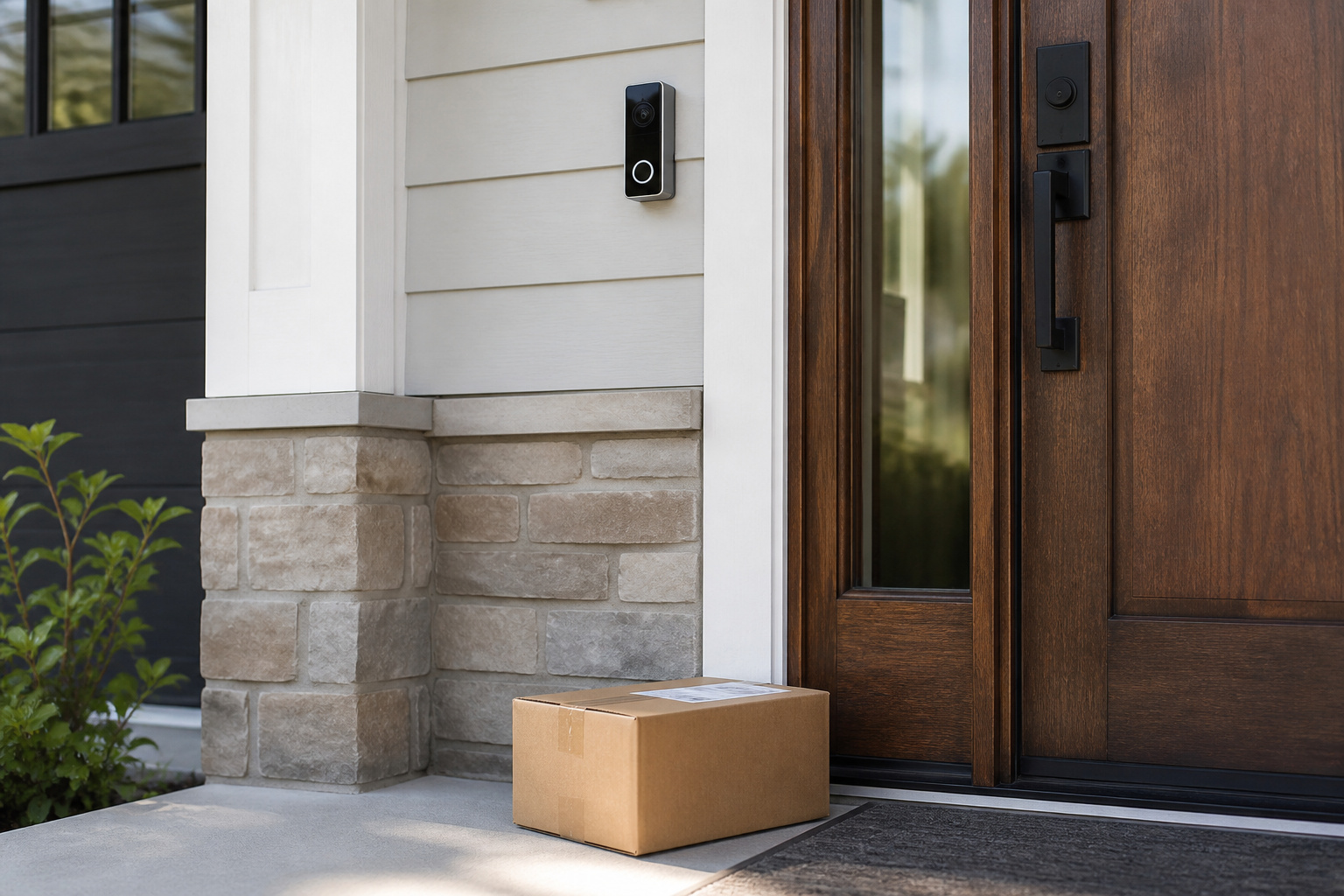
A video doorbell looks like a simple purchase: buy it, mount it where the old doorbell was, get notified when someone’s at the door. The part that trips people up is everything downstream of that, the subscription question, the wiring question, and what the camera is legally allowed to see and hear once it’s up.
Here’s what actually determines cost, what the crime-deterrence claims hold up to scrutiny, and where the privacy law gets genuinely complicated.
Battery vs. Wired: What Actually Determines the Choice
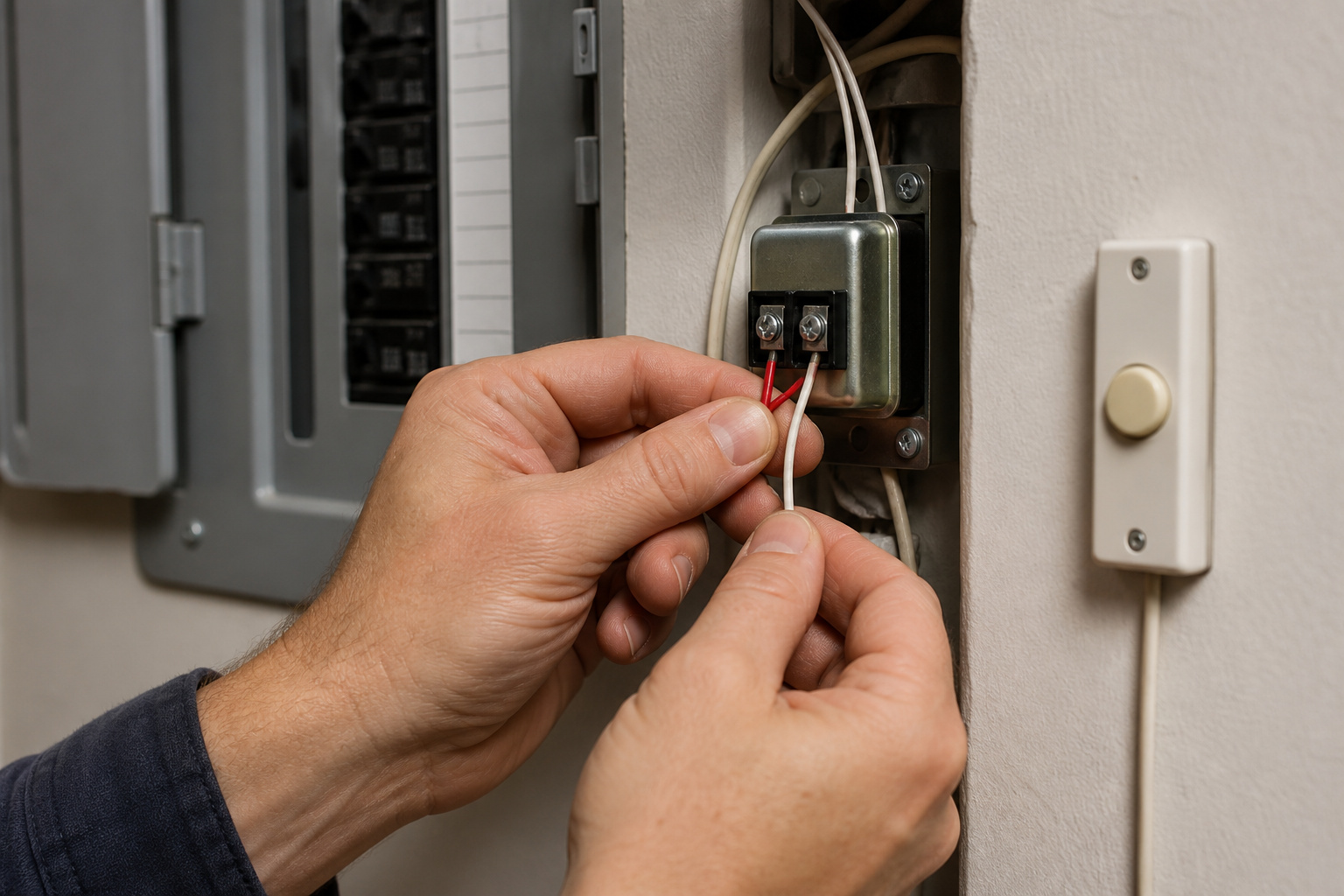
Battery doorbells run on a rechargeable pack, install almost anywhere without existing wiring, and need periodic recharging, more often at a busy front door with heavy foot traffic than at a quiet side entrance. Wired models draw continuous power from your existing doorbell transformer, never need charging, and in most cases can still ring your existing mechanical or digital chime.
“In most cases” is doing real work in that sentence. Existing doorbell transformers are often underpowered for a modern video doorbell; most wired models need 8 to 24 volts AC at a minimum VA (volt-amp) rating the manufacturer specifies, and many older transformers fall short, especially if you expect the existing chime to still ring.
When that happens, the doorbell may power up and send notifications fine while the physical chime inside your house stays silent, which is a confusing failure mode if you don’t know to check the transformer rating first. Fixing it means swapping in a higher-VA transformer, a low-voltage job most homeowners can do themselves but that some choose to hand to an electrician.
Battery models sidestep all of that, which is why they’re the easier default for renters or anyone unsure about their existing wiring. The trade-off is a doorbell that needs its battery pulled and recharged every few weeks to a couple of months depending on usage, video length, and how cold it gets, since battery performance drops in winter.
Recommended Products

BUILT FOR HIGH DEMAND: This 24V 40VA doorbell transformer powers multiple devices simultaneously, making it the perfect choice for smart doorbells, chimes, and thermostats in busy households.
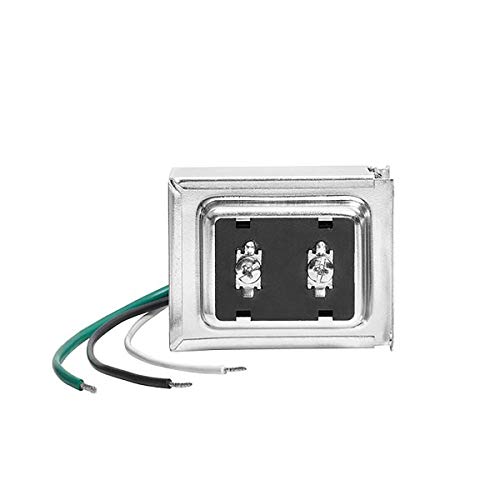
Replace your underpowered doorbell transformer.
The Subscription Question: What’s Free vs. What Costs Monthly
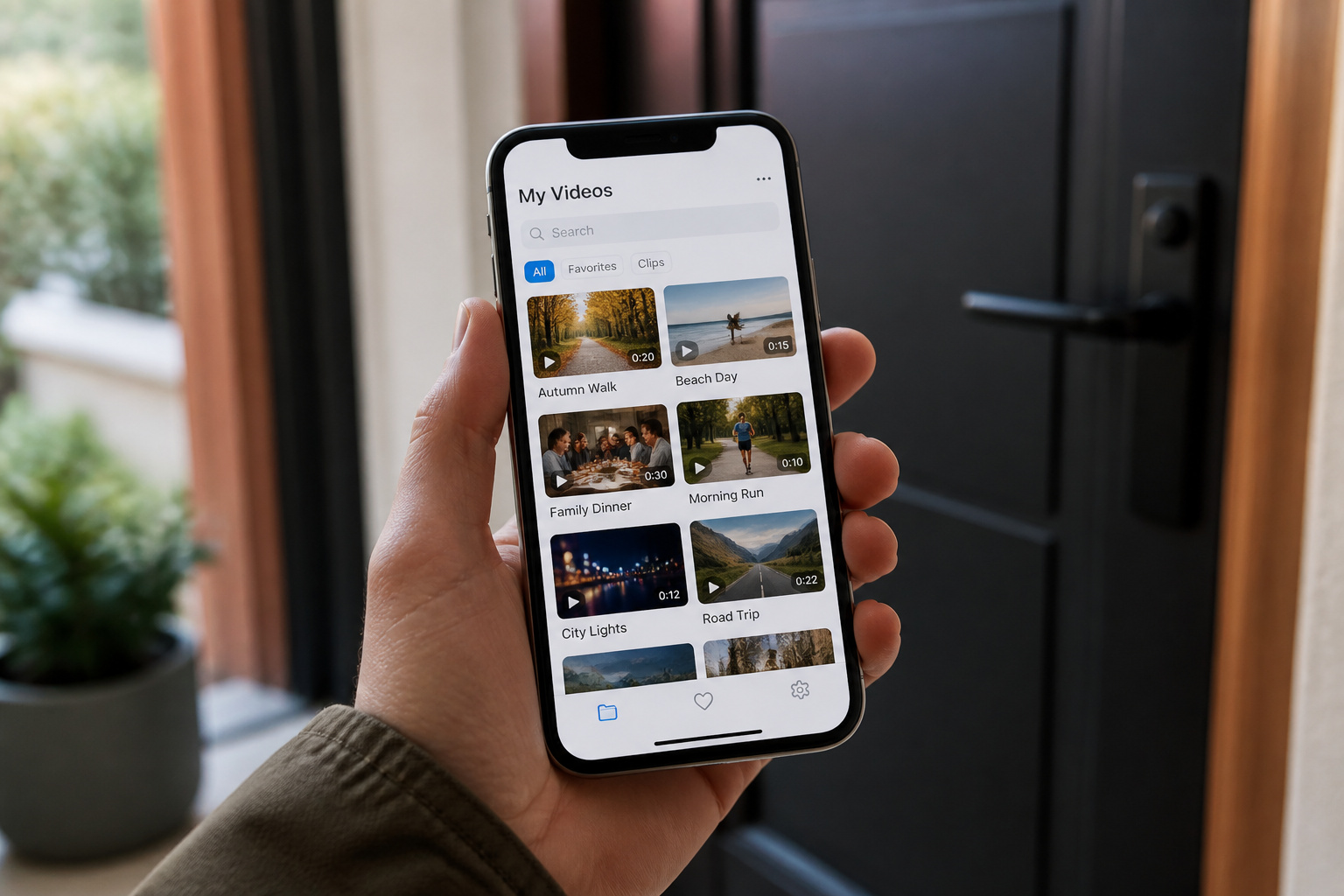
This is where the real long-term cost of a video doorbell lives, and it’s the part most listings bury. Cloud-only doorbells (the Ring and Nest models most people default to) typically charge $3 to $10 a month for video history, person detection, and the ability to save or share clips.
Skip the subscription on a cloud-only model and you usually still get live view and instant notifications, but recorded clips either aren’t saved at all or roll off after a very short window, sometimes just a few hours.
Over three to five years, that adds up to real money: a $3 to $10 monthly plan works out to roughly $180 to $600 over five years, on top of the doorbell itself. A growing number of models sidestep this entirely with local storage, recording to a microSD card in the doorbell or a separate base station instead of the cloud, with no recurring fee at all. Apple’s HomeKit Secure Video is a third path, storing encrypted footage in iCloud using storage you may already be paying for anyway, on compatible doorbells.
Local storage isn’t strictly better in every case. Cloud storage survives if the doorbell itself is stolen or physically damaged, since the footage already left the device; a microSD card sitting inside a stolen doorbell is gone with it, unless the manufacturer stores the card somewhere less exposed, in an indoor base station rather than the outdoor unit, which a few models specifically do for this reason.
The honest framing: local storage is the better default for most households on ongoing cost and privacy; cloud is worth paying for if off-site backup and remote access from anywhere matter more to you than the monthly fee.
Recommended Products

5MP Ultra HD Resolution & 166° Wide View: See who’s at your door in rich detail with a 5MP camera and 7-piece optical glass lens, capturing clearer views of visitors, deliveries, and activity around your doorstep. See more of your doorstep with a 166° wide view and 4:3 vertical framing designed to capture the full head-to-toe view of visitors as well as packages on the ground.

𝐃𝐮𝐚𝐥 𝐂𝐚𝐦𝐞𝐫𝐚𝐬, 𝐃𝐨𝐮𝐛𝐥𝐞 𝐒𝐞𝐜𝐮𝐫𝐢𝐭𝐲 | Two cameras work together to deliver advanced viewing. The front-facing camera focuses on people, while the downward-facing camera fills in the gaps with a view of the floor in front of your door. Combination ensures comprehensive coverage and enhances security.

𝐒𝐡𝐚𝐫𝐩 𝟐𝐊 𝐕𝐢𝐞𝐰 – Monitor your home in crisp 2K resolution. [Chime NOT included]
Does a Video Doorbell Actually Deter Crime?
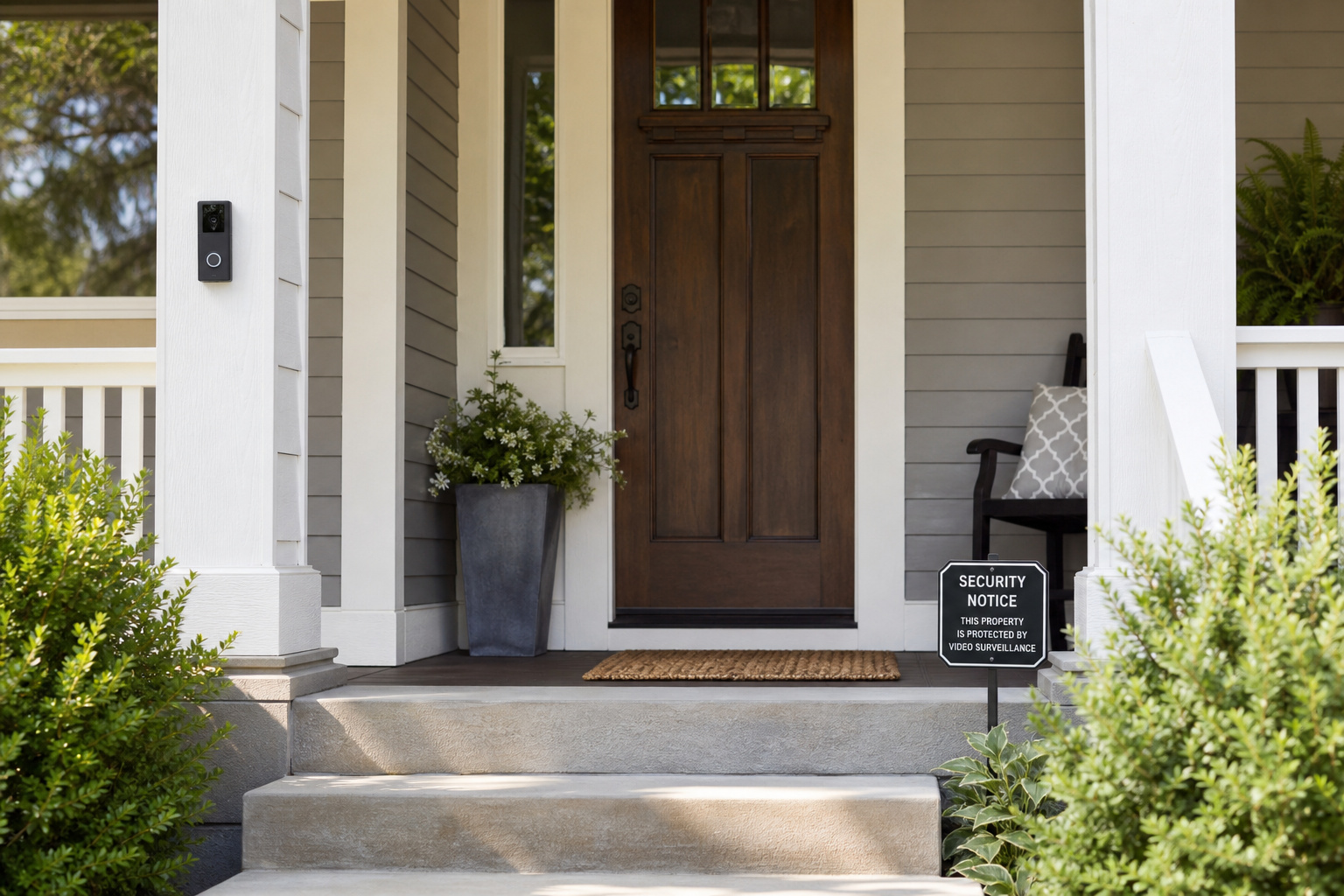
This is more contested than the marketing suggests, and worth being straight about. Industry-sponsored surveys report meaningfully positive numbers: one widely cited consumer survey found 52% of people who’d previously had a package stolen said installing a video doorbell reduced further theft, and a retail-loss-prevention research group found doorbell cameras paired with visible warning signage cut theft substantially more than cameras alone.
Independent criminologists are considerably more skeptical. Researchers who study package theft specifically have pointed out that catching a porch pirate on camera and actually stopping them are different problems: the footage has to be usable, someone has to review it, a police report has to get filed, and property crimes under roughly $1,000 rarely get prioritized for investigation regardless of how good the video is. A 40-year systematic review of camera surveillance and crime more broadly found that actively monitored systems reduce crime meaningfully, while passively recording, unmonitored systems like most home doorbells don’t show the same effect.
The realistic takeaway: a visible camera is a mild, unproven deterrent at best, genuinely useful for reviewing what happened after the fact, and not something to rely on as a primary defense against a determined thief.
If package theft specifically is the concern, a lockbox, a delivery-signature requirement, or having packages sent to a secure pickup location does more, with the doorbell as a complement rather than the whole plan.
Privacy and the Law: What Your Doorbell Can (and Can’t) Legally Record
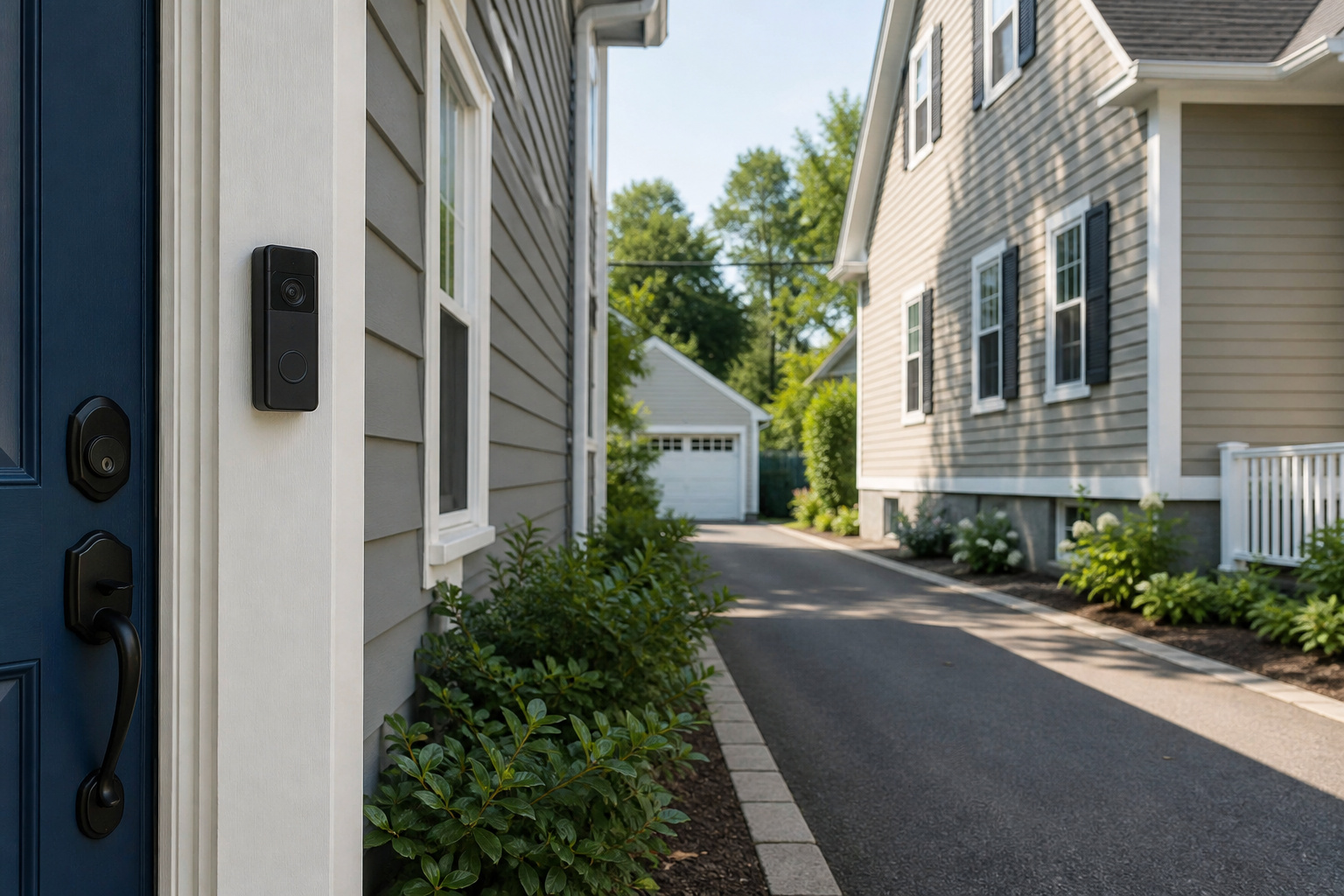
Video is the easy part legally. Courts have generally held there’s no reasonable expectation of privacy in anything visible from a public sidewalk or a neighbor’s own property line, so a doorbell camera that happens to catch a slice of the yard next door is rarely a legal problem on video alone.
Audio is where it gets genuinely complicated. Many popular doorbells can pick up conversations from well beyond your own porch; in Ring’s case, from as far as roughly 40 feet away, easily reaching a neighbor’s yard or a shared walkway.
About a dozen U.S. states require all-party consent to record a private conversation, not just one-party consent, and courts in those states have treated an always-listening doorbell microphone as a real source of legal exposure if it captures a conversation nobody agreed to have recorded.
The clearest example of how seriously this gets taken happened in the UK, where a court found a homeowner’s Ring doorbell, angled to cover a shared driveway and pick up audio well beyond his own property, violated a neighbor’s privacy rights under UK data protection law and ordered a five-figure penalty.
Most current doorbells give you the tools to stay well clear of this: an audio on/off toggle, adjustable motion zones to limit what triggers a recording, and privacy zones that mask out a neighbor’s window or yard from the video entirely. Using them isn’t just considerate; it measurably reduces legal exposure in a consent state.
It’s also worth knowing that the earlier era of doorbell brands routing footage directly to police departments has mostly ended; Ring shut down direct law-enforcement access through its Neighbors app in January 2024 and, as of an announced partnership with Flock Safety in 2026, has already reversed course on that too.
For the wider picture on what smart home devices in general collect and where that data goes, see our breakdown of what your devices are actually listening to.
Recommended Products

AI-Powered Smart Detection: Advanced AI technology accurately identifies people while filtering out vehicles and animals, so you only get the alerts that matter most
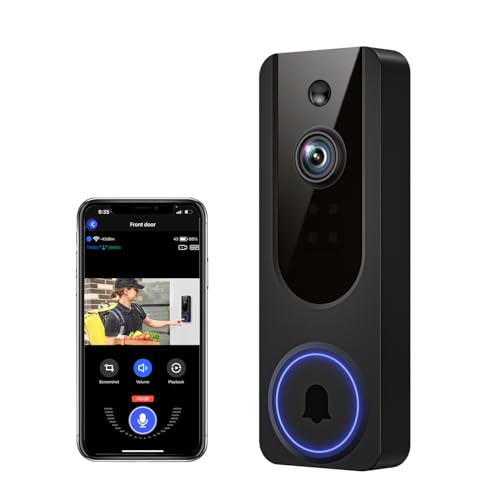
AI Detection Precision: Advanced AI intelligently identifies humans while filtering out unnecessary motion alerts.
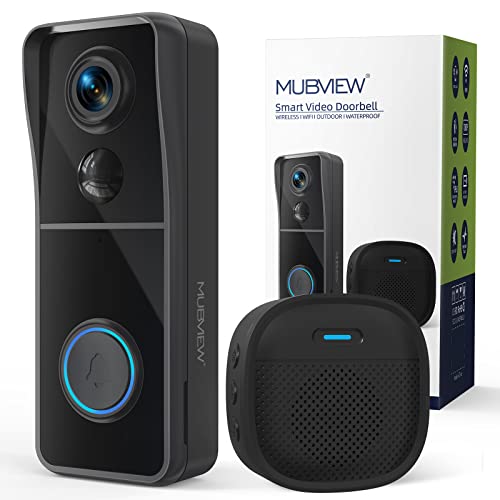
Voice Changer for Privacy & Real-time Talk:Answer your door without revealing who you are. This wireless doorbell camera lets you disguise your voice as a different gender or age — ideal for women living alone, seniors, and families with kids. Two-way audio lets you talk to couriers or greet visitors from your phone, anywhere. Works on 2.4GHz WiFi only (does not support 5G)
Resolution, Field of View, and Night Vision: What the Specs Actually Mean
1080p is the practical floor for a doorbell in 2026; anything lower makes it hard to make out a face or a delivery label at any distance. 2K models are increasingly common at similar prices and are worth the small premium if you want to read a license plate on the street rather than just confirm a person was there.
Field of view matters more than most buyers expect going in. A narrow 120 to 130-degree lens covers roughly what a person standing at the door sees; wider 150 to 180-degree lenses catch package drop-offs to the side and activity on a porch or driveway, at the cost of more edge distortion and more false motion alerts from cars passing on the street or trees moving in the wind.
A head-to-toe view of visitors, not just a face, generally needs either a wider lens or a taller mounting position; many complaints about doorbells only capturing “a floating head” trace back to standard mounting height with a narrow lens.
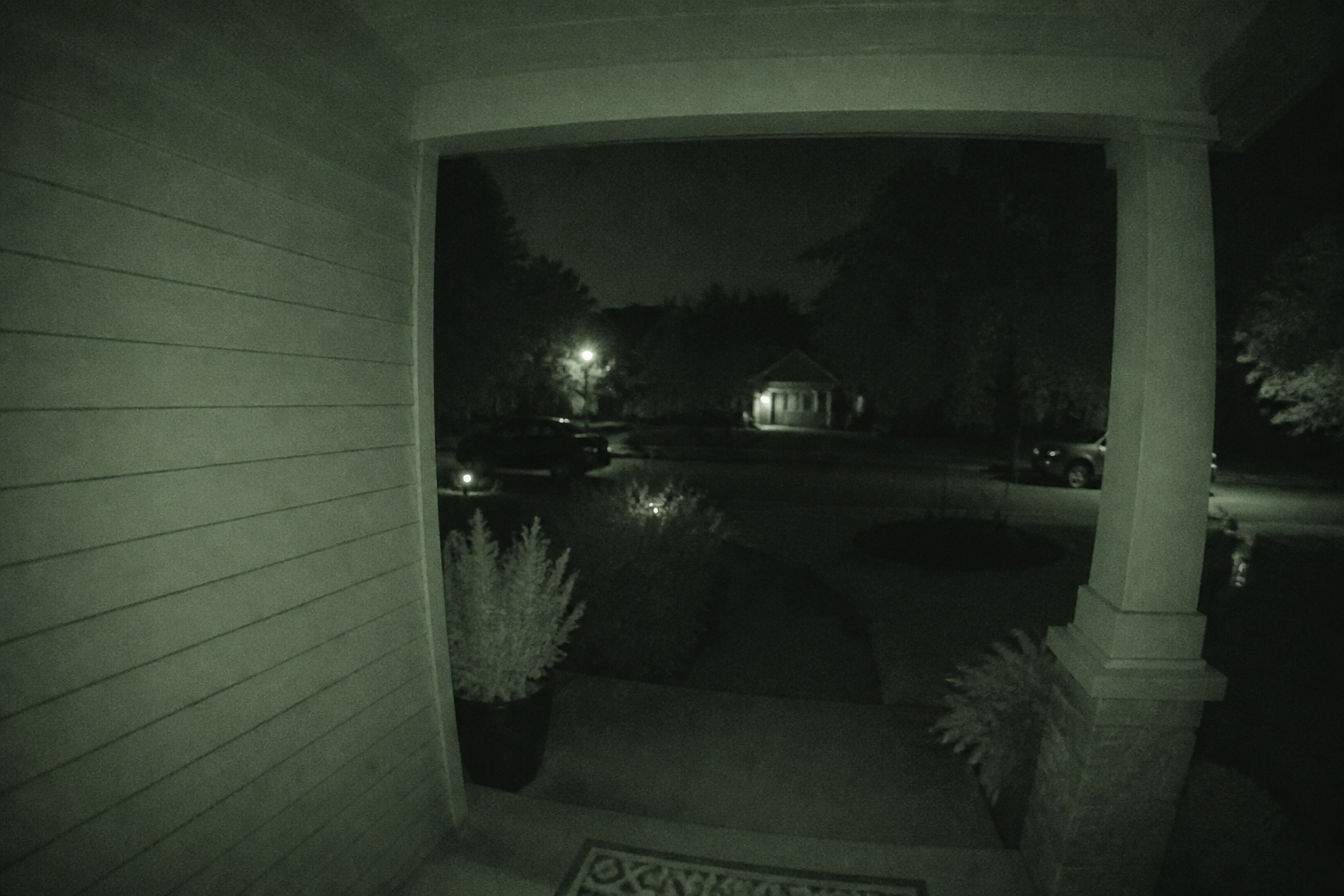
Night vision on nearly every current doorbell is infrared, meaning useful black-and-white footage in the dark rather than color, since color night vision requires either a spotlight (which announces itself, defeating some of the point) or a larger sensor that consumer doorbells generally don’t include. If the goal is a legible face at 2 a.m., don’t expect color; infrared is the norm, and it’s genuinely adequate for identification, just not the vivid nighttime shots shown in some marketing.
Recommended Products

Respond quickly: Hear and speak to visitors at your door with clear two-way audio or respond with pre-recorded quick reply messages when you are busy

Video Doorbell Camera for Complete Front Door and Entryway Protection: Monitor your front door with 2K video, person recognition, package detection, two-way audio, and IP65 weather resistance. Wired or wireless installation options.

【SEE IT ALL: HEAD-TO-TOE & FLOOR-TO-DOOR】 – Stop guessing who’s at your door with our 2K video doorbell. Its 170° Vertical FOV and 9:16 portrait framing capture the full picture. From a visitor’s face to your doorstep package, this smart doorbell gives the ultimate view standard cameras miss. Experience 2K clarity with no blind spots.
So, What Are You Really Paying For?
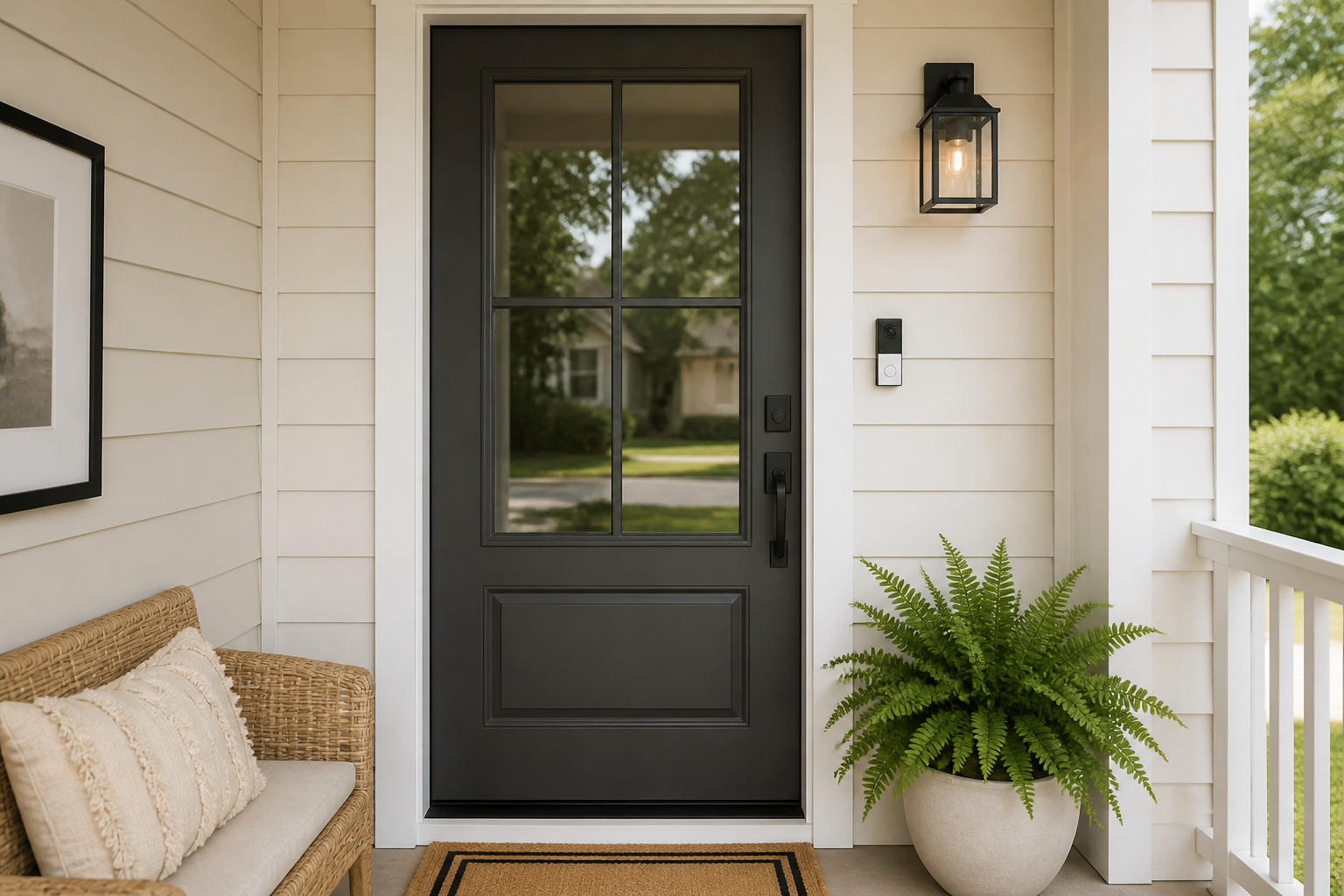
The doorbell itself is the smaller part of the real cost. What you’re actually choosing between is a monthly subscription versus a one-time local-storage setup, wired reliability versus battery flexibility, and how much control you want over what the microphone picks up beyond your own porch.
A reasonable default for most households: a 1080p or 2K doorbell with local storage or a modest subscription, audio toggled to record only when needed if you live in an all-party-consent state or have neighbors nearby, and realistic expectations that it’s a documentation and convenience tool first, and a crime deterrent second at best.
If you’re weighing a video doorbell alongside other entry-point security, our guide to whether smart locks are actually safer than traditional deadbolts covers the other half of that decision, and if you haven’t settled on a smart home ecosystem yet, see our comparison of Alexa, Google Home, and Apple HomeKit before buying a doorbell tied to one brand’s app. For the bigger financial picture, our breakdown of what it actually costs to smart-home a house puts doorbell pricing in context with everything else.
Recommended Products
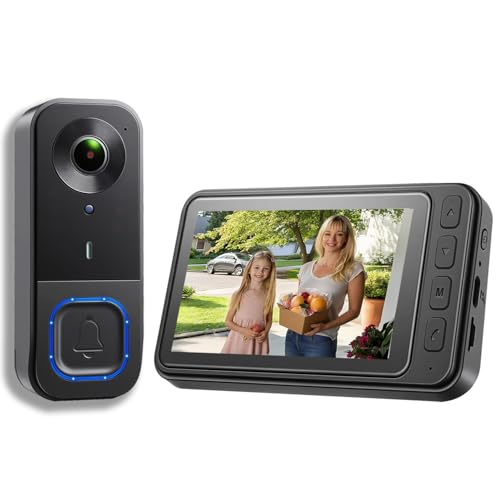
Wireless Convenience: The Doorbell Camera Wireless offers a hassle-free setup without the need for subscriptions, ensuring you have access to high-quality video surveillance at an affordable price.

【7-Inch 1080P Touch Screen Monitor】Enjoy the elegance of a minimalist system that is even easier to use than a smartphone. The 7-inch display boasts a crystal-clear 1080P resolution, offering you sharper images. Whether placed in the bedroom, living room, or kitchen, you can effortlessly monitor everything outdoors. With all functions integrated on the monitor, including answering calls, unlocking doors, and monitoring, the wireless video doorbell camera provides you with comprehensive control.

**High-Definition Video**: Experience unmatched clarity with our Doorbell Camera Wireless 1080P, ensuring you never miss any detail when monitoring your entryway.
Frequently Asked Questions
Do I need a subscription to use a video doorbell?
Not for the core function. Live view and instant notifications generally work without a subscription on cloud-based models. What you lose without one is saved video history, so you can see someone was at the door but can’t go back and review clips from an hour ago. Doorbells with local storage (a microSD card or base station) or HomeKit Secure Video sidestep this entirely with no monthly fee.
Can my neighbor’s video doorbell legally record audio of me in my own yard?
It depends on your state and what’s being recorded. Video of anything visible from their property or a public sidewalk is generally legal. Audio is the bigger risk: in all-party-consent states, recording a private conversation without everyone’s knowledge can be a civil or even criminal issue, and some doorbell microphones pick up sound from well beyond the property line. If it’s a genuine concern, most doorbells let the owner disable audio or narrow the motion zone, and it’s a reasonable thing to raise directly.
Will a video doorbell work with my existing chime?
Only wired video doorbells can ring an existing mechanical or digital chime, and only if your existing transformer meets the doorbell’s minimum voltage and VA rating, typically 8 to 24 volts AC. An underpowered transformer is the most common cause of a video doorbell that notifies your phone fine but never rings the physical chime inside. Battery-powered doorbells generally can’t trigger an existing wired chime at all; some offer a plug-in chime accessory instead.
Do video doorbells actually stop package theft?
The evidence is mixed. Consumer surveys report meaningful self-reported reductions in repeat theft after installing one, but criminologists who study package theft specifically are skeptical that an unmonitored camera is a strong deterrent, since catching someone on video rarely leads to a police response for a low-dollar theft. Treat it as useful documentation and a mild deterrent, not a substitute for a lockbox, a signature requirement, or a secure pickup location.
Battery or wired: which should I actually buy?
Wired if you have existing doorbell wiring with an adequately rated transformer and want to keep your physical chime working with zero maintenance. Battery if you’re renting, unsure about your wiring, or your existing transformer is underpowered and you’d rather not deal with an upgrade. Battery models need recharging every few weeks to a couple of months, depending on usage and cold weather, which is the main ongoing cost of that convenience.