A few targeted upgrades can transform your car’s sound without replacing every component.
You don’t need a full system overhaul. Focus on the pieces that make the biggest difference.
Seal Gaps and Deaden Sound
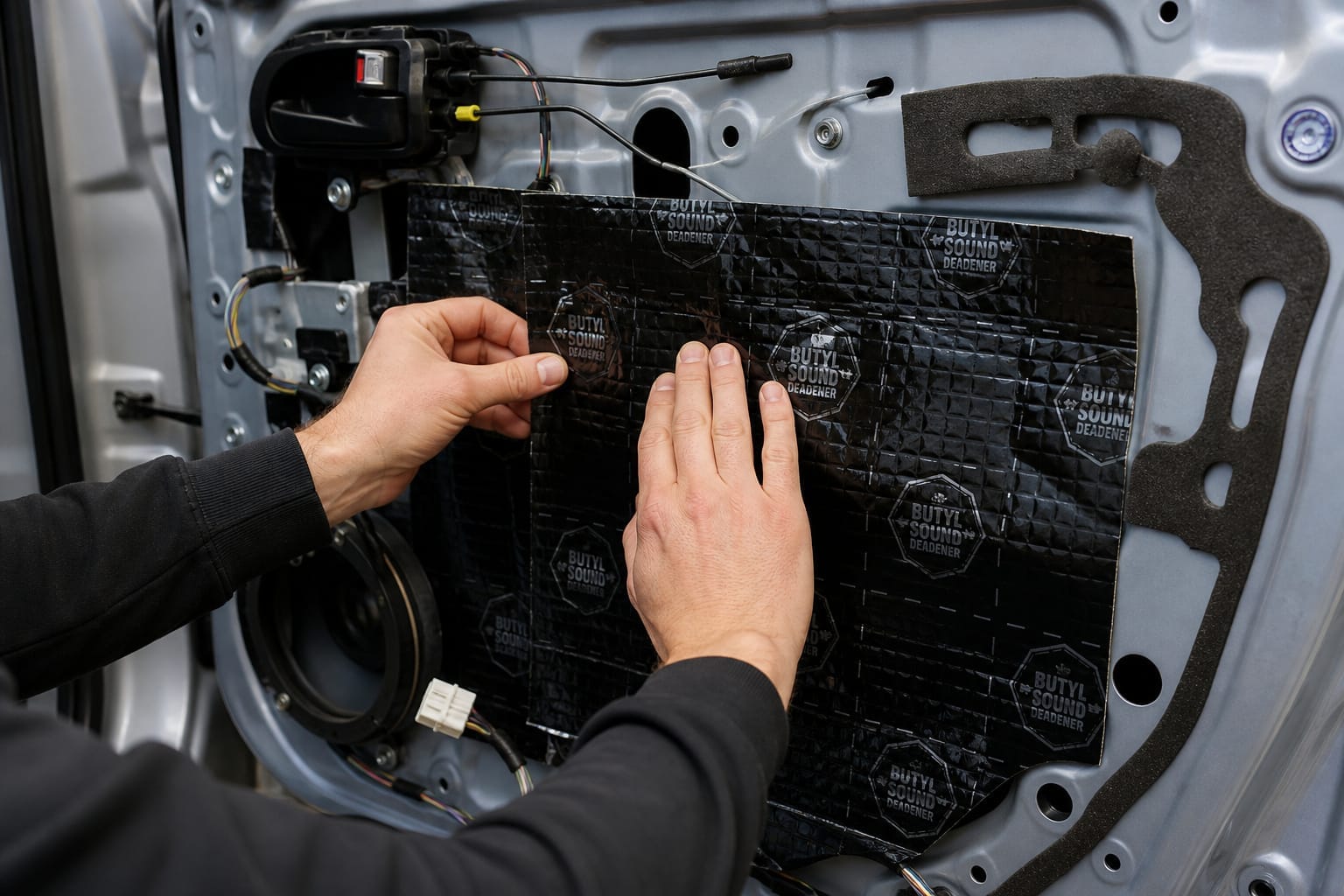
Sealing gaps around door speakers with foam or rubber gaskets stops air leaks that rob bass and clarity. When sound waves escape around a poorly sealed speaker, your music loses punch you paid for.
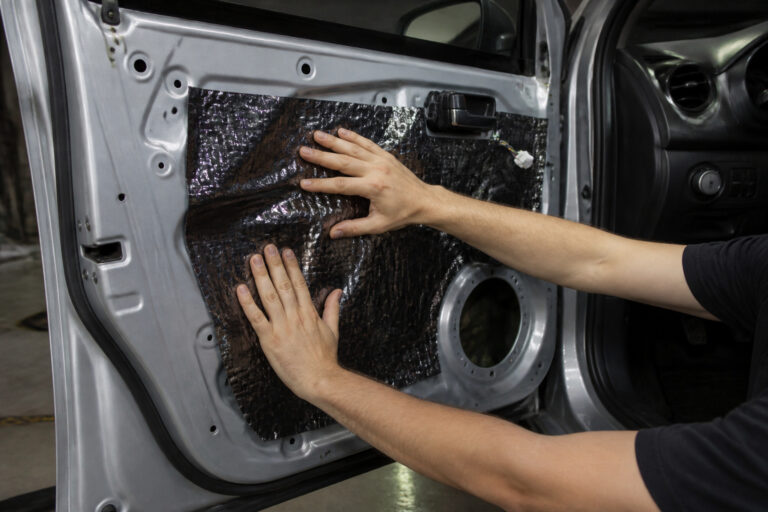
Adding sound-deadening material like butyl rubber sheets to your doors (and the floor, if you want to go further) kills vibrations and road noise, which lets highs stay crisp and bass feel solid instead of boomy.
Our guide on reducing rattles and vibration in car doors walks through the full process.
Recommended Products

Very sticky self-adhesive 80 mil automotive butyl and foil sound deadening. It is user-friendly viable material suitable for DIY installation. KILMAT is really efficient and easy-to-install

Car sound deadener (10-piece) for creating a quieter and more comfortable in-car experience

80mil Car Sound Deadening Mat: 80mil(2mm) 3-layer sound deadening material for cars blocks noise effectively. 8-wire aluminum foil reflects heat while butyl rubber absorbs vibrations. High-strength adhesive ensures permanent bond. 36sqft covers doors/trunk. Waterproof & durable.Working temperature range: -50°F ~ 300°F.
Upgrade Your Speakers
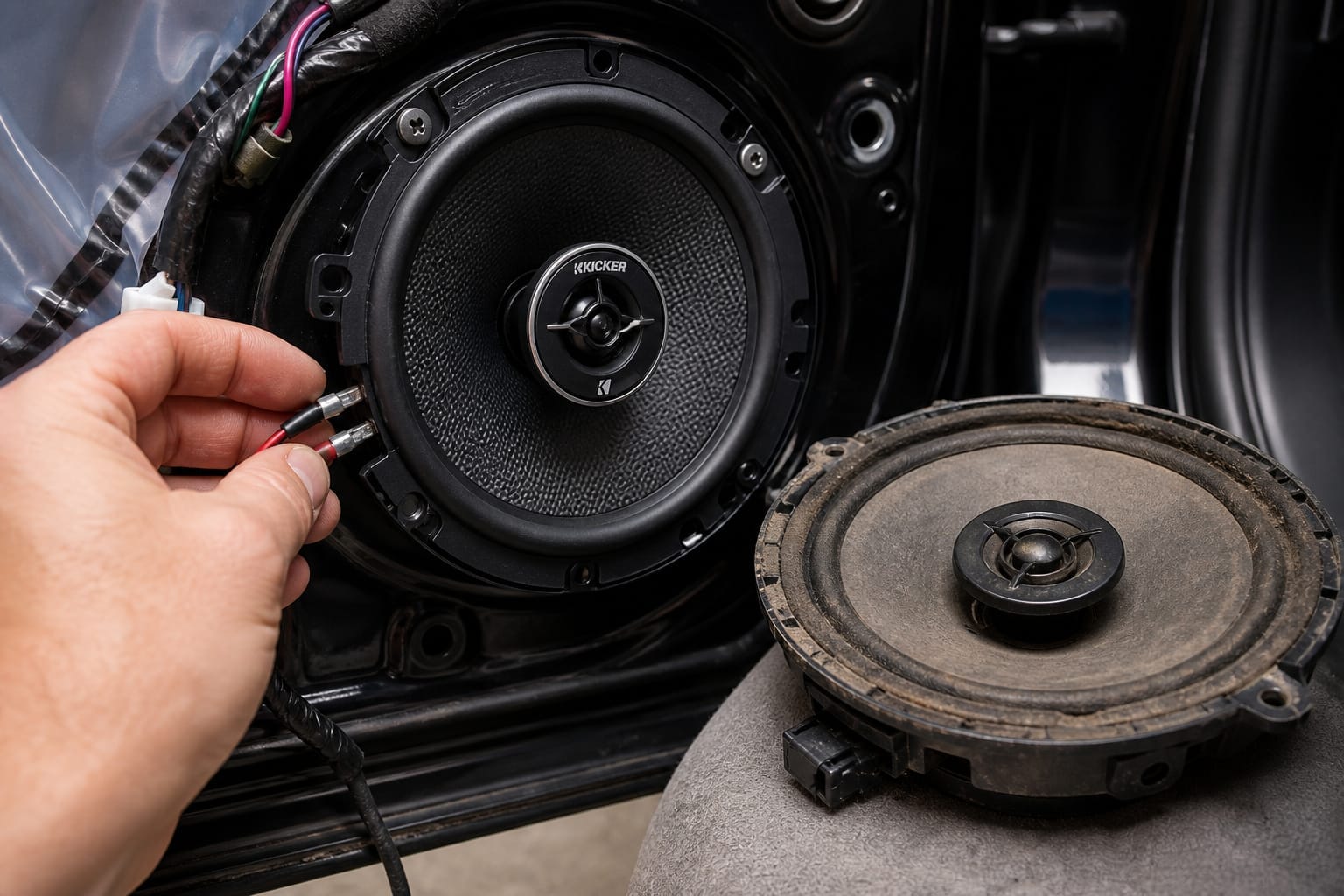
Factory speakers are typically built with thin cones and weak magnets, so even a modest pair of aftermarket speakers can be a noticeable step up in loudness, clarity, and depth.
Installation is usually a one-to-two-hour DIY job: disconnect the battery, remove the door panels, unplug the old speakers, and wire in the new ones, matching them to your stereo’s power output so they play cleanly without distortion.
See our guide on what size car speakers you need to ensure you buy the right fit, and component vs. coaxial speakers if you’re deciding between the two types.
Upgrade Your Source
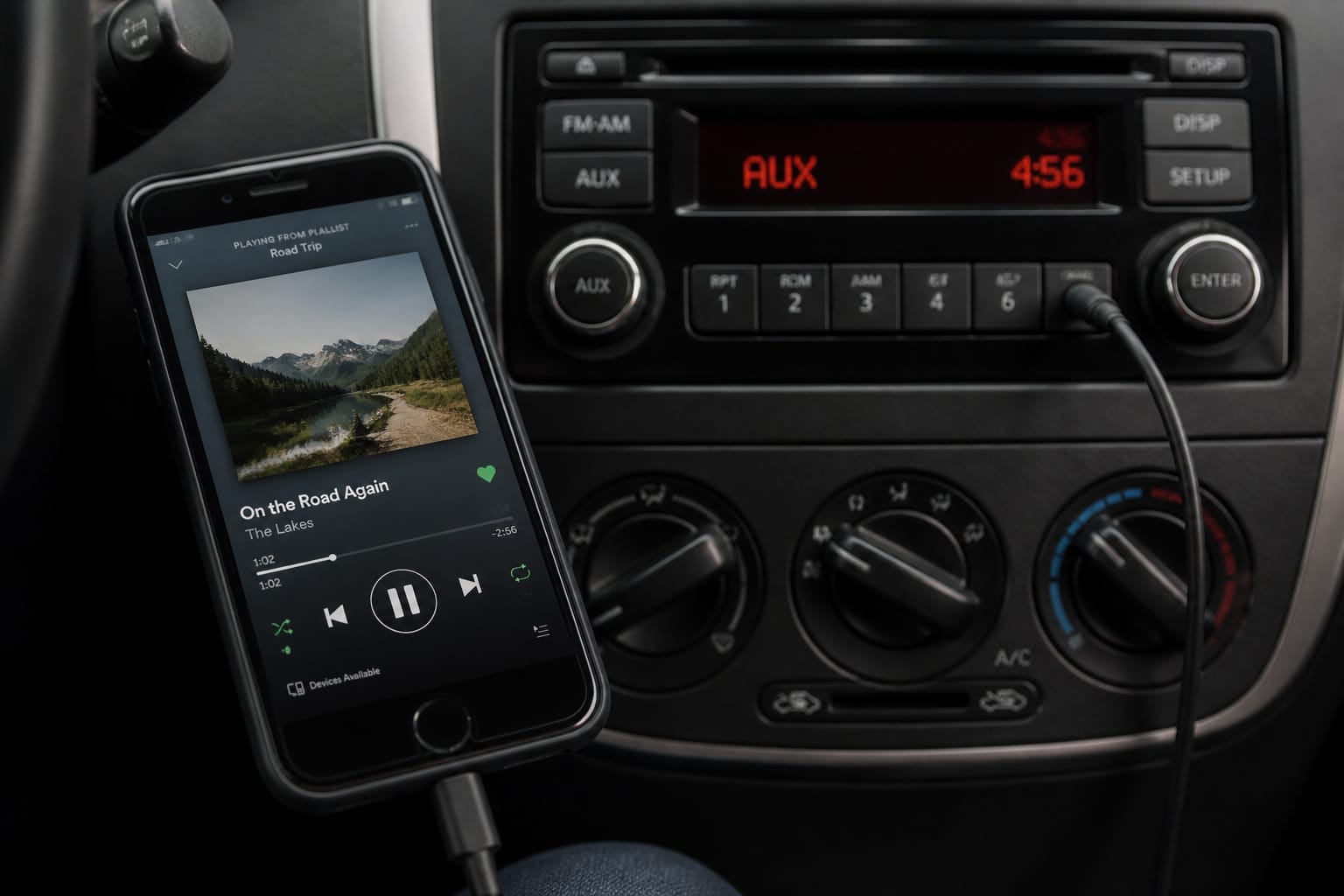
The quality of the audio feeding your system matters as much as the speakers playing it. Stream over Bluetooth 5.0 or newer rather than an older version, which tends to compress and drop audio detail.
If your stereo supports it, enable a lossless setting, and favor higher-bitrate files or a premium streaming tier over heavily compressed audio; the system can only reproduce what it’s given.
If you have an aux input, use a direct cable connection instead of an FM transmitter, which adds noise and compression that a wired connection avoids entirely.
Recommended Products

High-Fidelity Stereo Audio: Featuring Bluetooth 6.0 chipset, this 3.5mm Bluetooth adapter provides stable connection up to 100FT (30m) without delay. Made for car use, this car Aux Bluetooth adapter supports SBC codec, delivering clear, functional, and enjoyable sound—both for listening and for speaking.

【Enjoy Wireless Streaming Music】This car Bluetooth adapter can be connected to non-Bluetooth car audio systems, home stereos, speakers, wired headphones via the 3.5mm AUX adapter; And equipped with a Bluetooth 5.3 chip for stable connection / fast transmission / wide signal range. Just pair it with your phone and start listening to your favorite music!

Bluetooth 6.0 with LDAC Codec: Built with the latest Bluetooth 6.0 chipset, this 3.5mm AUX Bluetooth receiver delivers a stable low-latency connection. It supports LDAC codec, which transmits high-resolution audio details for richer, more immersive sound when playing music, while maintaining clear audio for calls.
Fine-Tune EQ and Speaker Aim
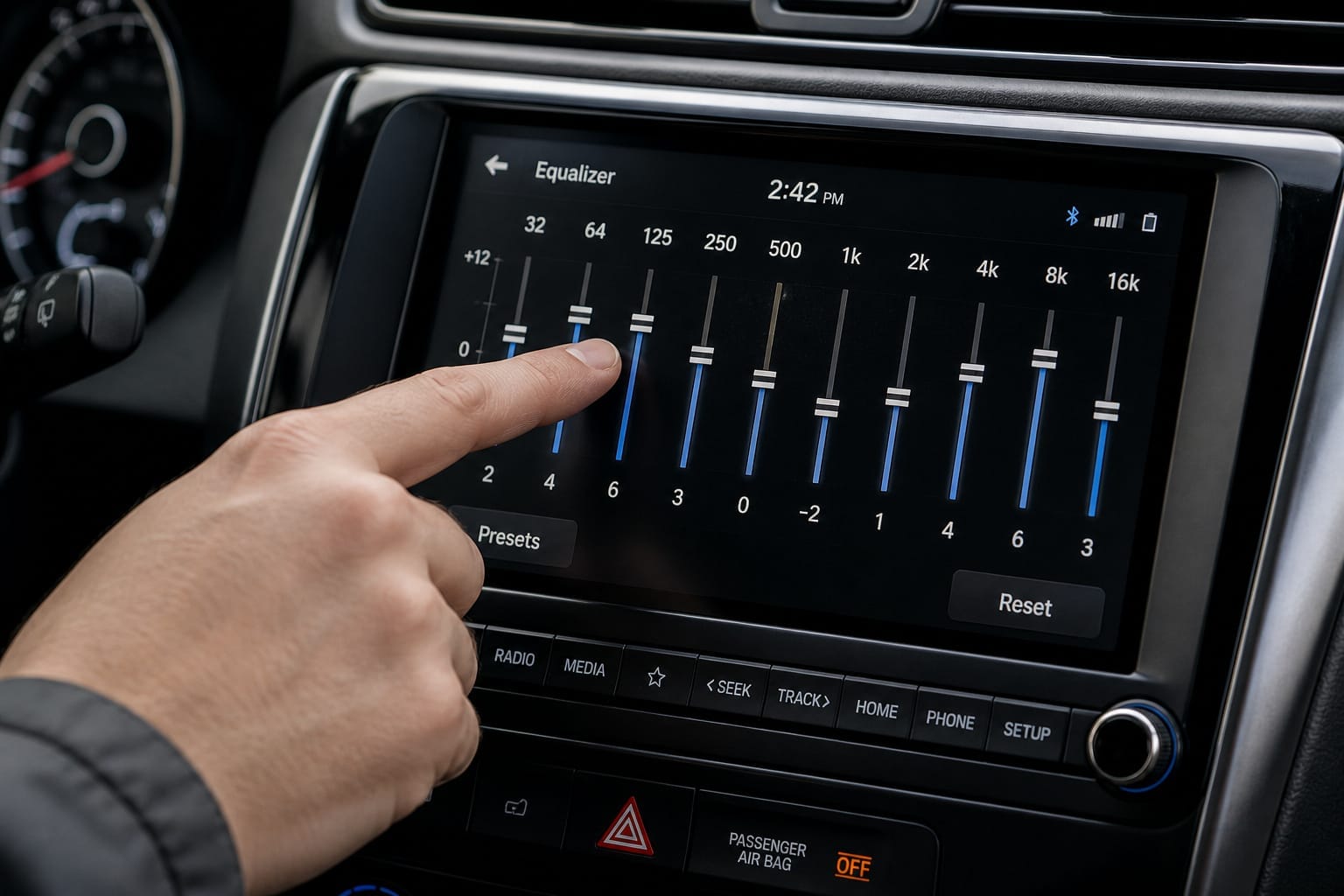
Small adjustments to your stereo’s EQ go a long way: cut harsh highs, boost mids slightly to bring out vocals, and adjust until voices sound natural rather than tinny or muffled.
If your speakers are adjustable, angling them toward your ears rather than letting sound bounce off windows or door panels noticeably sharpens imaging; even minor changes to tweeter aim can make a real difference.
For a deeper look at balancing an entire system rather than one speaker at a time, see our guide on tuning a car audio system.
Recommended Products
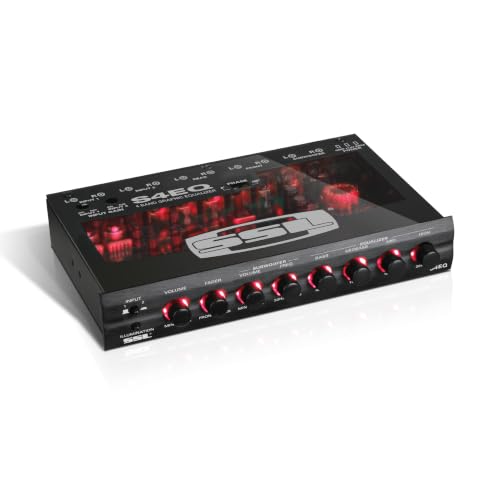
EQ Band Center Frequencies: 40 Hz, 150 Hz, 1 kHz, 20 kHz

The EQ BASS enables comprehensive remote control of your amplifier, allowing adjustment of volume, Bass Boost, High Pass, Low Pass, and a Limiter.
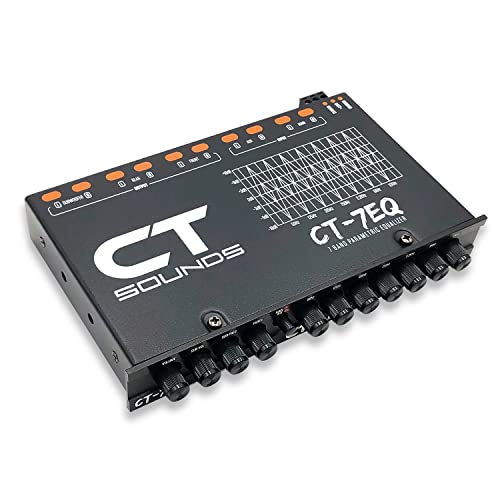
The CT-7EQ is a 7 band 1/2 din parametric car audio equalizer designed to divide and enhance the segment of frequency for your car audio application
Add Power If You Need It
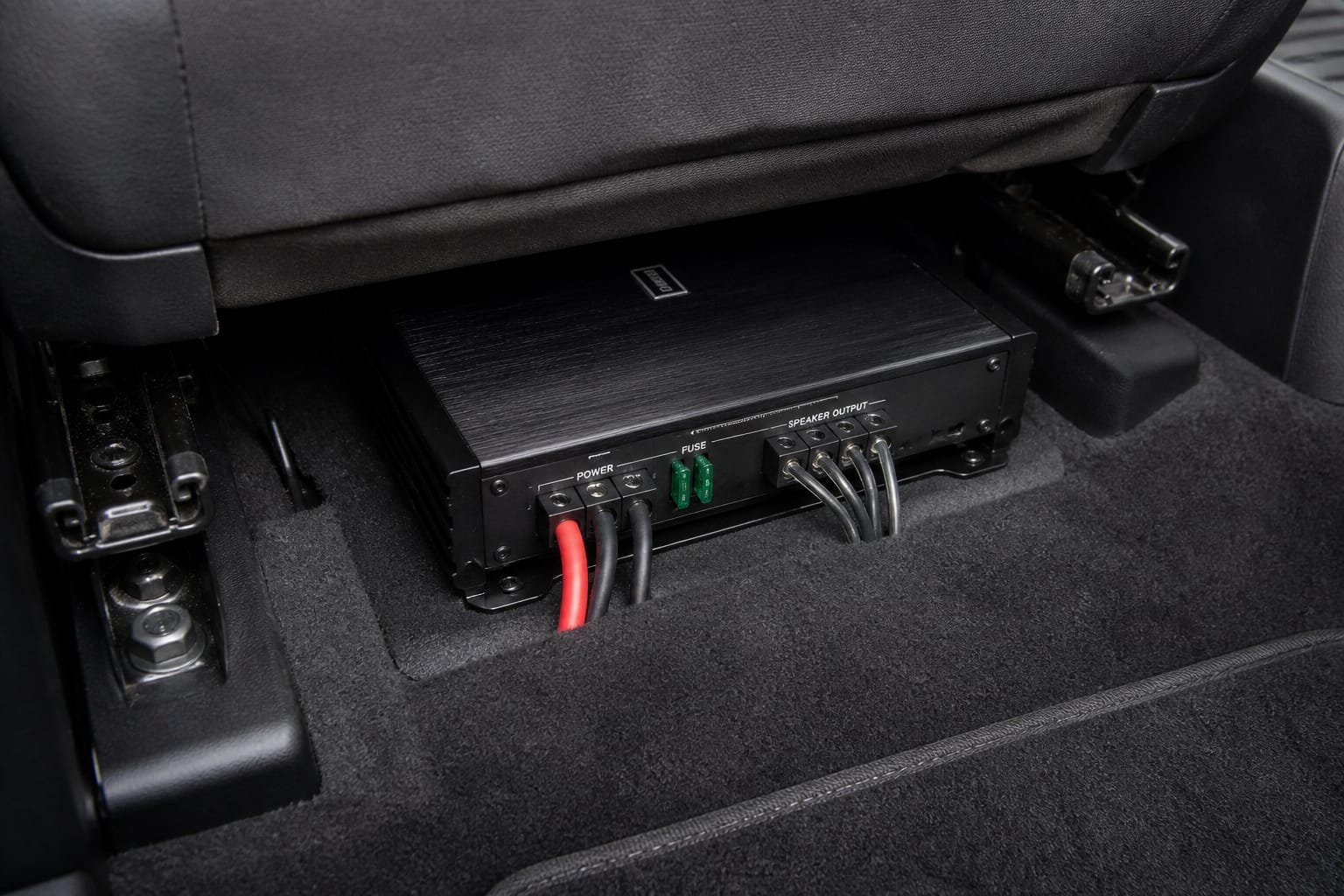
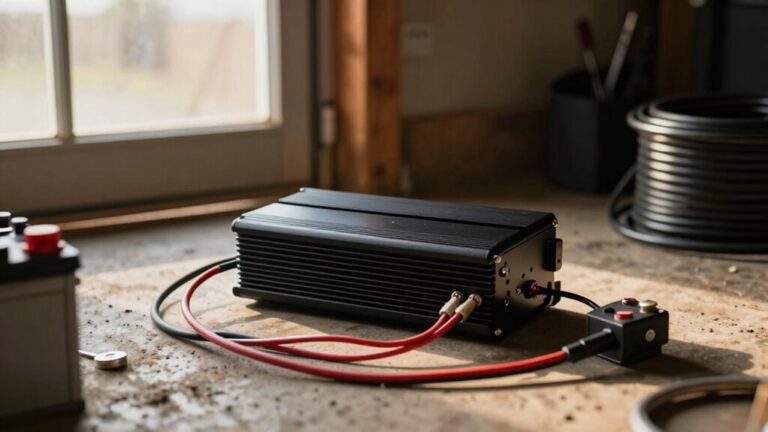
If you’ve upgraded your speakers and still want more headroom, adding an amplifier is the next logical step.
A factory head unit’s built-in power is limited, and an amp lets speakers play louder and cleaner without straining.
Our guide on whether you need an amp covers how to size one properly for your speakers.
Recommended Products

20 Foot / 8 Gauge Red Power Cable

17FT 0 Gauge Red Power Cable;3 FT High Performance Car Ground Wire;17 FT Blue Remote Turn-on wire;17FT High Performance RCA Iterconnect Cable;17FT Speaker Cable.

COMPLETE AMPLIFIER WIRING KIT - AK4 is a perfect set to install 1 amplifier. 4 Gauge Installation cables 1200W that come with an ANL fuse holder with 80 amp fuse.
Frequently Asked Questions
How much does it cost to upgrade car audio?
A solid mid-level upgrade typically runs $100 to $500; a decent pair of speakers might run $80, sound-deadening material adds a modest amount, and an amplifier (if you add one) is usually the biggest line item. You don’t need to buy everything at once; speakers and deadening alone make a noticeable difference.
Can I install speakers without removing door panels?
Sometimes, if the new speakers fit the existing mounting holes and you can access them through the speaker grille alone. In most cases, though, removing the panel gives you better access and lets you add sound deadening at the same time.
Do I need an amplifier for better sound?
Not strictly, but it helps. A factory stereo has limited built-in power, and an amp lets speakers play with more headroom and less distortion at higher volumes.
Will new speakers work with factory wiring?
Usually yes. Most aftermarket speakers use standard connectors that plug into factory wiring, sometimes with an adapter, so a full rewire typically isn’t necessary for a straightforward speaker swap.
Can sound deadening improve audio clarity?
Yes. Reducing panel vibration and road noise lets your speakers do their job without fighting rattles and resonance, which tightens bass and sharpens vocals and highs.