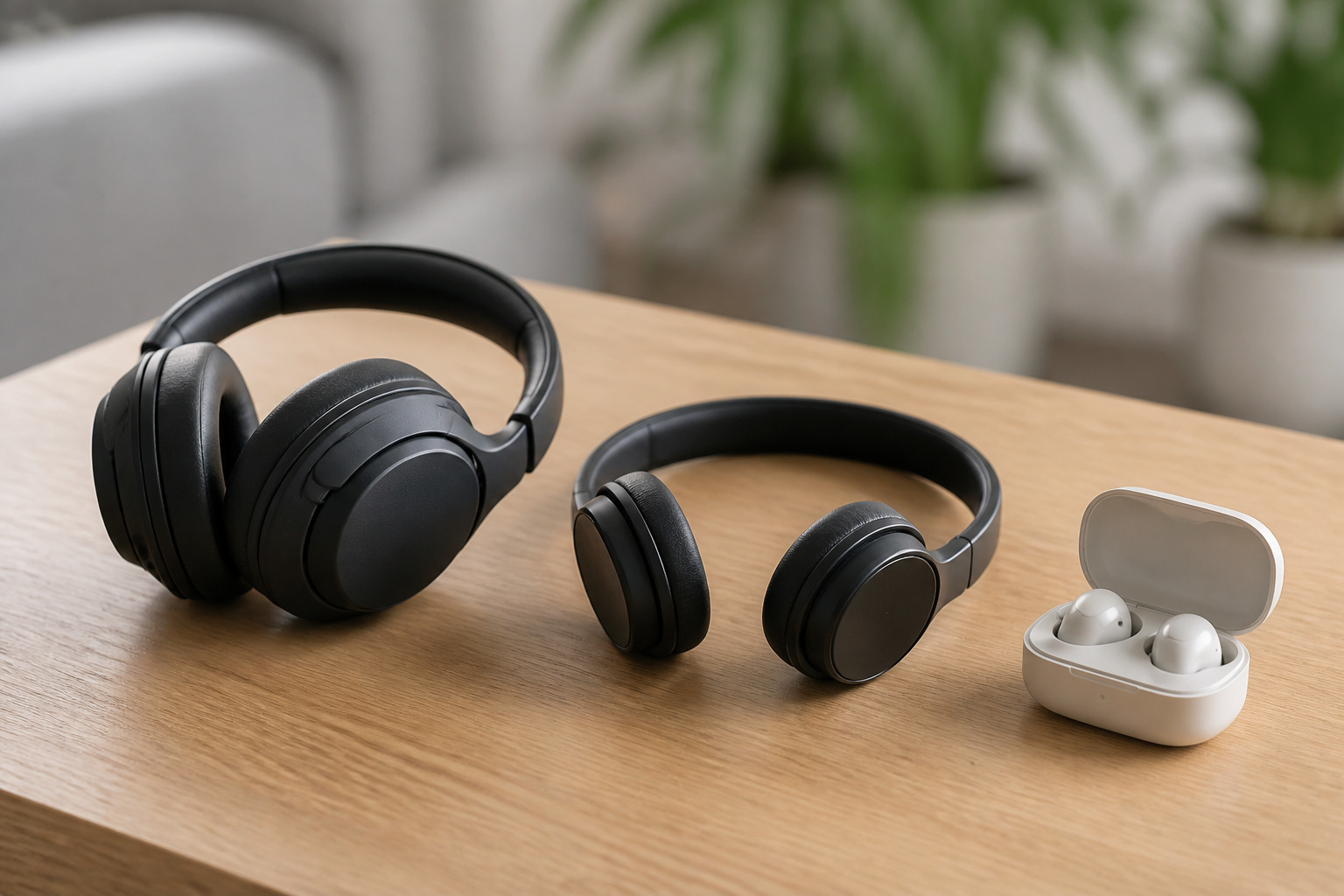
Headphones come in three main styles: over-ear, on-ear, and in-ear. They differ in sound, comfort, noise blocking, and portability, and the best choice depends on where and how you listen. This guide compares them so you can pick the style that fits your life before you worry about brands or features.
Over-Ear Headphones
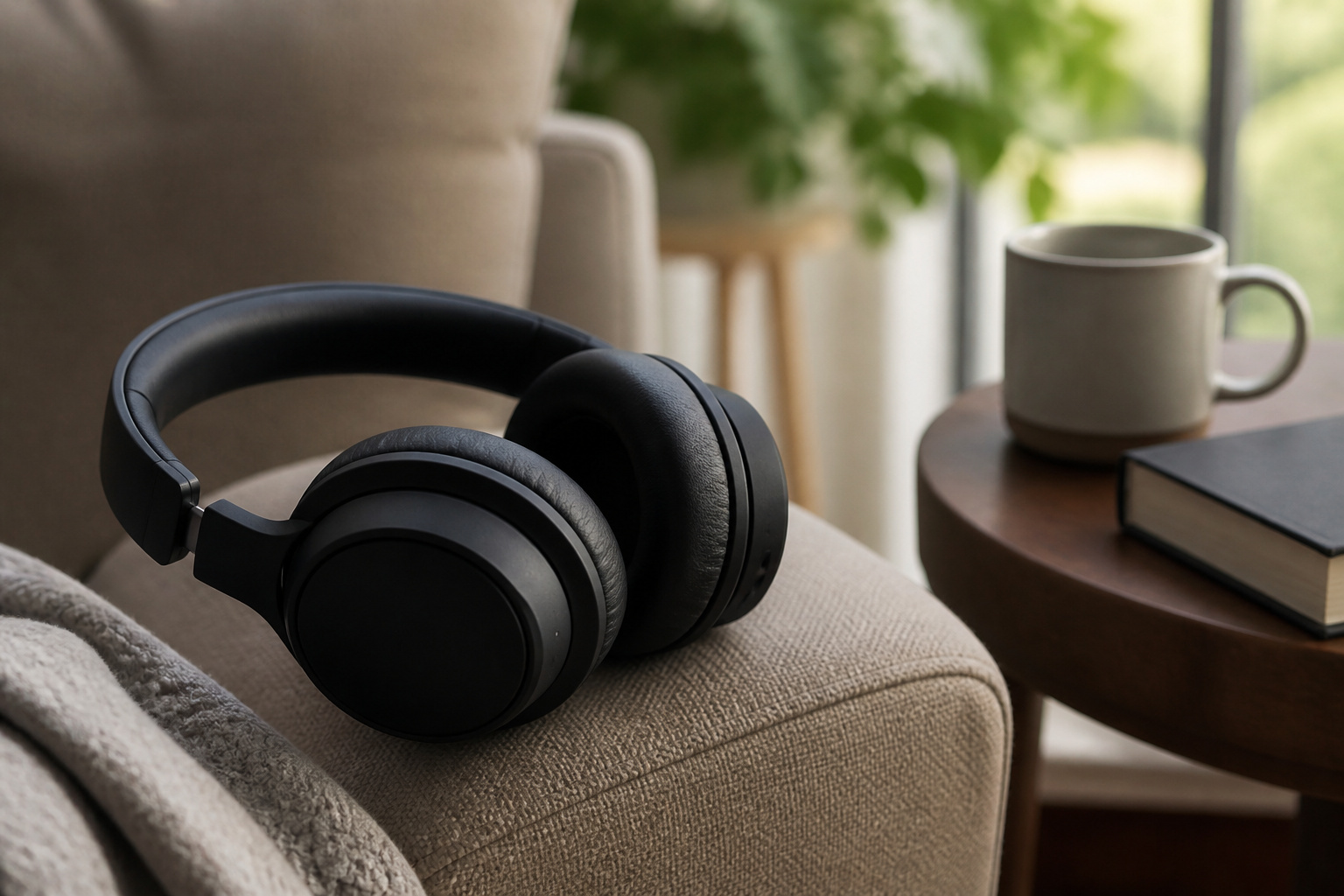
Over-ear headphones have large cups that fit around your whole ear. Because the cups are big, they have room for larger drivers and thick cushions, which usually means fuller bass and a more spacious sound.
The seal around your ear also blocks a good amount of outside noise, and they stay comfortable for long sessions of studying, gaming, or listening at home.
The downsides are size and heat. They are bulky to carry, can feel warm after a while, and are not ideal for running or the gym.
Recommended Products

Bass Sound: Enjoy clear sound and superior comfort with the OneOdio Studio Monitor Headphones. Equipped with large 50mm speaker drivers and neodymium magnets, pro-10 deliver powerful bass, clear vocals, and crisp highs for a balanced stereo sound.

BASS SOUND: Enjoy powerful bass and comfort with the OneOdio Studio headphones. Large 50-millimeter speaker unit drivers combined with neodymium magnets deliver dynamic bass, great for DJing, mixing, monitoring, or listening to music.

【Multi-platform Compatible】 Gaming headset with microphone for PC, PS4, PS5, Xbox One Series X/S (older version requires adapter), Nintendo 3DS, Switch, Laptop, PSP, Tablet, iPad, Computer, Mobile Phone, 3.5mm jack device.
On-Ear Headphones
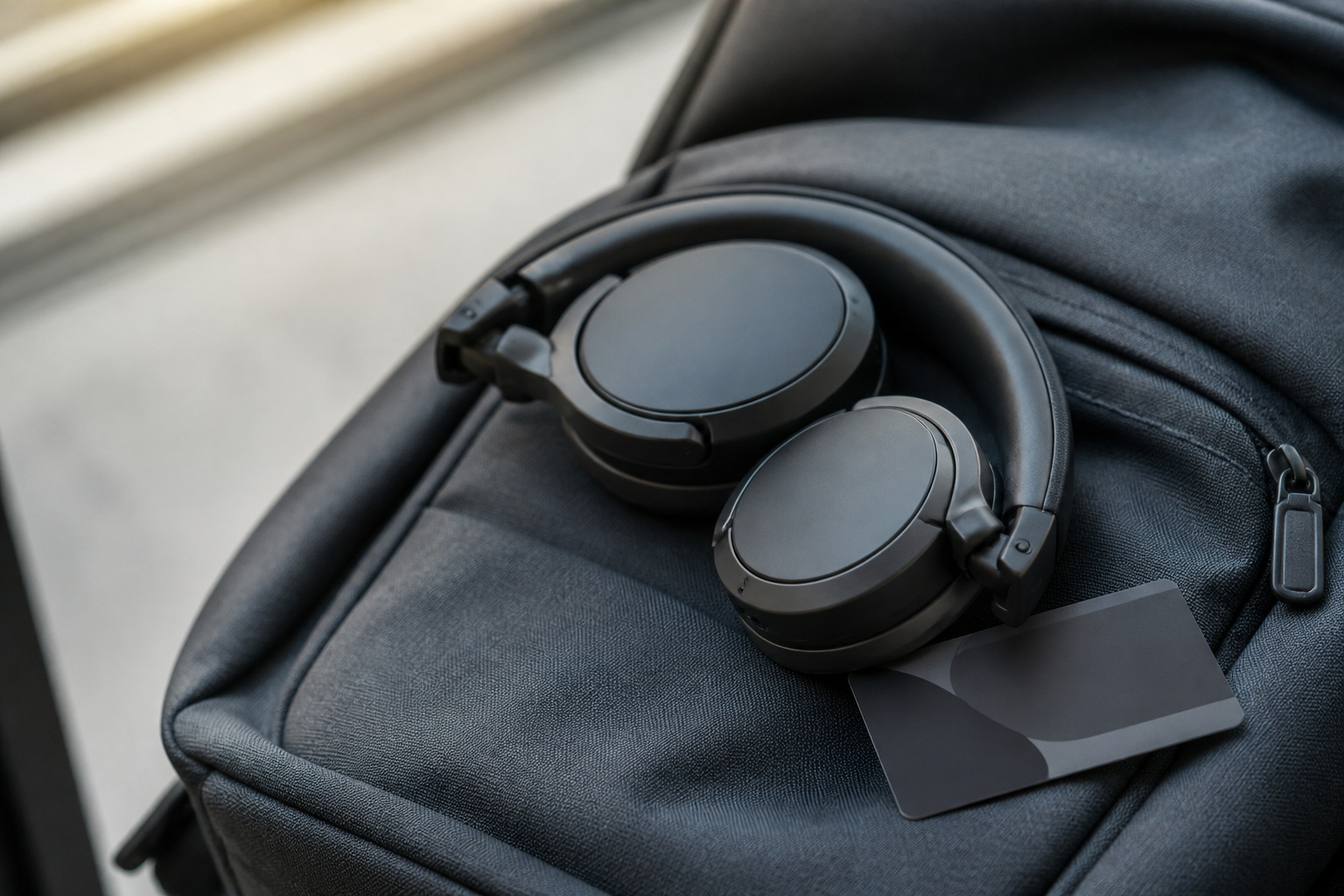
On-ear headphones rest on top of your ears instead of surrounding them. They are lighter and more compact than over-ear models, so they fold up easily and travel well.
They suit commuting and casual listening.
The trade-offs are comfort and sound. The pads press directly on your ears, which can become sore after an hour or so, and they seal less well, so more outside noise gets in and more sound leaks out.
Bass is usually lighter than on an over-ear pair at a similar price.
Recommended Products

Lightweight 1.38 in neodymium dynamic drivers deliver a punchy, rhythmic response to even the most demanding tracks. Driver Unit: Dome type.Specific uses for product : Travel

Hassle-Free Warranty: 24-month warranty included with easy to reach customer service for your peace of mind

【Upgraded USB-C Connector for School】 Bywulanda kids headphones is special designed for a wide range of mobile devices and PCs using the type-c headphone jack (𝐏𝐥𝐞𝐚𝐬𝐞 𝐧𝐨𝐭𝐞: 𝐧𝐨𝐭 𝐜𝐨𝐦𝐩𝐚𝐭𝐢𝐛𝐥𝐞 𝐰𝐢𝐭𝐡 𝐔𝐒𝐁-𝐂 𝐜𝐡𝐚𝐫𝐠𝐢𝐧𝐠 𝐩𝐨𝐫𝐭). No need usb converter, hassle-free plug-and-play functionality. This wired kids headphones for school is follow connector new trend.
In-Ear Headphones
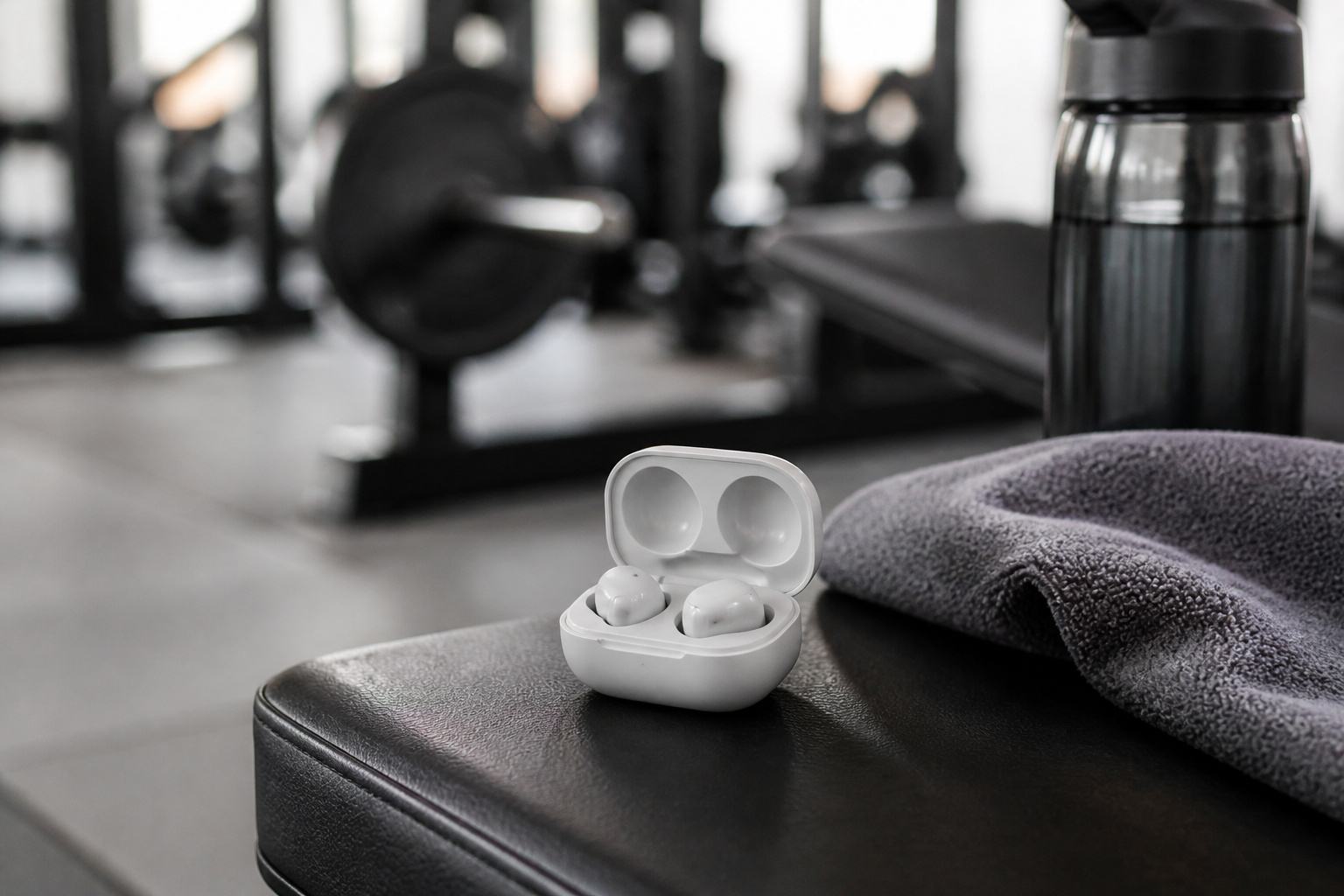
In-ear headphones, often called earbuds, sit in or at the entrance of your ear canal. Models with silicone or foam tips form a tight seal that isolates noise very well for their size, and they are the most portable option.
They are also the most popular choice for workouts because they stay put and tolerate sweat if rated for it.
Fit is everything here. The wrong tip size gives weak bass and poor isolation, and some people find them uncomfortable over long periods.
Trying the different tip sizes included in the box is the easiest fix. Wireless earbuds also need regular charging and have small batteries that wear out over time.
Recommended Products

PREMIUM MATERIAL: These premium replacement earbud tips are made of high-quality rubber material to enhance your earbud experience. They are comfortable and secure to wear, allowing you to enjoy hours of listening pleasure.

NOISE ISOLATING FIT. Experience pure comfort and effortless sound. Jib comes with 2 different-sized ear gels to help you find your perfect fit

BLLQ 12 Pairs of Black Silicone Replacement Earbud Tips fit for most In-Ear Earbuds Earphones(S/M/L, Each Size 4 Pairs).
Which Style Fits Your Situation
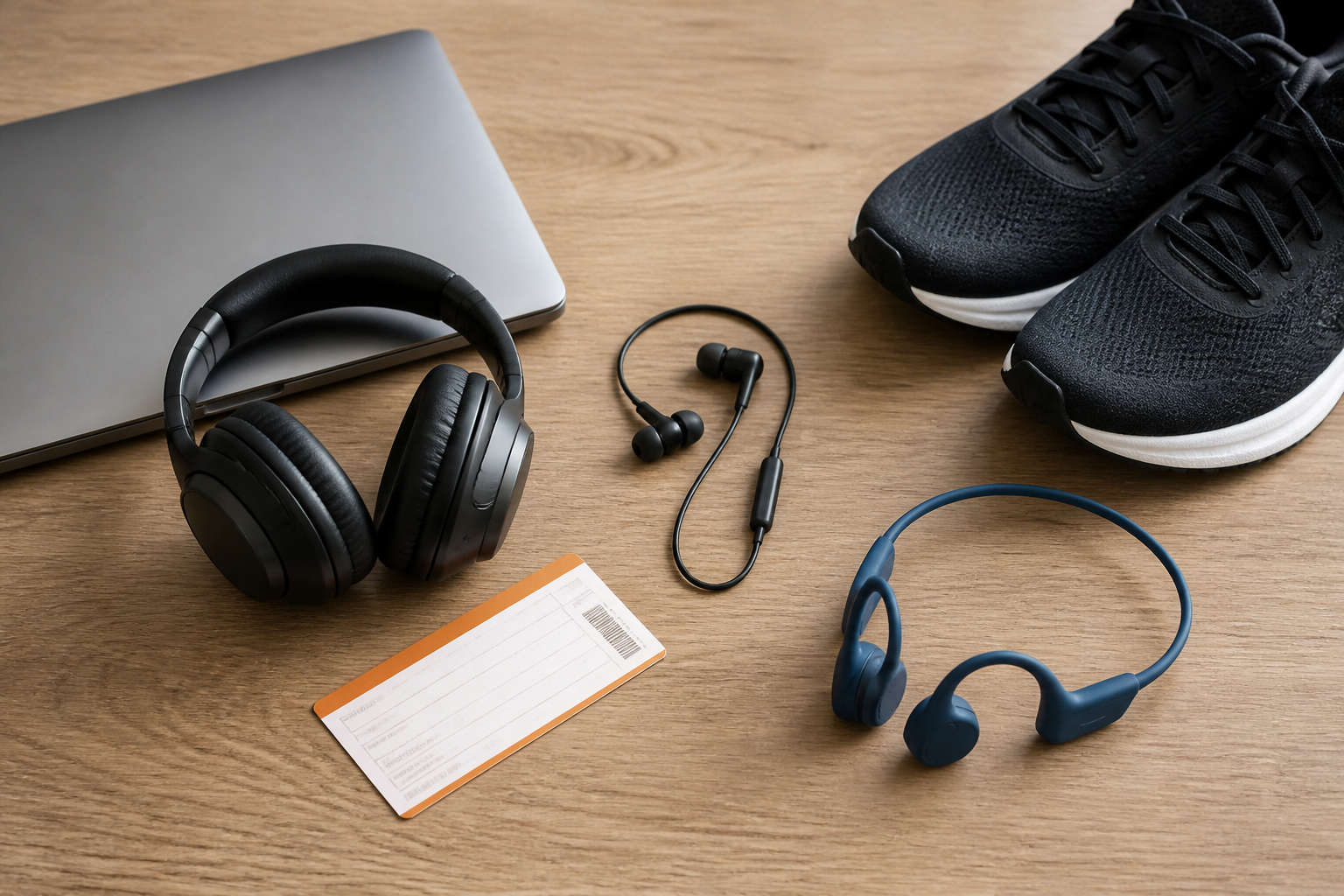
Choose over-ear for home listening, long flights, and focus work where comfort and sound matter most. Choose on-ear if you want something light and foldable for commuting and can tolerate the pressure.
Choose in-ear for exercise, travel with minimal space, and anywhere you want a small, discreet pair.
Whatever style you pick, noise cancelling is a separate feature available in all three. Read how noise cancelling headphones work to see if it is worth adding, and use our guide on how to choose headphones to match a pair to your daily routine.
If you are unsure about cables, see wired vs Bluetooth headphones.
Recommended Products

Block the World, Keep the Music: Four built-in mics work together to filter out background noise — whether you're in a packed office, on a crowded commute, or moving through a busy street — so every beat comes through clean and clear. (Not available in AUX-in mode.)

Hybrid Active Noise Cancelling: 2 internal and 2 external mics work in tandem to detect external noise and effectively reduce up to 90% of it, no matter in trains or offices.
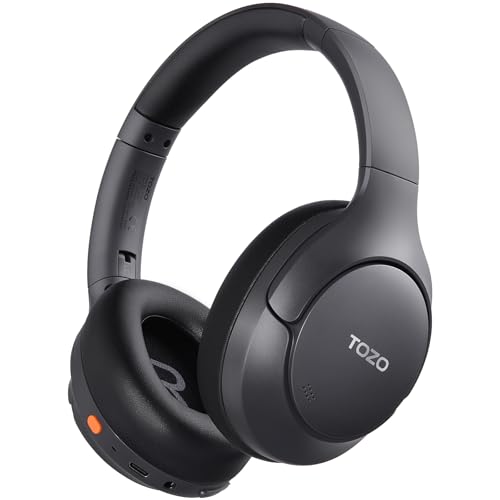
[45dB ANC & Hybrid Noise Cancellation] Enjoy unmatched tranquility with Adaptive ANC and Hybrid Noise Cancellation. Four high-sensitivity microphones continuously detect and adapt to your surroundings—whether you're on a noisy subway, airplane, or in a bustling café. A single press restores complete silence, while a dedicated call mic ensures crystal-clear voice quality, even in noisy environments. Ideal for both calls and music, offering superior audio no matter where you are.
Frequently Asked Questions
What Is the Most Comfortable Headphone Type for Long Flights?
Over-ear headphones are usually the most comfortable for long flights. The cups sit around your ears instead of pressing on them, the cushions seal out engine noise, and the weight spreads across the headband. Look for a pair with soft, breathable pads, and consider noise cancelling, since cabin noise is exactly the kind of steady sound it handles well.
Do In-Ear Headphones Cause Hearing Damage More Easily?
They can if you turn the volume up to cover background noise, since the sound source sits closer to your eardrum. The risk comes from loud volume over long periods, not from the style itself. A good seal or noise cancelling lets you listen at a lower volume in noisy places, and taking regular breaks helps protect your hearing.
Can On-Ear Headphones Work Well With Glasses?
They can, but the pads press the glasses arms against the side of your head, which gets uncomfortable for some people. Look for soft, flexible pads, adjust the headband to ease the pressure, and consider thin-framed glasses. If comfort remains a problem, over-ear models with deeper cushions or in-ear styles avoid the issue.
Are Over-Ear Headphones Better for Noise Isolation?
Often, but not always. A well-sealed over-ear pair blocks a lot of sound through its cushions. A properly fitted in-ear pair with the right tips can isolate just as well or better, especially against higher-pitched noise. On-ear models tend to isolate the least because they sit on the ear instead of sealing around it.
Which Type Is Best for Working Out?
In-ear headphones are the best choice for most workouts. They are light, stay in place when you move, and many models are sweat resistant. Look for a secure fit, such as ear hooks or fins, and a water-resistance rating. Over-ear and on-ear styles tend to slip and trap heat during exercise.