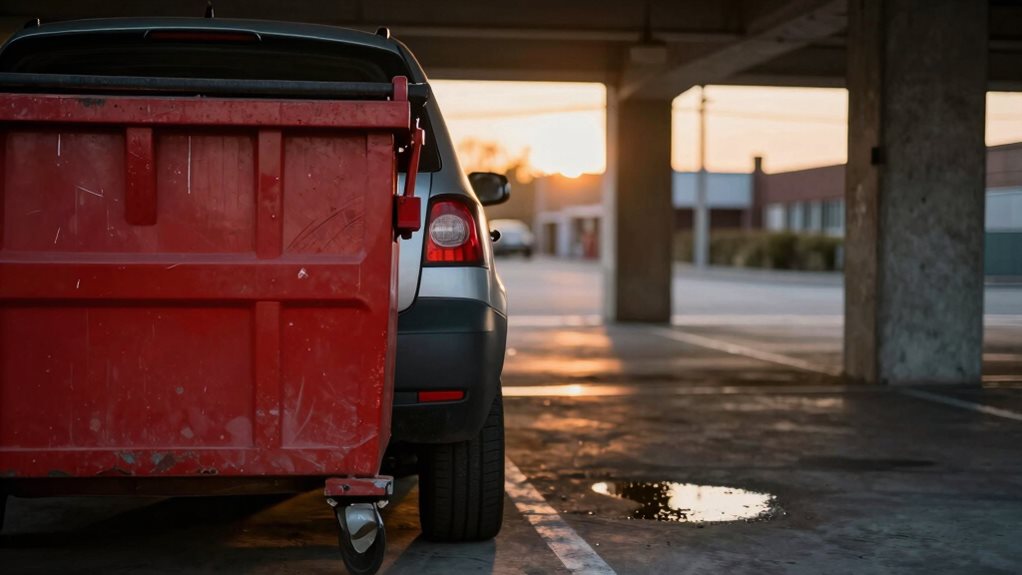
Even if you’ve never noticed them, parking sensors are already watching your back. They hum quietly beneath your bumper, waiting to warn you before you bump into trouble. You’ve likely heard their beeping: short, urgent chirps that grow faster as you get closer to a wall, a pole, a trash can, or another car. These sensors use sound waves or electromagnetic fields to detect obstacles from behind or in front of your vehicle.
When you reverse, they send out invisible signals. If those signals bounce back quickly, the system knows something’s near. Then it alerts you, telling you to stop, slow down, or steer clear.
How Parking Sensors Actually Work
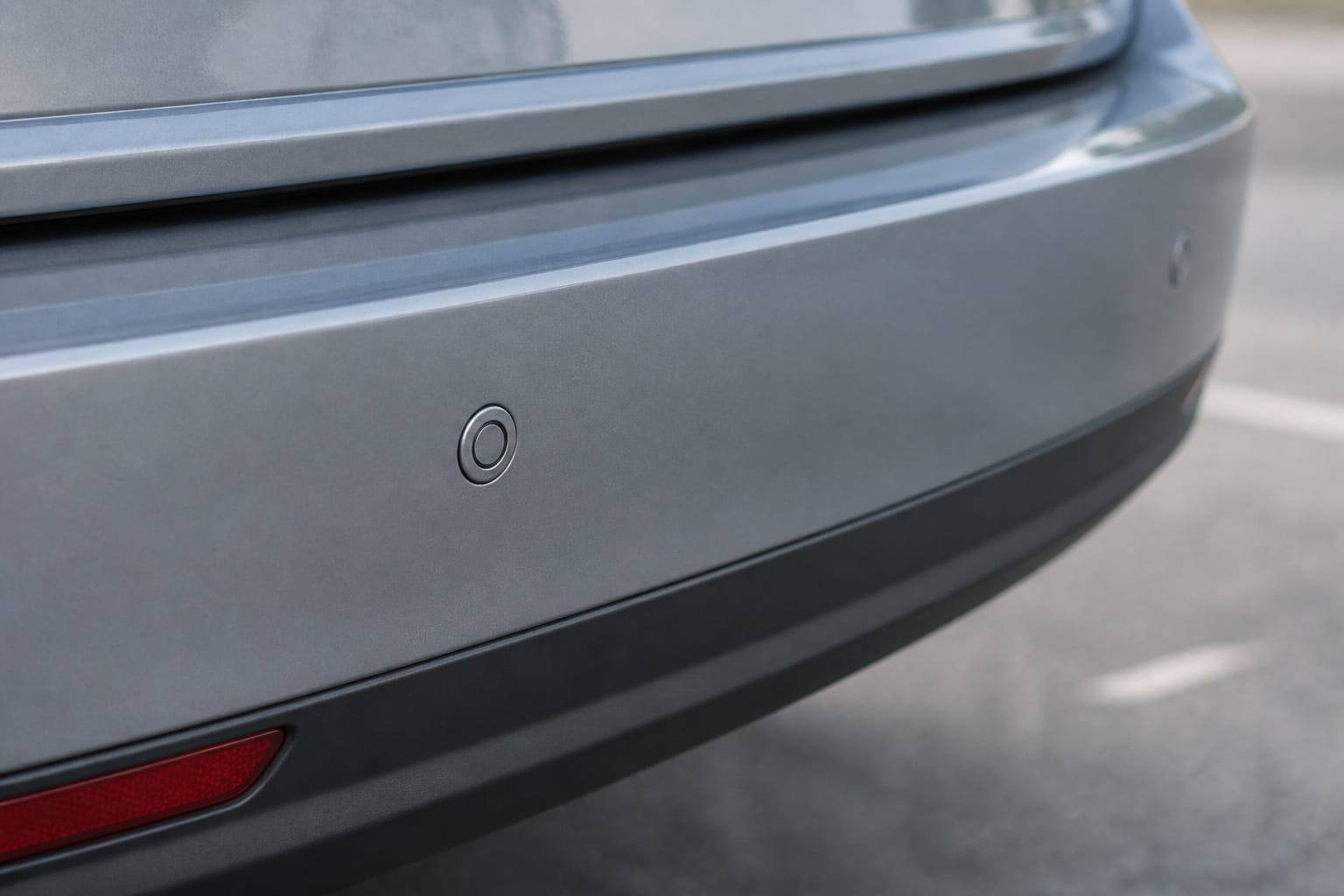
You don’t need to be a tech expert to use them. They work automatically when you shift into reverse. Some cars even activate them at low speeds while moving forward. The warnings come through a small speaker near your dashboard.
At first, the beeps are spaced out, a safe distance. But as you inch closer, the rhythm quickens. It’s like a drumroll building to a crash. That urgency helps you react fast. You pause. You check your mirrors. You ease off the gas. And just like that, you’ve avoided a scratch, a dent, or worse.
Parking sensors aren’t perfect, but they’re reliable. They spot objects like low curbs and thin bike racks, using ultrasonic pulses, typically around 58 kHz, that bounce back faster as an obstacle gets closer. They see what your eyes might miss, especially in tight spots or bad lighting.
Recommended Products

When the product is working, the sensor emits ultrasonic waves. When encountering an obstacle, the ultrasonic waves are reflected. The sensor receives the reflected signal and transmits it to the control box. Through calculation, the control box obtains the distance between the vehicle and the obstacle, and reminds the driver to pay attention through the display and sound, etc., to avoid danger. It is a good helper for us to drive the car!

【4 Sensors & Double CPU】:This car parking sensor system is equipped with 4 parking sensors and a double CPU for faster processing and more accurate distance detection. The advanced chipset ensures consistent performance, reducing false alarms and providing dependable assistance for reversing and parking in various environments.

[Automatic Front Bull-Bar Recognition]:Promata 58 KHz OE quality sensor with full detection coverage,ensures accurate detection,even with a bull-bar installed
Sensor Count, Wired vs. Wireless: What to Look For
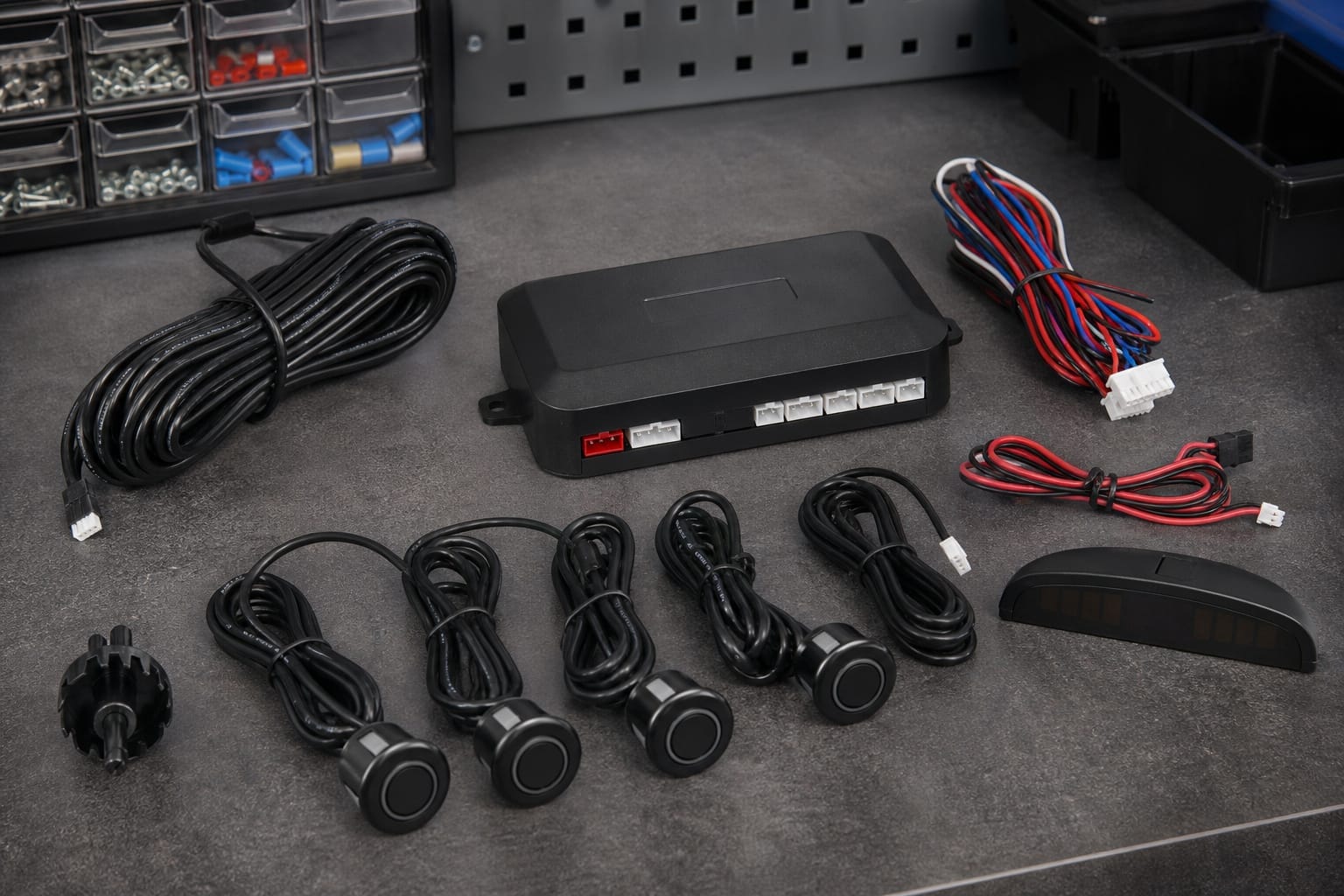
Kits vary more than the beeping suggests. A basic four-sensor kit covers the rear bumper and handles most everyday reversing; stepping up to six or eight sensors adds front and side-corner coverage, worth it specifically for wide vehicles or tight city parking where scraping a corner is the real risk, not just backing into something behind you.
Wired systems, hardwired into the reverse light circuit, tend to be the more dependable choice long-term; wireless kits install without drilling any wiring path, but their radio link can degrade near heavy metal or other wireless interference, a real trade-off between install convenience and long-term reliability worth weighing before buying.
Better kits also include an intelligent ignore feature that filters out a mounted spare tire or tow bar so it doesn’t trigger constant false alarms, worth checking for specifically if your vehicle has either.
Recommended Products

[Upside Down Digital Display]:Adjust the display orientation for optimal visibility,and get an accurate distance reading through the digital display regardless of the installation location,ensuring accurate parking every time

🚘 【Parking Monitoring with Included ACC Hardwire Kit】Power your 4-channel dash cam using either the included car charger or the ACC hardwire kit for continuous parking surveillance. The built-in low-voltage protection system helps safeguard your vehicle battery during extended recording,ensuring worry-free parking and true 360 car camera recording.

Automatically detects obstacles behind the car when reversing, automatically turns on and on.
Are They Worth It?
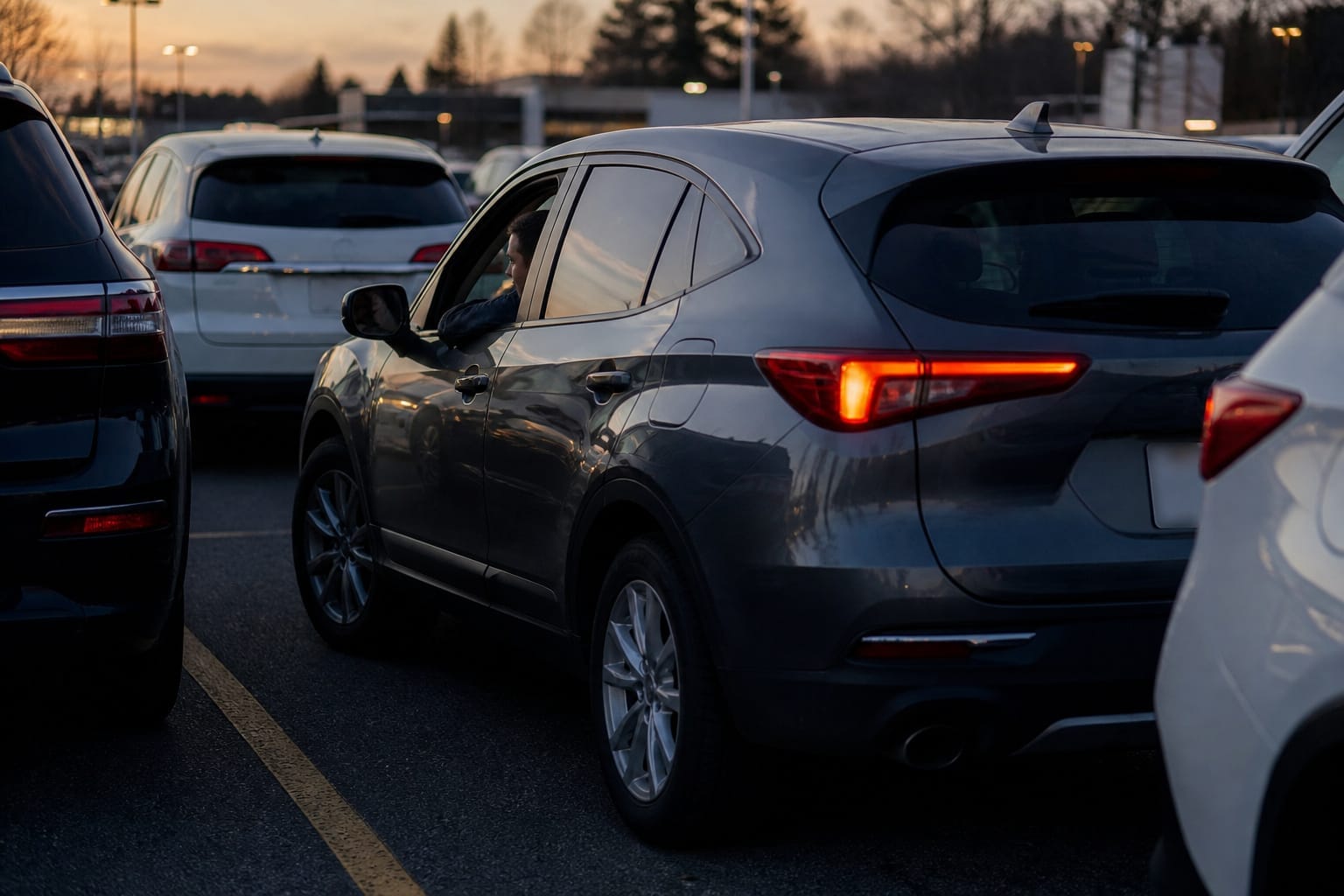
Think of a crowded mall lot at dusk. You’re tired. The space is narrow. A shopping cart rolls into your path. Your sensors scream. You stop. No damage. No stress. That’s their real value: not just avoiding crashes, but reducing the mental load of parking.
Are they worth it? Yes, if you park in tight spaces, drive a larger vehicle, or just want extra confidence. They cost a few hundred dollars, sometimes less if added during purchase. Aftermarket kits are easy to install. If you’re also thinking about a backup camera, the two pair well together: sensors give you the audible warning, the camera gives you the visual confirmation.
And once they’re in, they work every single time you drive. They don’t get distracted. They don’t blink. They’re always on duty.
You might still hit something, no system is foolproof. Sensors can miss soft objects like bushes or snowbanks. They can false-alarm in rain or fog. But overall, they’re a smart upgrade.
They give you space to breathe, time to think, and peace of mind when parking feels like a puzzle. So yes, they’re worth it. Not magic, but close. A quiet helper. A second set of eyes. A small tech boost that makes a big difference every time you pull into a spot.
Recommended Products
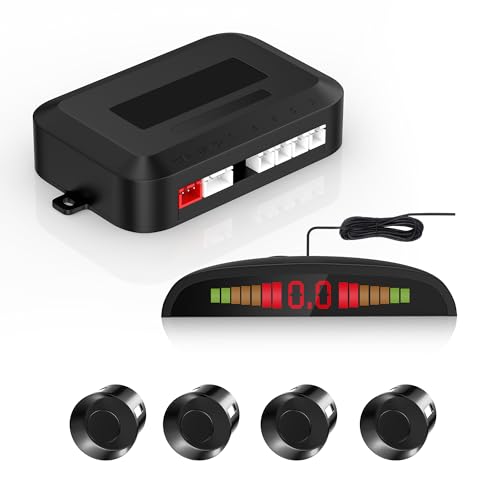
Parking Sensors for Cars with Hole Saw This reverse parking sensor kit comes with a universal hole saw and drill head for easy installation on most vehicle bumpers. A perfect solution for enhancing any car’s safety with a car reverse backup sensor.

[Auto Tow Bar Recognition]:58 KHz OE quality sensor with full detection coverage,ensures accurate detection,even with a tow-bar or rear protrusions installed,eliminating false alerts

Feature 1: External mounted sensors are more suitable for trucks and can make installation easier
Frequently Asked Questions
Can Parking Sensors Detect Small Objects Like Curbs?
Yes, you can rely on parking sensors to detect small objects like curbs. They beep faster as you near trouble. Trust that rhythm.
Sure, some think sensors miss low bumps, but ultrasonic waves catch most curbs, trash cans, or shopping carts. You’ll hear warnings before a scrape. Use them. Listen. React. They’re not perfect, but they help you stop in time, every time.
Do Parking Sensors Work in Heavy Rain or Snow?
Yes, you can trust your parking sensors in heavy rain or snow. They keep working, but thick slush or ice might block them.
Wipe the sensors clean with a cloth, like clearing your windshield. Water droplets can cause false beeps, but the system still spots obstacles.
Stay alert. Slow down. Use your eyes too. Sensors help, but they’re not perfect. Think of them as a helper, not a hero.
Are Parking Sensors Easy to Install on Older Cars?
Yes, you can install parking sensors on older cars easily. You drill small holes in the bumper. Then, snap the sensors in place. Wire them to a control box near the license plate light.
Connect power to the reverse light wiring; it’s simple. Most kits come with clear instructions. You’ll need basic tools. It takes a few hours. Done right, they work just like factory-installed ones. Confident. Reliable. Worth the effort.
Can I Turn off Parking Sensors Temporarily?
Yes, you can temporarily turn off parking sensors. Most systems let you. Push the button near your gear shift. It’s easy. There’s no need to worry about beeping when you don’t want it. Silence helps when you’re reversing near curbs or tight spots.
Just tap it off, then back on later. You stay in control. Sensors wait quietly. Ready when you are. Simple. Smart. Safe.
Do Parking Sensors Interfere With Other Car Electronics?
No, parking sensors don’t interfere with your car’s electronics. You’re safe, they run on separate circuits. They ping like sonar, not static.
Your radio stays clear, your lights stay bright. Think of them as quiet helpers, not noisy neighbors. They chirp only when needed. No cross-talk, no glitches.
You’ll use them daily, smoothly. Trust the design. They’re built to play nice, every time, every drive, no fuss.