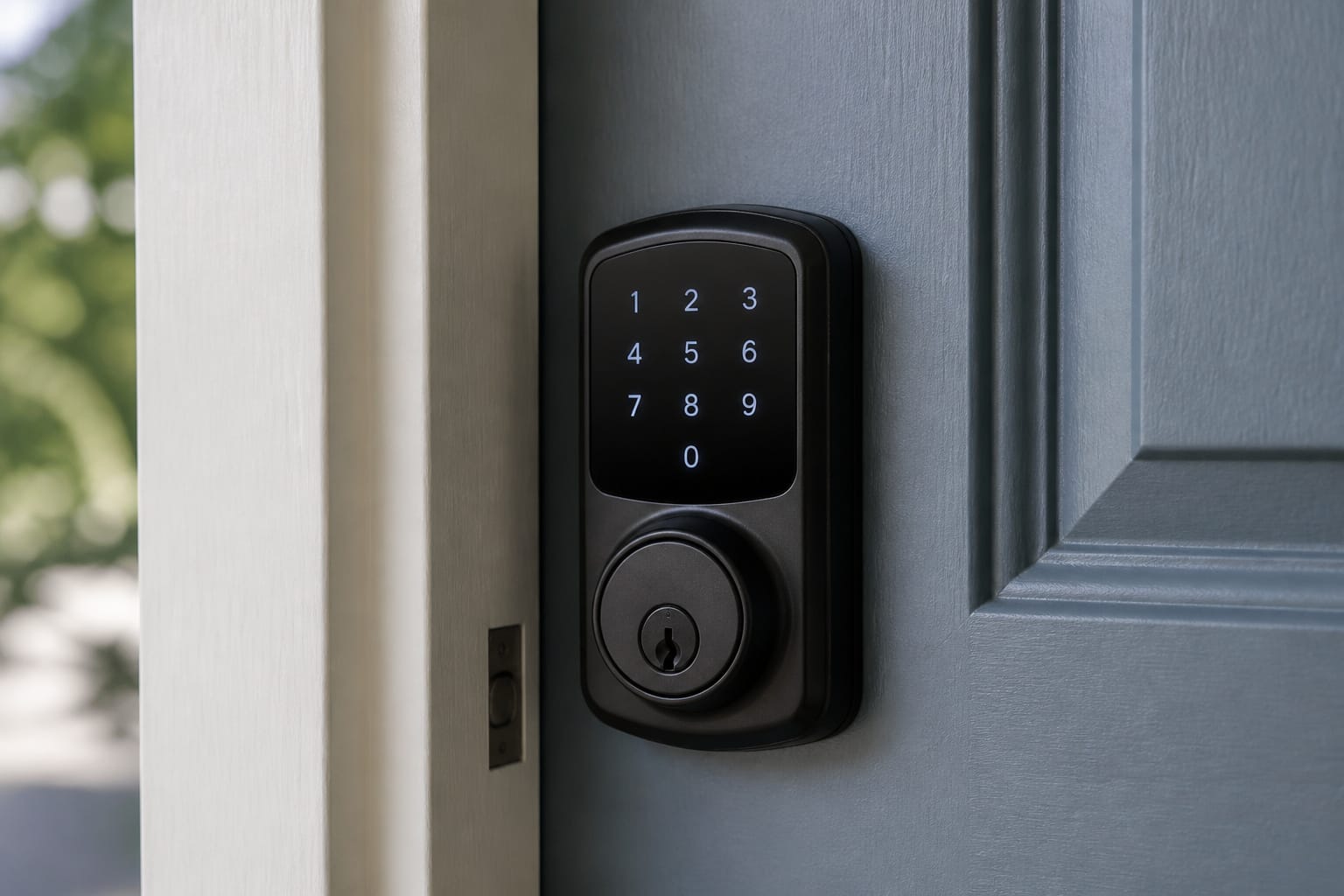
Smart locks are sold mainly on convenience: unlock your door with a phone, hand out a temporary code to a dog walker, see who came and went.
What rarely gets a straight answer is the question that actually matters before you spend $125 to $500 on one. Does a smart lock make your home more secure than a good old-fashioned deadbolt, or is it just a deadbolt with a subscription-app problem waiting to happen?
Here’s what the security ratings, the real vulnerabilities, and installation trade-offs actually say.
The Grade Matters More Than the “Smart” Label
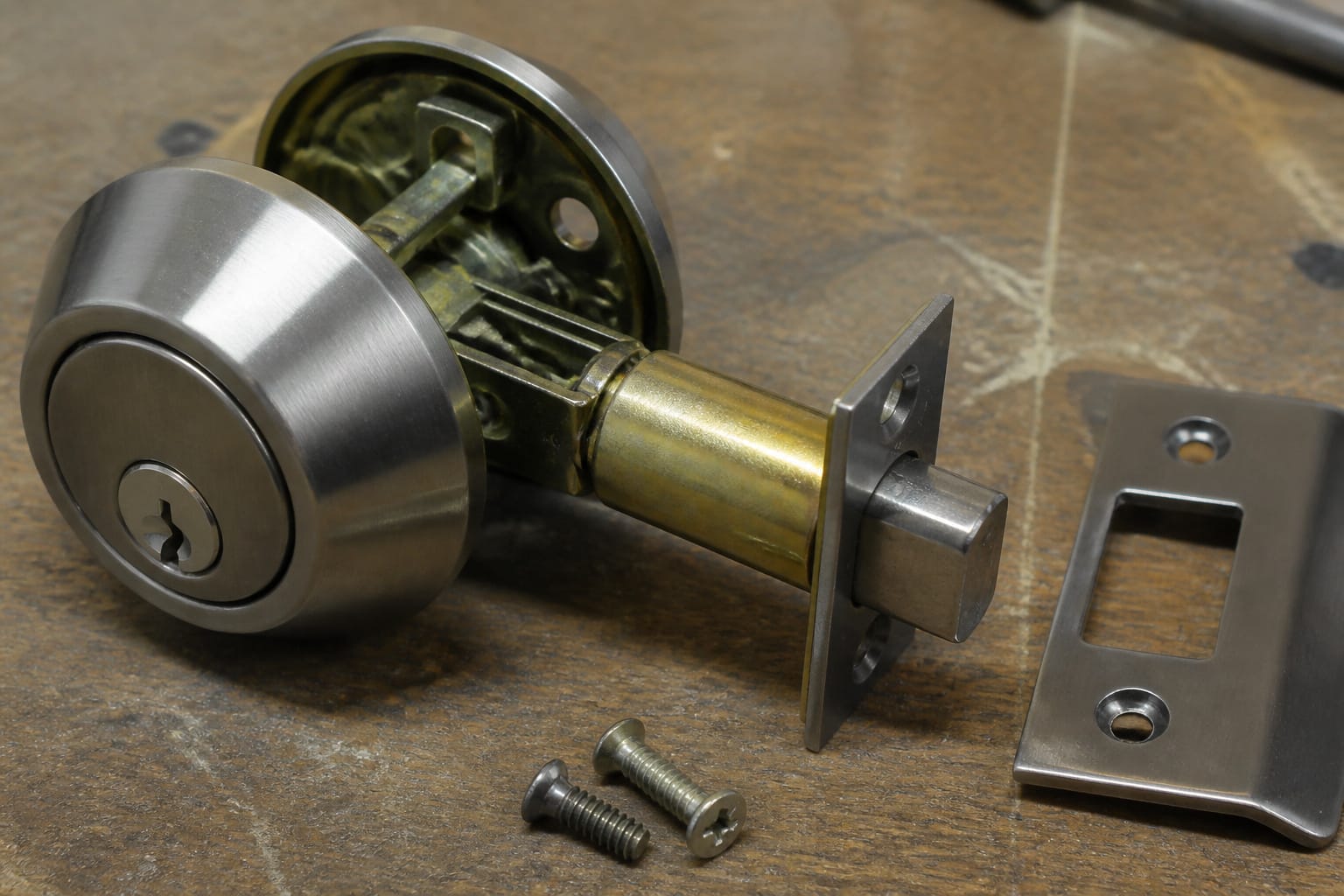
The industry group that actually tests locks, the Builders Hardware Manufacturers Association (BHMA), rates them under ANSI/BHMA A156.36 on a scale that has nothing to do with whether the lock has an app.
Grade 1 deadbolts have to survive 250,000 open-close cycles and 10 hammer blows at 75 foot-pounds. Grade 2 handles 150,000 cycles and 5 blows. Grade 3, the level most hardware-store locks ship at, only has to survive 100,000 cycles and 2 blows, and it’s the grade security professionals consider the minimum acceptable for an exterior door, not a target.
Here’s what most “smart lock” marketing misses: a smart lock’s electronics sit on top of a mechanical deadbolt chassis, and that chassis carries its own separate grade.
Schlage’s Encode and Yale’s Assure line are both built on Grade 1 or Grade 2 mechanical cores. Their physical resistance to a kicked-in door matches a non-smart deadbolt with the same grade core.
A cheap smart lock built on an ungraded or Grade 3 chassis isn’t a security upgrade over a $40 hardware-store deadbolt; it’s the same weak mechanism with a battery compartment. Before comparing app features, check whether the manufacturer publishes an ANSI/BHMA grade for the physical lock body. If they don’t, that’s the answer.
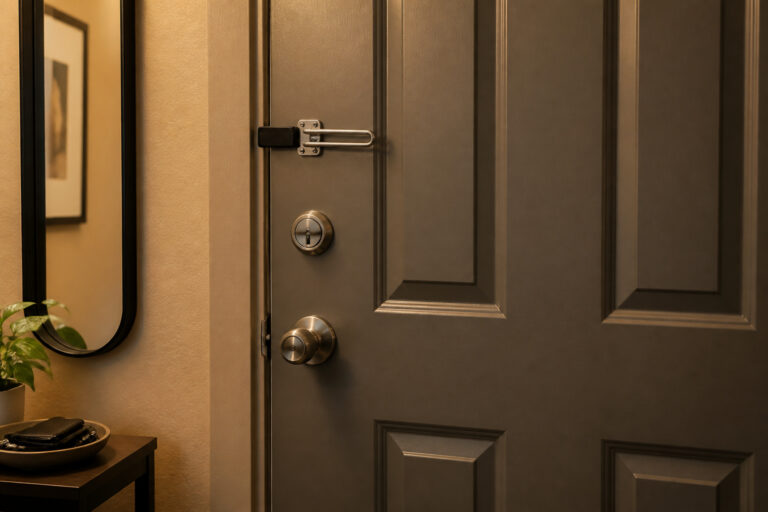
The other detail that outranks any electronics: the strike plate. FBI crime data consistently shows roughly a third of burglars come in through the front door, and the overwhelming majority of those entries are forced, not picked, meaning someone kicked or pried the door open rather than defeating the lock cylinder.
A Grade 1 deadbolt held into the frame by half-inch screws in softwood fails just as easily as a Grade 3 one. If you upgrade to a smart lock and leave the factory strike plate and screws in place, you’ve spent money on the part of the door that was never the weak point.
Recommended Products

UNBEATABLE BRASS CYLINDER: Unlike other deadbolt lock which has zinc cylinder, we use solid brass. The reliable self-lubricating structure works perfectly for 1 million times of key turning, and never be damaged. It is also rust proof and has stable performance in all weathers, cold, hot, rainy, and stormy.

UNBEATABLE BRASS CYLINDER: Unlike other deadbolt lock which has zinc cylinder, we use solid brass. The reliable self-lubricating structure works perfectly for 1 million times of key turning, and never be damaged. It is also rust proof and has stable performance in all weathers, cold, hot, rainy, and stormy.

Palm Vein Unlocking: Unlock with cutting-edge security, featuring 99.9% accuracy and ultra-fast recognition in just 0.6 seconds. Our forgery-proof palm vein technology scans your unique vein patterns for maximum protection. All data is securely stored locally on the lock—keeping your privacy in your hands
What “Smart” Actually Adds on Top of the Mechanical Lock
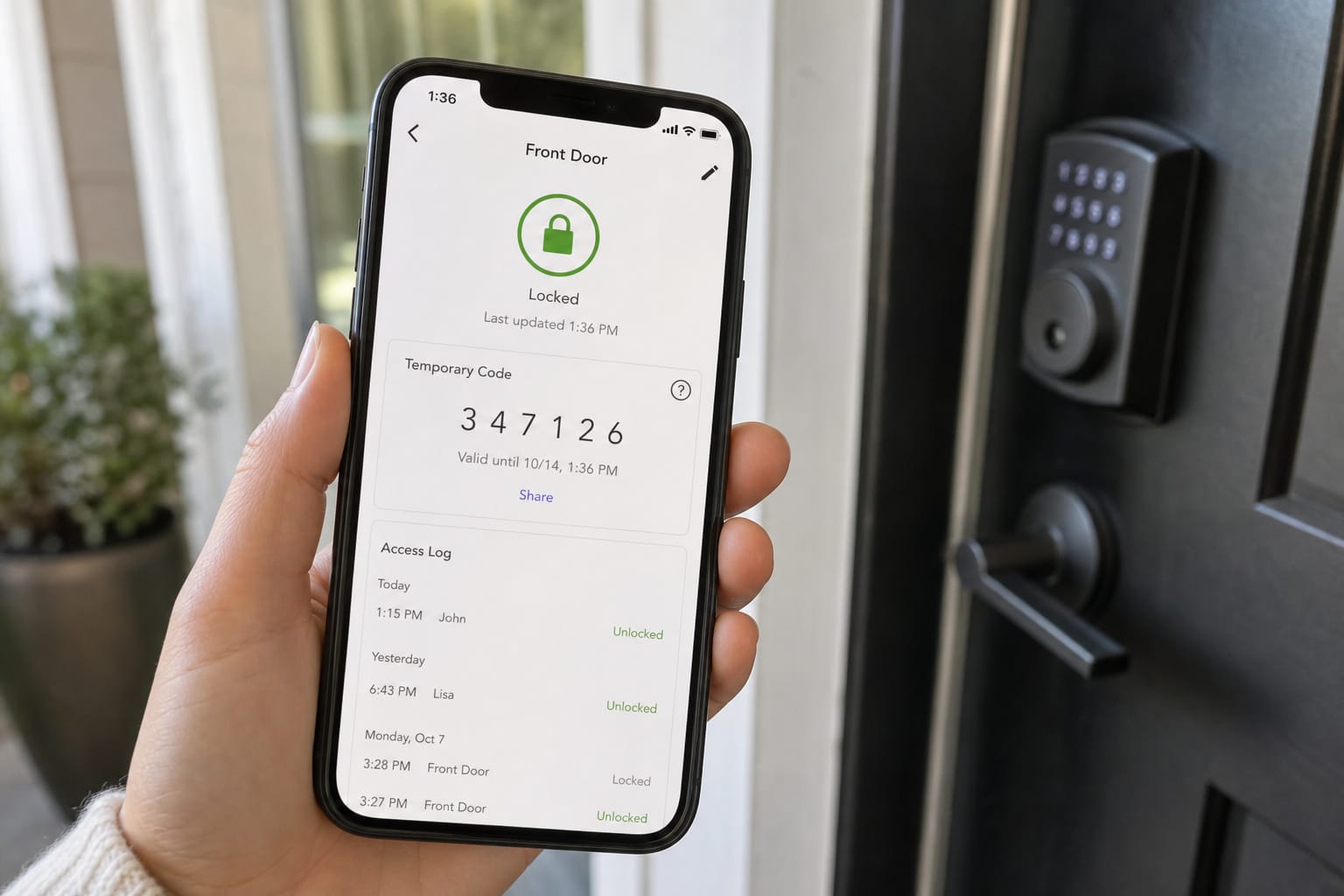
Once the mechanical grade is settled, the electronics layer adds things a traditional deadbolt genuinely can’t do. Time-limited access codes let you give a cleaner or a contractor a code that expires on its own instead of a physical key you have to get back.
Activity logs show exactly when the door was locked or unlocked and by which code, which matters if you’re renting out a property or managing a household with teenagers and their own schedules.
Auto-lock closes the door behind you on a timer, fixing the extremely common failure mode of a traditional deadbolt: someone just forgetting to lock it.
Encryption on the wireless side is worth checking model to model rather than assuming. Locks that use AES-128 or AES-256 for the connection between the lock and your phone or hub protect that specific channel well.
The bigger practical risk usually isn’t the encryption algorithm. It’s a weak or reused account password on the manufacturer’s app. That credential actually controls the lock. A smart lock with strong on-device encryption and a weak or reused account password is only as secure as that password.
Recommended Products

Effortless Entry, Lasting Clarity: Unlock in 0.5 seconds with Wyze Lock Bolt v2's fingerprint scanner. Its scratch and smudge-resistant tempered glass ensures reliable reads and maintains a pristine look.
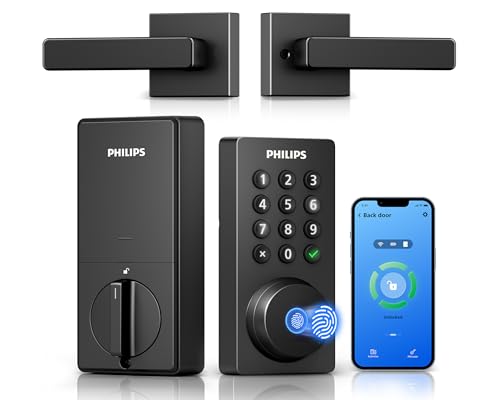
Connect to 2.4GHz WiFi, No Hub Needed:Connect your Philips 4200 Series Wifi Door Lock Deadbolt directly to your home WiFi network—no extra hub or bridge required. Manage your door anytime, anywhere through your smartphone. 𝙉𝙊𝙏𝙀: Please keep the smart lock within 33 ft (10 m) of your Wi-Fi router. Minimize obstacles such as walls, metal objects, and interference sources for a stronger connection.

𝐅𝐥𝐞𝐱𝐢𝐛𝐥𝐞 𝐖𝐚𝐲𝐬 𝐭𝐨 𝐔𝐧𝐥𝐨𝐜𝐤: Unlock the way you want: app, passcode, fingerprint, physical key, or voice via Alexa/Google Assistant. Everyone in the family can choose what works best — convenience meets flexibility. Batteries are not included.
The Real Vulnerabilities, Not the Hollywood Version
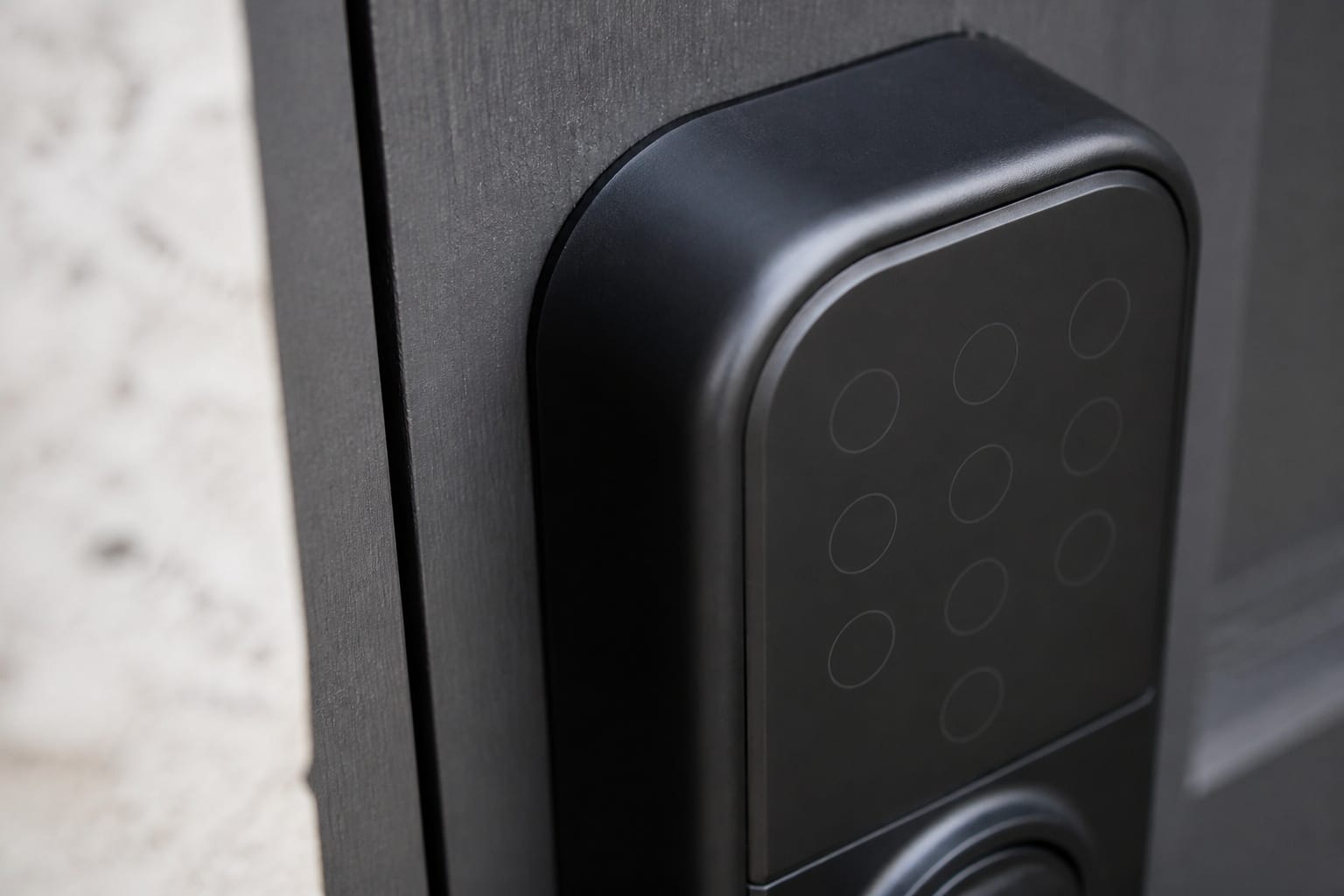
Smart locks can be attacked in ways a mechanical deadbolt simply can’t, and it’s worth being specific instead of vague about what that actually looks like.
Security researchers have shown that certain smart lock models can be physically defeated with nothing more exotic than a strong magnet held against the housing, which bypasses the motor entirely rather than attacking the encryption.
That’s a real, documented finding, not a hypothetical, and it affects specific models rather than smart locks as a category; a lock’s manufacturer and published security testing matter here.
Beyond that, the practical attack surface is less dramatic than “hacked” headlines suggest: outdated firmware that never gets updated, weak default PINs users never change, and Bluetooth or Wi-Fi implementations with known flaws in older or budget models.
None of this means smart locks are a bad idea; it means the manufacturer’s update track record and the model’s specific security testing matter as much as the brand name on the box. For a broader look at how often smart home devices actually get attacked and what the real numbers show, see our breakdown of whether smart home devices are actually safe from hackers.
The flip side is worth stating plainly: a traditional key-only deadbolt has its own, older set of vulnerabilities, including bumping, picking, and a physical key that can be copied, with no log of who did it or when. Neither lock type is invulnerable, just vulnerable to different things.
Recommended Products

SILVER RATED BIKE LOCK - Security Protective Bike Chain Lock. Strong Antitheft Guard System Bike Lock Chain for City Outdoor & Urban Cycling. Lock for Bike with Automotive Like Safe Keys Protector

Engineered exclusively for Nintendo Switch Pro 2 Controller: This protective carring case is precision-molded for a perfect 1:1 fit, embracing every curve and button of the original design. (Note: Only fit official Nintendo Switch Pro 2 Controller in its standard form. May not fit properly if your controller is equipped with a thick protective skin, or any third-party modification)

【All-Around Drop Protection, Rugged Defense】 Precision-molded for a perfect fit, providing comprehensive protection with no blind spots. Whether dropped from the front, back, or side, it effectively absorbs shock, offering tank-level drop protection for FreeClip 2S (2026) earphones.
Installation, Compatibility, and What Happens When the Battery Dies
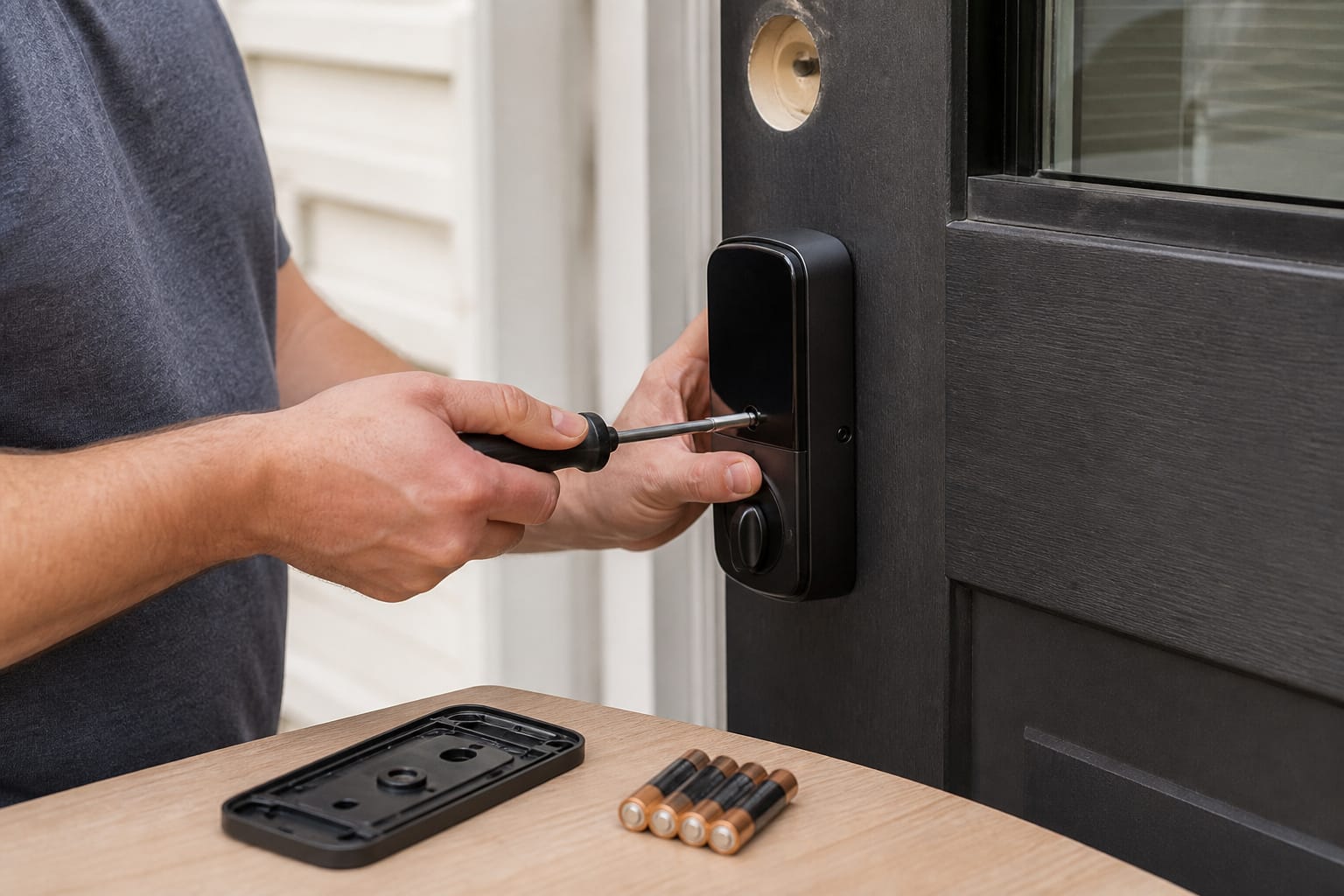
Most retrofit smart locks are built to fit standard American door prep, a 2-1/8 inch bore hole with a backset of 2-3/8 or 2-3/4 inches, and install in 15 to 30 minutes with a screwdriver, replacing the existing deadbolt cylinder rather than requiring new drilling.
Reversible models work on both left- and right-handed doors. This often doesn’t work in older homes with nonstandard door prep, French doors, or storm doors that interfere with the lock’s exterior housing; measuring your door before ordering saves a return.
Battery life on most retrofit models runs 6 to 12 months on standard AA batteries, less if the lock sees heavy daily use or sits somewhere with wide temperature swings, like a garage-facing exterior door. This is the question people worry about most, and the answer is straightforward. Every smart lock worth buying has a backup. That’s either a physical key override, a 9-volt battery terminal on the outside housing you can touch to jump power, or both.
A smart lock with no physical key backup is a real risk during a dead battery or full power outage and worth avoiding regardless of its other features. Check for this specifically before buying rather than assuming it’s standard.
Does a Smart Lock Actually Lower Your Insurance Bill?

This is one of the more overstated claims in smart lock marketing, so it’s worth being direct. On its own, a single smart lock usually does not qualify for a homeowners insurance discount.
Most insurers’ security-device discounts, typically 2% to 15% off the premium, are tied to a monitored security system with professional central-station monitoring and a certificate of installation, not to an individual device.
A standalone smart lock is generally treated as a convenience feature rather than a documented security upgrade.
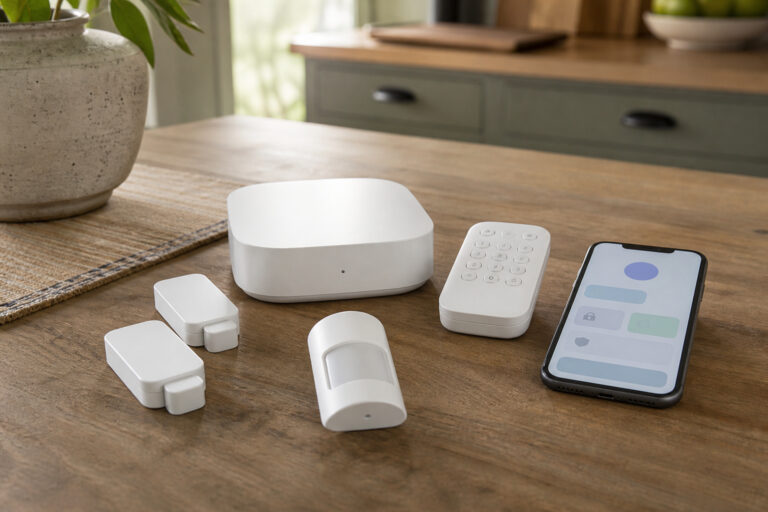
Where a smart lock does help your premium is as one component of a larger monitored system, alongside cameras, sensors, and a professionally monitored alarm; see our breakdown of what a full smart home setup actually costs for how that adds up.
If lowering your insurance bill is the actual goal, a monitored alarm system does more for that number than a lock ever will on its own; call your insurer and ask specifically what they require for a security discount before assuming the lock alone qualifies.
Recommended Products

A great fit for 2-4 bedroom homes, this Alarm Kit includes one Base Station, two Keypads, eight Contact Sensors, two Motion Detectors, and one Range Extender.

EASY DIY SETUP—NO TECHNICIAN NEEDED: Install the wireless alarm hub and sensors yourself with simple step-by-step guidance—no wiring, tools, or installation appointment required.

𝐂𝐨𝐦𝐩𝐫𝐞𝐡𝐞𝐧𝐬𝐢𝐯𝐞 𝐒𝐞𝐭: Each "Protected by Security System" sign kit includes a robust 10 x 10 inch aluminum sign with two 14-inch pointed stakes, ensuring secure and stable installation. All necessary mounting hardware is provided for a hassle-free setup
So, Are They Actually Safer?
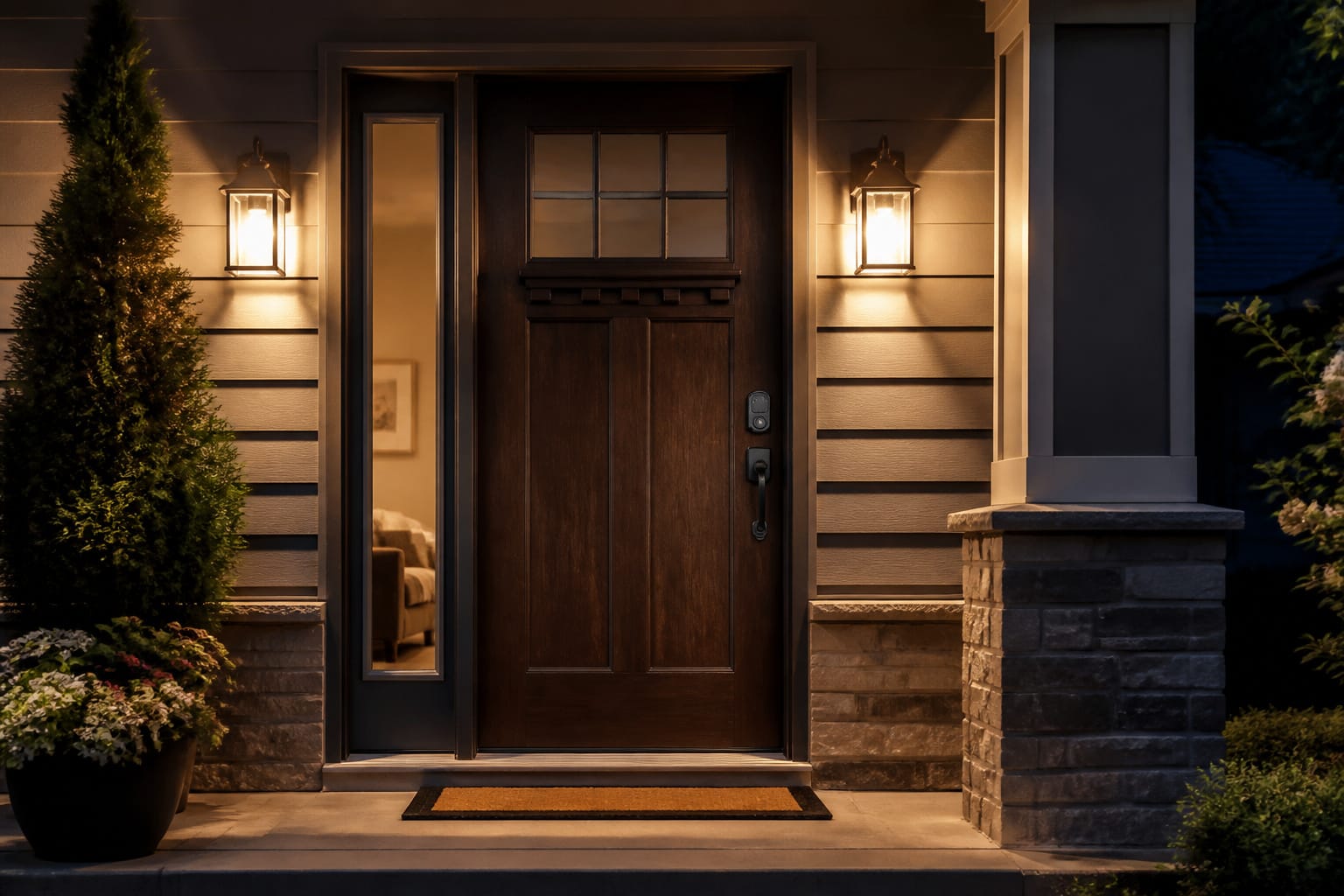
The honest answer: a good smart lock, meaning one built on a Grade 1 or Grade 2 mechanical chassis from a manufacturer with a real security testing and firmware-update track record, is not less secure than a traditional deadbolt of the same grade.
Physical resistance to forced entry is identical because it’s the same mechanical core. What you’re actually buying with the “smart” part is convenience and access control, not raw security, plus a small set of new digital risks that a traditional lock never had.
A cheap smart lock built on an ungraded chassis is a downgrade dressed up as an upgrade. The lock is rarely the weak point in a home’s security anyway; the strike plate, the door frame, and whether people are actually locking the door are.
If you’re weighing a smart lock alongside other smart home devices, our guide on whether a smart home is actually worth it covers the real costs and trade-offs sitewide, and if you’re deciding whether to buy into an ecosystem first, see our comparison of Alexa, Google Home, and Apple HomeKit before committing to a lock brand that only plays well with one of them. Many buyers pair a smart lock with a video doorbell so they can see who’s at the door before remotely unlocking it.
Frequently Asked Questions
Do smart locks work during a power outage?
Yes, the lock itself runs on batteries, not household power, so a blackout doesn’t disable it directly. What stops working is anything that depends on your home Wi-Fi or a hub, meaning remote app control and voice assistant commands go offline until power and internet are restored. The physical keypad, fingerprint reader, or key backup still works normally.
Can someone hack a smart lock remotely from outside my home?
It’s possible but uncommon, and it almost always requires either a specific known vulnerability in that model’s firmware or a compromised account password rather than a random remote attack. The documented magnet-bypass vulnerability mentioned above is a physical, close-range attack, not a remote one. Keeping firmware updated, using a unique strong password with two-factor authentication where the app supports it, and buying from manufacturers with a public security-patch history covers most of the risk.
Will installing a smart lock lower my homeowners insurance premium?
Usually not on its own. Insurers typically reserve security discounts for professionally monitored alarm systems with a certificate of installation, and treat a standalone smart lock as a convenience device rather than a qualifying security upgrade. It’s still worth calling your insurer directly, since policies vary, but don’t buy a smart lock expecting a premium reduction.
Do smart locks fit any door, or do I need a specific type?
Most retrofit smart locks are built for standard American door prep, a 2-1/8 inch bore hole with a 2-3/8 or 2-3/4 inch backset, which covers the vast majority of U.S. exterior doors. They typically don’t fit French doors, most storm doors, or older doors with nonstandard hardware without an adapter, if one exists for that model at all. Measure your existing deadbolt’s bore hole and backset before ordering.
Is a smart lock actually more secure than a traditional deadbolt, or just more convenient?
Mostly more convenient. A smart lock’s physical resistance to forced entry comes entirely from its mechanical chassis grade, and a smart lock built on the same ANSI/BHMA grade as a traditional deadbolt offers the same raw physical security. A smart lock adds access control, activity logs, and remote convenience, along with a small set of new digital risks that a traditional lock doesn’t have. Choose based on the grade first, then the features.