Geofencing in security systems uses virtual boundaries to enhance protection and automation. It relies on GPS or RFID technology to define these boundaries, allowing for the monitoring of movement within a specified area.
When a GPS or RFID-enabled device crosses this virtual perimeter, the system can trigger alerts or initiate automated actions like locking doors. You can customize and manage these functions through user-friendly software interfaces, often integrated with smart home devices for heightened security.
Challenges include accuracy issues and privacy concerns, but the benefits can be substantial. Familiarity with setup and integration requirements will expand your understanding.
Main Points
- Geofencing uses GPS or RFID to create virtual perimeters around specific geographic areas for security purposes.
- When a device crosses a geofence boundary, the system can trigger alerts or automated security actions.
- Integration with smart home devices allows for actions like locking doors or activating cameras when the geofence is breached.
- Real-time notifications are sent to users via mobile apps, enabling remote security management.
- Geofencing improves security by enabling customized responses and monitoring through user-configurable software platforms.
Understanding Geofencing Technology
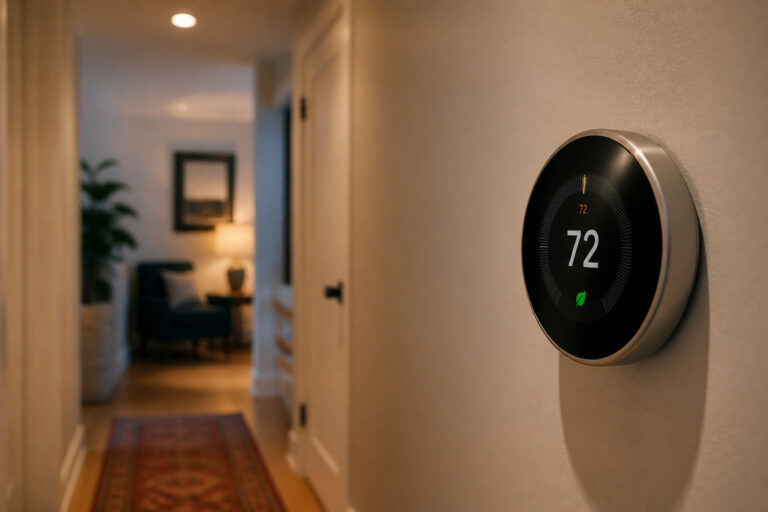
Geofencing technology is a powerful tool that transforms how we interact with the world by creating virtual boundaries around specific geographic areas. This technology can be integrated with smart home devices to automate security measures, such as activating cameras or alarms when a device enters or exits a designated zone.
Typically, this involves using GPS or RFID (Radio Frequency Identification) to define the perimeters. Once you set up a geofence, it can monitor movement within a space, allowing for automated responses like sending alerts or controlling smart devices. This technology finds applications in various fields, from marketing to security.
In security systems, geofencing helps you enhance surveillance by notifying you of unauthorized access. Understanding how geofencing operates empowers you to leverage its capabilities for improved safety and operational efficiency.
Components of a Geofencing System
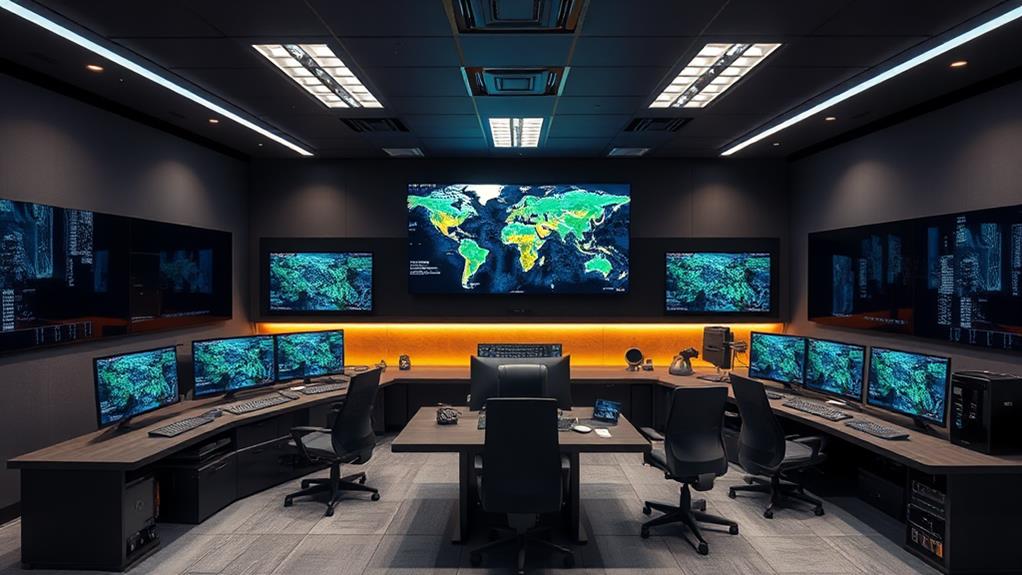
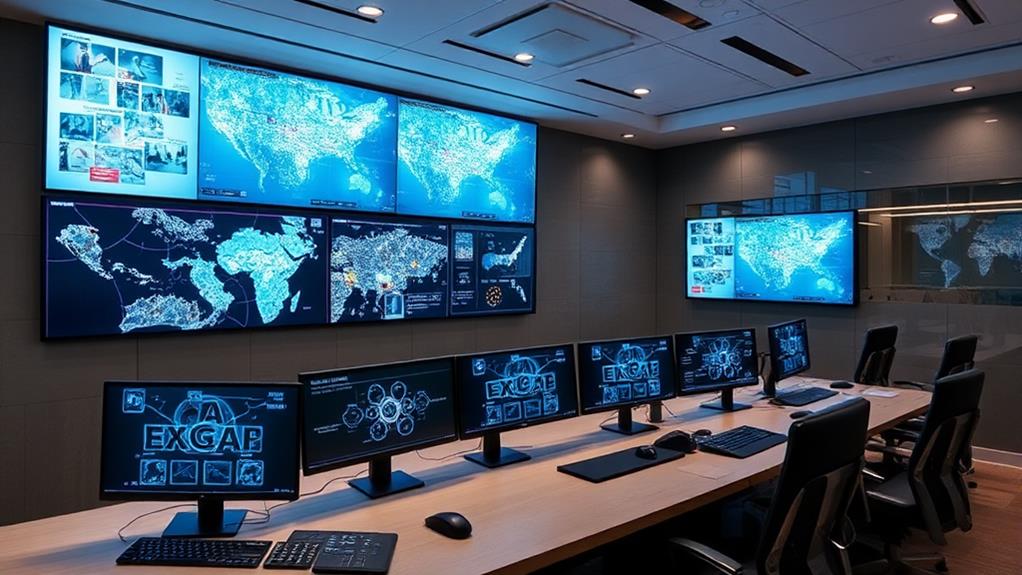
Explore the core of a geofencing system, and you’ll discover several vital components that work in harmony to create an effective security solution. At the heart of it is the GPS or RFID technology, which provides the necessary location data. This data interfaces with software platforms that define the virtual boundaries, or “geofences,” on digital maps.
These platforms often include a user-friendly dashboard, enabling you to customize and monitor these geofences easily. To bolster security, some systems integrate wireless security cameras that provide visual monitoring within the geofenced zones. Sensors and devices within the defined area communicate with the system, triggering alerts or actions when a breach occurs.
Mobile applications also play an important role, facilitating real-time notifications and remote management. Together, these components guarantee a thorough and responsive geofencing security system, enhancing safety and control.
Products Worth Considering

AI Motion Detection 2.0 – Driving AI to the next level, human&vehicle detection and flexible detection area are more accurate than before. For quicker locating in crucial moments, human&vehicle smart searching in recordings offers you great help.

Pre-installed 512GB HDD: 24/7 recording provides protection for the places you value. Each camera can be configured with customized recording modes, allowing flexible playback anytime. Supports downloading recorded footage via USB port or external hard drive for backup.

【AI Motion Detection 2.0】Driving AI to the next level, human&vehicle detection and flexible detection area are more accurate than before. For quicker locating in crucial moments, human&vehicle smart searching in recordings offers you great help.
Setting Up a Geofence
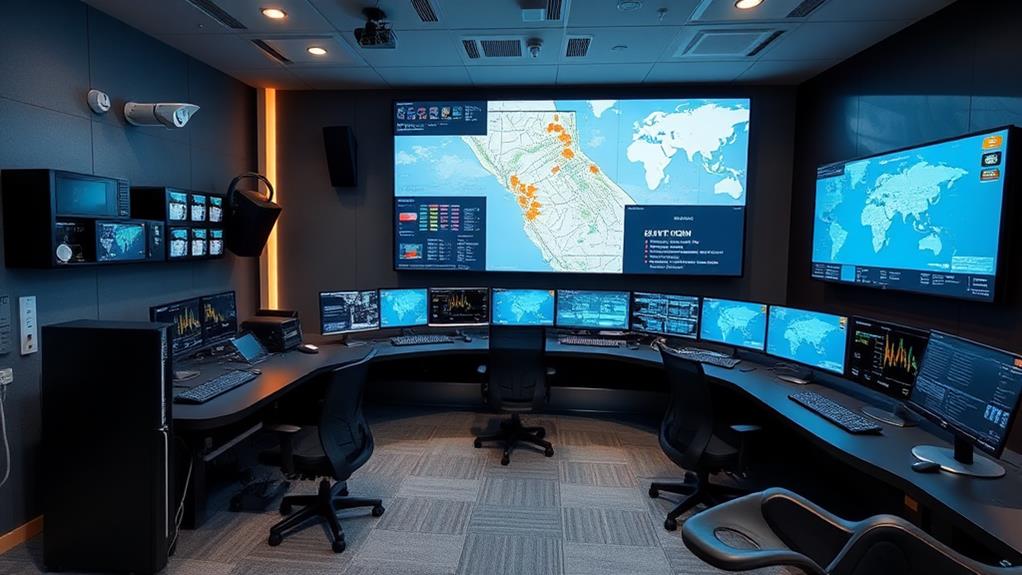
Understanding the components of a geofencing system sets the stage for effectively setting up your geofence. First, choose the geographical area you want to monitor. This could be a defined radius around a location or a specific polygon shape on a map. Use mapping software or your security system‘s interface to define this boundary. It is essential to recognize that smart home solutions often come with built-in geofencing capabilities, making the integration process seamless.
Next, integrate your geofence with your security system. Confirm your devices, such as GPS-enabled phones or tracking units, are compatible and connected. You’ll need to configure these devices to communicate with your geofence.
Products Worth Considering
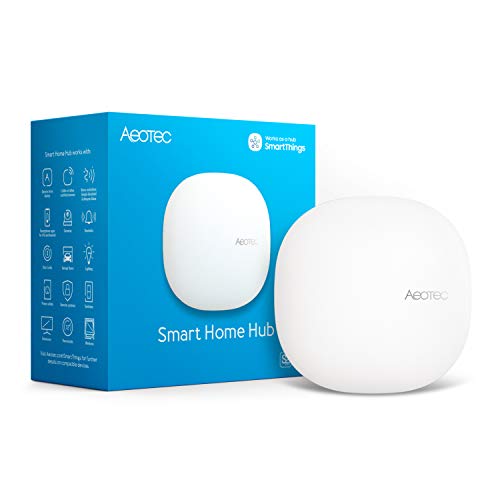
Connect & control your smart home — Easily link thousands of compatible devices from leading brands to create a connected home environment for lighting, comfort, voice assistants, energy use, and more.

SMART HOME COMPATIBILITY: Works seamlessly with Alexa and Google Home for convenient voice control of your motorized shades.

Triggering Security Responses
Once your geofence is set up, you can start triggering specific security responses when a device enters or exits the defined area. These responses can range from sending notifications to activating alarms.
When a mobile device crosses your geofence boundary, the system can automatically alert you via text or email. This immediate notification keeps you informed of any potential security breaches.
You can also program the system to trigger actions like locking doors, adjusting lighting, or even contacting local authorities. Many smart security solutions offer products related to smart home security that integrate seamlessly with geofencing technology.
This automation minimizes the need for manual intervention, ensuring quick responses. By integrating with other smart devices, geofencing enhances security measures, tailoring them to your location and needs. It provides a seamless, efficient way to manage security dynamically.
Products Worth Considering
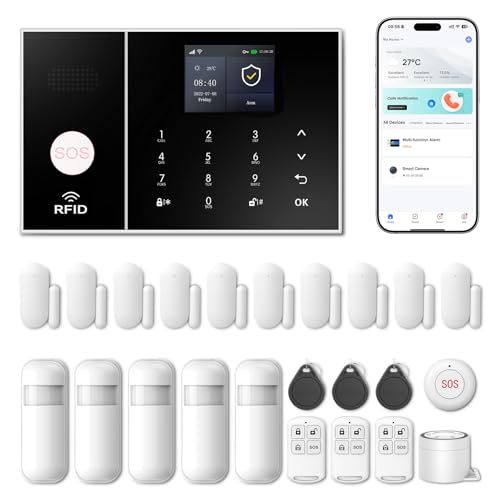
APP Control & Highly DIY: Home Security Systems can be remotely controlled via Smart Life or Tuya APP. Additional PGST sensor accessories can be added, supporting custom sensor naming. With remote control and high expandability, it provides comprehensive protection for your property.

【Easy DIY Installation & NO Monthly Fees】-- Get ready to protect your home security right out of the box, Set up in minutes all by yourself, No wiring or drilling required. Also we have paired the main unit with the sub-unit successfully before departure, so that you can control your home alarm system no subscription easily. Our WiFi Alarm System is a one-time purchase at no extra fee and provides 24-hour comprehensive protection for your home security.

Benefits of Geofencing in Security
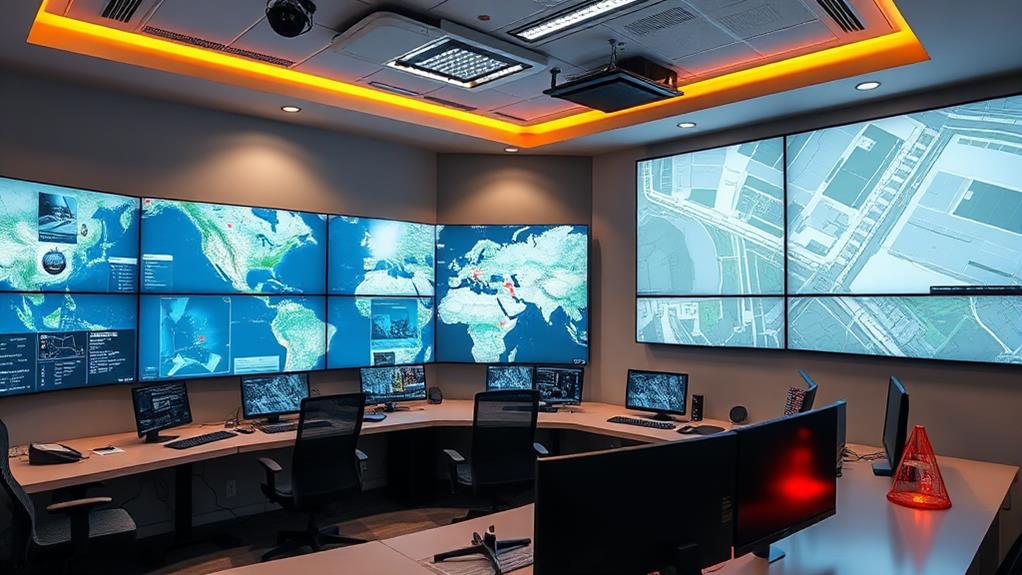
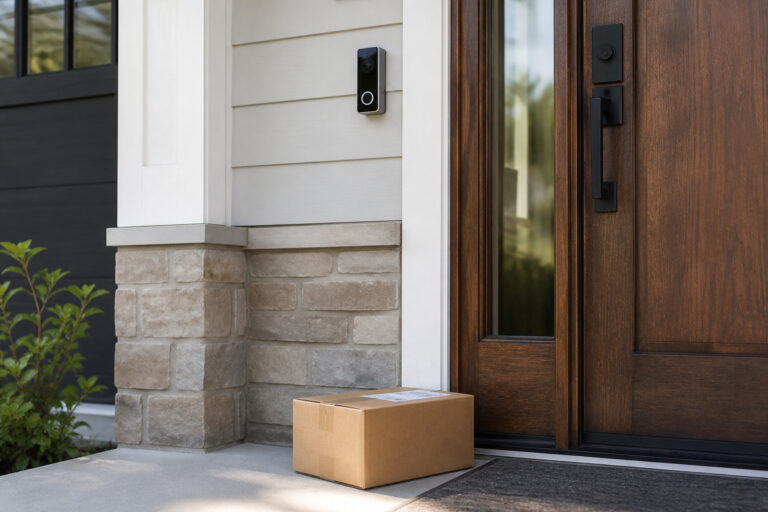
In today’s digital age, geofencing offers significant benefits for enhancing security systems. It allows you to create virtual boundaries around specific locations, improving control over security measures. By integrating video doorbell solutions, you can enhance your home security with real-time monitoring and alerts.
Geofencing can help you monitor activities in real-time, ensuring prompt responses to potential threats. Its integration with other technologies, like cameras and alarms, enhances overall effectiveness. Here are three key benefits:
- Increased Awareness: Knowing when someone enters or exits a designated area keeps you informed and vigilant.
- Cost-Effectiveness: Automating responses reduces the need for constant physical surveillance, saving resources.
- Customizable Security: Tailor alerts and actions to match specific needs, providing flexibility and precision.
Products Worth Considering

No WiFi or Subscription Required – Hassle-Free Installation The TKMARS Doorbell Camera Wireless No Subscription works without WiFi or an app, ensuring total privacy and security. Direct connection between doorbell and indoor display ensures easy use for all ages(including the elderly and children)—no app or subscription required (perfect for Doorbell Camera Wireless No Subscription seekers).
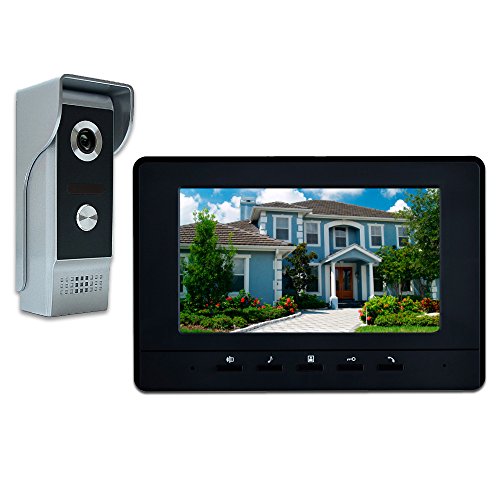
OUTDOOR IR CAMERA: 92 degree viewing angle, durable aluminum and acrylic front panel to protect against potential vandalism. Waterproofing, IR night vision provides clear images no matter the weather or time of day/night
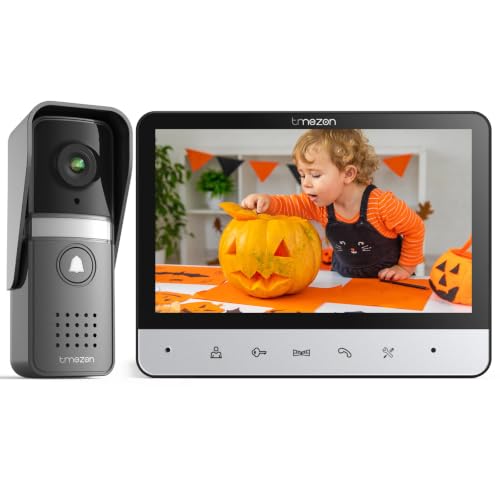
【TMEZON 4-Wire Video intercom system】 7 inch color 500TVL NTSC LCD indoor monitor built with easy operating system,slim design and fashionable Touch button. Outdoor doorbell with HD camera, 115 degree wide view angle,High definition,Night vision,Rainproof and Anti-vandal design. Doorbell can connect the all electronic lock.(NTSC US Standard)
Challenges and Considerations

Implementing geofencing in security systems presents some challenges and considerations that you shouldn’t overlook. First, accuracy is essential. Geofencing relies on GPS or RFID, which may not always be precise, especially in urban areas where signals can bounce off buildings. This can lead to false alarms or missed detections.
Privacy concerns also arise, as geofencing involves tracking the location of individuals. You must guarantee compliance with data protection regulations and secure consent from those being monitored. System integration can also be complex. Geofencing needs to work seamlessly with existing security infrastructure, which might require technical expertise.
Finally, consider the cost. While geofencing can enhance security, the initial setup and maintenance can be expensive, so budget accordingly.
Frequently Asked Questions
How Does Geofencing Affect Battery Life on Mobile Devices?
When you use geofencing on your mobile device, it can impact battery life. Geofencing relies on GPS, Wi-Fi, and cellular data to determine your location. Constantly running these services in the background uses more power, causing your battery to drain faster. You might notice a significant decrease in battery life if geofencing is always active. Managing settings, such as turning off geofencing when not needed, can help conserve battery power.
Can Geofencing Be Used for Personal Safety Applications?
You can use geofencing for personal safety applications by setting virtual boundaries around specific locations, like your home or school. Once you’ve defined these zones using GPS or RFID technology, your device can alert you when someone enters or leaves. This can be especially helpful for tracking children or elderly family members. You’ll receive notifications on your phone, ensuring you’re aware of their whereabouts and can respond promptly to any unexpected changes.
How Accurate Is Geofencing in Urban Environments?
In urban environments, geofencing’s accuracy can be affected by dense buildings and infrastructure. You might notice that GPS signals, essential for geofencing, can sometimes be blocked or reflected by tall structures, leading to what’s called “signal multipath.” This can reduce accuracy, typically ranging from 5 to 10 meters. However, using Wi-Fi and cellular data can improve precision. Despite these challenges, geofencing remains an effective tool for location-based services in cities.
What Industries Benefit Most From Geofencing Technology?
You’ll find geofencing technology benefiting industries like retail, logistics, and agriculture the most. In retail, it enhances customer engagement through location-based promotions. Logistics companies use geofencing to track fleet movements, ensuring timely deliveries. In agriculture, it helps monitor equipment, improving efficiency. Geofencing creates virtual boundaries using GPS or RFID, triggering actions when devices enter or exit these areas. This versatility offers numerous applications across various sectors, optimizing operations and enhancing customer experiences.
Are There Privacy Concerns Associated With Geofencing?
When you’re dealing with geofencing, privacy concerns can arise, as this technology tracks a user’s location within a defined geographic area. Personal data, like your movements, can be collected and stored, potentially leading to misuse. Companies should implement strict data protection policies, ensuring transparency about how data is used. You should be aware of privacy settings, opting out if necessary, to maintain control over your information and prevent unauthorized access.