A smart garage door opener is one of the few smart home categories where the ecosystem question isn’t just a convenience detail, it can quietly decide whether the “smart” part works at all.
The most popular brand on the market has spent the past few years pulling support for major voice assistants, which makes this a category worth researching before buying rather than after.
Here’s the retrofit-versus-replacement decision, what federal safety law actually requires, and the specific compatibility problem that catches people who assume the biggest name works with everything.
Retrofit Kit or Full Replacement: What Actually Determines the Choice
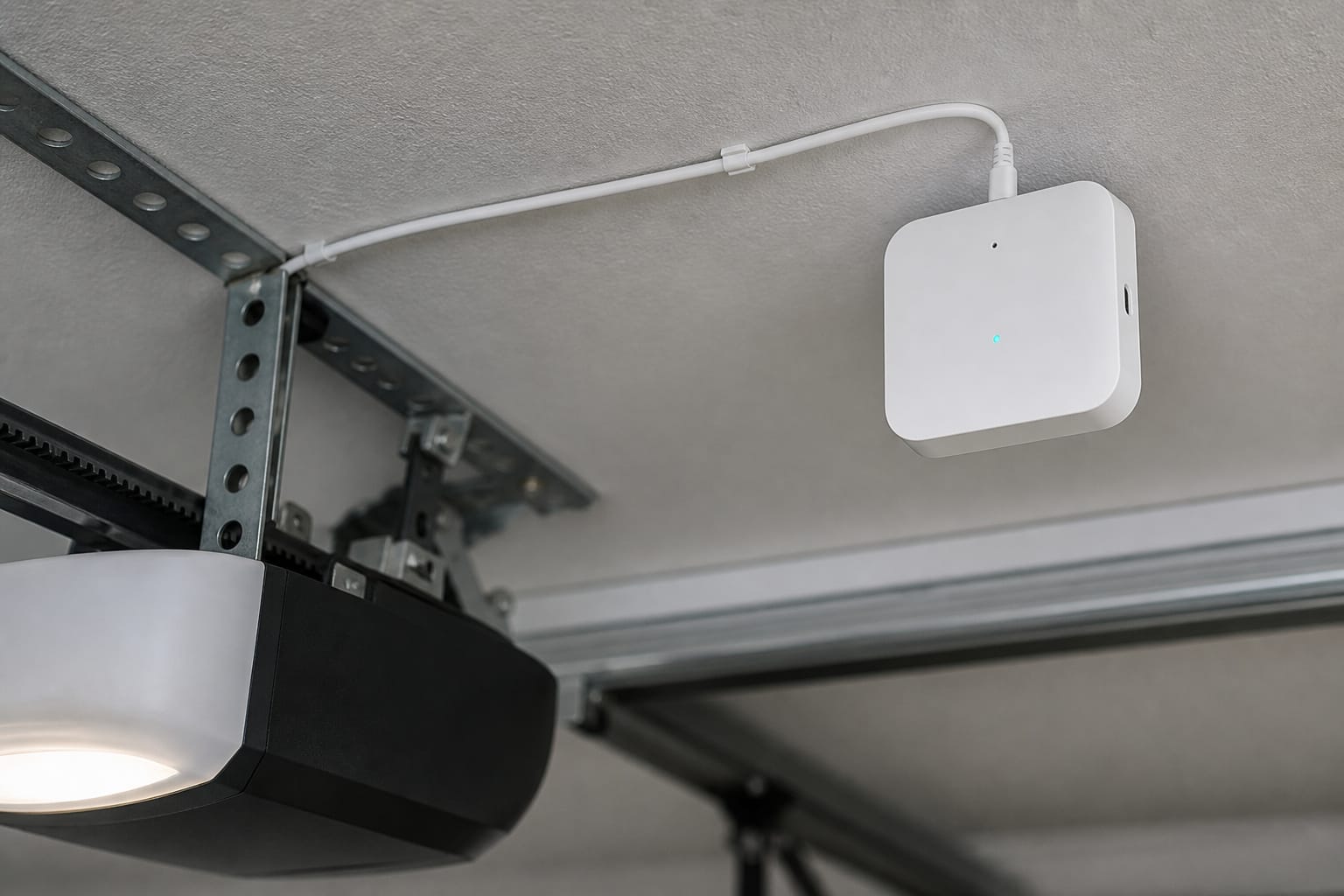
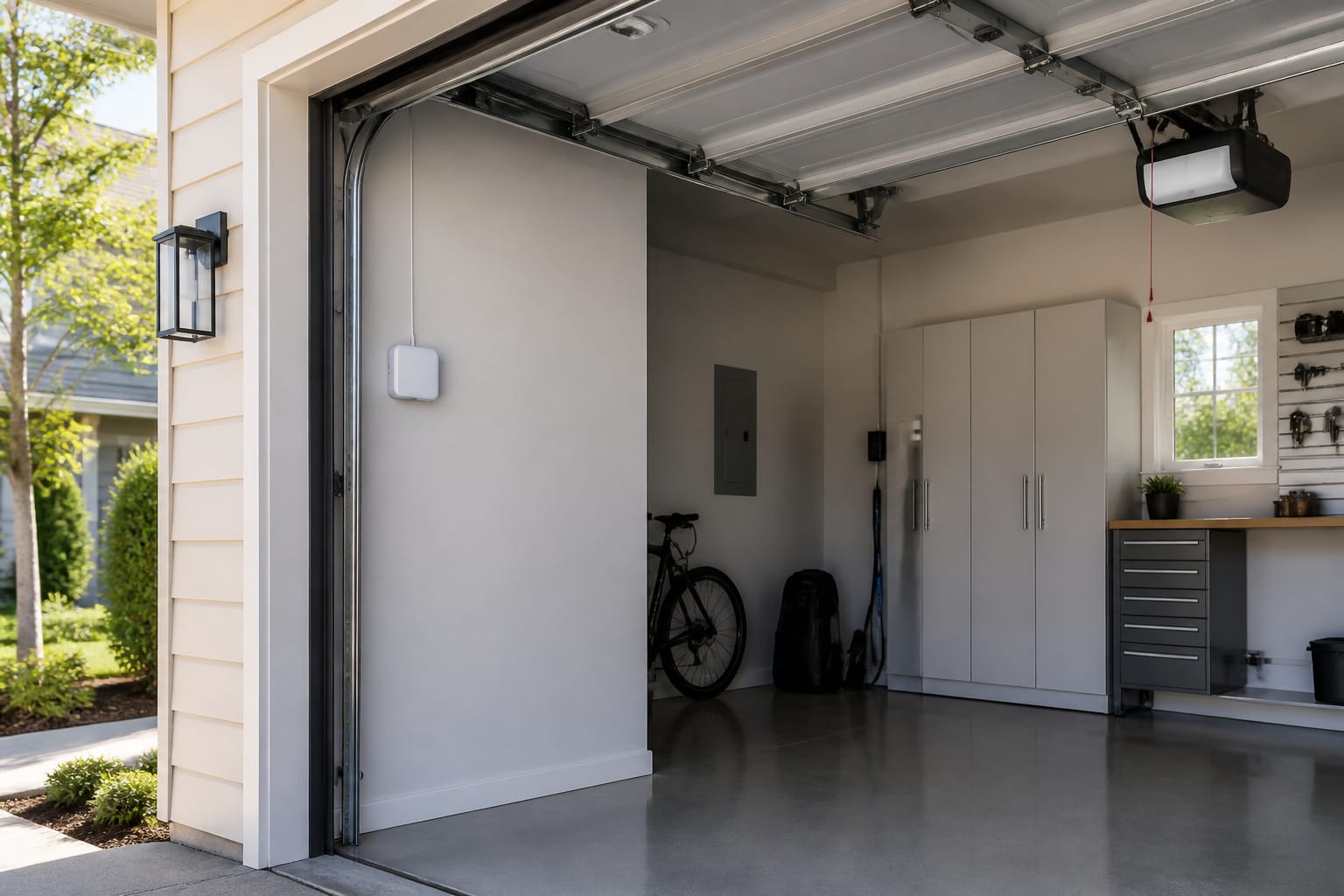
Most garages don’t need a whole new opener to go smart. A retrofit controller, a small hub that mounts near the existing opener and connects to its wall button or control board, adds Wi-Fi control, a door-position sensor, and app notifications to an opener that already works fine mechanically.
These kits are inexpensive, generally install in under 30 minutes without any electrical work beyond low-voltage wiring, and are the right call for the large majority of households whose existing opener is otherwise reliable.
A full opener replacement only makes sense when the existing motor itself is the problem: an aging chain-drive unit that’s noisy or unreliable, a unit old enough to predate modern safety requirements (covered next), or a household that wants integrated features like a built-in camera or keypad that a retrofit kit can’t add.
Replacing the whole opener costs meaningfully more and is a bigger installation project. Springs and openers involve real mechanical risk if you’re not experienced, so it’s worth hiring a professional for the motor swap itself even if the smart features are the reason for the upgrade.
Products Worth Considering

SINGLE DOOR SMART CONTROL KIT: This kit is designed to upgrade one garage door opener with everything you need for smart control. Simple, streamlined setup for one door.

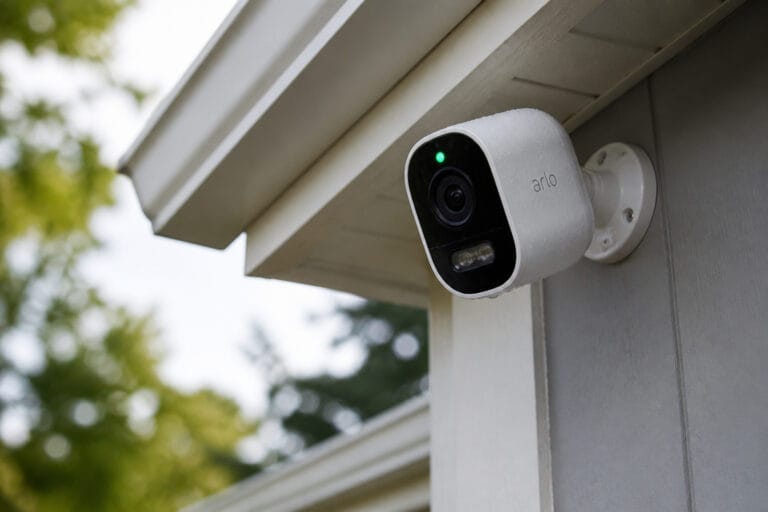
Wide-Angle Surveillance Camera: Capture a comprehensive view of your garage area, from driveway to doorway.

Worry-Free Operation: Plug in using the 25-foot power cord for uninterrupted monitoring. Never needing to charge or replace batteries means your garage is always accessible and secure.
Safety Isn’t Optional: What UL 325 Actually Requires
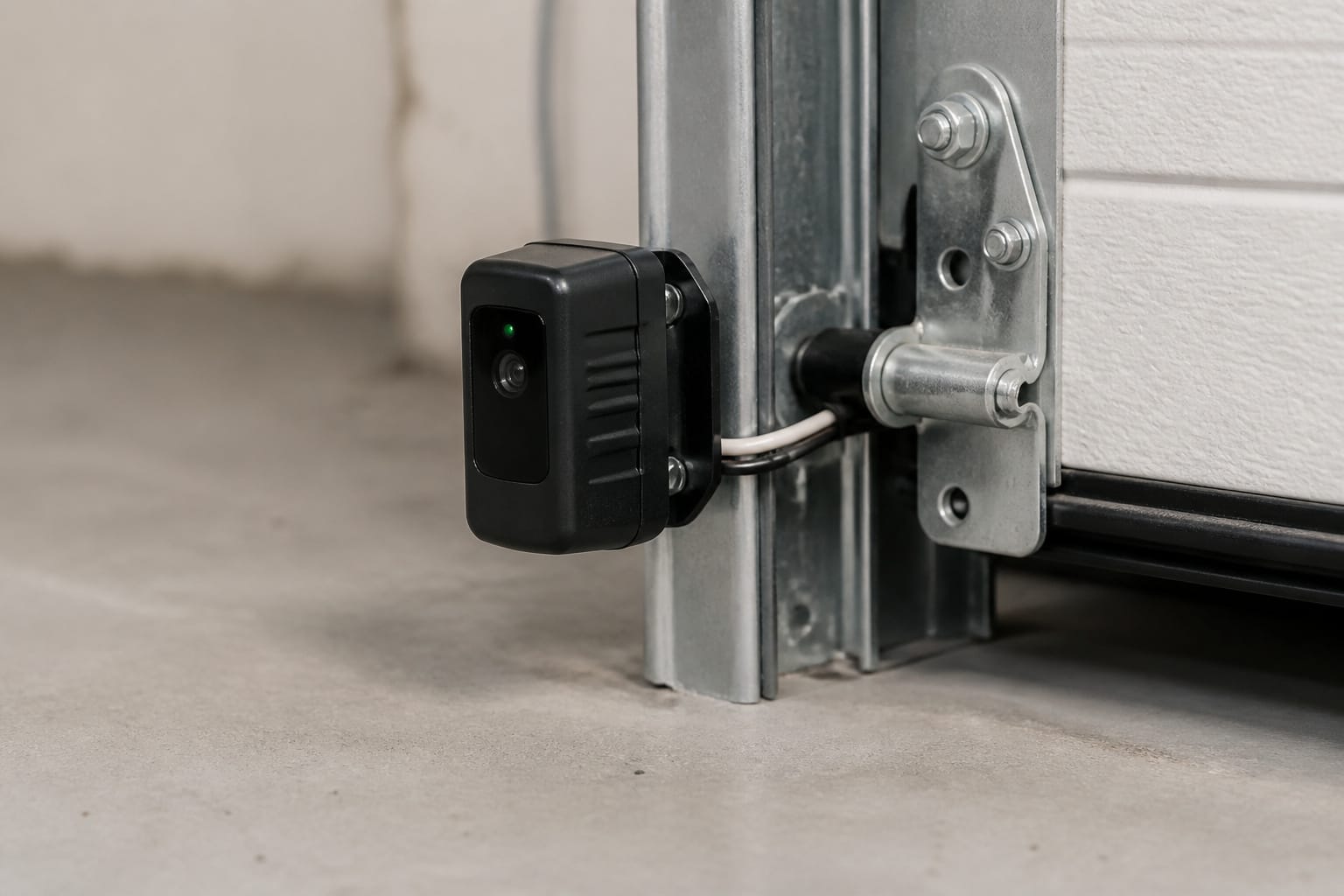
Understanding what UL 325 requires before shopping is important, since it directly affects whether an older opener is even a candidate for a retrofit kit.
Since January 1, 1993, federal law has required every residential garage door opener sold in the U.S. to include entrapment protection under the UL 325 standard: in practice, a mechanical auto-reverse that stops and reverses the door within two seconds of hitting an obstruction, plus a photo-eye sensor pair mounted near the floor on each side of the opening that stops the door from closing on anything in its path.
The Consumer Product Safety Commission approved further updates to these requirements in 2023, effective May 2024, so the standard continues to evolve.
If your existing opener predates 1993 or is missing photo-eye sensors entirely, it isn’t a candidate for a smart retrofit kit; it’s a candidate for full replacement, since no amount of Wi-Fi connectivity can fix a missing safety system.
If you’re uncertain how old your opener is, check the black photo-eye sensors mounted a few inches off the ground on each side of the door; that’s the fastest way to confirm. If they’re not there, treat that as a safety issue to address before anything else.
Rolling Code Security: Why This Isn’t Really a New Concern
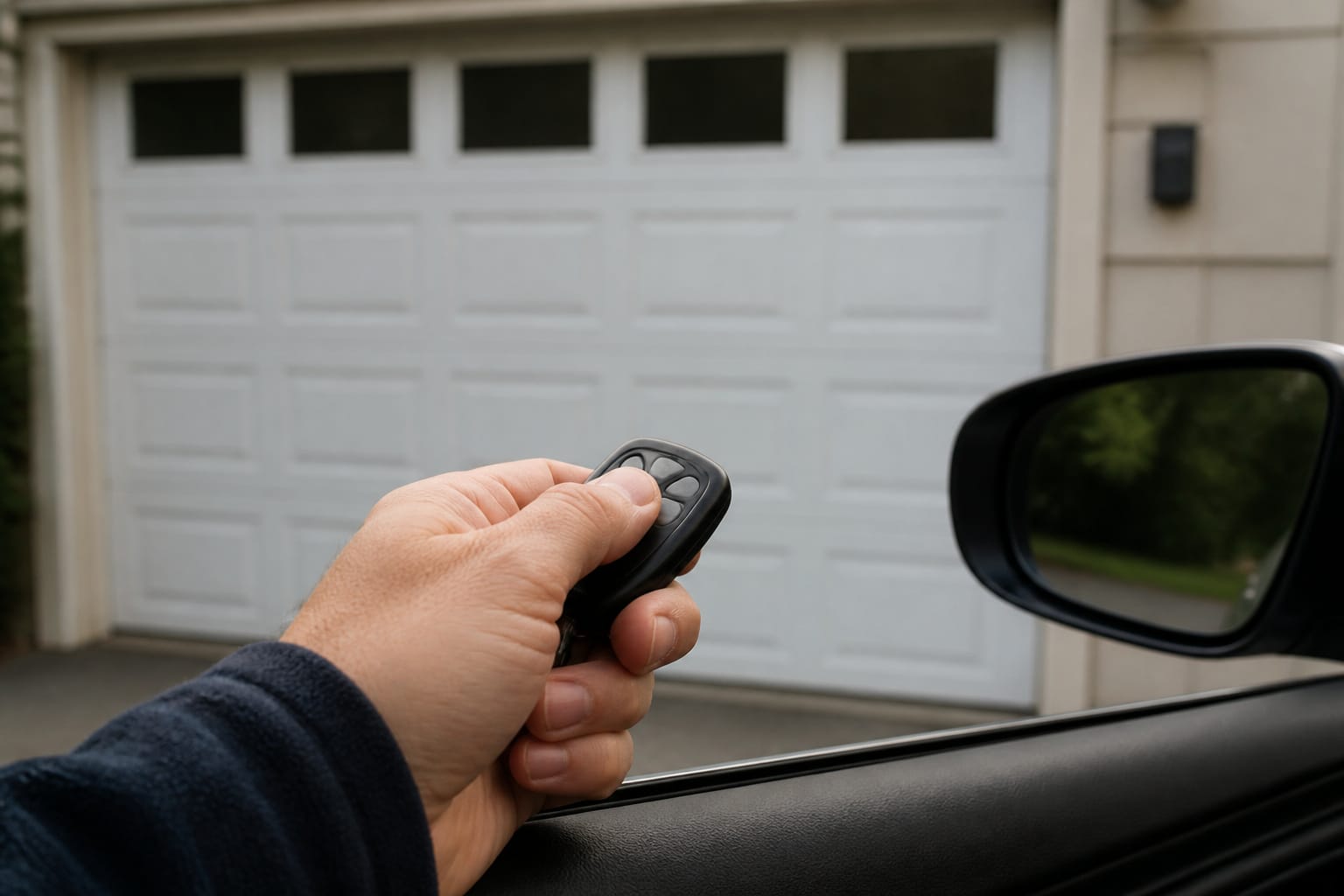
Garage door remotes used to transmit the same fixed code every time, which made them vulnerable to a code-grabbing device that could record and replay the signal to open the door later.
Rolling code technology generates a new code for every single press and has been standard on virtually all openers manufactured since the mid-1990s, closing that vulnerability decades ago. If your opener predates rolling code, it needs a full replacement rather than a retrofit, since the underlying remote security, not just the smart features, is outdated.
For anything manufactured in the last two decades, rolling code is a solved problem, and the more relevant security question shifts to the app and cloud account layer instead.
A strong, unique password on the opener’s app account and two-factor authentication matter more than the radio protocol underneath, similar in spirit to the account-security considerations covered in our smart lock breakdown.
The MyQ Problem: Why Ecosystem Compatibility Needs a Closer Look Here
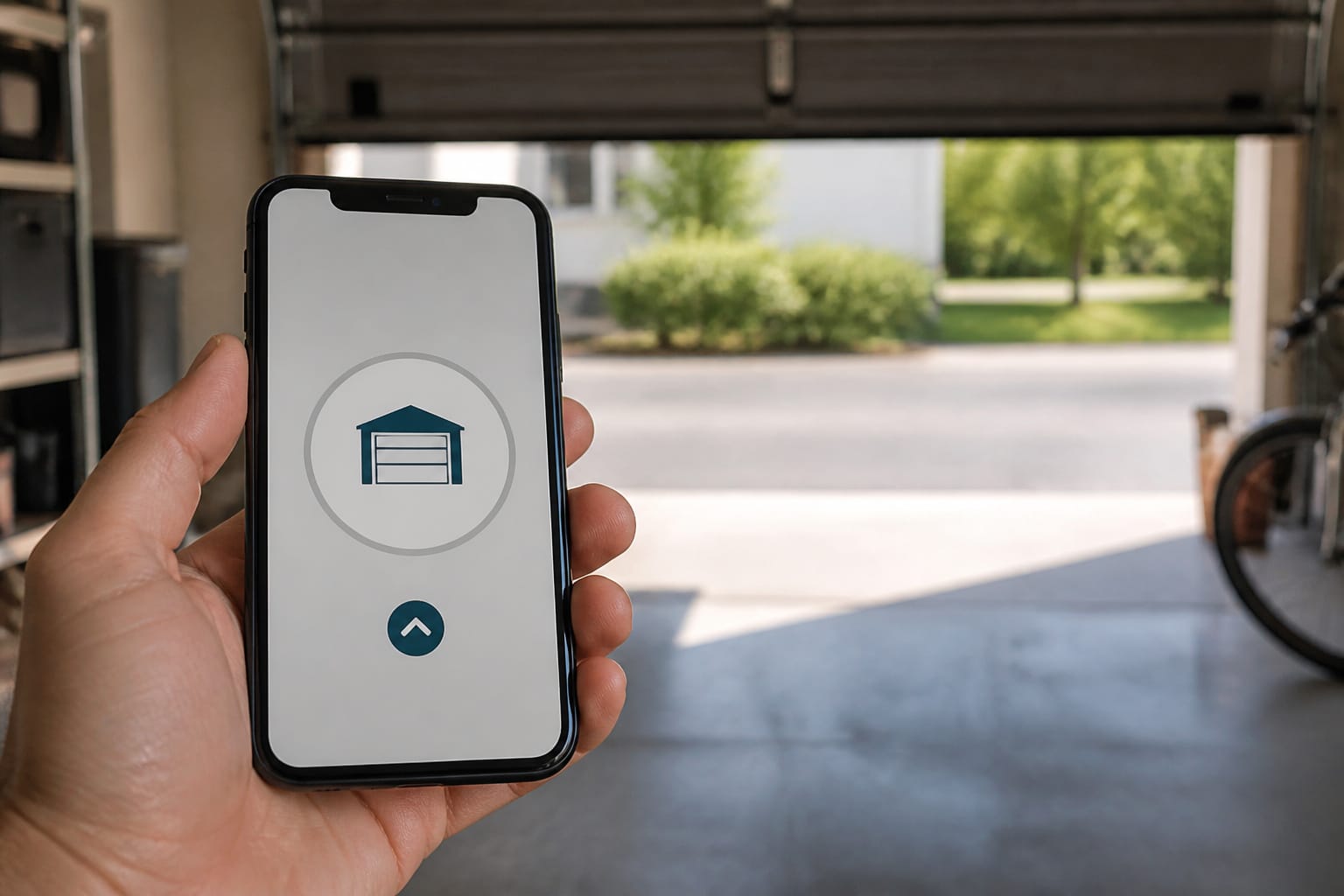
It’s worth knowing because MyQ, made by Chamberlain and used across Chamberlain, LiftMaster, and Craftsman-branded openers, is the most common smart garage platform on the market by a wide margin, and its cross-ecosystem support has gotten meaningfully worse over time rather than better.
Chamberlain discontinued its Google Assistant integration in mid-2023, and later that year restricted or removed several other third-party integrations, including Samsung SmartThings, that had previously let MyQ openers work inside broader smart home automations.
MyQ has never offered a native Alexa skill; the only paths to Alexa control run through workarounds like IFTTT, which now generally requires a paid IFTTT tier and, even then, some setups only support closing the door by voice, not opening it, for stated security reasons.
None of this makes MyQ openers unsafe or non-functional; the phone app itself works fine, and Amazon Key and a handful of automaker integrations are still supported directly.
But if voice control or cross-platform automation through Alexa, Google Home, or a third-party hub is actually the reason you’re buying a smart garage opener, it’s worth checking a specific model’s current, direct integration list rather than assuming brand recognition means broad compatibility; this is a category where several smaller manufacturers now offer more open compatibility than the market leader.
Before buying, check our comparison of Alexa, Google Home, and Apple HomeKit against a specific opener’s current supported integrations, since this list has changed multiple times and is worth verifying fresh rather than trusting an older review.
Products Worth Considering
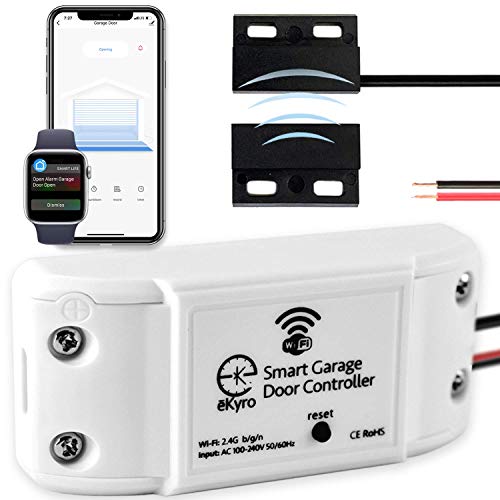
🧠 SMARTEN YOUR GARAGE: Universal adapter connects to existing openers & connects to WiFi to allow monitoring and control from your mobile device or voice assistant.
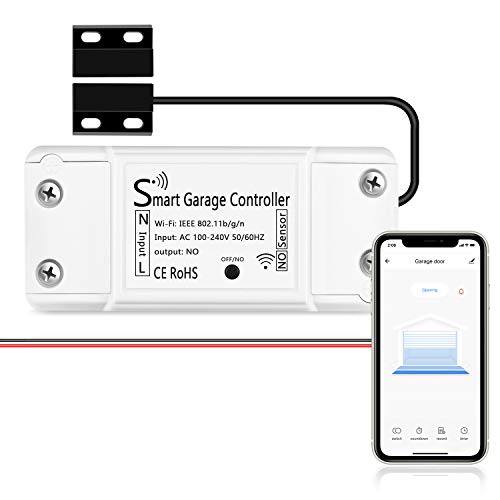
SMART GARAGE CONTROL Open and close your garage door from anywhere with your smartphone through the Alexa,Google home .Make your existing garage door smart. Remote and Voice Control, just tapping the smartlife app from anywhere or speaking to your Alexa, Google Assistant or SmartThings devices. To let in your family, guests or couriers through the garage door while you are cooking or not at home
Battery Backup and What Happens When the Power Goes Out
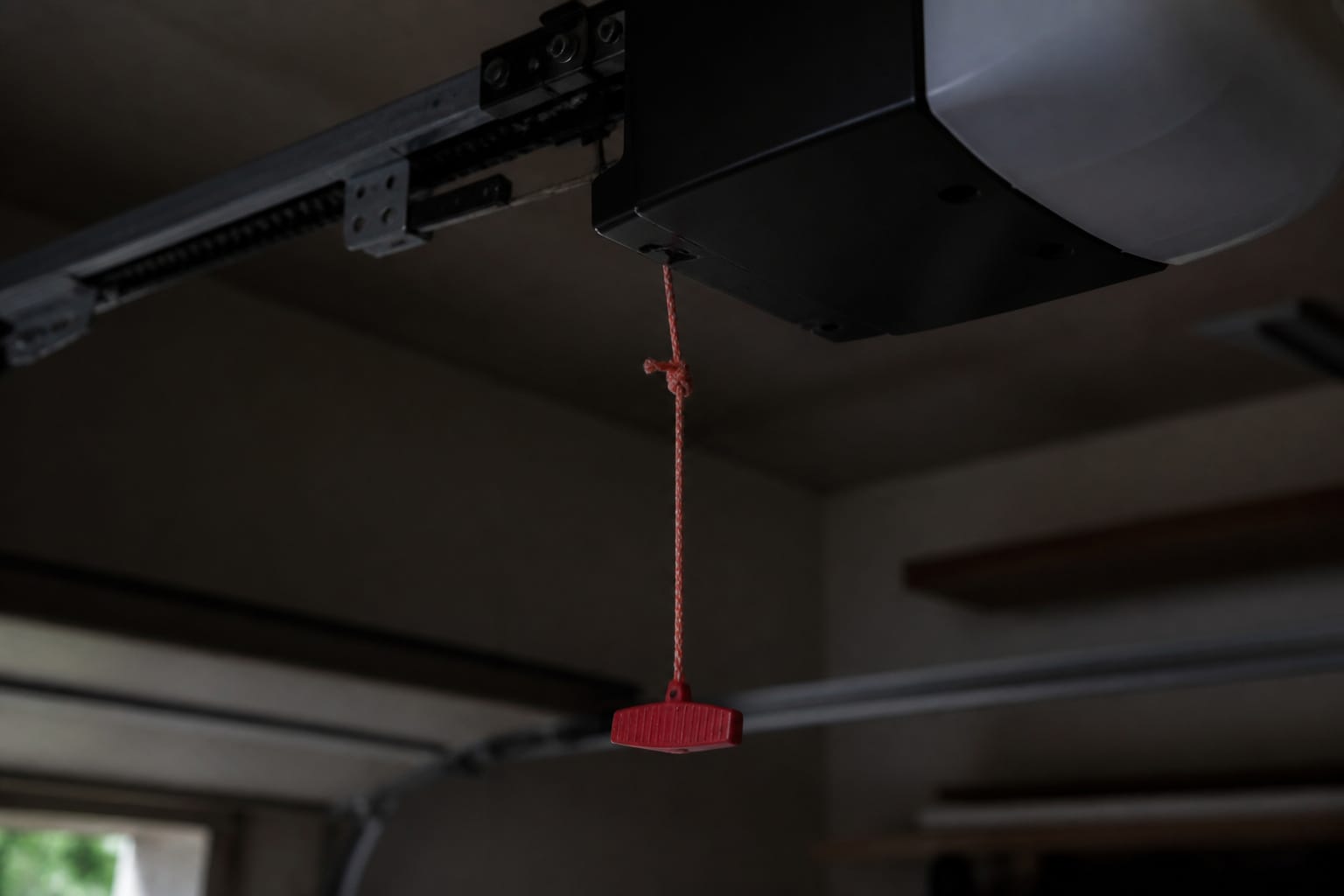
During an outage, a garage door opener without a battery backup has no power. The garage door can be opened by using the emergency release cord, the same as a non-smart opener.
Battery backup, either built into a full replacement opener or handled separately, keeps the door and its smart features operational for several cycles even without grid power, which matters more than it might seem for anyone who relies on the garage as a primary entrance or has a vehicle they need to move during an outage.
This is one of the more legitimate reasons to consider a full opener replacement over a simple retrofit kit specifically, since battery backup is generally built into the opener’s main unit rather than something a small Wi-Fi hub can add on its own.
If backup power during an outage matters for your household, factor that into the retrofit-versus-replacement decision above rather than treating it as a separate purchase.
Products Worth Considering
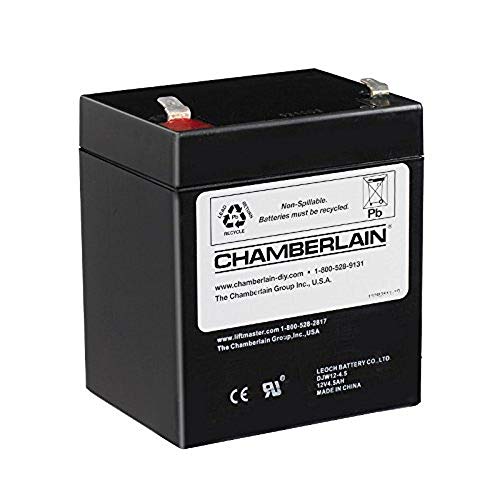
Note: Packaging may vary. User may get item in black and grey color
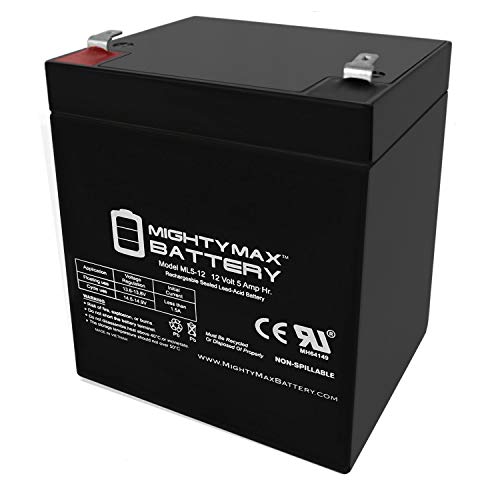
ML5-12 SLA is a 12V 5AH Sealed Lead Acid (SLA) rechargeable maintenance free battery
ML5-12 SLA is a 12V 5AH Sealed Lead Acid (SLA) rechargeable maintenance free battery - UL Certified
So, Which Approach Actually Fits Your Garage?
If your existing opener is newer than the mid-1990s, has properly functioning photo-eye sensors, and is otherwise mechanically reliable, a retrofit kit is the cheaper, faster, and generally sufficient path to smart control.
If the opener is old enough to lack modern entrapment protection, lacks rolling code, or you specifically need battery backup or an integrated camera, a full replacement is the better call, and it’s worth having a professional handle the mechanical installation regardless of who sets up the smart features afterward.
Whichever path you take, verify voice-assistant and hub compatibility against the specific model’s current support list rather than assuming, particularly with MyQ-branded openers. For the bigger picture on sequencing smart home purchases generally, see our budget starter kit guide.
Products Worth Considering
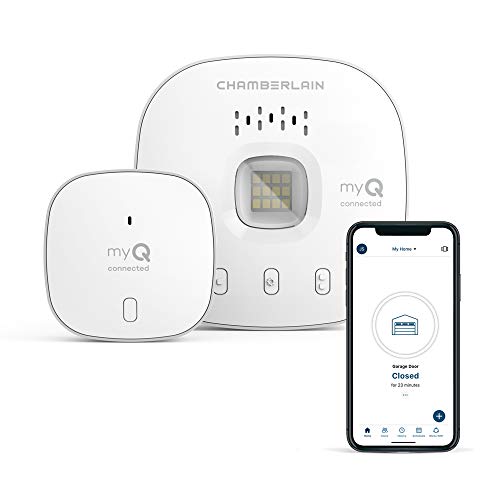
“Did I shut the garage” No more worrying.

𝗦𝗺𝗮𝗿𝘁 𝗥𝗲𝘁𝗿𝗼𝗳𝗶𝘁 𝗖𝗼𝗻𝘁𝗿𝗼𝗹: Upgrade your existing garage door opener into a smart system without replacing the whole motor. With the Smart Life or Tuya app, you can open, close, and monitor your garage door directly from your smartphone, making daily access easier and more convenient.
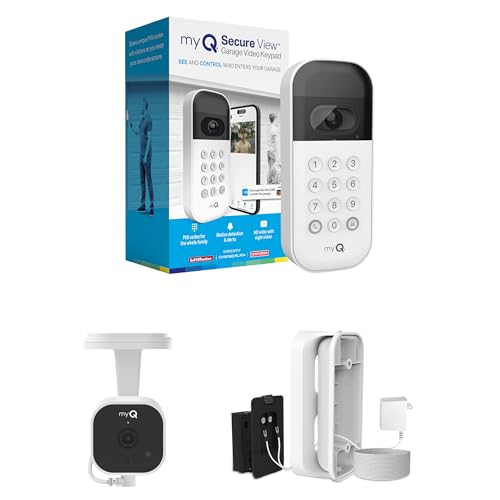
Wide-Angle Surveillance Camera: Capture a comprehensive view of your garage area, from driveway to doorway.
Frequently Asked Questions
Do I need to replace my whole garage door opener to make it smart?
Usually not. A retrofit Wi-Fi controller kit adds app control, a door-position sensor, and notifications to most existing openers in under 30 minutes, as long as the opener is otherwise reliable and has modern safety sensors. Full replacement only makes sense if the motor itself is failing, is old enough to lack required entrapment protection, or you specifically want features like built-in battery backup or a camera.
Does MyQ work with Alexa and Google Home?
Not directly, and this has gotten more restricted over time. MyQ has no native Alexa skill and discontinued its Google Assistant integration in 2023. Workarounds through IFTTT exist but often require a paid tier and, in some setups, only support closing the door by voice, not opening it. Check current compatibility before buying if voice control specifically is the goal.
How do I know if my garage door opener meets current safety standards?
Check for black photo-eye sensors mounted a few inches off the floor on both sides of the door opening; every opener sold in the U.S. since 1993 is required to have them under UL 325. If they’re missing, the opener predates federal entrapment-protection requirements and should be replaced regardless of whether smart features are part of the plan.
Are older garage door remotes a security risk?
Only if the opener predates rolling code technology, which has been standard since the mid-1990s and generates a new transmission code with every button press specifically to prevent a recorded signal from being replayed later. For anything manufactured in the last two decades, this is a largely solved problem; account security on the connected app matters more at that point.
What happens to a smart garage door opener during a power outage?
Without battery backup, the opener loses power entirely, and the door has to be operated manually using the emergency release cord, same as a non-smart opener. Battery backup, generally built into full-replacement openers rather than added through a retrofit kit, keeps the door and smart features running for a limited number of cycles during an outage.