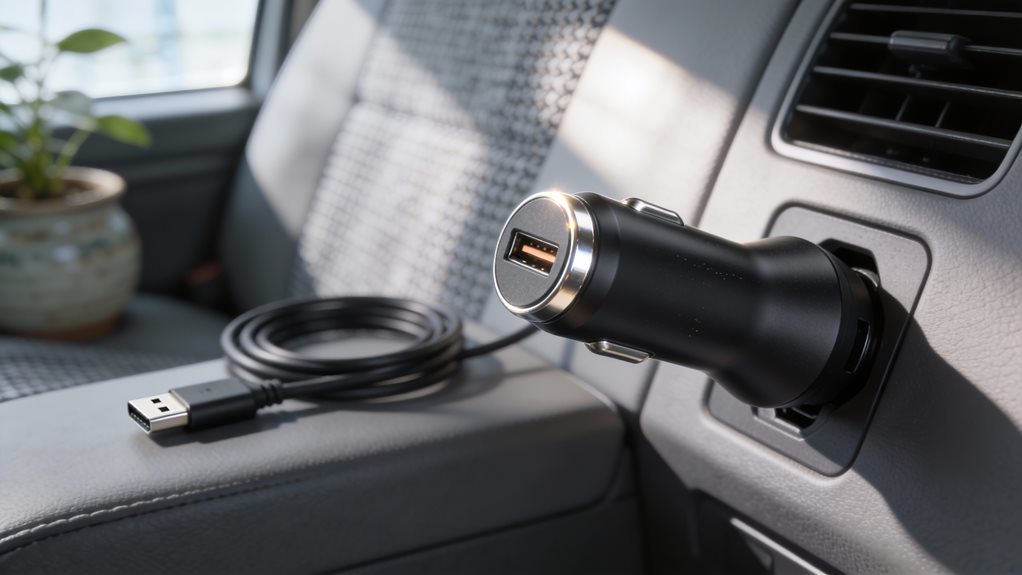
While your phone buzzes low on battery, you glance at your car’s dashboard and face a small but important choice: USB-C or USB-A. You need power fast, and the right charger makes all the difference.
USB-A: Still Works, Just Slowly
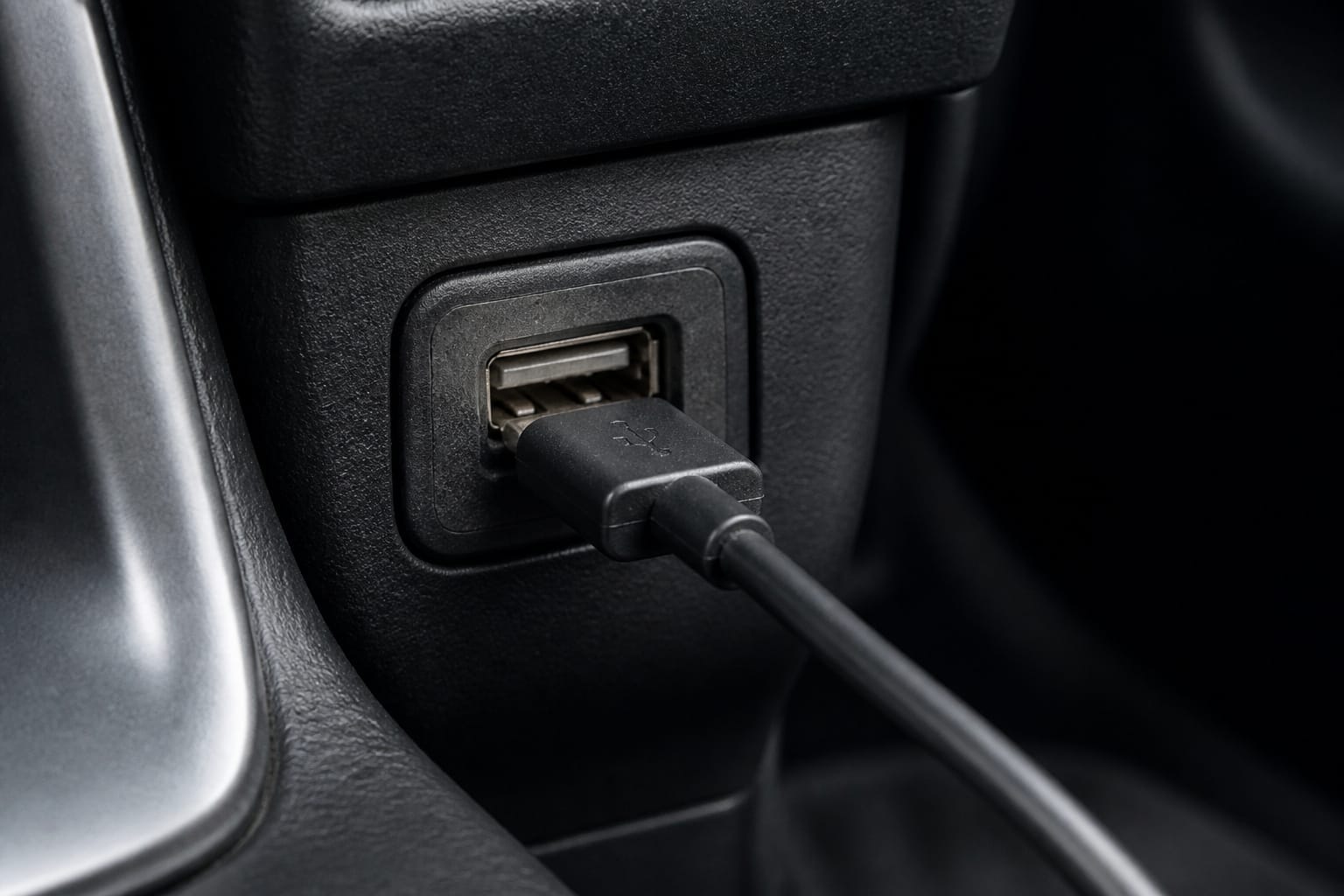
USB-A has been around for years. You’ve seen it: chunky, rectangular, fits only one way. It works, sure, but slowly. Most USB-A car chargers deliver 5 to 12 watts. That’s fine for older phones or just keeping your device alive.
But if you’re charging a modern smartphone, tablet, or earbuds, it’s like sipping water through a thin straw. You wait. You watch. The battery crawls upward.
USB-C is faster, smarter, stronger. It’s oval, reversible, and built for today’s tech. A single USB-C port can push 18, 30, even 60 watts. That means your phone gains 50% charge in 15 minutes on a compatible fast-charging setup.
Products Worth Considering

MOBILE CHARGER: This car charger allows you to charge a single device quickly and efficiently with its 12-watt/2.4-amp port. Plug it into your vehicle's cigarette lighter and immediately access power for your USB powered devices.

FAST CHARGING TECHNOLOGY: This 37W usb c call charger allows you to fast charge an iPhone 13 or a Galaxy S22 Ultra from 0-50% in 25 minutes. It uses PPS technology to dynamically adjust the output voltage based on the device it's connected to.

FAST CHARGING TECHNOLOGY: This 42W USB-C car charger lets you fast charge an iPhone from 0-50% in just 21 minutes or a Galaxy from 0-50% in 26 minutes, allowing you to spend less time charging and more time carrying out the tasks of your day!
Why USB-C Is Faster: Power Delivery
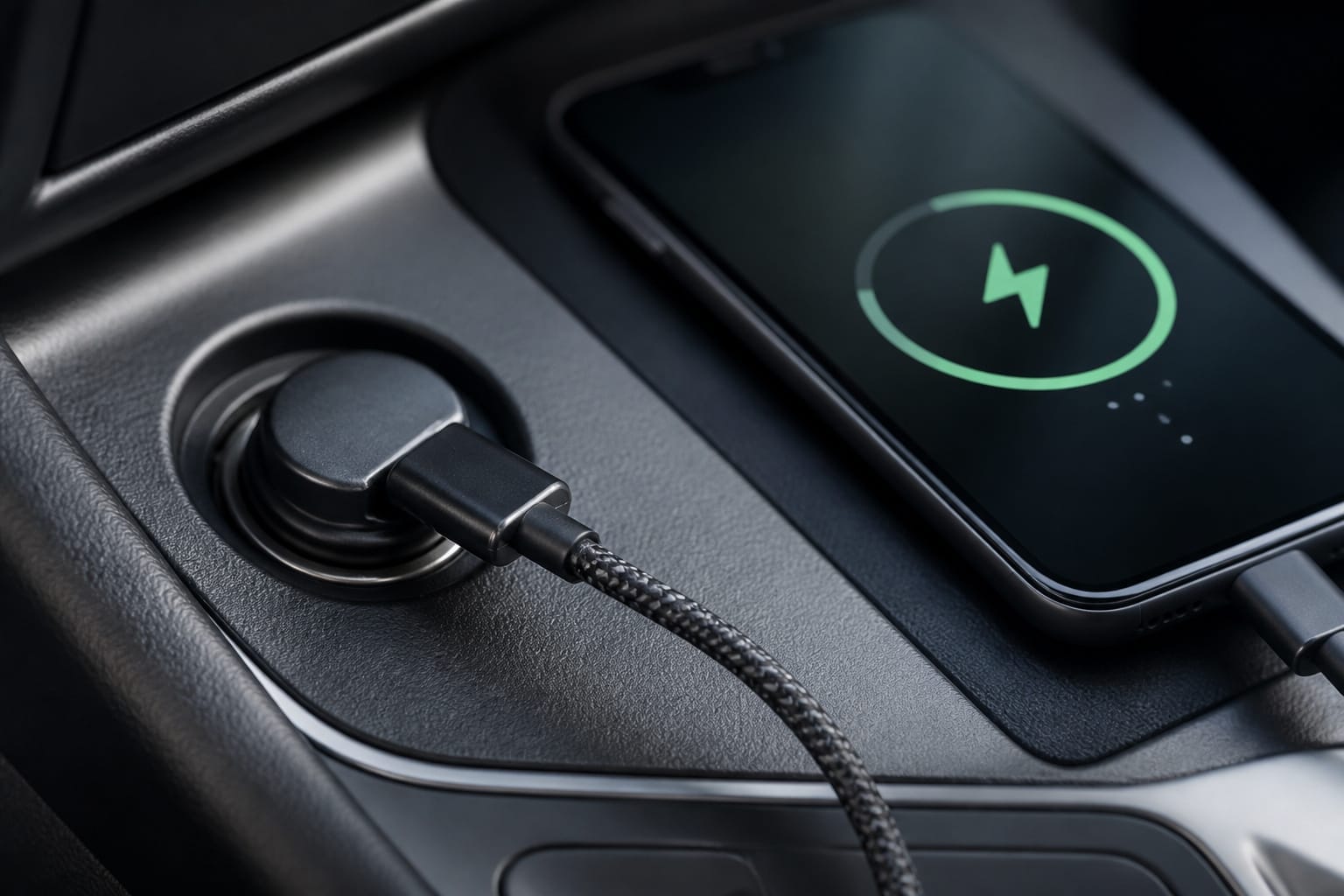
You plug in, drive ten blocks, and you’ve got real charge back. USB-C supports Power Delivery, a protocol that lets the charger and device negotiate exactly how much power to send. No waste. No guesswork. Good chargers also regulate heat and stop delivering power once a device is full, protecting battery lifespan over the long run.
Your Pixel, Galaxy, or iPhone charges at full speed. Even your Nintendo Switch or MacBook can sip juice from a good USB-C car charger.
You might still own gadgets with USB-A ports. That’s okay. Many car chargers now offer both: USB-C for speed, USB-A for compatibility.
But here’s the truth. The future is USB-C. New cars come with it built in. New phones drop the old port entirely. Even Apple moved its iPads to USB-C.
Buying a USB-C charger now means you’re ready. You’re ahead, not stuck hunting for an adapter while your battery dies.
Think about how you use your car. Do you drive kids to school? Do you take long trips? Do you rely on GPS, music, or calls? Then you need fast, reliable charging.
USB-C delivers. It’s not just faster; it’s safer. It regulates heat. It stops charging when full. It protects your battery’s lifespan.
USB-A can’t do all that. It’s outdated. Not broken, but limited. If your charger seems to be underperforming no matter which port you use, the issue might not be the port at all: see our guide to why your car charger is charging slowly.
Which Should You Actually Buy?
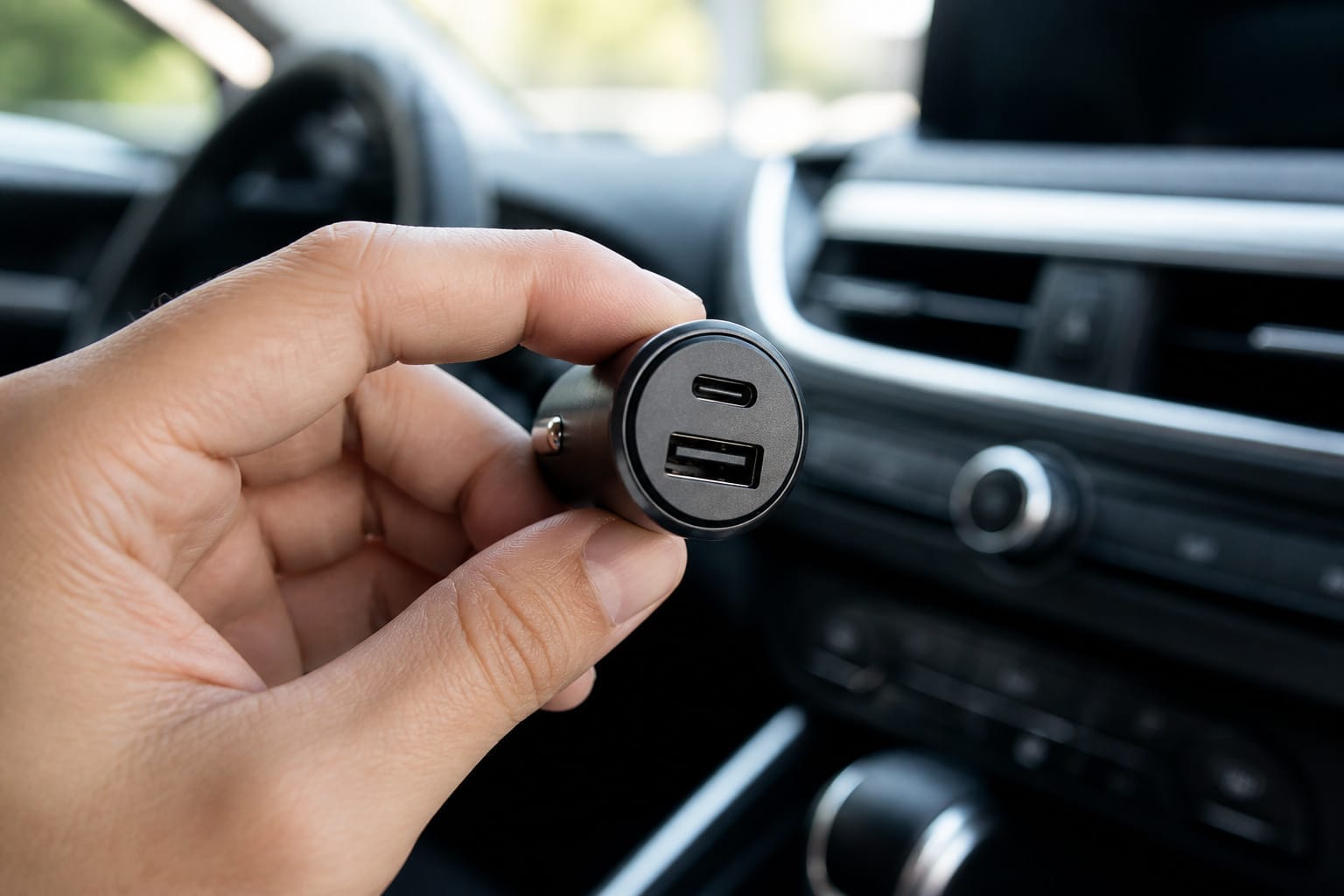
You want simplicity. You want power. You want to plug in once and forget it. USB-C gives you that.
It’s the single cable you’ll use for years. For your phone, your laptop, your camera. One charger. One cord. Done.
USB-A might be cheaper today, but it’ll cost you time tomorrow. Speed matters. Convenience matters. Future-proofing matters. And if your car’s built-in ports are the real bottleneck, it may be worth looking at which car USB ports are actually worth upgrading.
Products Worth Considering

3 Ports 130W(Max)Super Fast Car Charger: USB C car charger power adapter accesorios para carro with all-new upgrade PPS / PD / QC super fast charging technology of 130W can charge for Samsung Galaxy S26/S25/S24/S23 Ultra series up to 80% and iPhone 18 Pro/ Pro Max/iPhone Duo/17/17e/16/15 series up to 70% in 30 minutes. Equipped with 2 USB-C ports and 1 USB-A port, charge up to 3 devices simultaneously (including phones, tablets and driving recorder). The intelligent power distribution automatically adjusts output to ensure fast and efficient charging for all your devices

High-Speed Charging: Connect to the USB-C port to charge an iPhone 14 Pro to 50% in just 25 minutes, or a Samsung S23 in just 27 minutes.

High-Power 130W Output: Charge multiple devices at top speed with a total of 130W output—powerful enough for MacBook, iPad, Galaxy, iPhone, Steam Deck, Switch, and more. Perfect for road trips and daily use
Frequently Asked Questions
Can I Charge Two Devices Simultaneously With a USB-A Charger?
Yes, you can charge two devices at once with a USB-A charger if it has two ports. Look for a dual-port adapter. Plug both cables in. Power splits, so charging slows slightly.
Check the label: “5V/3.1A” means 3.1 amps shared. One phone? Full speed. Two? Steady rhythm, not a sprint. Plan smart.
Do USB-C Car Chargers Work Faster in Older Car Models?
Yes, USB-C car chargers work faster, even in older cars. You plug in, and power surges. Smart chips detect your device, then deliver the right speed. Older cars don’t limit that. USB-C handles higher wattage, so your phone charges quickly.
Cables matter; use a good one. No lag, no wait. Just fast, smooth energy. You’ll see the difference. Trust the tech. It’s built to boost.
Are USB-C Chargers More Durable Than USB-A Over Time?
Yes, USB-C chargers are more durable than USB-A over time. They plug in easily, either side up, with no frustration. The port’s design resists wear and survives thousands of insertions. USB-A’s fragile pins bend with rough use.
Your USB-C cable stays strong, even when it’s tossed into a bag or yanked on. It handles drops, twists, and constant use better. Choose USB-C. It lasts. It works. It endures.
Will a USB-C to Lightning Cable Work in My Car?
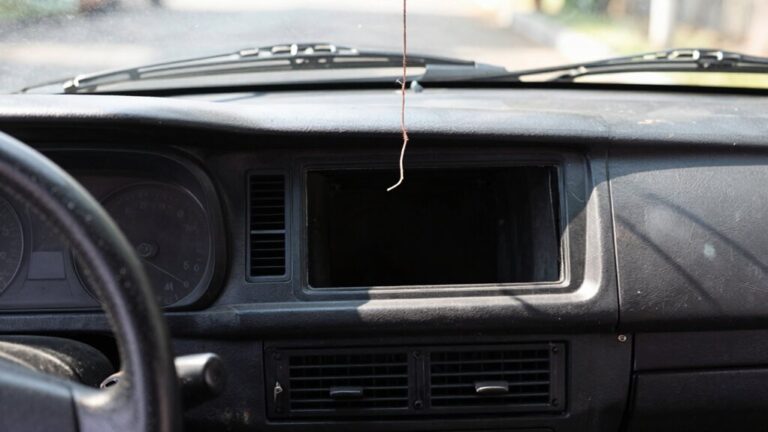
Yes, your USB-C to Lightning cable will work in your car. Just plug it in. If your car’s port is USB-C, that’s perfect. If it’s USB-A, use an adapter.
The cable fits, powers up, and charges fast. You’ll see the lightning bolt appear. Keep it snug. Avoid yanking. Match ports like puzzle pieces. Smooth. Simple. Reliable.
You’re ready. Go.
Can I Use Wireless Charging Alongside a USB-C Car Charger?
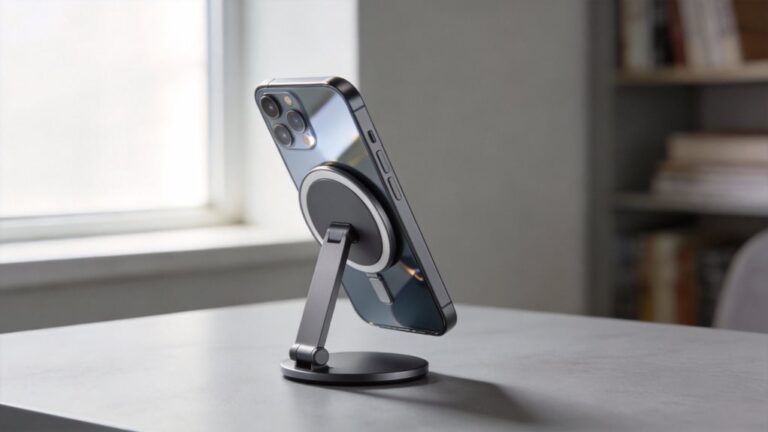
Yes, you can use wireless charging alongside a USB-C car charger. Plug your cable in; power flows. Place your phone on the pad; charging begins. Both work at once, no conflict. Your device gains energy two ways. Fast, smooth, steady.
One hand on the wheel, tech humming beneath your fingers. Modern cars make it easy. Just connect and go. Simple. Efficient. You’re in control.