

Echo happens when sound bounces off hard surfaces and returns to your ears. Empty rooms with bare walls, hard floors, and large windows are the worst. You can reduce echo by adding soft, dense, and uneven materials, and you usually do not need a contractor to do it.
Start With Curtains and Rugs
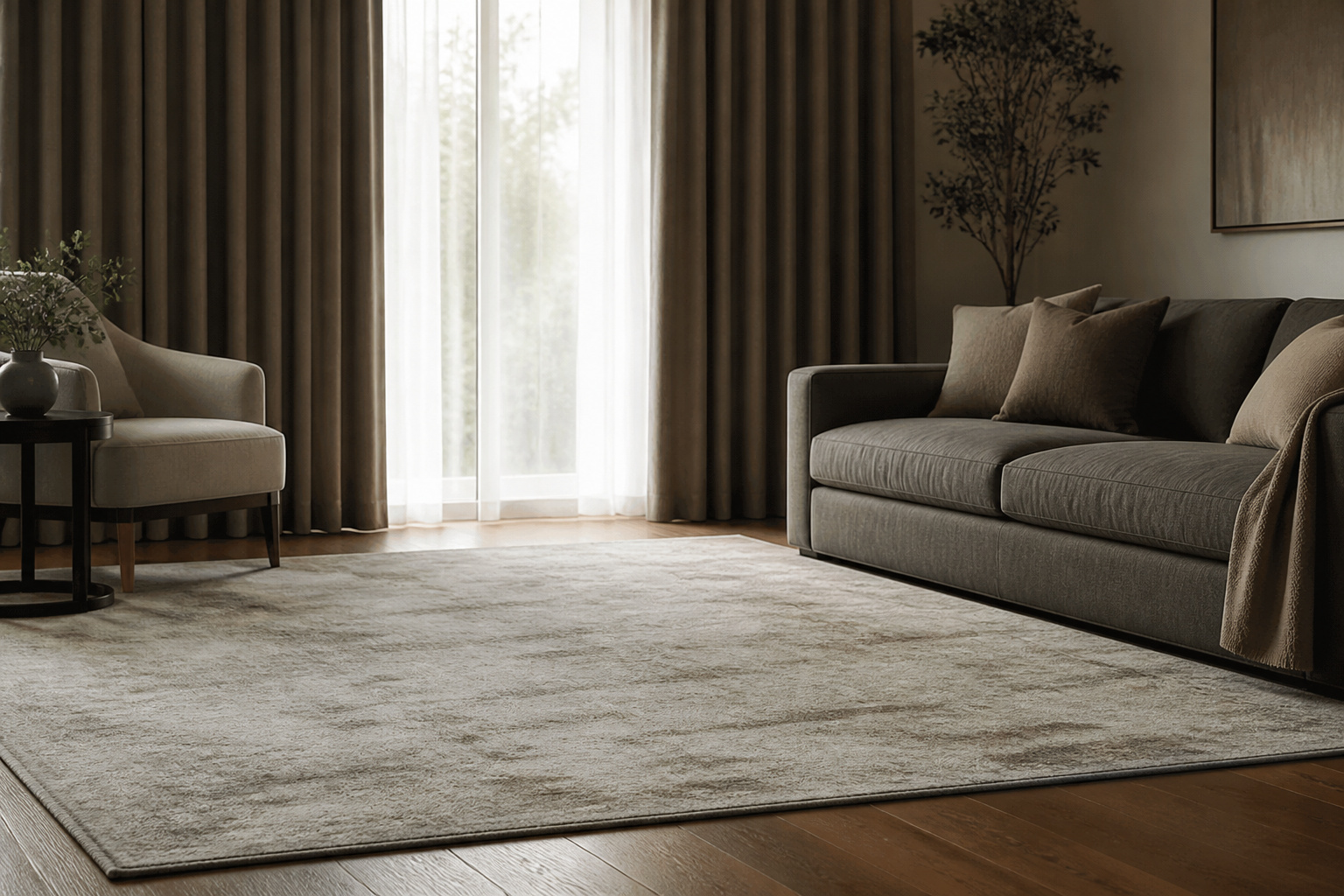
Thick curtains over windows absorb sound, especially heavy fabrics that reach the floor. Area rugs on hardwood, tile, or laminate stop the floor from reflecting sound, and padding underneath improves the effect.
These two changes often make the biggest difference for the least money.
Recommended Products
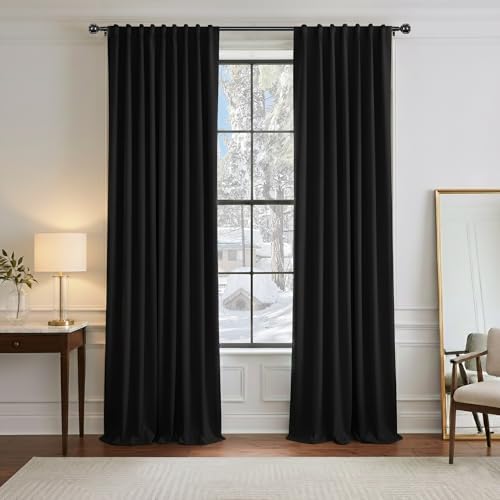
Ready Made - 2 pieces of heavy-duty blackout curtains includes, each measures 52" wide x 96" Long(Total width is 104"). 3" rod pocket top fits most standard rods and makes the maximum coverage of windows

LUXURIOUS VELVET FABRIC:Crafted from high-density velvet fabric, these curtains are silky-smooth, soft to the touch, and feature a rich, heavy drape for an elegant look,adding depth and luxury to living rooms, bedrooms, nursery and more.

Flexible Division, Instant Privacy:Made from a single, sturdy panel, this curtain creates a complete visual barrier. Without costly renovations, just pull it closed to form a private space for work, rest, or leisure in any room—living room/bedroom/office/closet/sliding glass doors/patio doors... It also hides cluttered shelves and exposed pipes, instantly improving the room’s look and helping you handle surprise guests.
Fill the Room With Furniture

Sofas, chairs, and bookshelves absorb and scatter sound. Bookshelves filled with books of different sizes are especially useful because the uneven surfaces break up reflections.
Spread furniture around the room instead of lining everything along one wall, and pull large pieces a few inches from walls.
Add Acoustic Panels
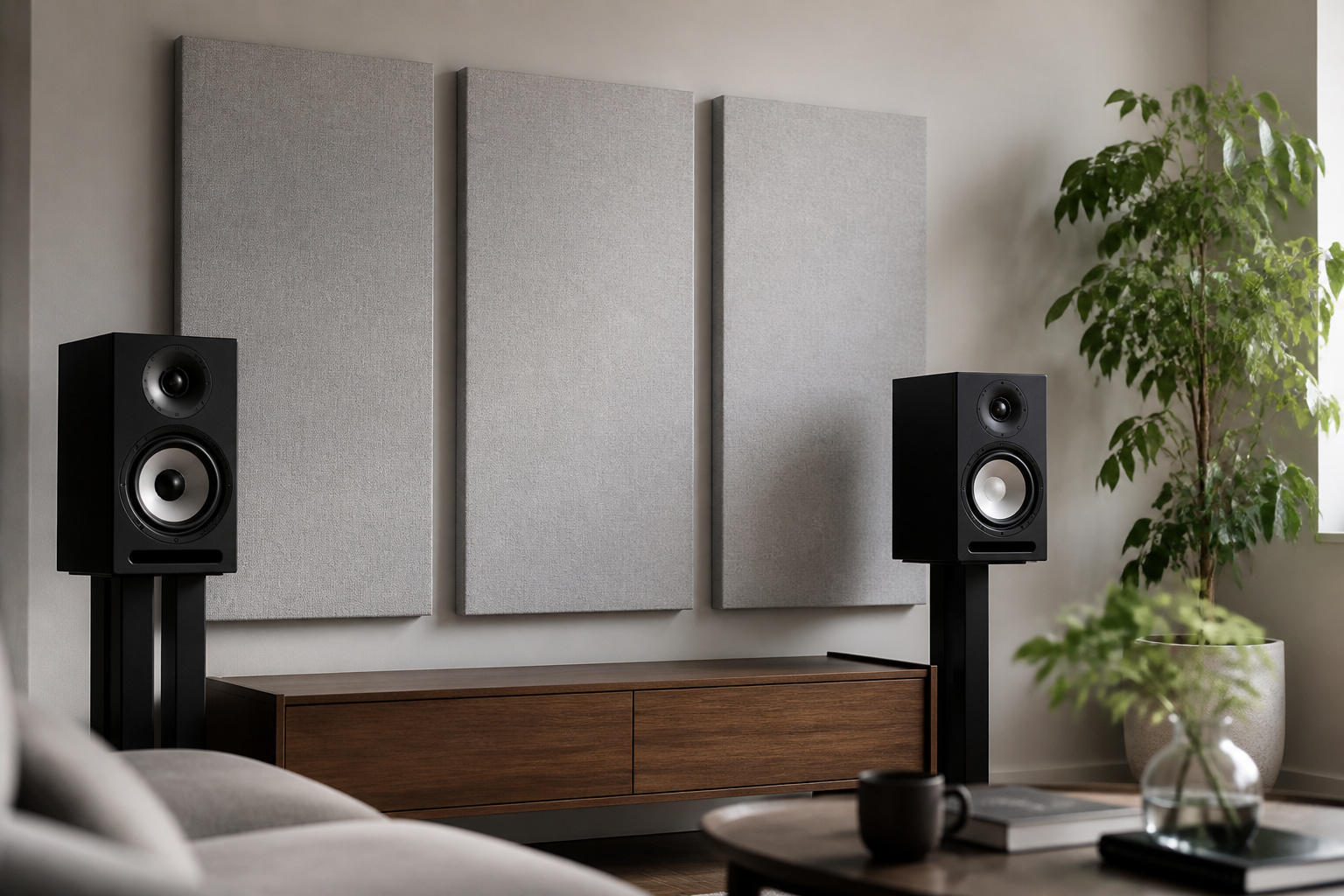
Foam or fabric-covered acoustic panels absorb reflections. Place them where sound hits hardest, such as behind your speakers, behind the listening seat, and on the side walls at the first reflection points.
Fabric panels look better than foam, and you only need to cover part of the wall to notice the difference. See how to improve sound in a small room.
Do Not Forget Ceilings and High Rooms

Sound reflects off ceilings as much as walls. In rooms with high or bare ceilings, hanging panels, fabric, or a large rug-style wall hanging can reduce the bounce.
Plants add a little texture but absorb very little, so treat them as decoration.
Recommended Products

High-Quality Wall Panels: Our acoustic panel set is crafted with high-density polyester fiber, premium medium-density fiberboard, and a solid wood veneer. This combination provides an elegant look, superior sound damping, and excellent sound deadening, significantly improving room acoustics

Soundproofing Excellence: Our large-sized sound proof foam panels for wall are meticulously crafted to bring ultimate tranquility. With an impressive NRC coefficient of over 0.95, they effectively absorb both high and low-frequency noise, ensuring a peaceful environment in any setting.

Soundproofing - Acoustic foam panels triangular grooves structure for better noise absorption, helps to reduce and absorb unwanted echoes, waves, reverb and flutter echoes for better recording effect.
Check Your Work

Clap your hands or speak and listen for a ringing tail that lingers after the sound stops. Add one thing at a time and test again.
The goal is a calmer room, not a silent one, since too much absorption makes a room sound dead. For tips on speaker position in your newly treated room, read speaker placement, and how to choose an audio setup for your room.
Frequently Asked Questions
How Much Does Professional Acoustic Treatment Cost?
It varies widely with room size, materials, and the installer. Simple treatment of one room may cost a few hundred dollars, and studio-grade work costs much more. Many people get good results with rugs, curtains, and a few panels they install themselves. Get quotes if you want a professional.
Can Plants Help Reduce Room Echo Effectively?
Not much. Plants add a little texture, but they are not dense enough to absorb sound the way curtains, rugs, and panels do. Use them as a minor extra.
Do Bookshelves Really Absorb Sound in a Room?
They help. Filled bookshelves scatter sound and absorb some of it, mainly at mid and high frequencies. Fill them with a mix of book sizes and place them on a bare wall for the best effect.
Is Echo Worse in Empty or Furnished Rooms?
Empty rooms echo much more because nothing absorbs or scatters sound. Furnishing a room with rugs, curtains, and soft furniture reduces echo noticeably.
Can Thick Curtains Eliminate Wall Reflections Completely?
No. Curtains cut reflections from windows and the walls they cover, but sound still bounces off floors, ceilings, and other walls. Combine curtains with rugs, furniture, and panels. See why speakers sound distorted if the problem is distortion rather than echo.