How much to spend on audio equipment depends on how you listen, the room you listen in, and how much detail you care about. More money does not always mean better sound, and the biggest gains come early. This guide helps you set a budget and spend it where it counts.
Start With How You Listen

If you play music while cooking or working, a modest Bluetooth speaker or an inexpensive pair of headphones is probably plenty. If you sit down to listen closely, you will notice details and flaws that cheaper gear hides, which is when spending more makes sense.
Match the equipment to your life instead of aiming for the most expensive option.
A Rough Budget Guide
As a rough guide, a small starter setup can cost under a couple of hundred dollars, a good everyday system with decent speakers or headphones and a modest amplifier usually costs a few hundred, and enthusiast setups go well beyond that.
These are guidelines, not rules, and sales and used equipment move them considerably. What matters is that each step should bring an improvement you can hear.
Recommended Products

All-in-One Professional Podcast Equipment Bundle: Complete podcast equipment bundle includes audio interface mixer, microphones, microphone boom arms, 3.5mm earphone, shock mounts, pop filters, foam caps, XLR cables, USB cable, 3.5mm audio cables. Zero extra purchases needed. Ideal for voice over starter

【Excellent Sound Quality】The Podcast Equipment Bundle uses advanced intelligent noise reduction technology and cardioid pickup technology to pick up your voice in all directions. The double-layer POP filter and windproof foam cap further reduce noise, and then it is processed by the professional DSP chip of the sound card to ensure clear and complete sound.

Essential Kit for Streaming Setup: MAONOCASTER G1 NEO is the essential gear for gamers and up-and-coming streamers diving into the world of gaming streaming. This gaming mixer not only delivers outstanding sound performance but also integrates customized sound effects and captivating RGB lighting to immerse you in gaming or streaming. Its compact design and user-friendly interface provide an enjoyable and easier gaming experience, making it easier for you to achieve victory
Where the Money Goes Furthest
Speakers or headphones give the biggest change in sound, so spend there first. After that, a suitable amplifier or receiver, then a subwoofer if you want deeper bass. Cables, accessories, and exotic extras come last.
Our guide on upgrading your audio setup in stages lays out a sensible order, and whether expensive headphones are worth it shows where returns level off.
Recommended Products

EXCEPTIONAL 800W POWER - Elevate your audio experience to extraordinary levels with an impressive 800W peak power amplifier. Immerse yourself in the world of dynamic sound, where every movie, music, and gaming session becomes a captivating journey.
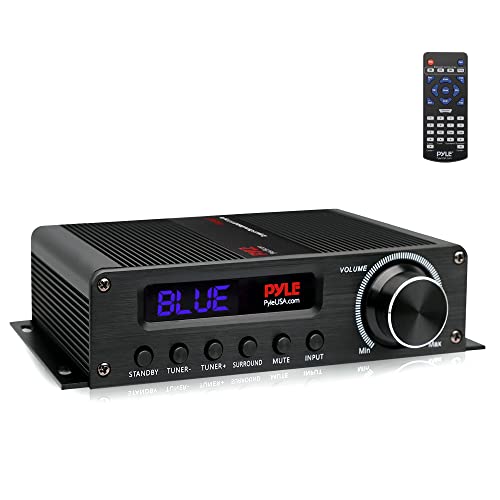
100 WATT POWER: The Pyle 5.1 Channel HiFi Audio Amplifier w/ 100W peak power gives your entertainment system a boost! Offers low distortion w/ acoustically accurate audio reproduction allowing you to enjoy crisp and high quality amplified audio

Consider Your Room
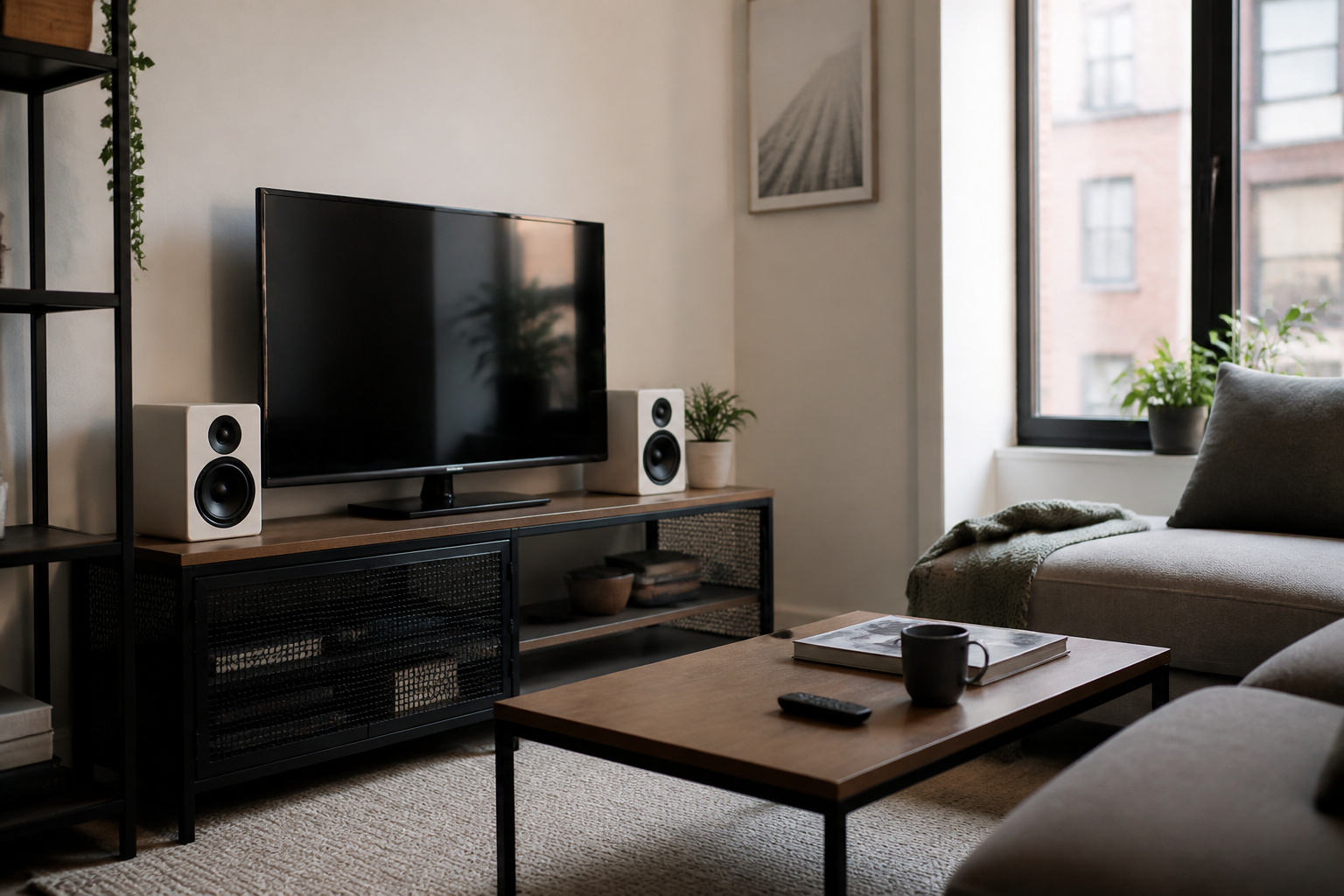
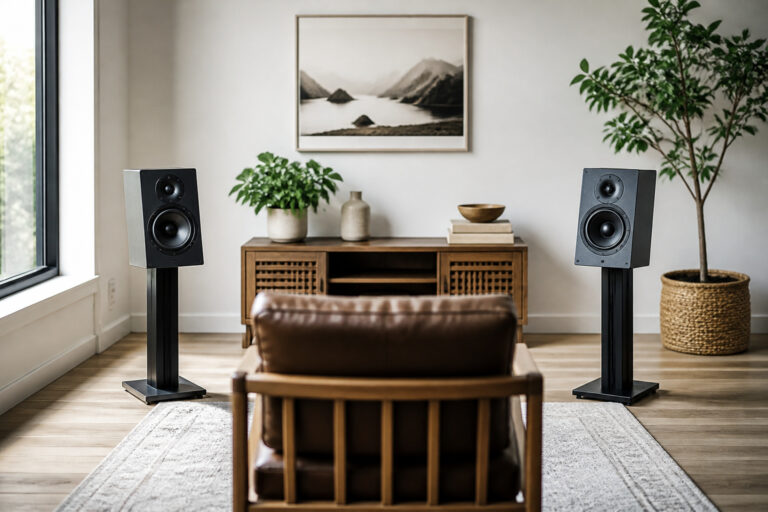
Room size changes what you should buy. In a small apartment, compact bookshelf speakers often sound better than large towers, which overwhelm the space and annoy neighbors. A large room can use bigger speakers and a subwoofer.
A well-placed, modest system often beats an expensive one in the wrong spot. See how to choose an audio setup for your room and bookshelf vs floor-standing speakers.
Listen Before You Pay More
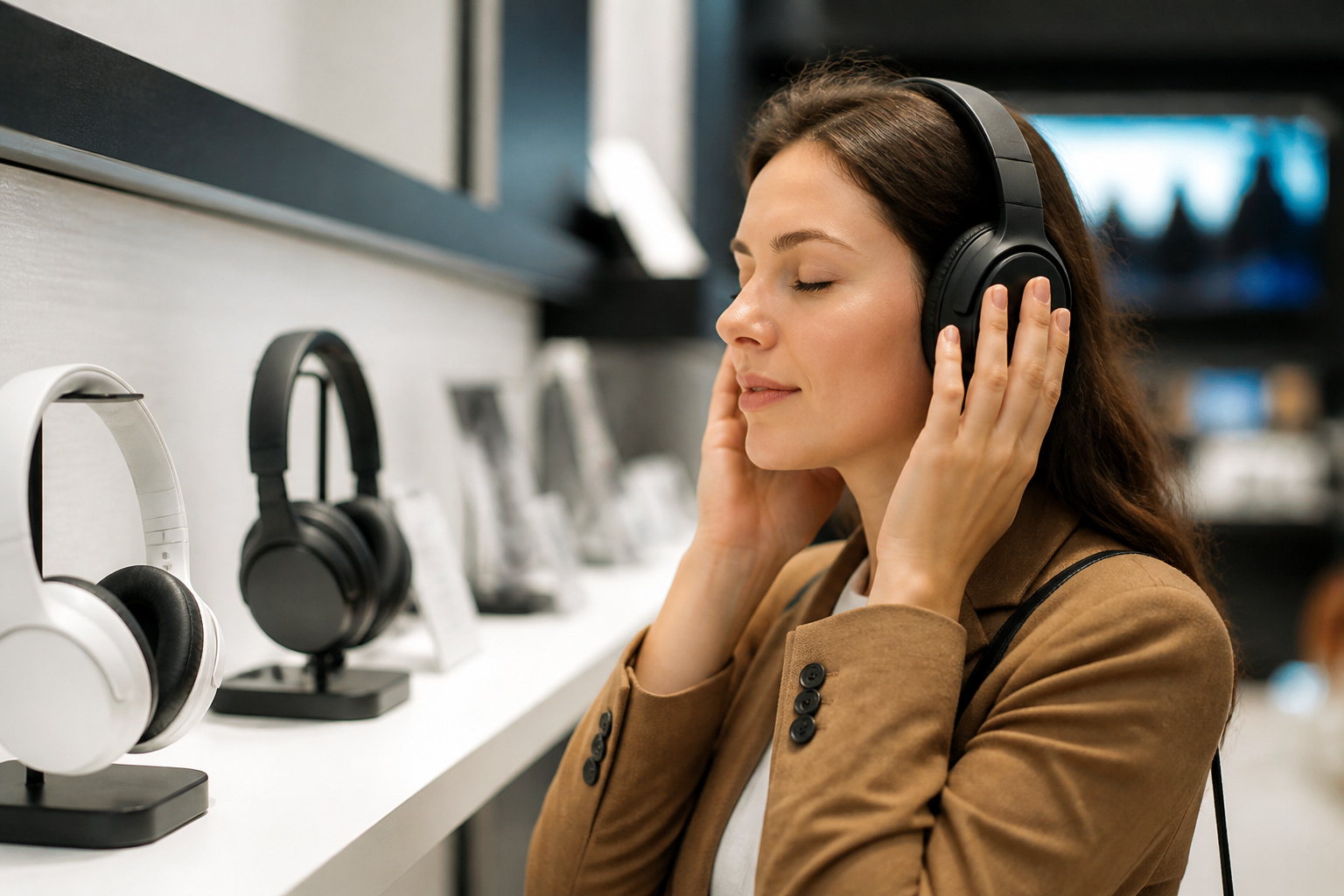
Price does not guarantee better sound. Some inexpensive headphones sound better than pricier ones, so compare when you can and check the return policy if you buy online.
Learn what the numbers on spec sheets mean with audio specs explained.
Recommended Products
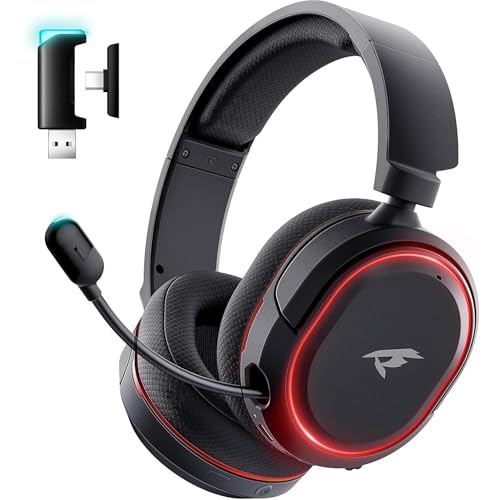
🎵【7.1 Surround Sound & Aesthetic Decorative Light】 UG-08S PC gaming headset can provide you with a cinema 3D stereo surround sound experience, designed specifically for gamers and audiophiles and multi-platform Compatibility. Long-press the 'M' key to activate 7.1 surround sound and dynamic driver reproduces deep bass and clear highs. Which allows you to hear every detail in the game with pin-drop clarity from up to 40 feet away. Such as teammates' voices, footsteps, direction, and more. Double-click the M key to activate the ambient light, then single-click the M key to switch between two modes: steady light and gradient. Valorise wireless pc headset will bring a cooler gaming atmosphere.

Universal Compatibility: VIOY 3.5 mm male to male long aux cable transmits Hi-Fi stereo from aux output (line-out) devices to aux input (line-in) devices without audio converters, such as connecting your laptop / smartPhone / PC / Tablet with an aux jack to the car stereo audio, TV, headphones, earphones, speakers, amplifiers, soundbar
Universal Compatibility: VIOY 3.5 mm male to male long aux cable transmits Hi-Fi stereo from aux output (line-out) devices to aux input (line-in) devices without audio converters, such as connecting your laptop / smartPhone / PC / Tablet with an aux jack to the car stereo audio, TV, headphones, earphones, speakers, amplifiers, soundbar
Frequently Asked Questions
How Do I Know if Audio Equipment Is Overpriced?
Compare it with similar products and independent reviews, not brand names. If a much cheaper product has similar specifications and good reviews, the price difference is likely paying for branding or small improvements. Try both if you can.
Can Cheap Headphones Sound as Good as Expensive Ones?
Sometimes. A well-designed inexpensive pair can sound very good, though premium models usually offer better comfort, build, and features. Look for clear, balanced sound and a comfortable fit, and see our guide on choosing headphones.
Does Higher Wattage Always Mean Better Sound Quality?
No. Wattage tells you how much power an amplifier can deliver, not how good it sounds. A clean, well-matched amplifier at modest power can sound better than a powerful but poor one. Match power and impedance to your speakers.
Is Wireless Audio Equipment Worth the Investment?
For convenience, yes. Wireless gear is easy to use and sounds very good for most listening. Wired equipment still wins on lowest delay and price for the sound quality. See wired vs wireless audio.
Do I Need an Amplifier for My Speakers?
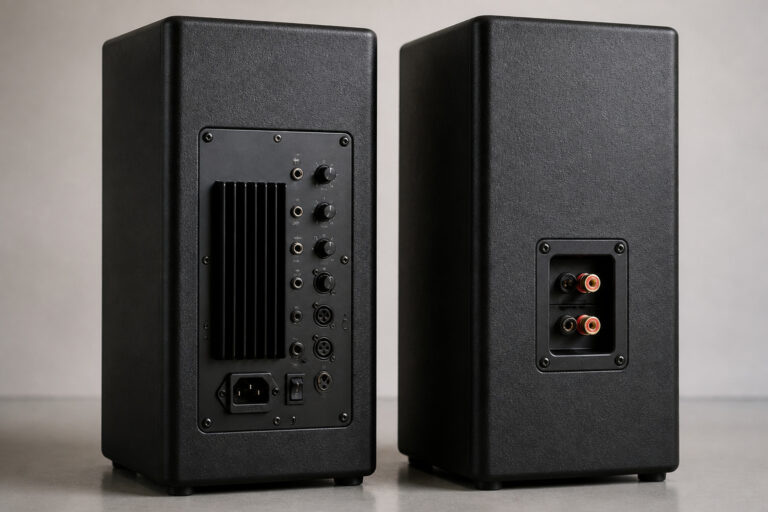
If the speakers are passive, yes, they need an amplifier or receiver. Powered speakers have one built in. See active vs passive speakers.