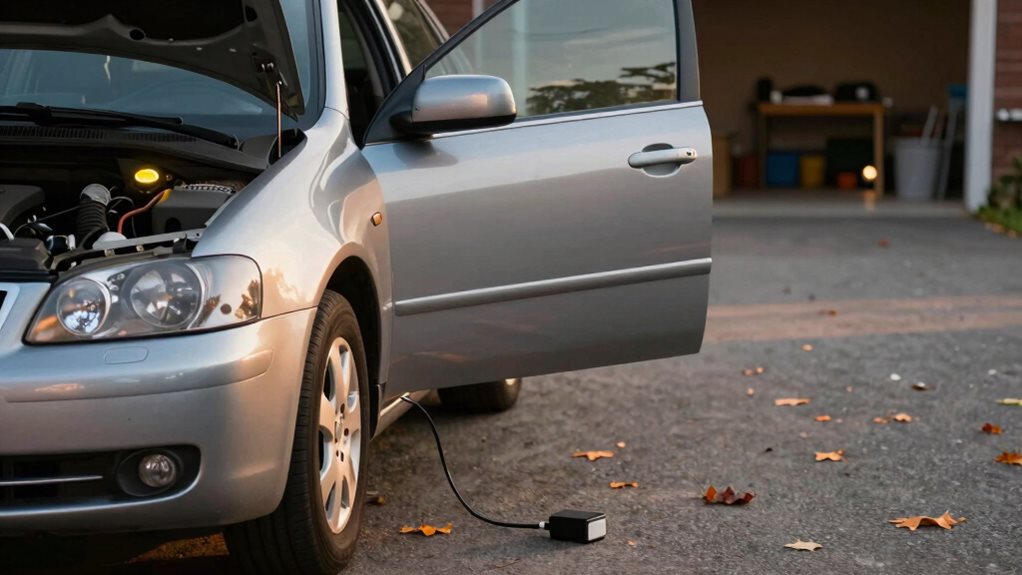
When your car sputters, stalls, or flashes that dreaded check engine light, you don’t need to guess what’s wrong. Your vehicle already knows. It tracks engine speed, fuel mix, emissions, and sensor data every time you turn the key.
The OBD2 scanner plugs into a port under your dashboard and talks directly to your car’s brain. Plug it in, power it up, and within seconds, it reads trouble codes. For example, P0301 indicates a cylinder-one misfire, or P0420 points to a catalytic converter issue.
These codes aren’t full diagnoses, but they’re solid clues. Think of them as your car whispering hints, not shouting answers.
What an OBD2 Scanner Actually Reads
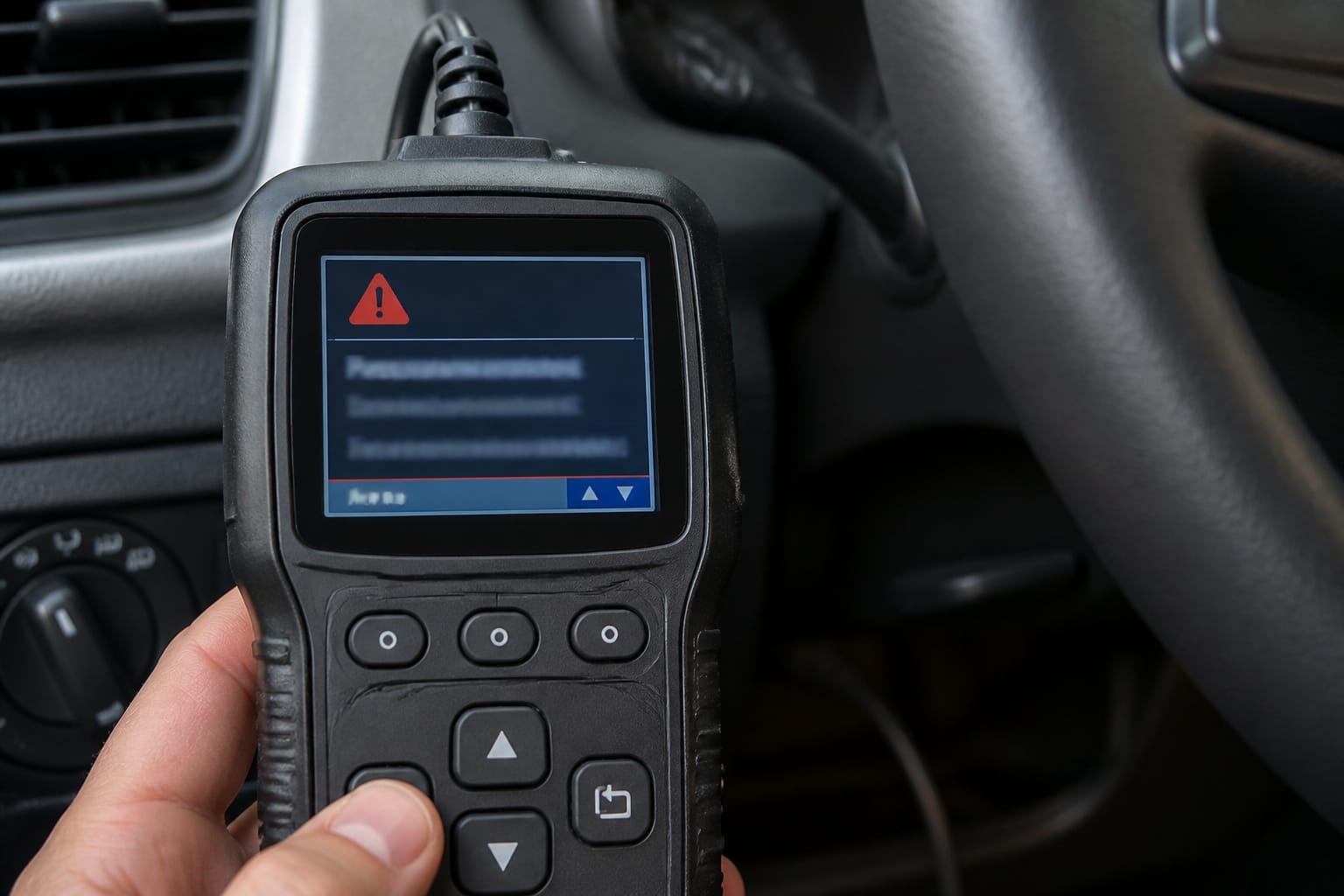
You can buy a basic scanner for thirty bucks or spend more for color screens, live data, and Bluetooth pairing. The cheap ones show codes and may clear the check engine light. Better ones stream real-time information, such as oxygen sensor voltage, coolant temperature, and throttle position, directly to your phone. You watch numbers change as you rev the engine or idle at a stoplight. It’s like seeing your car breathe.
You notice the oxygen sensor reading 0.8 volts when it should swing between 0.1 and 0.9. That’s a sign it’s stuck. Or you spot the engine running rich at a 12:1 air-fuel ratio instead of the ideal 14.7:1. These details help you act fast. Most scanners support vehicles from 1996 onward, and many can read ABS and SRS codes too, not just engine faults, for a fuller picture across your car’s systems.
Products Worth Considering

Turn your iPhone, Android device, or Windows PC into a professional grade diagnostic scan tool.
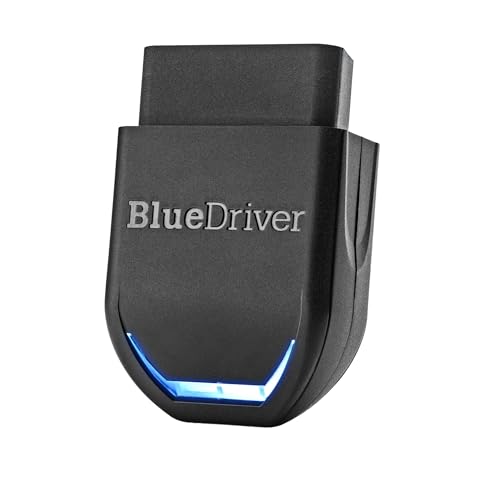
[Diagnose Like a Pro] BlueDriver Pro Next-Gen is a professional OBD2 scanner and diagnostic tool that helps you scan, understand, and clear vehicle trouble codes with confidence. Turn your phone into a powerful car diagnostic scanner—no guesswork, no unnecessary repairs.

[Diagnose Like a Pro] BlueDriver Pro is a professional OBD2 scanner and diagnostic tool that helps you scan, understand, and clear vehicle trouble codes with confidence. Turn your phone into a powerful car diagnostic scanner—no guesswork, no unnecessary repairs.
Bluetooth Connectivity and Compatibility
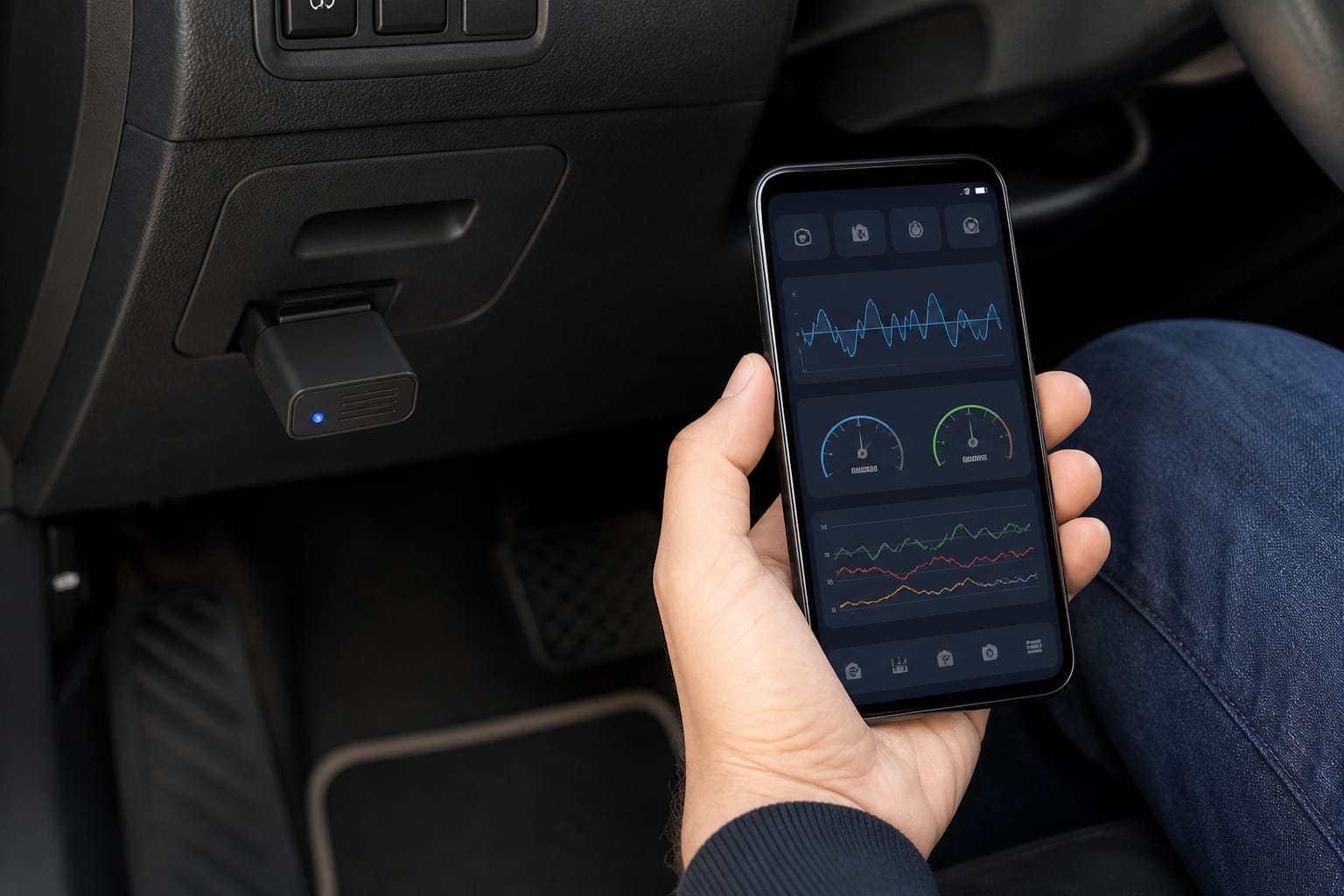
Bluetooth scanners come in two connection types: Bluetooth Low Energy (BLE) and Classic Bluetooth. BLE pairs faster, drains less battery, and tends to hold a steadier connection, while Classic Bluetooth is the older, more universally compatible standard. Range on either type is typically around 30 feet, though metal in the car’s frame can shrink that in practice.
Almost every scanner also requires a companion app to make sense of the raw data, either a proprietary manufacturer’s app or a third-party option like Torque or Car Scanner, so check which one a specific scanner needs before assuming plug-and-play simplicity. If you’re weighing which type to buy, see how Bluetooth and handheld scanners actually compare.
Vehicle coverage varies more than the “works on any 1996+ car” marketing suggests, too: basic trouble codes are close to universal, but manufacturer-specific codes and deeper systems like ABS or SRS aren’t guaranteed on every scanner, so checking compatibility against your specific make matters more for those features than for a basic check-engine read.
Products Worth Considering

NOTE: This device requires a compatible third-party app to operate and is primarily designed for standard OBD-II diagnostics (excluding ABS/SRS, oil light or service reset, etc.). Please check the product description for compatible apps and supported functions.

NOTE: This device requires a compatible third-party app to operate and is primarily designed for standard OBD-II diagnostics. Please check the product description or user instructions before purchase for compatible apps and supported data & functions.

⚠️ IMPORTANT – iOS NOT SUPPORTED: NOT compatible with iPhone or iPad. It is compatible with Android phones and tablets ONLY via Classic Bluetooth. For iOS devices, please choose OBDCheck BLE which supports Bluetooth LE. Android car stereo & head units may not be supported.
What a Scanner Can’t Tell You
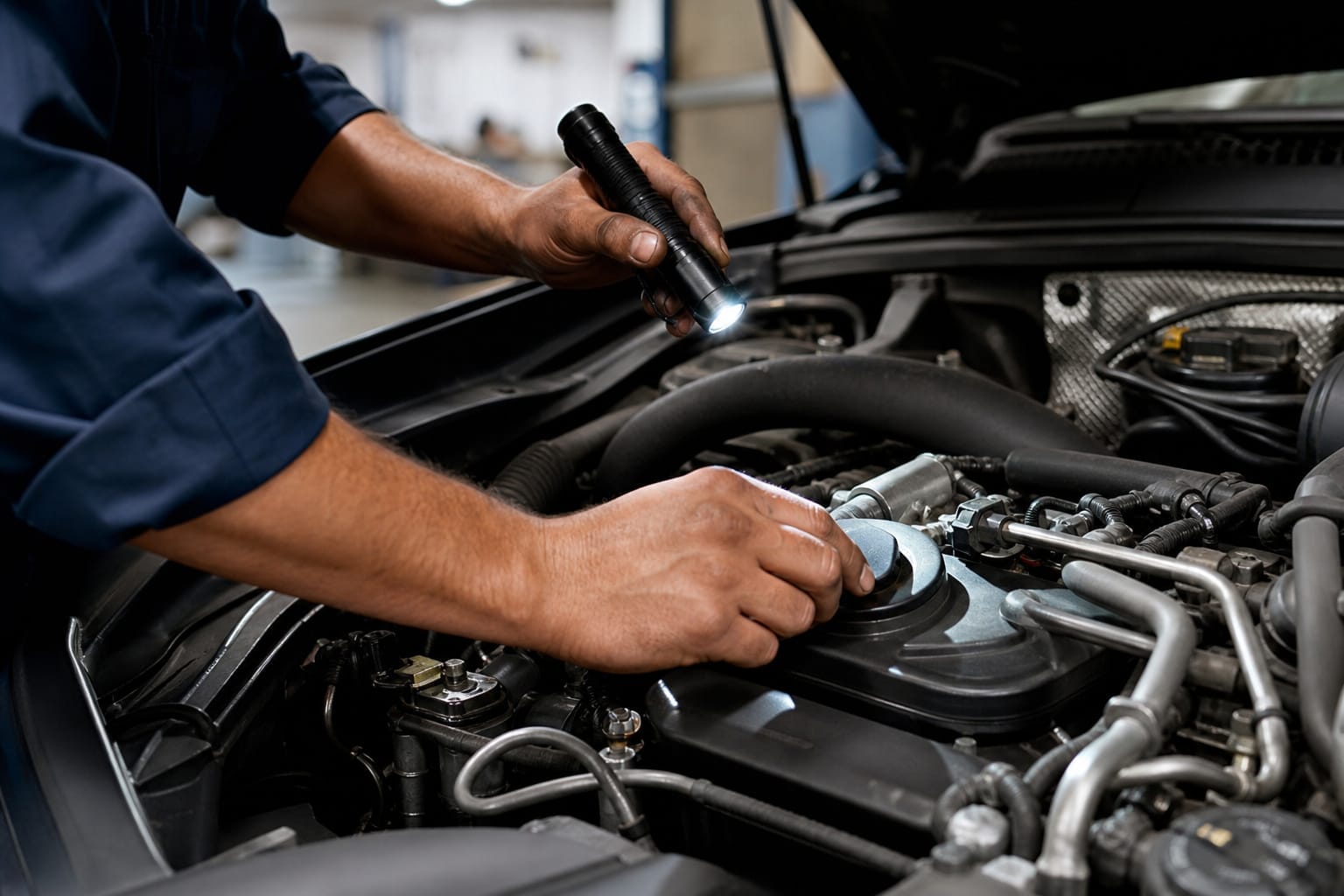
But scanners can’t fix problems. They can’t tighten a loose gas cap, replace a cracked hose, or reprogram a faulty computer. They won’t tell you if your spark plugs are worn unless misfires trigger a code, and they won’t tell you which of the common causes behind a check engine light is the one actually affecting your car.
They miss subtle issues, such as a fuel pump weakening over time or a transmission slipping slightly. A scanner reads data, not feelings. It won’t know the engine hesitates on cold mornings unless a code sets.
And some codes are vague. P0171 means “system too lean,” but is it a vacuum leak, a bad MAF sensor, or a clogged injector? You’ll need logic, testing, and sometimes a mechanic’s eye.
Products Worth Considering

CEL Doctor: The ANCEL AD310 is one of the best-selling OBD II scanners on the market and is recommended by Scotty Kilmer, a YouTuber and auto mechanic. It can easily determine the cause of the check engine light coming on. After repairing the vehicle's problems, it can quickly read and clear diagnostic trouble codes of emission system, read live data & hard memory data, view freeze frame, I/M monitor readiness and collect vehicle information

【Diagnose Check Engine Light in Seconds – No Mechanic Needed】The FOXWELL NT301 OBD2 scanner instantly reads & clears engine fault codes (DTCs) with one click. Simply plug into the 16-pin DLC port, turn ignition on, and get accurate results within seconds—No prior car knowledge required. Save hundreds on dealership fees by knowing exactly what’s wrong before you visit a shop. The #1 choice car scanner for DIYers and car owners who want to take control of their vehicle’s health

[Easy to Use—Work Out of the Box] + [FOXWELL 2026 New Version] FOXWELL NT604 Elite scan tool is the 2026 new version from FOXWELL, designed for car owners who want to figure out the cause of issues before fixing car problems by scanning common systems like ABS, SRS, engine, and transmission. The NT604 Elite obd2 scanner diagnostic tool comes with the latest software—no need to waste time downloading software first. Plug the scanner into the OBDII port with OBDII cable to start the diagnosis.
The Real Value: Insight, Not Fixes
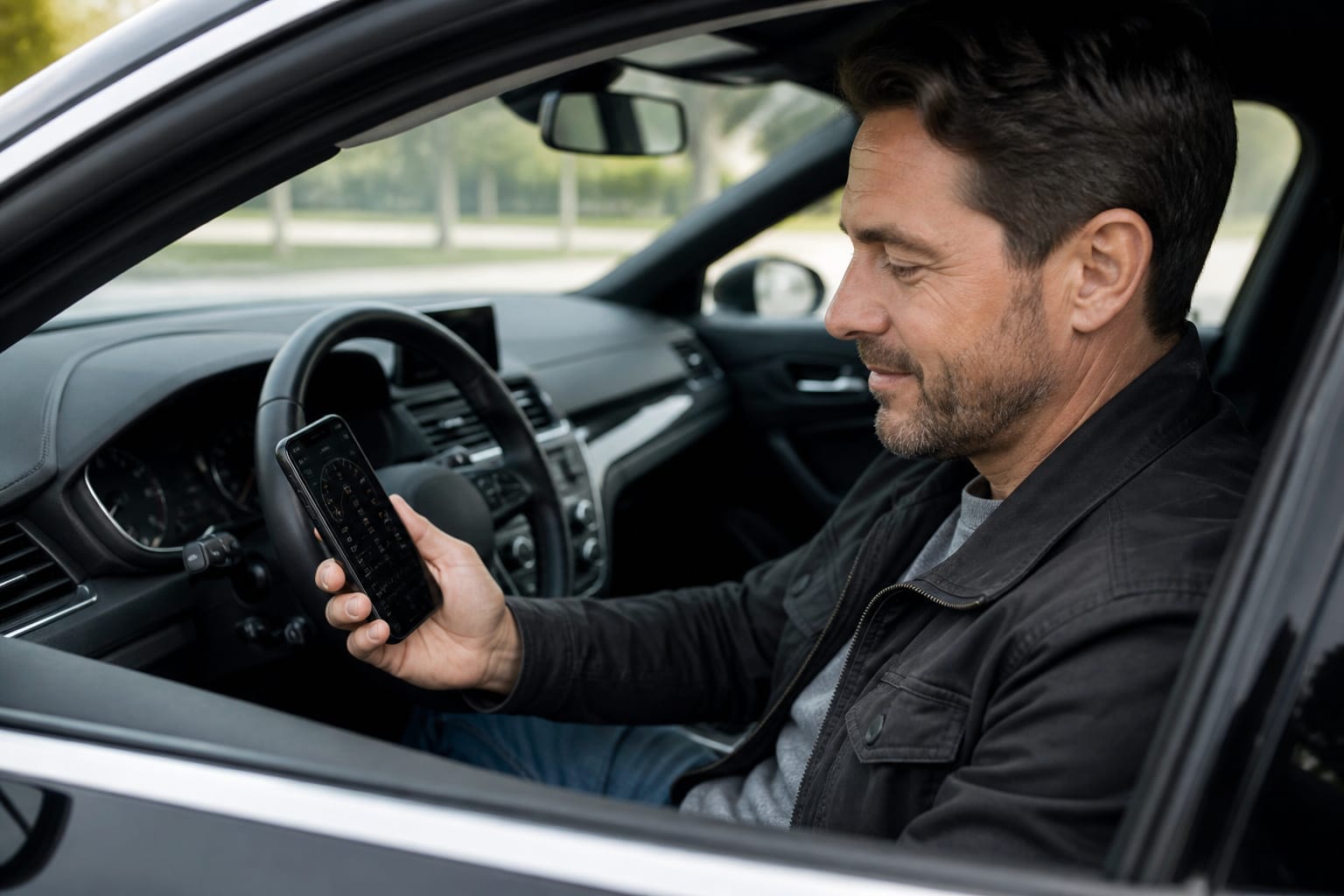
Still, you gain power. You avoid being misled. You walk into a shop knowing the code, the symptoms, and the data trends. No guessing games. You clear a code after fixing an issue and watch the light stay off. You monitor fuel trims over weeks. You catch a failing sensor before it leaves you stranded. You learn your car’s rhythms: the idle RPMs, the warm-up curve, the way voltage pulses with each spark.
OBD2 scanners don’t replace skill. But they provide insight. They turn confusion into clarity. You don’t need a degree. You need curiosity. Plug in. Read. Learn. Respond. Your car talks. Now you listen. Once you’ve got a code in hand, here’s how to read what it actually means.
Frequently Asked Questions
Can OBD2 Scanners Detect Problems Before the Check Engine Light Turns On?
Yes, you can catch issues before the check engine light flashes, like a detective sniffing clues. You scan, you watch live data, you spot odd oxygen sensor dips or misfire counts creeping up.
It’s not magic. It’s mechanics talking. You read the codes early and fix small hiccups fast. That rhythm, check, analyze, act, keeps big problems quiet. You stay ahead. You stay in control.
Do OBD2 Scanners Work on All Cars, Including Hybrids and EVS?
Yes, you can use OBD2 scanners on most cars, including hybrids and EVs. They plug into the same port under your dash. Gas cars always work. Hybrids: yes, they read engine and battery data.
Most EVs support OBD2 for battery, charging, and motor info. But some EVs limit access. Always check compatibility. Scanners help you stay ahead. Simple. Powerful. Yours.
Can I Use an OBD2 Scanner to Reset Airbag or ABS Warnings?
Yes, some OBD2 scanners can, but not all. Basic scanners read codes only. Advanced ones clear warnings after fixes.
First, diagnose the cause. Fix faulty sensors or wiring. Then, use your scanner’s reset function. Ignoring the root issue is dangerous: airbags might not deploy, and ABS could fail. Always verify repairs. Your safety depends on it.
Scan, fix, reset. Repeat with care.
Are Wireless OBD2 Scanners Secure From Hacking or Data Theft?
No, wireless OBD2 scanners aren’t fully secure. You’re leaving a digital door ajar. Hackers can break in.
Use trusted apps. Avoid public Wi-Fi. Pair only with your phone. Delete data after use.
Think of it like locking your car: simple, smart, necessary. Protect your ride. Guard your info. Stay sharp. Stay safe. You’ve got control; use it wisely, every single time.
Will Using an OBD2 Scanner Void My Car’s Warranty?
No, using an OBD2 scanner won’t void your car’s warranty. You plug it in, read the codes, and unplug. Simple.
Manufacturers expect you to check engine lights. The scanner talks to your car and doesn’t change anything. Like reading a thermometer, not giving medicine. Just don’t modify systems or flash software. Stick to diagnostics. Normal use is safe, smart, and totally allowed.
Stay curious. Stay covered.