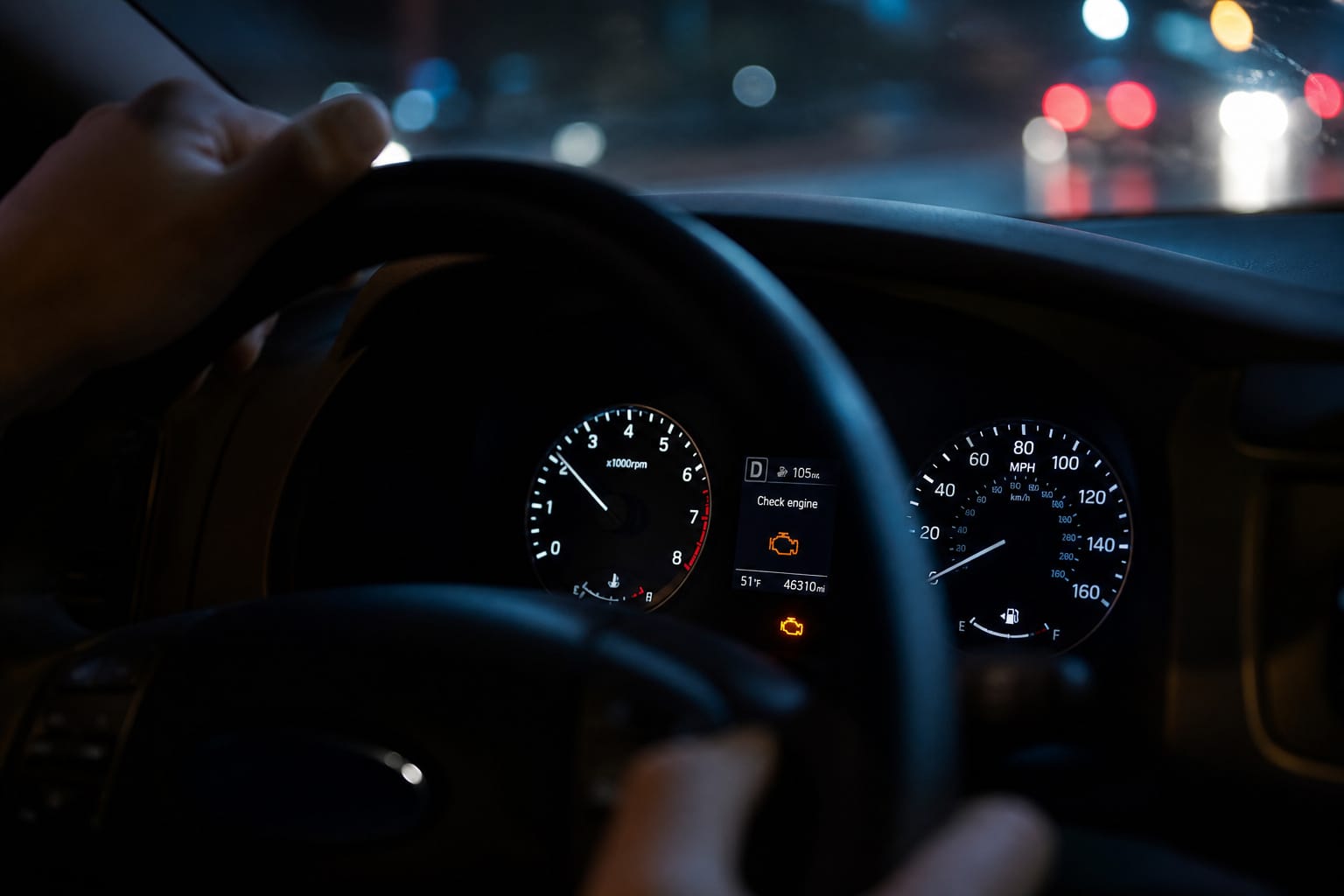
When that orange engine light flickers on, it’s easy to panic, but you’re not stranded, and your car isn’t doomed. The light signals that something needs attention.
It could be minor or serious, but in almost every case you have time to figure out which before it becomes an emergency.
Loose or Failing Gas Cap
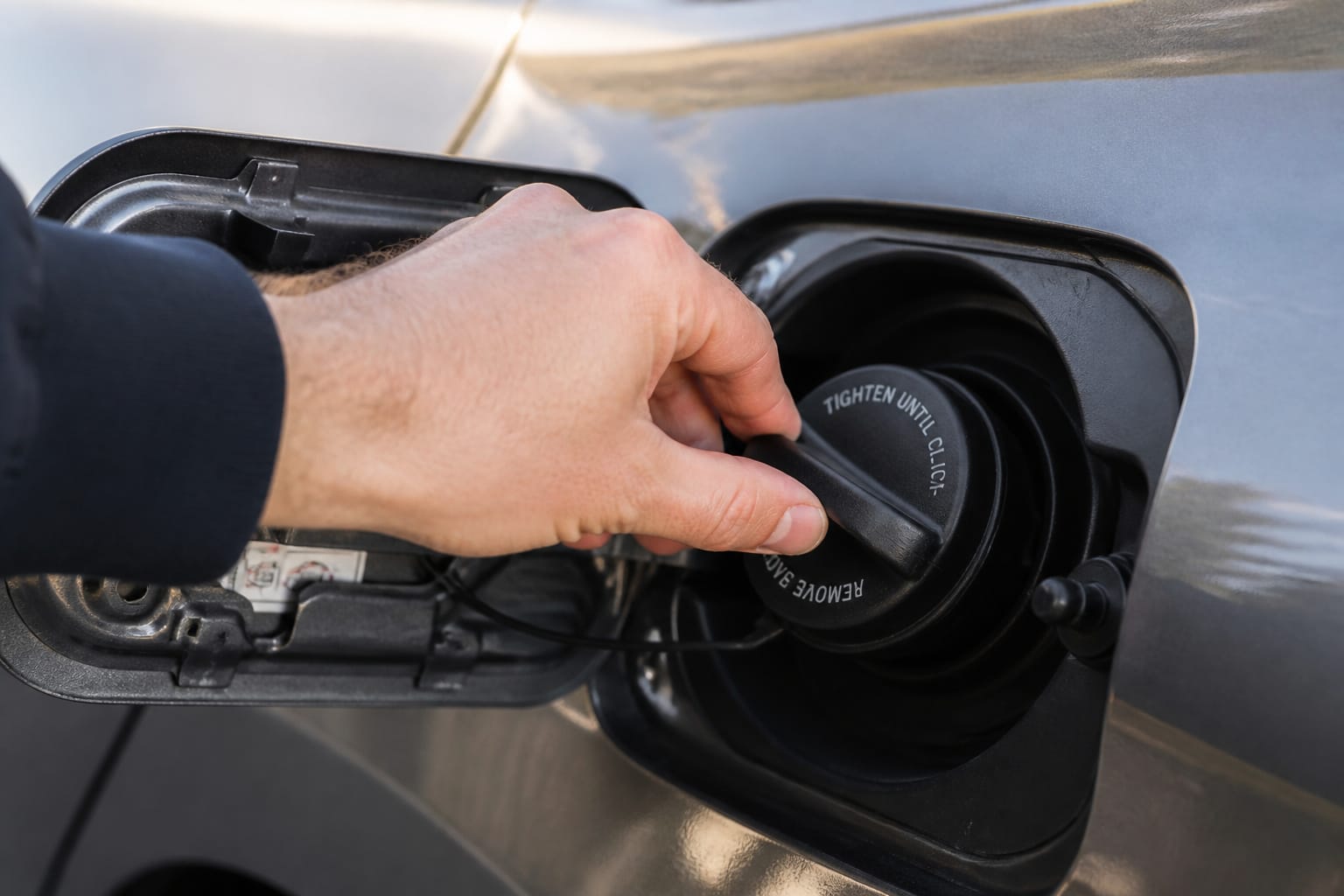
A loose gas cap is one of the most common reasons the light turns on. The cap keeps fuel vapors sealed inside the tank, and if it’s loose or the seal has cracked, the system detects what looks like a fuel vapor leak.
Twist it until it clicks, and the light often clears itself after a few drive cycles. If it keeps coming back, the cap’s rubber seal may need replacing, not just tightening.
Recommended Products

【FUEL CAP / GAS CAP COMPATIBLE WITH】52030377AB, 5278632AG, 52030377AA, Fuel Tank Filler Cap Is 100% Rigorously Tested Before Shipping. Gas Cap Compatible With Ram,Dodge,Chrysler,JEEP And More vehicles, Not All Of The Vehicles Are Listed, PLESE CHECK THE DROP DOWN BAR TO CHECK THE COMPATIBLE.

【Gas Cap Fuel Cap Replacement】52030377AB, 5278632AG, 52030377AA, Check The Part Number Before Your Order, It saves you the time of buying back and forth, and also helps you save money.

O-ring is for a secure, and can keep dust and foreign objects out of the fluid reservoir, enhance the performance of the motorcycle.
Failing Oxygen Sensor
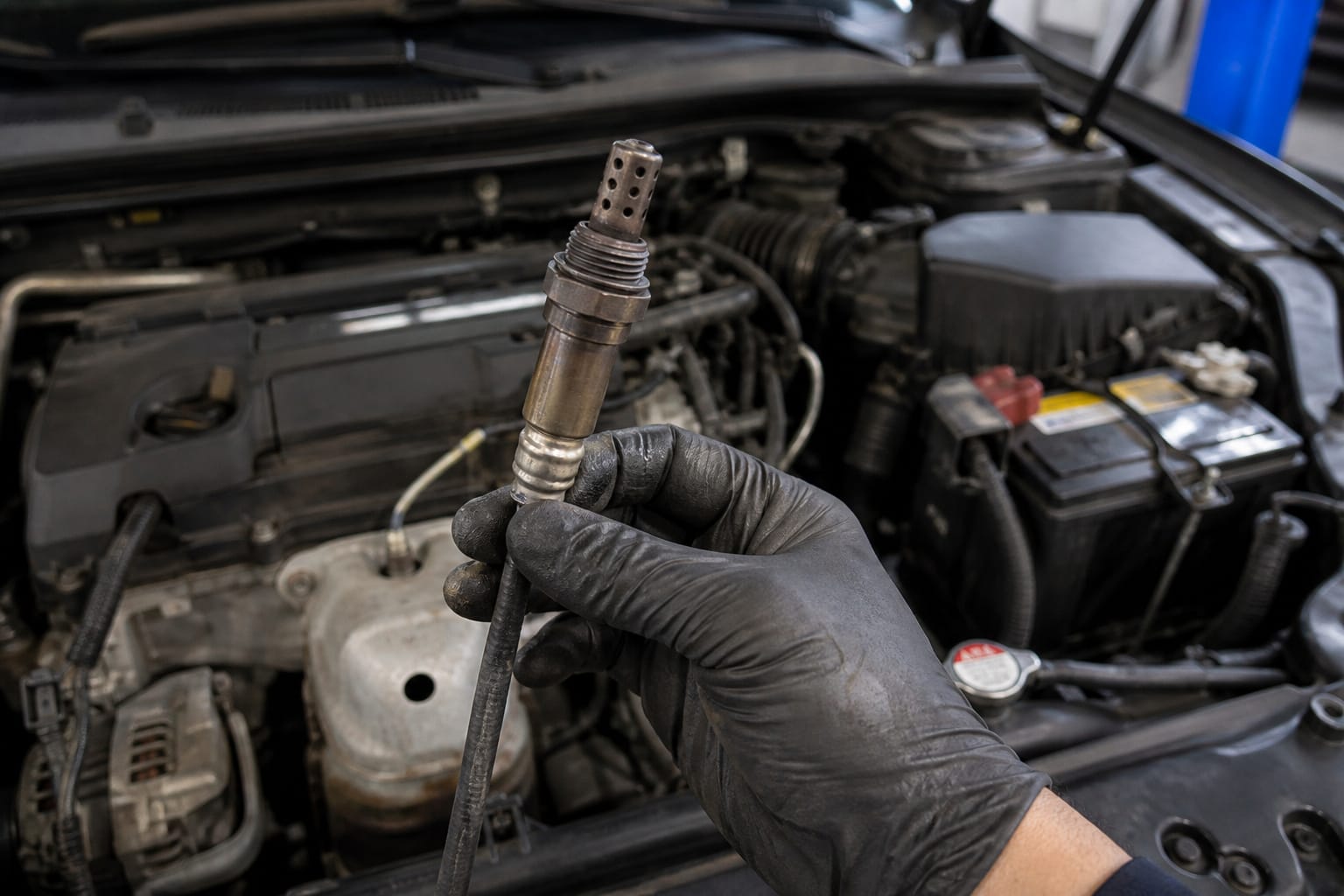
The oxygen sensor measures how much unburned oxygen leaves the engine, which the computer uses to keep the fuel mixture efficient. When it wears out, the engine starts running richer than it should.
You may not notice a difference in how the car drives, but fuel economy drops, and emissions rise. Replacing a failing sensor is cheap compared to the fuel it wastes or the damage it can cause later.
Recommended Products

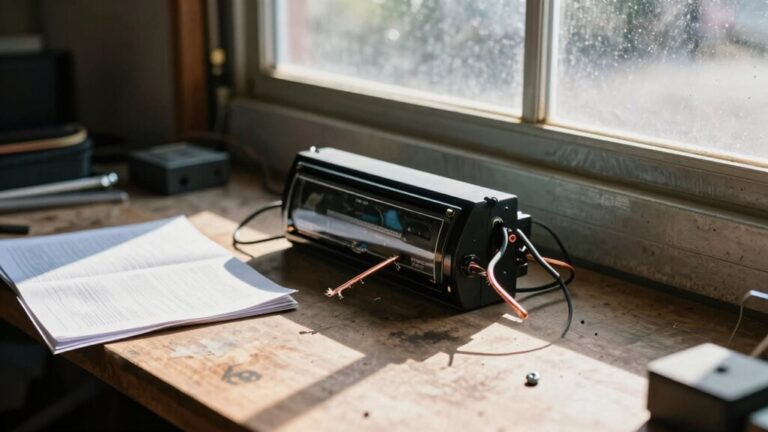
【What A Easy Helper!】 Featuring sweeping 24-color-coded LED display and four-digit central readout, the faceplate of wideband gauge is two-sided and reversible. Thanks to it, the afr gauge can switch between 3 display modes of air-fuel-ratio, lambda, oxygen percentage at will, by that means you are able to effectively but quickly monitor your vehicle's conditions.

Fitment: Compatible with Hyundai Palisade 2020-2023 3.8L V6 and Kia Telluride 2020-2023 3.8L V6

Note:Don't fit 2008 2009 2010 Chevrlot Malibu LTZ Model 2.4L. Don't fit 2010 Chevrlot Malibu LT Model 2.4L.
Worn Spark Plugs
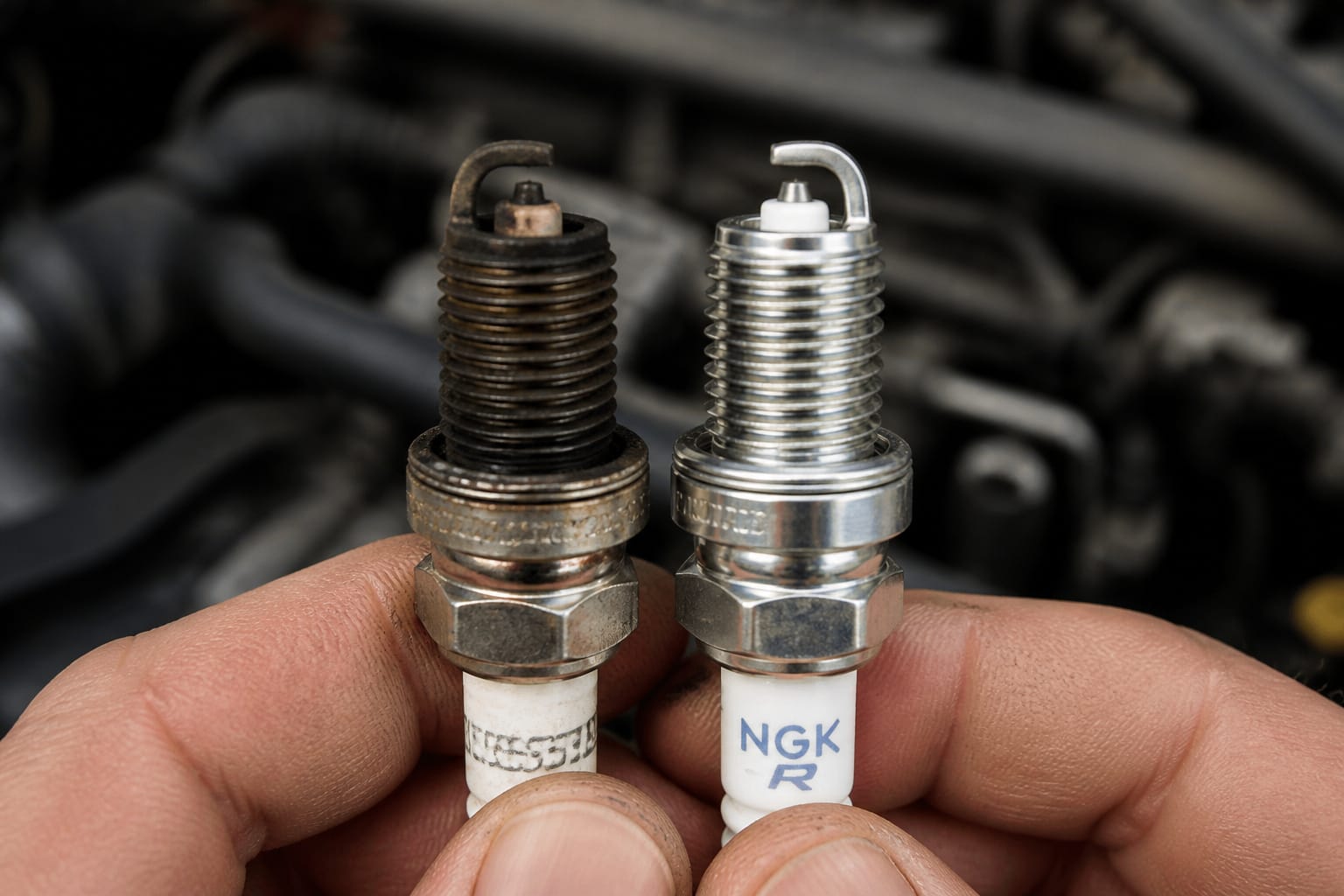
Spark plugs ignite the fuel in each cylinder. Worn or fouled plugs cause misfires, which you might feel as a stutter, shake, or hesitation when you press the gas.
Repeated misfires can damage the catalytic converter if left unaddressed, which is a far more expensive fix than a set of plugs. Replacing them on the manufacturer’s schedule keeps the engine running clean.
Recommended Products

Often specified as original equipment, NGK spark plugs are the best combination of performance and longevity.
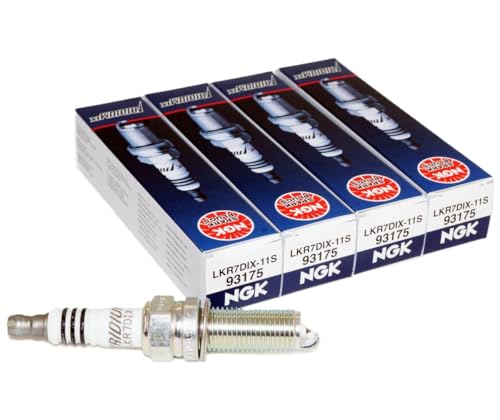
Designed specifically for the performance enthusiast, Iridium IX offers extreme ignitability, improved throttle response
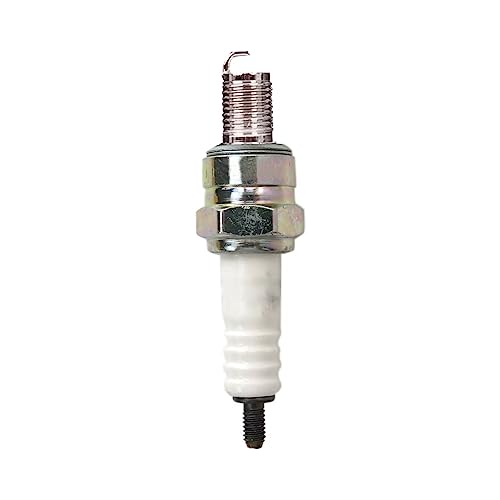
NGK Standard 4629 Spark Plug
Dirty Mass Airflow Sensor
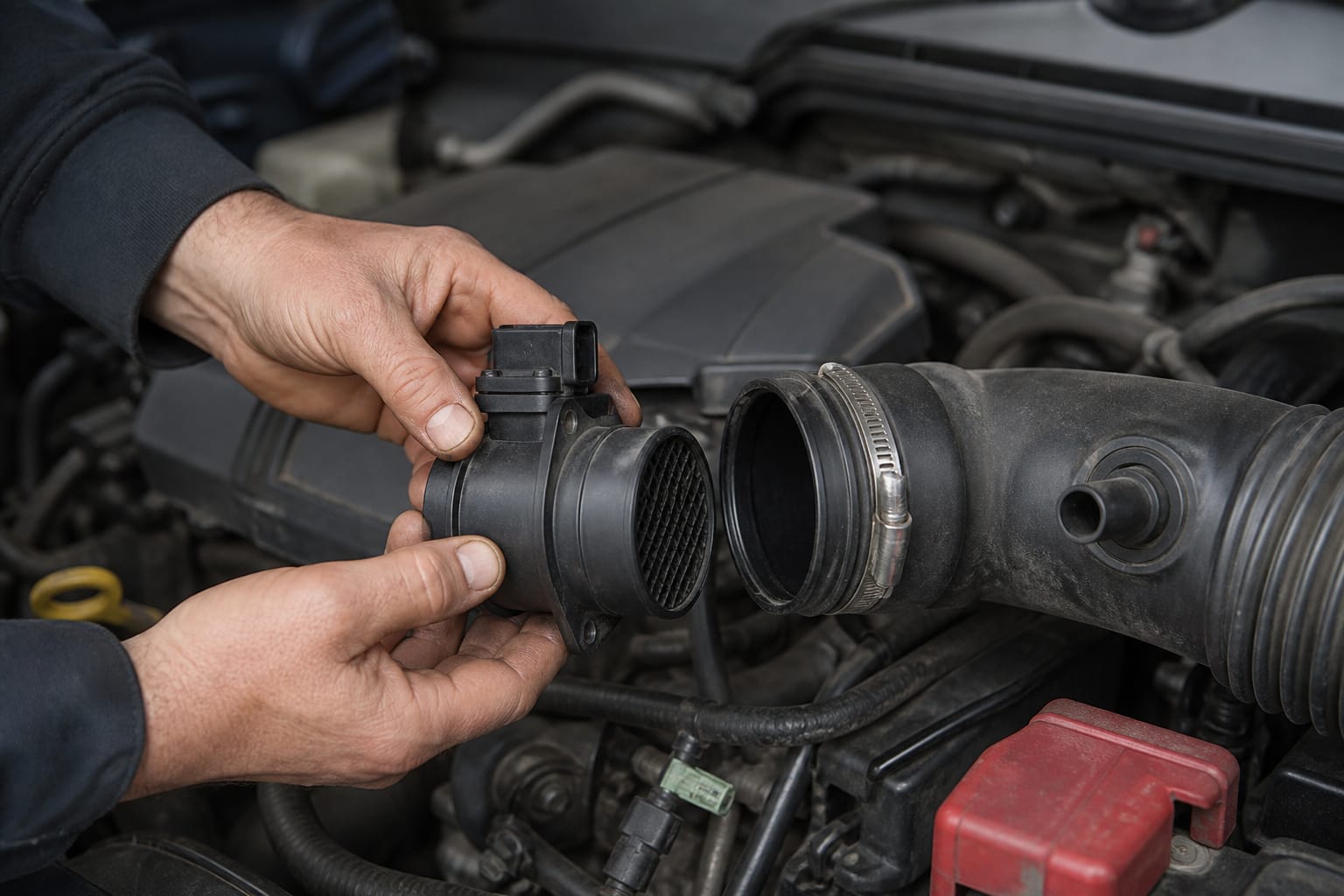
The mass airflow sensor measures how much air enters the engine so the computer can add the right amount of fuel.
A dirty or failing sensor throws that ratio off, which can cause stalling, surging, or a rough start. Cleaning or replacing the sensor restores the correct air-fuel balance.
Recommended Products
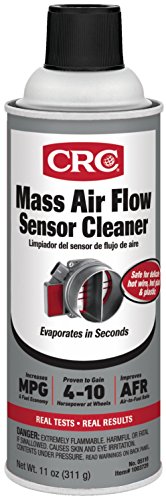
Increases Horsepower And Improves Air/Fuel Ratio And Mpg

Restores Sensor Accuracy & Fuel Economy - By safely removing contaminants like dirt, oil, and pollen from the MAF sensor, the cleaner helps restore the sensor’s ability to measure airflow accurately, which leads to improved fuel combustion.

Restores Sensor Accuracy & Fuel Economy: By safely removing contaminants like dirt, oil, and pollen from the MAF sensor, the cleaner helps restore the sensor’s ability to measure airflow accurately, which leads to improved fuel combustion
Catalytic Converter Trouble
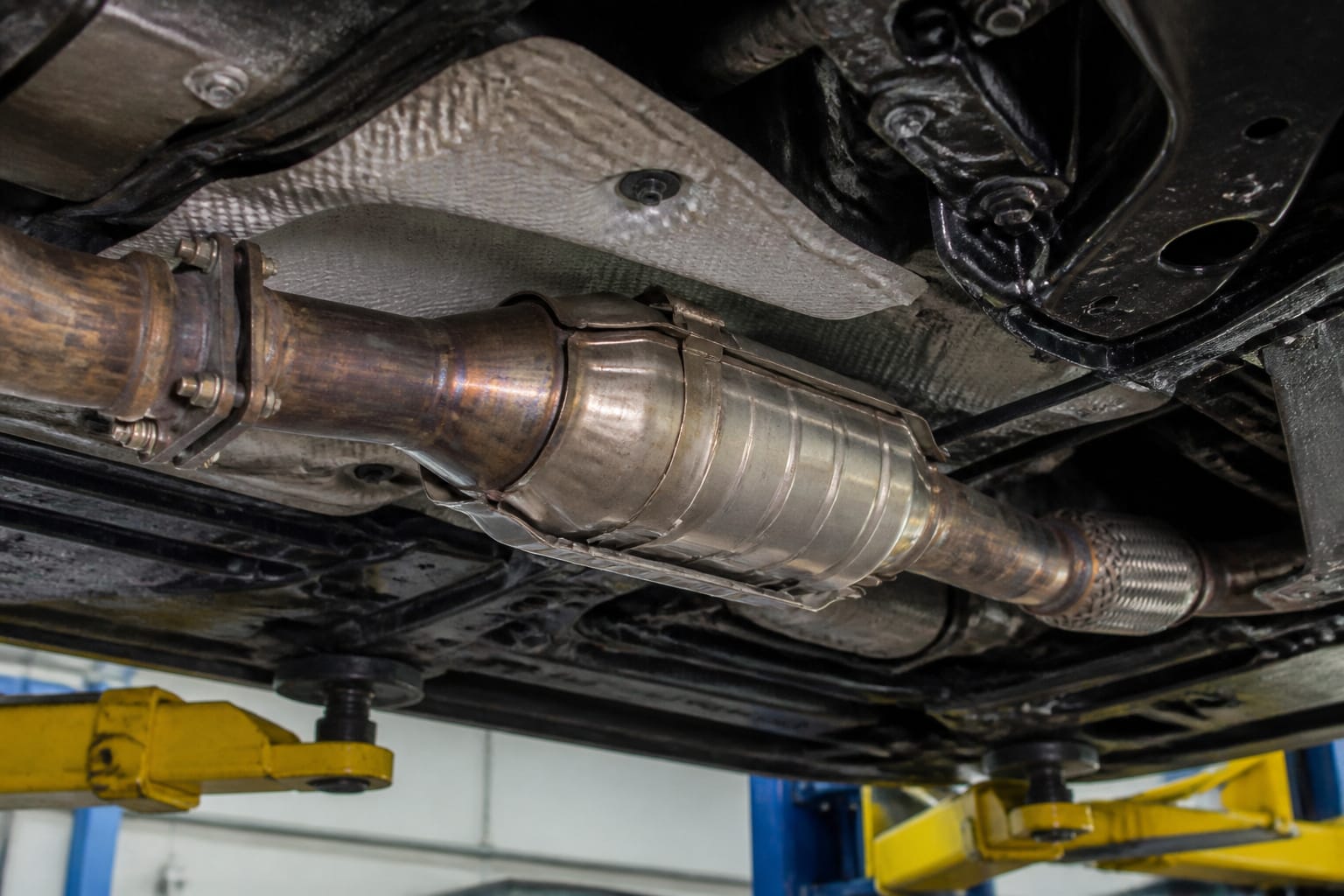
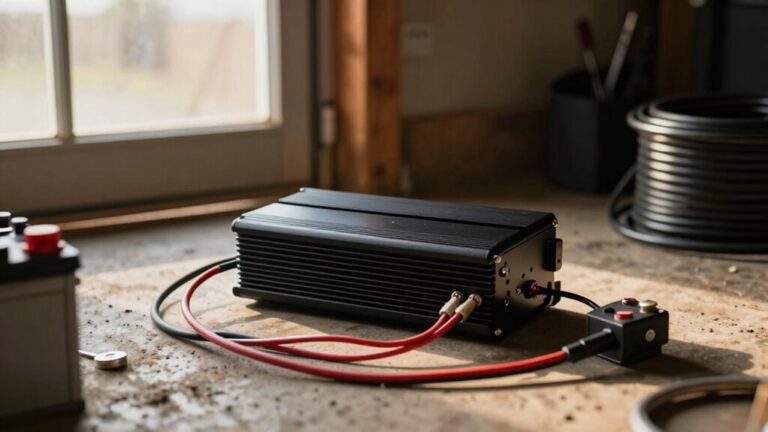
The catalytic converter cleans harmful gases out of the exhaust. If it clogs or fails, emissions rise, the car loses power, and it can run hotter than normal.
It’s an expensive part to replace, and it often fails due to neglected spark plugs or a failing oxygen sensor rather than on its own, so fixing those smaller issues first can prevent a much costlier repair.
Recommended Products

[COMPATIBILITY] --- Catalytic converters fit for 2002-2006 Camry/Solara 2.4L. Reference Number: 16384, 641518, 40587, 55435, 643001, 40483.These free-flow catalytic converters have bolt-on connections and flange to flange design for effortless installation.

【Special Note】Our catalytic converters meet federal emissions standards, EPA standards, which are higher due to air laws in Colorado, California, Maine, and New York. This product is not sold in the above 4 states. Please pay special attention!

Vehicle Fitment: PHILTOP catalytic converter compatible with Dodge Ram 1500 1996-1999 5.2L, Ram 1500 1996-1999 5.9L, Ram 2500 1996-1999 5.9L, Ram 1500 1996-1999 3.9L, Ram 3500 1998-1999 5.9L, Ram 2500 1996 5.2L
Other Common Culprits
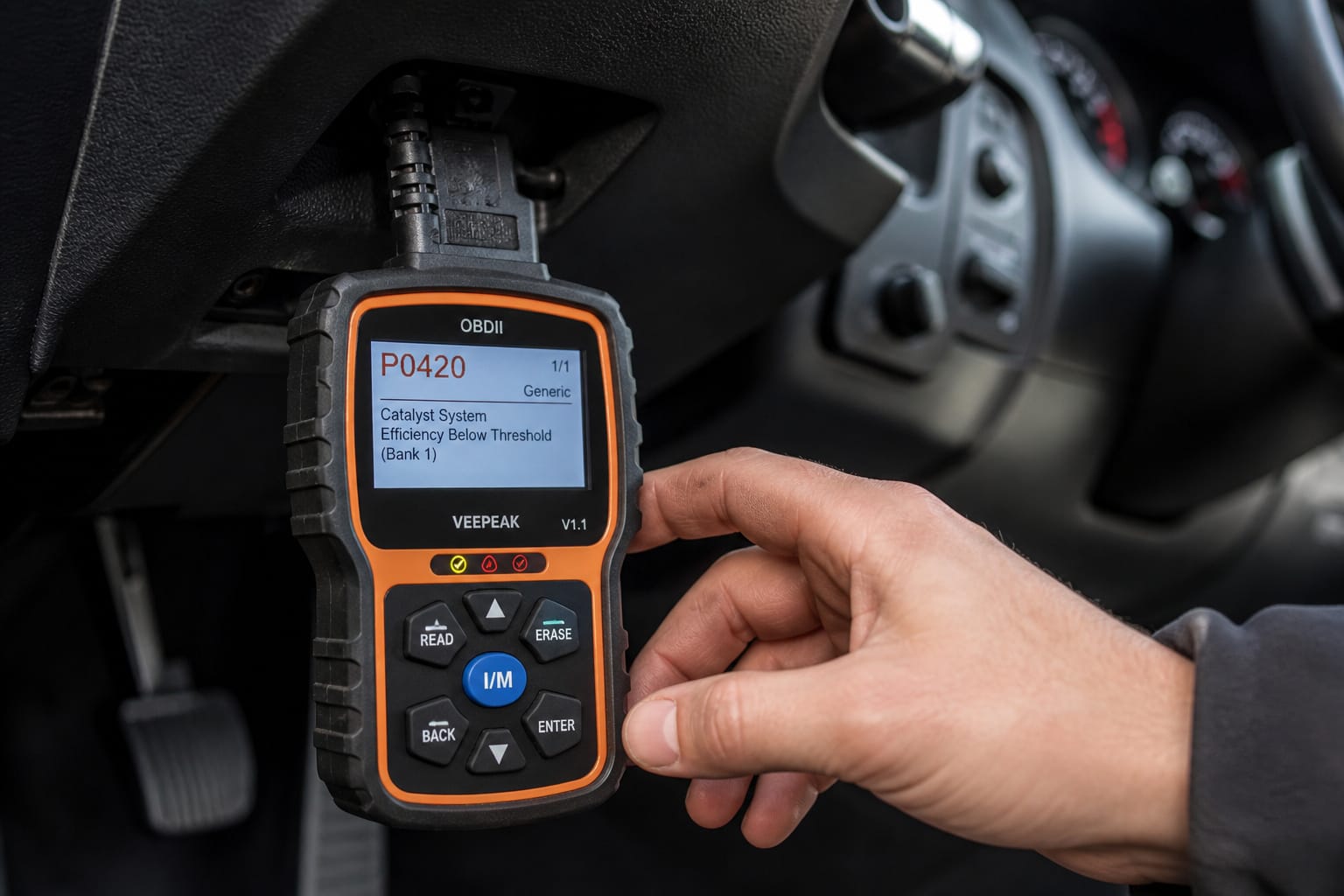
A failing thermostat, a vacuum leak, or worn ignition coils can each trigger the light in less obvious ways. The fastest way to narrow it down is to plug in an OBD2 scanner and read the stored code.
Then use a guide to understand what that code is actually telling you before deciding whether to fix it yourself or take it to a shop.
Frequently Asked Questions
How Much Does It Cost to Diagnose a Check Engine Light?
A shop diagnostic typically runs $40 to $100, with $80 being a common price point. You can skip that cost entirely by reading the code yourself with a basic scanner, which usually costs less than one shop visit and works on your car for years afterward.
Can a Check Engine Light Reset Itself After Fixing the Issue?
Yes. After a repair, the car’s computer re-runs its internal checks over the next 10 to 20 miles of steady driving. If everything passes, the light turns off on its own. If the underlying problem wasn’t actually fixed, the light will come back.
Is It Safe to Drive With the Check Engine Light On?
It depends on how the light is behaving. A steady light usually means it’s safe to keep driving for a while, though you should get it checked soon. A flashing light means the engine is actively misfiring and can damage the catalytic converter quickly, so it’s best to reduce speed and get it looked at right away rather than continuing normal driving.
How Long Can I Drive With the Check Engine Light On?
With a steady light, most cars can handle a few days of normal driving without harm, though it’s worth checking the gas cap and scanning for a code as soon as you can. A flashing light is different: it signals an active misfire, and continuing to drive risks expensive catalytic converter damage.
Will the Check Engine Light Come on for Low Oil Pressure?
Yes, and it’s one of the more serious triggers. Low oil pressure can damage the engine quickly if ignored. If the light comes on with an oil pressure warning, stop driving as soon as it’s safe, and check the oil level. Top it off with the correct type before continuing; then have the cause diagnosed.