Noise cancelling headphones make a loud place quieter by adding a second, opposite sound that cancels the first. It works well on some noises and poorly on others, which is why the feature feels magical on a plane and underwhelming in a busy cafe. This guide explains how it works, what it handles, and whether it is worth paying for.
How Active Noise Cancelling Works
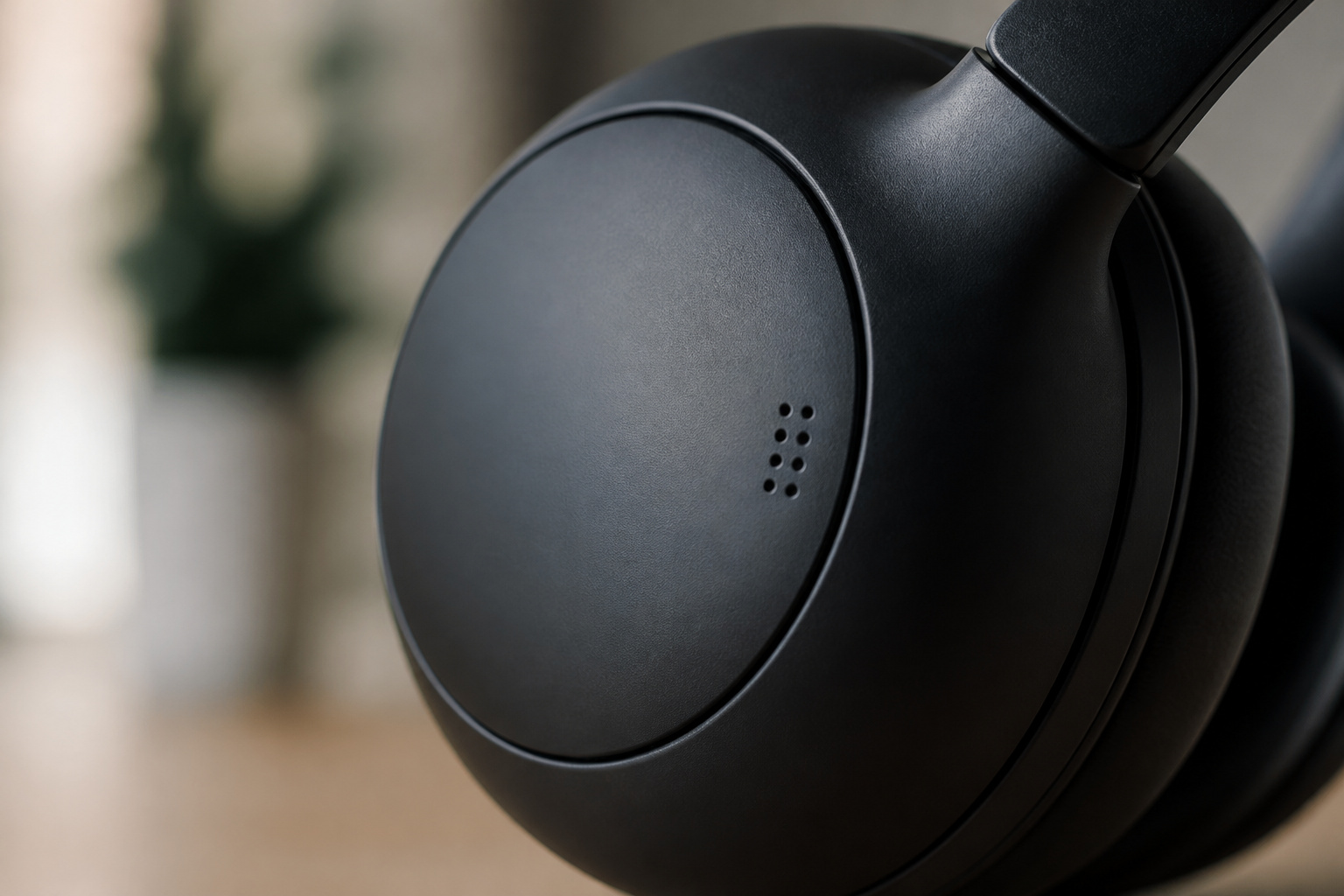
Sound is a pressure wave moving through air. Small microphones on the headphones listen to the noise around you, and a processor builds a wave with the same shape but flipped upside down.
When the original noise and this inverted wave meet at your ear, they largely cancel each other out. The processor adjusts this constantly, many times a second, as the noise changes.
Many models use two sets of microphones. Outside microphones catch noise before it reaches you, and inside microphones check what actually reaches your ear and correct the result.
Headphones with both are usually called hybrid noise cancelling, and they tend to do a better job than designs with only one set.
Recommended Products
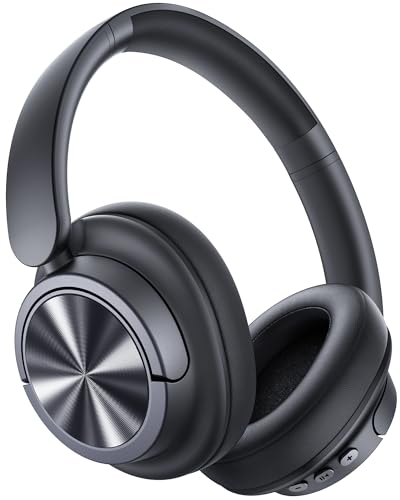
4-Stage Noise Cancelling System: Wireless bluetooth headphones featuring a 4-layer hybrid Active Noise Cancelling architecture with four high-sensitivity microphones detect and analyze ambient sound in milliseconds. An ultra-fast ANC chip processes noise within 2ms, instantly blocking up to 95% of distractions with a maximum reduction of 45dB. With a light press, ANC headphones instantly bring you back to your own quiet space, whether on a crowded subway, busy flight, or bustling café.
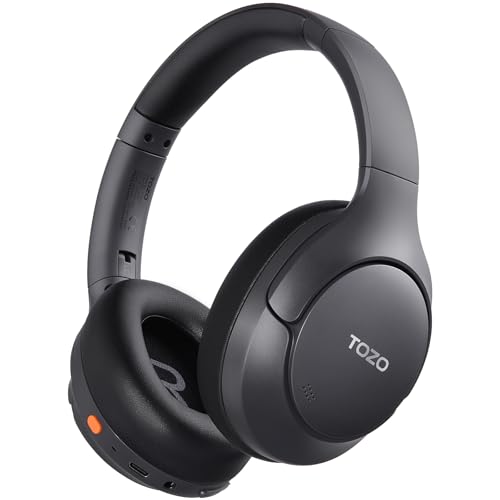
[45dB ANC & Hybrid Noise Cancellation] Enjoy unmatched tranquility with Adaptive ANC and Hybrid Noise Cancellation. Four high-sensitivity microphones continuously detect and adapt to your surroundings—whether you're on a noisy subway, airplane, or in a bustling café. A single press restores complete silence, while a dedicated call mic ensures crystal-clear voice quality, even in noisy environments. Ideal for both calls and music, offering superior audio no matter where you are.

All-Day Comfort & Premium Design: Crafted with high-quality materials, these over-ear wireless headphones combine luxury with long-wearing comfort. The adjustable headband ensures a secure fit for all head sizes, while ultra-soft memory foam ear cups minimize pressure. Lightweight and ergonomic, they're ideal for work, travel, or leisure—keeping you comfortable even during extended use
What Noise Cancelling Handles Well
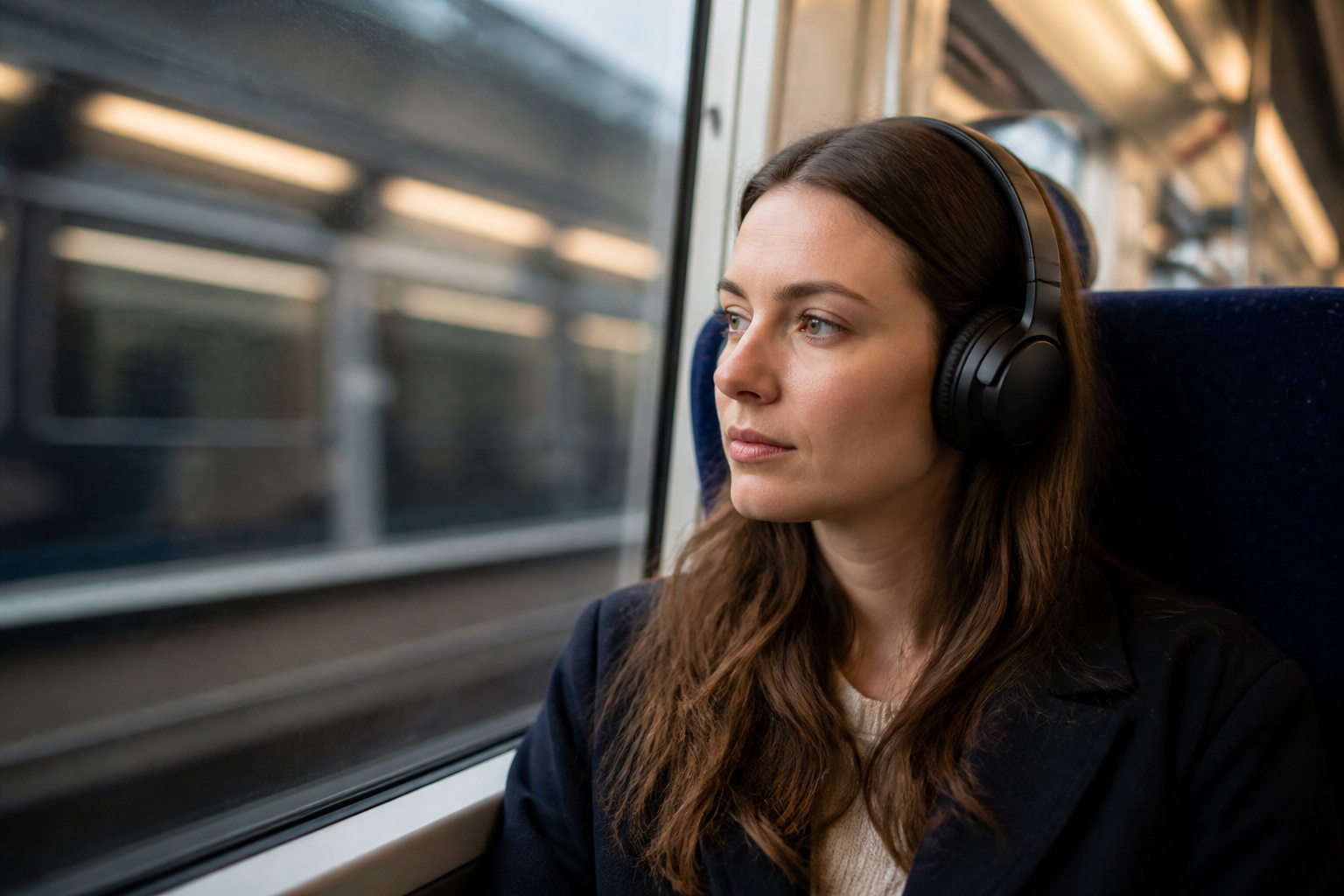
Steady, low-pitched sounds are the easiest to cancel. Airplane engines, train rumble, air conditioning, and the hum of a refrigerator or computer fans all fall into this group.
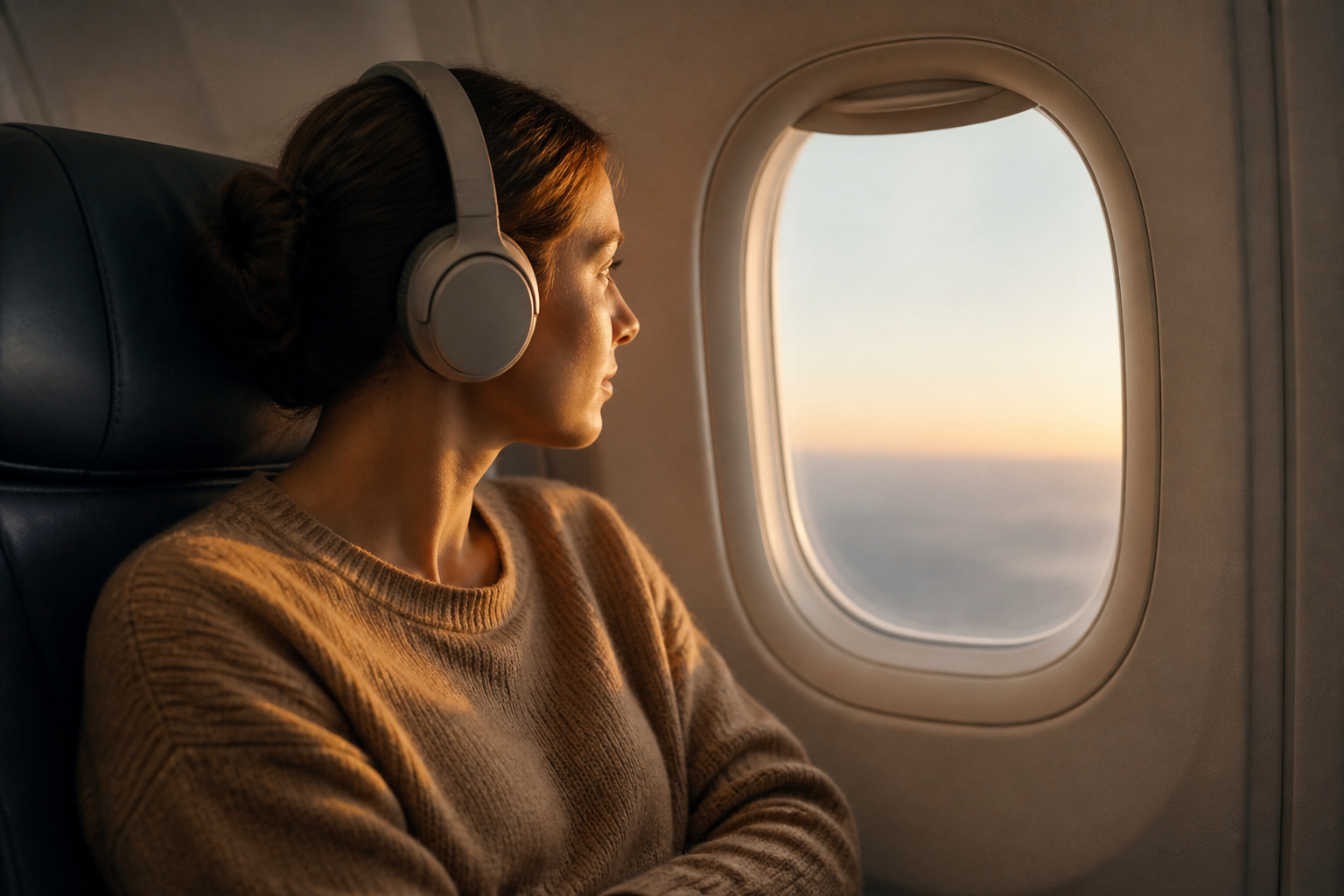
You notice the difference most on flights and commutes, where constant background noise wears you down over time.
It handles sudden or high-pitched sounds less well. A shout, a dog barking, or a plate dropping changes too fast for the system to predict, so these sounds still get through, though usually at a lower volume.
Wind blowing across the microphones can also cause a hissing sound on some models.
Passive Isolation Still Matters
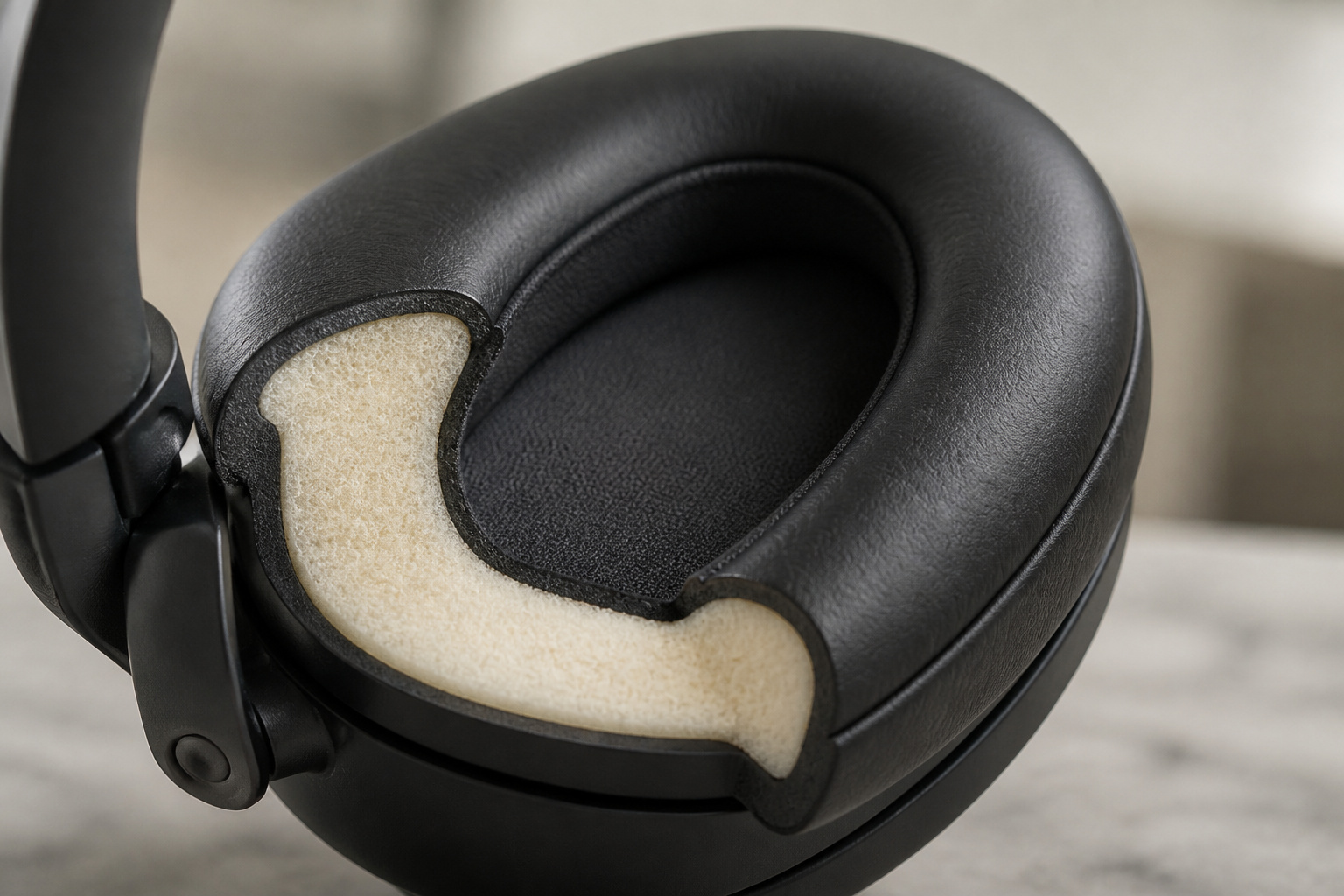
Active cancelling works best on top of a good physical seal. Ear cushions that fit snugly, or well-fitted ear tips on earbuds, block a lot of sound on their own, especially higher frequencies that electronics struggle with.
A poor fit lets noise leak around the cushion, and no amount of processing fully fixes that. This is also why headphones with excellent cancelling can feel average when worn loosely or with glasses.
Recommended Products
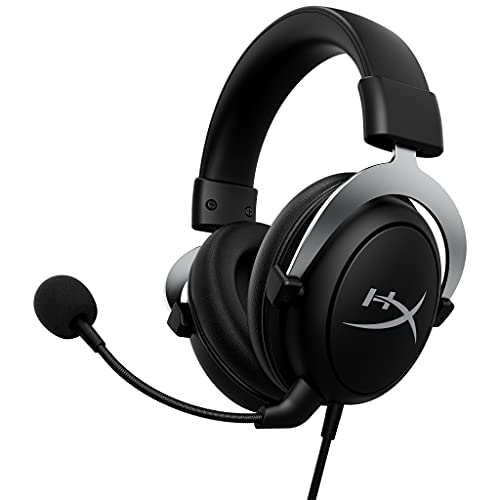

Our headphone earpad covers are easy and comfortable to wear, helps with heat dissipation and sweatproof, does not affect the sound quality, prolong the life of headphones significantly.

Stretchable headphone covers: these headphone ear covers are made with non-woven fabric, measuring 11 cm/ 4.3 inch in diameter, elastic and stretchable, can fit for most on ear headphones with 8.5-10 cm earpads
Is It Worth Paying For?

Noise cancelling is worth it if you travel often, work in a noisy office, or live somewhere loud. It also lets you listen at lower volume, which is easier on your hearing.
It is less valuable if you mostly listen in quiet rooms or outdoors where you need to hear traffic. Some people also feel a slight pressure sensation in the ears with noise cancelling turned on, so try it before committing if you can.
If you are comparing types, our guide to over-ear, on-ear, and in-ear headphones explains which styles seal best, and how to choose headphones covers matching a pair to your daily use.
Recommended Products

Hybrid Active Noise Cancelling: 2 internal and 2 external mics work in tandem to detect external noise and effectively reduce up to 90% of it, no matter in trains or offices.

Block the World, Keep the Music: Four built-in mics work together to filter out background noise — whether you're in a packed office, on a crowded commute, or moving through a busy street — so every beat comes through clean and clear. (Not available in AUX-in mode.)

Block the World, Keep the Music: Four built-in mics work together to filter out background noise — whether you're in a packed office, on a crowded commute, or moving through a busy street — so every beat comes through clean and clear. (Not available in AUX-in mode.)
Frequently Asked Questions
Does Noise Cancelling Drain the Battery?
Yes, somewhat. The microphones and processor draw power, so battery life is shorter with noise cancelling on than off. Manufacturers usually list both figures, so check the number with cancelling on, since that is how most people use them.
Can I Use Them Without Noise Cancelling?
Usually yes. Most models let you switch cancelling off and still play music, and many include a transparency mode that lets outside sound in. Some wireless models cannot play at all with a dead battery, while others work with a cable even when powered down, so check the specifications if that matters to you.
Why Do My Ears Feel Pressure With Noise Cancelling On?
Some people notice a feeling of pressure or fullness because the headphones remove the low-frequency background sound the brain expects to hear. It is not caused by actual air pressure and is not harmful, but it can be uncomfortable. Lowering the cancelling level, if the model allows it, or switching it off can help.
Are Noise Cancelling Headphones Suitable for Children?
They can be, but volume limits matter more than noise cancelling. Look for kid-sized headphones with a built-in volume limiter, and keep listening levels moderate. Cancelling can help children listen at lower volume in noisy places like cars and planes, but they still need to be able to hear traffic and adults when outdoors.
How Do I Clean Noise Cancelling Headphones?
Power them off, then wipe the ear cups, headband, and frame with a slightly damp microfiber cloth. Use a dry cotton swab for crevices, and never spray cleaner directly on them. Keep moisture away from the microphone openings, since blocked or wet microphones reduce cancelling performance.