Starting out as a DJ is cheaper and simpler than it used to be. You need a way to play and mix tracks, a pair of headphones for cueing, and speakers to hear the mix. This guide compares the three main setups, explains the software, and covers the headphones, speakers, and mixers around them.
DJ Controllers
A DJ controller is a hardware surface with jog wheels, faders, knobs, and pads that controls DJ software on a laptop. It is the most popular starting point because it is compact, affordable, and teaches the basics of mixing, EQ, and effects. Most have a built-in audio interface so you can connect headphones and speakers directly. The trade-off is that you need a laptop, and the quality of the jog wheels and controls rises with price.
Products Worth Considering

The Perfect Dj Controller To Mix On The Move, With Serato Dj Lite Included
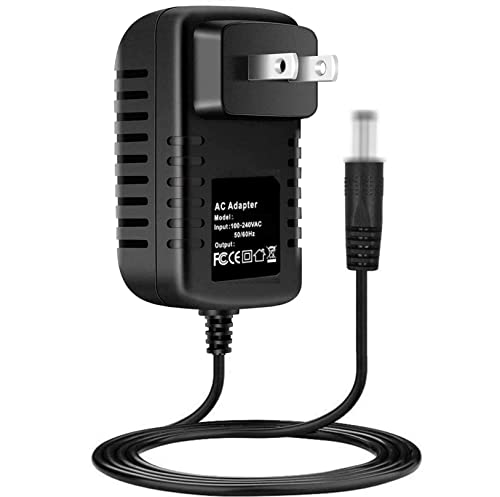
Brand New, High Quality Replacement AC Wall Power Charger Adapter

48V Phantom Power:Upgrade your recording setup with this USB audio interface featuring 48V phantom power for condenser microphones and dual XLR/TRS combo inputs for microphones, instruments, and line-level devices. Perfect for singers, musicians, podcasters, streamers, and content creators who need clear and stable audio recording.
Turntables and a DJ Mixer
The classic setup uses two turntables and a DJ mixer to mix vinyl, or with digital control vinyl, to control software with real records. It is the most hands-on way to learn, and it costs more because you need turntables, a mixer, cartridges, and records or a digital system. Direct-drive turntables are the usual choice since they reach speed quickly and handle cueing. Our guide on turntables explained covers the differences.
Products Worth Considering

Direct-Drive at Home: A direct-drive turntable that brings a club-style feel to home listening and first steps in DJing

Professional Direct-Drive: High-torque direct drive delivers instant, stable start-up for club and turntablist use

HIGH-QUALITY SOUND: The PLX-500 is designed to produce rich, high-fidelity vinyl sound with minimal distortion, offering a pure and immersive listening experience that brings your records to life
Standalone DJ Systems
A standalone system has the player, mixer, and screen in one unit and plays music from a USB drive or the internet, with no laptop needed. They are easy to set up for events and sound reliable, and they cost more than an entry-level controller. They suit people who want to play out without carrying a computer.
Products Worth Considering

No Laptop Needed for USB Sets: A standalone 2-channel all-in-one that runs prepared rekordbox sets from USB drives

ADVANCED TOUCHSCREEN DISPLAY: The Pioneer DJ System features the largest screen ever on a Pioneer all-in-one unit, with high resolution, fast frame rate, and stacked icon navigation, making playlist browsing, waveform monitoring, and track selection faster and more intuitive than ever

Pro-Grade 8" Jogwheel with Adjustable Tension, Club-Level Training at Home: Train on professional-quality hardware with the largest jogwheel in its class (8" vs. 5" on budget models). High-resolution touch-sensitive platter features adjustable tension and customizable start/stop time so you can dial in the exact feel of club equipment, without the professional deck price tag.
DJ Software
Most controllers work with software such as rekordbox, Serato DJ, Traktor, or djay, and many controllers include a license for one of them. The software handles beat matching display, loops, effects, and your music library. Choose a controller that works with the software you want to learn, since skills transfer more easily within a software ecosystem.
Headphones for DJing
DJ headphones are closed-back, durable, and often have swiveling ear cups so you can listen to the cue channel with one ear while hearing the room with the other. Look for good isolation, comfort for long sessions, and a detachable coiled or straight cable. Our guide on choosing headphones explains closed-back designs.
Products Worth Considering

Advanced build quality and engineering; Designed for studio tracking and mixing
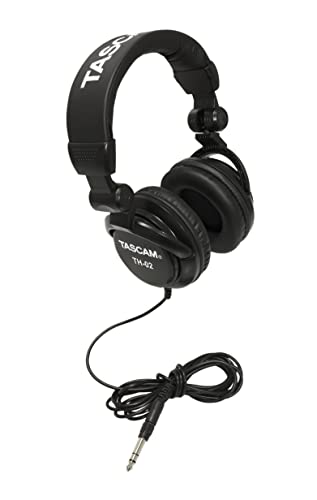
Foldable design for easy, compact transport

Bass Sound: Enjoy clear sound and superior comfort with the OneOdio Studio Monitor Headphones. Equipped with large 50mm speaker drivers and neodymium magnets, pro-10 deliver powerful bass, clear vocals, and crisp highs for a balanced stereo sound.
Speakers and Monitors
For practicing at home, powered speakers or studio monitors are the easiest option because they have built-in amplification. For playing parties and small events, you need powered PA speakers, which are louder and built for bigger rooms. See active vs passive speakers and studio monitors vs regular speakers. If you want to add a mixer or microphone, read a beginner’s guide to audio mixers.
Products Worth Considering

TRUSTED STUDIO-QUALITY SOUND: True studio sound for music production, gaming, movies, streaming, and everyday audio. Sold as a complete stereo pair.

Sold as a pair, sized for desks and small studios

Hi-Res Audio Certified – Experience superior sound with Hi-Res Audio certification, delivering a flat response across 52Hz to 40kHz for precise and accurate monitoring, music creation, or everyday listening.
A Sensible Starter Plan
Start with a beginner controller, a closed-back pair of headphones, and the powered speakers you already have. Learn beat matching, EQ, and phrasing before spending more. Upgrade the controller, add monitors, or move to turntables only once you know what you miss. See how much to spend on audio equipment for budgeting.
Frequently Asked Questions
Do I Need a Laptop to DJ?
With a controller, yes, because the software runs on the laptop. A standalone system plays from a USB drive and does not need one.
Do I Need Turntables to Start DJing?
No. Most beginners start with a controller, and the mixing skills transfer to turntables later if you want them.
What Kind of Headphones Are Best for DJing?
Closed-back headphones with good isolation, comfortable padding, and ear cups that swivel so you can listen with one ear. Durability matters because they get a lot of handling.
What Speakers Do I Need to DJ at Home?
Powered speakers or studio monitors are enough. Choose a pair with a balanced sound so you can judge your mixes, and add a subwoofer if you want to hear bass properly.
How Much Does a DJ Setup Cost?
It ranges from a beginner controller with a pair of headphones to a pro setup with turntables, a mixer, and PA speakers. You can start with an entry-level controller and headphones and add pieces as your skills grow.