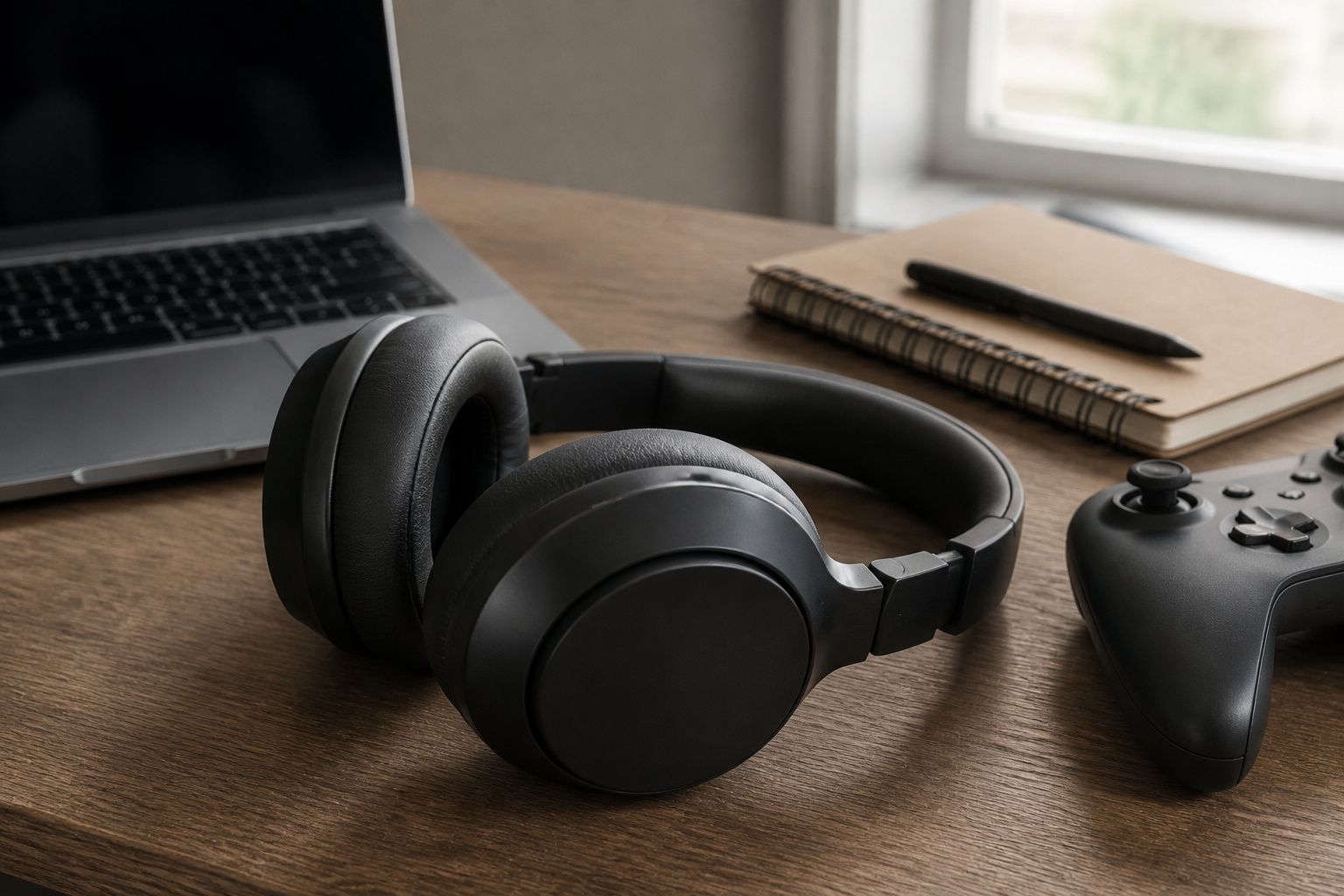
The right headphones depend on what you do with them most. A pair that sounds wonderful for music can be tiring in a four-hour meeting, and a headset with a great microphone can sound flat for albums. This guide breaks the choice down by use, then covers the things that matter in every case: fit, battery, and whether to go wired or wireless.
Headphones for Music
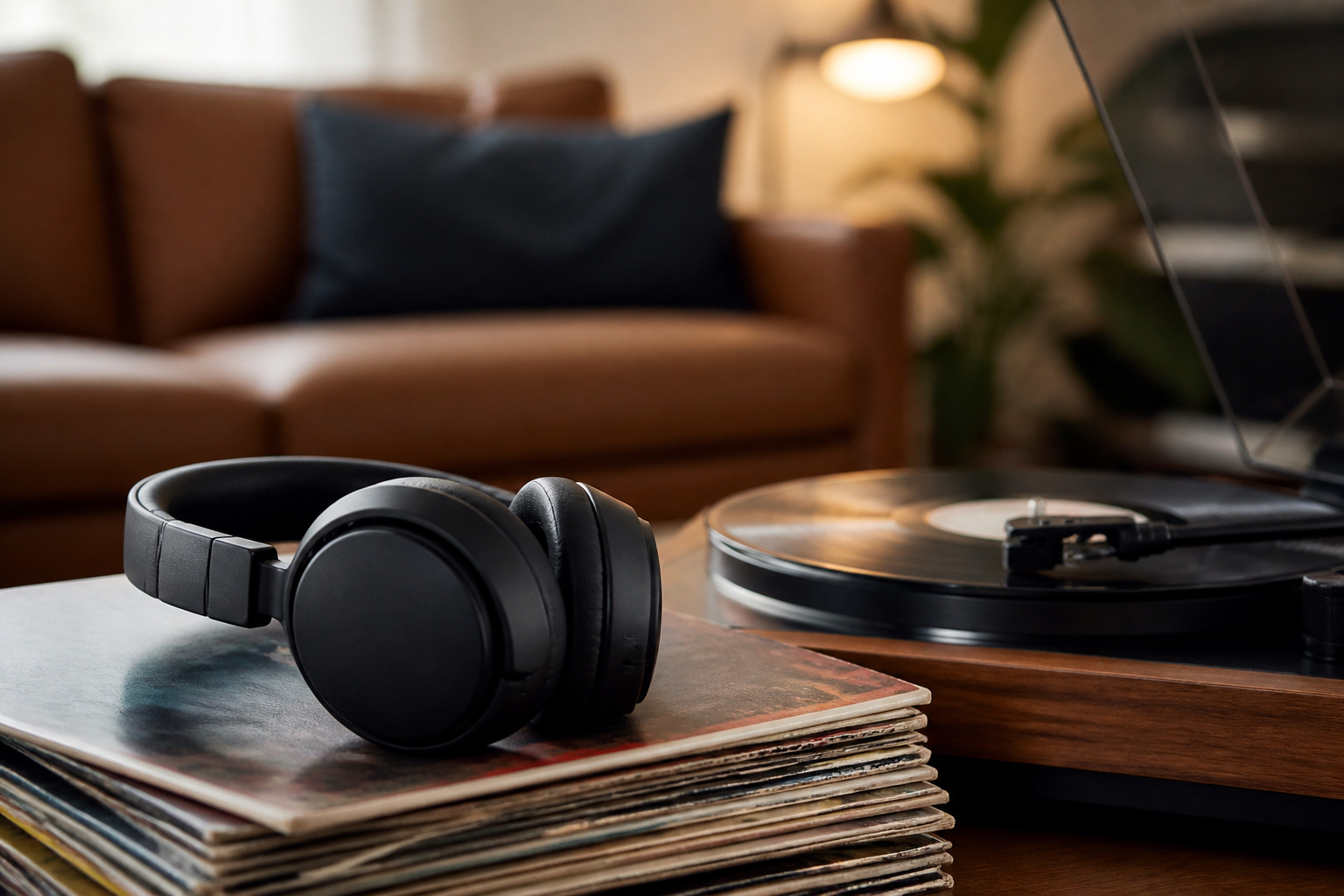
For listening, look for a balanced sound: clear highs, natural midrange, and bass that is present without drowning out everything else. Over-ear models usually sound fuller than smaller designs because the larger drivers and cushions give sound more room.
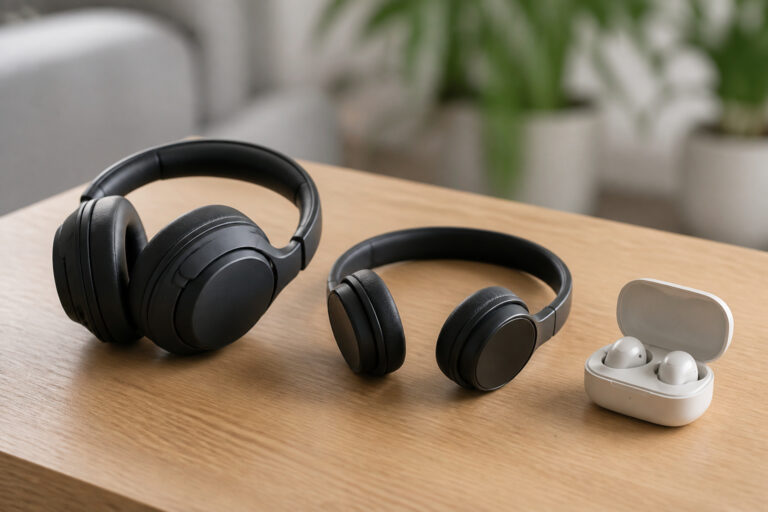
If you are weighing the three styles, our comparison of over-ear, on-ear, and in-ear headphones covers the trade-offs.
Closed-back designs keep sound in and block some of the room, which suits late-night listening and noisy homes. Open-back designs sound more spacious and natural, but they leak sound in both directions, so they only make sense in a quiet room where nobody else is nearby.
If you stream over Bluetooth, the audio codec your phone and headphones share affects quality. See our guide to Bluetooth codecs to understand what the labels mean.
Recommended Products

Critically acclaimed sonic performance praised by top audio engineers and pro audio reviewers Proprietary 45 millimeter large aperture drivers with rare earth magnets and...
Headphones for Work and Calls

For work, comfort and microphone quality matter most. You may wear them for hours, so a light frame and soft, breathable ear cushions beat a punchy sound signature.
Test the microphone if you can, because the built-in mics on many earbuds and headphones sound thin or pick up room noise. A boom microphone, or a mic that flips up and mutes, generally gives clearer calls than a mic tucked into the ear cup.
Active noise cancelling helps in open offices, on trains, and in homes with noisy neighbors. It works best on steady sounds such as air conditioning and engine hum, and less well on voices.
Our explainer on how noise cancelling headphones work goes into what it can and cannot do.
Recommended Products
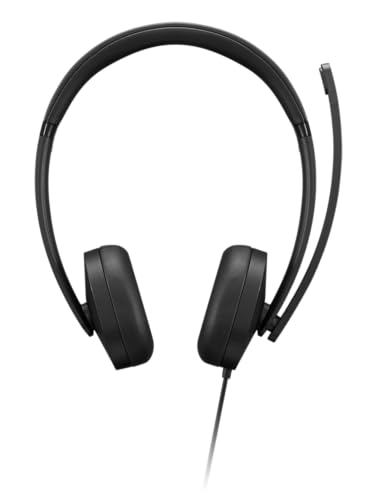
Exceptional call quality - Revel in crystal-clear conversations with the Lenovo USB-A Wired Stereo Headset Gen 2. Powered by Lenovo Accessories and Device Manager (LADM) software that enhances noise-cancelation, ensuring clarity even in the busiest environments.
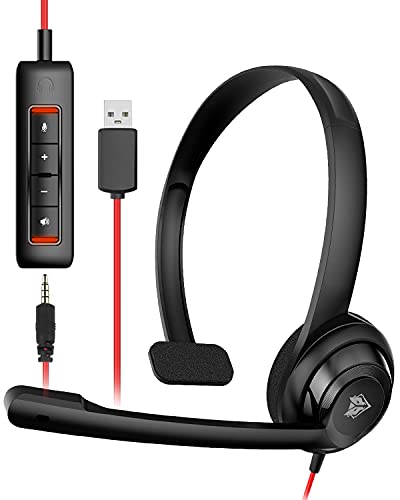
NUBWO PC Headset with Mic, 3.5mm/USB Computer Headset with Detachable surround sound Vol./Mute USB Control, On-Ear Wire VoIP Headsets for casual gaming, e-learning and music

Digital Stereo Sound: Fine-tuned drivers provide enhanced digital audio for music, calls, meetings and more
Headphones for Gaming
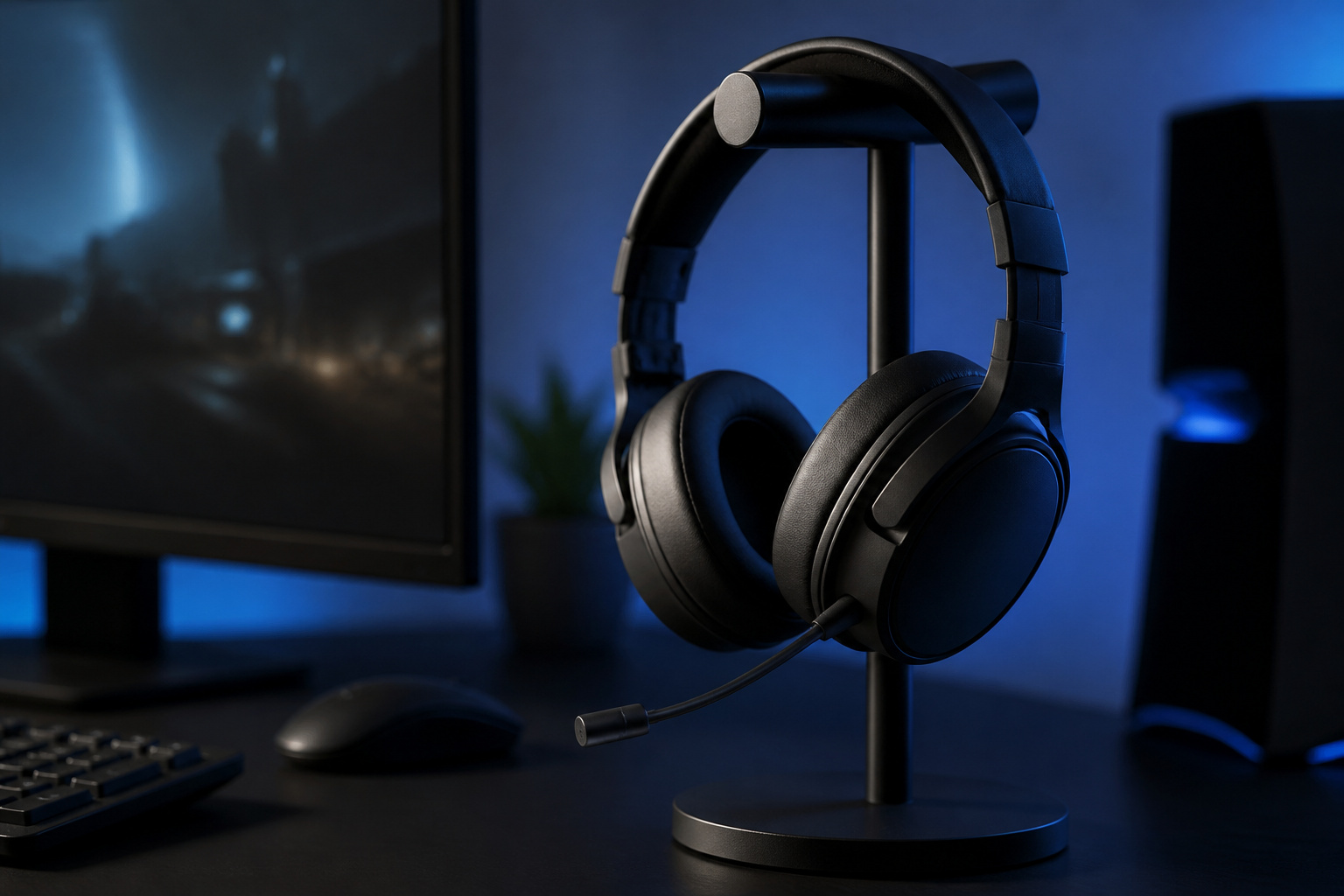
Gamers should care about latency, comfort, and the microphone. Standard Bluetooth adds a small delay that is easy to notice in fast games.
Wireless gaming headsets usually come with a USB dongle that connects over a dedicated wireless link instead. Wired headsets avoid the issue entirely.
Closed-back over-ear designs work best for most players because they block distractions and keep game audio from leaking into the room. Look for sturdy hinges and breathable padding, since long sessions expose weak points quickly.
A detachable or flexible microphone is a useful extra.
Recommended Products
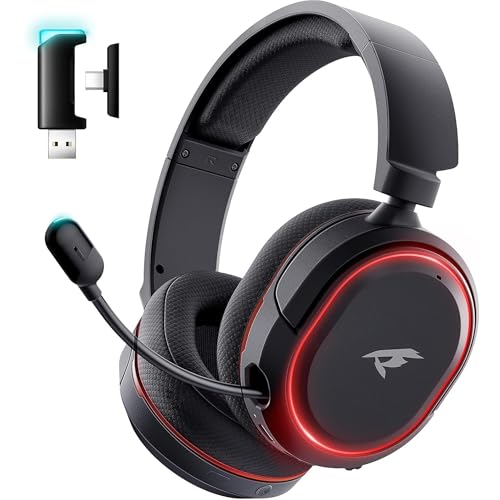
🎵【7.1 Surround Sound & Aesthetic Decorative Light】 UG-08S PC gaming headset can provide you with a cinema 3D stereo surround sound experience, designed specifically for gamers and audiophiles and multi-platform Compatibility. Long-press the 'M' key to activate 7.1 surround sound and dynamic driver reproduces deep bass and clear highs. Which allows you to hear every detail in the game with pin-drop clarity from up to 40 feet away. Such as teammates' voices, footsteps, direction, and more. Double-click the M key to activate the ambient light, then single-click the M key to switch between two modes: steady light and gradient. Valorise wireless pc headset will bring a cooler gaming atmosphere.

Zero-Latency Audio for Competitive Edge: Dominate your matches with the AOC wireless gaming headset. Featuring ultra-fast 2.4GHz lossless technology (≤20ms latency), this ps5 headset ensures your audio is always perfectly synced with the action. Tuned 50mm drivers deliver clear gaming sound for footsteps, reloads, dialogue, and in-game effects in FPS, action, and open-world games. The closed over-ear design helps keep you focused during Fortnite, Call of Duty, Roblox, Discord chat, online classes, and movie watching.
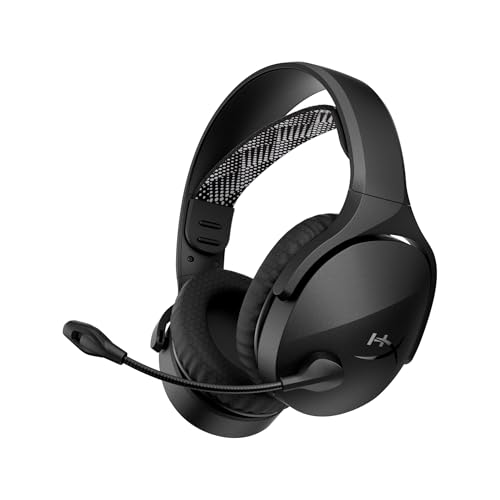
Dual Wireless for PC, Mac, PS5, PS4, and Mobile: Switch between the 2.4GHz USB-A dongle and Bluetooth 5.3 to move between your PC, consoles, phone, and tablet. Not compatible with Xbox.
Fit, Comfort, and Battery Life
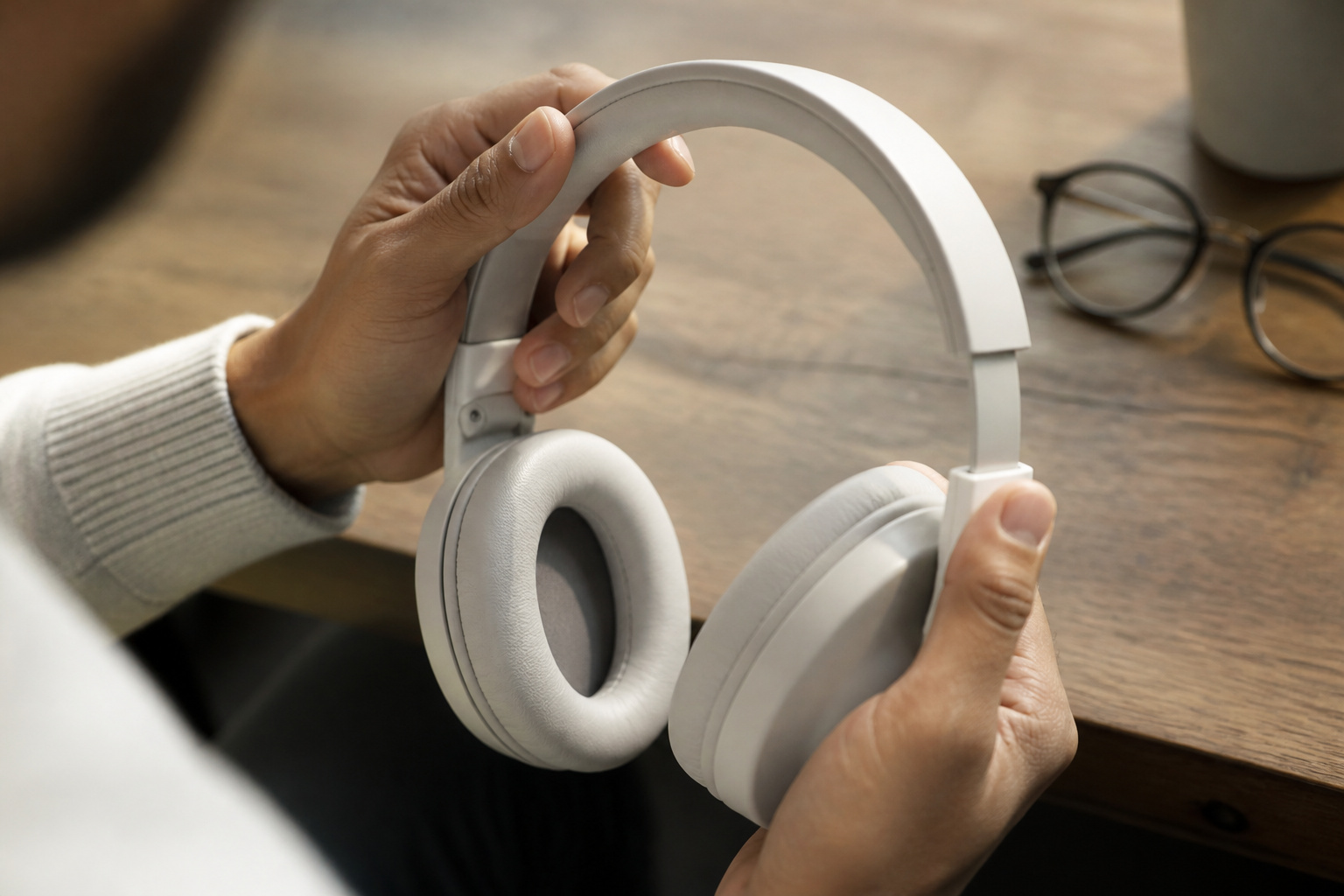
Fit affects everything. If headphones pinch, slip, or cause heat buildup, you will stop using them no matter how good they sound.
Try them on if you can, and check the return policy if you cannot. Headband pressure, ear cup depth, and whether you wear glasses all change how a pair feels after an hour.
For wireless models, check the battery life the manufacturer states with noise cancelling on, since that is how most people use them. Quick-charge support is handy when you forget to charge overnight.
Recommended Products

Custom acoustic architecture and updated drivers for powerful Beats sound.

【ASTONISHING SOUND PRODUCTION 】: High Definition Stereo Headphones, specially developed software and noise reduction technology designed to prevent you from heating ambient noises and makes you focus on what you want to hear. Lose yourself in immersive music even in the lowest volume levels! The goal that provide Customers with outstanding sound quality is our constant pursuit.

【Dual-Mode Compatibility】One gaming headset with mic, endless gaming possibilities. Press mic 2s to toggle modes. 2.4GHz mode for PS5, PS4, PC, Phone, Laptop, Switch & Mac, and Bluetooth mode for PC, Mac, Switch, Mobile, Laptops & Tablets. Note: Use 2.4GHz USB + Type-C together for PS5/PS4/PC/Laptop/Mac; cannot be used alone. Both modes are NOT compatible with Xbox. The Mic is NOT compatible with Switch via Bluetooth mode. Bluetooth mode is NOT compatible with PS5/PS4.
Wired or Wireless
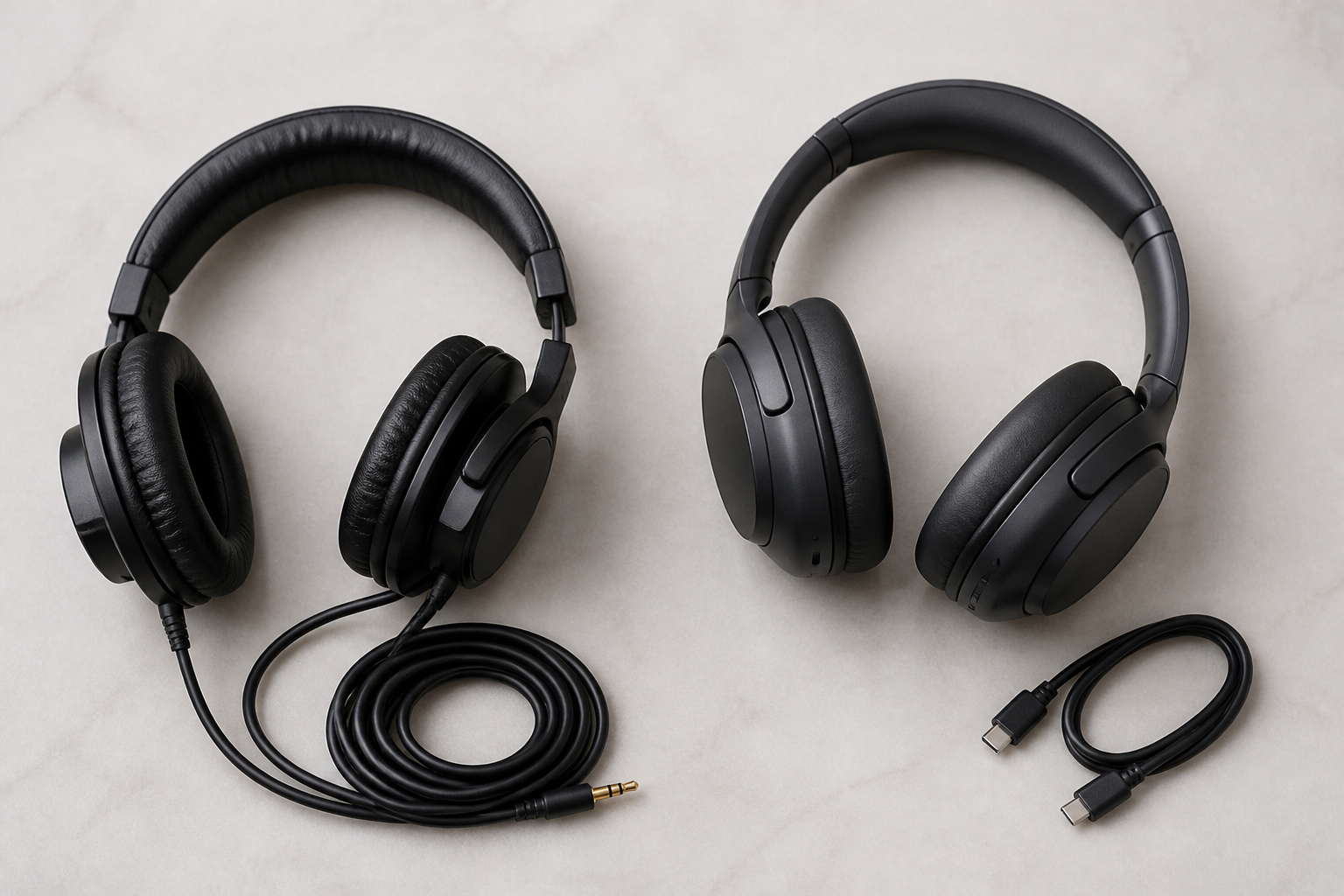
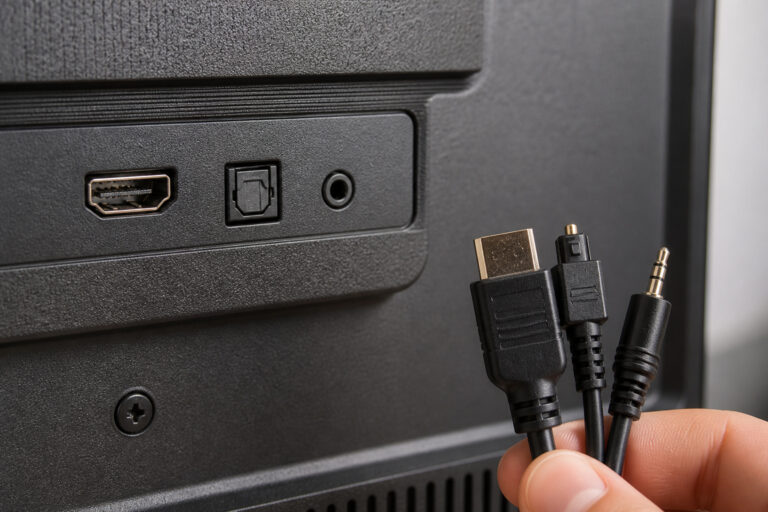
Wired headphones usually cost less for the same sound quality, never need charging, and have no wireless delay. Wireless headphones give you freedom of movement and work with phones that have dropped the headphone jack.
Our comparison of wired and Bluetooth headphones goes deeper on this choice.
Before you spend more, read whether expensive headphones are worth it. Past a certain point, extra money buys features and build quality more than better sound.
Recommended Products

Dual Mode and Never Power Off - Enjoy up to 72 hours of playtime in wireless mode, or switch to wired mode using the included two audio jack cables (3.5mm to 6.35mm and 3.5mm to 3.5mm). With wired mode, your headphones will never run out of power.

🎵【7.1 Surround Sound & Aesthetic Decorative Light】 UG-08S PC gaming headset can provide you with a cinema 3D stereo surround sound experience, designed specifically for gamers and audiophiles and multi-platform Compatibility. Long-press the 'M' key to activate 7.1 surround sound and dynamic driver reproduces deep bass and clear highs. Which allows you to hear every detail in the game with pin-drop clarity from up to 40 feet away. Such as teammates' voices, footsteps, direction, and more. Double-click the M key to activate the ambient light, then single-click the M key to switch between two modes: steady light and gradient. Valorise wireless pc headset will bring a cooler gaming atmosphere.

【40MM DRIVER & 3 MUSIC MODES】Picun B8 bluetooth headphones are designed for audiophiles, equipped with dual 40mm dynamic sound units and 3 EQ modes, providing you with stereo high-definition sound quality while balancing bass and mid to high pitch enhancement in more detail. Simply press the EQ button twice to cycle between Pop/Bass boost/Rock modes and enjoy your music time!
Frequently Asked Questions
How Do I Clean My Headphones Without Damaging Them?
Unplug or power them off first. Wipe the ear cups and headband with a cloth that is only slightly damp, and use a dry cotton swab for tight spots. Do not spray liquid directly onto them, and keep moisture out of the speaker openings. Let them air-dry fully before use. If the ear pads are removable and worn, replacing them often makes an old pair feel new.
Can Headphones Cause Hearing Loss Over Time?
Yes, if you listen loudly for long periods. The risk comes from volume and duration, not from headphones themselves. A common rule of thumb is to keep the volume at about 60 percent or lower and take breaks, but device volume levels vary, so treat it as a guide rather than a guarantee. If people next to you can hear your music clearly, or you cannot hear them talking, it is too loud.
Are Wireless Headphones Safe for Long-Term Use?
Bluetooth headphones transmit at very low power, far below a phone held against your head, and there is no good evidence that this level of radio exposure harms people. The more practical concerns are listening volume and ear hygiene. Do not sleep in earbuds, and clean ear tips regularly.
How Long Do Headphones Last?
It varies with build quality and care. Wired pairs with replaceable cables and ear pads can last many years. Wireless pairs are usually limited by the battery, which loses capacity over time and is often not replaceable. Storing them in a case and avoiding tight cable bends helps either type last longer.
Do Expensive Headphones Always Sound Better?
No. Price often pays for noise cancelling, build quality, and features rather than a clearly better sound. A well-tuned mid-priced pair can match or beat a pricier one that does not suit your taste. Judge on fit, sound signature, and the features you will actually use.