Most renter security advice starts with cameras and alarm kits. Those help, but the first line of defense is physical: a door that is harder to kick in, a window that is harder to break, and a home that looks occupied and well lit. Many of these fixes cost little, need no wiring, and come off when you move.
This guide covers the physical and low-tech layer for renters, including what each option protects against. For electronic systems, see our guides to security systems for small apartments and no-drill smart home devices for renters.
Check Your Lease and Fire Safety First
Read the lease language on alterations before you buy anything. Adhesive window film, a replacement strike plate, or new screws in a door frame can count as a modification, even when the change is small. A short written okay from the landlord is cheap insurance against a deposit dispute, and many landlords agree to security upgrades because they protect the building too.
Fire safety matters just as much. Anything that keeps a door shut from the inside, such as a portable lock or a bar, can slow your own exit in an emergency. Choose devices you can release quickly without a key, in the dark, and teach everyone in the home how they work. Some buildings and local codes also restrict devices that block an exit, so check the rules where you live before you rely on one.
Portable Door Locks and Door Jammers
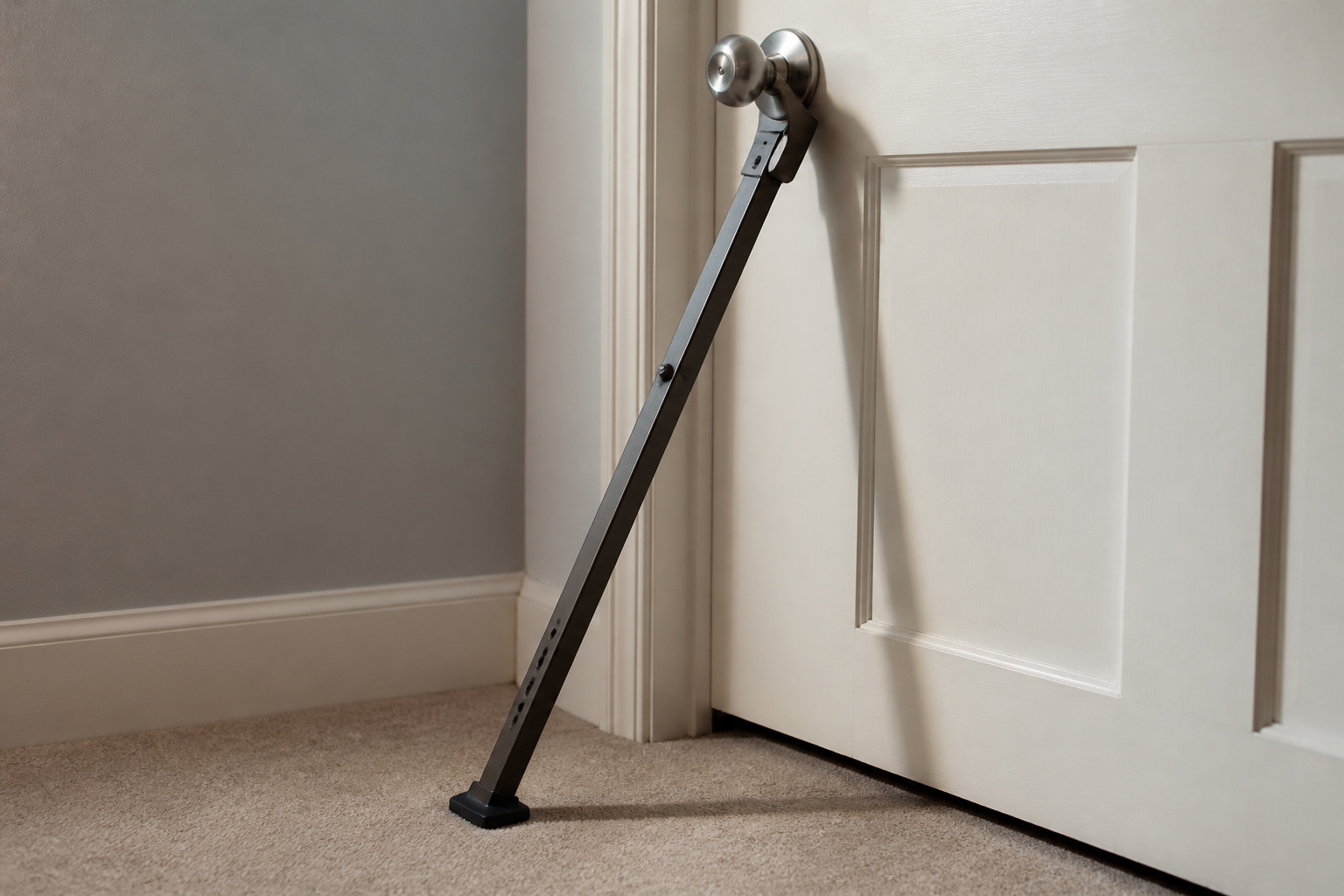
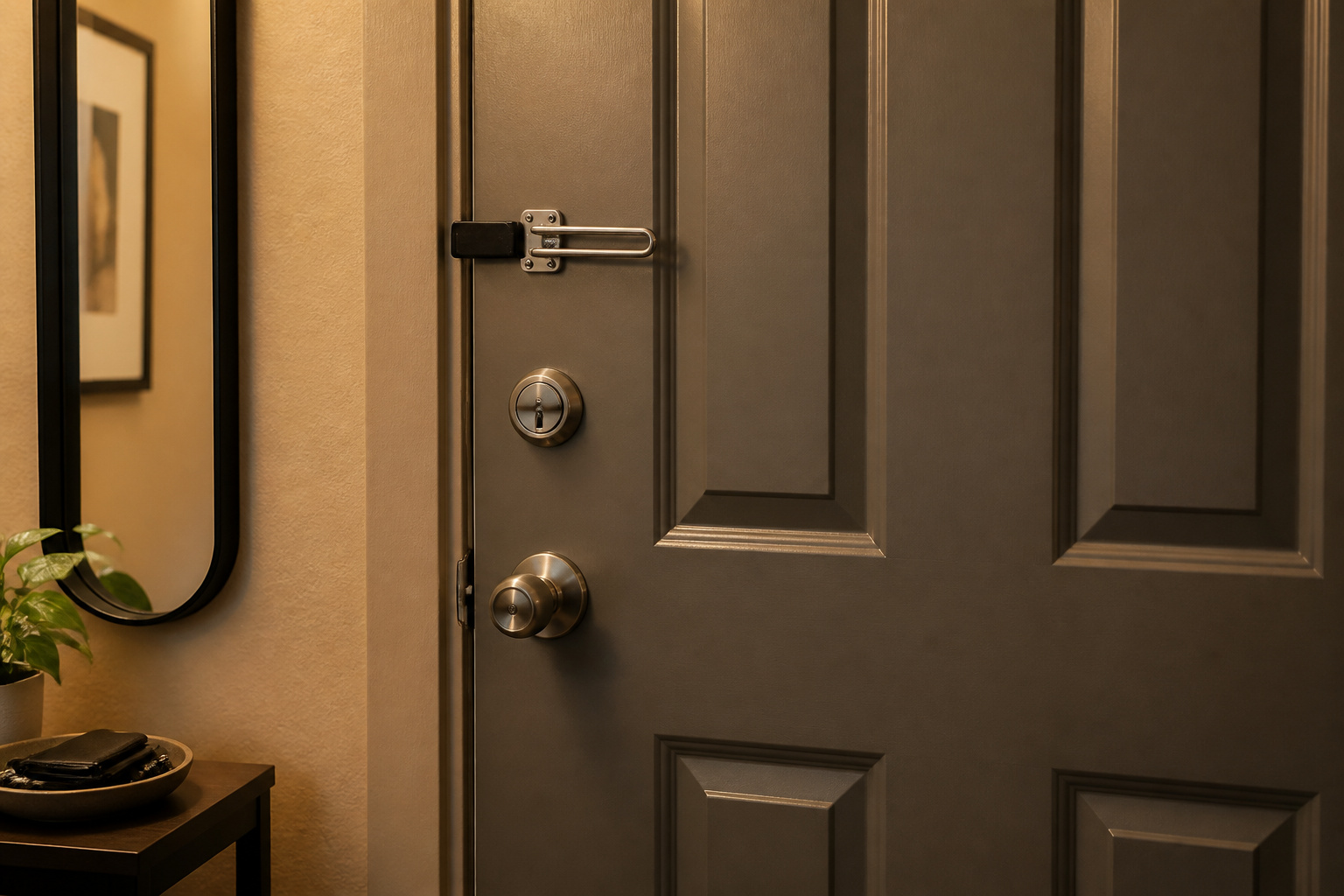
Portable door locks add a second barrier without touching the door. Common types include a latch plate that grips the strike side of the frame, a jammer that wedges a bar between the floor and the door handle, and a travel lock that slips into the strike plate. All of them work best on doors that open inward, and fit varies by door thickness and gap, so check the product specifications before you buy.
These devices are most useful when you are home, since you have to put them on from the inside. They do not secure the door when you leave, and they do not replace a working deadbolt. Treat them as a night-time layer, and look for models rated for your door type and made of metal rather than thin plastic.
Recommended Products

Maximum Vertical Clearance Required: Ensure proper installation with a vertical clearance of at least 0.25 (1/4) inches and no more than 1.5 inches between the door and floor. Ideal for inswing doors with 3mm clearance, it includes a three-size spacer keyring set for a perfect fit.

Precise Fit: Fits door gaps of 5–50mm (0.2–2 inch) Only for inward-swinging doors with a flat door bottom and flat floor. Please measure your door gap before ordering.

EXTRA PRIVACY FROM THE INSIDE: Add a secondary physical barrier to compatible inward-opening doors in hotels, apartments, dorms, bedrooms and vacation rentals. Designed to supplement your existing door lock while you are inside the room.
Strengthening the Door You Already Have
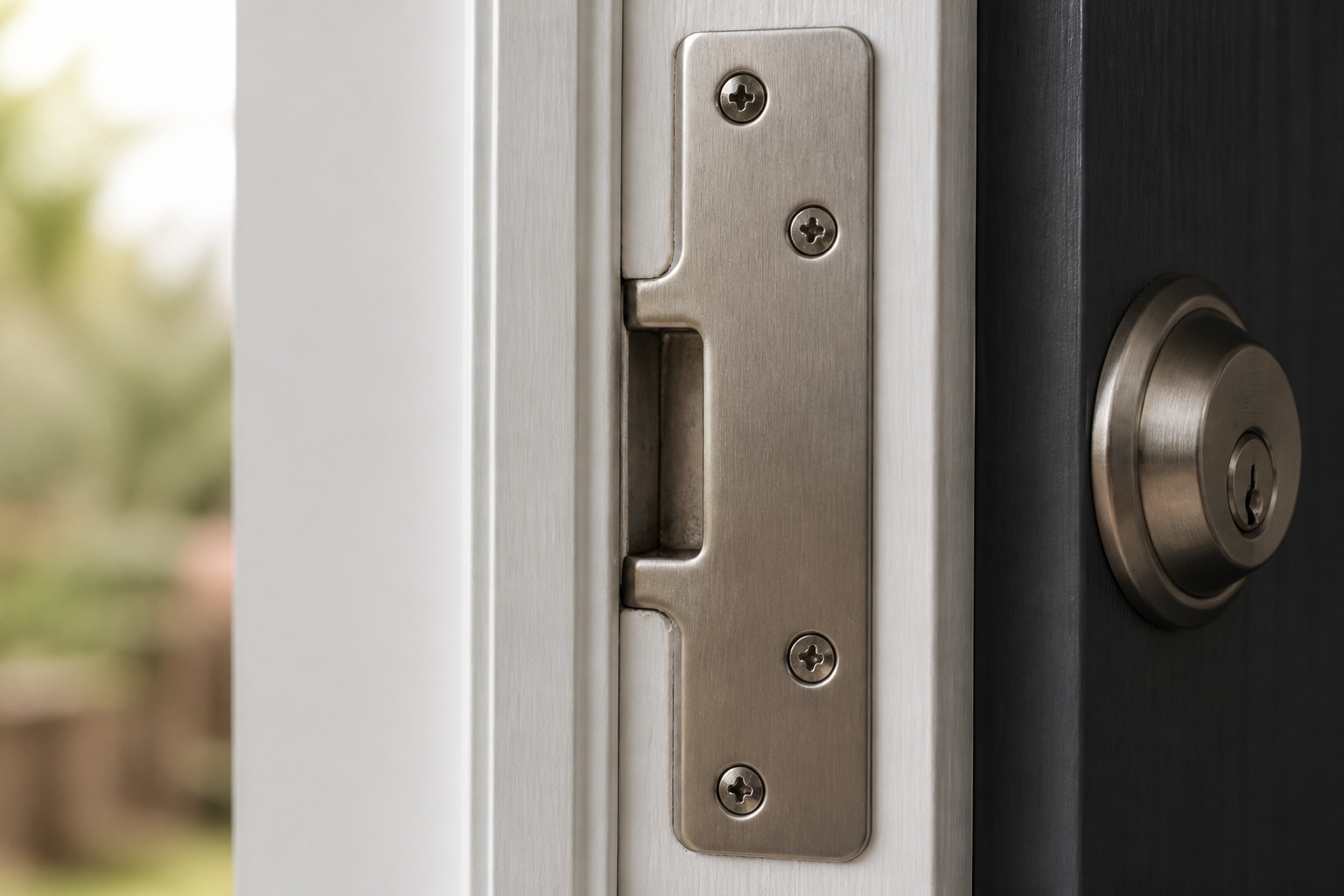
Many forced entries come down to a weak point at the latch side, where a kick can split the door frame. A reinforced strike plate with long screws that reach the wall stud spreads that force over more wood. Door frame reinforcement kits that wrap the latch area work on the same idea. Both are small changes, but they alter the frame, so ask your landlord first and keep the original hardware to put back when you leave.
Check the basics too. Make sure the deadbolt throws fully into the frame, that the door is solid rather than hollow where you can see it, and that any peephole or wide-angle viewer works so you can see visitors without opening the door. If the lock was never rekeyed after the last tenant, ask the landlord to change it.
Recommended Products

Ideal Use: Designed to reinforce residential entry doors and replace separate latch and deadbolt strike plates with one secure unit

Ideal Use: Designed to reinforce entry doors and replace separate deadlatch and deadbolt strike plates with one unit
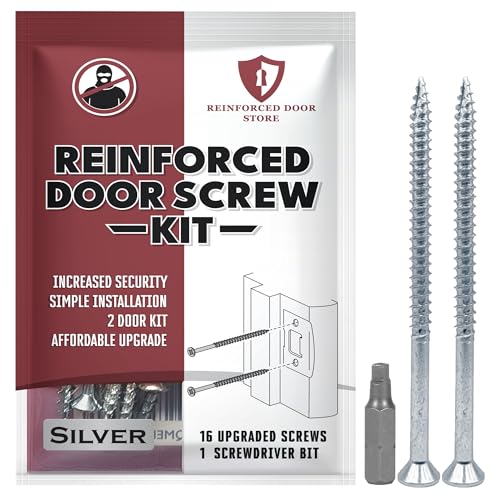
[ANTI-VILLAIN TECHNOLOGY] Fixes the 3 WEAK POINTS of a residential door: The Strike Plate, Deadbolt Plate, and Hinges. Kick resistant doors for Homes or Apartments. Security in an unpredictable world.
Window Security Film: What It Does and Does Not Do
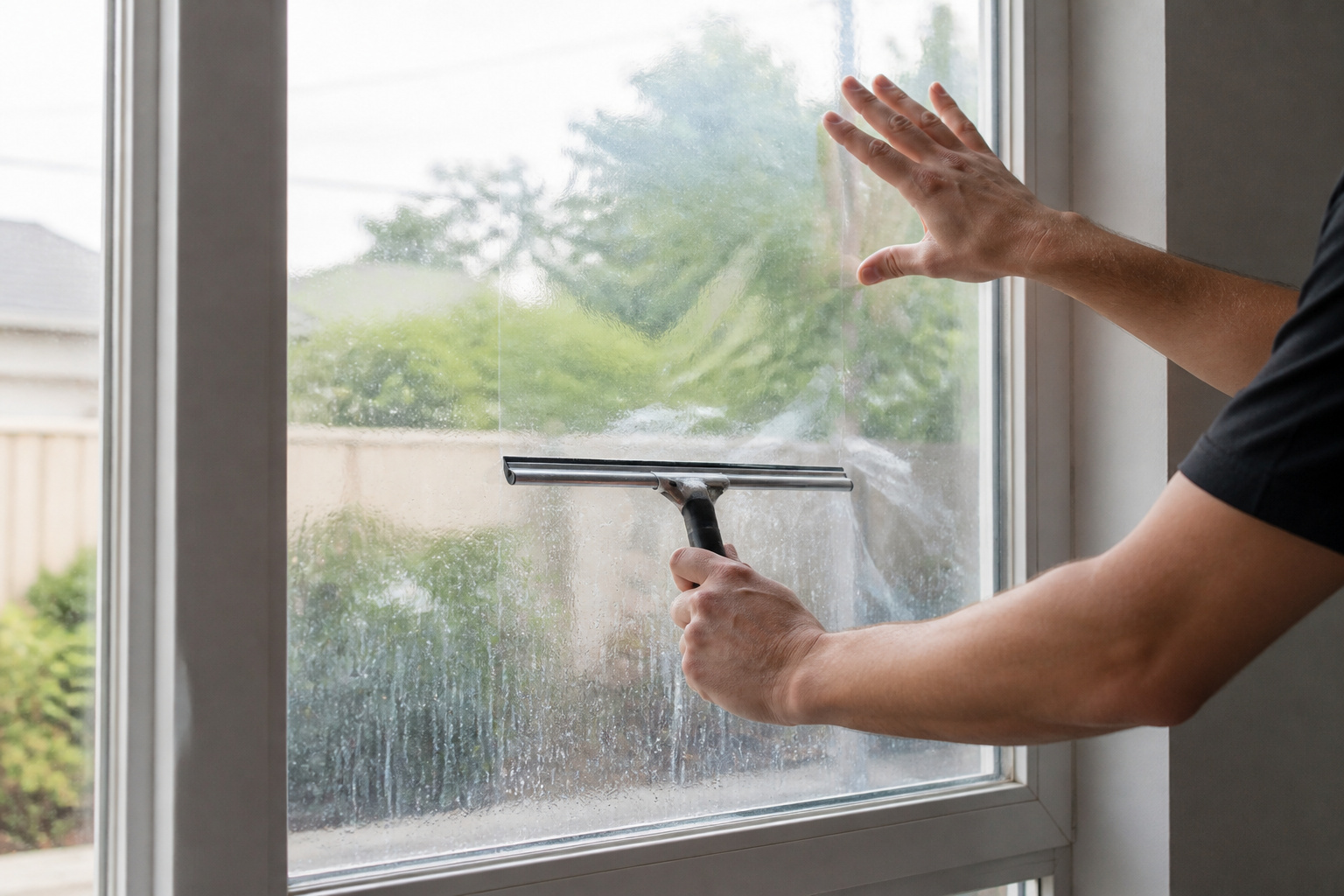
Security window film is a clear, thick polyester layer applied to the inside of the glass. It holds broken glass together, so a smashed pane stays in place instead of falling out, which slows a break-in and makes it louder and more visible. It is thicker than ordinary tint or privacy film, and thickness is usually listed in mils, with a higher number giving more resistance.
Be realistic about the limits. Film delays an intruder rather than stopping a determined one, and it works best when it is anchored to the frame, which professional installs do and simple peel-and-stick kits usually do not. Film can also be hard to remove cleanly, so get the landlord’s approval, and ask about the removal process before you apply it. The side benefits, such as less glare and some privacy, are real but secondary.
Recommended Products
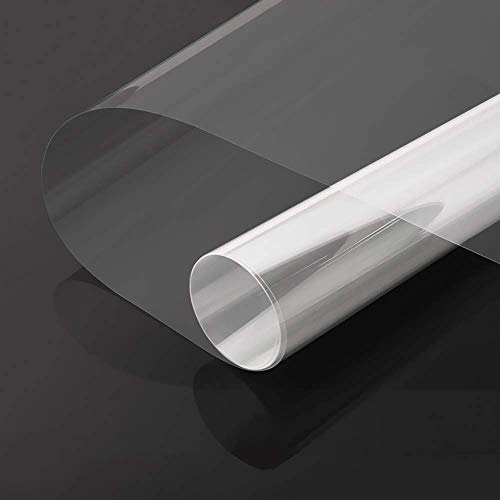
【HEAT INSULATION & ENERGY SAVING】 2 mil Clear Safety Film can effectively block out UV rays, reducing fading and aging of interior furnishings.And retaining heat in winter and keep it out in summer, reducing expensive heating and cooling costs. Since it maintains the transparency of the window, you can now enjoy the warmth of the sunlight without having to worry about harmful UV rays.

2/4/8 MIL CLEAR SAFETY FILM – Transparent self-adhesive film helps hold shattered glass together after impact. Available in 2 mil, 4 mil, and 8 mil thicknesses. Not a replacement for tempered or security glass.

8MIL HEAVY DUTY SAFETY FILM: Transparent self-adhesive film helps hold shattered glass together after accidental impact. 8mil/0.2mm thickest option for added shatter resistance. Not a replacement for tempered or security glass.
Sliding Doors and Ground-Floor Windows
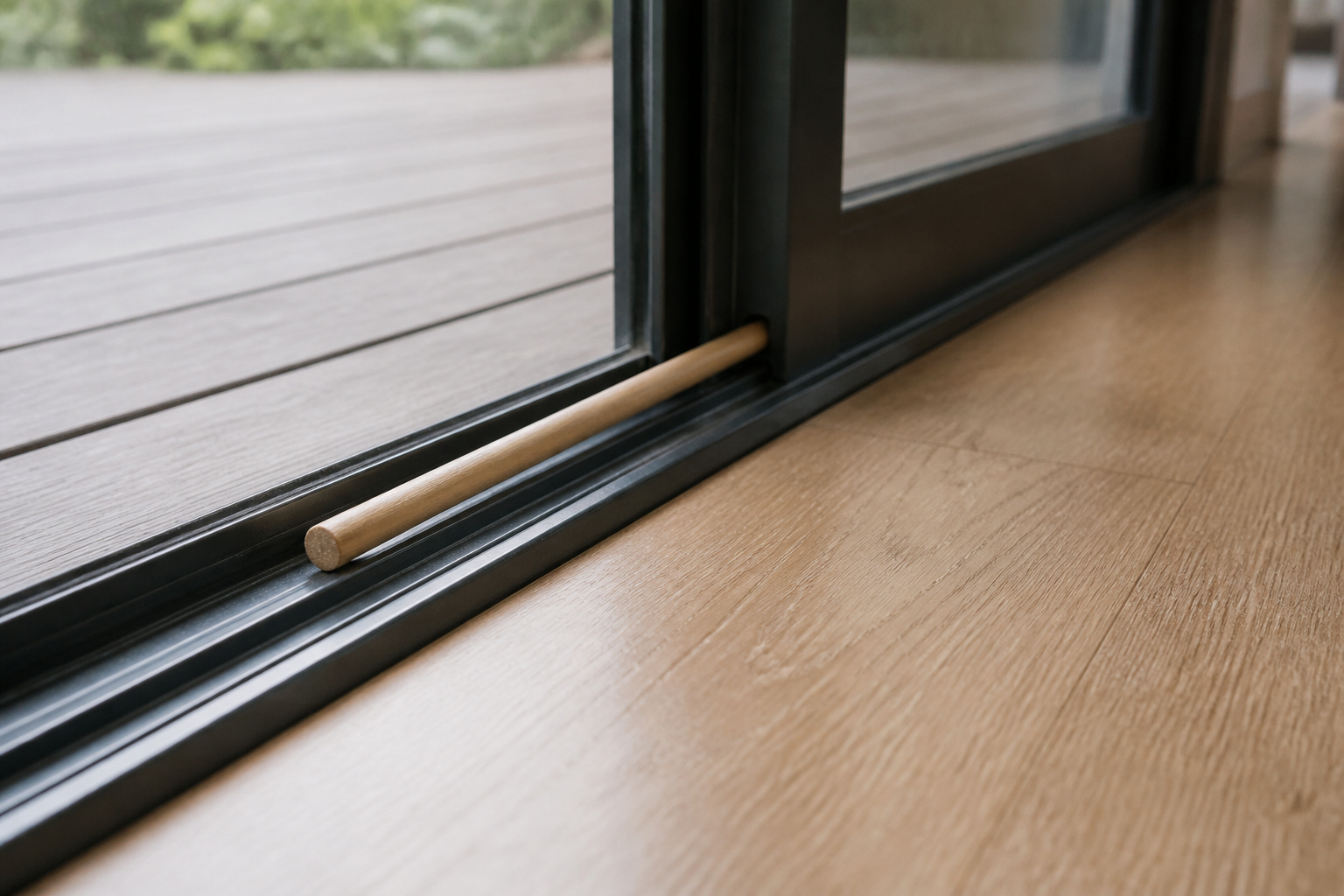
Sliding glass doors and ground-floor windows are common weak spots because their factory latches are light. A bar or a cut-to-length dowel in the bottom track stops the door from sliding open even when the latch is forced. Removable pin locks and window stops limit how far a window opens, which keeps fresh air coming in while blocking easy entry.
These cost very little and need no installation. As with doors, keep fire safety in mind: bedroom windows are often an emergency exit, so use stops that you can release quickly and do not block windows that people may need to climb through.
Motion Lights and Visibility
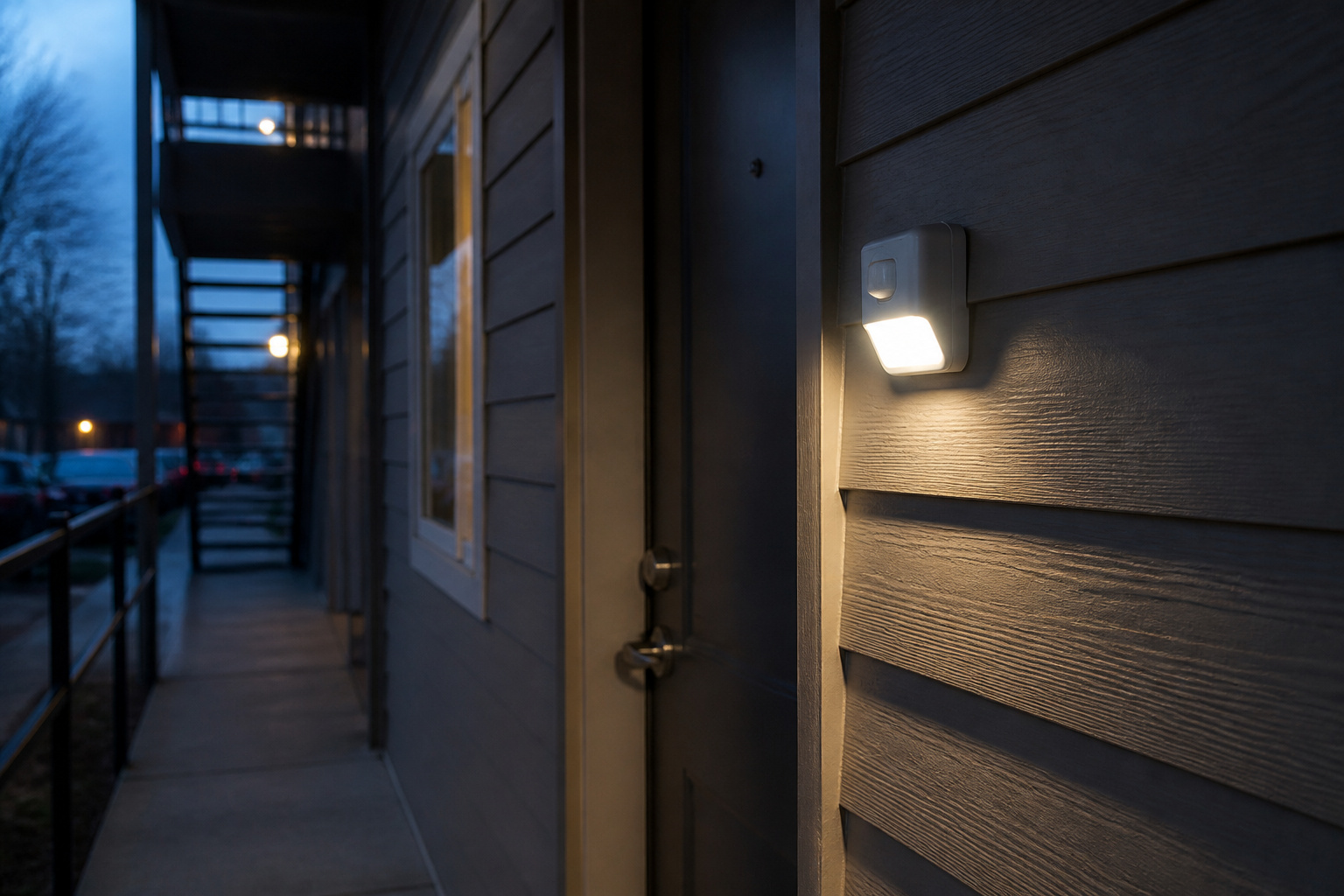
Light changes how a place looks to someone casing it. Battery-powered or plug-in motion lights need no wiring and can go near an entry, on a balcony, or in a hallway inside your unit. When you choose one, look at the detection range, whether the brightness is adjustable, and whether the power source is battery, plug-in, or solar. For outdoor use, check the weather rating.
Smart plugs and timers can switch lamps on and off while you are away so the home looks occupied. If your entry is in a shared space, ask the landlord or building manager before mounting anything, since common areas are usually off limits for tenants. Trimming back view-blocking items on your own balcony or patio also helps neighbors notice trouble.
Recommended Products
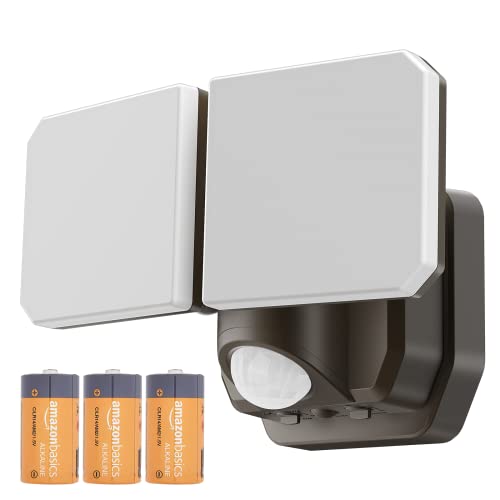
【Easy to Install & Wide Application】This is a battery-powered floodlight that is very easy to install.It does not need any wires or power supply, nor does it need to be placed in a designated place where the sun can shine, just use the matching screws to fix it on the wall or other surfaces, can be widely used in various indoor and outdoor scenes.

Upgraded Motion Sensor Under Cabinet Lights: Setting the under cabinet lights on motion sensor mode, they auto-on when human motion is detected within 120°and 10ft in a dark or low light environment, and auto-off after about 20 seconds of no motion detected. No longer have to worry about tripping on the step in the dark trying to turn on the switch

Upgraded Motion Sensor Under Cabinet Lights: Setting the under cabinet lights on motion sensor mode, they auto-on when human motion is detected within 120°and 10ft in a dark or low light environment, and auto-off after about 20 seconds of no motion detected. No longer have to worry about tripping on the step in the dark trying to turn on the switch
Door and Window Alarms
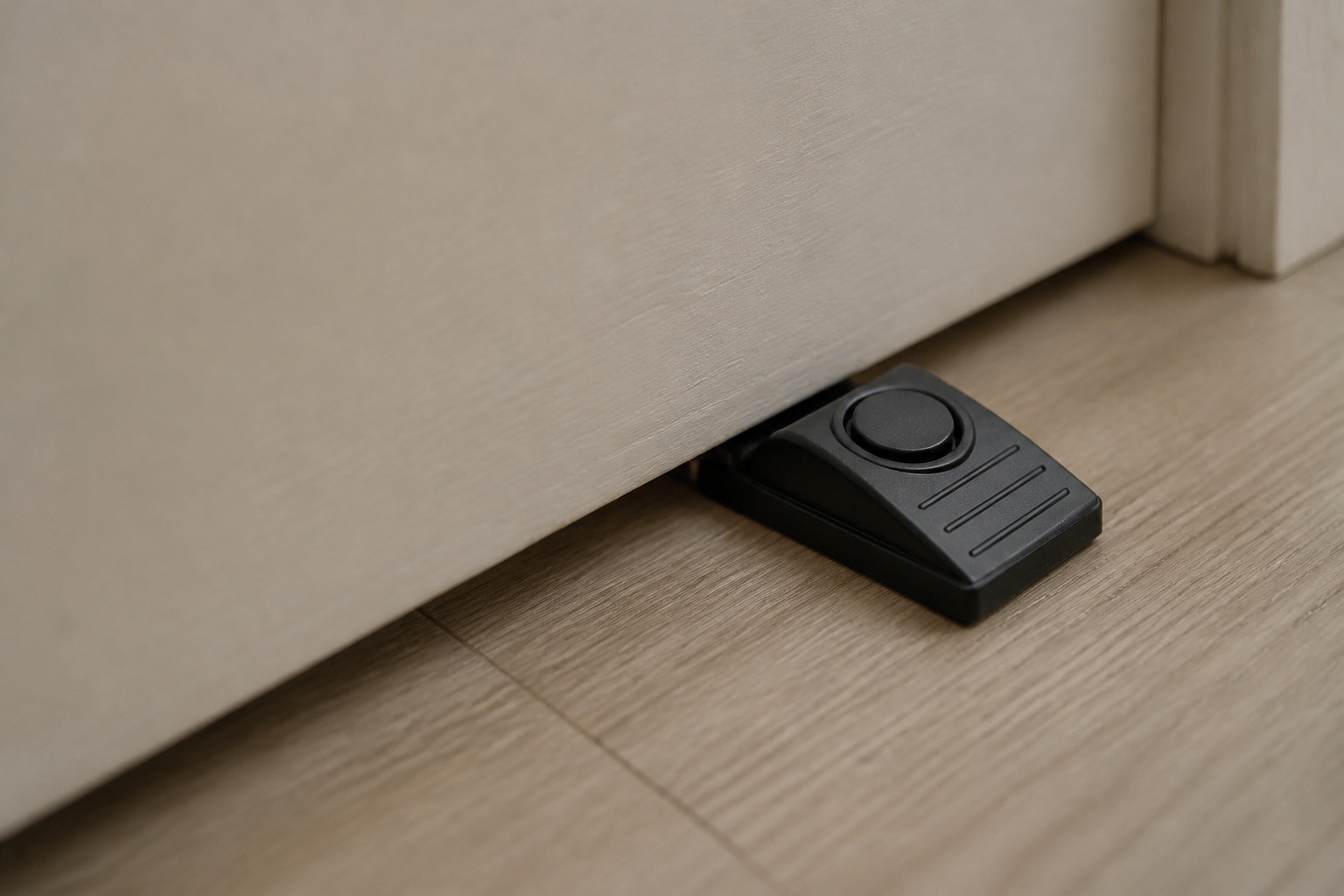
Standalone alarms sit between a physical barrier and a full system. A door-stop alarm sounds when the door is pushed against it, and stick-on door and window alarms trigger a loud siren when the contact is opened. They need no app, subscription, or Wi-Fi, which makes them a low-cost way to add noise, and noise is often what sends an intruder away.
Their limits are that they only alert people nearby and do not notify your phone, and that cheap models can false-trigger from vibration or a loose fit. Test them after you install them, and use fresh batteries. Pet owners should place them where animals will not brush them.
Recommended Products

Peace of Mind - Door window alarms guard you and your home's security. Alarms can also keep the safety of kids as well as the elderly who need care

Long Lasting Battery: POWEROWL CR2 lithium batteries with 1000mAh high capacity are manufactured to provide reliable performance for your devices.

Applicable to multiple scenarios -- Easily mounted by adhesive. Type to window or door. Ideal entry warning for homes,apartments,offices,hotel rooms,garages,and more!
When to Add Cameras and Sensors
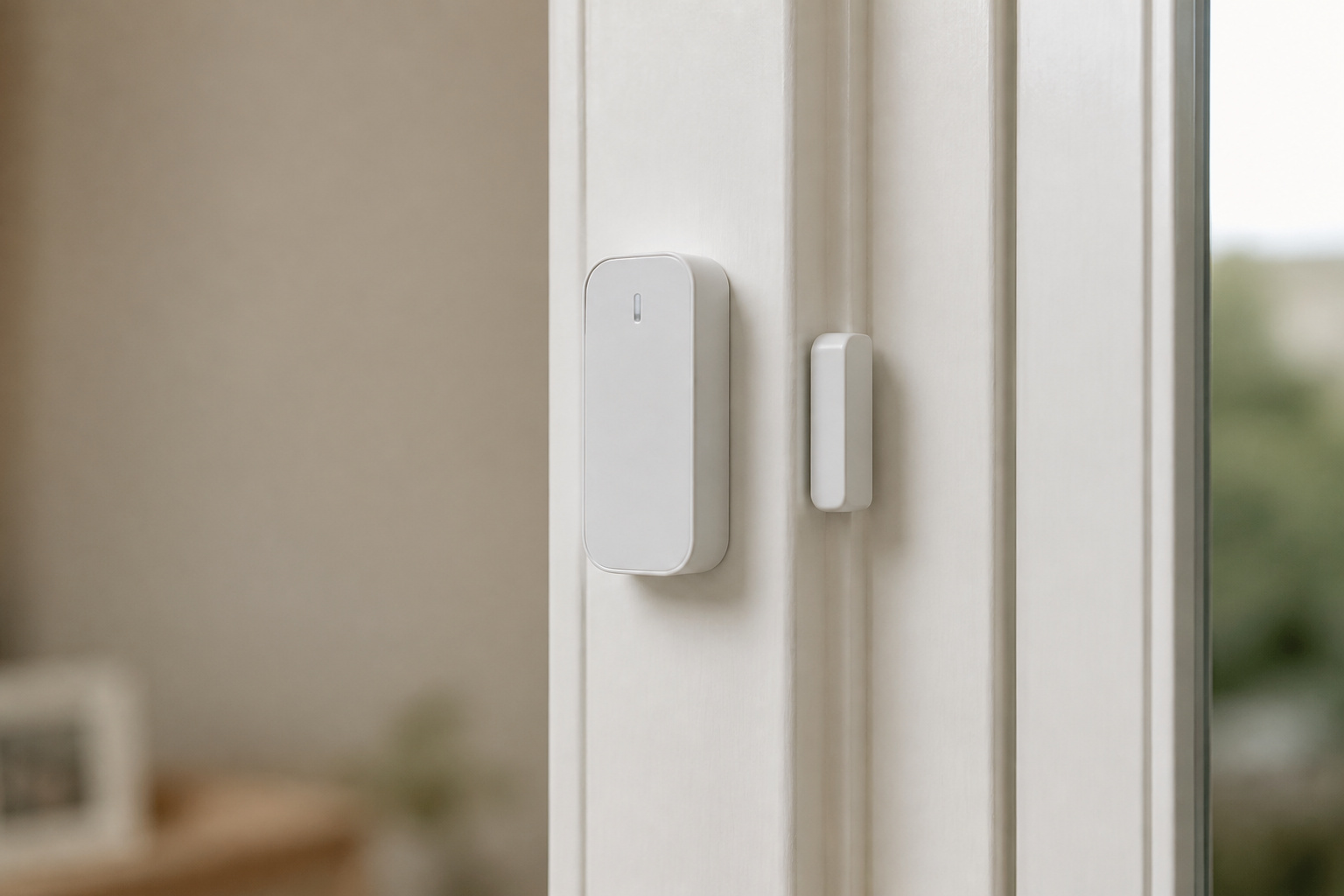
Physical hardening makes entry harder, and electronics tell you when something happens. If you travel often or want phone alerts, a wireless kit with adhesive entry sensors is the next layer, and battery cameras can fill in where you want to see activity. Our guides to outdoor security cameras and affordable home security systems explain what to look for and what ongoing costs to expect.
Whatever you add, secure the account with a unique password and two-factor authentication, and keep cameras pointed at your own space rather than a neighbor’s door or a shared hallway.
Building a Layered Setup You Can Take With You
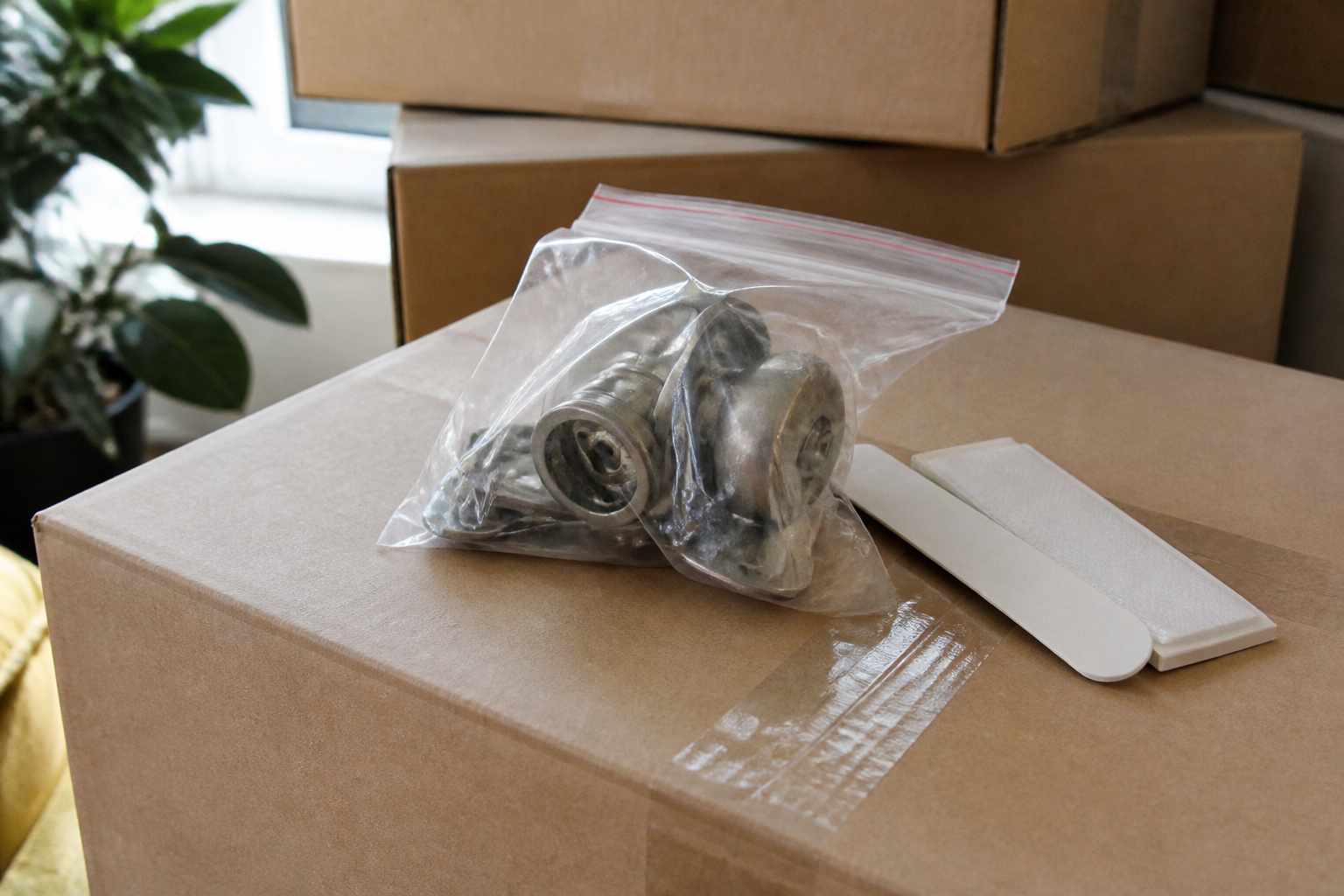
The goal is several modest layers rather than one expensive device. A practical order for most renters is to confirm the locks are rekeyed, add a night-time door lock or jammer, secure sliding doors and ground-floor windows, light the entry, and then add alarms or sensors. Each step is small, and most can be reversed.
Keep a simple move-out checklist: save the original hardware, record before-and-after photos of anything you changed, and pack adhesives and mounts separately so you can reuse them. Removable layers move with you, which is the main advantage over fixed hardware.
Frequently Asked Questions
Do I need my landlord’s permission to add security to a rental?
For items that sit on or against the door without changing it, usually not, but the lease decides. Anything that alters the frame, the glass, or the walls, such as a new strike plate or window film, is safer to clear in writing first.
Are portable door locks safe in a fire?
They can be if you choose one you can release quickly from the inside without a key. Avoid devices that need tools or both hands, and make sure everyone in the home knows how to remove it. Check local rules, since some places restrict anything that blocks an exit.
Does window film really stop break-ins?
It makes glass slower and noisier to get through because the pane holds together after it breaks. It does not make a window unbreakable, and thin peel-and-stick kits are weaker than film anchored to the frame.
What is the cheapest renter security upgrade?
Rekeying or changing the lock when you move in, plus a sliding door bar and a door-stop alarm, cost little and cover the most common weak points. Add lighting next.
What works best for renters with pets?
Physical barriers do not care about pets, which is a plus. For alarms and sensors, choose models rated for pet immunity or place them where animals cannot reach, and test them after setup.
Will adhesive products damage paint or doors when I move out?
Often not if you remove them slowly and follow the manufacturer’s directions, but results depend on the surface and the age of the paint. Test a hidden spot first, and photograph the area before and after.
Closing Thoughts
Good renter security is layered and reversible. Start with the lease and your fire exits, strengthen the doors and windows you already have, light your entry, and add alarms or cameras only where they solve a real problem. A few inexpensive changes made in the right order will do more than one gadget bought on impulse.