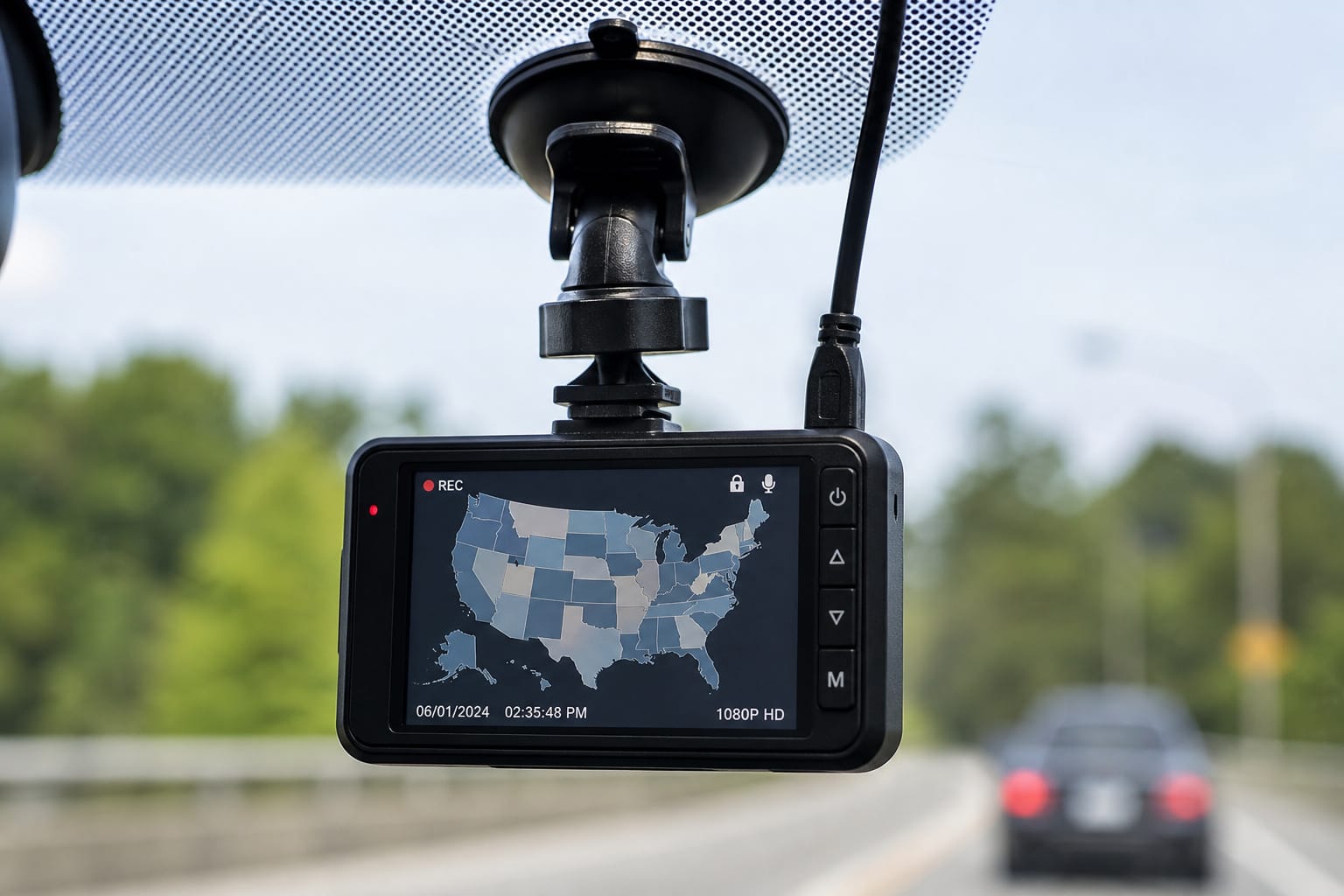
Ever wonder if it’s okay to record the road while you drive? You’re not alone. Many drivers install dash cams to protect themselves, capture accidents, or review their trips.
The good news? Yes, dash cams are legal in every U.S. state.
Audio Recording and Consent Laws
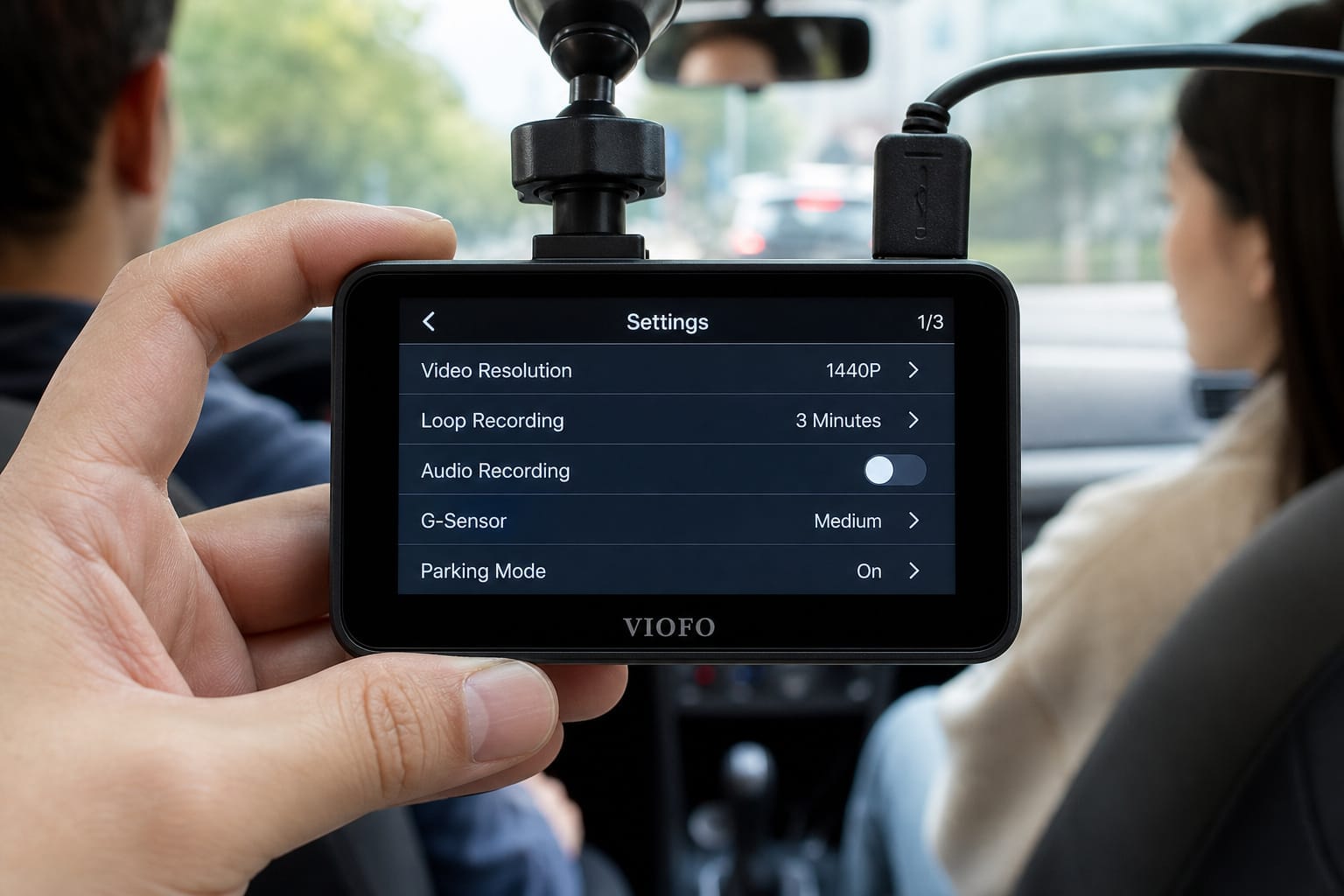
Here’s the catch: how and where you use them matters. Laws differ, especially audio recording. So, while pointing a camera at the road is almost always fine, recording audio without consent can land you in trouble.
Some states, like California and Florida, follow one-party consent rules. That means if you’re in the car, you can record audio because one person, the driver, has agreed. But in states like Illinois, Massachusetts, and Washington, all parties must consent. If your dash cam picks up a passenger’s voice without their knowledge, you might be breaking the law.
So, turn off audio recording in those states or inform your passengers. For most dash cams, this is a settings toggle.
Products Worth Considering

【Mic Mute Function Only】The inline slide MIC mute switch lets you quickly mute or unmute your microphone. Ideal as a headset mic mute switch or lavalier mic mute adapter. Note:Designed for mic control only; headset inline controls (such as volume or media buttons) are not supported.
![SJoyBring [QLED Screen Upgrade] 7" Double Din Car Stereo with Dash Cam, Wireless Apple CarPlay and Android Auto, Bluetooth, 240W 4.2-Channel Audio Output, MirrorLink, Backup Camera, AM/FM Car Radio](https://m.media-amazon.com/images/I/519bUIp5h+L._SL500_.jpg)
Wireless CarPlay & Android Auto: No more need a USB cable, as you get into your car, your phone will effortlessly sync with your car radio, automatically connecting to carplay/android auto to seamlessly integrate your smartphone with your ride. Now your car is an extension of your phone - with instant access to message, music, navigation and more
Mounting Rules and Windshield Obstruction
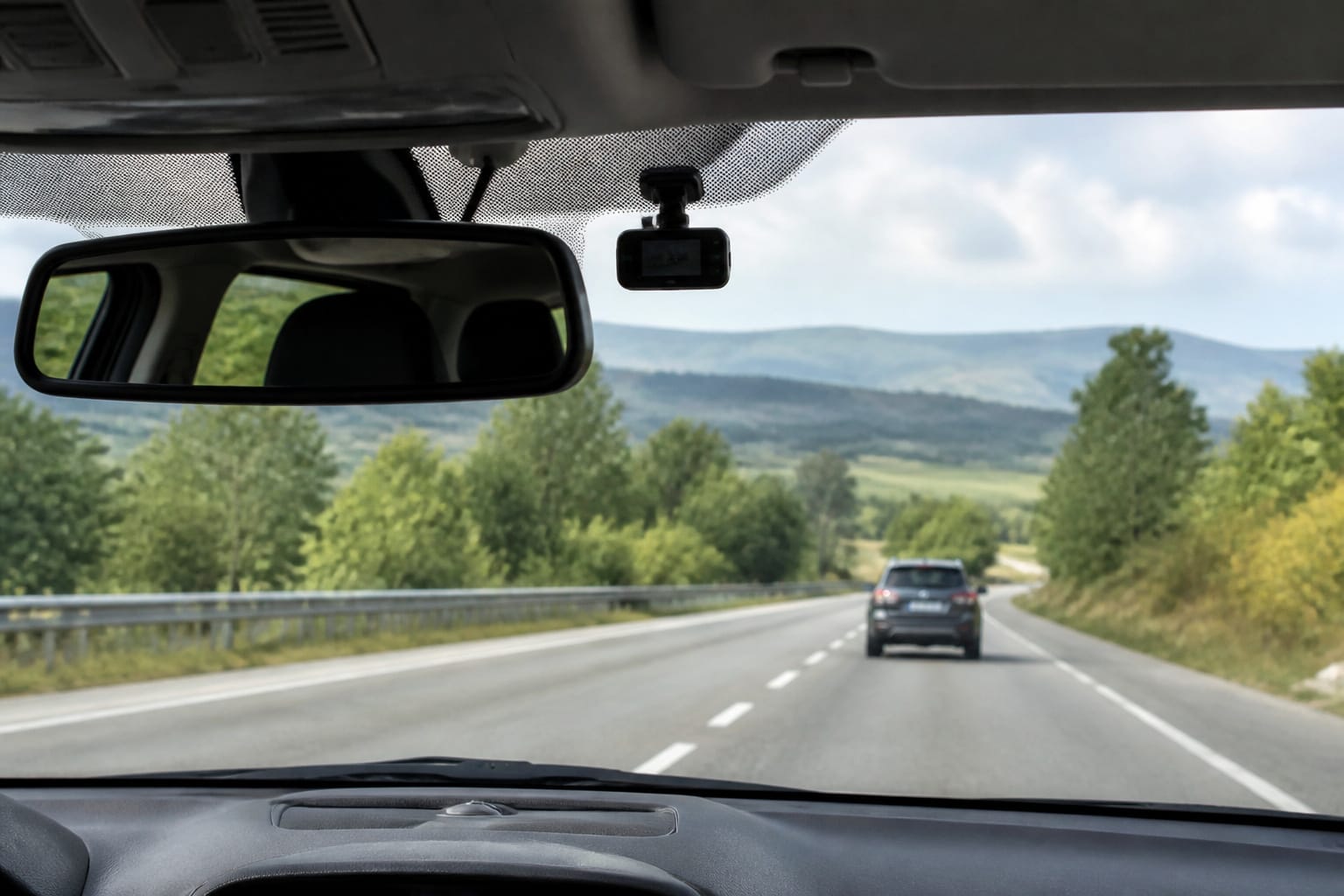
Mounting your dash cam is another thing to watch. Most states ban anything that blocks your view of the road. A big screen stuck in the middle of your windshield? That’s a no-go.
But a small camera tucked near the rearview mirror? That’s usually acceptable, and it’s the same spot we recommend for the clearest footage anyway.
Check your state’s rules, but when in doubt, keep it small and out of the way. You want protection, not a ticket.
Why Dash Cam Footage Helps After a Crash
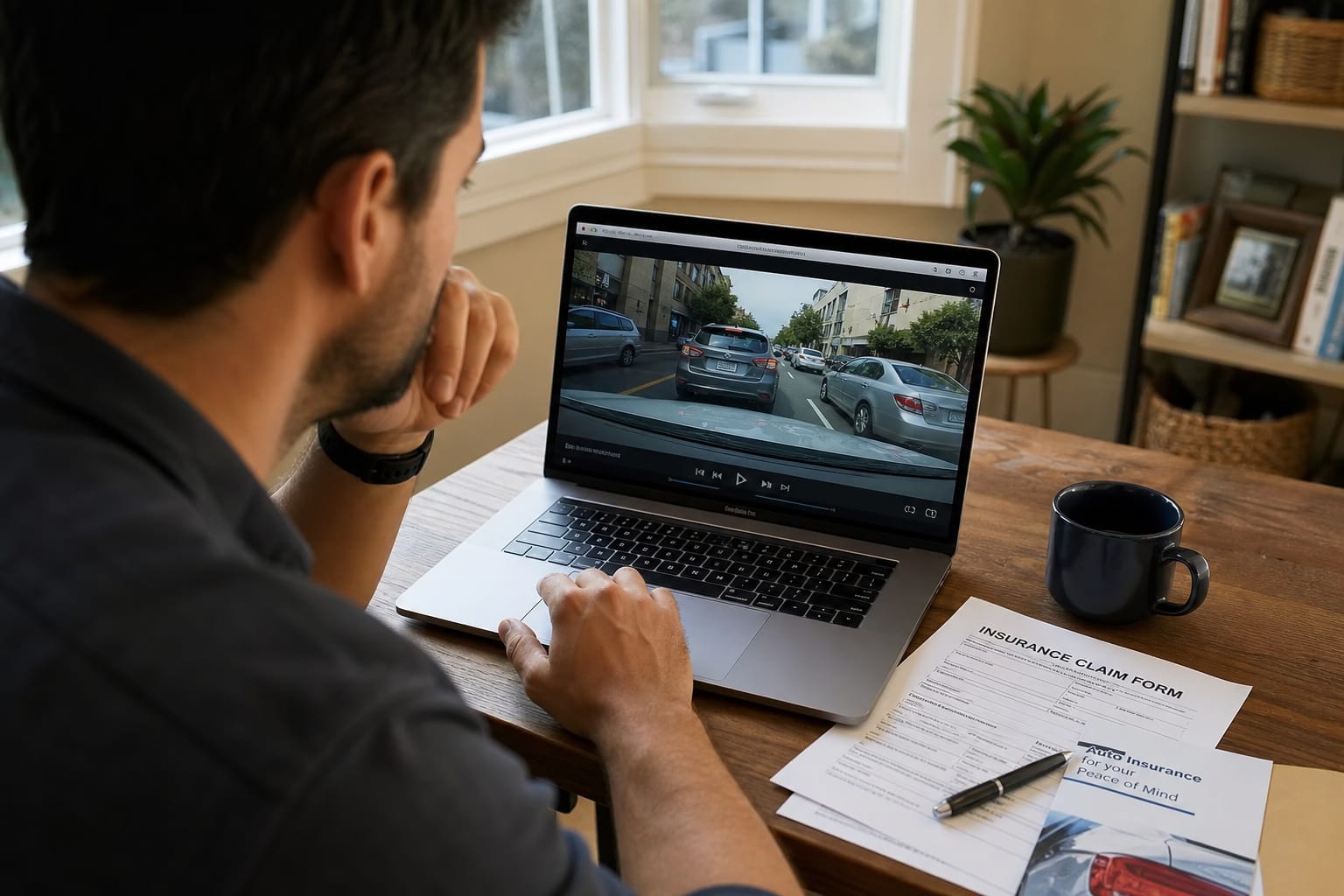
Dash cams help after crashes. They show who was at fault. They prove you stopped at a red light. They catch distracted drivers. Insurance companies love them: they settle claims faster.
Police use them too. A clear video can clear your name. But remember: never rely on the camera alone. Always stay alert. Your eyes are still the best safety tool.
Products Worth Considering

DUAL 4K + 2K ULTRA HD RECORDING: Crystal-clear footage of every angle. Front camera captures 4K resolution; rear camera records 2K. License plates, road signs, and critical details are sharp even at night. Engineered by a personal injury attorney who knows exactly what evidence holds up
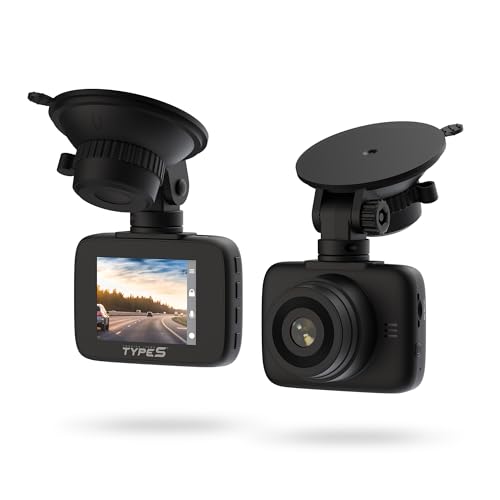
[Extra Security] The Type S HD dashcam is your vehicle's extra layer of protection; it captures everything during your drive in 1080P (True 720P) at 30 FPS. Record accidents with superb clarity and hold every party involved accountable. Capture all the interesting sights you see during your drive without having to rubberneck or take out our phone.

360° SURROUND VIEW RECORDING: The 2K 360° front camera captures the road ahead, both sides, and the cabin, helping you record more of what happens around your vehicle than a traditional front-facing dash cam.
Using Footage Responsibly
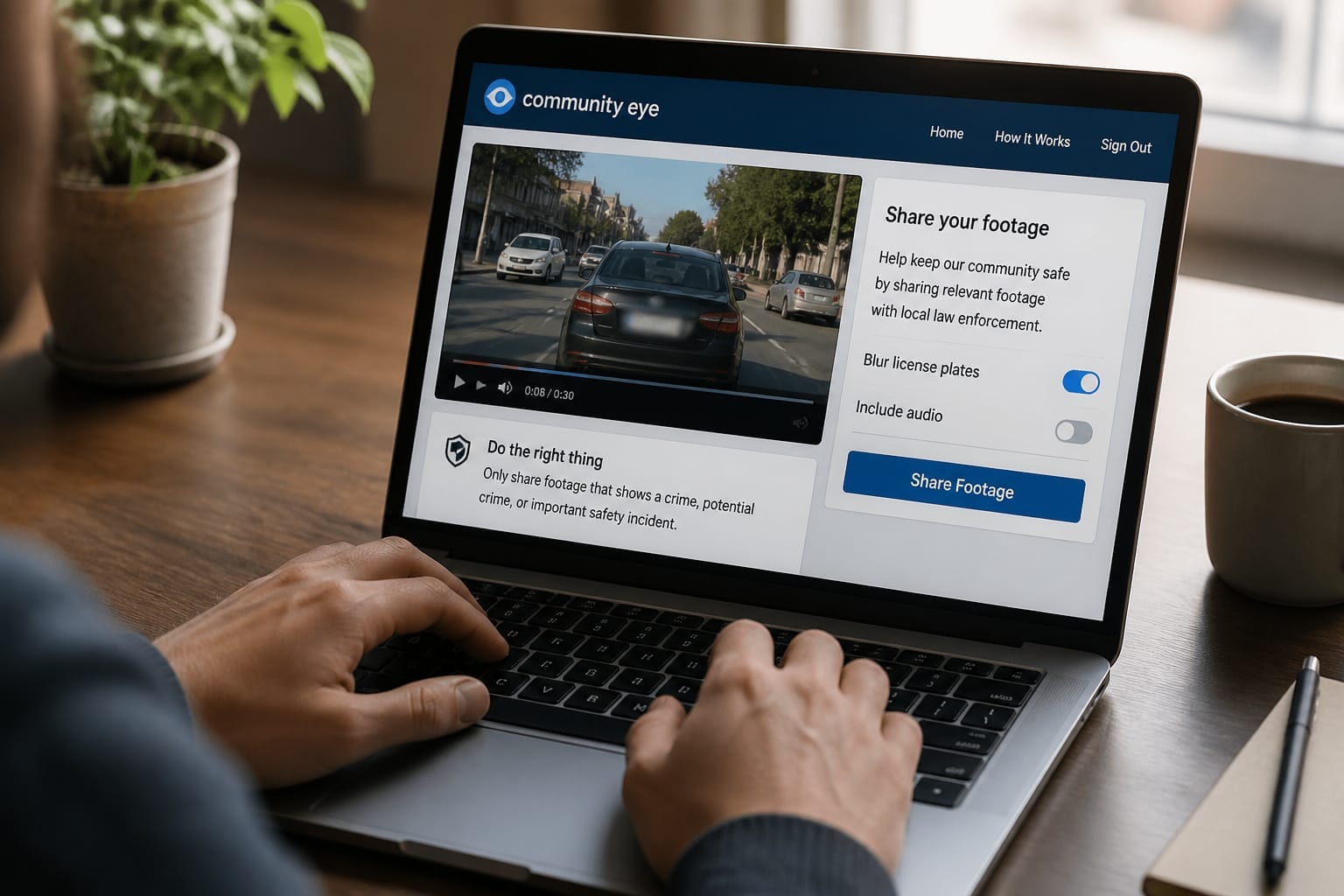
Privacy matters. Don’t point your dash cam into someone’s yard. Don’t record private property for no reason. Respect others. Use your device wisely.
If you share footage online, blur faces and license plates. Be responsible. Technology helps, but only when used right.
In short, yes, you can use a dash cam everywhere. Just follow the rules.
No audio in two-party consent states. Keep the mount small and legal. Use the footage fairly. Drive smart. Record wisely. If you’re also running parking mode while the car sits, here’s how that works within the same legal boundaries.
If you’re still deciding which features actually matter before you buy, our dash cam features guide is a good place to start.
Laws change, so check your state’s website once a year. Stay updated. Stay safe.
Products Worth Considering

Secure Attachment: Our mount ensures your dash cam stays securely in place without falling. If needed, you can use the included strong adhesive pads and static stickers to further enhance stability and security

Triplinger Mount Compatible With ROVE R2-4K, R2-4K PRO & R2-4K DUAL Car Dash Cams, Compatible With Stealth 4K, Stealth 4K PRO, 360 J501, 360 J501C Dash Cam Series, Compatible With Insignia NS-DCDCHH2.

360 Degree Rotating Mount: Car dashboard and windshield mount holder with full 360-degree rotation capability for car DVR, GPS, and camcorder applications
Frequently Asked Questions
Can I Use My Dash Cam While Parked?
Yes, you can use your dash cam while parked. Just plug it in, set it to parking mode, and go. It’ll watch your car like a hawk.
Most dash cams save clips when they sense motion or a bump. Make sure your battery won’t die. Park smart: facing shade helps. Your dash cam has got your back, even when you’re not in the driver’s seat.
Do Dash Cams Record Audio Automatically?
Yes, dash cams do record audio automatically, like a quiet listener in your car. Flip the switch, and it starts capturing sound with every drive.
But hold on. In some states, like California and Florida, you need consent. Check your state’s rules. If unsure, turn off audio.
Simple. Smart. Safe. Protect yourself, yes, but respect privacy too. Know the law, adjust settings, and drive with confidence.
Are There Privacy Concerns With Dash Cam Footage?
Yes, dash cam footage has privacy concerns. You record public roads, sure. Voices, license plates, and bystanders matter.
Avoid pointing it indoors. Don’t share clips carelessly. Blur faces or plates before posting. Laws vary, but respect matters everywhere. You protect yourself, yes. But stay mindful. Balance safety with privacy. That’s how you use it right.
Can Police Take My Dash Cam Footage?
Yes, police can take your dash cam footage, but only with your consent or a warrant. You don’t have to hand it over if asked. If they have a warrant, you must comply.
Keep your footage secure and know your rights. Police might request it during an accident or investigation. Stay calm, be polite, but stand firm. Know the law where you live. It changes from state to state.
Do Dash Cams Require Monthly Subscriptions?
No, dash cams don’t require monthly subscriptions. You buy the device, plug it in, and go. Most drivers use standalone models with no fees. Store footage on a memory card, swap it out when full.
Some advanced cams offer cloud backup, yes, but that’s optional. You control the cost. No contracts. No surprises. Just clear, reliable recording, every drive, every mile, all on your terms.