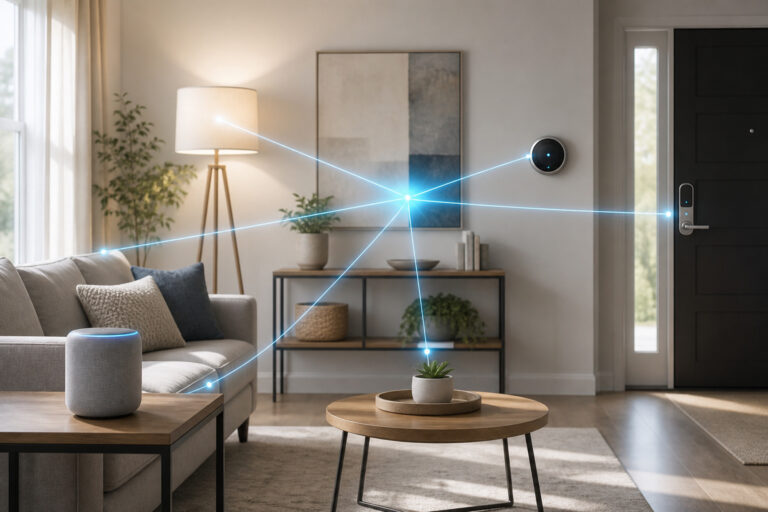
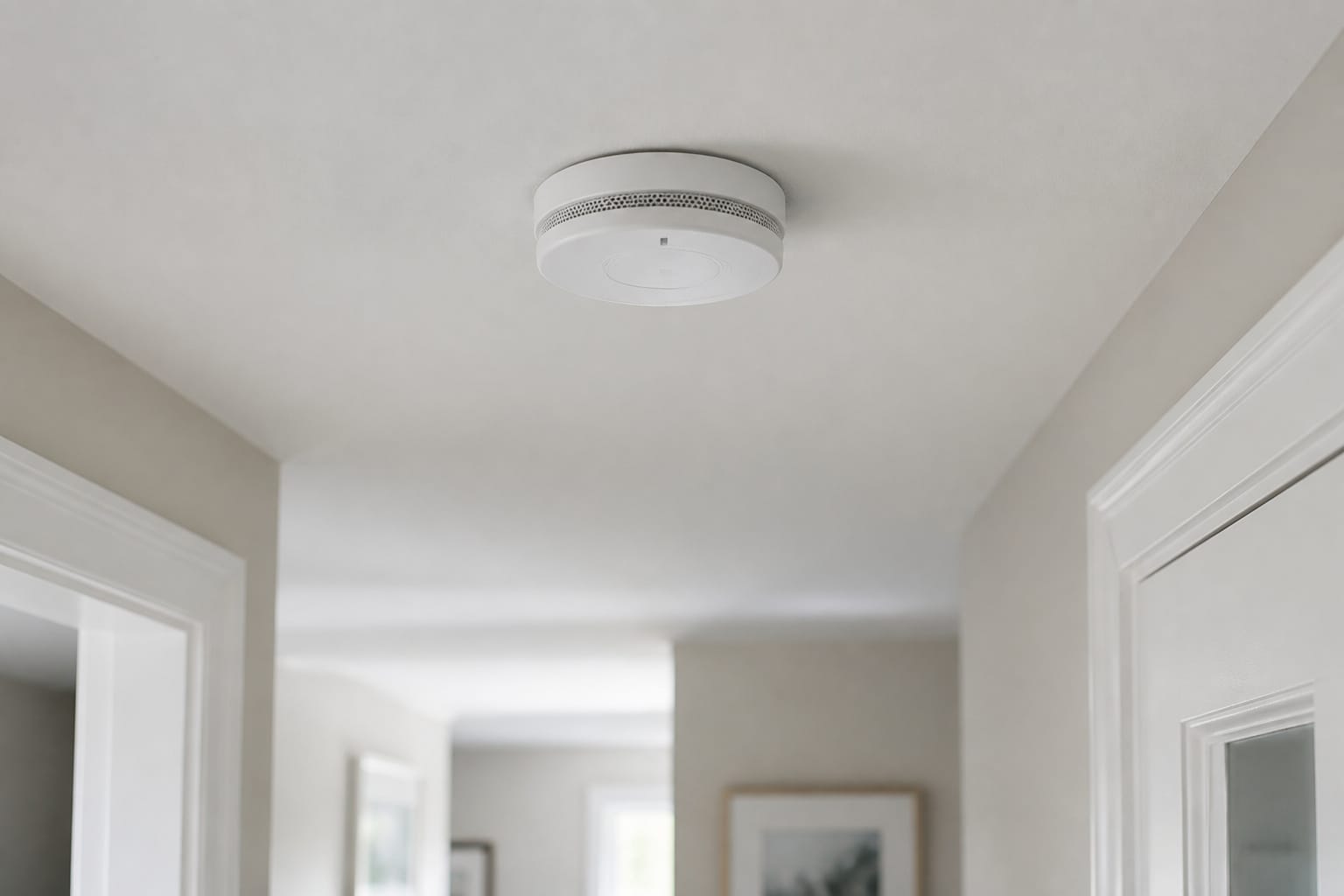
A smart smoke detector still has one job: notice a fire before it kills you. Everything “smart” adds sits on top of that job, it doesn’t replace it, and the sensor technology underneath the app is what actually determines whether the alarm goes off in time. That part gets far less attention in most buying guides than the phone notifications do.
Here’s what the smart features genuinely add, what the sensor and certification numbers actually mean, and what happened to the device most people still picture when they hear “smart smoke detector.”
What “Smart” Actually Adds (and What It Doesn’t Replace)
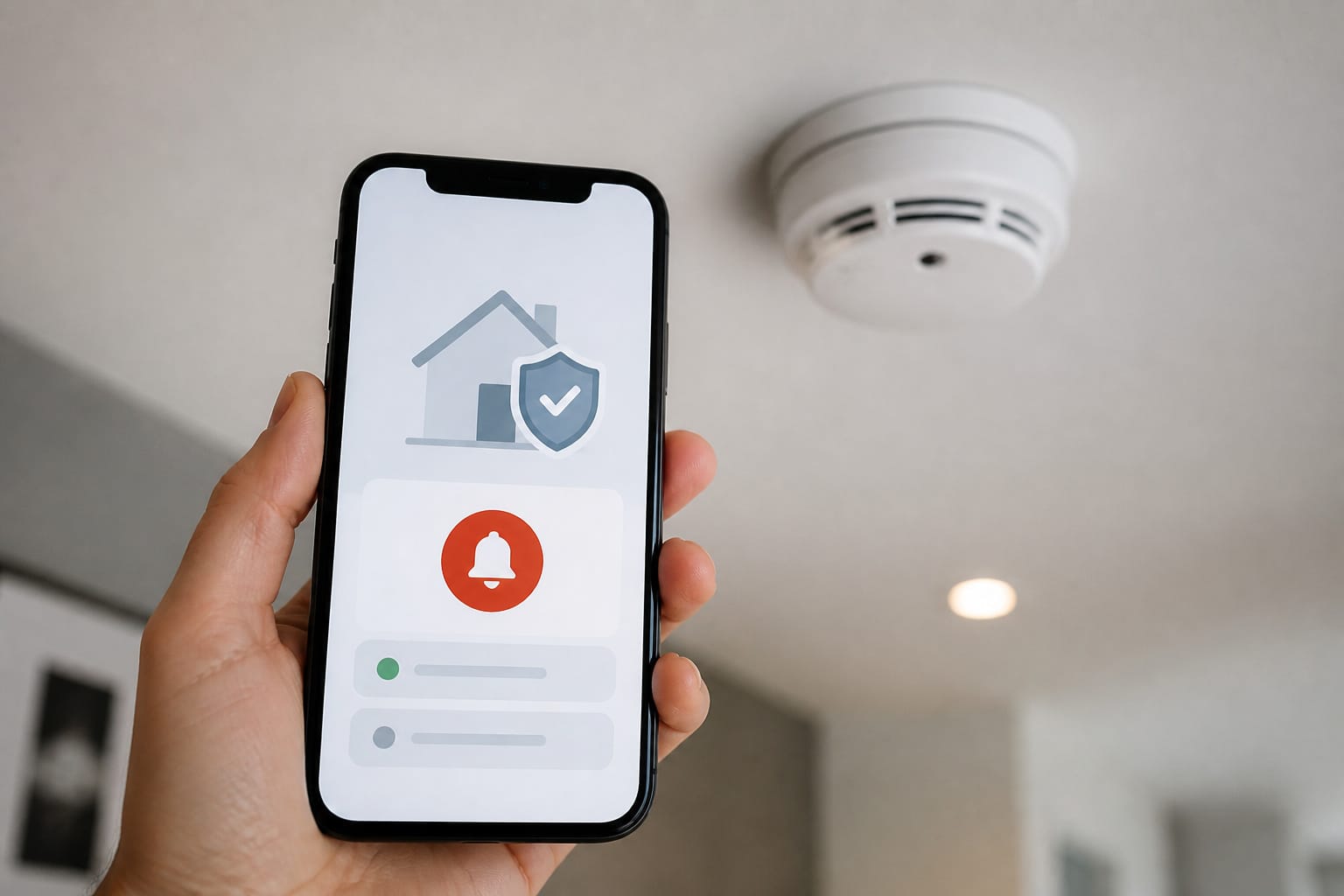
A basic hardware-store smoke detector does one thing well: makes an extremely loud noise near the fire. A smart model adds phone notifications when you’re not home, voice alerts that announce which room and what kind of hazard (smoke versus carbon monoxide) instead of a generic siren, self-testing that reduces false low-battery chirps, and interconnection with other alarms in the house over Wi-Fi instead of dedicated wiring. Some models add a “heads-up” early warning, a gentler alert for something like a smoking pan, before it escalates to a full alarm.
None of that changes the core detection technology, and it’s worth being clear-eyed about what a phone notification can and can’t do. An alert on your phone while you’re at the grocery store is genuinely useful for catching a problem early or alerting first responders sooner. It is not a substitute for a loud, working alarm in the house itself when you’re actually home and asleep, which is when smoke detectors save the most lives. The smart features are a real upgrade on top of solid detection, not a replacement for it.
Products Worth Considering

10-Year Protection, Zero Maintenance: A built-in sealed lithium battery powers the alarm for a full decade—no battery replacements, no late-night low-battery chirps, and no ladder climbing

10-Year Protection, Zero Maintenance: A built-in sealed lithium battery powers the alarm for a full decade—no battery replacements, no late-night low-battery chirps, and no ladder climbing

All Alarms Sound Together: If one alarm detects smoke or CO, all interconnected alarms go off at the same time; everyone in your home knows right away and has more time to get out safely
Ionization vs. Photoelectric: Why the Sensor Type Matters More Than the App
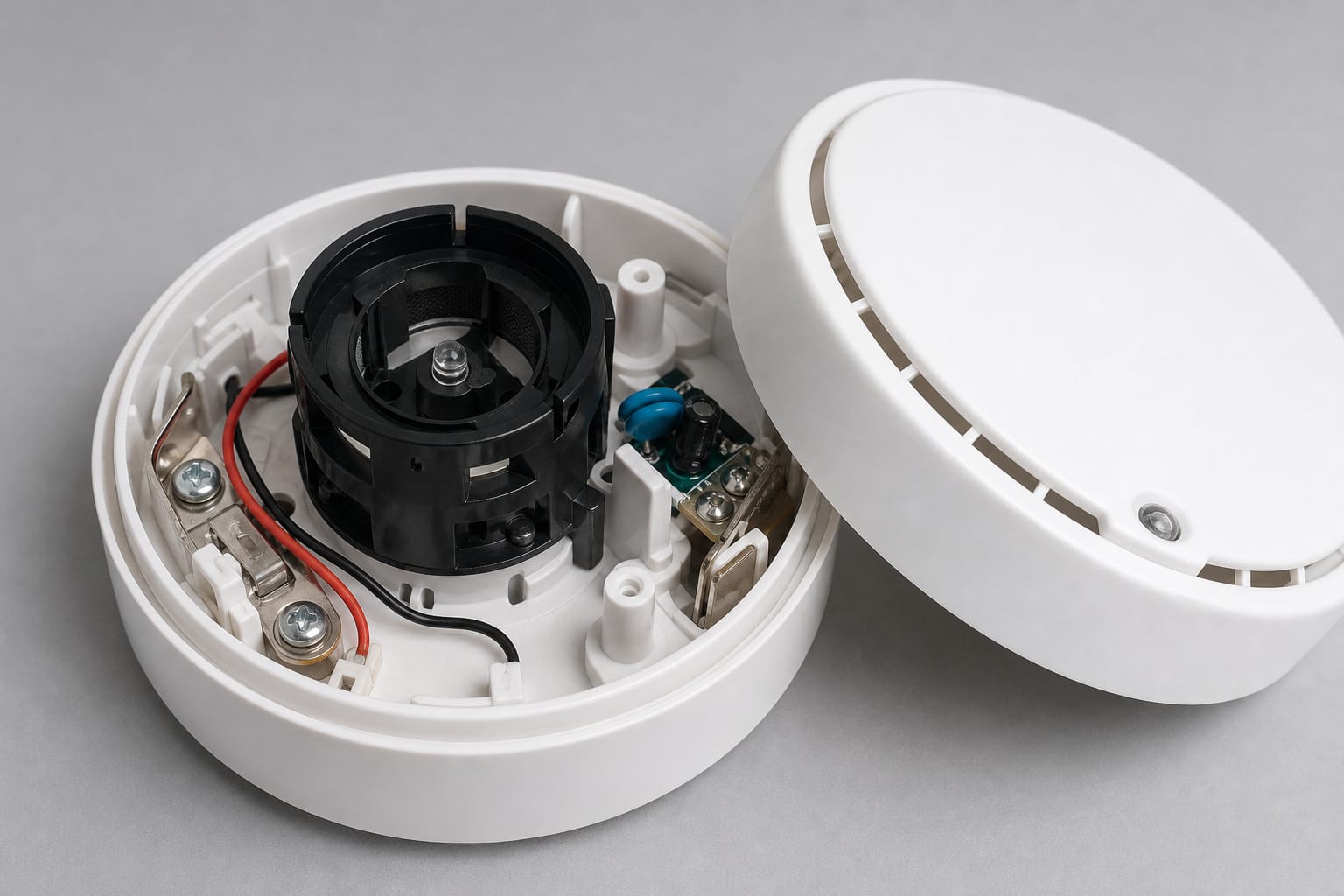
This detail actually determines how fast an alarm responds to a real fire, and it has nothing to do with whether the device is smart. Ionization sensors respond faster to flaming fires with small, fast-moving smoke particles.
Photoelectric sensors respond faster to smoldering fires, the slow, smoky kind that can burn for hours before flaming up, which is also the type most likely to happen overnight while people are asleep. Each technology is measurably slower at detecting the other type of fire.
This is why most current safety guidance recommends dual-sensor or combination alarms that include both technologies, rather than either one alone. It’s also behind a major update to UL 217, the governing U.S. safety standard for smoke alarms: the current version added specific test scenarios for smoldering polyurethane foam fires (the kind modern furniture produces) and fast-burning synthetic-material fires, while also tightening tolerance for nuisance alarms from ordinary cooking.
A smart alarm’s app and voice features are irrelevant if the sensor underneath it hasn’t kept pace with that standard; checking that a device meets the current UL 217 requirement (not just any UL listing) matters more than any smart feature on the box.
Products Worth Considering

First Alert's Precision Detection advanced sensing technology complies with new industry standards to reduce cooking nuisance alarms and provides early warning in the event of a home fire emergency

First Alert's Precision Detection advanced sensing technology complies with new industry standards to reduce cooking nuisance alarms and provides early warning in the event of a home fire emergency.

Hush Feature Temporarily Silences Nuisance Alarms
CO Detection: The Numbers Behind When an Alarm Actually Sounds
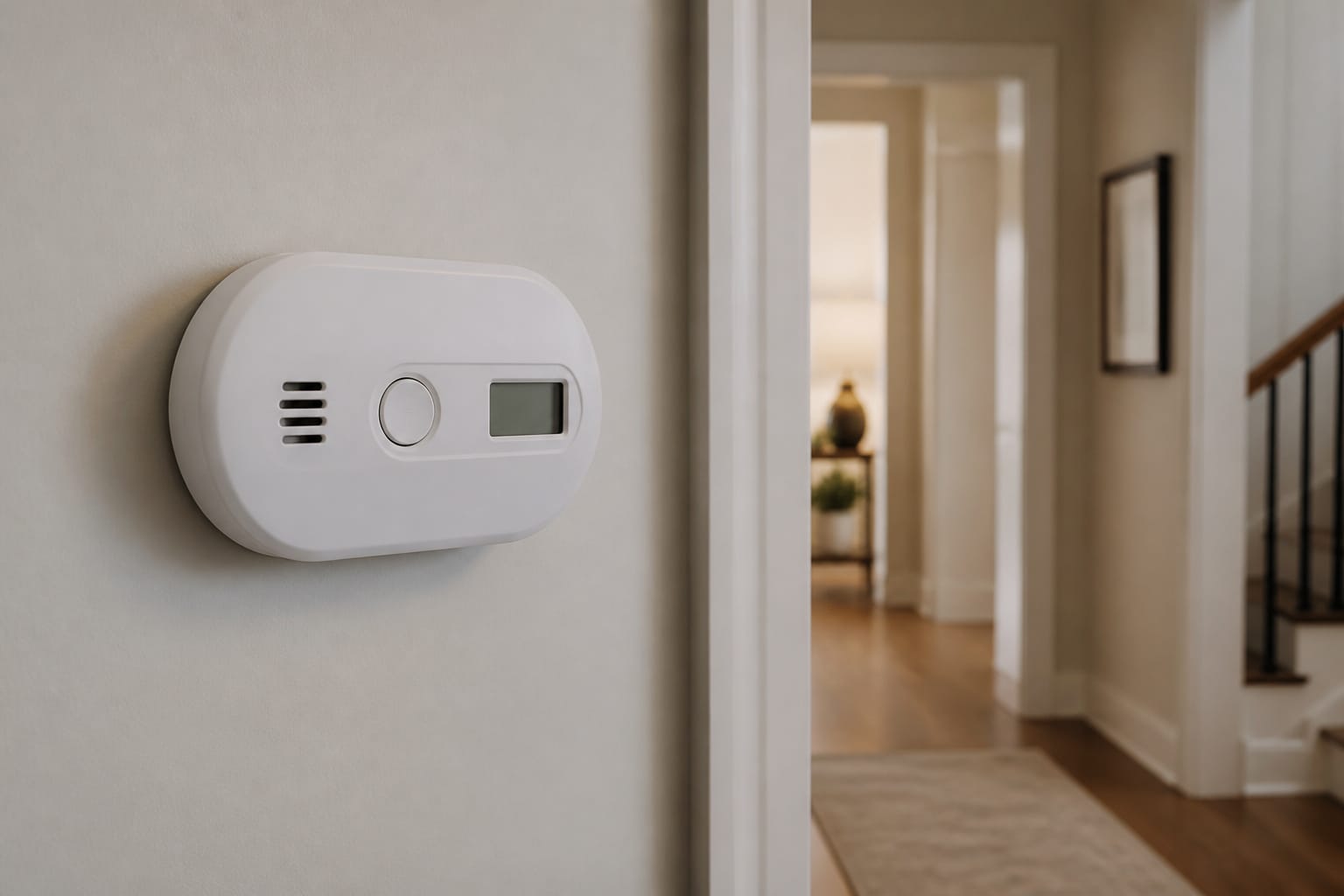
Carbon monoxide alarms work on a cumulative-exposure model, not a simple threshold, which explains why an alarm doesn’t necessarily go off the instant CO is detected. Under UL 2034, the governing standard, a certified CO alarm must sound within roughly 4 to 15 minutes at 400 ppm (a genuinely dangerous concentration), within 10 to 50 minutes at 150 ppm, and within 60 to 240 minutes at 70 ppm.
The standard also deliberately requires alarms to ignore very low background concentrations (down to around 15 ppm) for up to 30 days, specifically to avoid false alarms from things like occasional vehicle exhaust drifting in from an attached garage.
The practical takeaway: a CO alarm sounding is always worth taking seriously, but the response time genuinely does vary with concentration by design, faster for a dangerous spike, slower for a low-level chronic issue that’s still worth investigating.
A combination smoke and CO alarm covers both hazards in one device and one set of batteries, which is generally simpler and more cost-effective than two separate units unless your specific layout calls for CO coverage somewhere a smoke alarm isn’t needed, like directly beside a fuel-burning water heater.
Interconnection: Why One Alarm Going Off Should Mean All of Them Do

Building codes in most U.S. jurisdictions require interconnected alarms in new construction, meaning every smoke alarm in the house sounds the moment any one of them detects smoke, rather than only the alarm nearest the fire going off.
That matters enormously for a fire that starts in the basement or kitchen while people are asleep upstairs; a single, isolated alarm two floors away is easy to sleep through.
Older homes are not often retrofitted with hardwired interconnection, which is where smart alarms solve a real problem cheaply: Wi-Fi-connected models interconnect wirelessly, so every alarm in the house sounds together without running new wiring through walls and ceilings.
This is one of the more compelling reasons to upgrade an older home’s smoke detection specifically, separate from any voice-alert or app convenience.
Products Worth Considering

【6-Pack + 1-Gateway Kit & UL 217 10th Certified】Upgrade your safety with the first-of-its-kind kit featuring 6 wireless interconnected smart smoke detectors and 1 smart hub. Certified to UL 217 10th Edition, CSFM, and FCC, this wireless smoke detector system meets strict housing codes, this fire alarm package gives landlords, homeowners, and contractors complete peace of mind.

Interconnected Alerts: When one alarm detects smoke or CO, all connected alarms sound, ensuring everyone is alerted quickly—even across multiple floors

Please Note: SC06-W supports wireless interconnection but does not have Wi-Fi
Expiration, Batteries, and the Nest Protect Situation
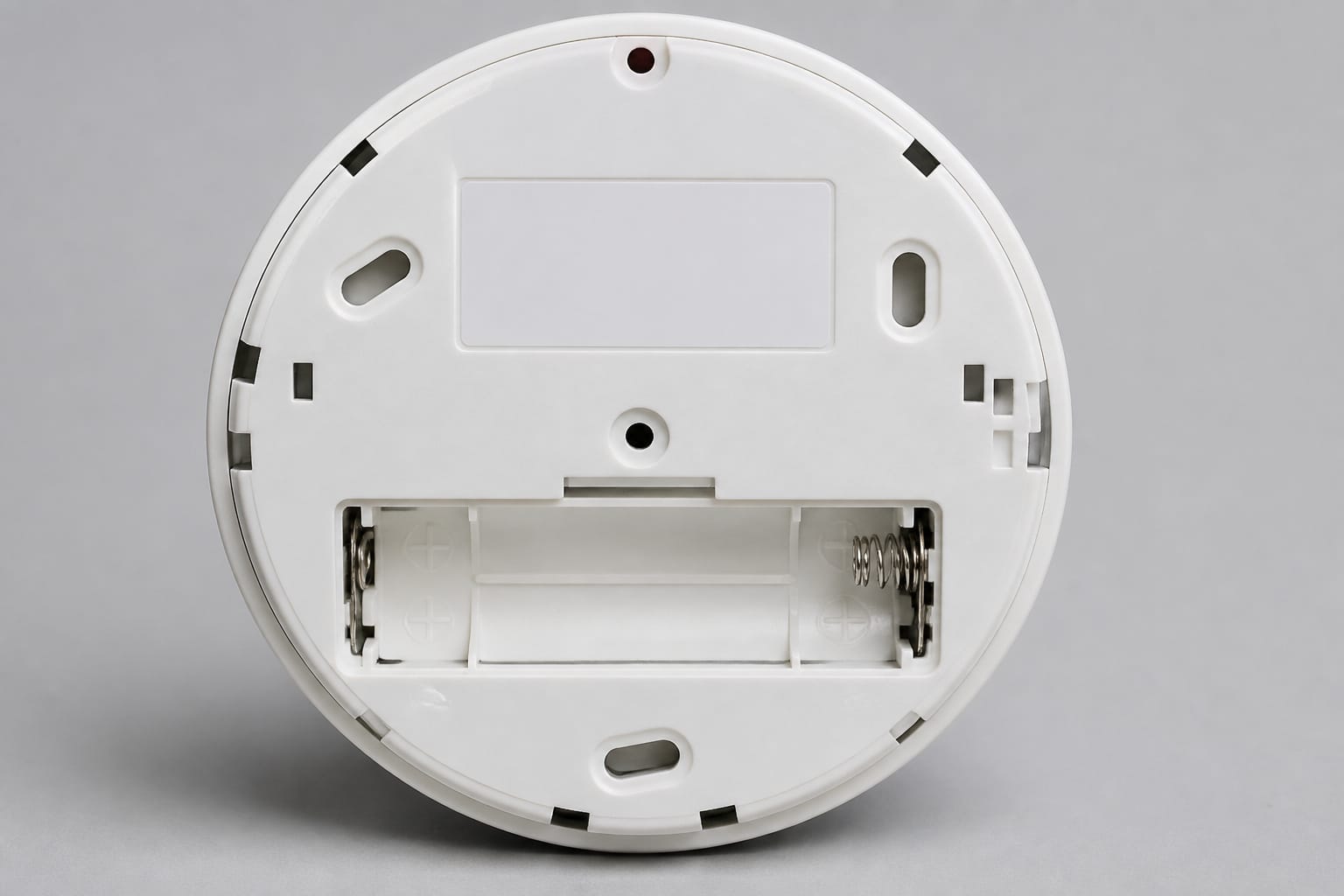
Smoke detectors have a hard expiration date, not just a battery replacement date. Sensors degrade over time regardless of how well they’re maintained, and the standard guidance is to replace the entire unit, not just the battery, every 10 years from the manufacture date printed on the device. CO sensors in particular can have a shorter effective lifespan, sometimes 5 to 7 years depending on the sensor type, so it’s worth checking the specific expiration guidance for a combination unit rather than assuming the 10-year smoke-alarm number covers both sensors equally.
If you’re shopping this category, Google discontinued the Nest Protect in March 2024, the device most people still picture when they hear “smart smoke detector.” Existing units keep working and receive support through their expiration date. Google is no longer manufacturing new ones and has officially partnered with First Alert on a Google Home-compatible replacement designed to mount on the same base plate for an easy swap.
If you’re specifically in the Apple HomeKit ecosystem, several other manufacturers offer HomeKit-compatible smart alarms at a range of price points; our comparison of Alexa, Google Home, and Apple HomeKit is worth checking before buying into any single ecosystem, especially in this category, since not every smart smoke detector supports all three.
Products Worth Considering

SMOKE DETECTION: Model 20SD10 detects smoke over 25% faster*; sounds a loud 85-decibel alarm with red LED light for clear visual warnings; suitable for homes

First Alert's Precision Detection advanced sensing technology complies with new industry standards to reduce cooking nuisance alarms and provides early warning in the event of a home fire emergency.
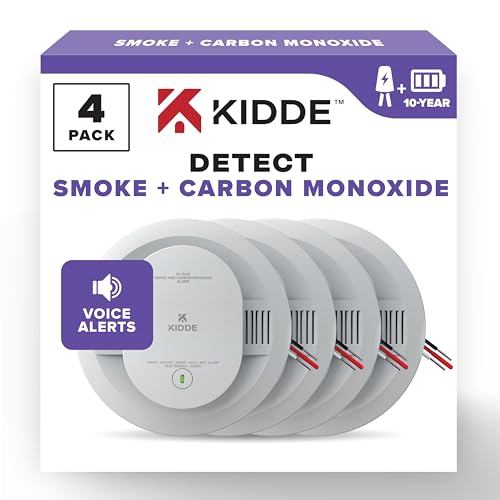
2-IN-1 DETECTION: Alerts you to both smoke & carbon monoxide (CO) using a single, cost-effective device.
So, Is a Smart Smoke Detector Worth It?

For most households, yes, particularly in an older home without hardwired interconnection, where the wireless interconnection alone justifies the upgrade. But the sensor technology and current UL certification matter more than any smart feature on the box. A smart alarm built on outdated sensor tech is a worse purchase than a basic, current-standard dual-sensor alarm without an app.
Prioritize dual-sensor or combination smoke and CO detection that meets the current UL 217 and UL 2034 standards first, confirm ecosystem compatibility second, and treat phone notifications and voice alerts as a genuine bonus on top of solid detection rather than the main reason to buy.
For the bigger financial picture on building out a smart home more broadly, see our breakdown of what it actually costs.
Products Worth Considering

Please Note: The SC07 is a basic standalone unit. It does not support wireless interconnection, Wi-Fi, or base station connection; for wireless interconnection, search for SC07-W

2-in-1 Protection: The smoke and carbon monoxide detector is equipped with both photoelectric smoke sensor and electrochemical CO sensor that both detect smoke and dangerous CO levels

2-in-1 Protection: The smoke and carbon monoxide detector is equipped with both photoelectric smoke sensor and electrochemical CO sensor that both detect smoke and dangerous CO levels
Frequently Asked Questions
Is a smart smoke detector actually safer than a basic one?
Only if the sensor technology and certification are current; the “smart” part alone doesn’t make a device safer. A smart alarm’s real safety advantage comes from wireless interconnection (every alarm sounding together) and phone notifications when you’re away, not from the app itself. A basic dual-sensor alarm meeting current UL 217 standards can detect a fire just as reliably as a smart one with the same sensor technology.
Should I get separate smoke and CO detectors, or a combination unit?
A combination unit is the simpler, more cost-effective choice for most rooms: one device and one set of batteries covering both hazards. Separate units make sense in specific spots, like placing a dedicated CO alarm near a fuel-burning appliance where a smoke alarm isn’t needed.
What happened to the Nest Protect?
Google discontinued it in March 2024. Existing units continue working and receiving support through their 10-year expiration date. Google has officially partnered with First Alert on a Google Home-compatible replacement that’s built to mount on the same base plate for an easy swap.
How often do smoke and CO detectors actually need replacing?
Smoke alarms should be fully replaced, not just have their battery swapped, every 10 years from the manufacturer’s date printed on the unit, since the sensor itself degrades over time. CO sensors can have a shorter lifespan, sometimes 5 to 7 years, so check the specific expiration guidance on a combination unit rather than assuming the 10-year number covers both sensors.
Why does my smoke detector go off when I’m cooking?
Older ionization-only detectors are more prone to nuisance alarms from cooking smoke and steam. The current UL 217 standard specifically added test requirements around this, including a scenario modeled on cooking, to reduce false alarms while still catching real fires quickly. A current-standard dual-sensor or photoelectric alarm, positioned appropriately away from the kitchen, meaningfully reduces this problem.