Almost every security company says its system deters burglars. The more useful question is what burglars themselves say, and how much that should change what you buy. One widely cited study interviewed hundreds of convicted burglars about how they pick targets, and the answers are more specific than the usual marketing line.
Here is what that research found, what it cannot tell you, and how to turn it into a practical setup for your home.
What Convicted Burglars Told Researchers

In 2013, researchers led by Joseph Kuhns at the University of North Carolina at Charlotte, working with colleagues at Eastern Kentucky University and Western Illinois University, surveyed 422 convicted burglars in North Carolina, Kentucky, and Ohio. The study, titled “Understanding Decisions to Burglarize from the Offender’s Perspective,” was funded by the Alarm Industry Research and Education Foundation.
The findings that matter most for homeowners:
- About 60 percent said that an alarm on site would lead them to look for another target.
- Roughly 83 percent said they would try to find out whether an alarm was present before attempting a burglary.
- Nearly 60 percent said they would consider cameras or other surveillance equipment when choosing a target, and more than 40 percent said it would push them toward a different target.
- About half said they would abandon a burglary in progress if they discovered an alarm.
Offenders also named things that have nothing to do with electronics: nearby people, a lack of escape routes, and signs of dogs inside the home. The pattern is that burglars look for easy targets, and visible signs of security make a home look less easy.
What the Research Cannot Tell You

These numbers are useful, but they come with limits worth knowing before you spend money.
The study was funded by an alarm industry foundation, although the research itself was carried out by university teams. The people surveyed were incarcerated, which means they are the burglars who got caught, and they may not represent those who did not. The answers are also what offenders said they would do, not a measurement of what they did at actual homes.
Finally, the study is more than a decade old. Cameras and doorbells have become far more common since then, so a camera may now stand out less than it did in 2013. Treat the findings as a reason to take deterrence seriously, not as a guarantee that any single device will keep a burglar away.
How Burglars Actually Get In
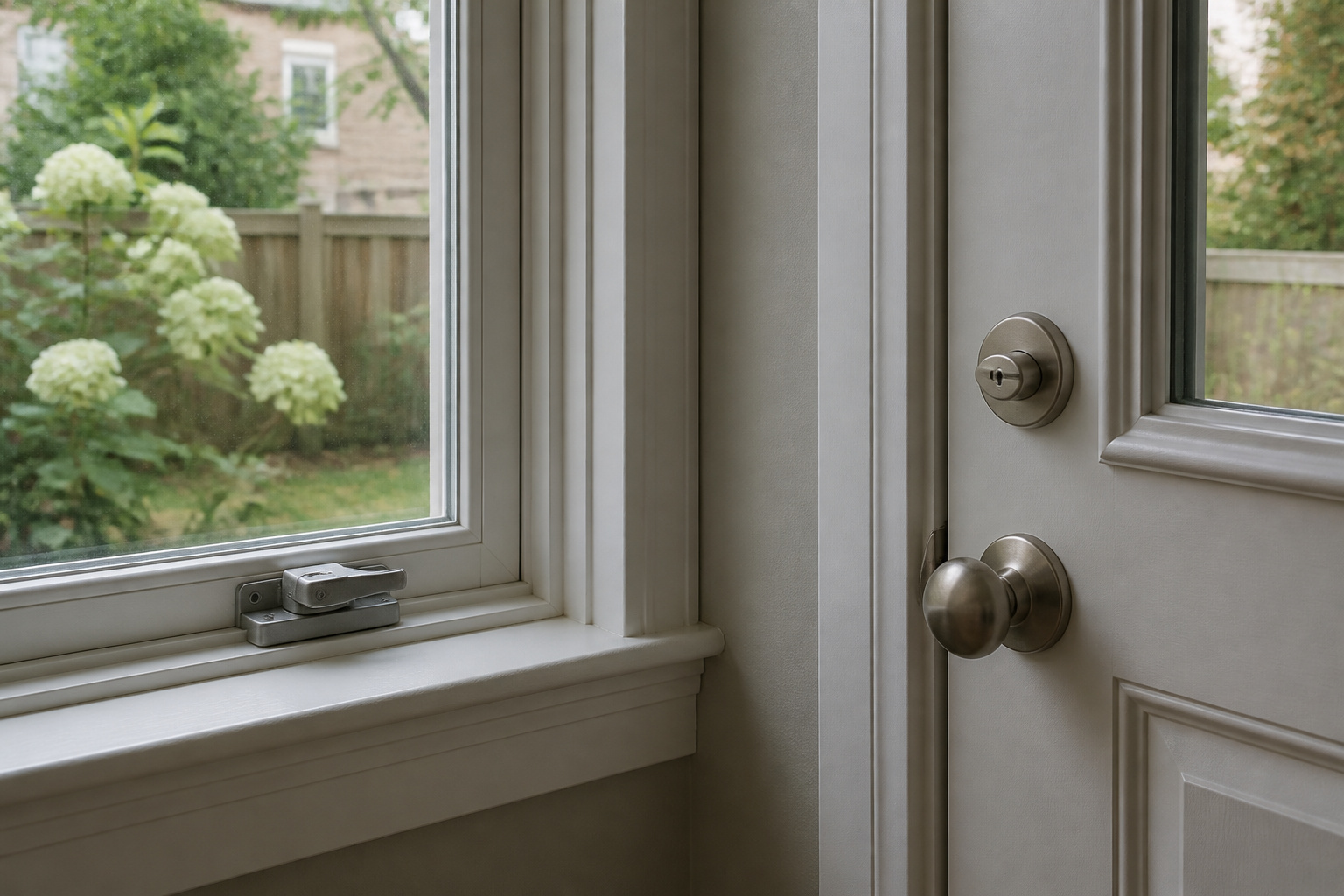
In the same research, most offenders said they got in through open windows or doors, or by forcing them. About one in eight said they picked locks or used a key they had obtained earlier. Many acted on impulse: roughly 41 percent described their burglaries as usually spur of the moment, while about 12 percent said they usually planned them.
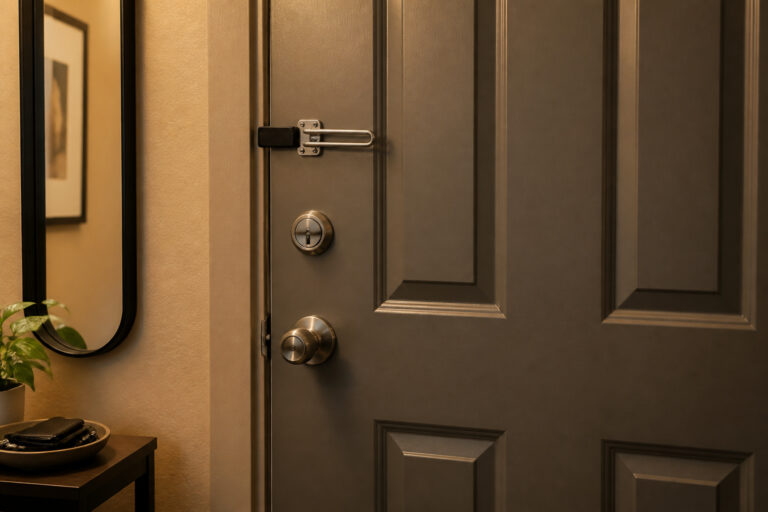
That points to the cheapest improvements. Keep doors and windows locked, including on the second floor and in the garage, and do not leave a spare key in an obvious hiding place. A sensor on every entry point matters more than an extra camera on the same wall. If you are considering a lock upgrade, our guide to smart locks and whether they are safer than traditional locks covers the trade-offs.
Recommended Products

6 Ways to Unlock: Unlock with a touch for less than 1s with fingerprint lock. You can also open your front door lock via the eufy Security app, using the keypad or physical key, from Apple Watch, or use your voice with Alexa/Google Voice Assistant.
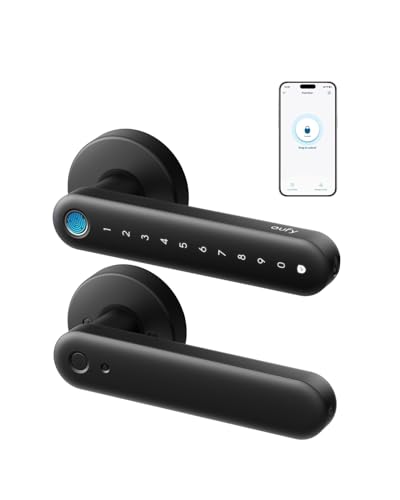
0.3-Second Fingerprint Unlocking: Features a large-area fingerprint array to unlock in just 0.3 seconds. The self-learning AI algorithm becomes smarter over time, optimizing for multiple users' fingerprints. With 360-degree recognition, entry is effortless for everyone, including children and seniors.

8 Months Battery Life: With 8 AA batteries, Smart Lock C220 runs around 8 months. Experience ultimate convenience and peace of mind with our long-lasting power solution. *May vary depending on the frequency of the lock being used.
Alarms, Cameras, and Signs: Which Part Does the Deterring
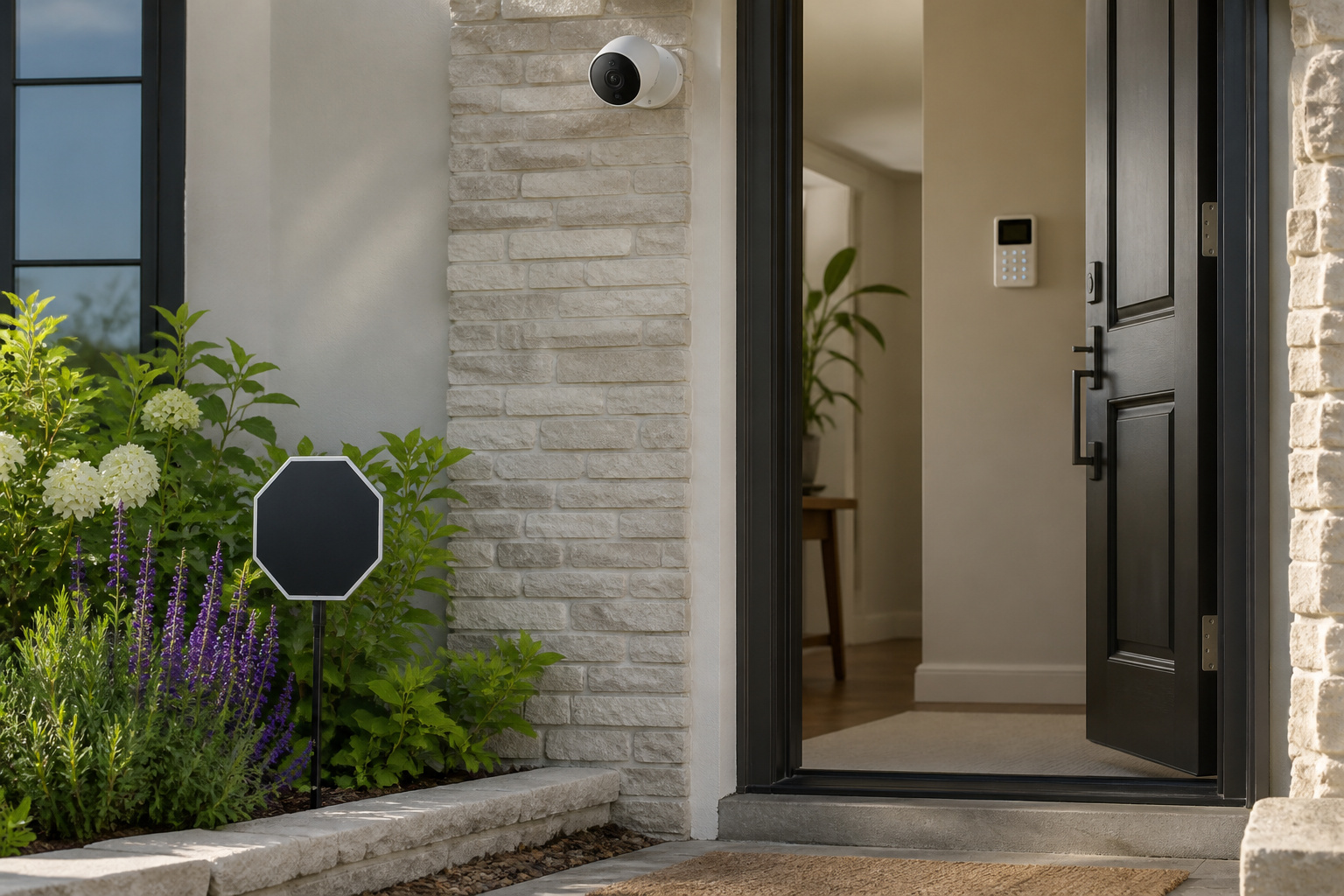
The study suggests three layers, and they work differently.
An alarm works because a siren makes noise and attracts attention, which is the opposite of what a burglar wants. Cameras work by raising the chance of being identified. Signs and stickers work only to the extent that the burglar believes the system behind them is real, so they should advertise equipment you actually have.
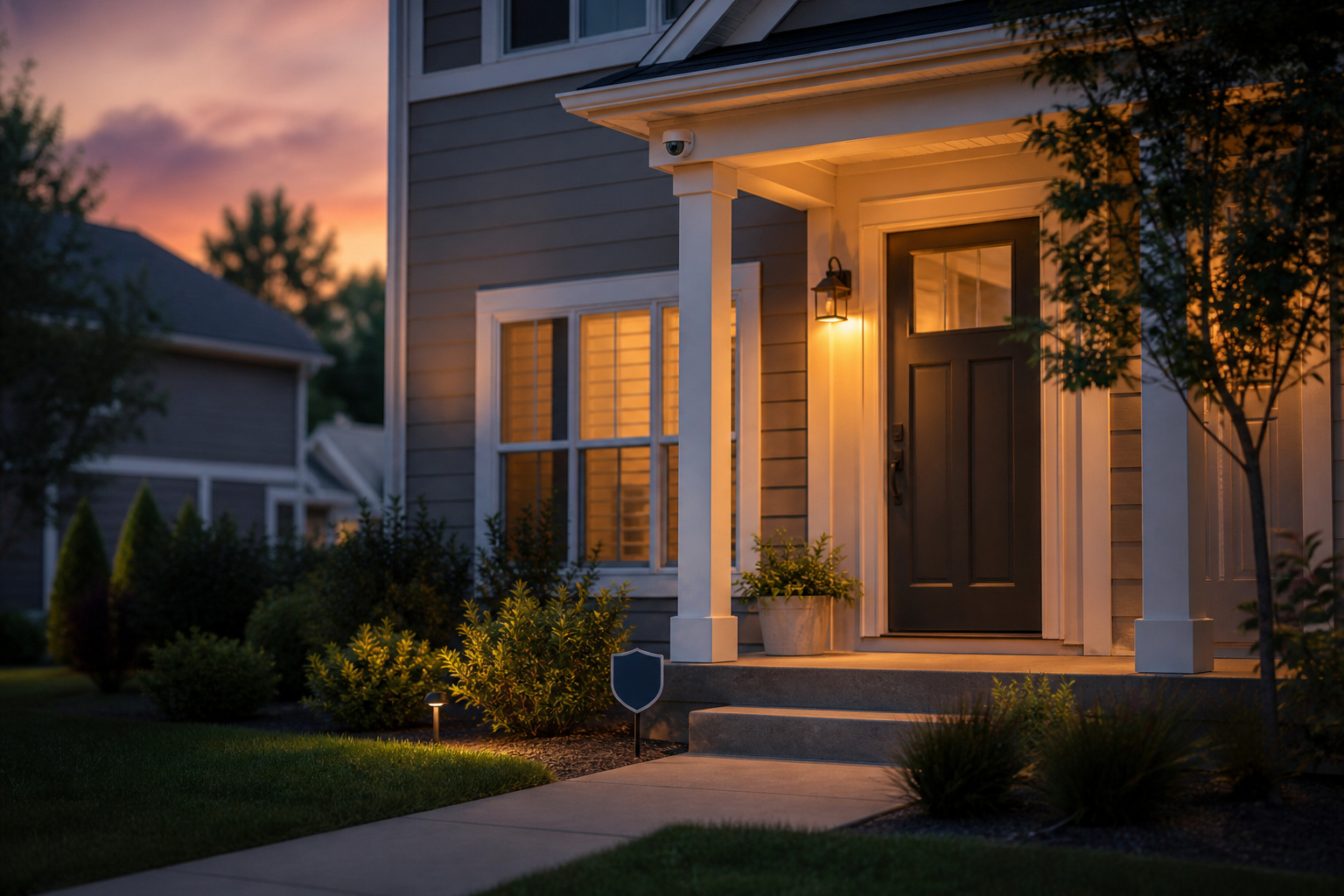
Because most burglars check for an alarm before they act, visibility counts. A siren and sensors that are never noticed deter less than ones the burglar can see signs of. Place signs near entry doors, and mount cameras where they can be seen. For help choosing and placing outdoor cameras, see our guide to outdoor security cameras, and for the front door specifically, our breakdown of video doorbells.
Recommended Products

Clear and legible: 12"x8" Security camera sign made of durable metal aluminum with high-quality printing and large, easy-to-read letters. Even non-English speakers can understand the sign's meaning.

【EASY TO READ】Our no trespassing signs for private property deter intruders with clear prohibition messaging—featuring a bold camera icon, visible from the street, so uninvited guests won’t get close to your fence. Enjoy secure peace of mind.

Premium Aluminum Construction: Video Surveillance Sign uses 10x14 inch alloy aluminum material for enhanced performance. You can clean off graffiti and your graphics are protected
Monitoring and Response
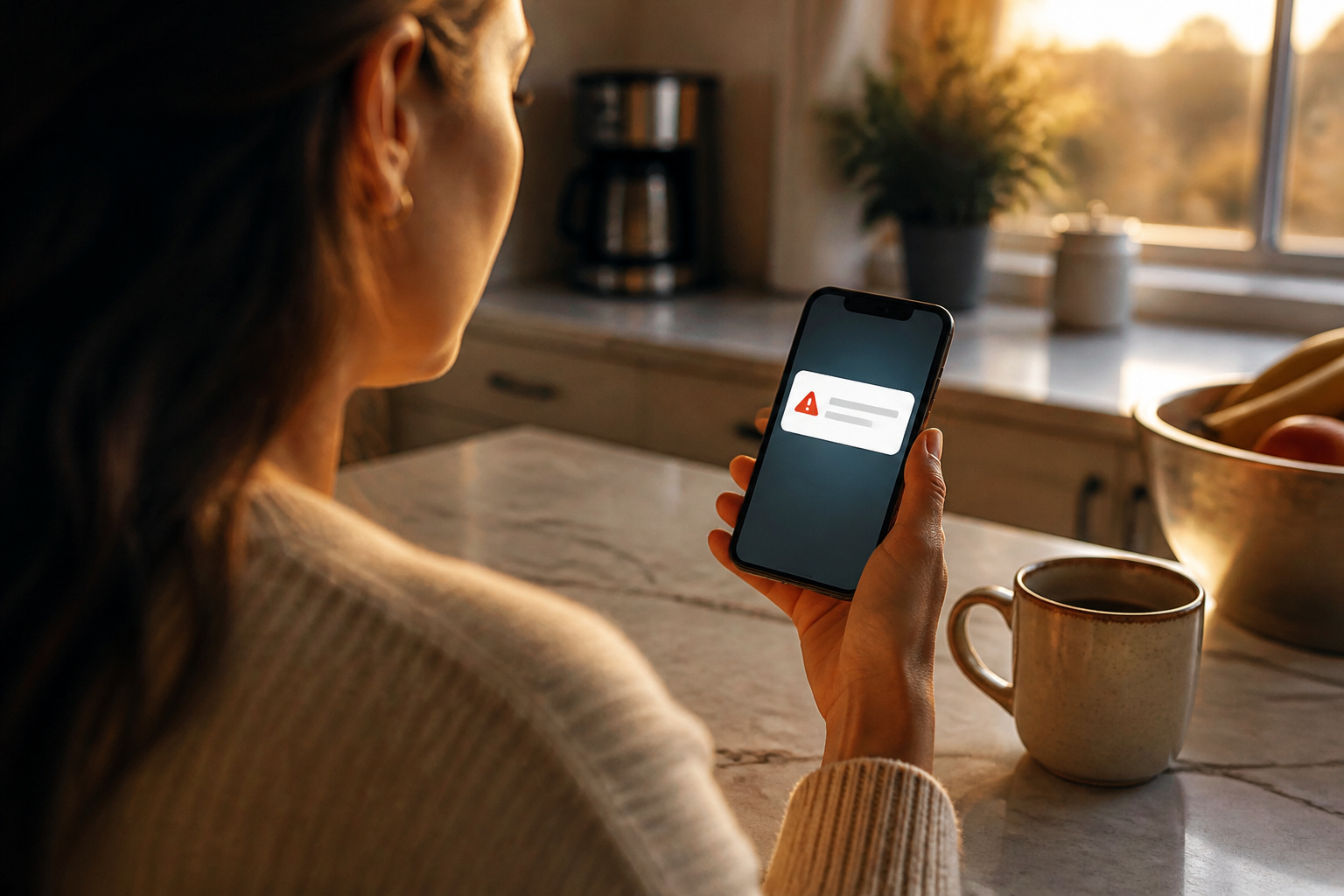
Offenders in the study also thought about what happens after an alarm sounds. About 63 percent said they considered whether security personnel or police would respond, and about half knew that some alarm calls need to be verified before help is dispatched.
This is the practical case for professional monitoring: a human confirms the alarm and sends help, so the response does not depend on you seeing a phone notification. Self-monitoring costs less but relies on you being reachable. Many DIY systems let you start with self-monitoring and add a monitoring plan later, so you can match the choice to how you live.
Recommended Products

A great fit for 2-4 bedroom homes, this Alarm Kit includes one Base Station, two Keypads, eight Contact Sensors, two Motion Detectors, and one Range Extender.

A great fit for 1-2 bedroom homes, this kit includes one base station, one keypad, four contact sensors, one motion detector, and one range extender.

1 FREE month of professional monitoring for fast police response when you need it most. With optional monitoring services, our agents keep watch even when you can't, ready to instantly alert emergency responders. Starting at less than $1/day with no long-term contracts or hidden fees. (SimpliSafe products and professional monitoring services are only offered for sale and supported in the US)
What a System Does Besides Deter
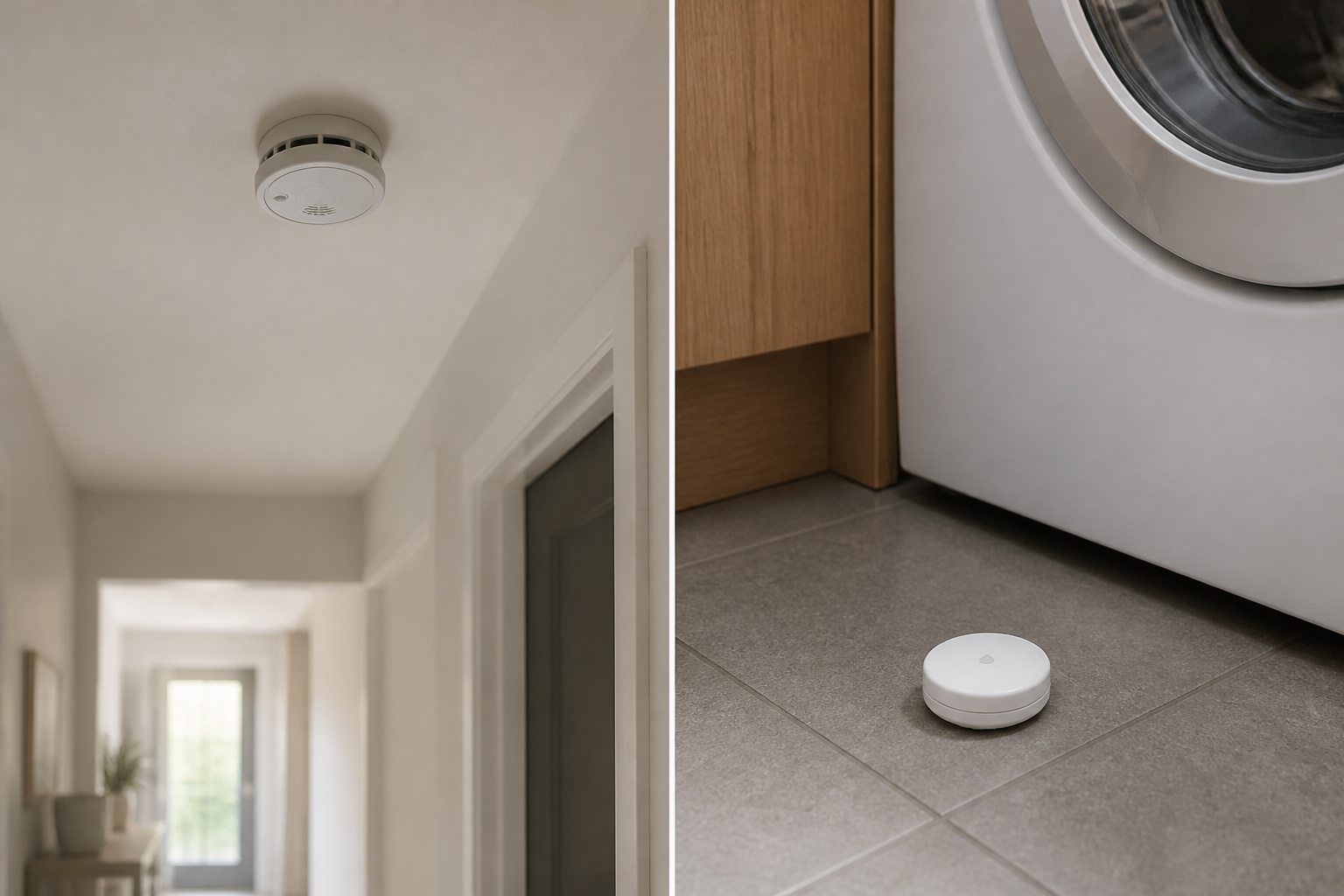
Deterrence is only part of the value. If a break-in does happen, camera footage can help police and support an insurance claim. Smoke, carbon monoxide, and water sensors can be added to many systems, so the same hub that watches your doors can alert you to a fire or a leak.
Some insurers offer discounts for monitored systems, but policies differ, so ask your insurer what qualifies before you buy anything for that reason.
Recommended Products

Easy DIY Install: The plug-in Keypad Sensor Hub and wire-free Sensors make installation a breeze, so you can do it yourself.

Comprehensive Protection: This Home Security System offers 24/7 Professional Monitoring and an easy-to-use DIY setup with a plug-in Keypad and wire-free Sensors

24/7 Professional Security Monitoring - Get a text or call from a professional security agent in 5 seconds (yes, seconds) or less after an alarm is triggered. If an emergency is confirmed or they can’t reach you, 911 will be alerted and help sent immediately.
Putting It Together
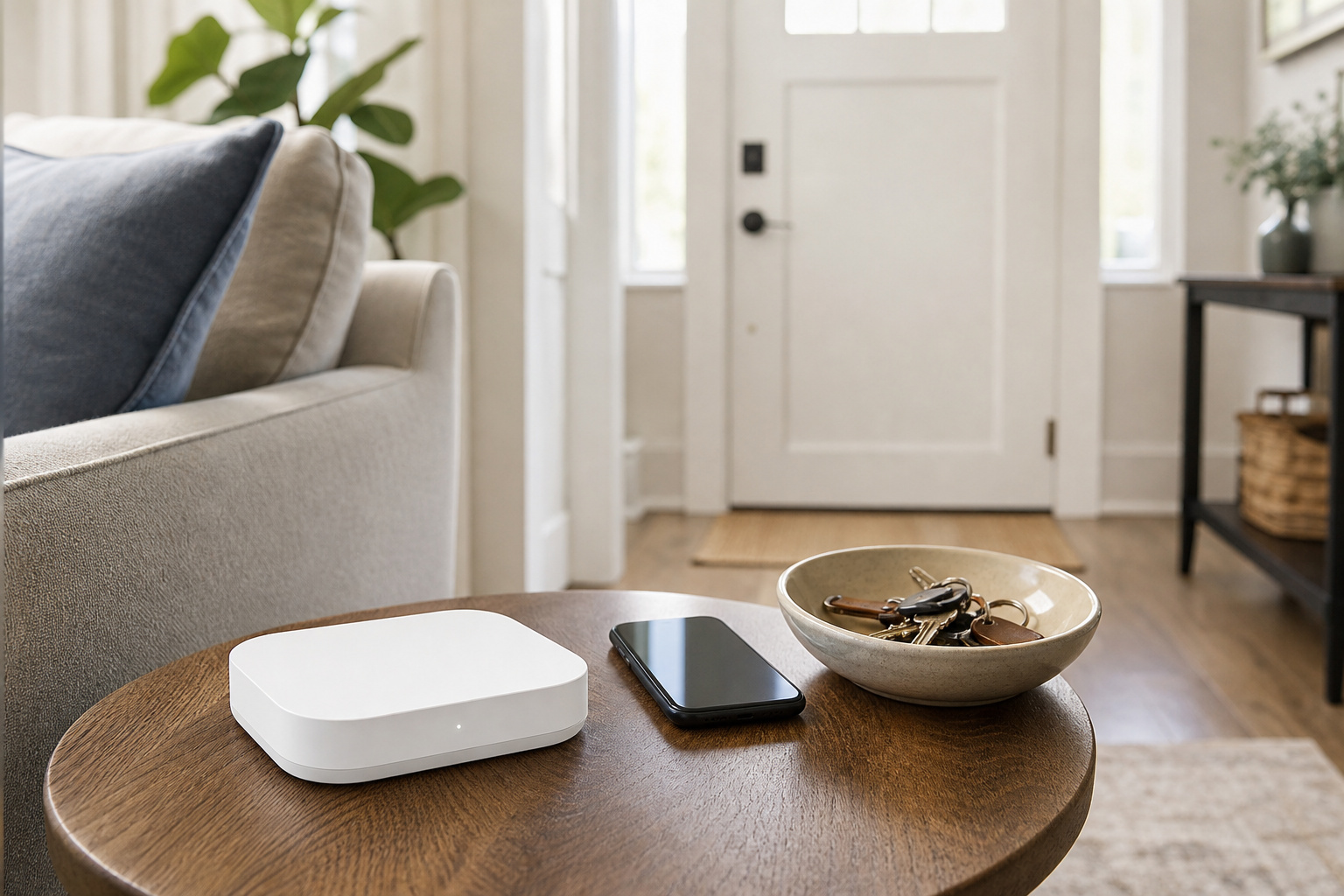
A reasonable setup layers the basics first. Lock every door and window, add sensors on entry points and a siren, put up visible signs and cameras that match the equipment you own, and decide whether you want a monitoring plan. Do the free things first, because the research suggests easy targets are the ones that get hit.
If you rent or live in a small space, our guide to security systems for small apartments covers adhesive sensors and what your lease may allow. Whichever brand you consider, read our look at what Wyze, Ring, and Eufy have gotten wrong before you hand a company access to your home.
Recommended Products

High adhesive strength: Industrial double-sided adhesive pad, super adhesive can make the alarm firmly attached to the door and window, long-term use does not fall off.

Complete ADT spacer solution. Contact device/magnet not included. Perfect variety pack with 4 each of 1", 1/2", and 1/4" spacers plus 24 adhesive pads for comprehensive ADT system alignment needs.

Strong viscosity: Professional double-sided adhesive pad, super adhesive can easily firmly attach the alarm on the door and window, is a good thing in the home, apartment, garage, warehouse, RV installation alarm.
Frequently Asked Questions
Do security system signs and stickers work on their own?
They work only as far as a burglar believes a real system sits behind them. In the study, offenders said they looked for signs of alarms and cameras, so signs can help, but they are most credible when they match equipment you actually have.
Will a camera alone keep burglars away?
Not reliably. Nearly 60 percent of offenders in the study said they would consider cameras, and more than 40 percent said cameras would push them to another target, which also means many were not deterred. A camera helps most as one layer alongside locks, an alarm, and good lighting.
Is professional monitoring worth paying for?
It is worth considering if you travel, sleep through notifications, or live alone. A monitoring center can verify an alarm and dispatch help without waiting for you. If you are always reachable, self-monitoring may be enough.
What is the cheapest way to make a home harder to burglarize?
Lock all doors and windows every time you leave, keep spare keys out of obvious hiding spots, and make sure entry points are visible from the street or a neighbor’s window. These cost little and address the most common ways offenders reported getting in.
Can a security system lower my homeowners insurance?
Some insurers offer a discount for monitored systems, but it varies by company and policy. Ask your insurer what qualifies before you buy.