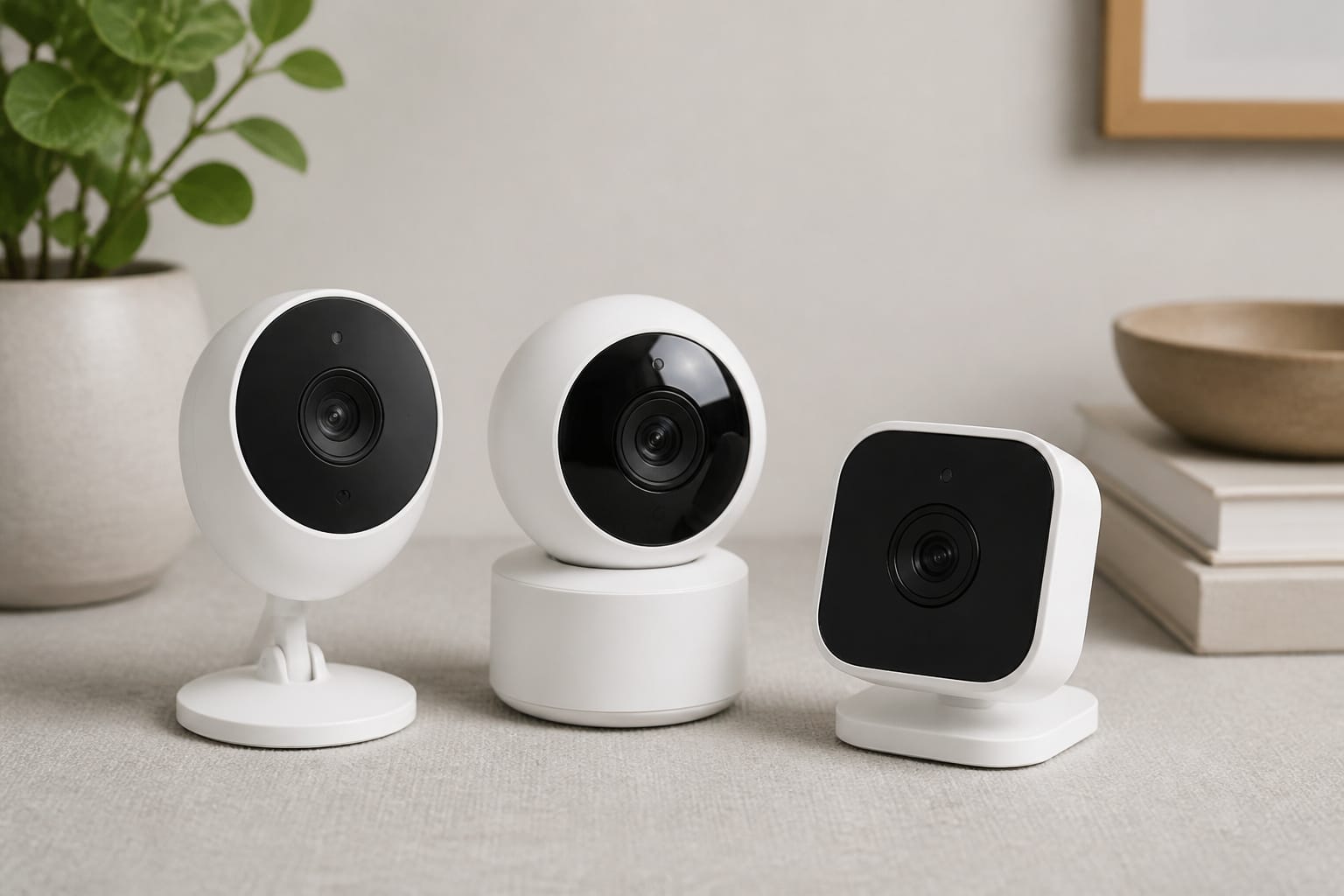
Wyze, Ring, and Eufy get compared on camera resolution and price almost every time, and rarely on what should matter more for a device you’re putting inside your home: what each company has actually done with your footage when nobody was watching.
All three have a real, publicly documented track record here, and it’s genuinely different from brand to brand.
Here’s how the three differ on storage, subscriptions, ecosystem support, and the security incidents each one has on record, sourced from regulatory findings and security researchers rather than marketing copy.
Three Different Bets on What Matters Most
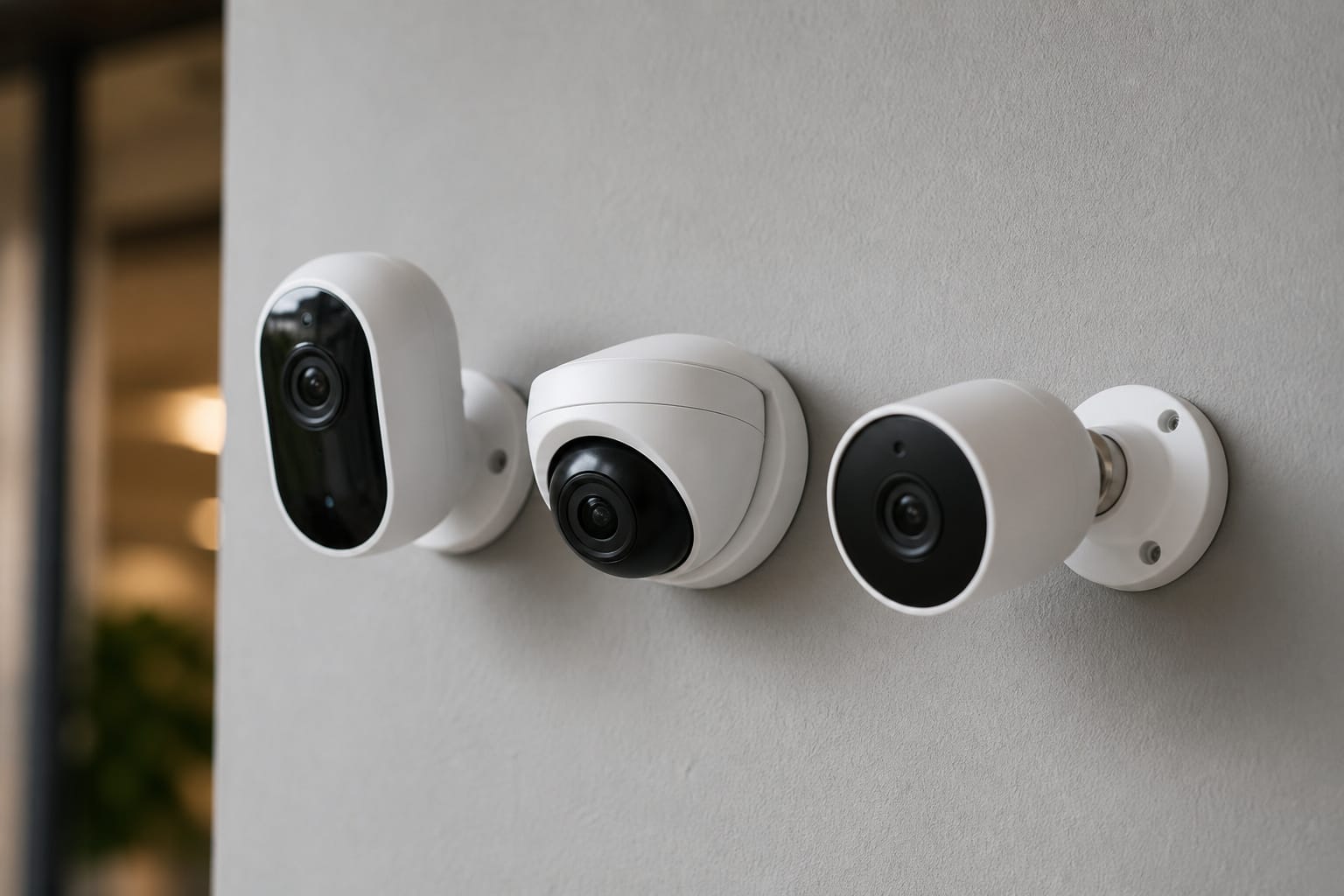
Wyze built its business on price: cameras that undercut the competition by a wide margin while still offering respectable image quality and a genuinely useful free tier.
Ring built its business on ecosystem depth inside Amazon’s world, tight Alexa integration, wide retail availability, and the largest installed base of any smart camera brand, which is also why it’s the most recognizable name in the category.
Eufy, an Anker brand, built its pitch around local storage and no subscription fee, positioning itself as the privacy-conscious alternative to cloud-dependent competitors.
That positioning matters for what follows, because Eufy’s specific marketing promise, local-only storage with nothing going to the cloud, has often differed from researchers’ findings.
Storage and Subscriptions: Free Doesn’t Always Mean Free
Ring requires a paid subscription (commonly $4-10 a month) for saved video history on most models; without it, you generally get live view and notifications but no way to review a clip after the fact.
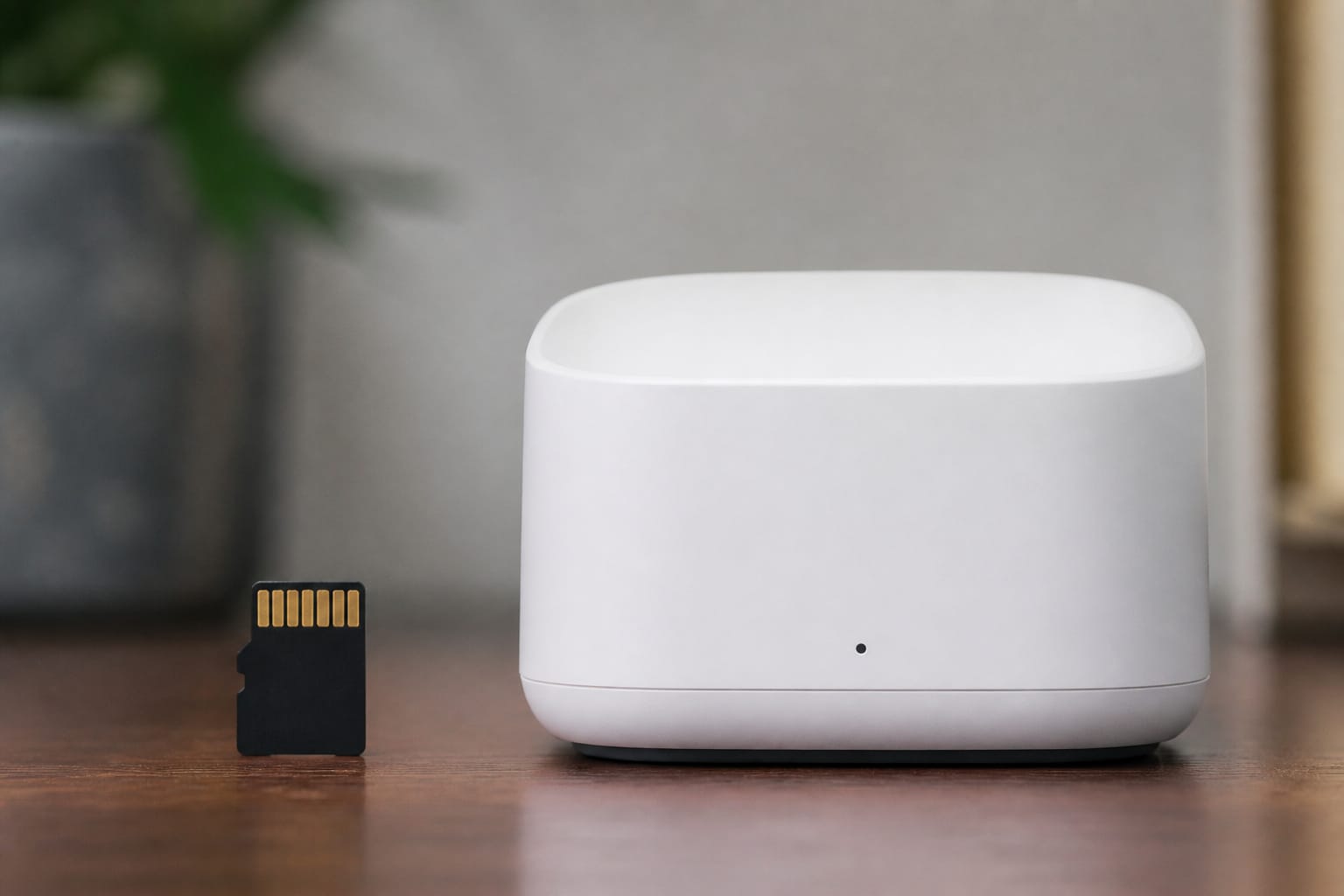
Wyze offers a genuinely usable free tier with 12-second event clips and local microSD storage on most cameras, with a paid plan unlocking longer clips and cloud backup.
Eufy’s core pitch is local storage via a separate HomeBase hub with no subscription required for local viewing, though cloud plans do exist as an add-on for off-site backup.
On paper, Eufy looks like the clear winner for anyone who wants to avoid a monthly fee. In practice, this is where the next section matters most, since Eufy’s local-only claim didn’t hold up to independent scrutiny the way its marketing suggested.
Products Worth Considering

Live Stream from Anywhere with Pan/Tilt: Sharp and clear 1080p Full HD provides high quality video right in the palm of your hand. Camera is operated with the Tapo or Kasa App. 2.4 GHz Wi-Fi required.

🏆 【Improved Features for 2026】 2K UHD video & full-color night vision, free cloud storage, support for 2.4G & 5G WiFi, 1-6 months battery life, work with Alexa, IP66 waterproof and dustproof. Cameras for Home Security

360 Pan/Tilt Coverage: This Pan/Tilt IP camera sees everything across an entire room or walkway with the 360 horizontal and 113 vertical range pan/tilt field of view. Set up the Patrol Mode on EC71 to monitor each region at intervals of your choosing
The Security Track Record: What Each Company Has Actually Gotten Wrong
This section differentiates these three brands, and it’s worth reading in full before deciding purely on price or features. All figures below come from regulatory settlements, security researchers, or the companies’ own public statements, not speculation.
Ring settled with the FTC in 2023 for $5.8 million over findings that the company gave employees and contractors broad, poorly monitored access to customers’ private videos, including footage from bedrooms, for years, and failed to implement basic account security, which let hackers take over customer accounts, cameras, and video feeds in some documented cases. The settlement required Ring to delete improperly obtained data, add mandatory multi-factor authentication, and overhaul internal video-access controls. It’s worth noting this was primarily a company-practices and account-security failure, not evidence that the camera hardware itself is unsafe to use.
Eufy was caught uploading thumbnail images and facial recognition data to Anker’s AWS cloud servers in November 2022, even when a user had local-only storage enabled and no cloud account at all, directly contradicting its marketing at the time. Independent researchers also found that some camera streams could be accessed via a plain, unencrypted URL with no authentication required, viewable in ordinary media player software. The New York Attorney General’s office investigated and secured a $450,000 settlement, and Eufy quietly removed “local storage” language from its privacy commitments afterward, replacing it with more general “storage” wording.
Wyze has the longest pattern of recurring incidents of the three: a 2019 database leak exposing data on roughly 2.4 million customers, a known camera vulnerability in its original Wyze Cam that took until January 2022 to discontinue after being flagged years earlier, and two separate incidents in September 2023 and February 2024 where a caching error let roughly 13,000 users briefly see live thumbnails and event footage from other customers’ cameras, not their own. Wyze has since implemented a meaningful security overhaul in response, including mandatory account verification, OAuth login support, and a public bug bounty program, but the repeated nature of these incidents is worth weighing against that response.
None of these three has a clean record, and reasonable people can weigh a corporate privacy-practices failure differently than a recurring technical vulnerability. But going in with accurate information about which kind of failure each brand has actually had is a meaningfully better starting point than picking based on price or camera specs alone.
Ecosystem Compatibility: Which Works With What
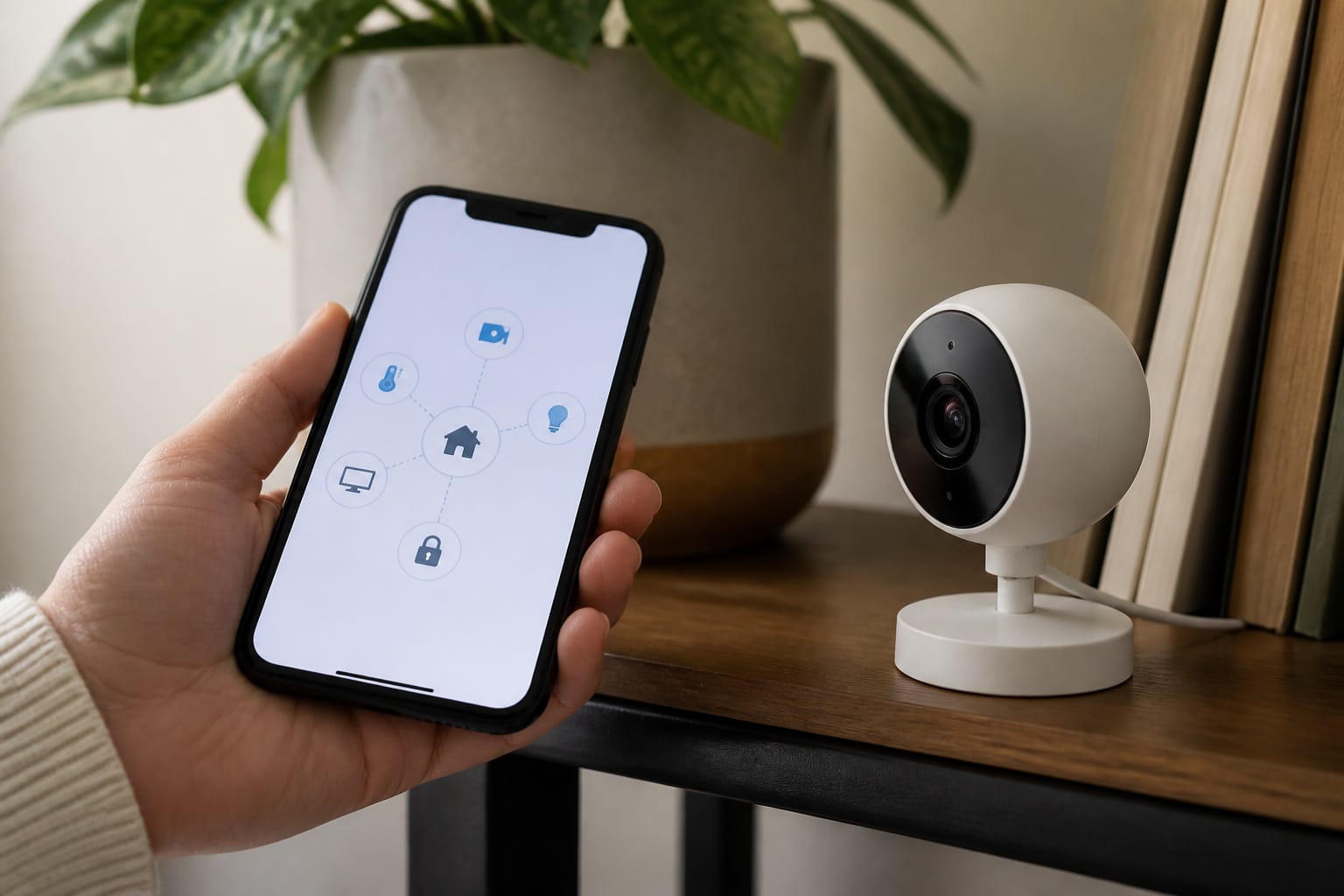
Ring integrates deeply with Alexa, unsurprising given Amazon’s ownership, but its Google Home and Apple HomeKit support is comparatively limited. Wyze offers broader baseline compatibility with Alexa and Google Home, with HomeKit support available on specific models. Eufy’s ecosystem support varies significantly by model and has leaned toward its own app first, with third-party voice assistant support as a secondary feature rather than the core experience.
None are a strong native HomeKit option across their full lineup; if Apple’s ecosystem is the priority, check the specific model’s current HomeKit Secure Video support rather than assuming brand-wide compatibility.
Our comparison of Alexa, Google Home, and Apple HomeKit covers what actually differs between the three platforms if you haven’t settled on one yet.
Products Worth Considering
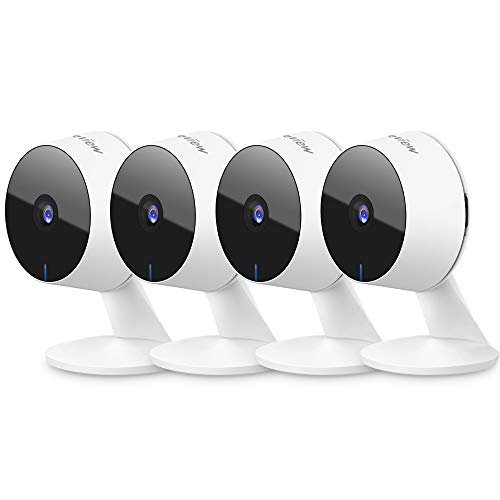
Stay Connected Anywhere: This wired Wi-Fi Camera access 24/7 live streams via LaView app on mobile or web browser; supports up to 9 simultaneous live feeds; stay in touch with your home at all times

[IP65 Waterproof & Versatile Home Security Camere]-Designed for durability, our Famviva 2K security camera is IP65 waterproof, ensuring reliable performance in rain or snow. Ideal for outdoor and Indoor use, it's perfect for keeping an eye on your dog, cat, pet, nanny, or baby, ensuring 24/7 protection for your loved ones.

1 FREE month of professional monitoring for fast police response when you need it most. With optional monitoring services, our agents keep watch even when you can't, ready to instantly alert emergency responders. Starting at less than $1/day with no long-term contracts or hidden fees. (SimpliSafe products and professional monitoring services are only offered for sale and supported in the US)
So Which One Should You Actually Buy?
If tight Alexa integration and the widest ecosystem of compatible accessories matter most, Ring remains the most capable option, with the FTC-mandated security overhaul now in place as a result of the 2023 settlement.
If minimizing subscription costs is the priority and you’re comfortable with a company that had a serious, since-patched privacy failure, Eufy’s local-storage model is genuinely useful; don’t buy it specifically because you assumed no data ever touched the cloud.
If price and a workable free tier matter most, Wyze remains the cheapest credible option, with a real security overhaul behind it, but also the longest track record of repeat incidents to weigh against that.
Whichever brand you choose, enabling two-factor authentication on the account and using a strong, unique password matters more to your actual privacy than the brand name on the camera itself, since account-level security is the common thread behind several of the incidents above.
For the bigger picture on video doorbell and camera trade-offs generally, see our video doorbell breakdown, and for what smart home devices collect more broadly, see our privacy explainer.
Products Worth Considering

𝐃𝐮𝐚𝐥 𝐂𝐚𝐦𝐞𝐫𝐚𝐬, 𝐃𝐨𝐮𝐛𝐥𝐞 𝐒𝐞𝐜𝐮𝐫𝐢𝐭𝐲 | Dual cameras work seamlessly together. The front camera captures visitors head-to-toe, while the downward camera clearly shows packages left on your doorstep. Never miss a delivery or porch activity again.

Wide 166° Field Of View For Video Doorbell & f/2.5 Aperture: Covers your front porch with no blind spots; CMOS sensor and f/2.5 aperture deliver moderate depth of field with soft background blur and crisp facial details for fast visitor recognition

Crystal-Clear Welcome in 2K FHD : Experience 2K FHD clarity with a 4:3 view for clear and detailed visuals of your visitors. Even at night, the crisp images ensure you never miss a detail.
Frequently Asked Questions
Which camera brand has actually had the worst security track record?
They’ve each had a different kind of failure. Ring’s was a corporate practices failure (excessive internal employee access to video, settled with the FTC for $5.8 million). Eufy’s was a marketing-accuracy failure (uploading data to the cloud despite claiming local-only storage, settled with New York’s Attorney General for $450,000). Wyze has been the most recurring, with incidents in 2019, 2022, 2023, and 2024, though the company has since made real security improvements in response.
Is Eufy actually local-only storage, or does it use the cloud?
Both, depending on settings, and that’s exactly what caused the 2022 controversy. Full video is stored locally on Eufy’s HomeBase hub with no subscription required. But thumbnail images and facial recognition data were found to be uploaded to Anker’s cloud servers even with local-only storage enabled, contradicting the “fully local” marketing at the time. Eufy has since revised its privacy language and added encryption in response to a settlement with the New York Attorney General.
Do I need a subscription for Ring, Wyze, or Eufy?
Ring generally requires one for saved video history. Wyze offers a genuinely usable free tier with short local event clips. Eufy requires no subscription at all for local storage and viewing through its HomeBase hub, with cloud plans as an optional add-on.
Which brand works best with Apple HomeKit?
None of the three offers strong HomeKit support across their entire lineup. Support varies by model rather than being a brand-wide guarantee, so check a specific camera’s current HomeKit Secure Video compatibility directly before buying if Apple’s ecosystem is the priority.
Should past security incidents rule out buying from any of these brands?
Not necessarily. All three have made documented changes in response to their respective incidents. What matters more is enabling two-factor authentication and using a strong, unique password on whichever account you choose, since weak account security, not the underlying hardware, was a factor in several of these incidents.