A safe can protect passports, jewelry, backup drives, and paperwork from fire, water, and a quick grab by a thief. But the word “safe” covers very different products, and the right one for an apartment is often not the one that looks most secure. Renters have to consider lease rules, potential wall damage, and the fact that they will eventually move out.
This guide covers the main types of safes, explains what the ratings on the box mean, and helps you choose a safe that suits a rental. For other ways to protect a rental without altering it, see our guides to renter security without drilling and no-drill smart home devices.
What a Safe Can and Cannot Protect Against
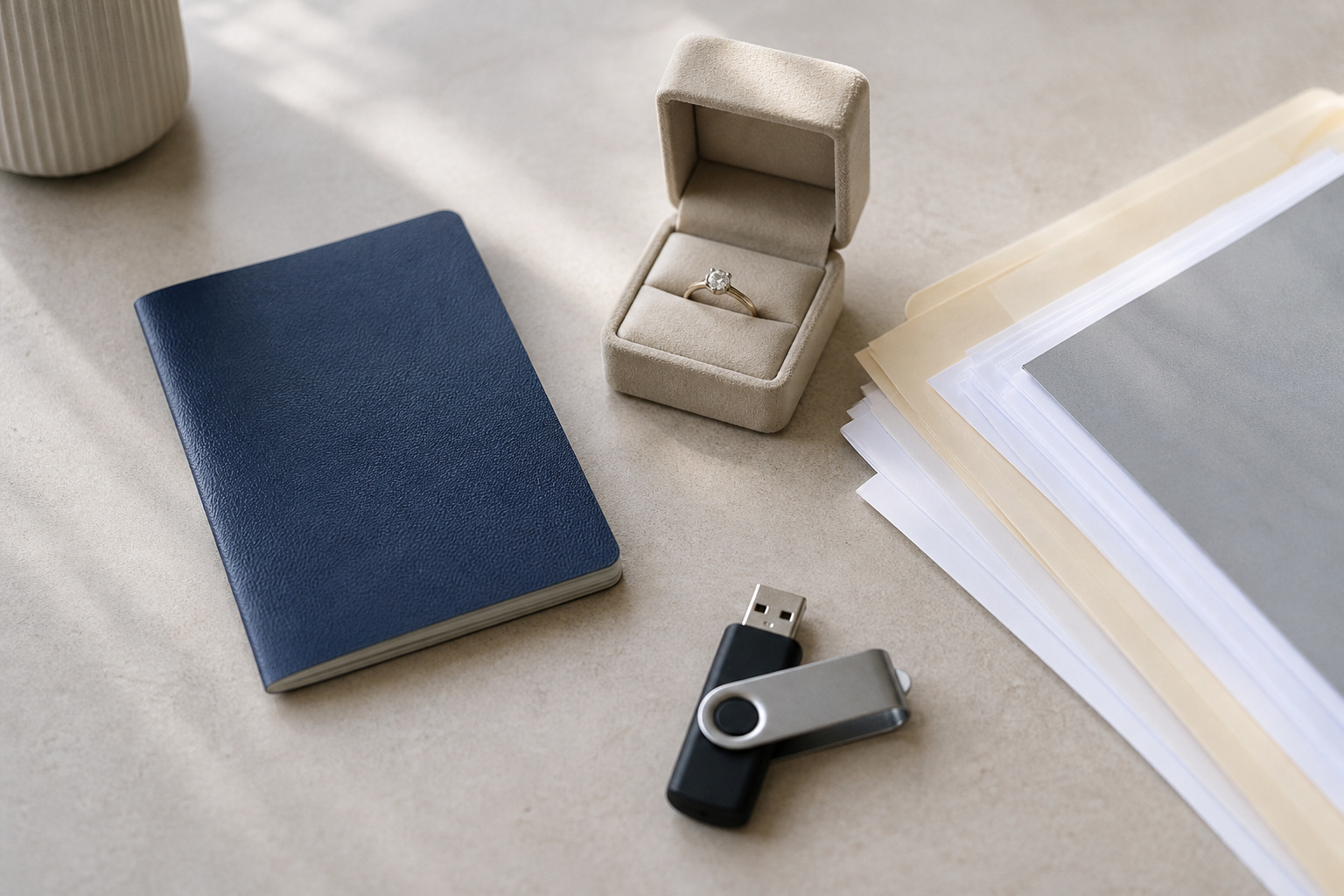
Begin by deciding what you are protecting against, because no single safe does everything. The main threats are fire, water, theft, and access by children or guests. A safe built for fire may be easy to pry open, while a safe built to resist burglars may offer little protection from heat.
Also be realistic about theft. A small, lightweight safe that isn’t anchored can easily be carried away, and a thief with enough time and the right tools can defeat many consumer safes. For most households, the goal is to slow a thief down, keep valuables out of sight, and protect documents and other items from fire and water, not to build a vault.
In-Wall Safes and the Rental Problem
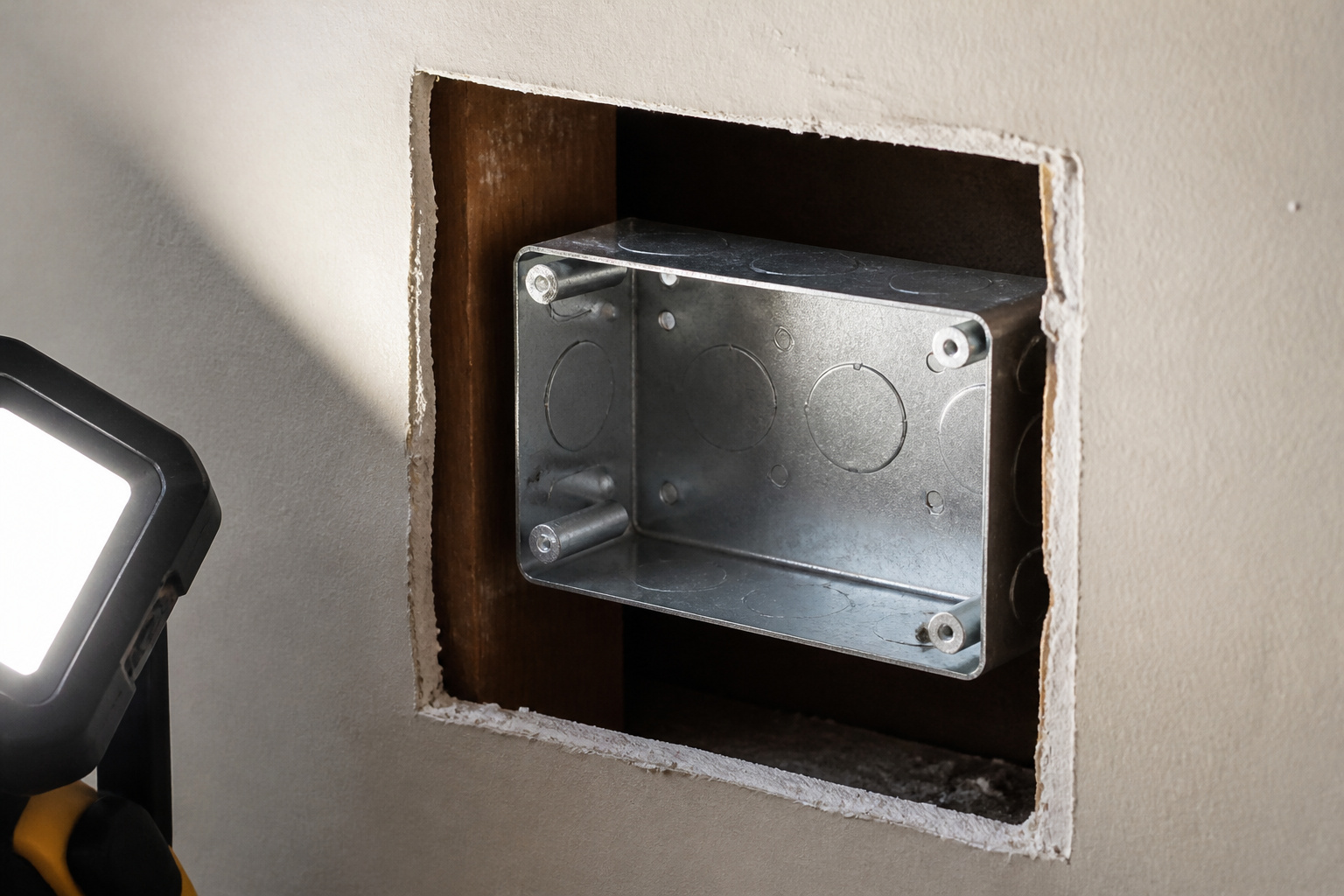
An in-wall safe sits between wall studs and is hidden behind a picture or a panel. It looks neat, but installing one means cutting a hole in the drywall. That is a permanent alteration in most leases, so it needs the landlord’s written permission, and removing the safe later leaves a hole to repair.
Cutting into a wall also carries practical risks. Wiring, pipes, and ducts often run through the cavity, and in an apartment, you may share walls with neighbors or building systems. A hole can also compromise the fire-rated walls between units. For these reasons, most renters should skip in-wall safes unless the landlord agrees and the work is done carefully.
Recommended Products

【Full Cable Concealment & No more tangled cables! 】 Hide all TV power cords, HDMI, Ethernet, speaker and audio cables completely inside the wall. Eliminate messy exposed wires, create a sleek, modern wall-mounted TV setup and protect your family and pets from cable hazards.

Baby Safety Guard: Let your little one explore and climb to their heart's content! Baby proof furniture anchors help keep furniture secure from the potential tip-over hazard of curious children. This anchor will help keep furniture upright even if your children pull out the dresser drawer to form a ladder and climb onto the dresser for fun.

Complete Installation Kit: includes all the necessary hardware for wall insulation panel spacing; The kit includes 1 inch 10 black spacers, 10 screws, and 10 anchors, providing everything you need for a safe and efficient installation of your wall insulation cover; Simplified installation ensures a stable finish
Freestanding, Bolt-Down, and Hidden Safes
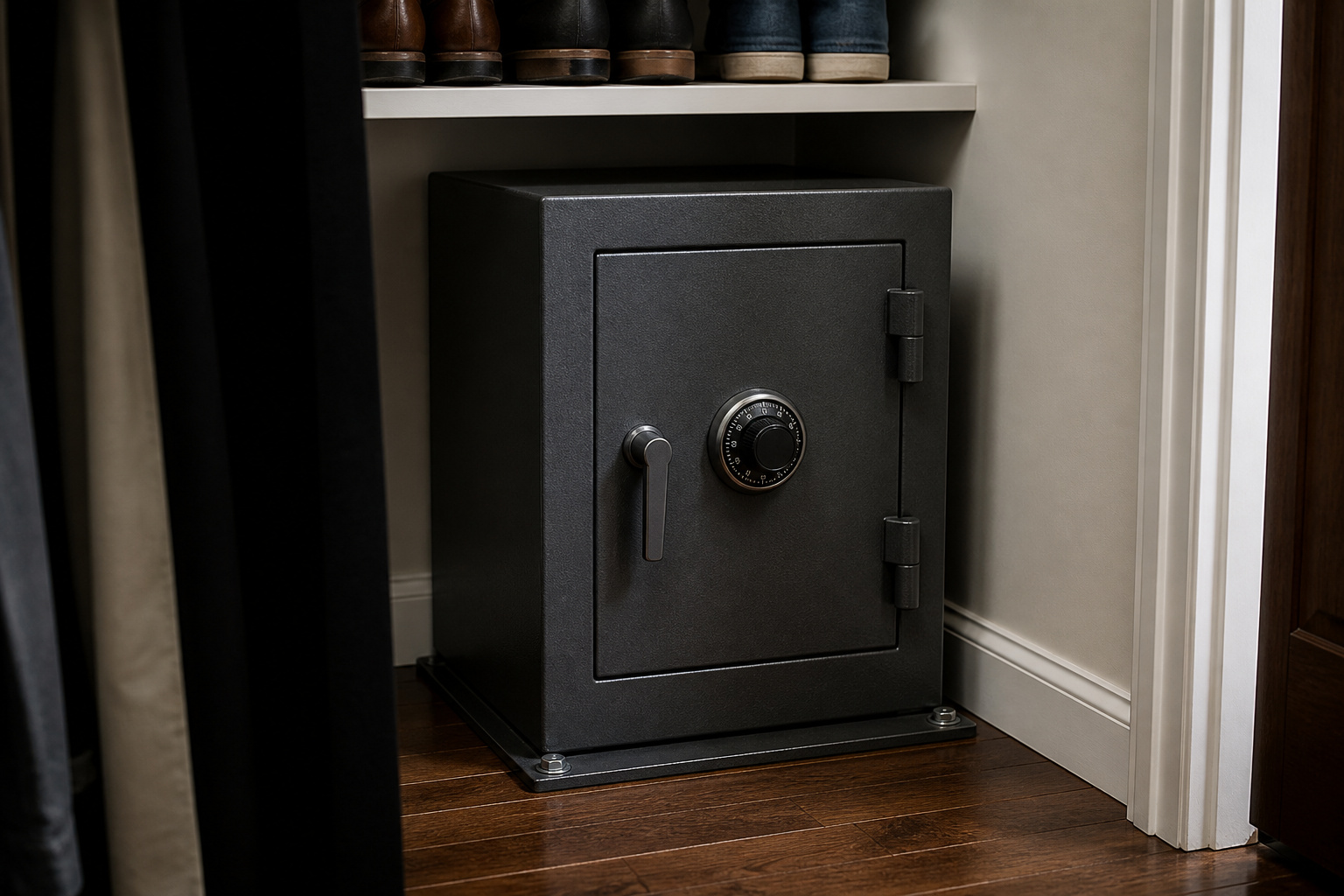
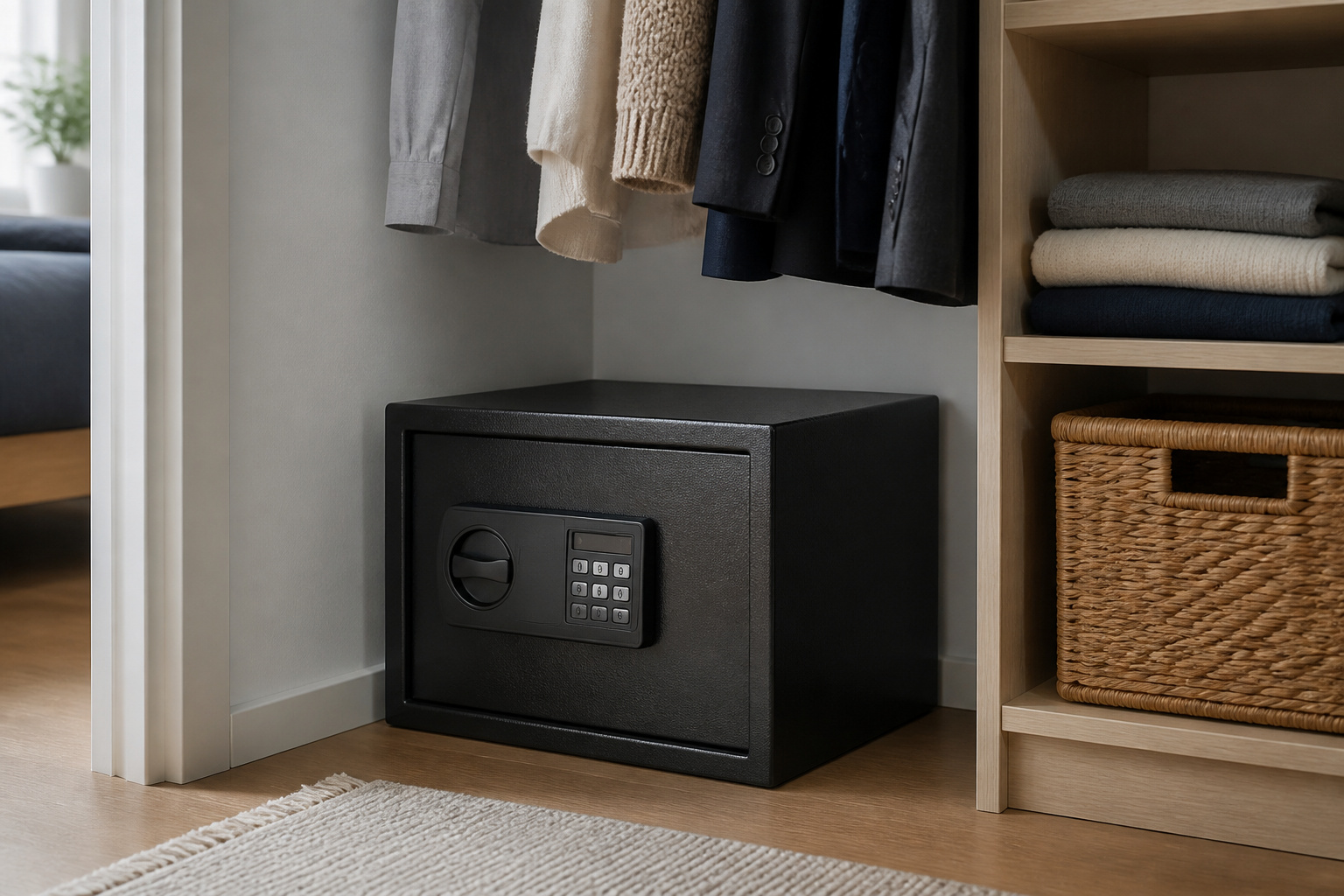
Freestanding safes are the usual choice for apartments. They sit in a closet or under a bed and need no changes to the building. The weakness is portability. A light safe can be removed whole, so heavier models are better, and many include pre-drilled holes so you can anchor the safe to the floor or a closet wall.
Anchoring is a trade-off for renters, because bolting into a floor or wall leaves holes. Ask the landlord, or choose a spot like a closet floor where a small bolt hole that can be repaired is less of an issue. Other hidden options include safes designed to look like everyday objects and lockable drawers or cabinets, which suit low-value items better than serious valuables.
Recommended Products
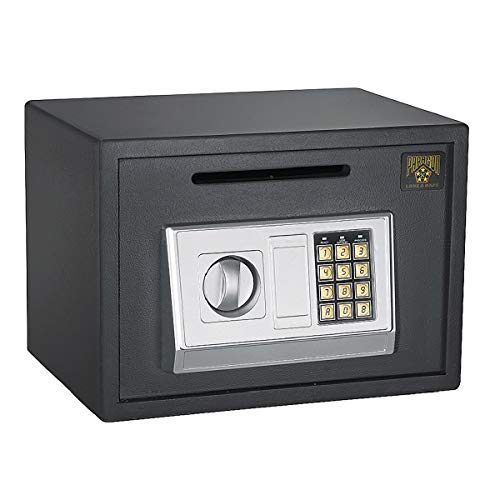
DEPOSITORY SAFE - The money drop box can conveniently be utilized in your home or business and is designed with a front slot to easily deposit money or coins. This safe deposit lock box can be mounted on your wall or floor for added security.
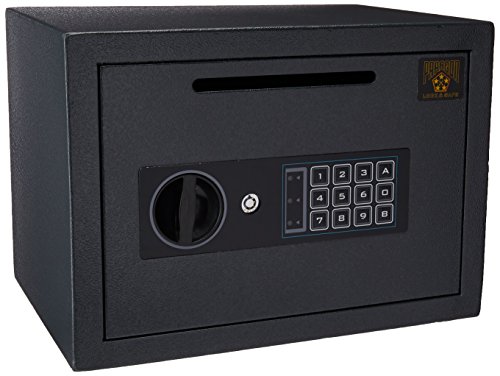
DIGITAL DEPOSITORY SAFE - The money drop box is a safe with drop slot that can conveniently be utilized in your home or business for cash drops and security. This depository safe can be mounted on the wall or floor of your office space for added security.
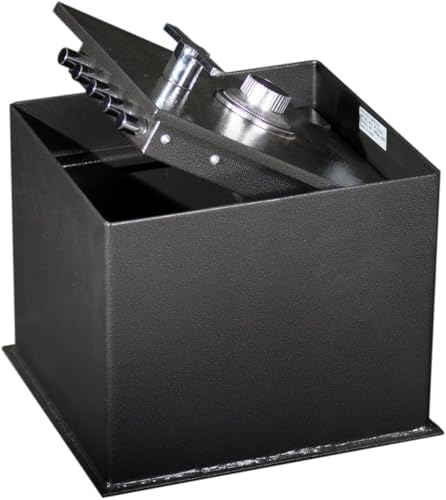
Secure In-Floor Installation for Enhanced Theft Protection Designed to be installed flush in concrete, this safe becomes completely concealed beneath the floor surface, making it highly resistant to burglary and tampering.
Portable Safes and Lockboxes
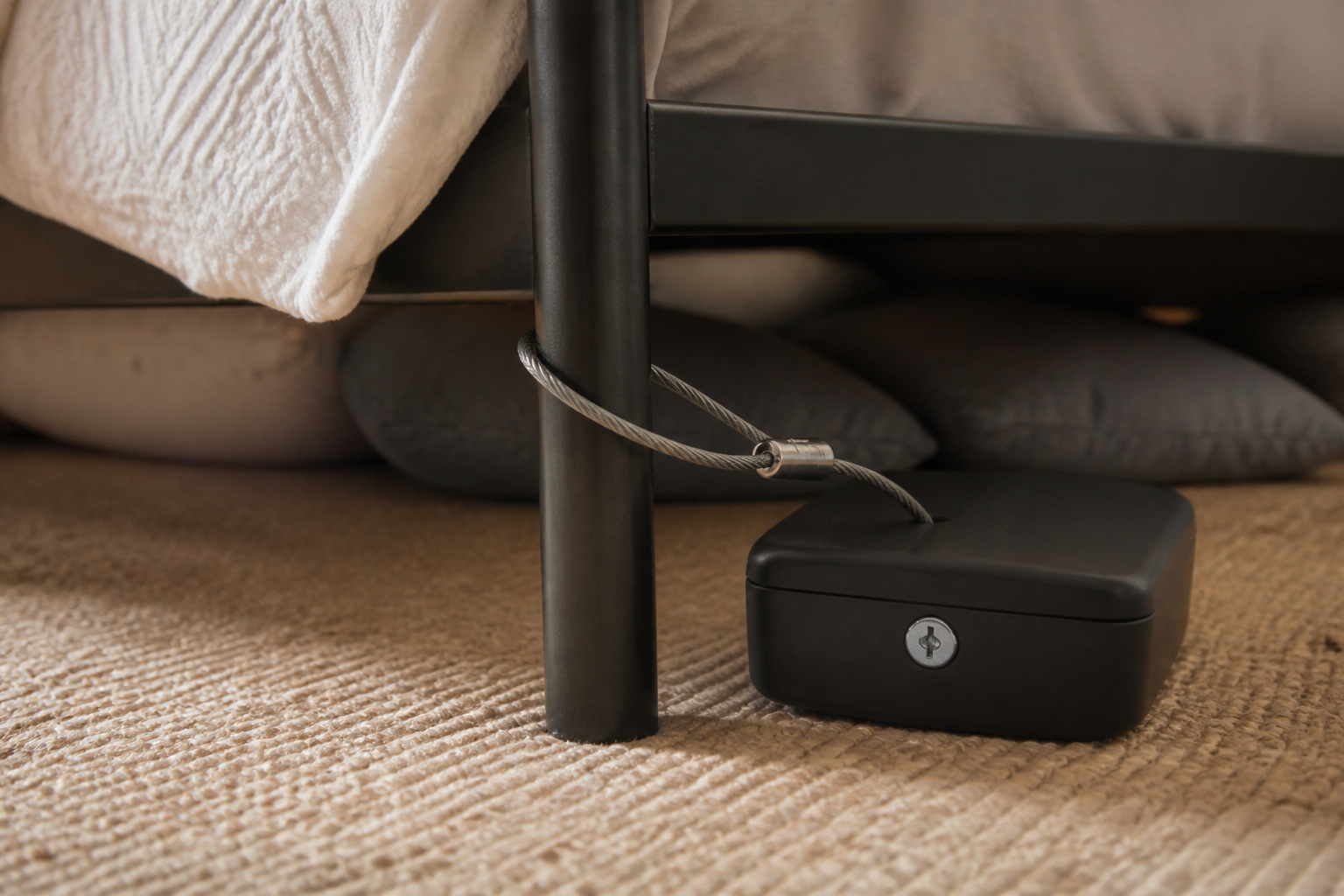
Small portable safes and lockboxes are useful for passports, spare keys, and medications. A steel cable can tether a portable safe to a fixed object such as a bed frame or closet rod, which helps against a smash-and-grab but not against someone with bolt cutters.
Their main role is to keep items safe from children, guests, and casual snooping, and provide a place for keys. For documents you cannot replace, a fire-rated model or an off-site copy is safer. Treat a portable lockbox as a privacy tool rather than serious theft protection.
Recommended Products

All SnapSafe Lock boxes come with a 1500 lb rated cable for securing to immobile objects.

Dimensions (HxWxL): Exterior: 2.9 x 10.0 x 7.9 inches; Interior: 1.9 x 9.8 x 7.1 inches

Effectively safeguards valuables such as cash, jewelry, documents, firearms and more
Fire and Water Protection Ratings
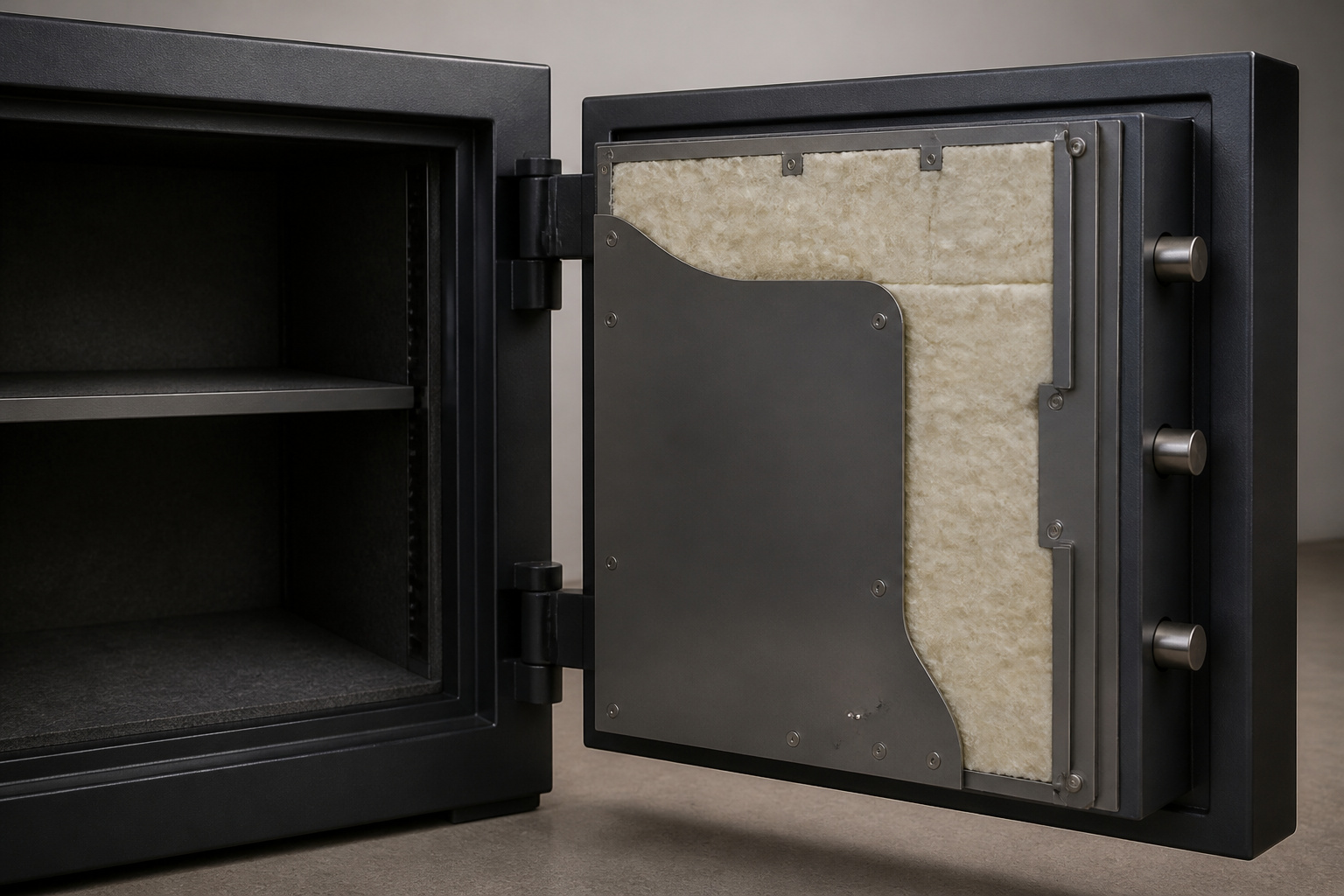
Fire ratings are among the most misunderstood claims about safes. Look for a rating from an independent lab, such as UL, and the details. Check the temperature the safe was tested at, how long it held up, and what it protects. A rating for paper documents does not cover digital media, such as USB drives and backup disks, which can be damaged at much lower temperatures. Digital media needs its own media-specific rating.
Be skeptical of vague words like “fireproof”. Most home safes are fire-resistant for a stated time, not fireproof. Water protection works the same way, with ratings that describe how long the safe is tested to resist water and to what depth, so read the fine print. Some safes are advertised as waterproof but are really only water-resistant, and the seal can fail after repeated opening.
Burglary Resistance and Build Quality
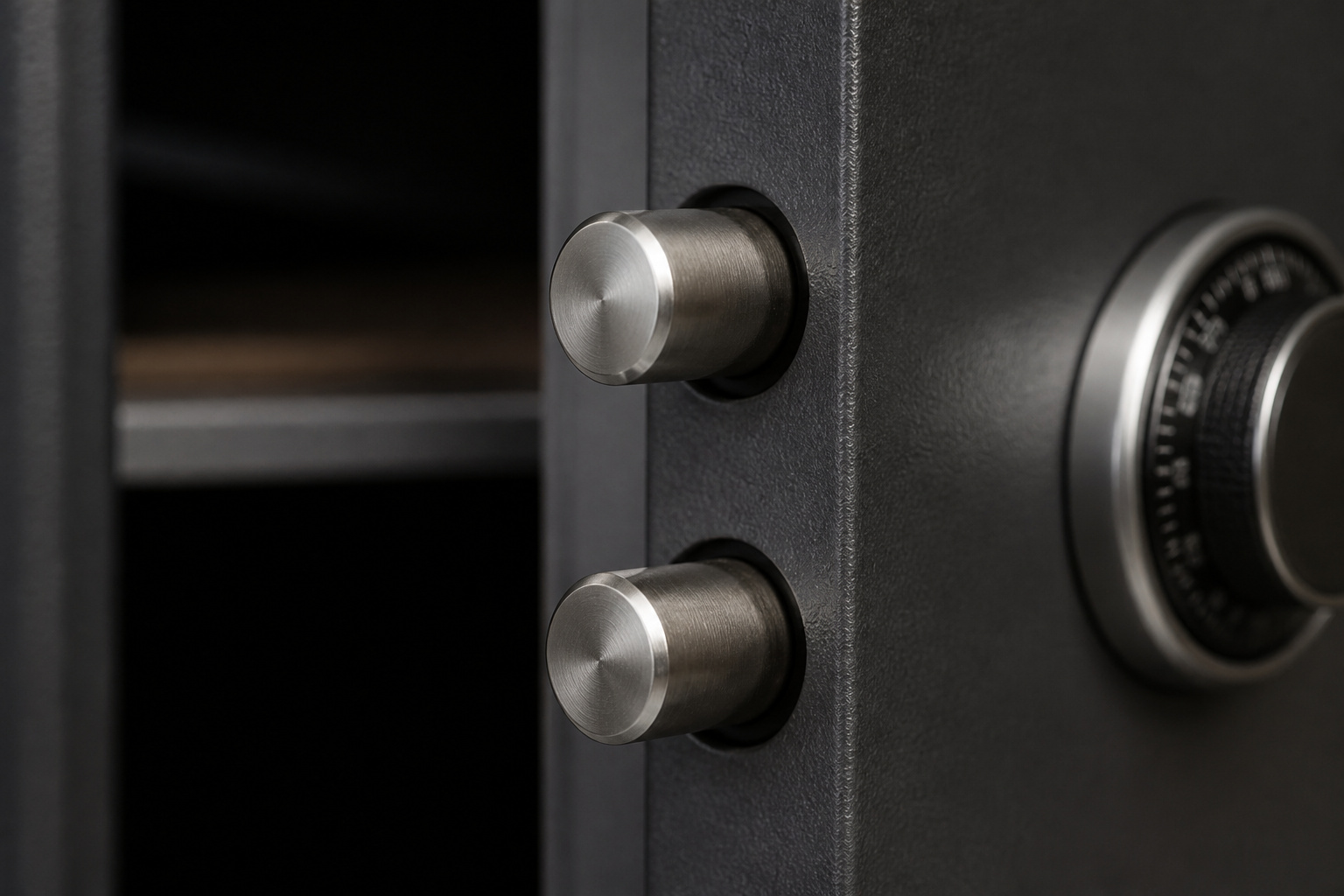
Burglary ratings are a separate category from fire ratings. Independent labs test how long a safe resists tools, and many consumer safes carry no such rating. If a rating matters to you, look for one that names the tool test and the testing lab, not just a marketing label.
When there is no rating, judge the build. Thicker steel in the door and body, solid locking bolts, a hidden or protected hinge side, and a door that sits flush with little gap all make prying harder. A powder-coated finish resists rust. Weight is a reasonable proxy for quality, since a thin, light safe is easy to carry away and easier to cut.
Lock Types: Keypad, Biometric, and Key
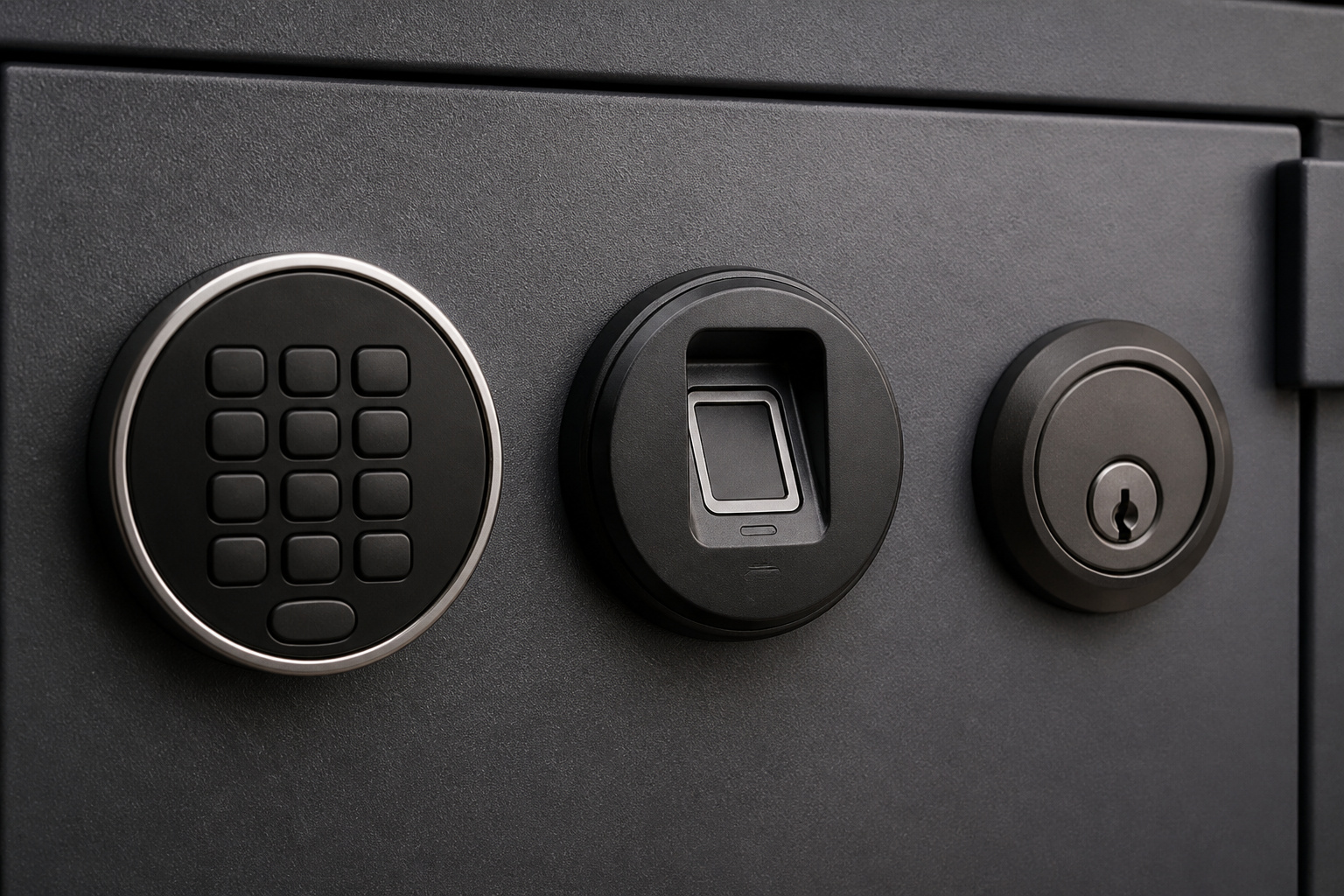
Each lock type has its own trade-offs. Electronic keypads are fast and let you change the code, but they depend on batteries, so keep spares and know where the override key is. Biometric locks are convenient, but cheaper fingerprint readers can be unreliable with dry or wet fingers, and you need a backup way to open the safe.
Mechanical key or dial locks have no batteries and fail less often, though keys can be lost or copied. Look for a lock that blocks repeated wrong attempts and keep the override key in a safe location. App-connected safes add alerts and access logs, but they also add accounts and passwords to manage, so use two-factor authentication where offered.
Recommended Products

3 Ways to Quick Access: Open this biometric gun safe for handgun storage using the fingerprint scanner, 6-digit keypad, or backup keys. The sensor provides one-handed access in under 1 second and stores up to 50 fingerprints, while the keypad supports up to 5 passcodes for trusted users.

Advanced Biometric and Keypad Security: This biometric gun safe for handguns combines the speed and accuracy of a high-resolution fingerprint scanner with the convenience of a keypad unlock. Enjoy fast, secure access using either method, offering ultimate flexibility and peace of mind in any situation

1. Biometric Gun Safe for Handguns with Quick Access This biometric gun safe for handguns supports fingerprint, PIN, and key unlock. It provides quick access. The compact design suits nightstand gun safe use
Size, Interior Layout, and What Goes Inside
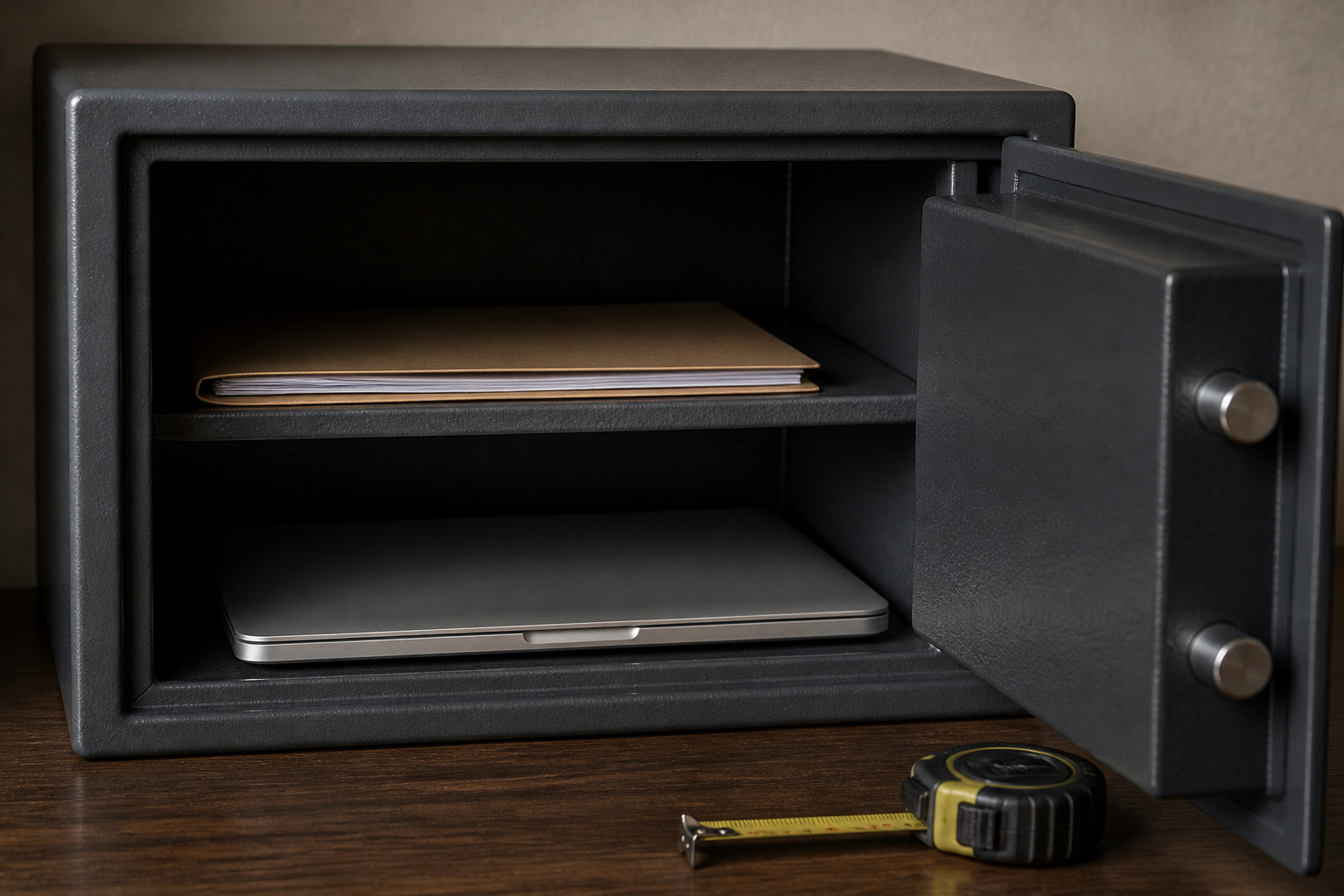
Buy slightly larger than what you currently need. Check the interior dimensions, not just the outside size, because insulation in fire-rated safes reduces the usable space. If you plan to store a laptop, a hanging file, or a document folder, measure first.
Think about what belongs in a safe: passports and birth certificates, titles and deeds, spare keys, some jewelry, backup drives, and medications. Back up irreplaceable photos and legal documents digitally or store them off-site. Cash should also be stored off-site. If you own firearms, storage laws vary by location, and some places require specific types of safes, so check local rules.
Placing and Installing Your Safe
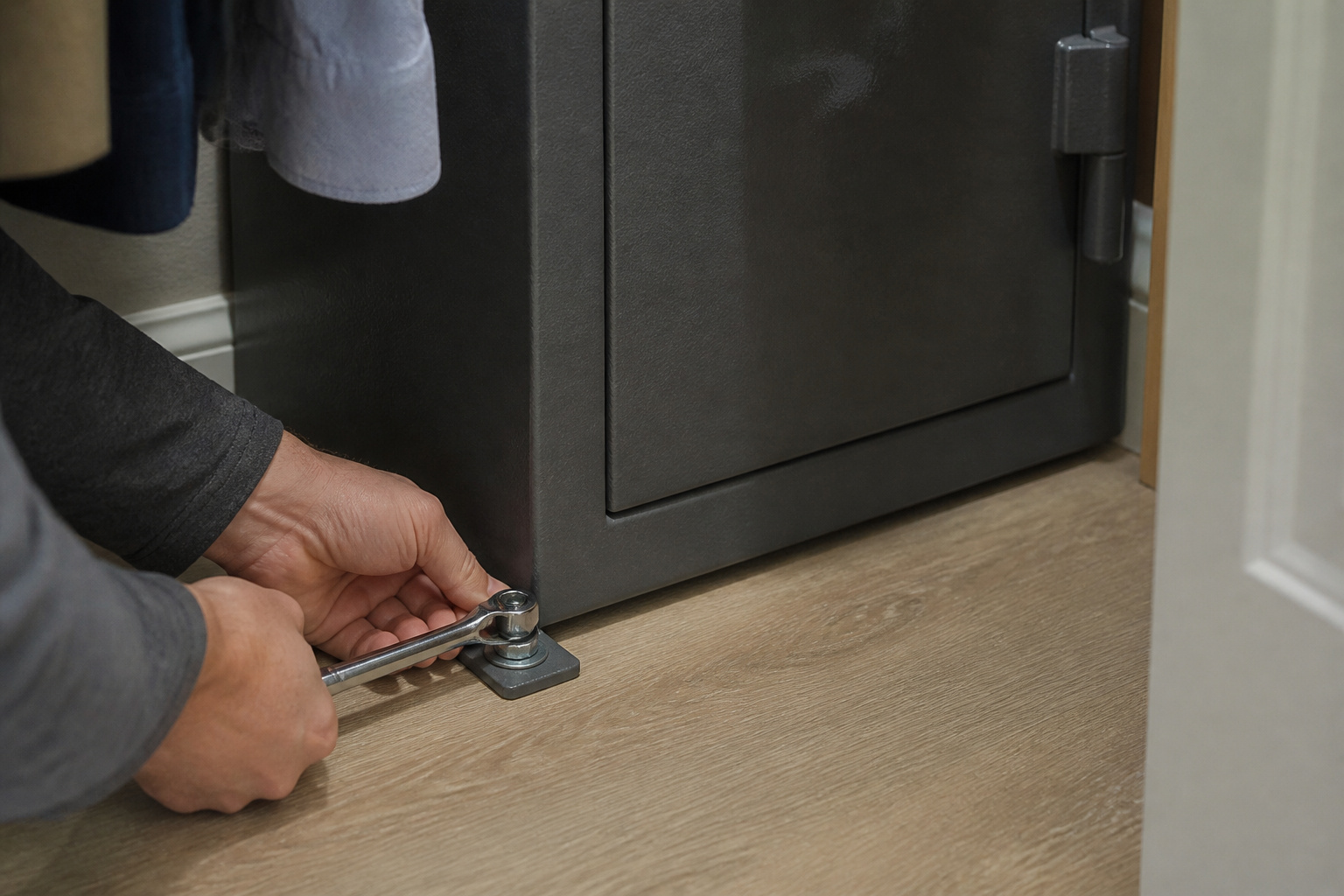
Where you put the safe matters as much as which one you buy. A closet floor corner is a common choice because it limits leverage for prying and keeps the safe out of sight. Avoid obvious spots such as the master bedroom nightstand. Do not hide the safe behind a painting, because thieves know to look there.
Keep the safe away from where water could pool, such as near a bathroom, a window, or a basement floor drain, and avoid hot spots such as a kitchen wall. Write down the combination and the override key location and store the note away from the safe. When you move, plan for the weight, which can be substantial, and for repairing any bolt holes.
Recommended Products

Anchored Down: Keep your safe solid and secure to Concrete & Wood flooring

Secure Hold: Say goodbye to wall anchor woes. Our molly bolts provide a secure hold with expansion arms that open and press firmly against the back of the wall. The metric internal thread allows for repeated installation and removal without compromising load capacity.

Security safe with digital keypad lock is an ideal solution for your valuables and electronics; This safe is not a fireproof or waterproof safe
Frequently Asked Questions
Can I install a wall safe in a rental?
With the landlord’s written permission in most cases, because it requires cutting the drywall. A freestanding or tethered safe avoids that problem.
Is a fireproof safe actually fireproof?
Rarely. Safes are tested to resist fire for a stated time at a stated temperature. Check the independent lab rating, the duration, and whether it covers paper or digital media.
Are biometric safes more secure than keypad safes?
Not necessarily. They are convenient, but quality varies, and a failing reader can lock you out. Keep a backup way to open the safe, no matter which lock you choose.
How do I keep a safe from being carried away?
Choose a heavy model, anchor it to the floor or a closet wall if the landlord allows, or tether a portable safe with a steel cable. Placing it in a closet corner makes it harder to move.
What should I do about a safe’s batteries?
Replace them on a schedule, test the code afterward, and keep the override key somewhere other than the safe. Many electronic safes give a low-battery warning, but do not rely on it.
Is a safe necessary if I have a security system?
They do different jobs. A security system alerts you to entry, while a safe protects specific items from theft, fire, and water. Many renters use both, along with simple physical measures from our guide on security systems for small apartments.
Closing Thoughts
For most renters, a heavy freestanding or bolt-down safe in a closet beats an in-wall safe that needs permission and repairs. Decide what you are protecting, check independent fire and burglary ratings, choose a lock you can open reliably, and place the safe where it is out of sight and out of the way of water. A well-chosen safe protects what matters without costing you a deposit.