A turntable is only one part of a vinyl setup. To hear a record you also need a cartridge and stylus, a phono preamp, and an amplifier and speakers that can use the signal. This guide explains how turntables work, how belt drive and direct drive differ, what built-in preamps and Bluetooth really do, and what to pair a turntable with.
How a Turntable Works
A motor spins the platter at a fixed speed, usually 33 1/3 or 45 revolutions per minute. A tonearm holds a cartridge with a tiny stylus, or needle, that rides in the record groove. The cartridge turns the groove’s vibrations into a very weak electrical signal, which has to be boosted and corrected before it can drive speakers.
Belt Drive vs Direct Drive
In a belt-drive turntable, a rubber belt connects the motor to the platter. The belt isolates the platter from motor vibration, which is why belt drive is common on turntables made for home listening. Belts stretch over time and are cheap to replace, and these turntables tend to be a little slower to reach speed.
In a direct-drive turntable, the motor sits under the platter and turns it directly. These reach speed quickly, hold it steadily, and tolerate the back-and-forth of scratching and cueing, which is why DJs prefer them. Good direct-drive designs sound excellent too, so the choice for home listening is more about features and price than quality. If you are interested in DJing, see DJ gear for beginners.
Products Worth Considering


Exquisite Appearance, Built from wood and metal materials with a unique sense of layering, The streamlined corner design is truly atmospheric and stylish

The Phono Preamp
The signal from a turntable is far weaker than the signal from a phone or CD player, and it is deliberately distorted during record cutting. A phono preamp boosts the signal and reverses that distortion. Some turntables have one built in, some amplifiers and receivers have a phono input that includes one, and others need a separate box. If your turntable has a built-in preamp, it usually has a switch to bypass it, so you can use an external one later. Connecting a turntable to a regular line input without a preamp gives very quiet, thin sound.
Bluetooth Turntables
Some turntables include Bluetooth output so that they can play through wireless speakers or headphones. This is convenient, but the audio is compressed on its way out, so it sounds like other Bluetooth audio rather than a wired turntable. If you care about sound quality, a wired connection is better. See Bluetooth codecs explained for what that compression means.
Products Worth Considering

EASY OPERATION: Effortlessly enjoy your favorite records with one-step auto start, stop and return.

SEAMLESS WIRELESS MUSIC STREAMING: Whether you want to upgrade your home stereo as a Bluetooth receiver for home stereo, breathe new life into an old system using it as a Bluetooth adapter for old receiver, or add Bluetooth to your stereo receiver, this device is the key to a modern, wire-free listening setup.

EASY OPERATION: Effortlessly enjoy your favorite records with one-step auto start, stop and return.
Speakers for Vinyl
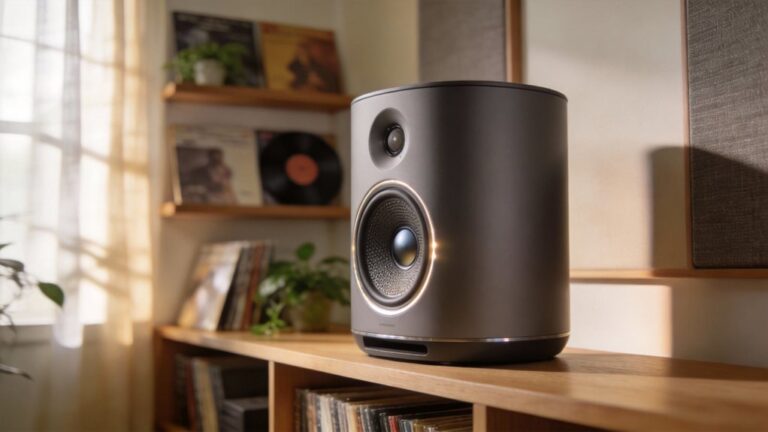
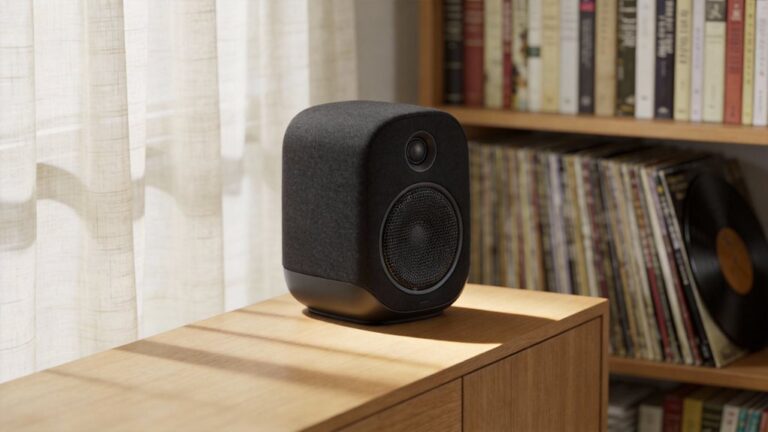
You have two common routes. The first is powered speakers with a phono input or a turntable with a built-in preamp connected to powered speakers’ line inputs, which keeps everything simple. The second is a stereo amplifier or receiver with a phono input, connected to passive speakers. Our guide on active vs passive speakers explains the difference, and bookshelf vs floor-standing speakers helps you choose a pair. For wiring, see whether expensive audio cables matter.
Products Worth Considering
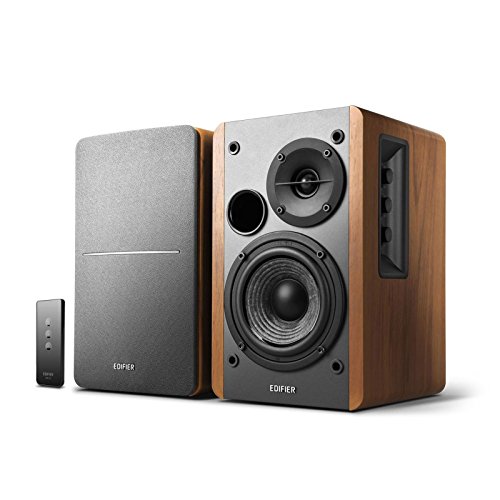
2 x AUX INPUT - Convenient connection to any device that has a 3.5mm headphone output or dual RCA output. Connect to two devices via AUX at the same time, no plugging and switching needed.

Hi-Res Audio Certified – Experience superior sound with Hi-Res Audio certification, delivering a flat response across 52Hz to 40kHz for precise and accurate monitoring, music creation, or everyday listening.

BLUETOOTH WIRELESS - Popular classic bookshelf speakers now can be enjoyed without the hassle of wires. Simply connection to an iPhone, Android, Tablet, PC or Mac.
Setup and Care
Put the turntable on a stable, level surface away from the speakers, since vibration from loud speakers can feed back into the stylus. Set the tonearm’s counterweight and tracking force to the cartridge maker’s recommendation, and keep records and the stylus clean. A stylus wears out with use and needs replacing, and a worn one can damage records, so check the manufacturer’s guidance on how long it should last.
What to Look for When Buying
Choose a turntable with a replaceable cartridge, an adjustable tonearm, and a heavy, stable platter and plinth. Be wary of very cheap all-in-one players with built-in speakers and fixed cartridges, which often track records heavily and are hard to improve. Decide whether you want a built-in preamp, a USB output to digitize records, and Bluetooth, and avoid paying for features you will not use.
Products Worth Considering

Complete Antique Tonearm Assembly: This turntable tonearm phonograph arm replacement supply includes a fully assembled tonearm and stylus, designed to provide a direct and simple replacement for vintage phonograph parts, ensuring smooth use for your record player

All-Inclusive Kit: Each kit comes with a turntable stylus digital scale and Premium PE Case. With our alignment protractor, digital scale VTF gauge block, and protective EVA case, you have all the record player accessories you need to align your cartridge.

This allows for amount of counter drag on the tonearm, reducing the inclination to ' skip ' or ' skate
Frequently Asked Questions
Do I Need a Phono Preamp?
Yes, one way or another. Either the turntable has one built in, your amplifier has a phono input, or you buy a separate preamp. Without one, the sound is very quiet and lacks bass.
Is Direct Drive Better Than Belt Drive?
Neither is better in general. Direct drive suits DJs because it reaches speed quickly and handles scratching, while belt drive is popular for home listening because the belt isolates motor noise. Quality of the design matters more than the drive type.
Can a Bluetooth Turntable Damage My Records?
Bluetooth itself does not. Record wear depends on the cartridge, stylus condition, and tracking force. Very cheap players with heavy tracking force and basic cartridges are more likely to wear records faster, whether or not they have Bluetooth.
Can I Connect a Turntable to Computer Speakers?
Yes, if the speakers are powered and the turntable has a built-in preamp, or you add an external preamp. Use the line input on the speakers. Passive speakers need an amplifier.
Does Vinyl Sound Better Than Streaming?
It sounds different, and many people prefer it for the experience as well as the sound. Vinyl has its own noise and limits, while streaming can be very clean. Mastering and your equipment matter more than the format.