Expensive audio cables rarely sound better than well-made affordable ones. What matters is choosing the right type, length, and build quality, and connecting it properly.
This guide covers each common cable, what to look for, and where your money does more good.
Speaker Wire
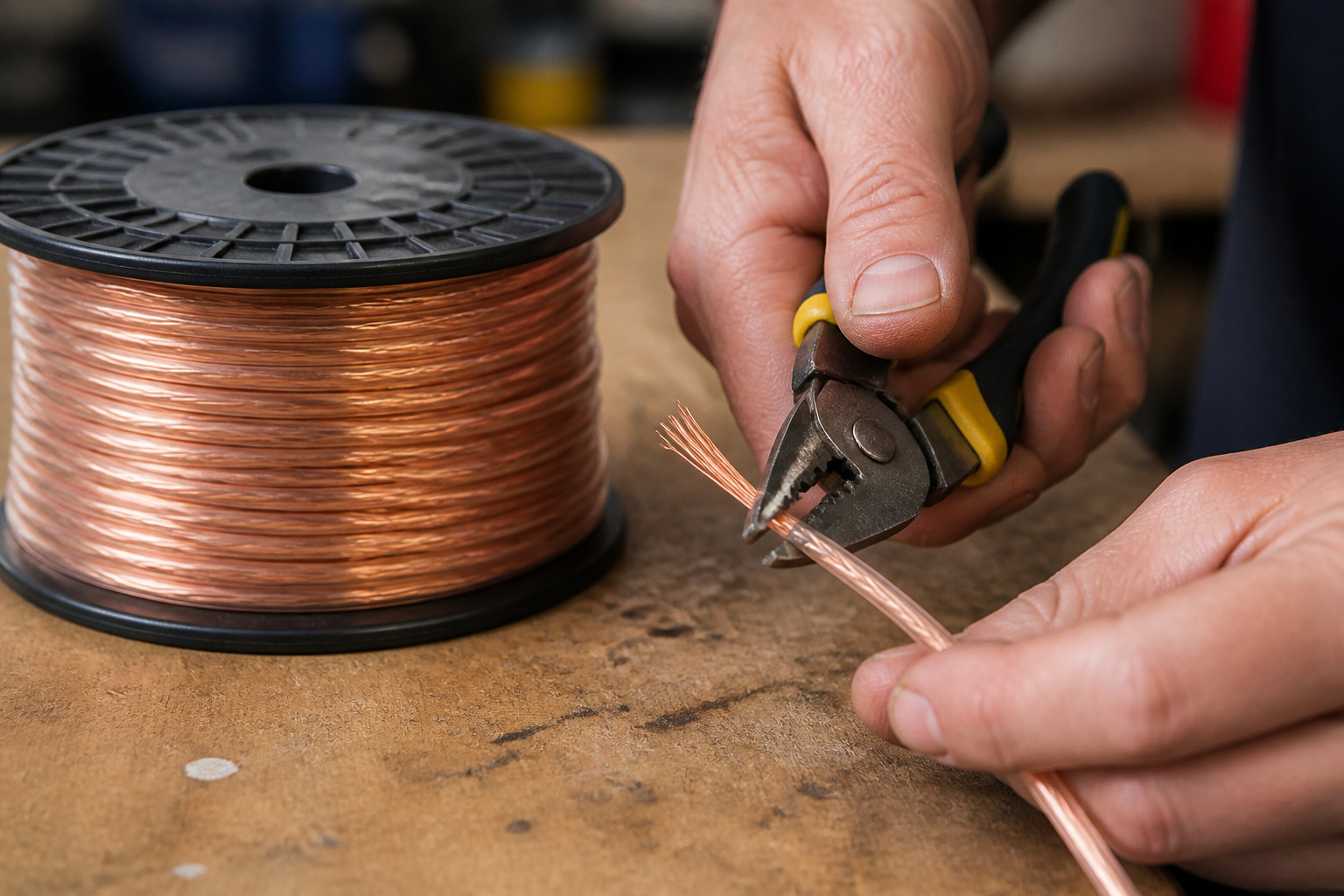
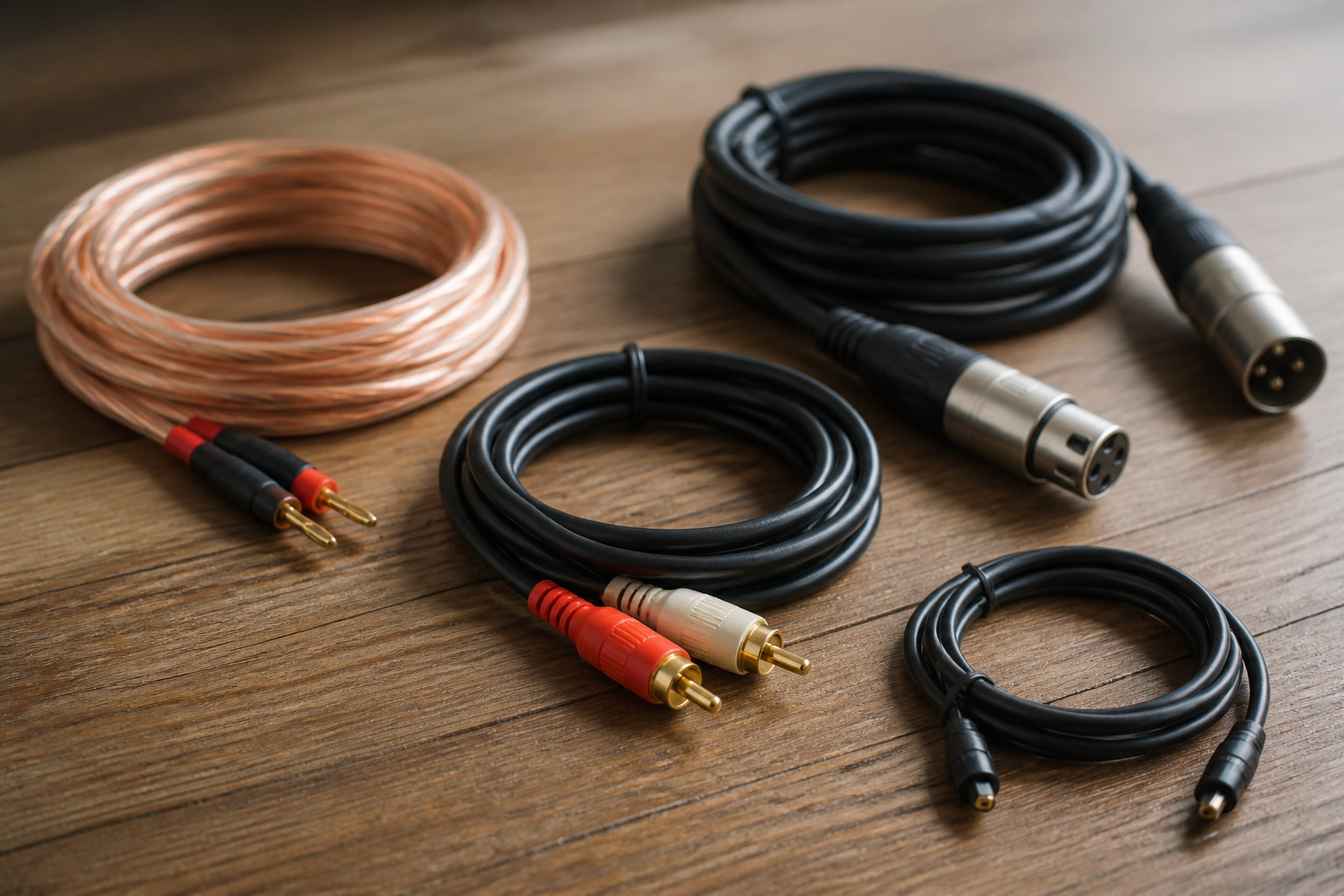
Speaker wire carries power from an amplifier to passive speakers, so thickness matters. Thicker wire has less resistance, which matters most on long runs or low-impedance speakers.
Wire gauge is shown as a number, and a lower number means thicker wire. For typical rooms, ordinary copper speaker wire of a reasonable gauge is enough, and exotic wire does not change the sound in any way that careful tests have reliably shown.
Recommended Products

Low Voltage Wire : 16/2 gauge black and red speaker wire is ideal for low voltage applications such as 12V/24V DC circuit connections, home or car speakers, home appliances, single color LED light strip, lamps, automotive, boat etc

Low Voltage Wire : 12/2 gauge black and red speaker wire is ideal for low voltage applications such as 12V/24V DC circuit connections, home or car speakers, home appliances, single color LED light strip, lamps, automotive, boat etc

IN THE BOX: Includes 100 feet of 16-gauge bronze speaker wire cable from Amazon Basics, wrapped around a hard plastic spool for easy dispensing & storage
RCA and Analog Interconnects
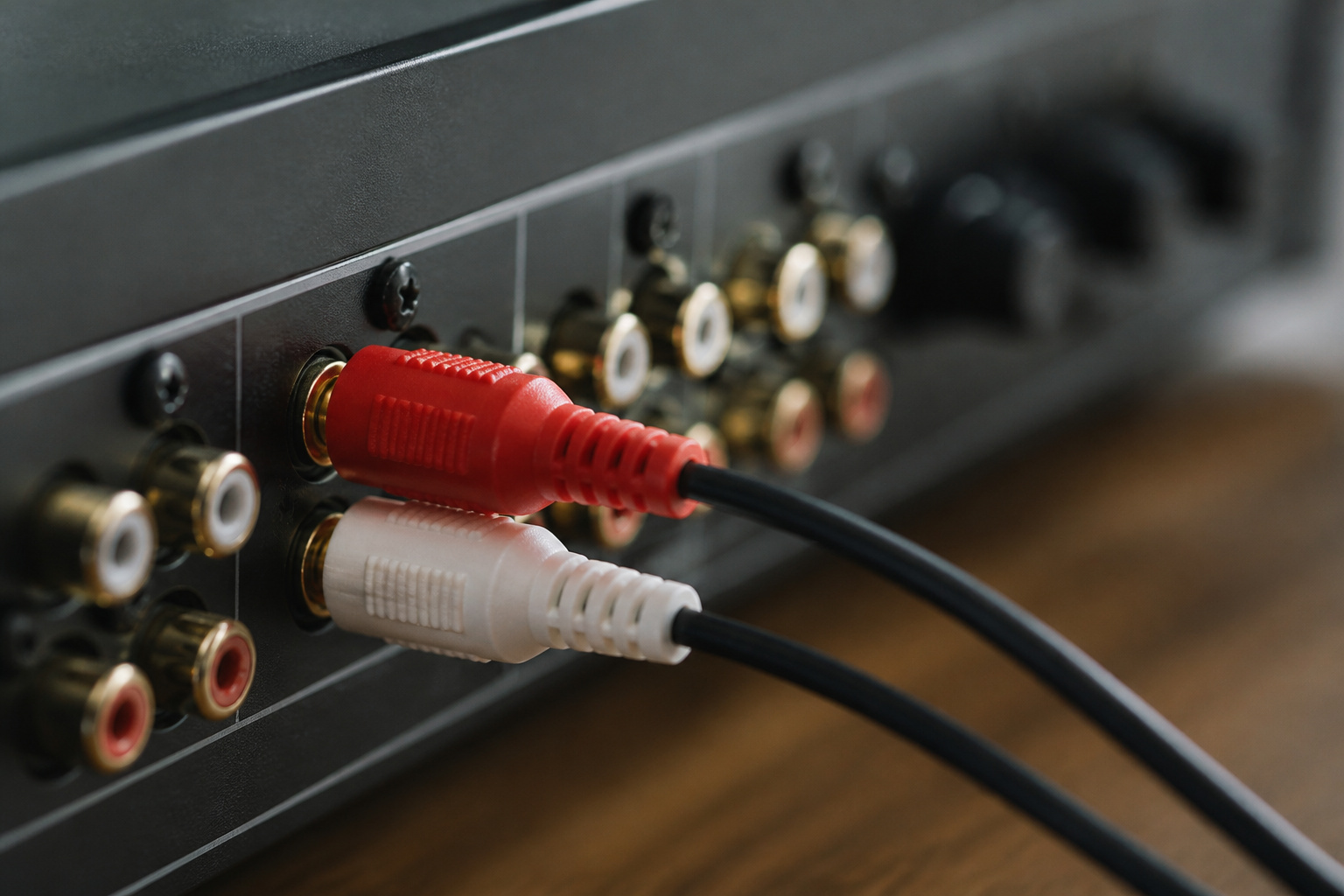
RCA cables carry a low-level signal between devices such as a turntable preamp, a receiver, and powered speakers.
Good shielding keeps out hum and interference, and solid connectors give a firm connection. Keep runs short and keep audio cables away from power cords.
Our guide on improving headphone sound includes other free fixes.
Recommended Products

IN THE BOX: (1) 15 foot 2-Male to 2-Male RCA audio stereo subwoofer cable

Precision engineered with cold-fused gold plating on the center pin and the outer contact ring

Buy with Confidence: With Monoprice's Lifetime Warranty on all Cables, you can rest assured we stand behind our products and our customers.
Balanced XLR and TRS Cables
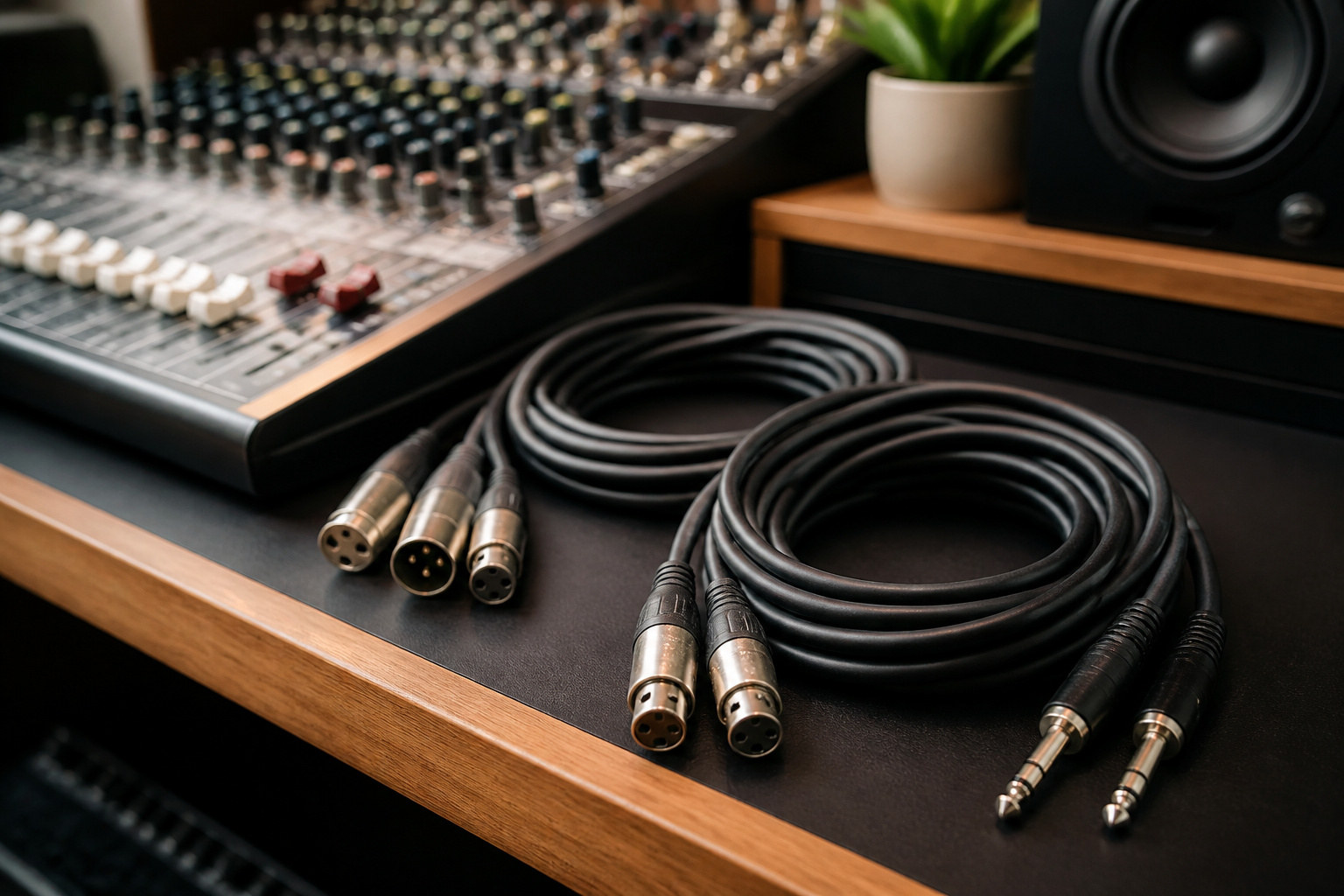
Balanced cables resist noise over longer runs, which is why studios and live sound use them.
If your equipment has balanced connections, they are worth using, especially for long cable runs, and decent ones are inexpensive.
See studio monitors vs regular speakers.
Recommended Products

Balanced cables have a separate braided shield to provide additional resistance to interference without modulating the interference into the signal.

Male XLR to 1/4 Cable: This balanced XLR male to 1/4 cable is perfect for interconnecting a wide range of audio equipment with an XLR connector and 1/4 inch TRS jack, such as studio monitors, mixers, audio interfaces, and other professional audio gear.

Professional-Grade XLR Cable: This 1/4 TRS to XLR Female balanced cable is perfect for connecting a microphone's XLR output to a mixer's 1/4 TRS input. You can also convert a mixer or audio player's XLR output to a 1/4 TRS input and connect the 1/4 jack to a powered speaker's input. This balanced connection ensures excellent compatibility with both microphones and powered speakers
Digital Cables
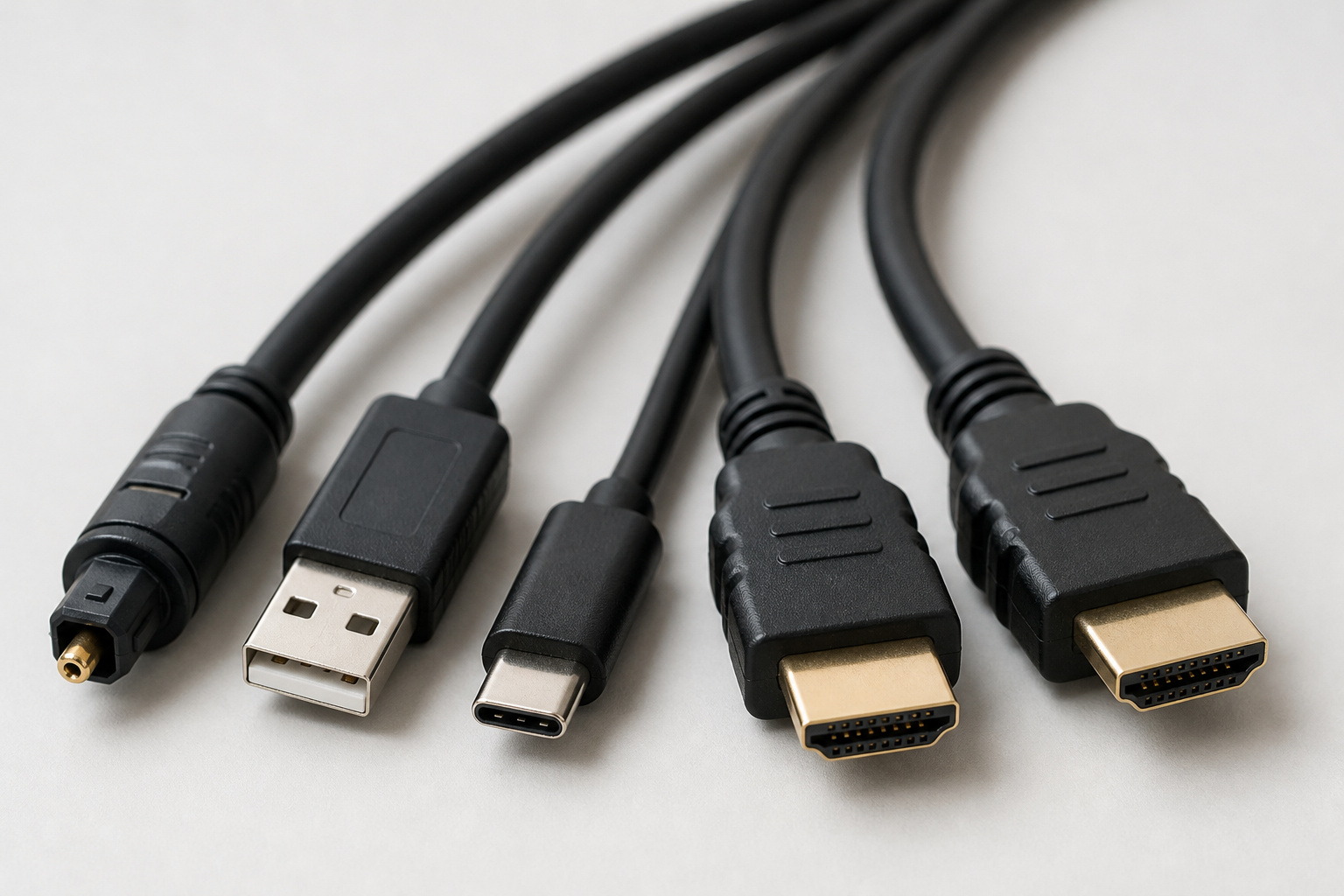
For digital connections such as optical, coaxial, USB, and HDMI, the signal either arrives intact or it does not, so a working cheap cable carries it as well as an expensive one.
Problems show up as dropouts, not as subtle changes in tone. Read HDMI cables explained for the HDMI details.
For connecting a TV, see how to connect audio devices to any TV.
Recommended Products

HDMI eARC to Optical Cable(1.05m/41in): The eARC Audio Extractor connects to an eARC or ARC-compatible TV, allowing the TV's audio to be transmitted to a sound system via the converter's built-in optical SPDIF digital audio cable. The eARC audio converter Only for TV with “eARC” or ''ARC'' interface. Please make sure your TV supports the ARC feature and set the audio output to “ARC/EARC” and set the audio format to PCM
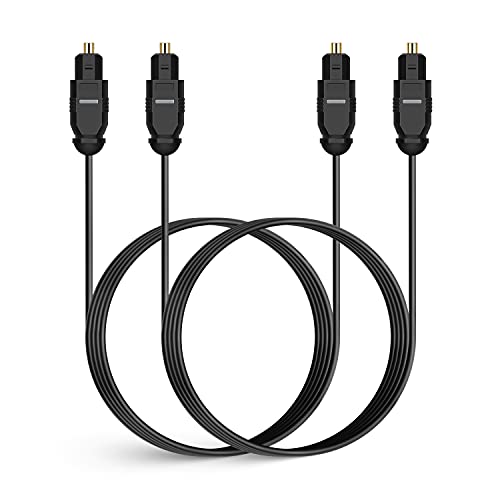
【Considerate Design】Precisely designed cuboid-shaped connectors make it easier to identify the installation angle and fits snugly, which keeps adjacent ports available for optimal use. Removable rubber caps can prevent dust and oxidation when not plugged-in.

【HDMI Audio Extractor】The HDMI audio extractor can extract audio from HDMI signal and transmit it to AV receiver through optical or 3.5mm Cable.(Note: Devices do not support ARC and eARC.TV is not supported as the input source,otherwise product doesn't p video.)
What Actually Matters
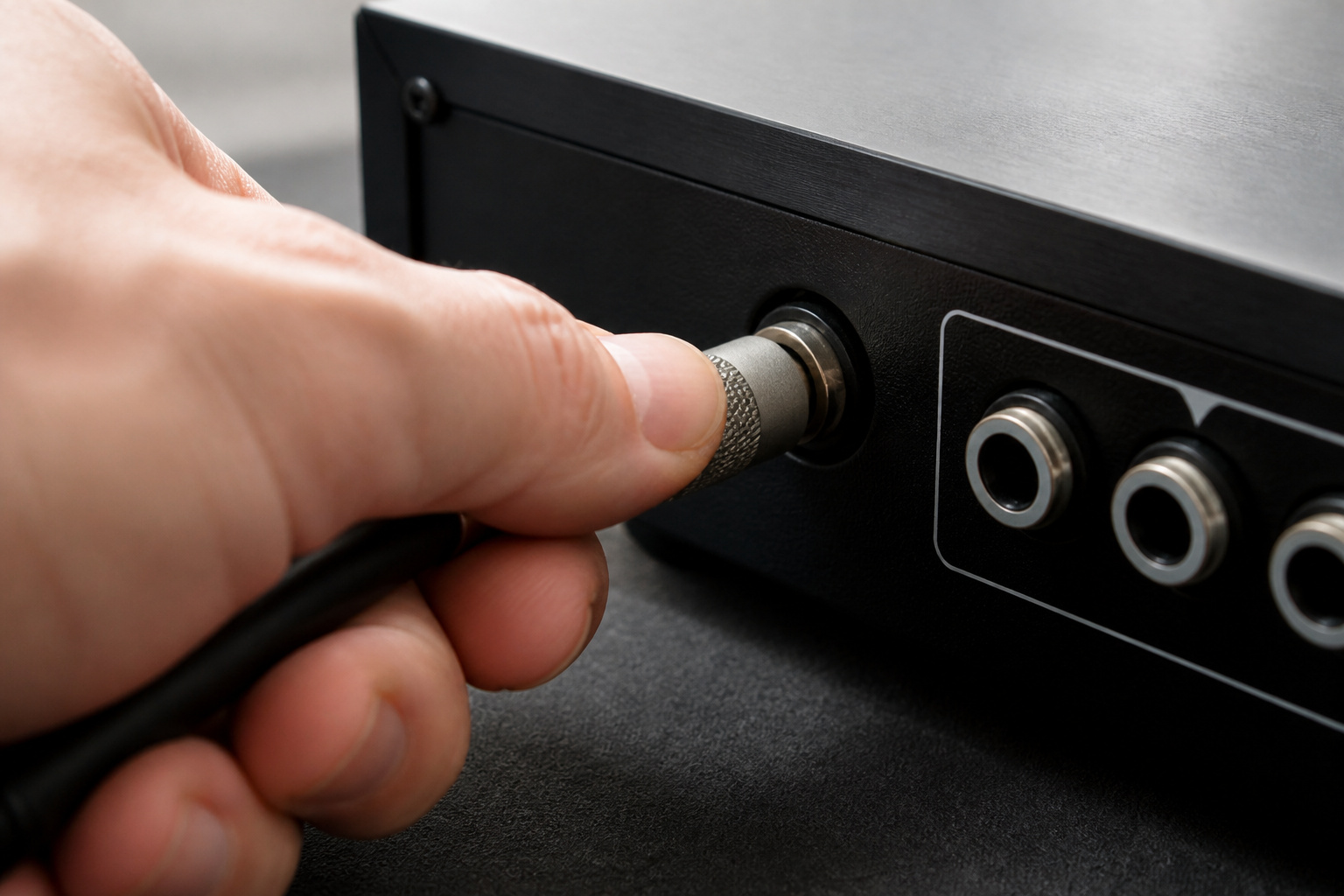
The right type of cable for the connection, enough thickness for speaker wire, decent shielding for analog cables, secure connectors, and a sensible length.
Replace damaged cables, and avoid coiling excess length tightly near power cords. If a cable is well made and fits properly, spending more rarely buys audible improvement.
Where to Spend Instead
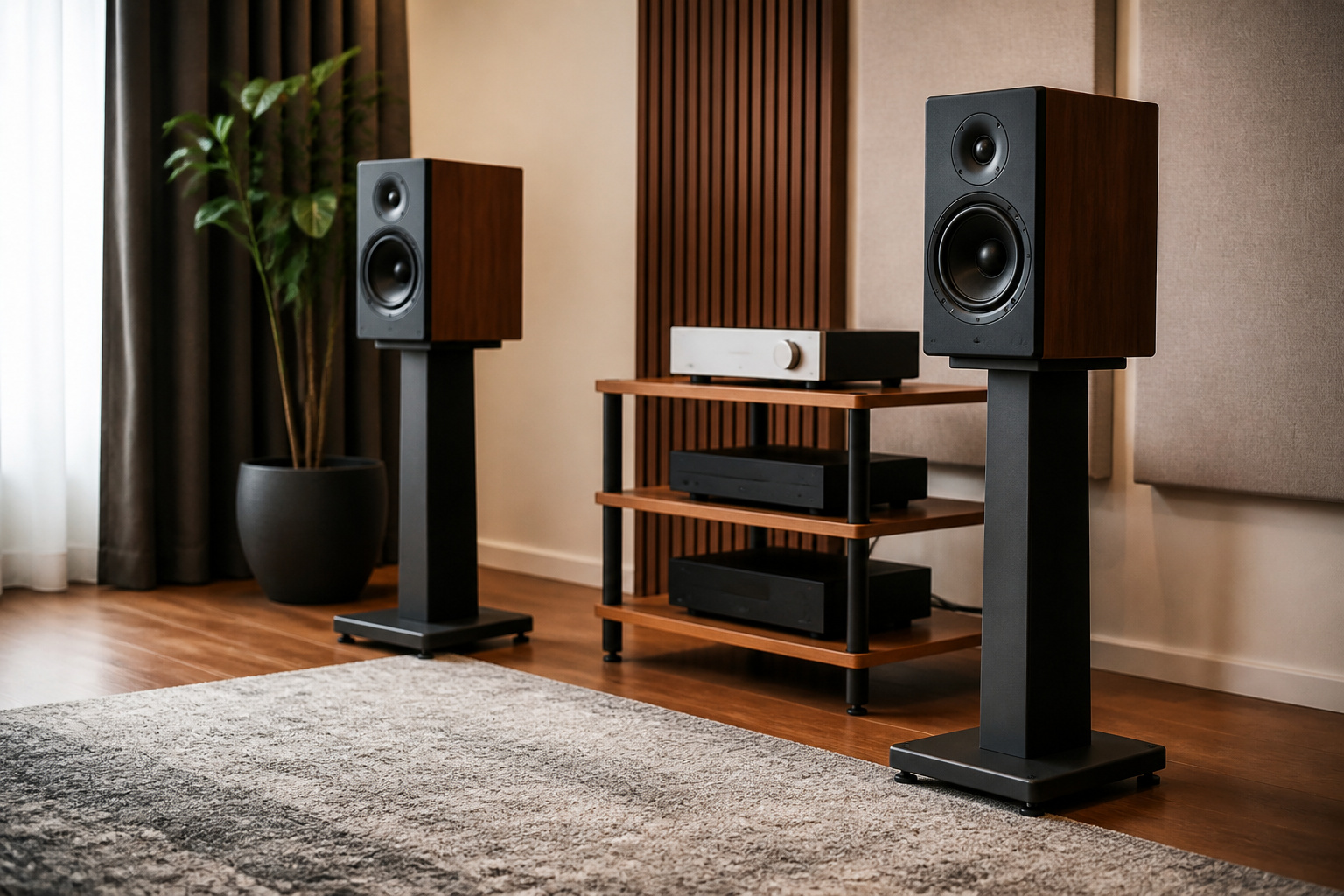
Better speakers or headphones, room treatment, and speaker placement change sound far more than cables.
Our guide on how to upgrade your audio setup in stages shows a sensible order, and audio basics explains what matters most.
Recommended Products

Superior Acoustic Treatment: These sound-absorbing foam panels effectively dampen echoes and reverberations for enhanced audio clarity and quality

【Acoustic Panels】Acoustic panels can efficiently reduce unwanted noise and echo, including reverb, flutter echoes, undesirable acoustic reflections, etc, making them ideal for treating specific areas on walls in studios or offices. The foam used in these studio foam wedges has a uniform density and firmness, ensuring consistent sound absorption.

🔇 Effective Noise Reduction: Design for tranquility, our wall soundproof foam panels are engineered with an exceptional NRC coefficient surpassing 0.95, they excel at absorbing diverse high and low-frequency noises, from bustling traffic to household chatter and blaring music. As you combine more panels, the noise gets weaker.
Frequently Asked Questions
Does Speaker Wire Thickness Matter?
Yes, especially for long runs. Use thicker wire as the distance grows, and check the speaker and amplifier manuals for recommendations. For short runs in a normal room, standard wire is usually enough.
Do Gold-Plated Connectors Improve Sound?
Gold resists corrosion, which can help connections stay reliable over time, but it does not make music sound better. A firm, clean connection matters more.
Do Optical and HDMI Cables Affect Sound Quality?
Not in the way analog cables can. They carry digital data, which either works or fails. A basic, well-made cable that works reliably is enough.
Do I Need Balanced Cables at Home?
Only if your equipment has balanced connections and you have long runs or noise problems. Short runs with unbalanced cables are usually fine.
Why Does My System Hum or Buzz?
Common causes include ground loops, poorly shielded cables, and audio cables running next to power cords. Try separating cables, using different outlets, or a ground-loop isolator before replacing anything.