Ever wonder why some movie explosions feel like they’re shaking your chest, while others just sound flat? That deep rumble, the one you feel more than hear, comes from a subwoofer. Without it, your speakers miss the lowest notes music and movies rely on. You don’t just hear bass, you sense it in your bones. A subwoofer delivers that physical punch, turning sound into sensation.
You might think your TV or soundbar does enough. But small speakers can’t move enough air to reproduce deep bass. They try, but the result is thin, lifeless audio. A subwoofer handles frequencies below 80 Hz, the roar of thunder, the boom of a bass drum, the growl of a spaceship engine. These sounds aren’t just background noise. They build tension. They make action scenes thrilling. They give music weight and depth. Without them, the experience lacks impact.
Imagine watching a horror film. The music creeps in, low and slow. A door creaks. Then thud. Your heart jumps. That sudden bass drop hits harder when it vibrates through your floor. You’re not just watching, you’re inside the scene. A subwoofer pulls you in. It fills the room with energy regular speakers can’t match.
Music lovers need it too. Feel the kick drum in a pop song. Notice the deep hum of a cello in a symphony. Hear the bassline in jazz or the thump in hip-hop. These elements anchor the rhythm. They give music its groove. Without a subwoofer, you miss the full picture. It’s like seeing a painting in black and white when it was meant to be in color.
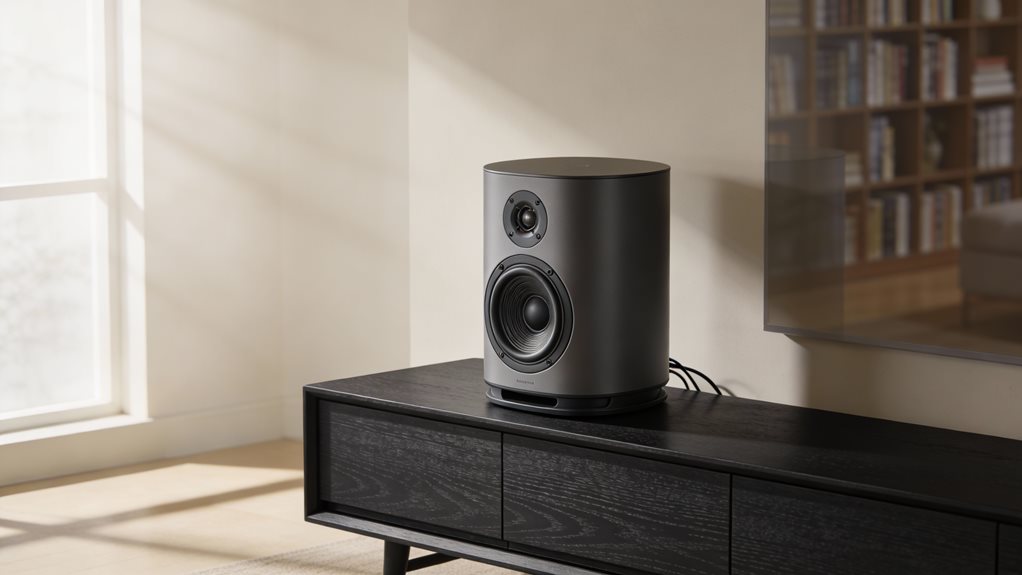
You don’t need a huge, expensive system to get results. Even a modest subwoofer transforms your setup. Place it in the corner of the room, or near your front speakers. Adjust the volume until the bass blends smoothly, present but not overwhelming. It should enhance, not dominate. When balanced right, it feels natural, like the sound was always there.
Some say they don’t notice the difference. But once you’ve felt a bassline ripple through your sofa, it’s hard to go back. Your ears adapt. Your body expects it. Silence feels empty without that low-end presence. A subwoofer isn’t a luxury. It’s a key part of complete sound.
You don’t have to be an audiophile. You just need to listen. Play a movie with a storm scene. Press play on a song with deep bass. Close your eyes. Feel the difference. That rumble in your chest? That’s real sound. That’s what you’ve been missing. You don’t just hear it, you live it. And once you do, you’ll wonder how you ever watched or listened without one.
A great way to start enhancing your audio experience is by exploring the Best Audio Speakers for every music lover.
Frequently Asked Questions
Can a Subwoofer Work Without an Amplifier?
No, you can’t run a subwoofer without an amplifier. It needs power to roar. Passive subs rely on external amps. Hook them up, and boom, they sing.
Powered subs have amps built right in. Plug them in, and they’re ready. You just send audio, and they handle the rest. Think of the amp as the engine. No engine, no drive. No amp, no bass. Simple.
Where Should I Place My Subwoofer for Best Sound?
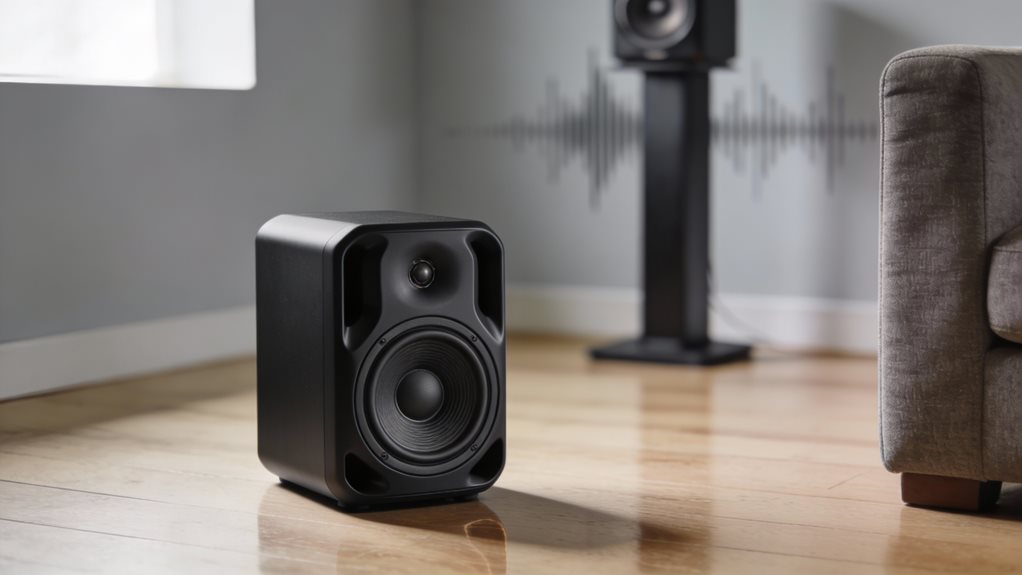
Place your subwoofer near the front of the room, close to your main speakers. You’ll feel deeper bass that blends smoothly. Avoid corners, they boost bass too much, making it muddy.
Try the middle of the wall for balanced punch. Shift it a few inches left or right if the sound feels uneven. Trust your ears. Walk around. Listen. Adjust. Good bass should wrap around you, not hit like a hammer.
Do I Need More Than One Subwoofer?
You don’t always need more than one subwoofer, but adding a second can transform your sound. One sub works fine in small rooms.
Two subs smooth out bass, filling large spaces evenly. Place them apart, one near the front, one toward the back. They’ll team up, canceling dips and booms.
Feel the difference? Bass becomes fuller, tighter, more natural. Test it. Hear how corners hum less? Dual subs often mean smarter, richer low end you can feel in your chest.
Can a Subwoofer Damage My Speakers?
No, a subwoofer won’t damage your speakers. It’s like a teammate, not a rival. You set the volume. You control the crossover. Keep levels sane, and your system sings in harmony.
Crank it too high? That’s on you, not the sub. Match power wisely. Use settings right. Your speakers stay safe. Think balance. Respect limits. Sound stays clean. You’ve got this.
How Do I Connect a Subwoofer Wirelessly?
You connect a subwoofer wirelessly by pairing it with your receiver or soundbar using Bluetooth or a dedicated wireless kit. First, plug in the sub. Then, power on both devices. They’ll link automatically if matched. If not, press the sync button on each.
Boom, deep bass flows. No messy wires. Just rich, rumbling sound that fills the room. You’re set. Enjoy.