Apple sells more iPhones than most people realize, and the price gap between the cheapest and most expensive is well over a thousand dollars. The differences that determine the one that suits you are smaller than the marketing makes them sound: screen size, how many rear cameras you want, how much storage you need, and how long you plan to keep the phone.
This guide walks through the current lineup and the decisions in order, so you can narrow it down before you compare prices. If you are coming from Android, our Android phone buying guide covers the same questions from the other side, and it helps to see what you would be giving up or gaining.
Which iPhone Models Does Apple Sell Right Now?
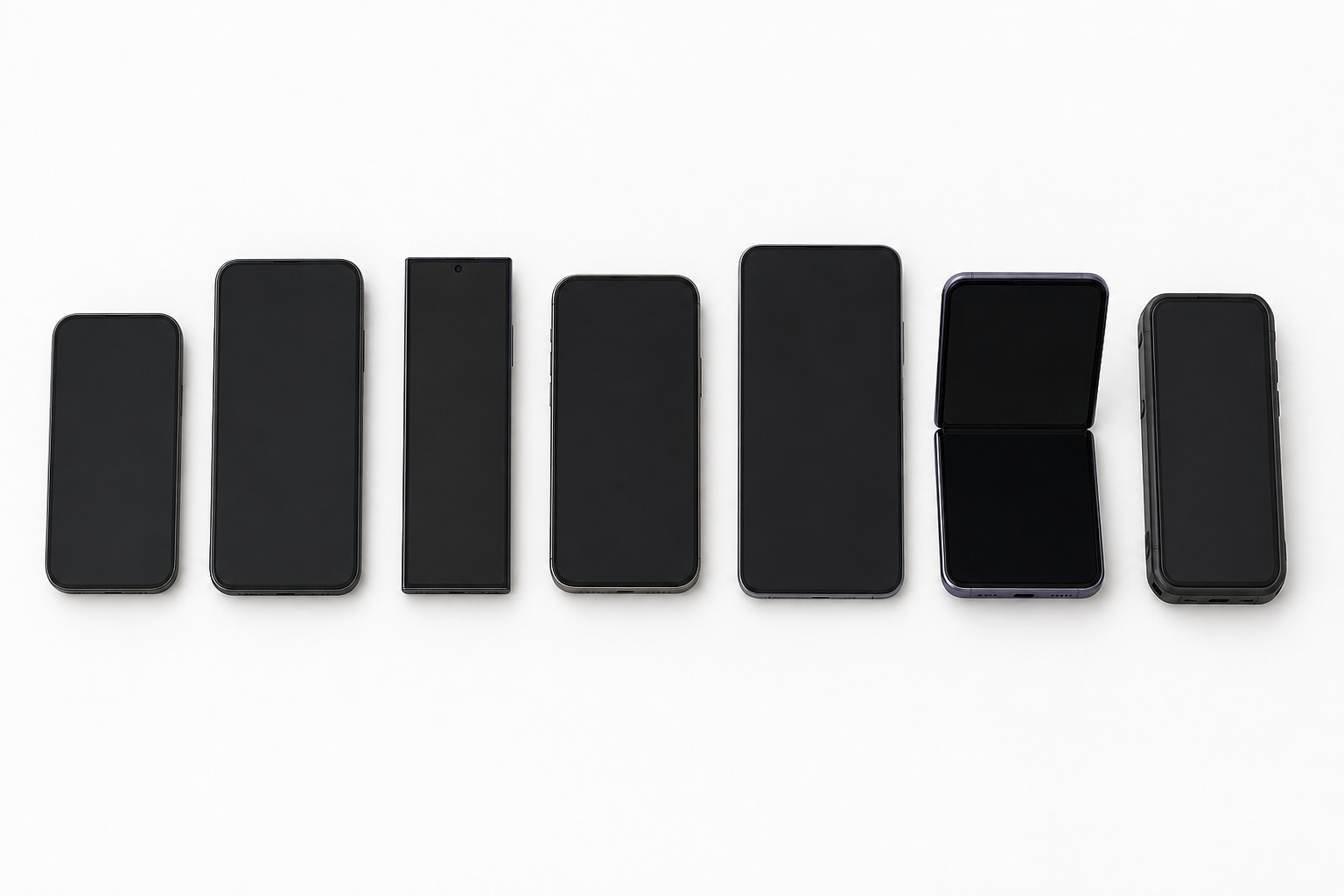
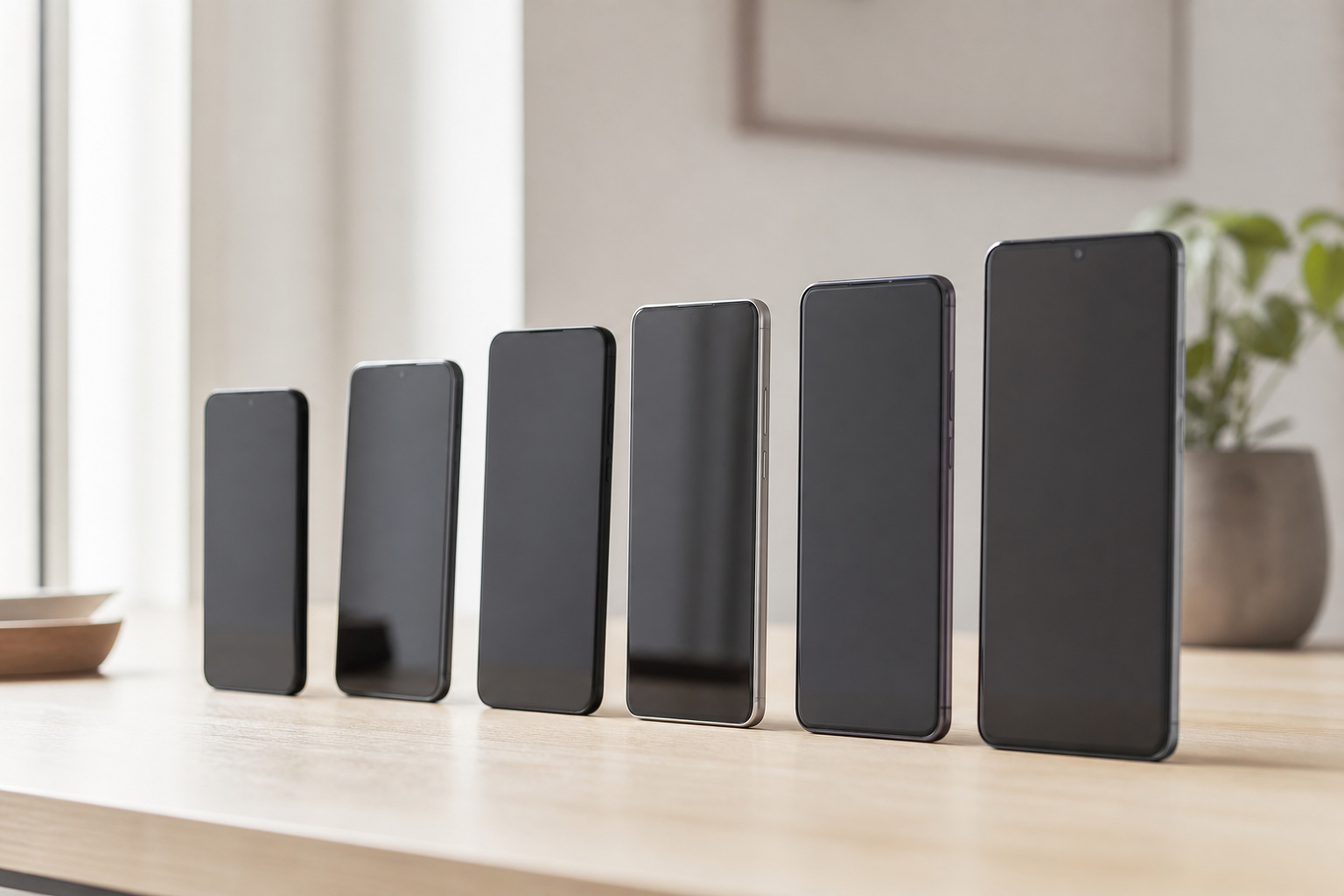
As of late October 2026, Macworld’s buying guide lists seven models on sale. The iPhone 18 Pro and iPhone 18 Pro Max arrived in September alongside the new foldable iPhone Duo. Older iPhone 17 Pro models have been discontinued. The table below shows Apple’s starting prices at the time of writing. Prices change with storage tier and promotions, so confirm them before you buy.
| Model | Starting price | Screen | Rear cameras | Chip |
|---|---|---|---|---|
| iPhone 17e | $699 | 6.1 inch | One 48MP | A19 |
| iPhone 16 | $799 | 6.1 inch | 48MP main and ultra-wide | A18 |
| iPhone 17 | $899 | 6.3 inch | Two 48MP | A19 |
| iPhone Air | $1,099 | 6.5 inch | One 48MP | A19 Pro |
| iPhone 18 Pro | $1,199 | 6.3 inch | Three 48MP, including 4x telephoto | A20 Pro |
| iPhone 18 Pro Max | $1,299 | 6.9 inch | Three 48MP, including 4x telephoto | A20 Pro |
| iPhone Duo | $1,999 | 5.4-inch outer, 7.6-inch inner | Two 48MP | A20 Pro |
Which iPhone Is the Best Fit for Most People?
For most buyers, the standard iPhone 17 is the safe middle. It has two capable rear cameras, a current-generation chip, and a larger screen than the cheaper models, and it costs hundreds less than a Pro. If you don’t have a specific reason to pay for a Pro, start here and then ask whether the cheaper or pricier neighbors solve a problem you actually have.
A sensible way to decide is to ask what you would miss. If you mostly message, browse, stream, and take everyday photos, the iPhone 17 will not leave you wanting. If you take a lot of zoomed photos or play demanding games, look at the Pro models. If your budget is tight, look at the two cheaper options below.

512GB storage, eSIM ready
Renewed premium iPhone 17 with massive storage, unlocked freedom, and reliable battery health.
As an affiliate, we earn on qualifying purchases.
Is the iPhone 17e or iPhone 16 Good Enough?
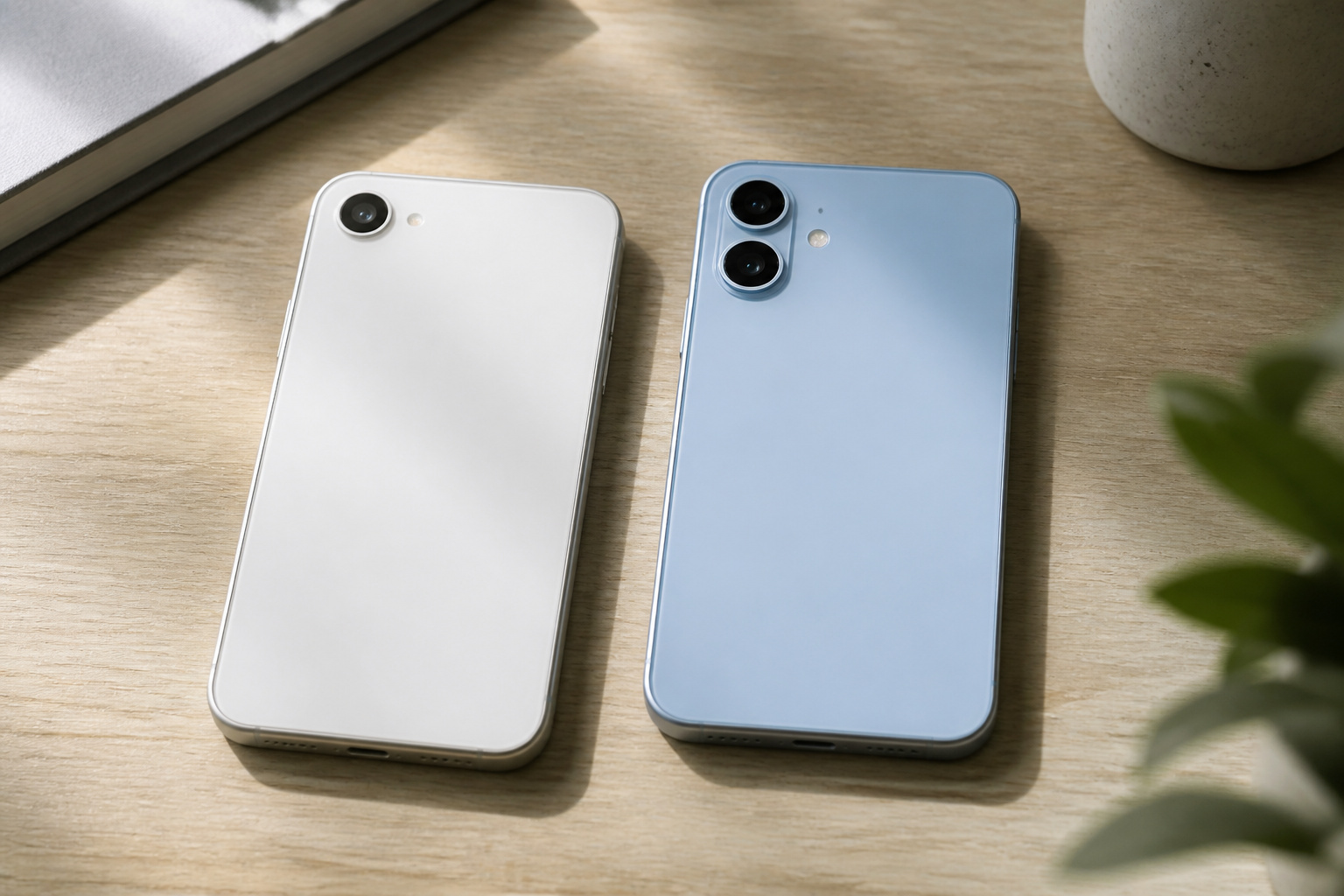
Yes, for many people. The iPhone 17e is the cheapest way into the current generation, with a newer chip than the iPhone 16. The trade-off is a single rear camera, so you give up the ultra-wide lens that’s handy for group shots and tight indoor spaces. The iPhone 16 keeps two rear cameras at a price between the 17e and the 17, but it runs an older chip and, per Macworld, starts at 128GB of storage.
Which is better depends on what you value. Pick the 17e if a newer chip and longer expected support matter more than an ultra-wide camera. Pick the iPhone 16 if you want that second camera and are comfortable with older hardware. Either way, compare the exact storage tier, because a small tier that fills up costs more to fix later than a larger tier costs up front.

6.1‑inch (diagonal) all‑screen OLED display

6.1" Screen size
When Is a Pro Model Worth the Extra Money?
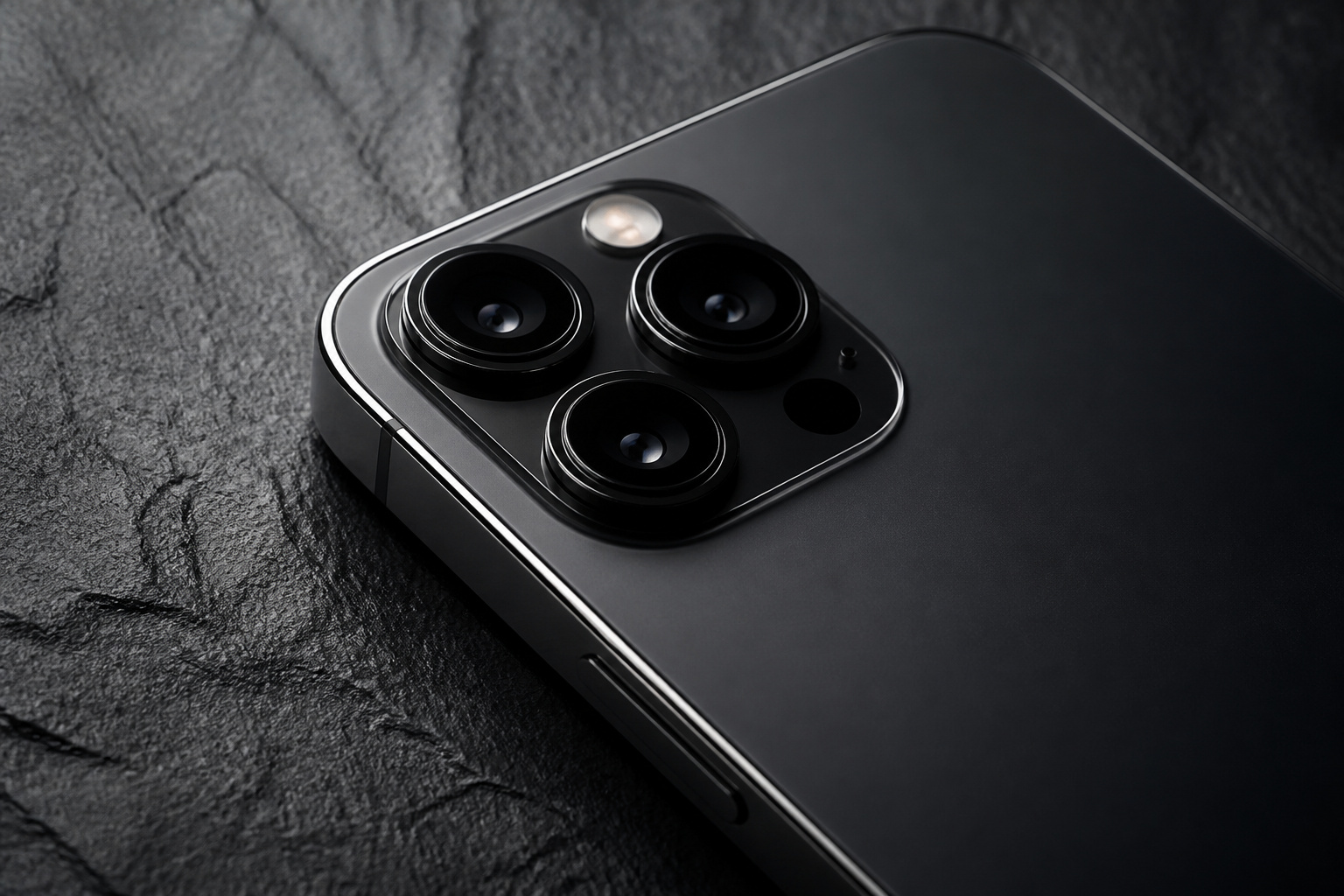
A Pro is worth it when you will use what it adds. The main differences are the third rear camera, a 4x telephoto lens that gets you closer to distant subjects without losing detail, a faster A20 Pro chip, and a variable-aperture main camera. If you photograph kids at sports, concerts, travel, or wildlife, the telephoto feature justifies the price. If you rarely zoom, you are mostly paying for headroom you may not touch.
Between the two Pro sizes, the choice is mostly comfort. The iPhone 18 Pro uses a 6.3-inch screen that is easier to hold and pocket. The iPhone 18 Pro Max has a 6.9-inch screen and is the better fit if you watch a lot of video, read on your phone, or want the biggest battery. Hold both in a store, since a phone that is too large to use one-handed gets annoying quickly.

ProMotion OLED display
Experience stunning visuals and lightning‑fast performance in a sleek, durable design.
As an affiliate, we earn on qualifying purchases.
Are the iPhone Air and iPhone Duo Worth Considering?
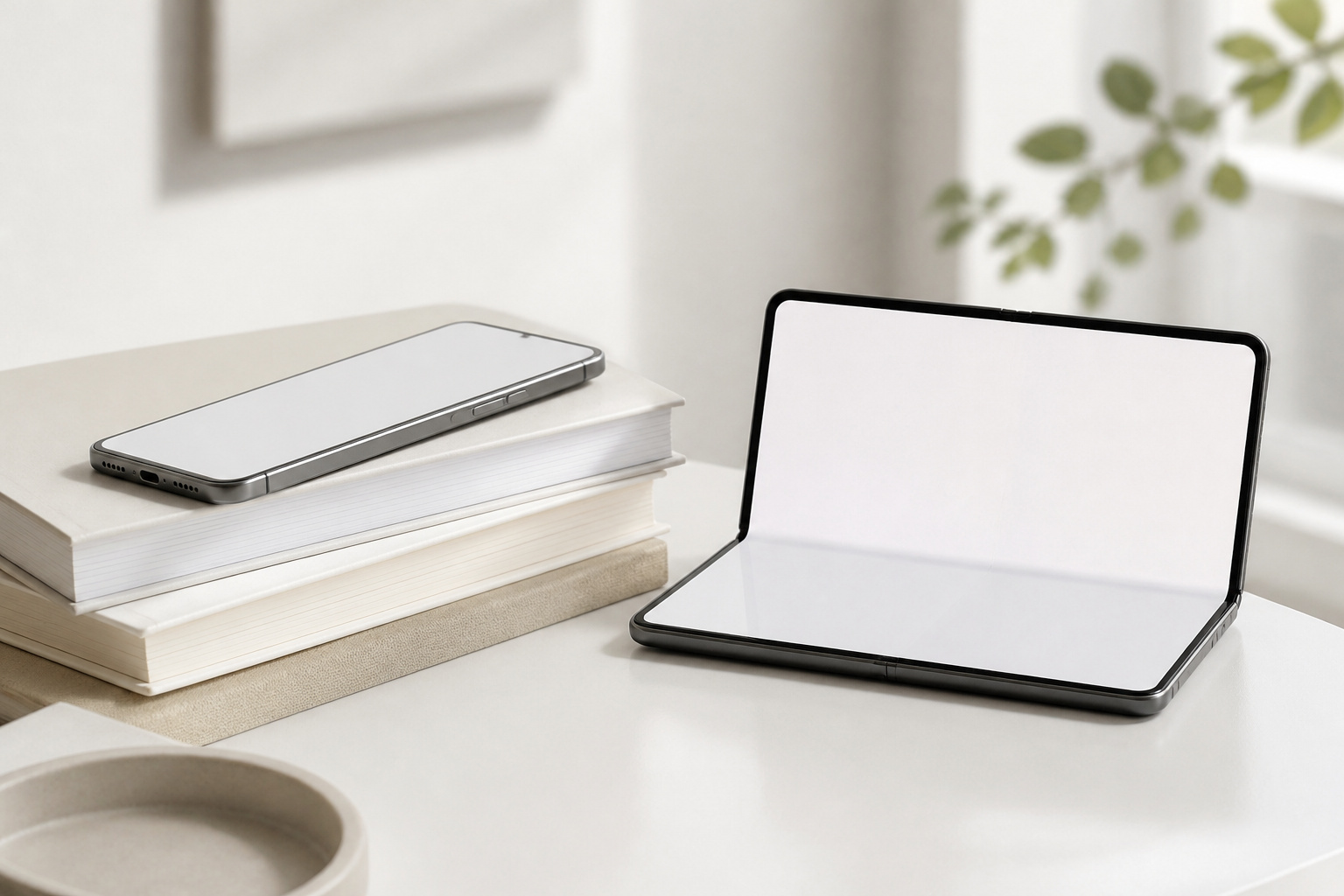
They are for specific buyers. The iPhone Air is the thin, light option, with a 6.5-inch screen and one rear camera. It suits people who value weight and slim design over camera range, and it costs more than the standard iPhone 17, so you are paying for the design rather than extra capability.
The iPhone Duo is Apple’s first foldable, at $1,999. It opens from a 5.4-inch outer screen to a 7.6-inch inner one. A first-generation foldable carries more risk than a mature design, both in how the folding mechanism holds up over years and in how well apps use the larger screen. Buy it if the folding screen genuinely appeals to you and you are comfortable with paying an early-adopter premium. Otherwise, a Pro Max gives you a big screen for a lower price.

256GB storage with eSIM
Renewed iPhone Air with vibrant sky blue finish, unlocked for any carrier, and reliable battery health.
As an affiliate, we earn on qualifying purchases.
How Much Storage Do You Need?
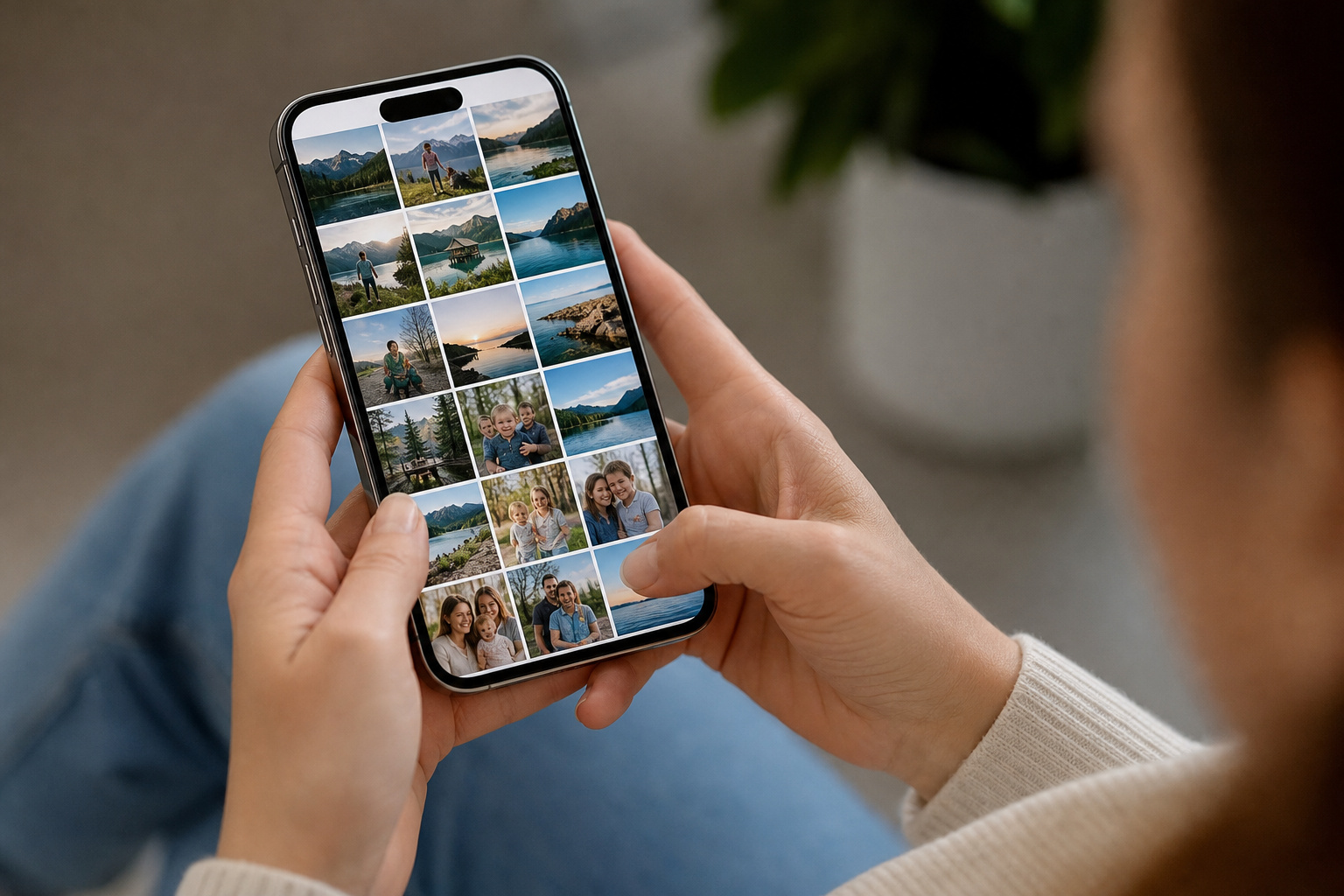
Storage is the one spec you cannot upgrade later, and iPhones have no memory card slot. Photos, 4K video, downloaded shows, and games fill a phone faster than most buyers expect. If you shoot a lot of video or keep many apps and offline media, step up to a larger tier. If you mostly stream and keep photos in iCloud, the starting tier can work, but remember that iCloud storage is a monthly charge that adds to the real cost of choosing a smaller phone.
How Long Will an iPhone Last?
Longer than most Android phones have traditionally lasted, though Apple does not publish a fixed number of years. Based on past practice, BGR estimates major iOS updates of roughly five to six years, with security updates often continuing after that. For example, the iPhone XS, launched in 2018, received iOS 18 in 2024. A newer chip generally means more years of full support. This is the case for choosing the 17e over the 16.
Battery wear is usually what ends a phone’s useful life first, and a battery replacement can extend it if everything else is fine. If you want to keep your phone for five years or more, choose a newer model and a larger storage tier. It matters more than choosing the most expensive one.
Should You Buy From Apple, Your Carrier, or Unlocked?
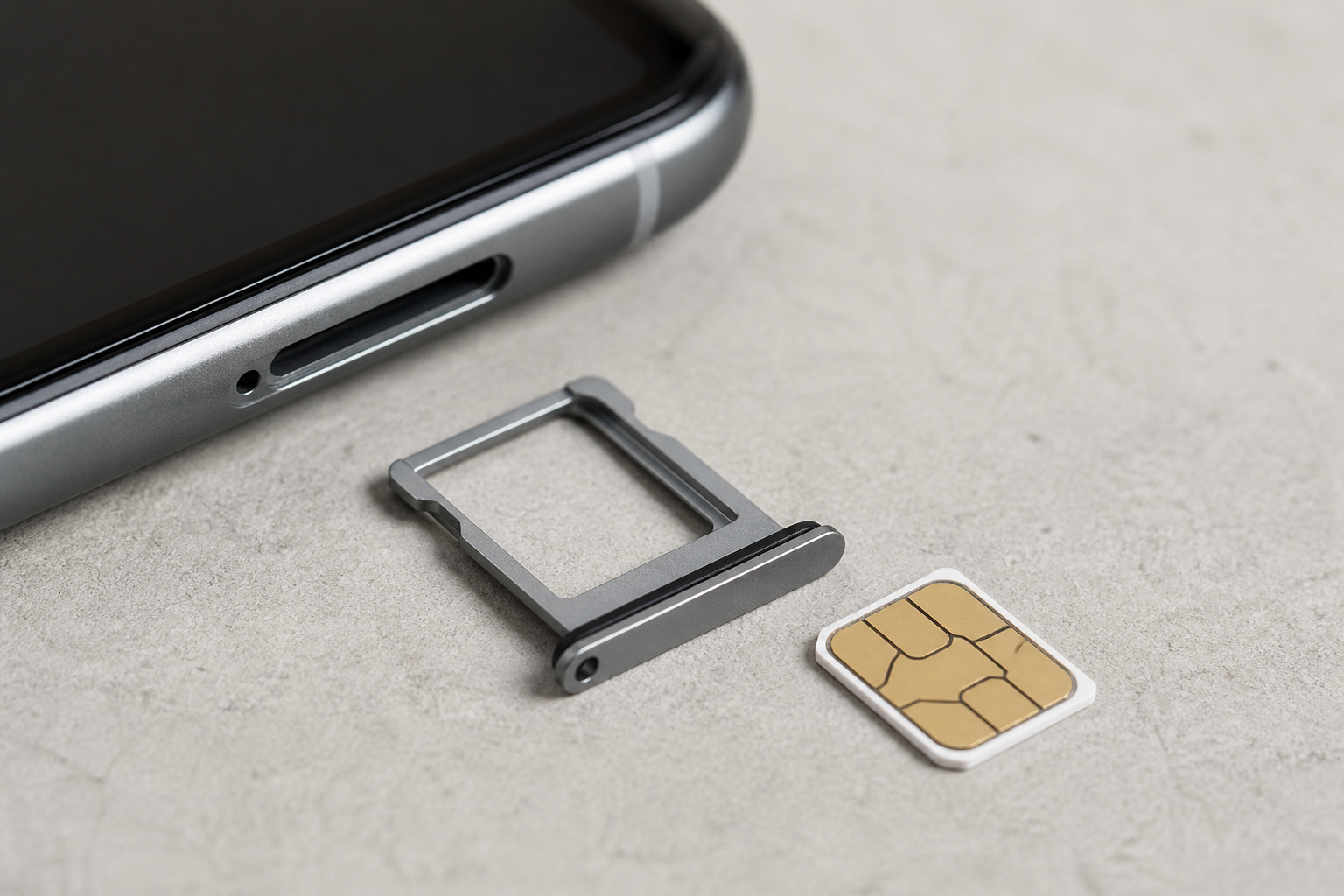
Buying through a carrier can lower the upfront cost with trade-in credits or monthly installments, but the phone may stay locked to that network until paid off, and a credit can disappear if you switch plans early. An unlocked iPhone lets you change carriers freely, and it is easier to sell later. Read the terms of any carrier deal before you accept it, because a discount that depends on staying on a plan for 36 months is part of the price you pay.
What Accessories Go Well With a New iPhone?
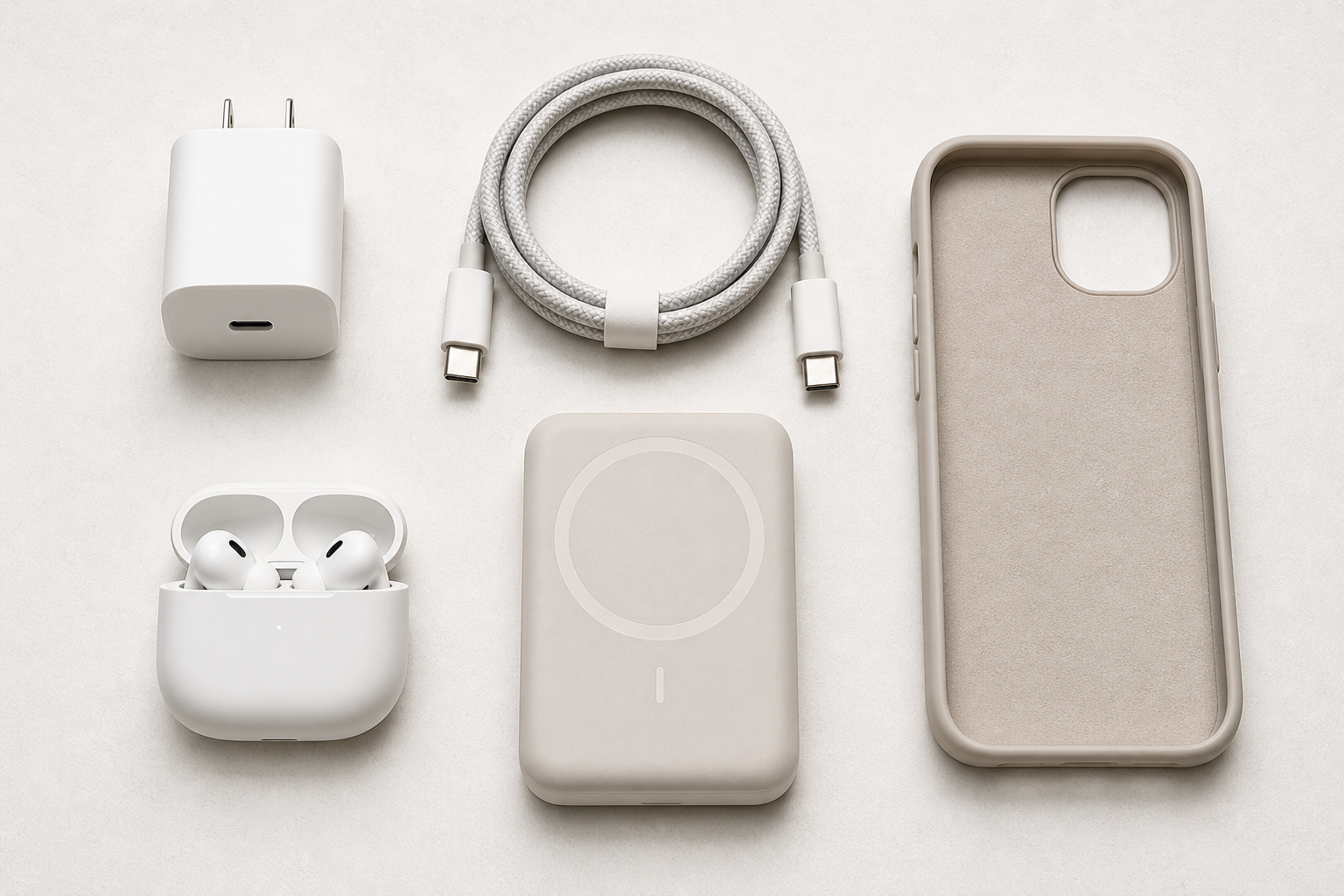
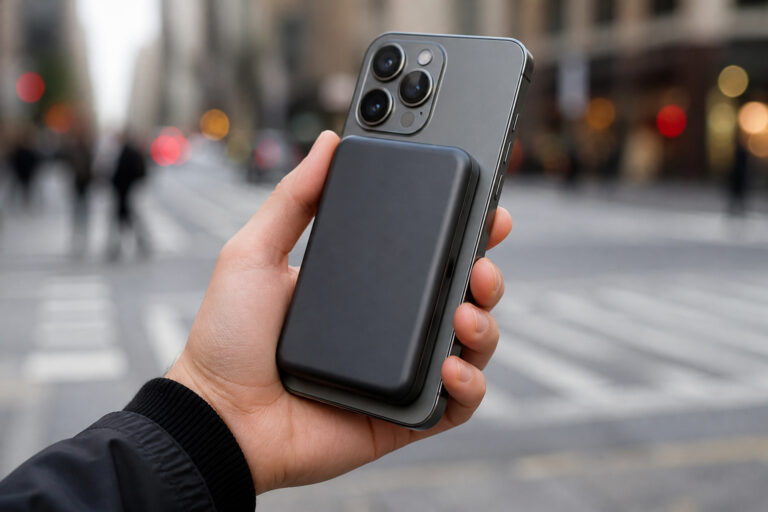
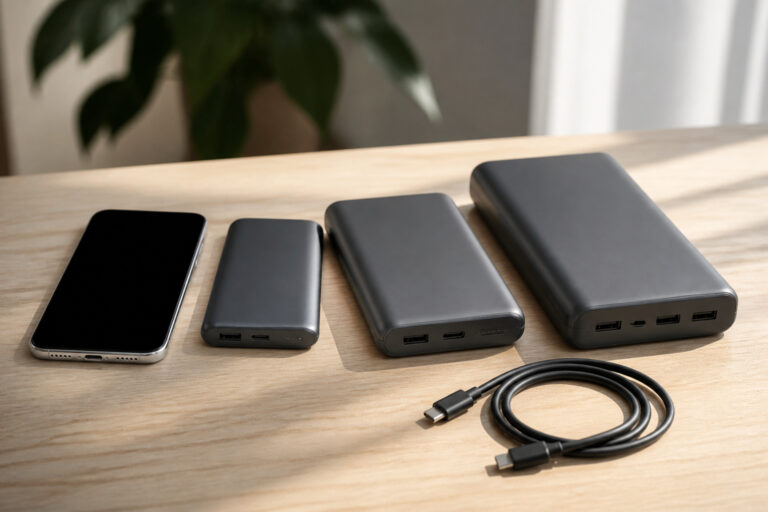
Start with power and protection. A good USB-C charger delivers the fast charging the phone supports, and a case and screen protector cost far less than a cracked screen. A power bank solves the problem of running low on power on the go, and a magnetic power bank snaps onto the back of recent iPhones with MagSafe magnets.
If you drive, our guides to MagSafe car mounts, USB-C car chargers, and Apple CarPlay cover the in-car side. For listening, see how true wireless earbuds compare. If you want to track fitness or notifications, the smartwatch buying guide explains what to look for. Keep in mind that Apple Watch only works with an iPhone.
Frequently Asked Questions
Which iPhone Is Best for Most People?
The standard iPhone 17 fits most buyers. It has two rear cameras, a current chip, and a comfortable 6.3-inch screen at a price well below the Pro models. Move up only if you want the telephoto camera or a bigger screen, and move down only if budget is the deciding factor.
Is It Worth Buying Last Year’s iPhone to Save Money?
Sometimes. The iPhone 16 costs less than the 17 and still takes good photos, but it has an older chip and may get fewer years of full support. Compare the price gap with the storage tier you need, since a cheaper phone with too little storage is not a saving.
How Often Should I Upgrade My iPhone?
Most people do not need to upgrade every year. If your phone still gets software updates, the battery lasts a day, and the screen and camera meet your needs, keeping it is the cheapest choice. A worn battery alone is often fixable with a replacement rather than a new phone.
Do I Need a Case and Screen Protector?
For most people, yes. Modern phone glass is tougher than it used to be, but it still cracks, and screen repairs cost far more than a case and protector. A case also adds grip, and a MagSafe-compatible case keeps magnetic chargers and mounts working properly.
Is It Hard to Switch From Android to iPhone?
It is easier than it used to be. Apple offers a Move to iOS app that transfers contacts, messages, photos, and more, and most popular apps exist on both platforms. Check that any paid apps and your accessories carry over, and expect a short adjustment period for gestures and settings.
Closing Thoughts
Decide how long you want to keep the phone and how much you will use the camera, then pick the cheapest model that covers those needs. For most people, that is the iPhone 17. Choose the 17e or 16 to save money, a Pro if you want the telephoto camera or the biggest battery, and the Air or Duo only if their design is the point. Whatever you choose, buy enough storage and a case, and the phone will serve you for years.