Home theater speakers either connect with wires or with wireless links.
Wired speakers give you the most consistent sound, while wireless speakers give you the most freedom in placement.
Neither is simply better, and many systems mix both.
Wired Speakers
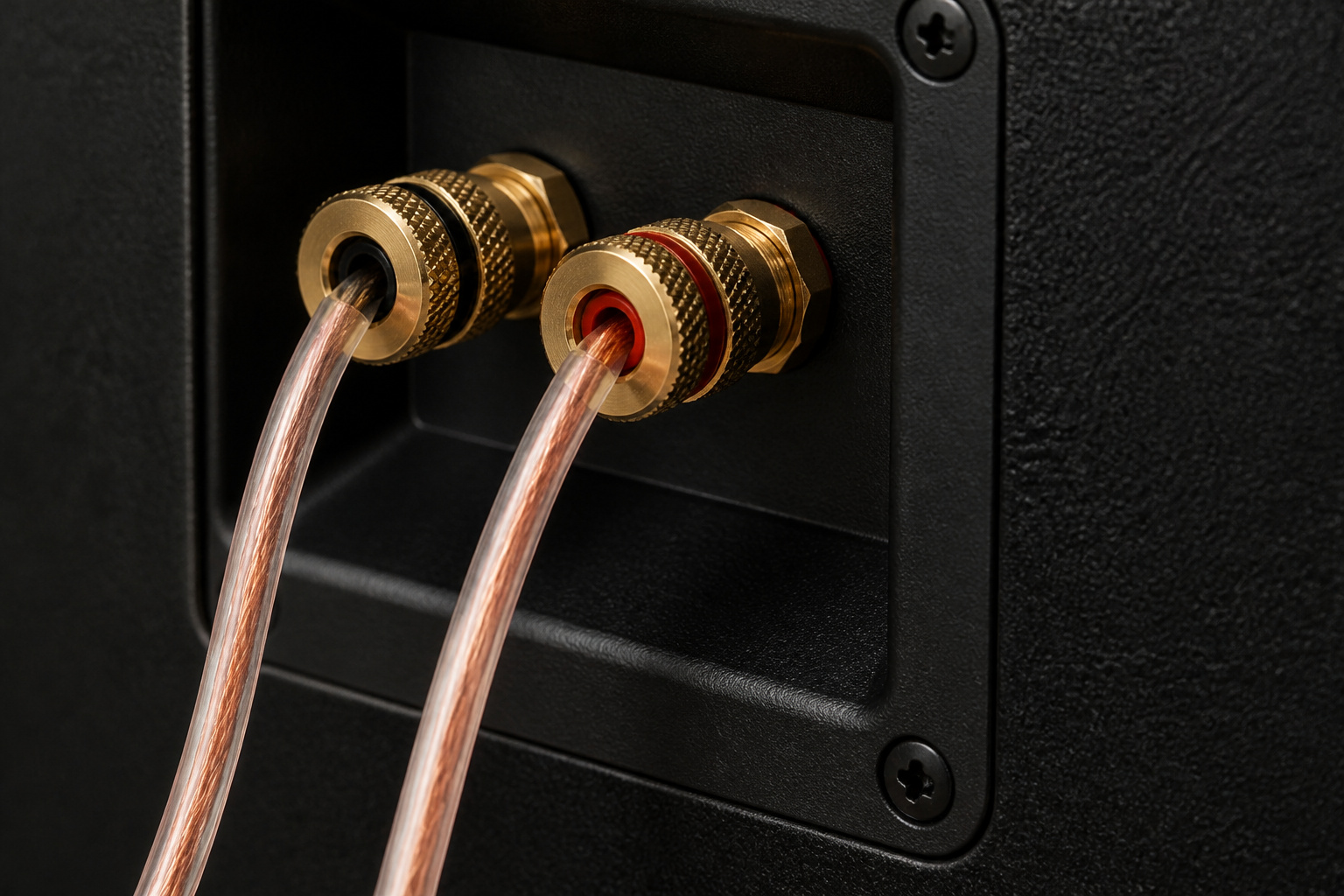
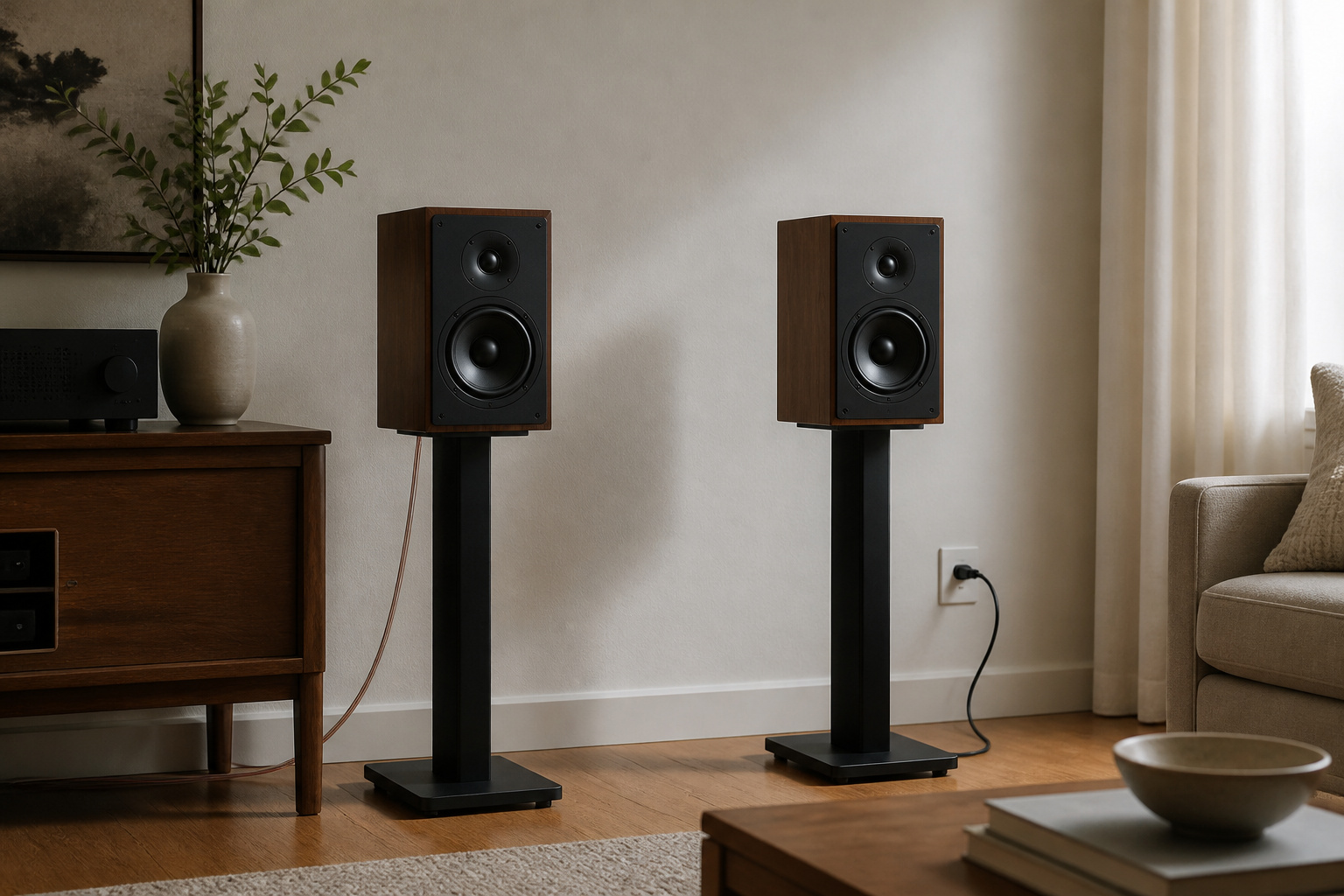
Wired speakers connect to an amplifier or receiver with speaker wire. Because the signal travels over a direct cable, quality is consistent, and there is no battery or interference to worry about.
They support high audio quality and let you upgrade or swap components freely. The downside is wire management: running cable across a room takes planning, and it can be visible unless you hide it. See how to hide TV cables.
Recommended Products

PREMIUM SPEAKER WIRE [ Frosted Red/Black | 100-feet (30.5m) | 16 Gauge ] - Featuring a double conductor, this stranded wire is constructed from high-grade copper and aluminum. It is perfect for achieving outstanding audio performance, exceptional flexibility, easy stripping and great polarity identification.

IN THE BOX: 16 gauge speaker wire cable (100 feet)

Speaker Wire for Indoor & Car Stereo: This wire is suitable for home theater systems, studio bookshelf speakers, recording studios, DIY projects, and custom installations. Built with durable 14 gauge wire, our speaker cable delivers consistent signal performance across every setup. Whether connecting this speaker wire 14 gauge to indoor speakers or running automotive wire for a car audio system, this audio cable provides a dependable connection with reliable sound
Wireless Speakers
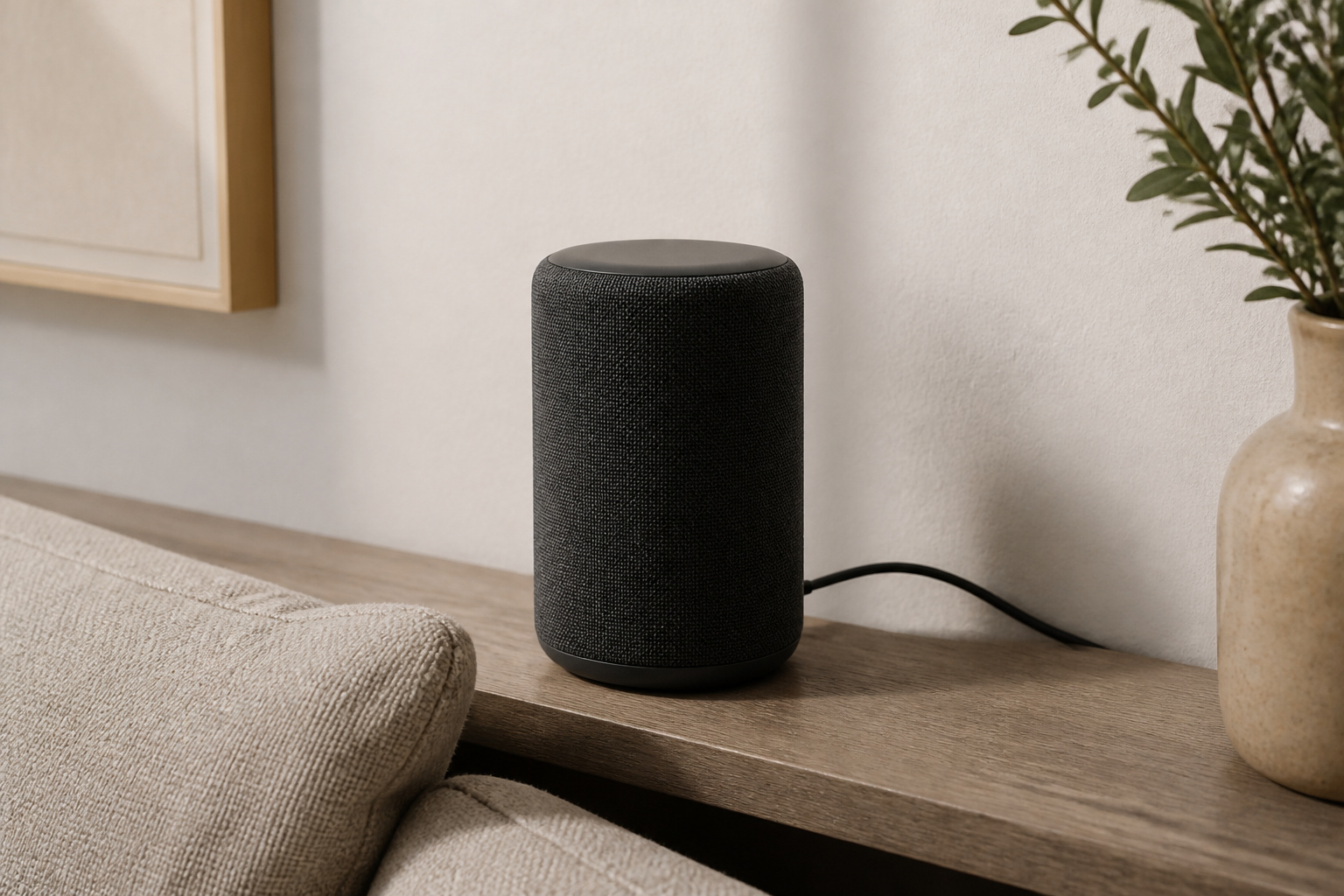
Wireless systems send audio over Wi-Fi, Bluetooth, or a proprietary radio link. Placement is much easier, which suits rear speakers in a living room.
Wireless speakers still need power, so you will usually run a power cable, and quality varies by system. Some wireless links add a small delay or can drop if the signal is crowded.
If you notice lag, see why TV audio is out of sync.
Wireless Home Theater Systems
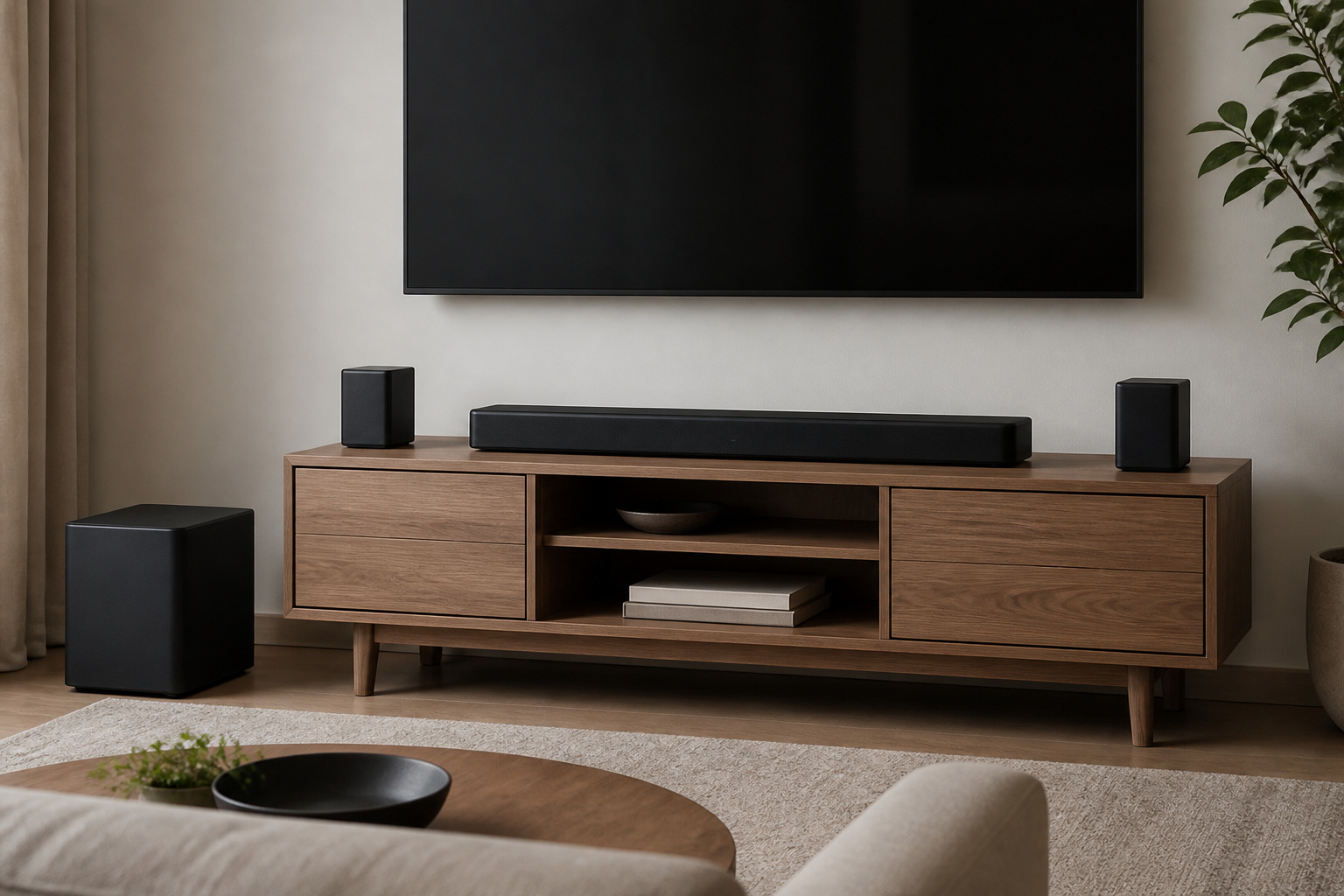
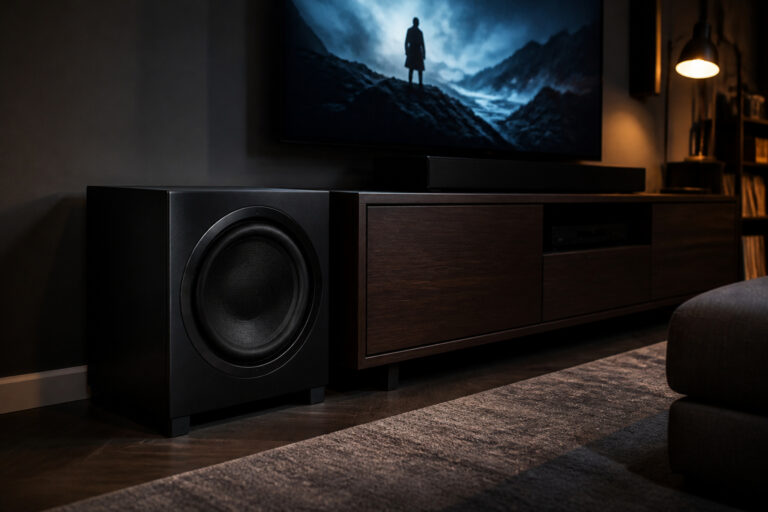
Many all-in-one wireless systems are soundbars with wireless rear speakers and a wireless subwoofer. They are easy to set up and a good fit for living rooms.
For more flexibility, some brands allow adding extra speakers over time, but they are limited to that brand’s ecosystem. Compare these to full wired setups in our soundbar vs home theater system guide.
Recommended Products

New Dimensional Sound - Come home to the cinematic sound you’ve always wanted, and experience every heart-thumping, thrill-inducing, moment. With 4 channels backed by a booming wireless subwoofer and wireless rear speakers, this LG Soundbar delivers a big audio punch without taking up too much of your space—or budget. Dolby Digital and DTS Digital compatibility means you still get enhanced sound quality for all your shows, movies, music and more.

Feel every note with a 600W power output

Simplified 5.1ch Dolby Atmos Setup: Enjoy immersive 4D sound with real Dolby Atmos and 5.1-channel audio. Five built-in speakers, including two side-firing drivers, create wide surround without rear speakers. Precision DSP ensures <0.5 ms latency for smooth, theater-like sound. Setup takes less than 1 minute.
Which Should You Choose?
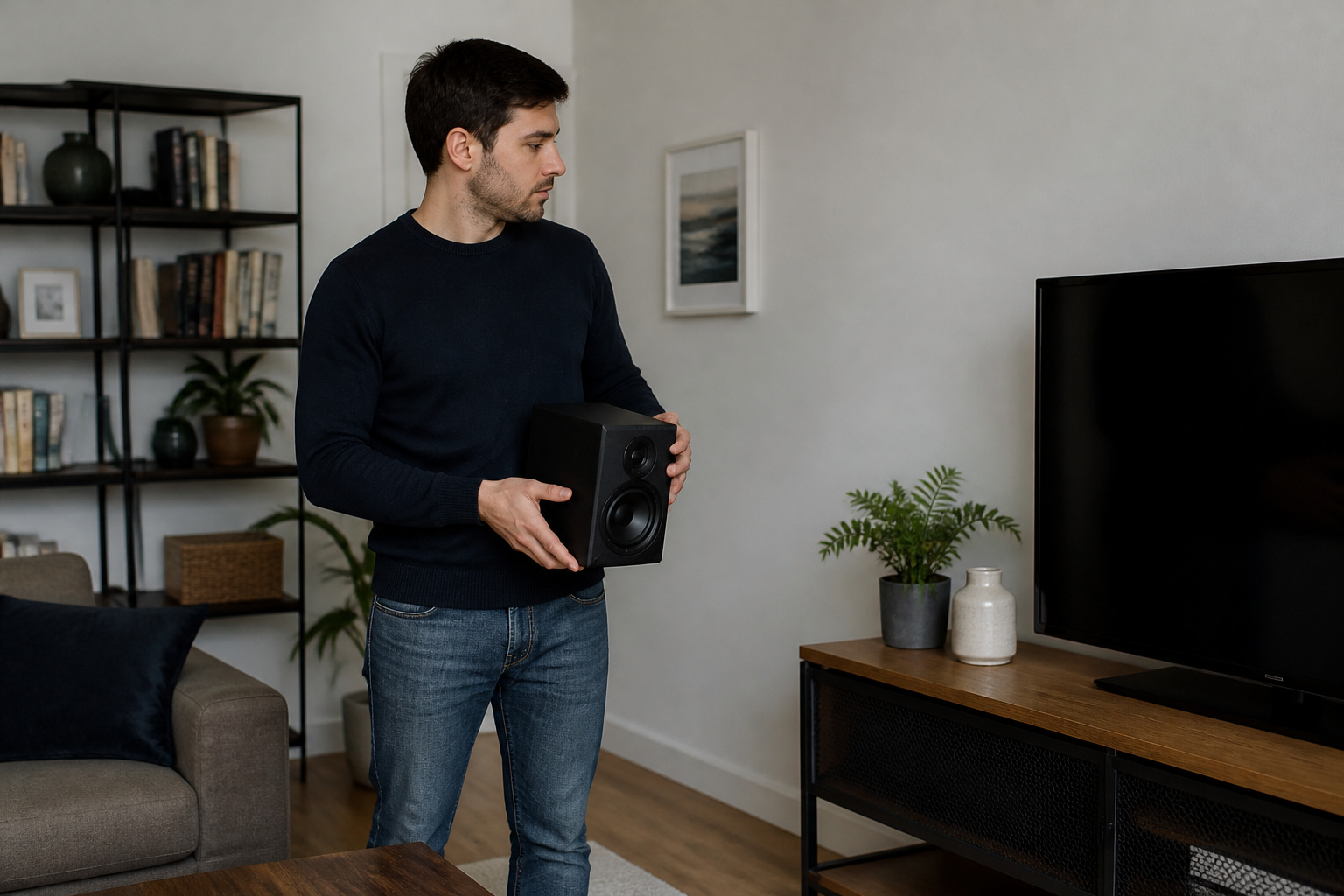
Choose wired for the best consistency and upgrade path, particularly in a dedicated room. Choose wireless when running cable is impractical, such as for rear speakers.
A hybrid approach is common: wired front speakers with wireless surrounds. Either way, use proper placement; see speaker placement and room layouts.
Recommended Products

COMPATIBLE SONY SOUNDBARS & RECEIVERS: BRAVIA Theater Trio, BRAVIA Theater Bar 9, BRAVIA Theater Bar 8, BRAVIA Theater Bar 7, HT-A7000, HT-A5000, HT-A3000, STR-AN1000


The smallest speakers designed by Bose so the focus can remain on your home entertainment not your speakers
Frequently Asked Questions
Are wireless speakers as good as wired?
Good wireless systems sound very close for most listeners. Wired speakers have an edge in consistency and flexibility.
Do wireless speakers need power cables?
Yes. They are wireless only for the audio signal, not power.
Can I mix wired and wireless speakers?
Many receivers and soundbar systems support this. Check your gear’s compatibility.
Is Bluetooth good enough for home theater?
Bluetooth can add delay and lower quality, so it is better for casual music than movies. Use a better wireless link where possible.
How do I power rear speakers in a wireless system?
Plug each rear speaker into a wall outlet, or place them near outlets. Some use rechargeable batteries instead.