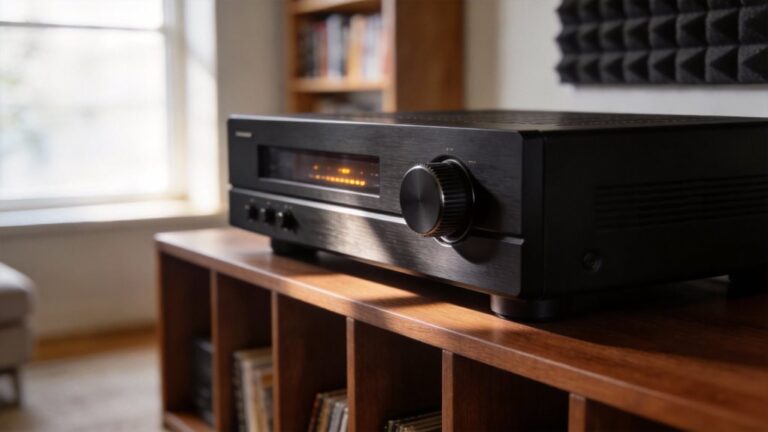
Wireless speakers come in two main kinds: Bluetooth speakers, which connect directly to your phone, and Wi-Fi speakers, which join your home network.
They differ in sound quality, range, features, and how they handle multiple rooms. This guide explains the differences and how to choose.
Bluetooth Speakers
A Bluetooth speaker pairs directly with your phone or computer and plays whatever your device sends. It’s simple, portable, and works anywhere.
The audio is compressed, and the range is limited to a room or two. Many include batteries, so they are suited for travel, outdoors, and casual use.
See Bluetooth codecs explained for how the compression affects sound.
Products Worth Considering

Outdoor-Proof Speaker: Portable design with IPX7 waterproof protection to safeguard against splashes, waves, and water vapor. Get incredible sounds at home, on camping trips,...
Wi-Fi Speakers
Wi-Fi speakers connect to your home network and stream directly from the internet or your music library, usually through a service or an app.
They can offer higher-quality audio, longer range, and multi-room playback. You can then use your phone for other tasks while music plays. They need a network and are usually mains-powered.
Features such as Apple AirPlay, Chromecast built-in, and Spotify Connect depend on the speaker and your devices.
Products Worth Considering

Seamless Audio Throughout Your Home: Transform your living space into an auditory haven with Dio Node, the pinnacle of Wi-Fi multi-room speaker technology. Effortlessly connect multiple speakers to blanket every corner of your home with rich, lossless sound. Whether you're hosting a party or enjoying a quiet evening, Dio Node ensures a flawless audio experience across your entire home, making it both a practical and luxurious addition to your daily life.

Seamless Audio Throughout Your Home: Transform your living space into an auditory haven with Dio Node, the pinnacle of Wi-Fi multi-room speaker technology. Effortlessly connect multiple speakers to blanket every corner of your home with rich, lossless sound. Whether you're hosting a party or enjoying a quiet evening, Dio Node ensures a flawless audio experience across your entire home, making it both a practical and luxurious addition to your daily life.

Power Specification: Input Voltage: 100~240V Input Frequency: 50~60HZ
Portable vs Home Speakers
Portable speakers prioritize battery, water resistance, and durability, which usually limits size and bass.
Home speakers are larger, plug into power, and can sound fuller. Look for an IP rating if you will use a speaker outdoors or near water.
Our guide on how speaker size affects sound explains why larger speakers play deeper bass.
Products Worth Considering

RICH JBL ORIGINAL PRO SOUND: The legendary JBL signature sound delivers surprisingly big audio and punchy bass from Go 3's small size.

IP67 Protection and Floats: Waterproof speaker designed to withstand harsh outdoor conditions and can also float. The Bluetooth speaker can even be immersed in water up to 3.3 ft deep for 30 minutes, making it ideal for a variety of activities. Whether you're enjoying a shower, camping in the wilderness, having a beach picnic, or sailing on a lake, this portable speaker ensures your favorite tunes are always with you.

Ultra-portable JBL Pro Sound with punchier bass: Don't let its little size fool you. The JBL Go 4 packs a serious musical punch. Your friends won't believe how much great JBL Pro Sound comes out of such a small speaker.
Stereo Pairs and Multi-Room
Pair two matching speakers as a left-right stereo set. It sounds wider and more convincing than a single speaker.
Wi-Fi systems can play different music in different rooms or the same music everywhere. Not all brands work together, so buy into one ecosystem if you want multi-room.
Products Worth Considering

BLUETOOTH WIRELESS - Popular classic bookshelf speakers now can be enjoyed without the hassle of wires. Simply connection to an iPhone, Android, Tablet, PC or Mac.
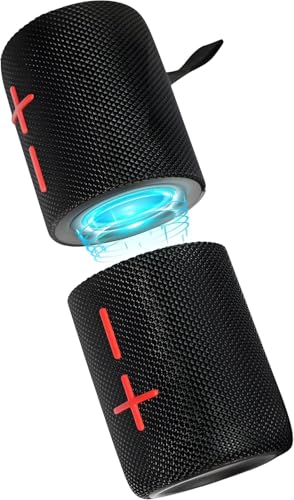
【Splittable Dual Speaker】These two speakers can be connected and paired to produce surround sound, providing a 360-degree audio experience. However, when separated, they deliver superior left and right stereo sound, making them ideal for parties. The speakers are user-friendly and offer the option to split them for optimal sound performance.

ULTRA-THIN HEADPHONES :With the headphones positioned in the middle so sleep headphones won't press against the ear, making Wireless head band a perfect replacement for traditional headphones. Especially suitable for lying down and side sleeping, our sleep headphones won't easily slip off like earplugs and other types of headphones, and won't cause discomfort or pain for side sleepers. Wireless sleep headphones can also help to reduce noise
Smart Features
Many wireless speakers include voice assistants, microphones, and app controls.
They add convenience but also raise privacy questions, which you can read about in smart home privacy.
Look for a physical mute switch if you want to disable the microphones.
Products Worth Considering
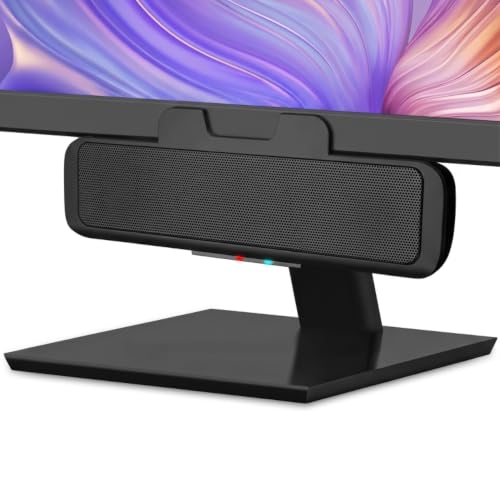
USB and Bluetooth connectivity; connect to desktop or laptop with USB cable; connect to smartphone with Bluetooth 5.0

Officially Licensed by Nintendo for Nintendo Switch 2

[COMPATIBLE WITH USB DEVICES] - Our USB Speakers are compatible with Windows, macOS, ChromeOS, and Linux, making them ideal for PC, laptop, and desktop computer. Incompatible Devices: Monitors TVs and Projector.
Sound Quality and Placement
Wireless speakers sound best placed on a stable surface away from walls and corners.
A single speaker cannot create a true stereo image, and small speakers cannot reproduce deep bass. See speaker placement for tips.
For the best sound at home, compare them with wired options in our guide to wired vs wireless audio.
Which Should You Choose
Choose Bluetooth for portability, simplicity, and travel. Choose Wi-Fi for better sound, multi-room, and a speaker that stays in one place.
For a turntable, a Bluetooth speaker works for convenience, but a wired connection to powered speakers is better. See turntables explained.
Frequently Asked Questions
Is Wi-Fi Better Than Bluetooth for Speakers?
For home listening, usually, because it supports higher-quality audio, longer range, and multi-room. Bluetooth is simpler and more portable.
How Far Can a Bluetooth Speaker Be From My Phone?
Range varies with the version and obstacles. In a typical home, expect good performance within a room or two, and less through thick walls.
Can I Pair Two Bluetooth Speakers Together?
Often yes, but usually only two speakers from the same brand or line. Check the product page for stereo pairing or party mode support.
How Long Does a Portable Speaker Battery Last?
It depends on the model and volume, and manufacturers list their figures at moderate volume. Louder play uses more power, and batteries wear out over time.
Are Water-Resistant Speakers Safe to Use Outdoors?
Look for an IP rating that covers water, and keep ports sealed. Water resistance usually covers splashes and rain, not long submersion, unless the rating says so.