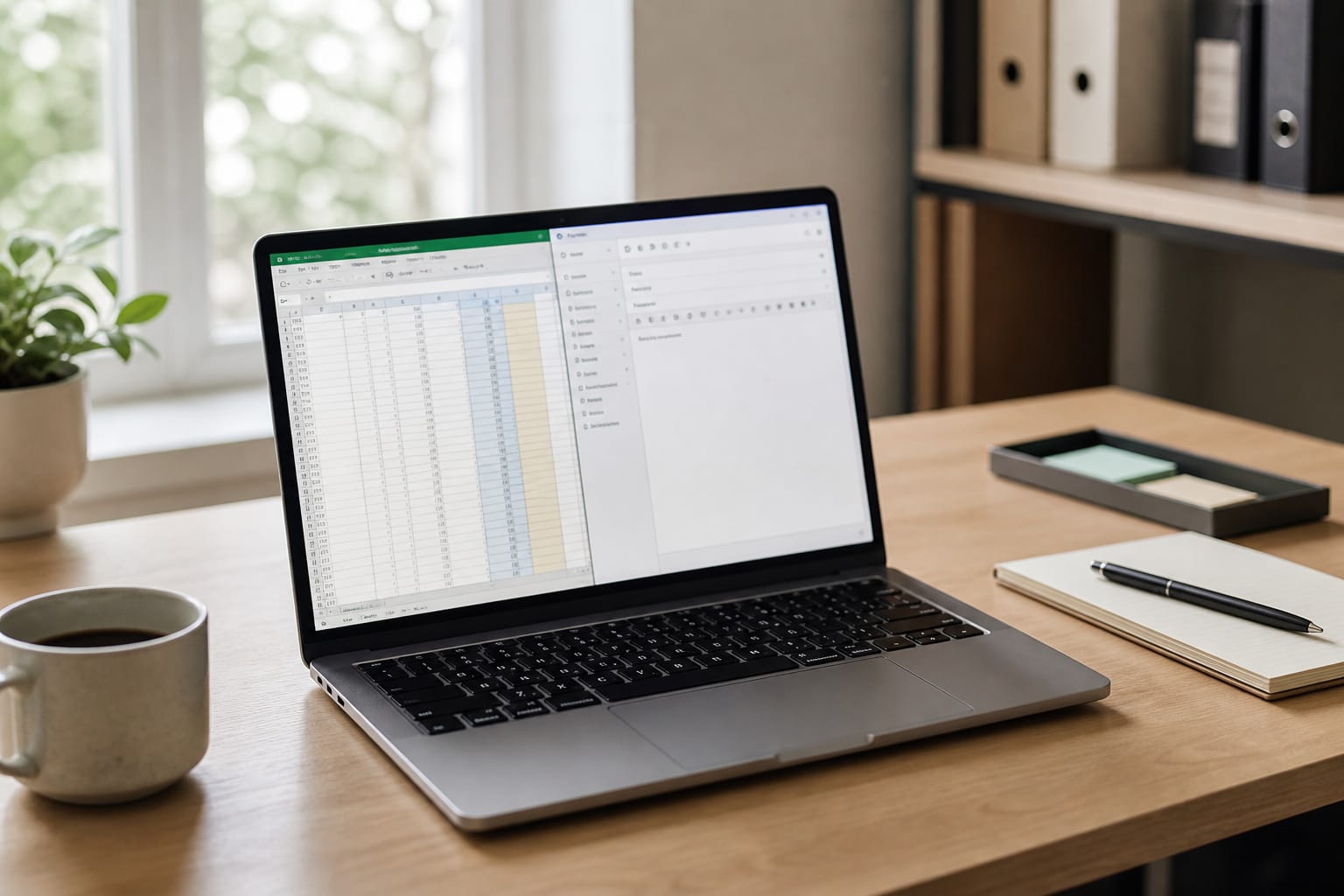
Why wrestle with a sluggish machine when all you need is speed for spreadsheets and clarity for documents? You don’t. Office work isn’t about rendering 4K video or gaming at 144 frames per second. It’s about opening Word without delay, sending emails without freezing, and switching between browser tabs like you’re flipping pages. Your computer should help, not hinder. Investing in the best laptops for home office tasks will ensure that you have the reliability needed to maintain productivity. These devices often come equipped with features that enhance multitasking, allowing you to manage multiple applications seamlessly. With the right laptop, you can transform your workspace into a hub of efficiency and creativity.
A powerful machine sounds nice, sure, but for typing reports and managing calendars, it’s like bringing a tank to a bike race. You type. You click. You save. That’s most of your day. A basic processor, like an Intel Core i3 or AMD Ryzen 3, handles this fine.
Add 8GB of RAM and you glide through Outlook, Excel, and ten Chrome tabs without sweat. You don’t need 32GB unless you’re running virtual machines or juggling giant data sets every hour. Most workers aren’t. Stick to what works.
SSD storage? Yes. It boots fast, opens files quick, and keeps things snappy. A 256GB drive holds thousands of documents, plenty for your needs. You browse. You download. You upload.
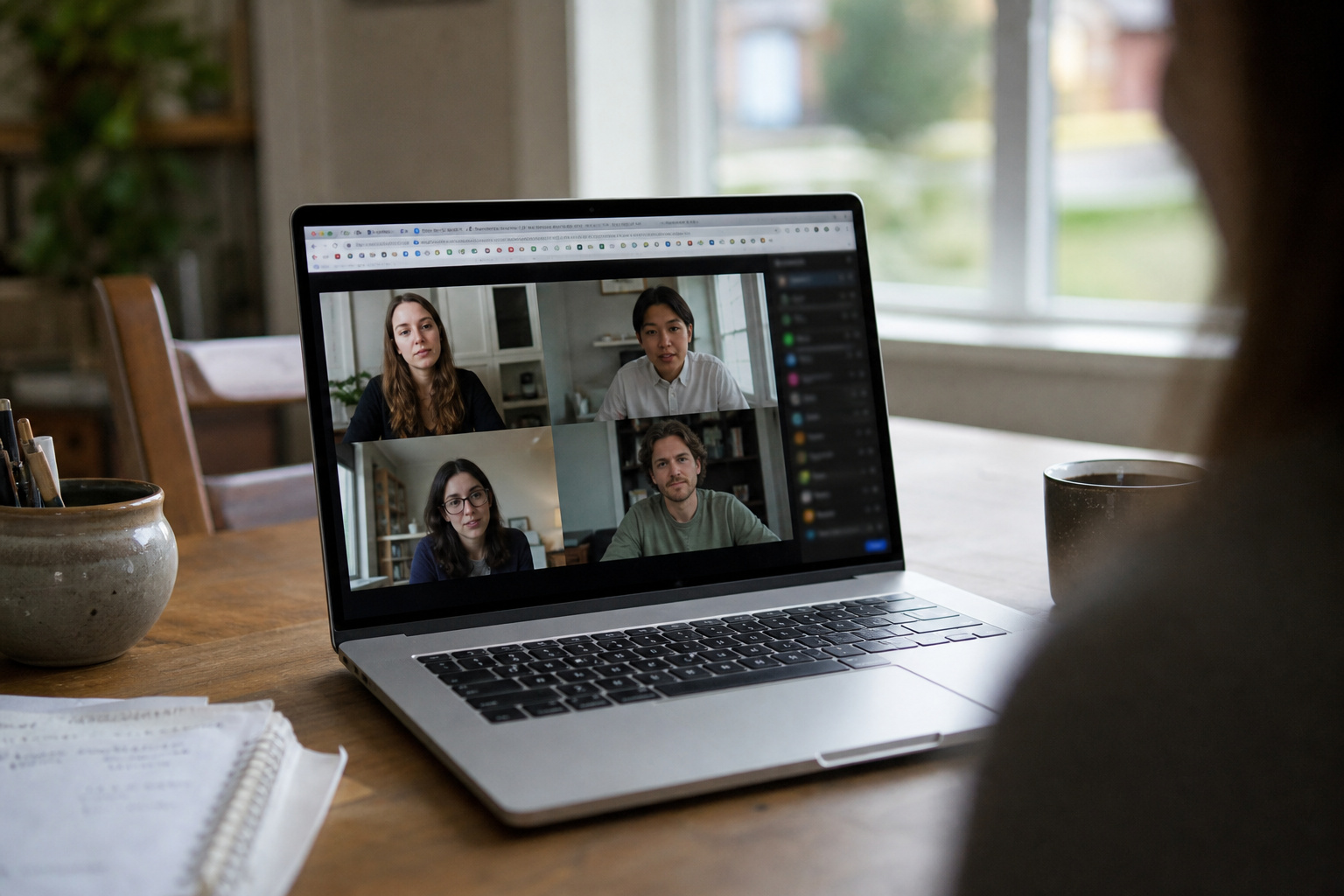
Web-based tools like Google Docs or Office 365 run smoothly on modest hardware. Even video calls over Zoom or Teams don’t demand much. A decent webcam and a mid-tier CPU manage calls in HD without stuttering.
If your screen freezes during meetings, it’s likely your Wi-Fi, not your computer’s power. Check your internet first. Upgrade your router, not your PC.
You might think more power means longer life. But tech evolves, and so do office tools. A machine strong enough today may feel dated in five years, no matter its specs.
Focus on reliability and ease of use. Pick a laptop with a good keyboard, a crisp screen, and solid build. That’s what keeps you comfortable, alert, and productive. When considering mini pc benefits for music production, it’s important to highlight their compact size and energy efficiency. These systems can offer powerful performance without taking up much space, making them ideal for home studios. With the right mini PC, you can easily create high-quality music while maintaining a clutter-free workspace.
Save your budget. Spend it on a stand-up desk, noise-canceling headphones, or an extra monitor. Those boost your real-world efficiency more than extra gigahertz ever will.
A second screen lets you draft emails while viewing a spreadsheet, no alt-tabbing, no hassle. That’s tangible progress.
You aren’t editing films. You aren’t mining cryptocurrency. You’re writing memos, organizing data, and scheduling meetings. Your tools should match your tasks.
A sleek, lightweight laptop with basic specs does that job cleanly. It fits in a bag, lasts all day on battery, and wakes instantly when you need it. When looking for essential laptop specifications for students, prioritize a model with a reliable processor and ample storage. A device with at least 8GB of RAM and a solid-state drive (SSD) will ensure smooth multitasking while working on assignments or attending virtual classes. Additionally, consider a high-resolution display for easier reading and a backlit keyboard for late-night study sessions.
Power isn’t always better. Precision is. Efficiency is. Smart choices are. You don’t need a supercomputer. You need something simple, fast, and dependable. That’s your real advantage. In today’s fast-paced world, choosing the best dell computers for productivity can make all the difference in maintaining efficiency. These machines are designed to handle multitasking with ease, allowing you to focus on what truly matters. By investing in reliable technology, you’re setting yourself up for success. When it comes to finding the best allinone computers for budget buyers, there are numerous options available that do not compromise on quality. These systems offer the perfect blend of performance and affordability, ensuring that you can work efficiently without breaking the bank. By carefully selecting the right model, you can enhance your productivity while staying within your financial means.
For businesses looking to equip teams efficiently, investing in essential desktop computer products can streamline operations without overspending on unnecessary performance.
Frequently Asked Questions
Can I Use a Tablet for Office Tasks Instead of a Computer?
Yes, you can use a tablet for office tasks. Tap to open documents; swipe through emails. Type reports with a Bluetooth keyboard. Use apps like Google Docs or Microsoft Office.
Draw charts on spreadsheets with your finger. Zoom into PDFs easily. Edit slides, add photos, share them fast. Connect to cloud storage. Join video calls smoothly.
A tablet handles most daily work. Just stay organized, stay charged.
Is a Chromebook Good Enough for Office Work?
Yes, a Chromebook handles office work just fine. Can’t you create documents, crunch spreadsheets, and join video calls with ease? You browse, type, and share files smoothly. It runs Google Workspace fast.
You store files in the cloud. Apps open quickly. The battery lasts all day. It boots in seconds. Lightweight, simple, secure.
You don’t need a powerhouse, just reliability. Perfect for emails, reports, and meetings. Why overpay?
Do I Need Antivirus Software for Office Tasks?
Yes, you need antivirus software for office tasks. You open emails. Click links. Download files. Threats hide in spreadsheets, PDFs, and attachments. A simple click can infect your system. Antivirus stops malware before it spreads. It scans downloads. Blocks suspicious sites. Runs quietly in the background. You stay safe while working.
Don’t risk data loss or leaks. Protection is fast, light, and essential, like a helmet for your digital workday. Stay guarded. Stay productive. Understanding webroot total protection features explained can help you make informed decisions about your cybersecurity needs. With robust coverage against malware and phishing attempts, your sensitive information remains secure. Embrace the peace of mind that comes from knowing you have comprehensive protection in place.
How Much RAM Is Enough for Office Applications?
You need 8GB of RAM for office apps. It handles spreadsheets, emails, and documents without slowing down. You run Word, Excel, and Zoom at once, no problem. Older files? Easy. Big workbooks? Still smooth.
If you multitask heavily, 16GB gives extra room, but 8GB covers most tasks. You won’t waste money upgrading needlessly. You stay fast, focused, and ready. Just enough power keeps things clean, simple, and strong.
Can Cloud Storage Replace a Powerful Computer for Office Work?
No, cloud storage can’t replace a powerful computer, but it helps. Over 80% of office workers use cloud tools daily. You still need solid processing power to run apps smoothly. When considering how much ram do you need, it’s essential to evaluate the types of applications you run regularly. For intensive tasks like video editing or gaming, more RAM can significantly enhance performance. Balancing your system’s RAM with the processing capabilities ensures a seamless experience across all your daily workloads. When evaluating performance factors for everyday computing, it’s crucial to assess not only your RAM and processing power but also other components like your graphics card and storage speed. Upgrading these elements can lead to noticeable improvements in how efficiently your computer handles various tasks. This holistic approach to performance can result in a more productive and enjoyable user experience.
Cloud storage saves your files safely online. You access them anywhere. But without enough CPU or RAM, programs lag. Open documents slowly. Multitasking fails.
Pair cloud storage with a balanced machine. Your workflow stays fast, smooth, and reliable.